
Understanding Stroke: A Comprehensive Guide to Prevention, Treatment, and Recovery in America
Every year, stroke affects hundreds of thousands of Americans. It changes lives in an instant. Many people survive, but recovery can take months or years. Understanding what stroke is helps people recognize warning signs early.
Brain cells need oxygen to survive. When blood flow stops, damage begins within minutes. This medical emergency requires immediate action. The faster someone gets treatment, the better their chances of recovery.
This guide explores everything you need to know about stroke. You will learn about causes, symptoms, and prevention strategies. We also cover treatment options and recovery expectations. Knowledge empowers you to protect yourself and your loved ones.
Recognize Stroke Symptoms – Act FAST
Face drooping – Does one side of the face droop or feel numb?
Arm weakness – Is one arm weak or numb? Does it drift downward?
Speech difficulty – Is speech slurred? Can the person repeat a simple sentence?
Time to call 911 – If you see any of these signs, call emergency services immediately.
Every minute counts. Brain cells die rapidly without oxygen. Emergency treatment can save lives and reduce disability.
What Is a Stroke?
A stroke happens when blood flow to part of the brain stops or reduces significantly. Brain cells begin dying within minutes without oxygen and nutrients. This creates permanent damage unless blood flow resumes quickly.
The brain controls everything your body does. Different areas manage movement, speech, memory, and sensation. When stroke damages a specific area, it affects the functions that area controls. Damage to the left brain side may cause right body paralysis.
Stroke represents the fifth leading cause of death in the United States. It also ranks as a major cause of serious disability. Many stroke survivors face long-term challenges with movement, speech, or thinking.
Types of Stroke
Medical professionals classify strokes into three main categories. Each type has different causes and requires specific treatment approaches. Understanding the differences helps explain prevention strategies.
Ischemic Stroke
This type accounts for about 87% of all strokes. A blood clot blocks an artery that supplies blood to the brain. The clot may form in the brain’s blood vessel or travel from another body part.
Two subtypes exist within ischemic stroke. Thrombotic stroke occurs when a clot forms in an artery already narrowed by plaque buildup. Embolic stroke happens when a clot forms elsewhere and travels to the brain.
Atherosclerosis often causes ischemic stroke. This condition involves fatty deposits building up in arteries. These deposits narrow vessels and create rough surfaces where clots easily form.
Hemorrhagic Stroke
This type occurs when a blood vessel in the brain ruptures and bleeds. Blood accumulates and compresses surrounding brain tissue. This pressure damages brain cells and disrupts normal function.
High blood pressure represents the most common cause. It weakens vessel walls over time. Aneurysms, which are weak spots in vessel walls, can also burst. Other causes include head trauma and blood thinning medications.
Hemorrhagic strokes are less common but more deadly. They cause about 40% of all stroke deaths. Bleeding in the brain creates more complications than blocked blood flow.
Transient Ischemic Attack
A transient ischemic attack, or TIA, works like a warning stroke. Blood flow to the brain stops temporarily, usually for less than five minutes. Symptoms match those of a regular stroke but disappear quickly.
People sometimes call TIA a “mini-stroke.” This nickname minimizes its seriousness. TIA signals high risk for a major stroke soon. About one in three people with TIA experience a full stroke within a year.
Medical attention remains crucial even if symptoms resolve. Doctors can identify the cause and start preventive treatment. Many full strokes could be prevented if people took TIA seriously and sought immediate care.
Why Stroke Is a Major Health Threat in the United States
Stroke kills someone in America every four minutes. This devastating condition affects more than 795,000 Americans annually. About 610,000 of these cases represent first-time strokes, while 185,000 are recurrent attacks.
The economic burden reaches staggering levels. Stroke costs the nation approximately $56.5 billion each year. This includes healthcare services, medications, and lost productivity. Many families face financial hardship after a loved one experiences stroke.
Rising Prevalence and Risk Factors
Several factors contribute to stroke’s threat level. The American population ages steadily, and stroke risk increases with age. Modern lifestyles promote conditions that raise stroke risk. Poor diet, physical inactivity, and stress create perfect conditions for stroke.
High blood pressure affects nearly half of American adults. This condition represents the single biggest risk factor for stroke. Many people don’t even know they have it because symptoms rarely appear until serious damage occurs.
Obesity rates continue climbing across all age groups. Excess weight contributes to high blood pressure, diabetes, and heart disease. All these conditions increase the likelihood of stroke. The problem affects younger Americans more than ever before.
Stroke Impact by the Numbers
- Stroke occurs every 40 seconds in the United States
- Someone dies from stroke every 4 minutes
- Approximately 87% of strokes are ischemic stroke cases
- About 795,000 people experience stroke annually
- Stroke costs the US economy $56.5 billion per year
- Nearly 75% of strokes occur in people over 65 years old
Healthcare System Challenges
The healthcare system struggles to manage the stroke burden. Emergency rooms see thousands of stroke cases daily. Many rural areas lack specialized stroke centers. Patients may need transport over long distances for proper treatment.
Treatment requires specialized expertise and expensive equipment. Not every hospital has the resources for advanced stroke care. This creates disparities in outcomes based on geographic location. Urban residents generally receive better immediate care than rural populations.
Long-term care needs compound the problem. Many stroke survivors require months or years of rehabilitation. Physical therapy, occupational therapy, and speech therapy all cost money. Insurance coverage doesn’t always adequately address these needs.
Age Groups Most Affected by Stroke
Age plays a crucial role in stroke risk. The likelihood of having a stroke doubles each decade after age 55. About 75% of strokes occur in people older than 65 years. However, younger people are not immune to this condition.
Older Adults: Highest Risk Group
People over 65 face the highest stroke risk. Their bodies accumulate decades of wear on blood vessels. Arteries lose flexibility and develop plaque buildup. The heart may not pump as efficiently. All these factors combine to increase stroke likelihood.
Risk continues climbing with each passing year. Those over 85 years old have the highest stroke rates. Their bodies become less resilient to vascular problems. Recovery also becomes more challenging at advanced ages.
Chronic conditions become more common with age. High blood pressure, diabetes, and atrial fibrillation all increase stroke risk. Many older adults take multiple medications. Some medications can interact and affect blood clotting or pressure.
Middle-Aged Adults: Growing Concern
Stroke rates among middle-aged Americans are rising. People between 45 and 64 years now account for a growing percentage of cases. This age group faces unique challenges that increase their vulnerability.
Work stress affects many middle-aged adults. Long hours, job pressure, and financial worries take physical tolls. Stress hormones can damage blood vessels over time. Many people neglect health during their peak working years.
Lifestyle factors accumulate during middle age. Years of poor diet, limited exercise, and high stress combine. The body shows less resilience than in younger years. Health problems that seemed distant suddenly become real threats.
Younger Adults: An Emerging Trend
Stroke among people under 45 years is increasing. This trend worries medical professionals. Young stroke cases grew by 44% over recent decades. Several factors drive this concerning development.
Obesity affects more young people than ever before. Diabetes diagnoses in younger populations rise steadily. Drug use, particularly cocaine and methamphetamine, damages blood vessels. These substances can trigger stroke even in otherwise healthy individuals.
Young people often ignore warning signs. They believe stroke only affects older individuals. This misconception delays treatment and worsens outcomes. Early recognition and immediate care remain crucial regardless of age.
| Age Group | Risk Level | Primary Risk Factors | Prevention Focus |
| 18-44 years | Low to Moderate | Obesity, drug use, smoking, high blood pressure | Lifestyle modification, avoiding substance abuse |
| 45-54 years | Moderate | Stress, sedentary lifestyle, poor diet, diabetes | Regular health screenings, stress management |
| 55-64 years | High | Atherosclerosis, high blood pressure, heart disease | Medication compliance, exercise, diet control |
| 65-74 years | Very High | Multiple chronic conditions, atrial fibrillation | Close medical monitoring, multiple risk factor management |
| 75+ years | Extremely High | Advanced age, weakened vessels, medication interactions | Comprehensive care coordination, fall prevention |
How Stroke Became a Stressful and Out-of-Control Issue in America
The stroke crisis in America reflects deeper societal problems. Multiple factors combine to create a perfect storm. Understanding these elements helps explain why the problem seems overwhelming.
Lifestyle and Dietary Changes
American lifestyles changed dramatically over the past century. People move less and eat more processed foods. Work became more sedentary as technology advanced. These shifts directly impact cardiovascular health.
Fast food dominates the American diet. These meals contain excessive sodium, unhealthy fats, and added sugars. Portion sizes grew significantly over recent decades. People consume more calories than their bodies need or can properly process.
Physical activity declined across all age groups. Adults spend hours sitting at desks or in cars. Children play video games instead of outdoor sports. This sedentary lifestyle weakens the cardiovascular system and promotes weight gain.
Healthcare Access Disparities
Not all Americans have equal access to healthcare. Rural areas often lack specialized stroke centers. Transportation challenges prevent timely treatment. Distance to hospitals can mean the difference between recovery and permanent disability.
Insurance coverage creates another barrier. Many people avoid medical care due to cost concerns. They skip preventive checkups and don’t manage chronic conditions. This neglect allows risk factors to worsen unchecked until stroke occurs.
Racial and ethnic minorities face higher stroke rates. These disparities reflect complex social and economic factors. Limited healthcare access, higher stress levels, and genetic predisposition all play roles. Cultural barriers sometimes prevent people from seeking timely care.
Awareness and Education Gaps
Many Americans can’t recognize stroke symptoms. This knowledge gap leads to dangerous delays in treatment. People wait hours before calling 911, hoping symptoms will resolve. Those lost hours mean permanent brain damage.
Prevention information doesn’t reach everyone effectively. Health literacy varies widely across populations. Some communities lack access to educational resources. Language barriers prevent non-English speakers from understanding health information.
Young people particularly underestimate their risk. They assume stroke only affects the elderly. This misconception means they ignore risk factors and warning signs. Early prevention could spare many people from experiencing stroke.
Contributing Factors to America’s Stroke Crisis
- Epidemic levels of obesity and diabetes
- High sodium intake from processed and fast foods
- Sedentary lifestyles with minimal physical activity
- Chronic stress from work and financial pressures
- Inadequate healthcare access in rural areas
- Health insurance gaps and high medical costs
- Racial and socioeconomic health disparities
- Limited public awareness of warning signs
Assess Your Stroke Risk Today
Understanding your personal risk factors is the first step toward prevention. Take a comprehensive stroke risk assessment to identify areas where you can make protective changes. Knowledge empowers you to take control of your health.
How to Prevent Stroke: Evidence-Based Strategies
Prevention represents the most effective approach to stroke. About 80% of strokes can be prevented through lifestyle changes and medical management. Small changes today can dramatically reduce your risk tomorrow.

Control High Blood Pressure
High blood pressure damages blood vessels throughout your body. This condition represents the most significant modifiable stroke risk factor. Keeping blood pressure under control reduces stroke risk by up to 40%.
Monitor your blood pressure regularly. Home monitors provide convenient tracking. Aim for readings below 120/80 mm Hg. Higher readings require medical attention and possible medication adjustments.
Lifestyle changes help control blood pressure naturally. Reduce sodium intake to less than 1,500 mg daily. Exercise regularly, at least 150 minutes weekly. Limit alcohol consumption. Manage stress through relaxation techniques. These steps often reduce or eliminate medication needs.
Manage Diabetes Effectively
Diabetes doubles stroke risk if left uncontrolled. High blood sugar damages blood vessels and promotes atherosclerosis. Maintaining healthy glucose levels protects your brain and entire cardiovascular system.
Check blood sugar regularly if you have diabetes. Work with your doctor to establish target ranges. Take medications as prescribed. Consistent management prevents complications that lead to stroke.
Diet plays a crucial role in diabetes control. Focus on complex carbohydrates that release sugar slowly. Include plenty of fiber from vegetables and whole grains. Limit simple sugars and refined carbohydrates. Regular meals help maintain stable blood sugar levels.
Maintain a Healthy Weight
Excess weight strains your cardiovascular system. Obesity increases risk for high blood pressure, diabetes, and high cholesterol. Losing even 10 pounds can significantly reduce stroke risk.
Calculate your body mass index to assess your weight status. BMI between 18.5 and 24.9 is considered healthy. Higher numbers indicate overweight or obesity. Waist circumference also matters. Men should aim for under 40 inches, women under 35 inches.
Sustainable weight loss requires gradual changes. Reduce calorie intake by 500-750 calories daily. Increase physical activity to burn more calories. Focus on long-term lifestyle changes rather than quick fixes. Slow, steady weight loss lasts longer than crash dieting.
Exercise Regularly
Physical activity strengthens your heart and improves circulation. Exercise helps control weight, blood pressure, and cholesterol levels. Regular movement reduces stroke risk by 25-30%.
Aim for at least 150 minutes of moderate exercise weekly. This breaks down to 30 minutes on most days. Brisk walking counts as moderate activity. Swimming, cycling, and dancing also work well. Choose activities you enjoy to maintain consistency.
Strength training provides additional benefits. Build muscle twice weekly using weights or resistance bands. Stronger muscles improve metabolism and help control blood sugar. Flexibility exercises like yoga reduce stress and improve balance.
Primary Prevention Strategies
- Monitor and control blood pressure below 120/80
- Maintain healthy blood sugar levels if diabetic
- Achieve and maintain healthy body weight
- Exercise at least 150 minutes per week
- Eat a diet rich in fruits and vegetables
- Limit sodium intake to under 1,500 mg daily
- Quit smoking and avoid secondhand smoke
- Limit alcohol to moderate levels
Medical Management
- Take blood pressure medications as prescribed
- Use cholesterol-lowering drugs if recommended
- Take blood thinners if you have atrial fibrillation
- Manage diabetes with appropriate medications
- Attend regular health checkups and screenings
- Discuss aspirin therapy with your doctor
- Monitor medication side effects
- Update doctors on all medications you take

Quit Smoking and Limit Alcohol
Smoking damages blood vessels and promotes clot formation. It doubles stroke risk compared to nonsmokers. Quitting smoking provides immediate benefits. Risk begins dropping within months and reaches normal levels after several years.
Many resources help with smoking cessation. Nicotine replacement products ease withdrawal symptoms. Prescription medications can help reduce cravings. Support groups provide encouragement. Talk to your doctor about the best quitting strategy for you.
Heavy alcohol consumption raises blood pressure and promotes irregular heart rhythms. Both conditions increase stroke risk. Men should limit alcohol to two drinks daily. Women should have no more than one drink per day. Consider eliminating alcohol entirely if you have other risk factors.
Treat Atrial Fibrillation
Atrial fibrillation causes irregular heartbeat that allows blood to pool and clot. These clots can travel to the brain and cause stroke. This condition increases stroke risk five times compared to normal heart rhythm.
Many people don’t realize they have atrial fibrillation. Symptoms include heart palpitations, shortness of breath, and fatigue. Some people experience no symptoms at all. Regular checkups can detect this condition before stroke occurs.
Treatment usually involves blood-thinning medications. These drugs prevent clot formation. Some people also need medications to control heart rate or rhythm. In certain cases, doctors recommend procedures to restore normal heartbeat. Proper treatment dramatically reduces stroke risk.
Is Stroke Treatment Really Helpful? What Doctors Say
Modern stroke treatment saves lives and reduces disability. Medical advances over the past two decades transformed outcomes. Doctors now have powerful tools to restore blood flow and minimize brain damage. Success depends heavily on how quickly treatment begins.

Emergency Treatment Options
Time determines treatment effectiveness. The phrase “time is brain” emphasizes this urgency. Brain cells die at a rate of 1.9 million per minute during stroke. Every minute without treatment causes more permanent damage.
Tissue plasminogen activator, or tPA, dissolves clots in ischemic stroke. This medication must be given within 4.5 hours of symptom onset. It works best when administered within three hours. Studies show tPA increases the chance of complete recovery by 30%.
Mechanical thrombectomy removes large clots directly from brain arteries. A specialist threads a device through blood vessels to the clot location. This procedure works for clots too large for medication alone. The treatment window extends to 24 hours in carefully selected patients.
Hemorrhagic Stroke Treatment
Hemorrhagic stroke requires different approaches. Doctors work to stop bleeding and reduce pressure on the brain. Surgery may be necessary to repair damaged vessels or remove accumulated blood.
Medications control blood pressure during hemorrhagic stroke. Keeping pressure stable prevents additional bleeding. Doctors may reverse blood thinning medications if those drugs contributed to bleeding. Some patients need drugs to prevent seizures.
Surgical interventions address the bleeding source. Clipping aneurysms prevents future rupture. Coiling places tiny coils inside aneurysms to promote clotting. Removing blood clots reduces pressure on surrounding brain tissue. The specific approach depends on bleeding location and severity.
What Neurologists Report
Neurologists emphasize that outcomes improved dramatically. Dr. Karen Johnston from the American Heart Association notes that stroke deaths decreased by 33% over recent decades. This progress reflects better treatments and faster emergency response.
Stroke specialists stress the importance of comprehensive stroke centers. These facilities have teams trained specifically in stroke care. They maintain equipment ready for immediate use. Patients treated at these centers have better survival rates and less disability.
Many doctors highlight the role of rehabilitation in recovery. Physical therapy helps patients regain movement. Speech therapy addresses communication problems. Occupational therapy teaches strategies for daily activities. Starting rehabilitation early produces the best results.
“Modern stroke treatment has revolutionized patient outcomes. When patients arrive within the treatment window and receive appropriate care, we can often prevent permanent disability. The key is recognizing symptoms immediately and calling 911 without delay.”
Rehabilitation and Long-Term Management
Recovery continues long after leaving the hospital. Most improvement occurs within the first three to six months. However, the brain continues healing for years. Dedicated rehabilitation work produces ongoing gains.
Rehabilitation programs address specific deficits. Physical therapists help restore movement and balance. Speech therapists work on language and swallowing problems. Occupational therapists focus on daily living skills. Psychologists help patients cope with emotional changes.
Preventing recurrent stroke becomes a priority. Doctors prescribe medications to manage risk factors. Blood thinners prevent new clots. Blood pressure medications protect blood vessels. Cholesterol drugs reduce atherosclerosis. Taking medications as prescribed cuts recurrence risk in half.
Find a Certified Stroke Center Near You
Receiving care at a certified stroke center significantly improves outcomes. These specialized facilities have the expertise and equipment to provide rapid, effective treatment. Locate an accredited comprehensive or primary stroke center in your area.
Stroke Statistics Over 100 Years in the United States
Examining stroke trends over the past century reveals important patterns. Death rates declined significantly due to medical advances and prevention efforts. However, the absolute number of stroke cases continues rising as the population ages.
| Decade | Death Rate per 100,000 | Annual Deaths (Estimated) | Survival Rate | Key Medical Advances |
| 1920s | 150-160 | 165,000 | 20% | Limited understanding of stroke causes |
| 1930s | 145-155 | 180,000 | 25% | Recognition of high blood pressure link |
| 1940s | 135-145 | 190,000 | 30% | First blood pressure medications developed |
| 1950s | 110-120 | 175,000 | 35% | Improved diagnostic techniques |
| 1960s | 100-105 | 190,000 | 40% | CT scan invention revolutionizes diagnosis |
| 1970s | 85-95 | 185,000 | 45% | Widespread blood pressure treatment |
| 1980s | 65-75 | 155,000 | 55% | MRI technology, stroke units established |
| 1990s | 55-65 | 158,000 | 65% | tPA approved for stroke treatment |
| 2000s | 45-50 | 143,000 | 75% | Comprehensive stroke centers, better prevention |
| 2010s | 37-42 | 133,000 | 82% | Mechanical thrombectomy, mobile stroke units |
| 2020s | 38-40 | 137,000 | 85% | Extended treatment windows, telemedicine |
The table demonstrates remarkable progress in stroke mortality reduction. Death rates fell by approximately 75% over the past century. This improvement reflects better prevention, faster recognition, and more effective treatment.
The 1990s marked a turning point with tPA approval. This clot-dissolving medication gave doctors a powerful acute treatment tool. Survival rates jumped significantly once this treatment became widely available.
Recent decades brought mechanical thrombectomy and extended treatment windows. These advances help more patients receive life-saving interventions. Mobile stroke units bring treatment directly to patients, further reducing time to care.
Can People Recover Fully From Stroke, or Is It Chronic?
Stroke recovery varies dramatically between individuals. Some people regain full function within weeks. Others face lifelong disabilities. Multiple factors influence the recovery trajectory and final outcome.

Factors Affecting Recovery
The severity of the initial stroke strongly predicts recovery potential. Small strokes affecting limited brain areas often resolve completely. Large strokes damaging extensive brain tissue typically cause permanent deficits. Location matters as much as size.
Treatment speed dramatically affects outcomes. People who receive treatment within the first hour have the best chance of full recovery. Each hour delay reduces recovery likelihood. Brain tissue saved early in treatment continues functioning normally.
Age influences recovery capacity. Younger brains demonstrate more plasticity and adapt better to damage. However, older adults can still make significant improvements with proper rehabilitation. Motivation and effort matter at any age.
Types of Lasting Effects
Physical disabilities represent the most visible stroke effects. Paralysis or weakness typically affects one side of the body. Some people walk again with assistive devices. Others regain full mobility through intensive therapy. Improvement continues for months or years.
Communication problems frustrate many survivors. Aphasia affects the ability to speak or understand language. Reading and writing may also become difficult. Speech therapy helps most people improve these skills. Some patients learn alternative communication methods.
Cognitive changes affect thinking, memory, and judgment. These invisible disabilities significantly impact daily life. Patients may struggle with problem-solving or planning. Attention and concentration often decrease. Cognitive rehabilitation addresses these challenges.
Factors Supporting Full Recovery
- Small stroke affecting limited brain area
- Rapid treatment within first hours
- Younger age with better brain plasticity
- Strong rehabilitation participation
- Good pre-stroke health status
- Adequate social and family support
- Access to comprehensive rehabilitation services
- Effective management of risk factors
Challenges to Complete Recovery
- Large stroke with extensive damage
- Delayed treatment or no acute intervention
- Advanced age with limited brain adaptation
- Multiple strokes or recurrent events
- Pre-existing chronic health conditions
- Limited access to rehabilitation services
- Depression or motivation problems
- Continued presence of major risk factors

The Reality of Chronic Effects
Many stroke survivors face chronic challenges. About 25% of survivors experience another stroke within five years. Recurrent strokes often cause more severe disability than the initial event. Prevention becomes a lifelong commitment.
Fatigue affects most stroke survivors long-term. Even simple tasks require more effort than before. Energy levels may never return to pre-stroke baselines. Learning to pace activities becomes essential for managing daily life.
Emotional changes persist for many people. Depression affects approximately 30% of stroke survivors. Anxiety and emotional lability also occur frequently. These mood changes respond well to counseling and medication. Addressing emotional health improves overall recovery.
Recovery Timeline and Expectations
Most recovery occurs within the first three to six months. Improvement happens fastest during this period. The brain works hardest to reorganize and compensate for damage. Intensive rehabilitation during this window produces the best results.
Progress continues beyond six months, though at a slower pace. Some people show improvements two or three years after stroke. Continued therapy and practice maintain and enhance recovered function. Stopping therapy often leads to declining abilities.
Realistic expectations help patients and families cope. Complete recovery happens in only about 10-15% of cases. Most survivors regain some function but continue experiencing limitations. Adapting to a “new normal” becomes part of the journey. Quality of life can still be excellent despite ongoing challenges.
Food Choices That Increase Stroke Risk
Diet plays a crucial role in stroke risk. The typical American diet contains too much of what harms and too little of what protects. Understanding these relationships empowers better food choices.

High Sodium Foods
Excessive sodium directly raises blood pressure. Americans consume an average of 3,400 mg daily. The recommended limit is 1,500 mg for most adults. This massive excess contributes significantly to the stroke epidemic.
Processed foods contain most dietary sodium. Restaurant meals often include 2,000-3,000 mg per serving. Canned soups, frozen dinners, and packaged snacks all pack sodium. Even bread and breakfast cereals contribute significant amounts.
Reading nutrition labels becomes essential. Look for sodium content per serving. Choose products with less than 140 mg per serving when possible. Compare brands to find lower-sodium options. Cooking from scratch gives you complete control over salt content.
Saturated and Trans Fats
These unhealthy fats raise cholesterol and promote atherosclerosis. Saturated fat comes mainly from animal products. Butter, cheese, fatty meats, and whole milk all contain high levels. Tropical oils like coconut and palm oil also have saturated fat.
Trans fats represent an even bigger threat. These artificial fats damage blood vessels and increase inflammation. Partially hydrogenated oils contain trans fats. Many fried foods, baked goods, and margarine products historically contained these harmful fats. Regulations now limit trans fats in food products.
Limiting these fats requires conscious choices. Choose lean meats and remove visible fat. Use low-fat or fat-free dairy products. Replace butter with olive oil. Avoid fried foods at restaurants. Read labels and avoid products listing partially hydrogenated oils.
Added Sugars and Refined Carbohydrates
Excess sugar contributes to obesity, diabetes, and inflammation. These conditions all increase stroke risk. Americans consume an average of 17 teaspoons of added sugar daily. Health organizations recommend limiting intake to 6-9 teaspoons.
Sugar hides in unexpected places. Sauces, salad dressings, and yogurt often contain significant amounts. Breakfast cereals can have more sugar than desserts. Beverages represent the biggest source. One soda contains about 10 teaspoons of sugar.
Refined carbohydrates behave similarly to sugar in your body. White bread, white rice, and regular pasta spike blood sugar. These foods lack fiber and nutrients. They contribute to weight gain and insulin resistance. Choosing whole grain alternatives provides better nutrition and blood sugar control.
High-Risk Foods to Limit or Avoid
- Processed deli meats and hot dogs
- Canned soups and broths
- Frozen dinners and pizzas
- Salty snacks like chips and pretzels
- Restaurant fast food meals
- Pickled and cured foods
Sodium-Heavy Foods
- Fatty red meats and processed meats
- Full-fat dairy products
- Fried foods from restaurants
- Butter and stick margarine
- Baked goods with shortening
- Tropical oils in processed foods
Unhealthy Fat Sources
- Sugar-sweetened beverages and sodas
- Candy and sweetened desserts
- White bread and refined pasta
- Sweetened breakfast cereals
- Energy drinks and sweetened coffee
- Processed baked goods and pastries
Sugar and Refined Carbs
Red and Processed Meats
High consumption of red meat links to increased stroke risk. Studies show eating more than two servings weekly raises risk by 20%. Processed meats like bacon, sausage, and deli meat pose even greater danger.
These meats contain saturated fat and cholesterol. They also include compounds that damage blood vessels. Processed meats add sodium and preservatives to the mix. The combination creates multiple pathways to stroke.
Reducing meat intake benefits cardiovascular health. Choose fish or poultry instead of red meat. When eating red meat, select lean cuts and small portions. Limit processed meats to occasional treats rather than daily staples. Plant-based protein sources offer the healthiest alternatives.
Alcohol Excess
Heavy drinking significantly increases stroke risk. Consuming more than two drinks daily for men or one for women raises danger. Binge drinking poses particular threats by causing blood pressure spikes.
Alcohol affects stroke risk through multiple mechanisms. It raises blood pressure and promotes irregular heart rhythms. Heavy drinking damages liver function and affects blood clotting. These effects combine to increase stroke likelihood.
Moderate alcohol consumption may offer some cardiovascular benefits. However, these potential benefits don’t outweigh the risks for most people. If you choose to drink, do so in strict moderation. People with high stroke risk should consider avoiding alcohol entirely.
Healthy Food Habits That Prevent Stroke
Strategic dietary choices dramatically reduce stroke risk. No single food prevents stroke, but overall eating patterns make a huge difference. The Mediterranean and DASH diets both show strong protective effects.
Emphasize Fruits and Vegetables
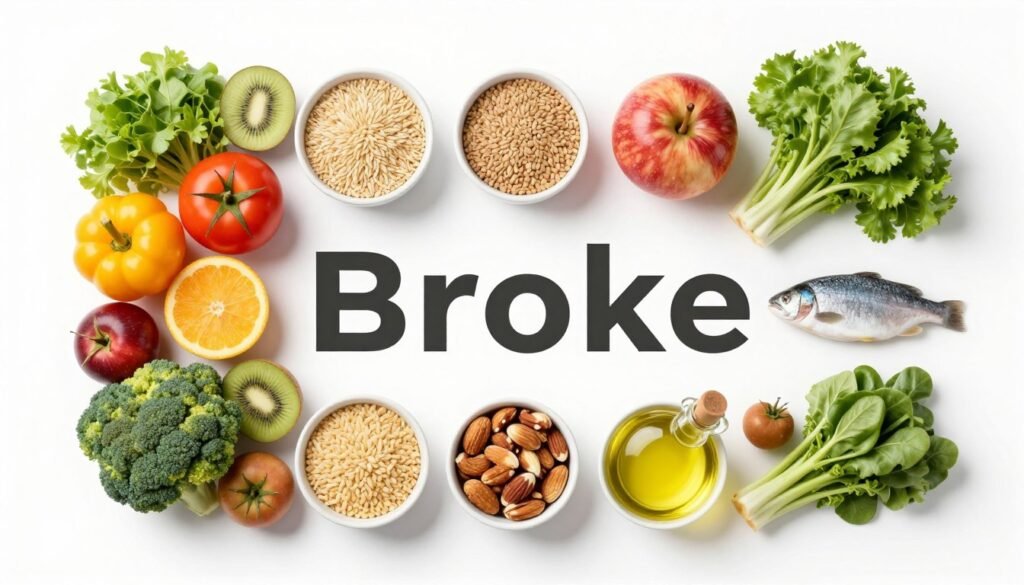
Plant foods form the foundation of stroke prevention. Aim for at least five servings daily, preferably more. Different colors provide different protective compounds. Variety ensures you get the full range of nutrients.
Leafy green vegetables offer particular benefits. Spinach, kale, collard greens, and Swiss chard pack nutrients. They contain potassium, which helps control blood pressure. Folate in these foods protects blood vessels. Fiber improves cholesterol levels.
Berries provide powerful antioxidants that protect brain cells. Blueberries, strawberries, and blackberries reduce inflammation. They improve blood vessel function. Regular berry consumption correlates with lower stroke risk in multiple studies.
Choose Whole Grains
Whole grains provide fiber, vitamins, and minerals. They help control blood sugar and cholesterol. Replace refined grains with whole wheat bread, brown rice, and oatmeal. Quinoa and barley offer additional variety.
Fiber content makes whole grains especially protective. Soluble fiber reduces cholesterol absorption. Insoluble fiber promotes digestive health. Aim for at least three servings of whole grains daily. Read labels carefully to ensure products contain true whole grains.
Whole grains help maintain healthy weight. They provide lasting fullness compared to refined alternatives. This satisfaction helps prevent overeating. Blood sugar remains more stable, reducing diabetes risk.
Include Healthy Fats
Not all fats harm cardiovascular health. Omega-3 fatty acids actually protect against stroke. These healthy fats reduce inflammation and prevent dangerous clots. They also help maintain healthy blood pressure.
Fatty fish provides the best omega-3 sources. Salmon, mackerel, sardines, and trout all contain high levels. Aim for two servings weekly. If you don’t eat fish, consider plant sources like flaxseeds, chia seeds, and walnuts.
Olive oil represents another heart-healthy fat. It contains monounsaturated fats that improve cholesterol profiles. Extra virgin olive oil also provides antioxidants. Use it for cooking and salad dressings instead of butter or other oils.
Power Foods for Brain Health

- Dark leafy greens (spinach, kale)
- Berries (blueberries, strawberries)
- Fatty fish (salmon, sardines)
- Nuts and seeds (walnuts, flaxseeds)
- Whole grains (oats, quinoa)
- Legumes (beans, lentils)
Blood Pressure Friendly Foods

- Bananas and citrus fruits
- Sweet potatoes and white potatoes
- Avocados
- Low-fat yogurt and milk
- Tomatoes and tomato products
- Beans and lentils
Heart-Healthy Proteins
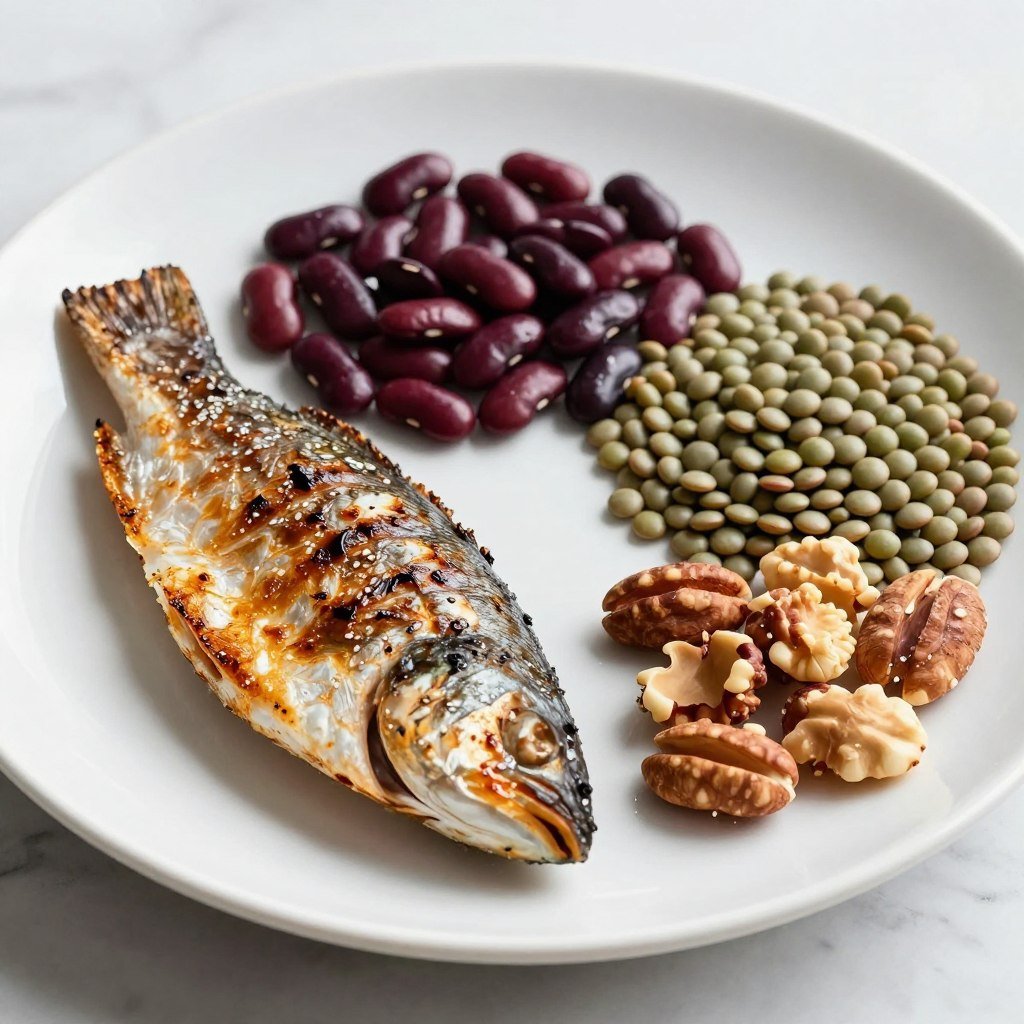
- Fatty fish rich in omega-3s
- Skinless poultry
- Beans and legumes
- Tofu and tempeh
- Nuts and nut butters
- Eggs in moderation
Reduce Sodium Intake
Lowering sodium consumption provides immediate benefits. Blood pressure often drops within weeks. Aim for less than 1,500 mg daily if possible. Even modest reductions help when you can’t reach that goal.
Cook more meals at home to control sodium. Fresh ingredients naturally contain little sodium. Season foods with herbs, spices, lemon juice, and vinegar instead of salt. These alternatives add flavor without raising blood pressure.
When buying packaged foods, compare sodium content. Choose products labeled “low sodium” or “no salt added.” Rinse canned vegetables and beans to remove excess sodium. Request less salt when eating at restaurants. Small changes add up to significant reductions.
Follow Proven Dietary Patterns
The DASH diet (Dietary Approaches to Stop Hypertension) was designed to lower blood pressure. It emphasizes fruits, vegetables, whole grains, and lean proteins. This eating pattern reduces stroke risk by up to 29% according to research.
The Mediterranean diet offers similar protection. It features olive oil, fish, nuts, fruits, and vegetables. Red meat appears infrequently. Studies show this diet reduces stroke risk by about 30%.
Both diets share common elements. They emphasize plant foods and healthy fats while limiting processed foods and red meat. You don’t need to follow either plan rigidly. Incorporating their principles into your current eating habits provides significant benefits.
Stay Hydrated
Adequate hydration supports cardiovascular health. Dehydration thickens blood and makes clot formation easier. Aim for 8 glasses of water daily, more in hot weather or during exercise.
Water represents the best beverage choice. It hydrates without adding calories, sugar, or sodium. Unsweetened tea and coffee count toward hydration goals. Limit or avoid sugar-sweetened beverages entirely.
Proper hydration also helps control appetite and supports healthy weight. Sometimes thirst masquerades as hunger. Drinking water before meals may reduce calorie intake. Keep water readily available throughout the day.
Download Your Free Stroke Prevention Diet Guide
Get a comprehensive guide with meal plans, shopping lists, and recipes designed to reduce stroke risk. Our evidence-based nutrition guide makes healthy eating simple and delicious. Start protecting your brain health today.
Living With and Managing Stroke Risk
Managing stroke risk requires ongoing commitment. Prevention isn’t a one-time effort but a lifestyle approach. Small daily choices accumulate into significant protection over time.
Regular Health Monitoring
Schedule annual checkups even when feeling healthy. Your doctor monitors blood pressure, cholesterol, and blood sugar. These screenings detect problems before symptoms appear. Early intervention prevents conditions from worsening.
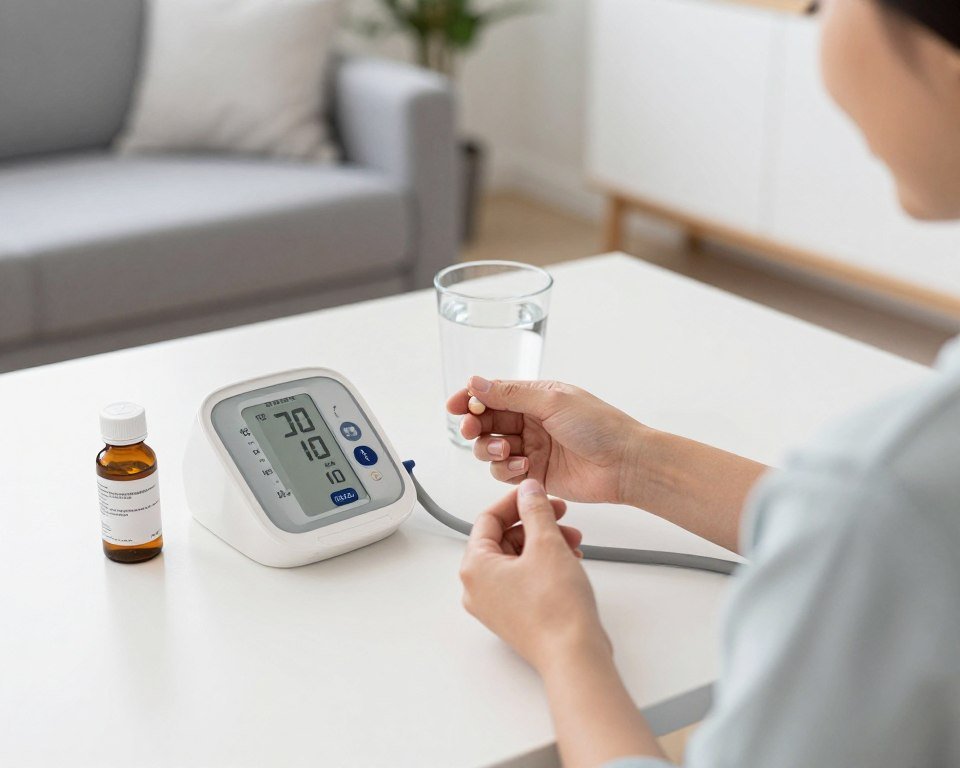
Home monitoring helps track progress between visits. Blood pressure monitors cost less than many assume. Regular measurements reveal patterns doctors can use for treatment decisions. Keep records to share at appointments.
Know your numbers and what they mean. Blood pressure should stay below 120/80. Total cholesterol ideally remains under 200 mg/dL. Blood sugar should be under 100 mg/dL when fasting. Understanding these targets helps you stay motivated.
Medication Adherence
Take prescribed medications exactly as directed. Missing doses reduces effectiveness. Some people stop medications when feeling better. However, these drugs prevent problems rather than treating symptoms. Continuing treatment maintains protection.
Discuss side effects with your doctor rather than stopping medication. Alternative options often exist. Dosage adjustments may eliminate problems. Never discontinue prescription medications without medical guidance.
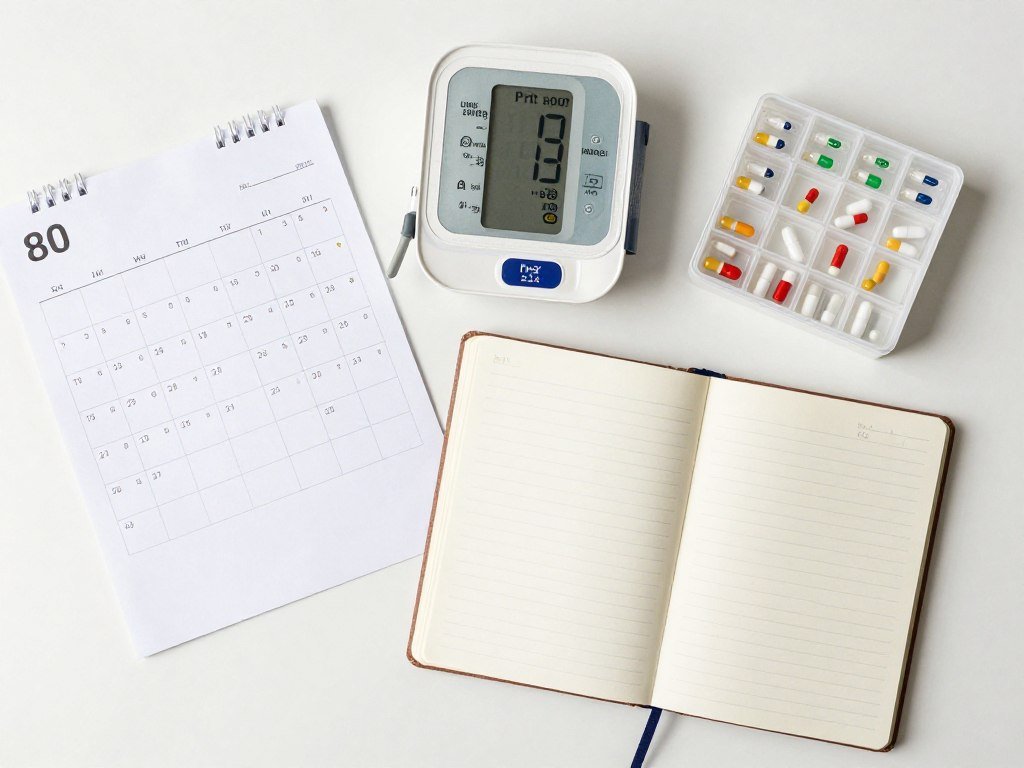
Use pill organizers or smartphone reminders to maintain consistency. Take medications at the same time daily. Link medication times to existing habits like meals. These strategies help establish reliable routines.
Stress Management
Chronic stress damages cardiovascular health over time. It raises blood pressure and promotes inflammation. Learning to manage stress provides significant protective benefits.
Regular relaxation practices help counter stress effects. Deep breathing exercises lower blood pressure immediately. Meditation reduces stress hormones. Yoga combines physical activity with stress reduction. Find techniques that work for your lifestyle.
Make time for activities you enjoy. Hobbies, social connections, and leisure pursuits all reduce stress. Adequate sleep proves essential for stress management. Most adults need 7-9 hours nightly for optimal health.
Daily Prevention Checklist
- Take all prescribed medications as directed
- Monitor blood pressure if recommended
- Eat at least 5 servings of fruits and vegetables
- Choose whole grains over refined grains
- Limit sodium to under 1,500 mg
- Exercise for at least 30 minutes
- Stay hydrated with water throughout the day
- Practice stress reduction techniques
- Avoid smoking and limit alcohol
- Get 7-9 hours of quality sleep
When to Seek Medical Attention
Call 911 immediately if you experience:
- Sudden numbness or weakness, especially on one side
- Sudden confusion or trouble speaking
- Sudden vision problems in one or both eyes
- Sudden severe headache with no known cause
- Sudden trouble walking or loss of balance
Building Support Networks
Share your health goals with family and friends. Their support helps maintain motivation. They can also recognize warning signs and encourage healthy behaviors. Social connections themselves reduce stroke risk.
Consider joining support groups or wellness programs. Many communities offer heart health classes. Online communities provide connection and information. Learning from others facing similar challenges provides valuable insights.
Involve your healthcare team fully. Don’t hesitate to ask questions or express concerns. Good communication ensures you understand recommendations. Your doctors work best when you share complete information about symptoms and lifestyle.
Taking Action Against Stroke
Stroke represents a serious health threat, but knowledge provides powerful protection. Understanding risk factors, warning signs, and prevention strategies empowers you to take control. Small changes in daily habits create significant long-term benefits.
The path to prevention starts with simple steps. Monitor your blood pressure and other key health numbers. Choose foods that nourish rather than harm your cardiovascular system. Move your body regularly and manage stress effectively. These fundamental actions form the foundation of stroke prevention.

Remember that prevention works at any age. Starting early provides the best protection, but improvements at any stage reduce risk. Even people who have already experienced stroke can prevent recurrence through dedicated lifestyle management.
Medical advances continue improving treatment outcomes. Emergency response systems become faster and more efficient. Rehabilitation techniques help more survivors regain function. However, prevention remains far more effective than even the best treatment.
Share this knowledge with loved ones. Stroke affects entire families, not just individuals. Teaching children healthy habits sets them up for lifetime protection. Supporting family members in making changes creates an environment where everyone benefits.
Take the first step today. Whether scheduling a checkup, starting a walking routine, or improving your diet, every action moves you toward better health. Stroke prevention isn’t about perfection but progress. Consistent small improvements compound into powerful protection over time.
Connect With Stroke Support Resources
Whether you’re focused on prevention or supporting someone’s recovery, connecting with expert resources makes a difference. Access comprehensive guides, find local support groups, and get answers to your questions from stroke specialists.