Understanding Nonimmigrant Visa Types: Your Complete Guide to B1, B2, F1, and H1B Visas
Navigating United States immigration can feel overwhelming. Every year, millions of people apply for nonimmigrant visas to visit, study, or work in America.
Understanding which visa category fits your purpose is the first critical step. The wrong visa type can lead to application rejection and delays.
In 2026, immigration policies continue to evolve. Recent updates from the U.S. Department of State have changed processing times and requirements for temporary workers and students.
This guide explains the four most common nonimmigrant visa types. You will learn about B1 business visas, B2 tourist visas, F1 student visas, and H1B work visas.
Whether you are planning a business trip, vacation, education, or employment in the United States, choosing the correct visa category matters. This information comes from official sources including U.S. Citizenship and Immigration Services and the Department of State.
What Nonimmigrant Visas Mean for Your Travel Plans
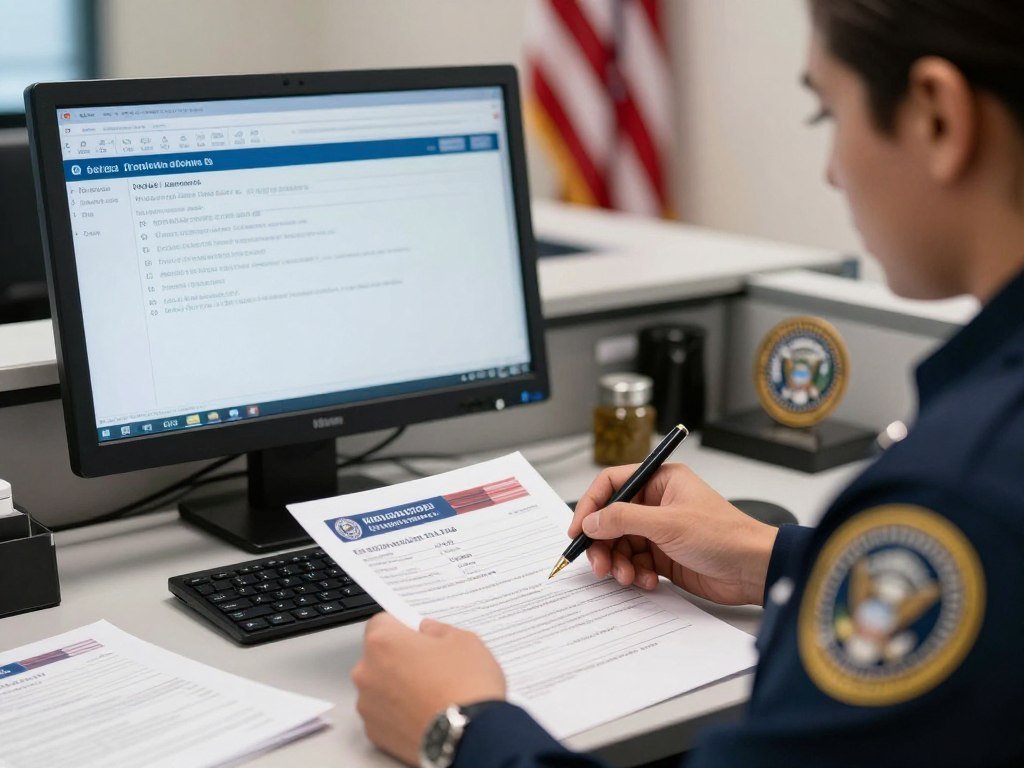
A nonimmigrant visa allows foreign nationals to enter the United States temporarily. These visas have specific purposes and time limits.
The key difference between immigrant and nonimmigrant visas is permanence. Immigrant visas lead to lawful permanent resident status, commonly known as a green card.
Nonimmigrant visas are temporary. You must prove you will return to your home country after your authorized stay ends.
Who Needs a Nonimmigrant Visa
Most foreign nationals need a visa to enter the United States. Citizens from certain countries can use the Visa Waiver Program for short visits.
The U.S. government created different nonimmigrant visa categories for various purposes:
- Business activities and professional meetings
- Tourism and family visits
- Academic studies and language programs
- Professional employment and specialized work
- Cultural exchange and training programs
Temporary vs. Permanent Status
Understanding your immigration status matters. Nonimmigrant visas have expiration dates.
You cannot apply for a lawful permanent resident card directly from most nonimmigrant visas. Some temporary workers can transition to immigrant visa categories through employer sponsorship.
U.S. citizens and lawful permanent residents have different rights than nonimmigrant visa holders. Your visa type determines what activities you can legally perform in the United States.
The Four Main Nonimmigrant Visa Types You Need to Know
The United States offers dozens of nonimmigrant visa categories. This section covers the four most commonly used visa types.
Each visa category has specific requirements. Understanding these differences helps you choose correctly.
B1 Business Visitor Visa
The B1 visa is for short-term business activities. This includes attending conferences, negotiating contracts, and consulting with business partners.
You cannot work for a U.S. employer or receive payment from United States sources with a B1 visa. The typical stay is up to six months.
- Business meetings and conferences
- Contract negotiations
- Professional conventions
- Estate settlement activities
B2 Tourist Visitor Visa
The B2 visa allows tourism, vacation, and visits to family members in the United States. This is the most common temporary visitor visa.
You can also use a B2 visa for medical treatment. The standard authorized stay is six months, with possible extensions.
- Tourism and sightseeing
- Visiting friends and family
- Medical treatment
- Social events and activities

F1 Student Visa
The F1 visa is for full-time students attending academic institutions in the United States. This covers universities, colleges, high schools, and language programs.
F1 students can work part-time on campus. After the first year, limited off-campus employment becomes available through Optional Practical Training.
- Full-time academic study
- English language programs
- On-campus employment allowed
- Optional Practical Training opportunities
H1B Specialty Occupation Visa
The H1B visa allows temporary workers to fill specialty occupation positions. These jobs require specialized knowledge and at least a bachelor’s degree.
Employers must sponsor H1B visas. The initial period is three years, with possible extension to six years total.
- Professional specialty occupations
- Technology and engineering positions
- Healthcare and medical roles
- Employer sponsorship required
Requirements and Eligibility for Each Visa Type
Each nonimmigrant visa category has specific eligibility criteria. Meeting these requirements is essential for approval.
The visa officer at the U.S. consulate evaluates your application. They determine if you qualify based on documentation and interview responses.
B1 Business Visa Requirements
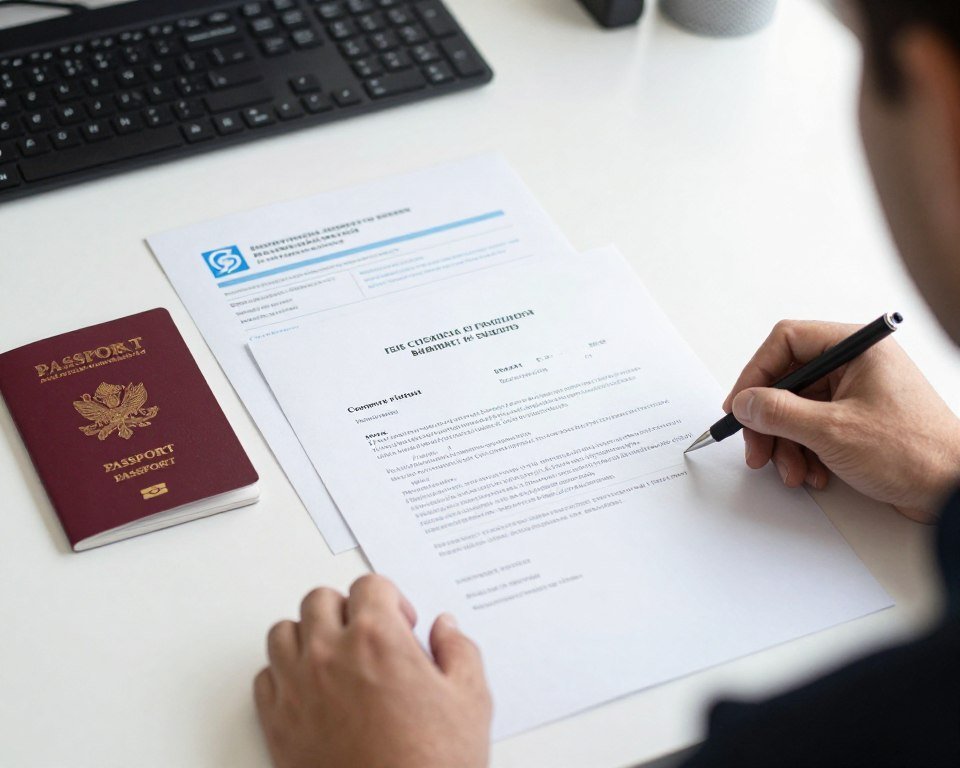
To qualify for a B1 business visa, you must prove temporary business purpose. The U.S. Department of State requires specific documentation.
- Valid passport from your home country
- Letter from your employer explaining business purpose
- Invitation from U.S. business partner or conference organizer
- Proof of sufficient funds for your trip
- Evidence of ties to your home country
- Previous travel history if available
You must show strong connections to your home country. This proves you will return after your business activities conclude.
B2 Tourist Visa Requirements
The B2 tourist visa has similar documentation requirements. The purpose differs but the evaluation process remains comparable.
- Current passport valid for at least six months
- Detailed travel itinerary
- Hotel reservations or invitation from family members
- Financial proof you can support yourself
- Employment letter or student enrollment proof
- Property ownership or family ties documentation
Many applicants combine B1 and B2 purposes. The visa may show B1/B2, allowing both business and tourist activities during one trip.
F1 Student Visa Requirements
F1 student visa applicants must first receive acceptance from a U.S. educational institution. The school issues Form I-20, which is required for the visa application.
Important: You must pay the SEVIS fee before your visa interview. This fee supports the Student and Exchange Visitor Information System database.
- Form I-20 from your accepted school
- SEVIS fee payment receipt
- Proof of English language proficiency
- Financial documents showing ability to pay tuition
- Academic transcripts and test scores
- Evidence of intent to return home after studies
Students must demonstrate they will not become public charges. This means proving sufficient financial support for education costs and living expenses.
H1B Work Visa Requirements
The H1B visa process differs significantly from other nonimmigrant visa types. Your employer must petition the U.S. government on your behalf.
The employer files Form I-129 with U.S. Citizenship and Immigration Services. Only after approval can you apply for the visa at a consulate.
- Approved Form I-129 petition from employer
- Bachelor’s degree or equivalent work experience
- Job offer in a specialty occupation
- Employer’s Labor Condition Application approval
- Educational credential evaluation if degree is foreign
- Professional certifications or licenses if required
H1B visas have annual caps. The U.S. government limits how many new H1B visas it issues each year, making this category highly competitive.
Step-by-Step Application Process for Nonimmigrant Visas
The application process follows similar steps for most nonimmigrant visa categories. Understanding each stage helps you prepare properly.
Processing times vary by visa type and country. Some applicants receive decisions within weeks, while others wait several months.
Complete the Online Application Form
All nonimmigrant visa applicants must complete Form DS-160 online. This is the electronic visa application used by the Department of State.
- Visit the Consular Electronic Application Center website
- Create a new DS-160 application
- Answer all questions accurately and completely
- Upload a recent photograph meeting specific requirements
- Review your answers carefully before submission
- Print the confirmation page with barcode
Save your application ID number. You can return to complete the form if you cannot finish in one session.
Pay the Visa Application Fee
Each visa category has a specific fee. The Machine Readable Visa (MRV) fee must be paid before scheduling your interview.
Payment methods vary by country. Check the U.S. embassy or consulate website for your location to find accepted payment options.
- B1/B2 visa fee: $185
- F1 student visa fee: $185 plus SEVIS fee ($350)
- H1B work visa fee: $190 (employer typically pays additional petition fees)
Keep your payment receipt. You will need the receipt number to schedule your visa interview appointment.
Schedule Your Visa Interview
Most applicants between ages 14 and 79 must attend an in-person interview at a U.S. embassy or consulate. Some countries have different age requirements.
Interview wait times depend on location and time of year. Schedule as early as possible, especially during peak travel seasons.
- Visit the U.S. visa appointment website for your country
- Create an account or log in
- Enter your DS-160 confirmation number
- Enter your visa fee payment receipt number
- Select available interview date and time
- Print your appointment confirmation
Prepare Required Documents
Organization matters for your visa interview. Bring all required documents in a clear folder or envelope.
Pro Tip: Organize documents in the order you will likely need them. Place your passport, DS-160 confirmation, and appointment letter on top.
Required documents for all nonimmigrant visa types include:
- Current passport valid for at least six months beyond your intended stay
- DS-160 confirmation page with barcode
- Visa application fee payment receipt
- Interview appointment confirmation
- Recent passport-style photograph
Additional documents depend on your specific visa category. Refer to the requirements section for your visa type.
Attend Your Visa Interview
Arrive at the embassy or consulate at least 15 minutes before your scheduled time. Security screening can take additional time.
The consular officer will ask questions about your trip purpose, ties to your home country, and financial situation. Answer honestly and concisely.
- Dress professionally and appropriately
- Bring original documents, not photocopies
- Answer questions directly and truthfully
- Provide additional documentation if requested
- Remain calm and respectful throughout
Most interviews last 3-5 minutes. The officer reviews your application and documents while asking questions.
Wait for Visa Processing
If approved, the consulate keeps your passport to print the visa. Processing typically takes 5-10 business days after the interview.
Some applications require additional administrative processing. This can extend the wait time by several weeks or months.
The consulate will notify you when your passport is ready for pickup or mailed to your address. Your visa will be stamped inside your passport.
Processing Times and Costs for Each Visa Type
Understanding the timeline and financial requirements helps you plan accordingly. Costs extend beyond the visa fee itself.
Processing times vary significantly based on the embassy workload, time of year, and your specific circumstances. These are general estimates from the U.S. Department of State.
B1/B2 Business and Tourist Visa Timeline and Costs
Tourist and business visa processing is typically faster than other categories. Most applicants receive decisions during or shortly after their interview.
| Process Stage | Estimated Time | Cost |
| DS-160 completion | 1-2 hours | Free |
| Interview scheduling wait | 2-8 weeks | Free |
| Visa application fee | Immediate | $185 |
| Visa interview | 3-5 minutes | Included |
| Visa processing after approval | 5-10 business days | Included |
Total B1/B2 visa timeline: 3-10 weeks from application to receiving your visa, depending on interview availability.
Additional costs may include travel to the embassy, translation services for documents, and photograph fees.
F1 Student Visa Timeline and Costs
F1 visas require more lead time because of the SEVIS registration system. Begin the process as soon as you receive your acceptance letter.
- Receive Form I-20 from school: 1-4 weeks after acceptance
- Pay SEVIS fee ($350): Immediate online payment
- Complete DS-160 form: 1-2 hours
- Pay visa application fee ($185): Immediate
- Schedule and wait for interview: 2-12 weeks depending on location
- Visa processing after approval: 5-10 business days
Total F1 visa cost: $535 in government fees, plus potential costs for English testing, document translation, and travel to the consulate.
Students should apply 120 days before their program start date. You can enter the United States up to 30 days before your I-20 program start date.
H1B Work Visa Timeline and Costs
H1B visas have the longest and most complex timeline. The process involves your employer filing a petition before you can apply for the visa.
Important Timing: New H1B petitions can only be filed starting April 1 each year. The visa becomes valid starting October 1. Plan at least 6-8 months ahead.
- Employer files Labor Condition Application: 1-2 weeks
- H1B cap registration (March): 1 month
- Lottery selection notification (March): Immediate if selected
- Employer files Form I-129 petition (April-June): 2-6 months for processing
- Petition approval received: Varies (premium processing available for $2,500 extra reduces to 15 days)
- Employee applies for visa at consulate: 2-4 weeks
- Visa processing: 5-10 business days
H1B visa costs are typically paid by the employer and can exceed $5,000 including petition fees, legal fees, and premium processing. The visa application fee is $190.
The annual H1B cap limits new visas to 85,000 per year. This makes the process competitive with no guarantee of selection.
Common Mistakes to Avoid When Applying
Many visa applications get denied due to preventable errors. Understanding common mistakes helps you avoid rejection and delays.
The visa officer makes decisions based on the information and documents you provide. Incomplete or inconsistent applications raise red flags.
Mistake 1: Incomplete or Inaccurate DS-160 Forms
The DS-160 form is lengthy and detailed. Rushing through it creates problems.
Common DS-160 errors include:
- Misspelled names that don’t match passport exactly
- Incorrect passport numbers or expiration dates
- Wrong travel dates or purpose of trip
- Missing information in required fields
- Inconsistent answers across related questions
Review every section carefully before submitting. Even small errors can cause visa denials or delays.
Mistake 2: Insufficient Financial Documentation
Proving you can financially support yourself is crucial for all nonimmigrant visa types. Many applicants underestimate how much documentation they need.
Weak financial proof includes:
- Bank statements showing only recent large deposits
- Account balances barely covering estimated costs
- Unclear sources of funds
- Missing employment or income documentation
- No proof of ongoing financial obligations at home
Provide several months of bank statements showing consistent balances. Include tax returns, employment letters, and property documentation if available.
Mistake 3: Choosing the Wrong Visa Category
Applying for the incorrect visa type almost guarantees denial. Each category has specific legal requirements and restrictions.
Common category mistakes:
- Using B1/B2 visa to study or work
- Applying for F1 visa for short English courses (B2 may be appropriate)
- Requesting tourist visa when business visa is needed
- Mixing purposes without proper visa combination
If you are unsure which category fits your situation, consult with an immigration specialist before applying. The wrong visa wastes time and money.
Mistake 4: Poor Interview Preparation
The visa interview determines approval or denial. Many qualified applicants fail due to poor interview performance.
Interview mistakes include:
- Providing vague or inconsistent answers
- Failing to clearly explain purpose of travel
- Not demonstrating strong ties to home country
- Appearing nervous or dishonest
- Bringing insufficient supporting documents
- Arguing with the consular officer
Practice answering common interview questions beforehand. Be prepared to explain your trip purpose, financial situation, and return plans clearly and confidently.
Mistake 5: Providing False Information
Honesty is essential in visa applications. Lying or withholding information can result in permanent visa ineligibility.
False information includes:
- Claiming false employment or educational credentials
- Hiding previous visa denials or immigration violations
- Using fraudulent documents or letters
- Misrepresenting the true purpose of your trip
- Providing incorrect information about family members or relationships
Consular officers have access to extensive databases. They can verify most information you provide. If you made mistakes on previous applications, acknowledge them honestly rather than compounding the problem.
Mistake 6: Applying Too Close to Travel Dates
Last-minute applications create unnecessary stress and may result in missing your intended travel dates. Processing times vary and delays occur.
Apply for your visa:
- B1/B2 visas: At least 6-8 weeks before planned travel
- F1 visas: 3-4 months before program start date
- H1B visas: 6-8 months before intended employment start
Early application allows time for administrative processing if needed and reduces pressure during the process.
Mistake 7: Ignoring Country-Specific Requirements
Different U.S. embassies and consulates may have additional requirements beyond standard visa procedures. What works in one country might not apply to yours.
Always check the specific U.S. embassy website for your country. Requirements can include additional forms, medical examinations, or supporting documents.
Tips to Improve Your Visa Approval Chances
While no strategy guarantees approval, certain practices significantly improve your chances. Strong applications demonstrate clear eligibility and intent.
The consular officer looks for specific indicators during their evaluation. Understanding their perspective helps you present your case effectively.
Demonstrate Strong Ties to Your Home Country
This is the most critical factor for nonimmigrant visa approval. You must convince the officer you will return home after your authorized stay.
Strong ties include:
- Steady employment with return obligations
- Property ownership or long-term lease agreements
- Family members remaining in your home country
- Business ownership or professional responsibilities
- Educational enrollment requiring your return
- Significant financial assets or investments at home
Bring documentation proving these connections. Employment letters should state your position, salary, and expected return date. Property documents show ownership or financial obligations.
Prepare Clear and Consistent Documentation
Organization demonstrates seriousness and preparedness. Well-organized applications process more smoothly and create positive impressions.
Documentation best practices:
- Provide original documents when possible
- Organize papers in logical order
- Translate foreign language documents with certified translations
- Ensure all dates and information match across documents
- Include a document checklist for your own reference
If supporting documents like bank statements or employment letters are in a foreign language, provide certified English translations.
Be Honest and Direct in Your Interview
Consular officers conduct hundreds of interviews. They recognize evasive or dishonest responses quickly.
Interview communication tips:
- Answer questions directly without over-explaining
- Admit if you don’t understand a question and ask for clarification
- Acknowledge any concerns the officer raises
- Maintain eye contact and speak clearly
- Stay calm even if asked unexpected questions
If you previously had a visa denial or immigration issue, acknowledge it honestly. Explain what has changed since then rather than hiding the history.
Show Detailed Trip Planning
Vague travel plans suggest uncertainty about your true intentions. Detailed itineraries demonstrate legitimate purpose.
For business visitors:
- Specific meeting schedules and locations
- Letters from U.S. business contacts
- Conference registration confirmations
- Return flight bookings
For tourists:
- Detailed travel itinerary with destinations
- Hotel or accommodation confirmations
- Tour bookings or attraction tickets
- Return flight reservations
Students should bring their school acceptance letter, course schedule, and housing arrangements information.
Demonstrate Financial Capacity
Showing adequate funds goes beyond minimum bank balances. Consular officers evaluate your overall financial situation.
Strong financial evidence includes:
- Multiple months of consistent bank statements
- Employment income documentation
- Sponsor letters with their financial proof (if applicable)
- Investment or savings account statements
- Tax returns showing income history
For F1 students, provide clear evidence that tuition and living expenses are covered for at least the first year. This can come from personal funds, family support, or scholarships.
Address Potential Concerns Proactively
If your application has weak points, address them directly rather than hoping the officer won’t notice.
Common concerns and how to address them:
- Previous visa denials: Explain what changed and provide supporting evidence
- Gaps in employment: Show current employment or student status
- Limited travel history: Emphasize strong home country ties instead
- Young, single applicants: Focus on family, employment, or educational obligations
Bringing a brief written explanation of any unusual circumstances can help. Keep it concise and factual.
Consider Professional Assistance for Complex Cases
Some situations benefit from immigration attorney or consultant guidance. Complex cases deserve professional review.
Consider professional help if:
- You have previous visa denials
- Your case involves complicated employment situations
- You have previous immigration violations
- Documentation is unusually complex
- You are uncertain about which visa category applies
Professional guidance costs money but can prevent costly mistakes and improve approval chances in challenging cases.
Latest Immigration Policy Updates for 2025-2026
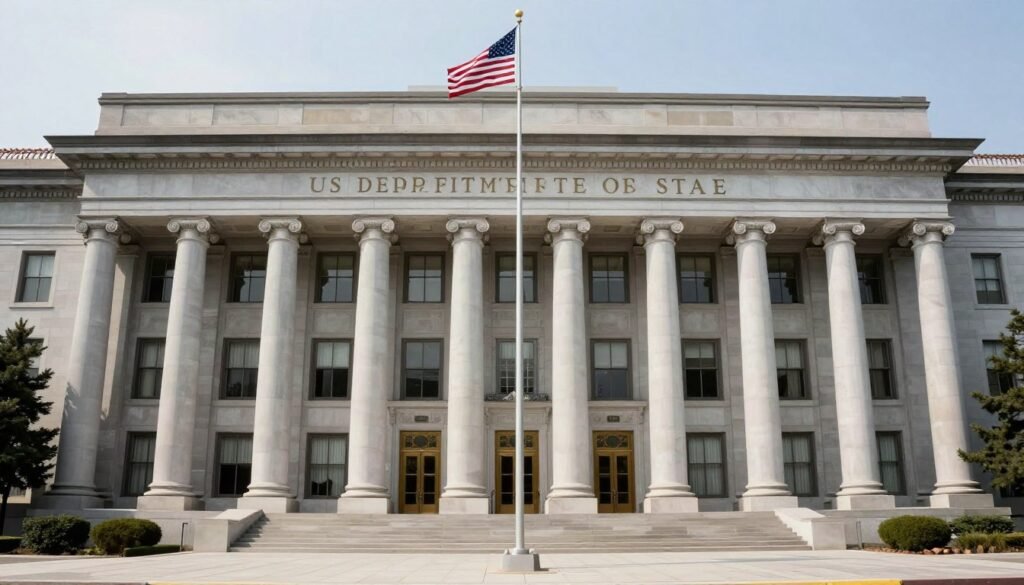
United States immigration policies continue evolving. Recent changes affect processing times, requirements, and visa availability.
Staying informed about current policies helps you prepare appropriately. The U.S. Department of Homeland Security and Department of State regularly announce updates.
Recent Changes to Visa Processing
The Department of State has worked to reduce visa interview wait times worldwide. Many embassies now offer more appointment slots than in previous years.
Interview waiver eligibility has expanded for certain visa renewal cases. Some B1/B2 and F1 visa holders may qualify for renewal without an interview if they meet specific criteria.
Electronic processing improvements have streamlined some application steps. The DS-160 form now saves progress more reliably and offers better error checking.
H1B Visa Program Updates
The H1B lottery system underwent changes to reduce fraud and prioritize certain applicants. The current system focuses on:
- One registration per person regardless of multiple employer sponsors
- Enhanced verification to prevent duplicate registrations
- Stricter specialty occupation definitions
- Increased site visit requirements for employers
The annual cap remains at 85,000 visas with 20,000 reserved for advanced degree holders from U.S. institutions.
Student Visa Policy Updates
F1 visa holders now have more flexibility with Optional Practical Training (OPT) in STEM fields. The STEM OPT extension allows qualifying students to work up to 36 months total.
SEVIS fee increases took effect in 2023 and remain at $350 for F1 students. This fee funds the student tracking system required by U.S. Citizenship and Immigration Services.
Some students can now begin online programs from their home countries and maintain F1 status, though this varies by institution and program type.
Potential Future Changes
Immigration reform discussions in 2026 may affect nonimmigrant visa categories. Proposed changes under consideration include:
- Modifications to H1B allocation methods
- Changes to post-graduation work authorization for F1 students
- Adjustments to B1/B2 visa validity periods for certain countries
- Enhanced security screening procedures
Monitor the official U.S. Citizenship and Immigration Services and Department of State websites for the most current information. Policy changes can happen quickly.
Where to Find Reliable Updates
Official government sources provide accurate policy information:
- U.S. Citizenship and Immigration Services (uscis.gov) – Policy updates and processing times
- U.S. Department of State Bureau of Consular Affairs (travel.state.gov) – Visa information and embassy updates
- U.S. Department of Homeland Security (dhs.gov) – Immigration enforcement and policy changes
- Your country’s U.S. embassy website – Location-specific requirements and procedures
Subscribe to email updates from these official sources to receive notifications about changes that may affect your application.
Final Thoughts on Nonimmigrant Visa Applications
Understanding nonimmigrant visa types is the foundation of successful United States travel planning. Each visa category serves specific purposes with distinct requirements.
The B1 business visa and B2 tourist visa offer flexibility for short-term visits. These visas work well for business meetings, vacations, and family visits.
F1 student visas enable international education opportunities. Students gain access to American universities while maintaining legal status throughout their studies.
H1B work visas allow temporary workers to fill specialty occupation positions. Though competitive and complex, these visas provide pathways to professional opportunities in the United States.
Success requires thorough preparation. Complete applications accurately, gather comprehensive documentation, and prepare for your visa interview carefully.
Avoid common mistakes like incomplete forms, insufficient financial proof, and poor interview preparation. These errors account for most visa denials among otherwise qualified applicants.
Demonstrate strong ties to your home country. This single factor influences approval decisions more than any other element in your application.
Stay informed about policy changes from the U.S. government. Immigration rules evolve and affect application procedures and requirements.
Consider professional guidance for complex situations. Immigration attorneys and consultants provide valuable support when cases involve complications or previous denials.
Start your visa application process early. Allow sufficient time for each step from form completion through interview scheduling to final visa processing.
Remember that each application receives individual consideration. Consular officers evaluate your specific circumstances and documentation when making decisions.
With proper preparation and understanding of requirements, you can navigate the nonimmigrant visa process successfully. The United States welcomes millions of temporary visitors each year who follow proper procedures.