Benefits of U.S. Citizenship: Complete Guide for 2026
Becoming a United States citizen represents one of the most significant decisions for immigrants. In 2026, more than 23 million lawful permanent residents live in the country. Many green card holders wonder if citizenship is worth pursuing. The benefits of U.S. citizenship extend far beyond what most people realize.
This comprehensive guide explains why thousands of permanent residents choose to become U.S. citizens each year. Immigration policies continue evolving. Understanding your rights and opportunities helps you make informed decisions. Whether you’ve held your green card for three years or decades, citizenship offers advantages that can transform your life and your family’s future.
The naturalization process may seem complex at first. However, the rewards of becoming a U.S. citizen provide security, freedom, and opportunities unavailable to green card holders. Let’s explore what citizenship means and how it can benefit you. Learn more from the official USCIS naturalization page.
What U.S. Citizenship Means
U.S. citizenship grants you full membership in American society. Citizens enjoy complete rights and protections under the Constitution. Unlike permanent resident status, citizenship cannot be taken away except in rare cases of fraud.
Understanding Naturalization
Naturalization is the legal process that allows foreign-born individuals to become U.S. citizens. This path differs from birthright citizenship. Green card holders who meet specific requirements can apply through the N-400 form.
The naturalization process transforms permanent residents into full citizens. This change brings permanent status. You gain rights that green card holders cannot access. The United States welcomes immigrants who wish to join the nation fully.
Who Qualifies for Citizenship
Most lawful permanent residents can apply for citizenship after five years. Spouses of U.S. citizens may qualify after three years. Military members often have expedited paths. Children under 18 may automatically become citizens when their parents naturalize.
Key qualifications include continuous residence in the United States and physical presence for required periods. Applicants must demonstrate good moral character. Basic English language skills and civic knowledge are necessary. Age and other factors may create exceptions to standard rules.
Requirements and Eligibility
The path to becoming a U.S. citizen follows clear eligibility rules. Understanding these requirements helps you prepare your application properly. Each criterion serves an important purpose in the naturalization process.
Major Eligibility Rules
Residence Requirements
Applicants must maintain continuous residence as a lawful permanent resident. This typically means five years for most green card holders.
- Five years as permanent resident (general rule)
- Three years if married to U.S. citizen
- No trips outside U.S. exceeding six months
- Maintain primary home in United States
Physical Presence
You must physically be present in the United States for specific periods. Time abroad affects your eligibility clock.
- 30 months present during five-year period
- 18 months for three-year applicants
- Extended absences may break continuity
- Document all international travel
Good Moral Character
Citizens must demonstrate ethical behavior and respect for law. USCIS reviews your background carefully.
- No serious criminal convictions
- Pay all required taxes
- Register with Selective Service (if applicable)
- Truthfulness in all dealings with government
English and Civics
Applicants must show basic English ability and knowledge of U.S. history and government. Certain exemptions apply.
- Read, write, and speak basic English
- Pass civics test on U.S. government
- Age-based exemptions available (50+ or 55+)
- Disability exceptions may apply
Documents Needed
Gathering proper documentation before applying saves time. The following documents support most naturalization applications. Keep copies of everything you submit to USCIS.
- Copy of green card (front and back)
- Government-issued photo identification
- Passport-style photographs (two)
- Tax returns for last five years
- Marriage certificate (if applicable)
- Divorce decrees (if previously married)
- Birth certificates for children
- Military service records (if applicable)
- Travel history documentation
- Evidence of name changes
Step-by-Step Process
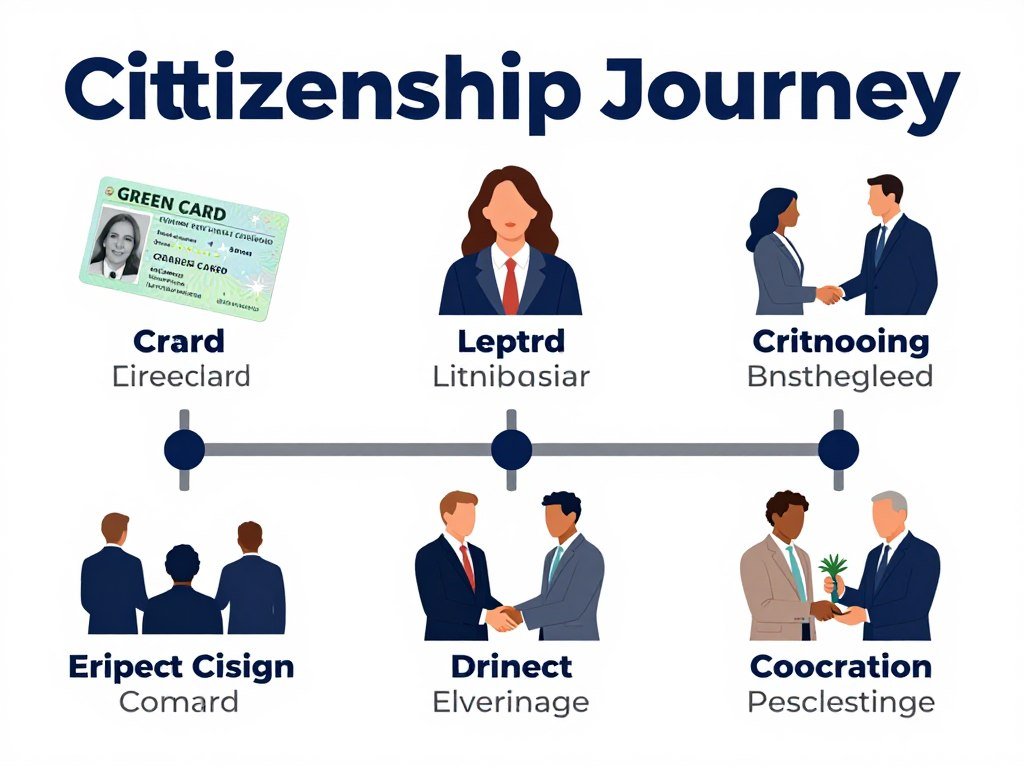
The naturalization process follows a structured path from application to oath ceremony. Understanding each step helps you prepare effectively. Most applicants complete the journey within eight to twelve months.
- Determine Eligibility: Review requirements carefully. Calculate your residence and physical presence periods. Confirm you meet all qualifications before applying.
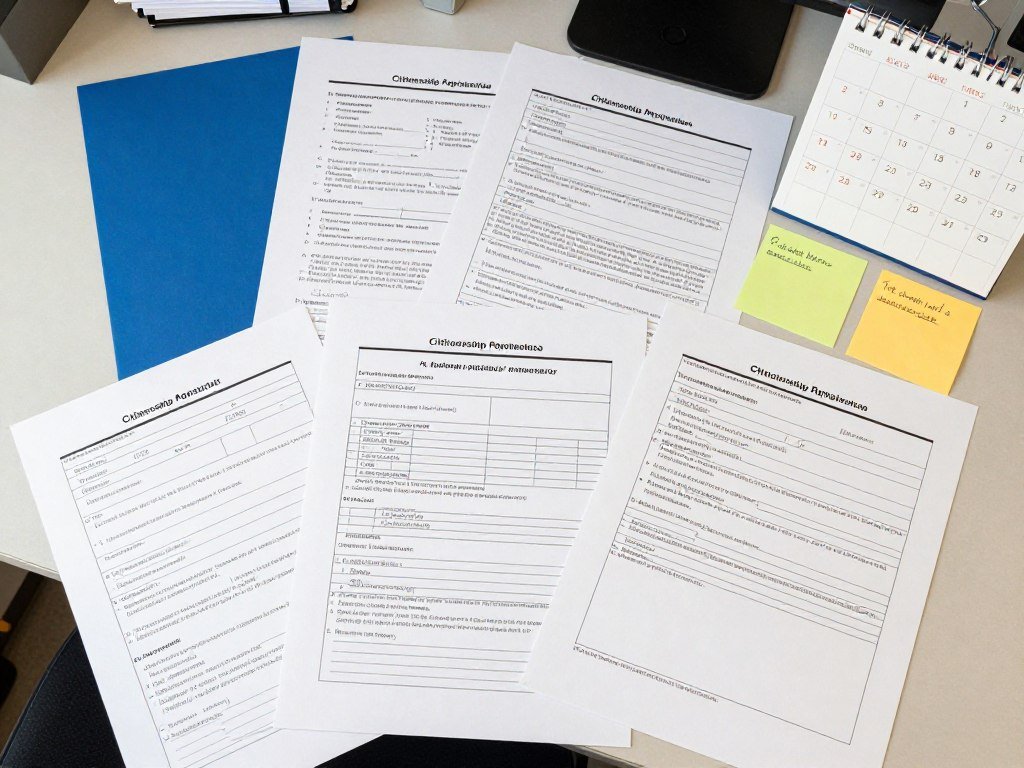
- Complete Form N-400: Fill out the Application for Naturalization accurately. Provide complete information about your background. Double-check all answers for accuracy.
- Gather Supporting Documents: Collect required documentation. Make copies of everything. Organize materials in logical order for submission.
- Submit Application and Fee: Mail your complete package to appropriate USCIS office. Include filing fee payment. Keep copies and proof of mailing.
- Attend Biometrics Appointment: USCIS schedules fingerprinting session. Bring appointment notice and identification. This enables background checks.
- Complete Interview: Meet with USCIS officer for interview. Answer questions about your application. Take English and civics tests during this appointment.
- Receive Decision: USCIS approves, continues, or denies your application. Most decisions come immediately after interview. Some cases require additional review.
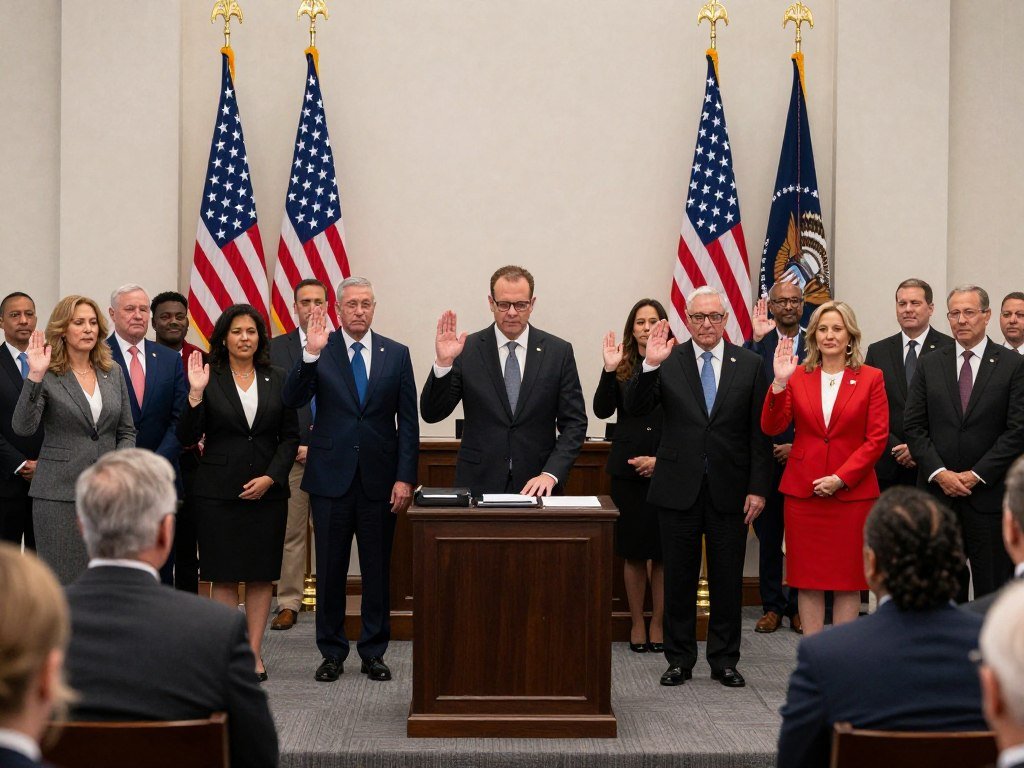
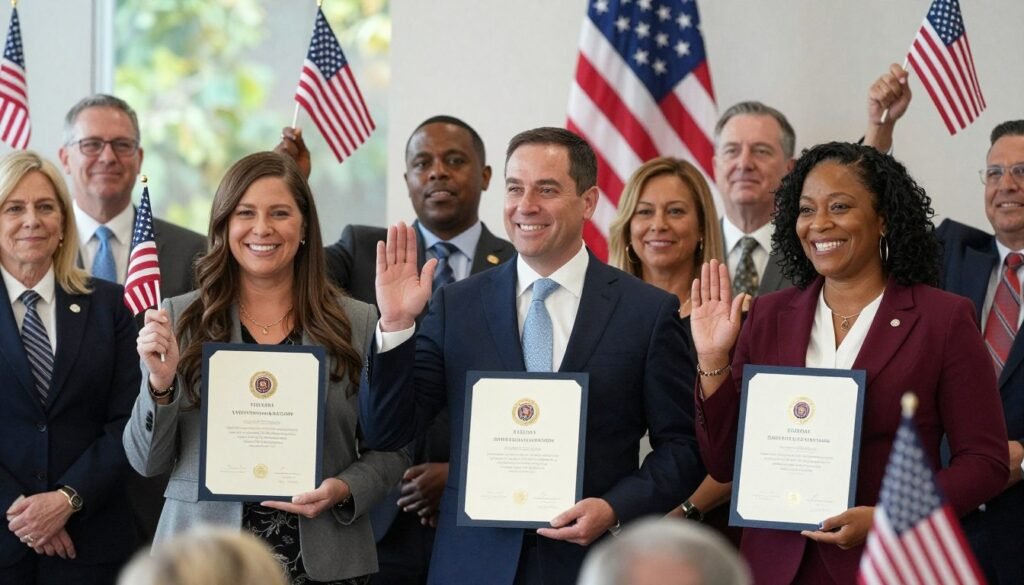
- Take Oath of Allegiance: Attend naturalization ceremony if approved. Recite oath renouncing foreign allegiances. Receive your Certificate of Naturalization.
- Update Your Records: Notify Social Security Administration of citizenship. Apply for U.S. passport. Update voter registration and other official documents.
Processing Time Varies
USCIS processes naturalization applications at different speeds. Location, case complexity, and current workload affect timelines. Most applicants wait between six and eighteen months from submission to ceremony. Check current processing times for your local office.
Access the Complete N-400 Application Guide
Get step-by-step instructions for completing your citizenship application. Our comprehensive guide includes sample answers, common questions, and expert tips for success.
Processing Time and Costs
Understanding the financial commitment and timeline helps you plan properly. Costs include government fees and potential additional expenses. Processing times vary based on location and individual circumstances.
Government Filing Fees
The N-400 application requires specific fees payable to U.S. Department of Homeland Security. Fee waivers exist for qualifying low-income applicants. Fee reductions help those with limited financial resources.
| Fee Type | Amount | Who Pays |
| N-400 Filing Fee | $640 | Most applicants |
| Biometrics Fee | $85 | Most applicants (included in total) |
| Total Standard Fee | $725 | General applicants |
| Reduced Fee | $380 | Income between 150-200% of poverty guidelines |
| Fee Waiver | $0 | Income below 150% of poverty guidelines |
| Military Applicants | $0 | Current military members and veterans |
Estimated Timelines
Processing times depend on multiple factors. USCIS field offices handle different volumes of applications. Current policies and staffing levels affect wait times. Always check official USCIS processing times for your location.
- Application processing: 6-12 months average
- Biometrics appointment: 4-8 weeks after filing
- Interview scheduling: 5-10 months after filing
- Decision notification: Same day to 120 days after interview
- Oath ceremony: 2-6 weeks after approval
- Total timeline: 8-18 months from submission to citizenship
Additional Costs to Consider
Beyond government fees, applicants may incur other expenses. These costs vary based on individual circumstances and choices. Planning for these helps avoid financial surprises.
- Passport photos: $10-$20
- Document translation: $20-$100 per document
- Citizenship test preparation materials: $15-$50
- Immigration attorney fees: $500-$2,500 (if using lawyer)
- Travel to USCIS appointments: Varies by location
- U.S. passport application after citizenship: $130-$165
Common Mistakes to Avoid
Many naturalization applications face delays or denials due to preventable errors. Learning from common mistakes improves your chances of success. Careful preparation and attention to detail make significant differences in outcomes.
Application and Documentation Errors
Critical Mistake #1: Incomplete or Inaccurate Applications
Leaving questions blank or providing false information causes serious problems. Every question on Form N-400 requires an answer. If something doesn’t apply, write “N/A” rather than leaving it empty. Incorrect information can result in denial or even immigration fraud charges.
Critical Mistake #2: Applying Too Early
Submitting your application before meeting residence requirements wastes time and money. You can apply up to 90 days before completing your required residence period. Applying earlier than this results in automatic rejection. Calculate your eligibility date carefully using USCIS guidelines.
Critical Mistake #3: Failing to Disclose Information
Hiding arrests, traffic violations, or other incidents harms your case. USCIS conducts thorough background checks. Even minor incidents should be disclosed. Failure to report creates credibility problems. Honesty about past issues is far better than discovery of concealed information.
Behavioral and Timing Issues
Critical Mistake #4: Extended International Travel
Taking long trips abroad disrupts continuous residence. Trips exceeding six months raise red flags. Absences over one year usually break continuity completely. Plan international travel carefully during your naturalization period. Document all trips with entry and exit dates.
Critical Mistake #5: Neglecting Tax Obligations
Unpaid taxes or unfiled returns demonstrate lack of good moral character. USCIS reviews tax compliance carefully. File all required tax returns before applying. Pay any outstanding tax debts. Request payment plans if you cannot pay immediately. Tax issues are among the most common reasons for citizenship denials.
Interview Preparation Failures
Critical Mistake #6: Inadequate Test Preparation
Failing the English or civics test delays your citizenship. These tests are not difficult with proper study. USCIS provides free study materials. Practice reading, writing, and speaking English regularly. Memorize the 100 civics questions. Take practice tests until you consistently pass.
Critical Mistake #7: Poor Interview Performance
Appearing unprepared or dishonest during your interview creates problems. Bring all requested documents. Answer questions clearly and truthfully. If you don’t understand a question, ask the officer to repeat it. Never guess or provide false information. Your demeanor and honesty matter as much as your answers.
Tips to Improve Approval Chances
Strategic preparation significantly increases your likelihood of naturalization success. These practical tips come from immigration experts and successful applicants. Following this guidance helps ensure a smooth process.
Start Early and Stay Organized
Begin gathering documents months before your eligibility date. Create a checklist of all required materials. Make copies of everything you submit. Keep a detailed timeline of your residency and travel history. Organization prevents last-minute scrambling and reduces errors.
Study Consistently for Tests
Dedicate time each day to test preparation. Use official USCIS study materials. Practice with native English speakers if possible. Join citizenship classes in your community. Many libraries and nonprofit organizations offer free preparation courses. Consistent study outperforms cramming before your interview.
Legal and Practical Strategies
Recommended Actions
- Consult immigration attorney for complex cases
- Attend free citizenship workshops
- File tax returns on time every year
- Maintain continuous residence carefully
- Keep detailed records of all travel
- Register for Selective Service if required
- Update address with USCIS within 10 days of moving
- Practice interview questions with friends
- Arrive early to all USCIS appointments
- Bring attorney to interview if you have concerns
Actions to Avoid
- Don’t use unlicensed immigration consultants
- Avoid extended trips abroad during process
- Don’t neglect minor traffic tickets
- Never submit photocopied signatures
- Avoid arrest or criminal activity
- Don’t ignore USCIS correspondence
- Never provide inconsistent information
- Avoid rushing through application
- Don’t assume your case is simple
- Never lie or conceal information
Financial Preparation Tips
Ensure you have funds for all fees before starting. Apply for fee waiver or reduction if eligible. Save for potential additional costs like attorney fees or document translations. Budget for passport application after naturalization. Financial readiness prevents delays and stress.
Communication Best Practices
Respond promptly to all USCIS requests for information. Keep copies of all correspondence. Use certified mail for important documents. Update your contact information immediately if you move. Clear communication with USCIS prevents processing delays and missed appointments.
Latest Updates or Policy Changes
Immigration policies evolve regularly. Staying informed about recent changes helps you navigate the naturalization process effectively. The following updates reflect developments through 2025 and early 2026.
Recent Fee Adjustments
USCIS periodically reviews and adjusts filing fees. In 2024, naturalization fees increased to current levels. The government continues evaluating fee structures. Low-income applicants still qualify for waivers or reductions. Monitor the official USCIS website for future fee announcements.
Processing Time Improvements
USCIS has worked to reduce naturalization backlogs since 2023. Many field offices now process applications faster than previous years. Average processing times decreased by approximately 15-20% in most regions. However, specific offices still experience delays based on local volume.
Technology Integration
Digital tools now enhance the naturalization experience. Online account access allows applicants to check case status. Electronic notifications replace some paper mail. Virtual naturalization ceremonies became available during pandemic and continue for certain circumstances. The government continues expanding digital services.
Policy Considerations for 2026
Potential Changes on the Horizon
Congressional discussions continue about comprehensive immigration reform. Proposed changes could affect naturalization eligibility, processing times, or fee structures. Stay informed through official channels. Policy changes typically include transition periods for pending applications. Current applicants generally follow rules in effect when they filed.
Civics Test Modernization
USCIS periodically updates the civics test to reflect current government structure. The test uses the 2008 version as of 2026. Study materials remain freely available. Future updates will include adequate notice and transition periods. Always use official USCIS study guides for most current information.
Expanded Language Accommodations
Age-based English exemptions continue for qualifying applicants. Those 50 or older with 20 years of residence, or 55 or older with 15 years, can take the civics test in their native language. Disability waivers remain available with proper medical documentation. These accommodations make citizenship accessible to more permanent residents.
Military Naturalization Programs
Service members and veterans maintain special naturalization pathways. Recent years saw streamlined processing for military applicants. The government continues honoring military service with expedited citizenship. Active duty members can naturalize without the typical residence requirements. These programs recognize the contributions of immigrant service members.
Stay Updated
Immigration policies can change with new administrations and legislation. Always verify current requirements on the official USCIS website before making decisions. Subscribe to USCIS email updates for policy announcements. Consult qualified immigration attorneys for significant policy changes affecting your case.
Key Benefits of U.S. Citizenship
The benefits of U.S. citizenship extend across multiple aspects of life. Understanding these advantages helps you evaluate whether naturalization aligns with your goals. Citizens enjoy rights and opportunities that permanent residents cannot access.
Voting Rights and Political Participation
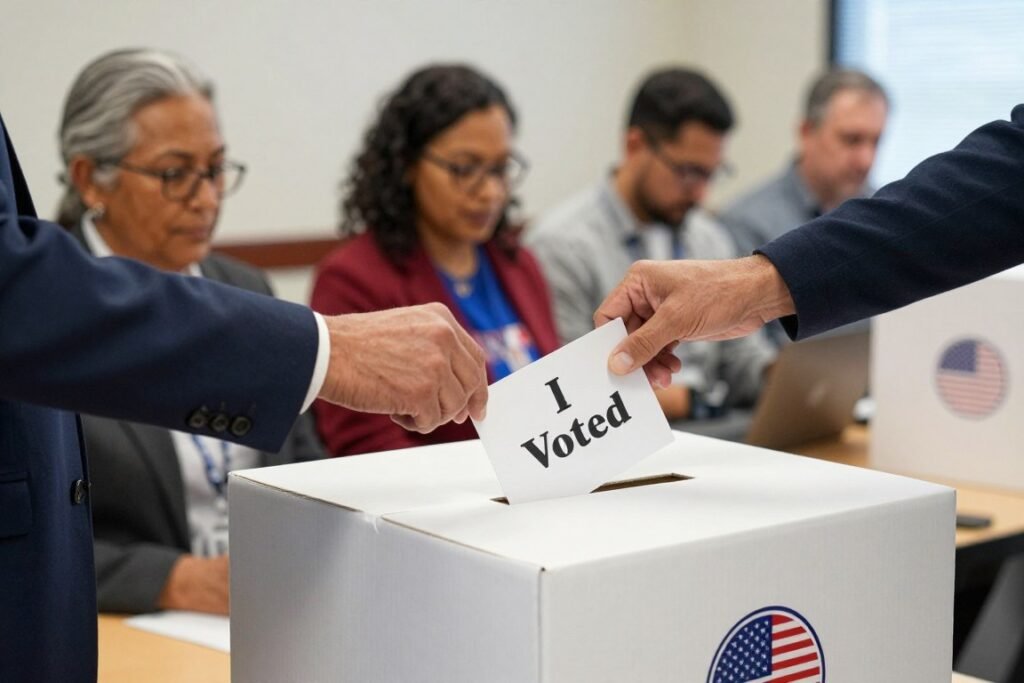
U.S. citizens have the right to vote in all federal, state, and local elections. This fundamental right allows you to influence government decisions affecting your community. Citizens can run for most political offices. You can serve on juries, participating directly in the justice system. These civic privileges are exclusive to citizens.
Travel Freedom and Passport Benefits
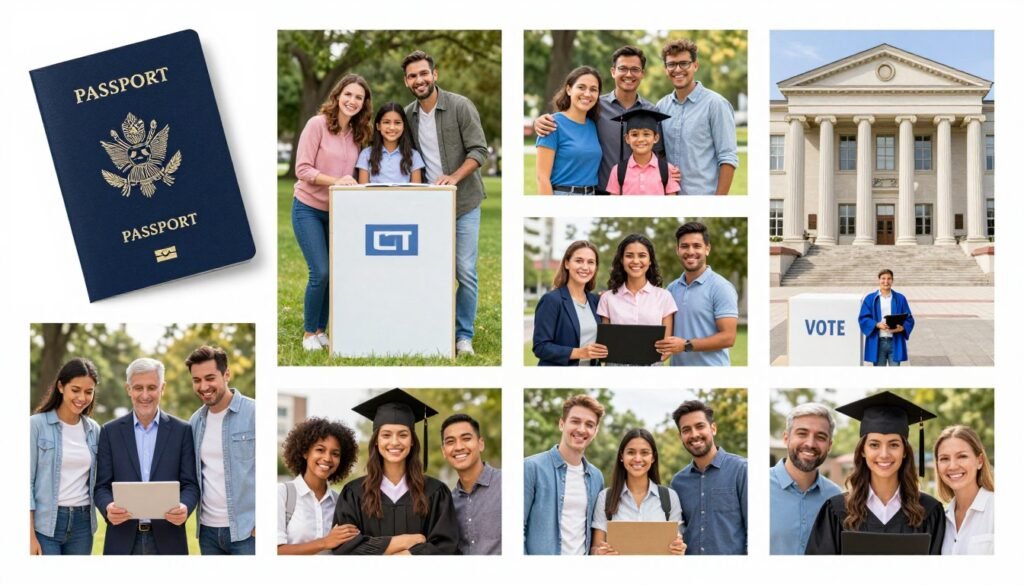
The U.S. passport ranks among the world’s most powerful travel documents. Citizens enjoy visa-free or visa-on-arrival access to over 185 countries. You can travel internationally without worrying about reentry permits. Extended trips abroad don’t jeopardize your status. Citizens receive full protection from U.S. embassies and consulates worldwide.
- No restrictions on international travel duration
- Visa-free access to European Union countries
- Simplified travel to Canada, Mexico, and Caribbean
- Emergency assistance from U.S. embassies globally
- Ability to apply for expedited passport services
Employment and Educational Opportunities
Many federal jobs government positions require U.S. citizenship. These include roles in law enforcement, defense, intelligence, and high-level administrative positions. Citizens qualify for federal grants and scholarships unavailable to permanent residents. Some state and local government jobs also require citizenship status.
Federal Jobs Government Opportunities
Thousands of federal positions open exclusively to U.S. citizens. These careers often provide excellent benefits, job security, and competitive salaries. Security clearances necessary for many positions require citizenship. Government contractors frequently prefer or require citizen employees for sensitive projects.

Family Sponsorship and Reunification
U.S. citizens can sponsor more family members for immigration than green card holders. Citizens can petition for parents, siblings, married children, and spouses. Processing times for citizen-sponsored family members are generally shorter. Children born abroad to U.S. citizens often acquire citizenship automatically.
| Family Member | Citizens Can Sponsor | Green Card Holders Can Sponsor |
| Spouse | Yes (immediate relative) | Yes (with wait time) |
| Unmarried Children (under 21) | Yes (immediate relative) | Yes (with wait time) |
| Married Children | Yes | No |
| Parents | Yes (if citizen is 21+) | No |
| Siblings | Yes (if citizen is 21+) | No |
Protection from Deportation
Citizens cannot be deported from the United States except in extremely rare cases of fraud. Green card holders risk deportation for various reasons including criminal convictions or immigration violations. Citizenship provides permanent security. You cannot lose citizenship for traveling abroad or living elsewhere. This protection extends to your children in most circumstances.
Social Security and Government Benefits
Citizens qualify for full Social Security benefits after working required quarters. Some government programs restrict benefits to citizens. Federal student aid becomes available without restrictions. Medicare and Medicaid access improves in certain situations. Citizens receive priority for some public housing programs and assistance.
Additional Rights and Privileges
The benefits of becoming a U.S. citizen include numerous smaller advantages that improve quality of life. These rights accumulate to create significant differences between citizenship and permanent residence status.
- Eligibility for federal jury duty service
- Priority in bringing family members to U.S.
- Ability to run for elected office (most positions)
- Access to certain grants and scholarships
- Simplified adoption processes for children abroad
- Enhanced protection against deportation
- Ability to sponsor more relatives for green cards
- Automatic citizenship for children born abroad
- Full participation in democratic process
- Enhanced security of status
Take Your Next Step Toward U.S. Citizenship
The benefits of U.S. citizenship create opportunities that transform lives. From voting rights to passport freedom, from job opportunities to family sponsorship, citizenship opens doors unavailable to permanent residents. The naturalization process requires preparation and patience, but rewards far exceed the effort.
Understanding requirements helps you approach citizenship confidently. Gathering proper documents, avoiding common mistakes, and preparing thoroughly improve your approval chances. Whether you qualify now or in the future, knowledge empowers better decisions about your immigration journey.
Proper preparation makes the difference between smooth processing and frustrating delays. Start by evaluating your eligibility carefully. Collect required documents early. Study for tests consistently. Consider professional help if your situation involves complexity. The path to citizenship is clearer when you understand each step.
Becoming a U.S. citizen represents more than paperwork and tests. Citizenship means full membership in American society. It grants security, freedom, and opportunities that shape your future and your family’s prospects. Take time to prepare properly. The investment in citizenship pays dividends throughout your life.