
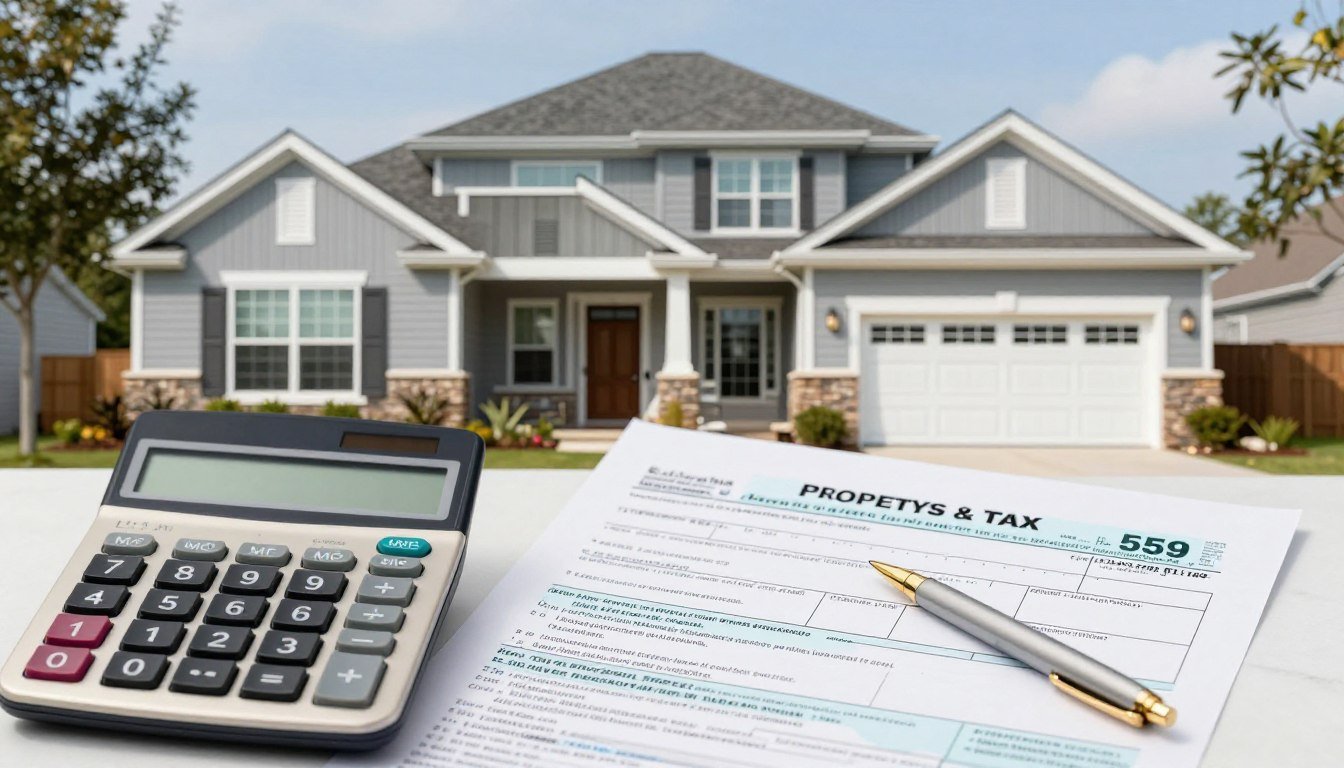
Property Taxes in the U.S.: What Homeowners Must Know in 2026
Property taxes remain one of the largest expenses for American homeowners. In 2026, the average household will pay thousands of dollars in property taxes. Many homeowners overpay simply because they don’t understand how the system works.
Understanding property taxes can save you money. The difference between knowing the rules and missing opportunities can cost you hundreds or even thousands of dollars each year. This guide breaks down everything you need to know about property taxes in 2026.
Whether you’re a first-time homebuyer or a seasoned homeowner, the property tax landscape continues to evolve. New exemptions, changing rates, and updated assessment methods affect your tax bill. Learning these changes helps you plan better and keep more money in your pocket.
What Property Taxes Mean for Homeowners
Property taxes are annual charges levied by local governments on real estate. These taxes fund essential public services in your community. Understanding how they work is the first step to managing this expense effectively.
Key Terms Every Homeowner Should Know
The property tax system uses specific terms that homeowners must understand. Knowing these concepts helps you read your tax bill and identify potential savings.
Assessed Value represents what your local government believes your property is worth for tax purposes. This value often differs from market value. Assessors evaluate your home based on size, location, condition, and comparable sales data.
Millage Rates determine how much tax you pay per thousand dollars of assessed value. A millage rate of 20 means you pay $20 for every $1,000 of assessed value. Local governments set these rates annually based on budget needs.
Property Tax Exemptions reduce your taxable property value. Common exemptions include homestead exemptions for primary residences, senior citizen exemptions, veteran exemptions, and disability exemptions. Each exemption lowers your tax burden.
How Property Tax Calculations Work
Calculating property taxes involves a simple formula. You multiply your assessed value by the millage rate, then divide by 1,000. Understanding this calculation helps you verify your tax bill accuracy.
For example, consider a home with an assessed value of $350,000 and a millage rate of 12. The calculation works like this: $350,000 × 12 ÷ 1,000 = $4,200 in annual property taxes.
However, exemptions change this calculation. If you qualify for a $50,000 homestead exemption, your taxable value drops to $300,000. Your new tax bill becomes: $300,000 × 12 ÷ 1,000 = $3,600, saving you $600 annually.
Important Note: Property tax calculations vary by state and county. Some jurisdictions use different formulas or apply additional local taxes. Always check with your county assessor’s office for specific calculation methods in your area.
Current Property Tax Rules in 2026
Property tax rules evolve each year based on federal tax law, state legislation, and local government decisions. Understanding the 2026 landscape helps homeowners plan their finances and maximize deductions.
Federal Income Tax Deduction for Property Taxes
The Internal Revenue Service allows homeowners to deduct state and local taxes on their federal income tax returns. This deduction includes property taxes paid on your primary residence and additional properties.
The Tax Cuts and Jobs Act placed a $10,000 cap on state and local tax deductions. This limit includes property taxes, state income tax, and sales tax combined. For many homeowners, especially in high-tax states, this cap significantly reduces their federal tax benefits.
Married couples filing separately face a $5,000 deduction limit. This restriction affects household tax planning strategies. Couples must carefully consider their filing status based on their total state and local tax burden.
State-Level Property Tax Changes
Individual states implement their own property tax policies. These state-level decisions directly impact your tax bill more than federal regulations. Understanding your state’s approach is essential for effective tax planning.
Some states cap annual assessment increases. California’s Proposition 13 limits assessed value increases to 2% annually. Other states allow reassessment based on current market value, potentially causing dramatic tax increases during real estate booms.
New Jersey maintains some of the highest property tax rates in the nation. The state’s effective tax rate exceeds 2.4%, meaning a $400,000 home generates over $9,600 in annual property taxes. These high rates fund local schools and municipal services.
States with Highest Property Tax Rates
These states have the highest effective property tax rates based on U.S. Census Bureau data. Homeowners in these areas face significantly higher tax burdens.
- New Jersey – 2.47% effective rate
- Illinois – 2.23% effective rate
- New Hampshire – 2.18% effective rate
- Connecticut – 2.14% effective rate
States with Lowest Property Tax Rates
These states offer the lowest property tax burdens. Lower rates make homeownership more affordable in these jurisdictions.
- Hawaii – 0.28% effective rate
- Alabama – 0.41% effective rate
- Louisiana – 0.55% effective rate
- Delaware – 0.57% effective rate
Local Government Assessment Practices
Counties and municipalities conduct property assessments to determine taxable values. Assessment frequency and methodology vary widely across the United States. Some jurisdictions reassess annually while others may reassess every few years.
Assessment accuracy affects your tax bill directly. Errors in square footage, property features, or comparable sales data can inflate your assessed value. Regular assessment reviews help catch these mistakes before they cost you money.
Who Is Most Affected by Property Taxes
Property taxes impact different groups of homeowners in distinct ways. Understanding how these taxes affect your specific situation helps you develop targeted strategies for managing this expense.
Individual Homeowners and Primary Residences
Individual homeowners with primary residences form the largest group of property taxpayers. Your home likely represents your biggest investment. Property taxes directly reduce the financial benefits of homeownership.
Homeowners in high-value areas face substantial tax bills. A property valued at $600,000 in a jurisdiction with a 1.5% effective tax rate generates $9,000 in annual taxes. These costs must be factored into monthly housing budgets alongside mortgage payments and insurance.
Fixed-income homeowners, particularly retirees, struggle most with rising property taxes. Their income remains stable while tax bills increase with property values. This creates financial pressure that can force some seniors to sell their homes.
Families with Growing Housing Needs
Families often upgrade to larger homes as their needs change. Larger properties typically carry higher assessed values and corresponding tax burdens. A family moving from a $300,000 home to a $500,000 home sees their property taxes increase proportionally.

School quality drives many family housing decisions. Communities with highly-rated schools often have higher property tax rates. Families pay premium taxes to access better educational opportunities for their children.
Real Estate Investors and Multiple Property Owners
Real estate investors face different property tax challenges than primary residence owners. Investment properties rarely qualify for homestead exemptions. Investors pay higher effective tax rates on rental properties and vacation homes.
Property taxes reduce investment property cash flow. Landlords must factor these costs into rental pricing. In high-tax areas, property taxes can consume 15-25% of rental income, significantly impacting investment returns.
Investors who own properties across multiple jurisdictions must navigate different tax systems. Each state and county has unique assessment methods, exemption programs, and payment schedules. This complexity requires careful record-keeping and tax planning.
First-Time Homebuyers
First-time buyers often underestimate property tax costs. Lenders include tax estimates in monthly mortgage payments through escrow accounts. However, buyers may not fully grasp how property taxes affect long-term affordability.
Property taxes impact mortgage qualification. Lenders calculate debt-to-income ratios including estimated property taxes. Higher tax rates reduce the loan amount buyers can afford, limiting housing options in expensive tax jurisdictions.
First-Time Buyer Tip: Always research local property tax rates before making an offer. A home with a lower purchase price but higher tax rate may cost more over time than a more expensive home in a lower-tax area.
Common Mistakes to Avoid with Property Taxes
Homeowners make preventable errors that cost them money each year. Recognizing these mistakes helps you avoid unnecessary expenses and take control of your property tax situation.
Not Appealing Incorrect Property Assessments
Property assessments contain errors more often than homeowners realize. Assessors may record incorrect square footage, add features your home doesn’t have, or use inflated comparable sales data. These mistakes inflate your assessed value and your tax bill.
Most homeowners never review their assessment notices carefully. They assume the government assessment is accurate and accept the tax bill without question. This passive approach costs homeowners thousands of dollars over time.
The appeals process exists specifically to correct assessment errors. Successful appeals can reduce your assessed value by 10-20% or more. This translates to significant annual savings that compound over years of homeownership.
Appeal deadlines are strict. Most jurisdictions allow only 30-60 days from the assessment notice to file an appeal. Missing this window means you’re stuck with an incorrect assessment for another year.
Missing Property Tax Exemption Deadlines
Property tax exemptions offer substantial savings, but they require timely application. Homestead exemptions, senior exemptions, veteran benefits, and disability exemptions all have specific filing deadlines that vary by jurisdiction.
Exemptions aren’t automatic. You must apply for them, even if you clearly qualify. Many eligible homeowners miss out on thousands in tax savings simply because they didn’t complete the application process.
Some exemptions require annual renewal while others remain in effect once approved. Understanding your local exemption renewal requirements prevents lapses in coverage that could spike your tax bill unexpectedly.
Not Tracking Property Tax Payments for Federal Deductions
Property taxes paid reduce your federal income tax burden through itemized deductions. However, you must accurately track and document these payments. Poor record-keeping means lost tax deductions on your federal income tax return.
Escrow payments complicate tracking. When your mortgage lender pays property taxes from your escrow account, you must obtain documentation showing the actual payment date and amount. The IRS requires proof of payment, not just escrow deposits.
Property taxes paid at closing often get overlooked. Buyers who reimburse sellers for prepaid property taxes can deduct this expense. Many homeowners forget to include these amounts on their tax returns.
Assuming Property Tax Bills Are Always Correct
Tax bills can contain calculation errors, apply incorrect millage rates, or fail to reflect approved exemptions. Local government offices make mistakes just like any organization. Blind acceptance of your tax bill could mean overpayment.
Verification takes just minutes but can save hundreds of dollars. Compare your bill against your assessment notice. Check that exemptions appear correctly. Verify the millage rate matches your jurisdiction’s published rates.
Payment errors also occur. Sometimes tax payments don’t post correctly to your account. This can result in duplicate payment demands or penalty notices for taxes already paid. Regular account monitoring catches these problems early.
Failing to Update Mailing Addresses with Tax Authorities
Property tax notices go to the address on file with your county assessor and tax collector. If you move or change your mailing address, you must update this information with the appropriate government offices.
Missed notices lead to missed deadlines. If you don’t receive your assessment notice, you can’t file a timely appeal. If you don’t receive your tax bill, you risk late payment penalties and interest charges.
Address updates don’t happen automatically. Changing your address with the post office, your mortgage lender, or other entities doesn’t update your tax records. You must contact your local assessor’s office and tax collector directly.
Warning: Late property tax payments can result in liens against your property. In extreme cases, unpaid property taxes can lead to tax lien sales or foreclosure. Always ensure you receive and pay tax bills on time.
Tips to Reduce Property Taxes Legally
Smart homeowners use legal strategies to minimize their property tax burden. These proven approaches can save you hundreds or thousands of dollars annually without breaking any rules.

Apply for All Available Homestead Exemptions
Homestead exemptions reduce your home’s assessed value for tax purposes. Most states offer these exemptions to homeowners who occupy their property as a primary residence. The savings can be substantial.
Exemption amounts vary by state and locality. Some jurisdictions offer flat dollar amount reductions, such as $25,000 or $50,000 off your assessed value. Others provide percentage-based reductions. Every dollar of reduced assessed value lowers your tax bill.
Application processes are straightforward. You typically need proof of ownership, proof of residency, and identification. Many jurisdictions now offer online applications. Processing takes a few weeks, and exemptions often apply retroactively.
Appeal Incorrect or Inflated Property Assessments
Assessment appeals represent one of the most effective tax reduction strategies. If your home’s assessed value exceeds its true market value, you have grounds for an appeal. Success rates are higher than most homeowners expect.
Gather evidence to support your appeal. Recent comparable sales of similar homes in your area provide the strongest evidence. Property condition issues, needed repairs, or neighborhood factors that reduce value also strengthen your case.
Professional appraisals add credibility to appeals. While appraisals cost money, the tax savings from a successful appeal often exceed the appraisal fee many times over. Consider this an investment in long-term tax reduction.
Present your case clearly and professionally. Most jurisdictions offer informal review processes before formal hearings. Come prepared with documentation, photos, and comparable sales data organized in a logical presentation.
Investigate Senior Citizen and Veteran Property Tax Exemptions
Special exemptions exist for seniors, veterans, and disabled individuals. These programs recognize the financial challenges these groups face. Eligibility requirements and benefit levels vary widely by jurisdiction.
Senior exemptions often have age and income thresholds. Typical programs require homeowners to be 65 or older with income below specified limits. Benefits range from partial exemptions to complete property tax freezes.
Veteran exemptions recognize military service. Disabled veterans often qualify for substantial exemptions or complete tax exemptions. Some states extend benefits to surviving spouses of veterans who died in service.
Common Exemption Types
- Homestead exemptions for primary residences
- Senior citizen exemptions (age 65+)
- Disabled veteran exemptions
- Disability exemptions for homeowners
- Agricultural use exemptions
- Historic property exemptions
Install Energy-Efficient and Solar Improvements
Some jurisdictions exclude energy-efficient improvements from property tax reassessments. Installing solar panels, energy-efficient windows, or insulation may not increase your assessed value, even though these upgrades add market value to your home.
Solar energy systems qualify for special treatment in many states. Laws prevent solar installations from triggering property tax increases. You gain the benefits of reduced energy costs without the penalty of higher property taxes.
Research your local policies before investing in improvements. Understanding how upgrades affect your assessment helps you make informed decisions about home improvements and their tax implications.
Consider Property Tax Deferral Programs
Tax deferral programs allow eligible homeowners to postpone property tax payments. These programs primarily serve seniors and low-income homeowners who struggle with current tax obligations. Deferred taxes typically become due when the property is sold.
Deferral programs aren’t tax forgiveness. Interest accrues on deferred amounts, though usually at below-market rates. When you eventually sell your home, deferred taxes plus interest must be paid from the sale proceeds.
Eligibility requirements include age, income limits, and equity thresholds. Most programs require homeowners to be 65 or older with limited income. Sufficient home equity ensures the property can secure the deferred tax debt.
Review Assessment Methods and Challenge Unfair Practices
Assessment methodology matters. Some jurisdictions use outdated or unfair assessment practices. If your neighborhood is systematically over-assessed compared to others, you may have grounds for challenging the assessment method itself.
Mass appraisal techniques can create inequities. Computer-generated assessments may miss unique property characteristics that reduce value. Human review of your specific property circumstances can reveal assessment errors.
Class action appeals sometimes emerge when entire neighborhoods are unfairly assessed. Joining with neighbors strengthens individual appeals and can force reassessment of entire areas.
Real Example: How Property Taxes Work in Practice
Understanding property taxes becomes clearer through real-world examples. Let’s examine how property taxes work for a typical homeowner and explore strategies for reducing the tax burden.
Base Case: Standard Property Tax Calculation
Meet Sarah Johnson, who owns a single-family home in a suburban county. Her property was recently assessed at $350,000. The local tax rate, including county, city, and school district taxes, totals 1.8%.
Sarah’s basic property tax calculation works as follows:
- Assessed Value: $350,000
- Effective Tax Rate: 1.8%
- Annual Property Tax: $350,000 × 0.018 = $6,300
- Monthly Escrow Payment: $6,300 ÷ 12 = $525
This $6,300 annual tax bill represents a significant household expense. Combined with her mortgage payment, insurance, and maintenance costs, housing consumes a substantial portion of Sarah’s budget.
Applying Tax Reduction Strategies
Sarah decides to investigate ways to reduce her property tax burden. She discovers several opportunities that many homeowners overlook.
Step 1: Homestead Exemption Application
Sarah applies for her state’s homestead exemption, which reduces assessed value by $50,000 for primary residences. This simple application takes 15 minutes and requires basic documentation of residency.
- Original Assessed Value: $350,000
- Homestead Exemption: -$50,000
- New Taxable Value: $300,000
- Annual Tax at 1.8%: $5,400
- Annual Savings: $900
Step 2: Assessment Appeal
Sarah researches recent sales of comparable homes in her neighborhood. She finds three similar properties that sold for $315,000 to $330,000. Her $350,000 assessment appears inflated compared to actual market value.
She files an appeal with supporting documentation. The county reviews her evidence and reduces her assessed value to $330,000, acknowledging her home’s assessment was too high.
- Revised Assessed Value: $330,000
- Homestead Exemption: -$50,000
- New Taxable Value: $280,000
- Annual Tax at 1.8%: $5,040
- Additional Annual Savings: $360
Total Tax Savings Achieved
Through two straightforward strategies, Sarah reduces her property tax bill significantly:
| Scenario | Taxable Value | Annual Tax | Monthly Payment |
| Original (No Strategies) | $350,000 | $6,300 | $525 |
| After Exemption Only | $300,000 | $5,400 | $450 |
| After Exemption + Appeal | $280,000 | $5,040 | $420 |
Sarah’s total annual savings: $1,260. Over a 10-year period, this represents $12,600 in tax savings. The time invested in applications and appeals amounts to perhaps 5-6 hours total, making this an extremely high-value use of her time.
Her monthly escrow payment drops from $525 to $420, improving her monthly cash flow by $105. This reduction makes homeownership more affordable and frees up money for other financial goals.
Federal Income Tax Benefits
Sarah also benefits from federal income tax deductions. She itemizes deductions on her federal income tax return and claims her property taxes paid.
At a 24% marginal tax rate, her $5,040 property tax payment reduces her federal income tax by approximately $1,210. This provides additional value beyond the state and local tax savings achieved through exemptions and appeals.
The combined state and federal tax benefits make homeownership significantly more affordable than the initial sticker price suggests. Understanding these benefits helps homeowners appreciate the full financial picture of property ownership.
Future Property Tax Changes and Trends
The property tax landscape continues evolving. Understanding emerging trends helps homeowners prepare for changes that may affect their tax burden in coming years.
Rising Property Values and Assessment Increases
Real estate markets across the United States have experienced significant appreciation. Home values in many areas increased 30-50% between 2020 and 2025. These market gains translate directly to higher property tax bills as assessments rise to match market values.
Assessment lag creates both opportunities and challenges. Properties in rapidly appreciating markets may be under-assessed for a time, resulting in temporarily lower taxes. However, periodic reassessments eventually catch up, sometimes causing dramatic tax increases.
Homeowners should anticipate assessment increases in strong real estate markets. Budgeting for higher future tax bills prevents financial stress when reassessments occur. Building reserves for tax increases protects against payment difficulties.
State and Local Government Budget Pressures
Many state and local governments face budget challenges. Rising costs for public services, pension obligations, and infrastructure needs create pressure to increase tax revenue. Property taxes represent a major revenue source for local governments.
Tax rate increases often follow budget shortfalls. Even if your property’s assessed value remains stable, higher millage rates increase your tax bill. Voters in many jurisdictions must approve tax rate increases, but budget pressures make rate hikes increasingly common.
Service level expectations affect tax rates. Communities demanding high-quality schools, public safety, and infrastructure must fund these services through tax revenue. Property taxes often bear the burden of supporting desired service levels.
Potential Federal Tax Law Changes
Federal tax law changes can significantly impact property tax deductions. The current $10,000 cap on state and local tax deductions may change based on Congressional action. Some proposals suggest raising or eliminating this cap, while others recommend maintaining current limits.
Political shifts influence tax policy. Different administrations and Congressional majorities pursue different tax philosophies. Homeowners should monitor federal tax proposals that affect property tax deductibility and adjust their financial planning accordingly.
Tax reform discussions occur regularly. Proposals to simplify the tax code, modify deduction rules, or change standard deduction amounts all potentially affect how property taxes impact your overall tax burden.
Technology and Assessment Modernization
Assessment technology improves accuracy but may increase some homeowners’ tax bills. Advanced data analytics, automated valuation models, and AI-powered assessment tools help assessors identify under-assessed properties. This technology may lead to more frequent reassessments and accurate valuations.
Online assessment appeals become more common. Many jurisdictions now accept digital evidence and conduct virtual hearings. This accessibility makes the appeal process easier but may also increase the number of appeals assessors must review.
Climate Change and Property Tax Implications
Climate risks affect property values and, consequently, property taxes. Properties in flood zones, wildfire areas, or hurricane-prone regions may see assessment adjustments reflecting increased risk. Insurance costs and climate resilience also factor into property market values.
Green building incentives may expand. More jurisdictions offer property tax benefits for energy-efficient construction, renewable energy installations, and sustainable building practices. These programs encourage environmental responsibility while providing tax relief.
Looking Ahead: Property tax systems will continue adapting to economic conditions, political priorities, and technological capabilities. Successful homeowners stay informed about changes affecting their tax burden and adjust their strategies accordingly.
How Property Tax Burdens Vary Across States
Property tax rates and effective tax burdens differ dramatically across the United States. Understanding these variations helps homeowners make informed decisions about where to live and what to expect from their tax obligations.
Understanding Effective Tax Rates
The effective tax rate represents property taxes as a percentage of home value. This metric allows fair comparison across different markets and price points. A $5,000 tax bill means something very different for a $200,000 home versus a $500,000 home.
Effective tax rates account for both assessed values and nominal tax rates. States with lower property values but high tax rates can have similar tax burdens to states with higher property values and lower rates. The effective rate reveals the true cost of property taxes.
High-Tax States and Their Characteristics
New Jersey consistently ranks as the highest property tax state in the nation. The state’s effective tax rate exceeds 2.4%, meaning homeowners pay more than $2,400 annually for every $100,000 of home value. A $400,000 home in New Jersey generates approximately $9,600 in property taxes.
Illinois claims the second-highest property tax burden. Effective rates around 2.2% make homeownership expensive, particularly in the Chicago metropolitan area. High-value suburbs can see tax bills exceeding $15,000 annually on properties worth $600,000-$700,000.
High-tax states typically offer robust public services. These jurisdictions fund quality schools, extensive municipal services, and comprehensive infrastructure through property tax revenue. Residents essentially trade higher taxes for better public amenities.
| State | Effective Tax Rate | Median Home Value | Median Tax Bill |
| New Jersey | 2.47% | $410,000 | $10,127 |
| Illinois | 2.23% | $265,000 | $5,910 |
| New Hampshire | 2.18% | $385,000 | $8,393 |
| Connecticut | 2.14% | $348,000 | $7,447 |
| Vermont | 1.90% | $295,000 | $5,605 |
Low-Tax States and Their Trade-Offs
Hawaii maintains the lowest effective property tax rate in the country at just 0.28%. A $500,000 home in Hawaii generates only about $1,400 in annual property taxes. However, high home prices and cost of living offset this tax advantage.
Alabama offers low property taxes with an effective rate of 0.41%. Combined with relatively affordable home prices, Alabama homeowners enjoy some of the lowest absolute property tax bills in the nation. A $200,000 home typically incurs less than $1,000 in annual property taxes.
Low-tax states often rely on alternative revenue sources. States without income tax or with low property taxes may have higher sales tax rates or other fees. The overall tax burden depends on the complete tax structure, not just property taxes alone.
| State | Effective Tax Rate | Median Home Value | Median Tax Bill |
| Hawaii | 0.28% | $765,000 | $2,142 |
| Alabama | 0.41% | $195,000 | $800 |
| Louisiana | 0.55% | $215,000 | $1,183 |
| Delaware | 0.57% | $305,000 | $1,739 |
| West Virginia | 0.58% | $155,000 | $899 |
Regional Variations Within States
Property tax rates vary significantly within states. Urban counties often have higher rates than rural areas. School district quality drives much of this variation, with highly-rated districts typically carrying higher tax burdens.
Texas provides a clear example of intra-state variation. While Texas has no state income tax, property taxes fund local services. Effective rates range from under 1% in some rural counties to over 2.5% in affluent suburban school districts near major cities.
California’s Proposition 13 creates unusual assessment patterns. Long-term homeowners benefit from capped assessment increases while new buyers pay taxes on current market values. Two identical homes on the same street can have vastly different tax bills based on purchase date.
Property Tax Payment Methods and Timing
Understanding how and when to pay property taxes helps homeowners avoid penalties and manage cash flow effectively. Payment options and schedules vary by jurisdiction but follow common patterns.
Escrow Account Payments
Most mortgage lenders require escrow accounts for property tax payments. Your monthly mortgage payment includes a portion that goes into escrow. The lender then pays your property taxes when they come due.
Escrow accounts simplify budgeting by spreading tax costs over 12 months. Rather than facing large semi-annual or annual tax bills, you pay a consistent monthly amount. This prevents the financial stress of saving for lump-sum tax payments.
Lenders analyze your escrow account annually. If your property taxes increase, your monthly payment increases to cover the higher costs. If taxes decrease or you’ve overpaid, you may receive an escrow refund or see reduced payments.
Escrow shortages occur when tax increases exceed your monthly contributions. Lenders typically give you options: pay the shortage in a lump sum or spread it over the next year with higher monthly payments.
Direct Payment to Tax Authorities
Homeowners without mortgages or those with paid-off homes pay property taxes directly. Payment deadlines and frequency depend on local regulations. Some jurisdictions bill annually, others semi-annually or quarterly.
Direct payment requires discipline in saving for tax bills. Setting aside money monthly helps avoid scrambling for funds when tax deadlines arrive. Many homeowners use dedicated savings accounts to accumulate tax payment funds throughout the year.
Payment methods include checks, online payments, credit cards, and in-person payments. Online portals offer convenience and immediate confirmation. Some jurisdictions charge fees for credit card payments, offsetting any rewards benefits.
Installment Payment Plans
Many tax collectors offer installment payment plans for large tax bills. Monthly or quarterly payments make taxes more manageable, especially for homeowners on fixed incomes or with irregular income.
Enrollment in payment plans usually requires timely application. Missing payment plan deadlines can result in plan cancellation and immediate payment demands for the full remaining balance plus penalties.
Interest may accrue on installment plans. Some jurisdictions charge interest on unpaid balances even when you’re making scheduled payments. Understanding these costs helps you decide whether installment plans make financial sense.
Payment Deadlines and Penalties
Property tax deadlines are strict. Late payments trigger penalties and interest charges that increase your total tax burden. Penalty rates typically range from 1-3% per month on unpaid balances.
Grace periods vary by jurisdiction. Some tax collectors offer brief grace periods of 10-15 days after the due date. Others assess penalties immediately upon missing the deadline. Know your local rules to avoid unnecessary charges.
Repeated late payments can lead to tax liens. A tax lien gives the government a legal claim against your property. In extreme cases, tax liens can result in forced property sales to satisfy unpaid tax debts.
Critical Deadline Information: Always verify payment deadlines with your local tax collector’s office. Postmark dates may or may not count as timely payment depending on local rules. When in doubt, pay early to ensure compliance.
Property Taxes for Special Situations
Certain property types and ownership situations create unique property tax considerations. Understanding these special cases helps homeowners navigate complex tax scenarios.
Investment and Rental Properties
Investment properties face different tax treatment than primary residences. Rental properties rarely qualify for homestead exemptions, resulting in higher effective tax rates. Landlords must factor full property tax costs into rental pricing and investment return calculations.
Property taxes on rentals represent deductible business expenses for income tax purposes. Unlike the $10,000 state and local tax deduction cap on personal returns, business property taxes have no deduction limit. This provides some offset to the higher tax burden.
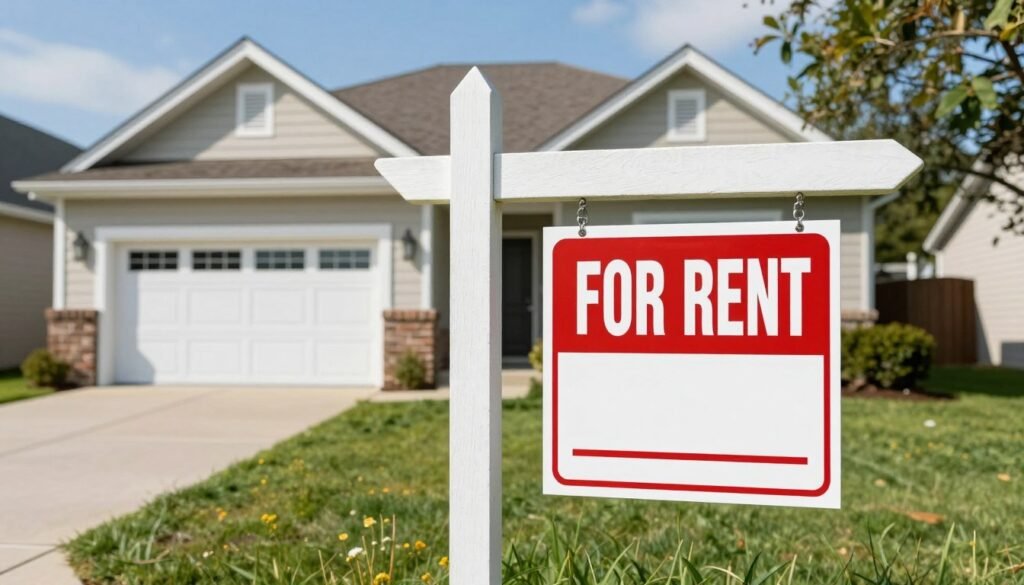
Multi-unit properties may be assessed differently than single-family homes. Commercial assessment methods sometimes apply to properties with multiple units, potentially resulting in higher valuations and tax bills.
Vacation Homes and Second Residences
Second homes and vacation properties don’t qualify as primary residences for exemption purposes. Owners pay full property taxes without homestead benefits. Popular vacation destinations often have high property tax rates to fund tourism-related infrastructure and services.
Short-term rental use complicates the tax picture further. Some jurisdictions impose additional taxes or fees on properties used for vacation rentals. Local regulations regarding short-term rentals vary widely and change frequently.
Selling a vacation home triggers different capital gains tax treatment than selling a primary residence. The $250,000/$500,000 capital gains exclusion doesn’t apply to second homes, affecting long-term investment returns.
Inherited Properties
Inheriting property creates immediate property tax obligations. The new owner becomes responsible for property taxes from the date of inheritance. Outstanding tax bills from the deceased owner’s period may need resolution during estate settlement.
Property transfers through inheritance may trigger reassessment. Some states reassess inherited properties at current market value, potentially increasing tax bills dramatically. Other states allow inherited properties to maintain the previous owner’s assessed value under certain conditions.
Inherited properties held in trust face complex tax situations. Trusts may be billed differently than individual owners. Professional tax advice helps navigate the specific rules applicable to trust-held property.
New Construction and Major Renovations
New construction triggers property tax reassessment once the building reaches completion. The assessed value jumps from land-only to land-plus-improvements. Builders and buyers must budget for this substantial tax increase.
Major renovations can trigger partial reassessments. Adding square footage, finishing basements, or making significant upgrades may increase your assessed value. Building permits often alert assessors to improvements that affect property value.
Some jurisdictions offer new construction abatements. These programs temporarily reduce property taxes on new buildings to encourage development. Abatements typically phase out over several years, gradually increasing taxes to full market levels.
How Property Tax Revenue Gets Used
Understanding how governments use property tax revenue helps homeowners appreciate the value they receive for their tax dollars. These funds support essential community services and infrastructure.

Public Education Funding
Schools consume the largest portion of property tax revenue in most jurisdictions. Depending on your location, 40-60% of your property tax bill funds public schools. This includes teacher salaries, facilities, transportation, technology, and educational programs.
School funding quality varies with property values. Wealthy communities with high property values generate substantial education funding even with lower tax rates. Lower-income areas must impose higher rates to provide comparable resources, creating funding inequities.
Voters often approve property tax increases specifically for schools. Bond issues for new school construction or operating levies for enhanced programs appear on ballots regularly. These voter-approved increases demonstrate community commitment to education quality.
Municipal Services and Infrastructure
Property taxes fund police, fire protection, road maintenance, parks, libraries, and other municipal services. These essential services protect property values and enhance quality of life for residents.
Infrastructure maintenance requires consistent funding. Roads, water systems, sewers, and public buildings need ongoing investment. Property taxes provide stable revenue for these long-term infrastructure commitments.
Service level expectations drive tax requirements. Communities wanting extensive parks, frequent trash collection, and well-maintained roads must fund these services adequately. Property taxes represent the primary funding mechanism for local service delivery.
County and Special District Services
County governments provide regional services including courts, jails, public health, and social services. Special districts deliver specific functions like water, sewer, fire protection, or hospital services in defined geographic areas.
Your property tax bill often includes multiple line items for different taxing authorities. Understanding the breakdown shows exactly which services your tax dollars support and helps you evaluate the value proposition.
Transparency Matters: Most tax collectors publish detailed information showing how property tax revenue gets allocated among different services and jurisdictions. Reviewing these breakdowns helps homeowners understand their tax bill’s composition.
Step-by-Step Guide to Appealing Property Assessments
Assessment appeals offer one of the most effective ways to reduce property taxes. Understanding the appeal process increases your chances of success and helps you approach it confidently.
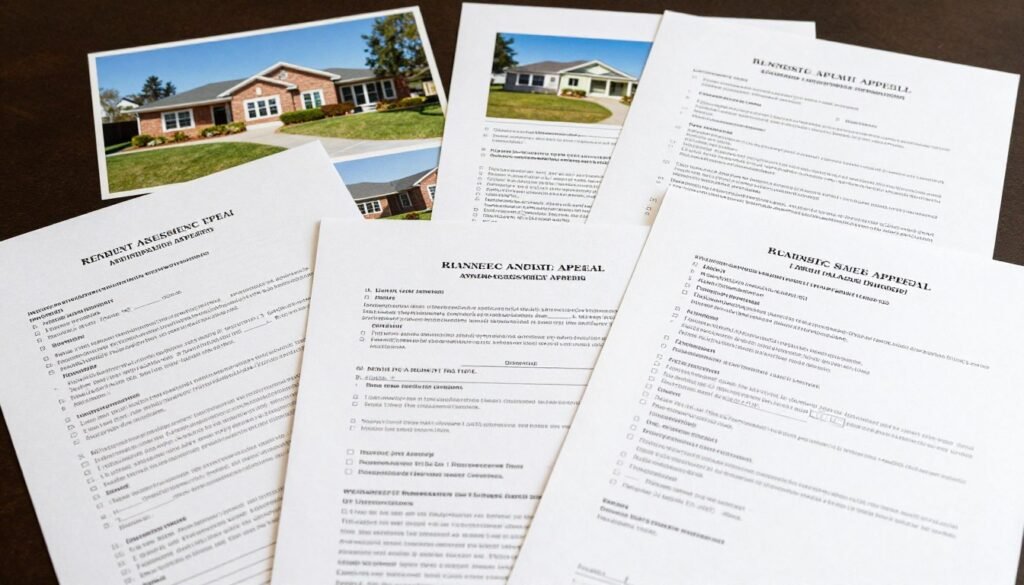
Step 1: Review Your Assessment Notice
Assessment notices arrive annually or when reassessments occur. Read your notice carefully to understand your property’s assessed value, the assessment date, and the deadline for filing appeals.
Verify that property details are correct. Square footage errors, incorrect bedroom/bathroom counts, or features your home doesn’t have all inflate assessed value. These factual errors provide strong grounds for appeals.
Compare your assessed value to your property’s likely market value. If the assessment significantly exceeds what your home would sell for, you have grounds for an appeal based on overvaluation.
Step 2: Gather Supporting Evidence
Strong appeals require compelling evidence. The most persuasive evidence includes recent sales of comparable properties showing your home is overvalued relative to similar homes.
Pull comparable sales from your neighborhood. Look for homes similar in size, age, condition, and location that sold within the past 6-12 months. Real estate websites and county records provide this information.
Document property defects or issues that reduce value. Foundation problems, needed repairs, outdated systems, or adverse location factors justify lower valuations. Photographs and contractor estimates strengthen these claims.
Professional appraisals carry significant weight. While appraisals cost $300-500, the potential tax savings over multiple years often justify this investment. Appraisals provide expert third-party validation of your property’s value.
Step 3: File Your Appeal Within the Deadline
Appeal deadlines are strict and non-negotiable. Missing the deadline means waiting another year to challenge your assessment. Mark the deadline on your calendar and file well before it expires.
Most jurisdictions offer online appeal filing. Digital submission provides immediate confirmation and creates a clear record of timely filing. If filing by mail, use certified mail with return receipt requested.
Complete all required forms accurately and thoroughly. Incomplete applications may be rejected, wasting your appeal opportunity. Follow instructions exactly and provide all requested information.
Step 4: Prepare for Your Hearing
Many jurisdictions offer informal review before formal hearings. Assessors may adjust your value based on evidence you submit without requiring a hearing. Present your best evidence at this stage.
If informal review doesn’t resolve the issue, prepare for a formal hearing. Organize your evidence logically. Create a brief presentation explaining why your assessment is incorrect and what value you believe is accurate.
Practice your presentation. Speak clearly and professionally. Focus on facts and evidence rather than emotions or complaints about high taxes generally. Stay calm and respectful throughout the process.
Step 5: Present Your Case Effectively
Begin with a clear statement of your position. “My property is assessed at $350,000, but comparable sales show the market value is approximately $320,000.” This sets the framework for your presentation.
Present your comparable sales evidence. Show how your home compares to recently sold properties and why your assessment exceeds market value. Point out specific features that make the comparables valid references.
Address assessor questions directly and honestly. If you don’t know something, say so rather than guessing. Credibility matters more than having every answer.
Request a specific value reduction if possible. Rather than just arguing your assessment is too high, state what you believe the correct value should be based on your evidence.
Step 6: Follow Up on the Decision
Assessment boards typically issue decisions within a few weeks. If your appeal succeeds, verify that the reduced value appears on your next tax bill. Errors in implementing board decisions sometimes occur.
If your appeal is denied, you may have further appeal rights. Some jurisdictions allow appeals to higher boards or courts. Evaluate whether pursuing additional appeals makes sense given the potential tax savings.
Successful appeals may apply to future years as well. If your assessment is reduced based on overvaluation, that lower value typically carries forward until the next general reassessment.
Resources for Property Tax Help and Information
Numerous resources help homeowners understand and manage property taxes. Knowing where to find reliable information and assistance makes navigating the property tax system easier.
Government Resources
Your county assessor’s office provides the most direct source of property tax information. Assessor websites typically include property records, assessment information, exemption applications, and appeal procedures.
The Internal Revenue Service offers guidance on federal income tax deductions for property taxes. IRS Publication 530 (Tax Information for Homeowners) explains which property taxes qualify for deductions and how to claim them.
State departments of revenue publish information about state-level property tax laws and programs. These agencies oversee local assessment practices and can help with questions about state-mandated exemptions or assessment procedures.
Professional Assistance
Tax professionals including CPAs and enrolled agents help homeowners maximize property tax deductions on federal income tax returns. They ensure you’re claiming all available tax benefits correctly.
Property tax consultants specialize in assessment appeals. These professionals work on contingency, earning fees only if they successfully reduce your assessment. Their expertise can be valuable for complex appeals or high-value properties.
Real estate attorneys handle property tax legal issues including disputes, liens, and complex ownership situations. Legal assistance becomes important when property tax problems escalate beyond routine appeals.
Online Tools and Calculators
Property tax calculators help estimate tax obligations when buying a home. These tools use local tax rates and assessed values to project annual tax costs, assisting with budget planning.
Comparative market analysis tools help gather evidence for assessment appeals. Real estate websites allow searching recent sales by property characteristics, making it easier to find valid comparable properties.
Tax savings calculators show how exemptions and assessment reductions affect your tax bill. Understanding potential savings helps you decide whether pursuing exemptions or appeals justifies the time investment.
Taking Control of Your Property Tax Situation
Property taxes represent a significant ongoing homeownership cost. Understanding how the system works empowers you to minimize this expense legally while ensuring you pay only what you truly owe.

The key strategies for managing property taxes include applying for all available exemptions, reviewing assessments for errors, appealing when appropriate, and tracking payments for federal tax deductions. These straightforward actions can save thousands of dollars annually.
Property tax rules and rates continue evolving. Staying informed about changes in your jurisdiction helps you adapt your strategies and take advantage of new opportunities for tax savings. Make property tax review an annual financial planning activity.
Don’t accept your property tax bill without question. Governments make mistakes, exemptions go unclaimed, and assessment errors occur frequently. Taking an active role in managing your property taxes protects your financial interests.
The time invested in understanding property taxes pays dividends for years to come. Whether you’re a new homeowner just learning the system or a long-time owner looking to reduce costs, knowledge provides power and savings.
Start today by reviewing your most recent assessment notice and tax bill. Verify accuracy, research available exemptions, and identify opportunities for savings. Small actions now create significant financial benefits over time.