
Consumer Spending Slowdown Risks: How It Could Impact the U.S. Economy in 2026 and Beyond
The fourth quarter of 2025 revealed a troubling trend. Consumer spending rose at its slowest pace in nearly two years. This shift sends ripples through every corner of the U.S. economy.
Recent data shows consumers pulled back sharply on goods and services purchases. The Commerce Department reported spending grew just 2.2 percent in late 2025. This marks a significant slowdown from earlier months.
Why does this matter now? Consumer spending drives nearly 70 percent of economic growth. When Americans tighten their wallets, the entire economy feels the pressure. Businesses slow investment. Jobs become scarce. Markets grow volatile.
The stakes have never been higher. With inflation still elevated and tariffs looming, understanding this threat is essential for every American household and business owner.
What Is the Consumer Spending Slowdown Threat?
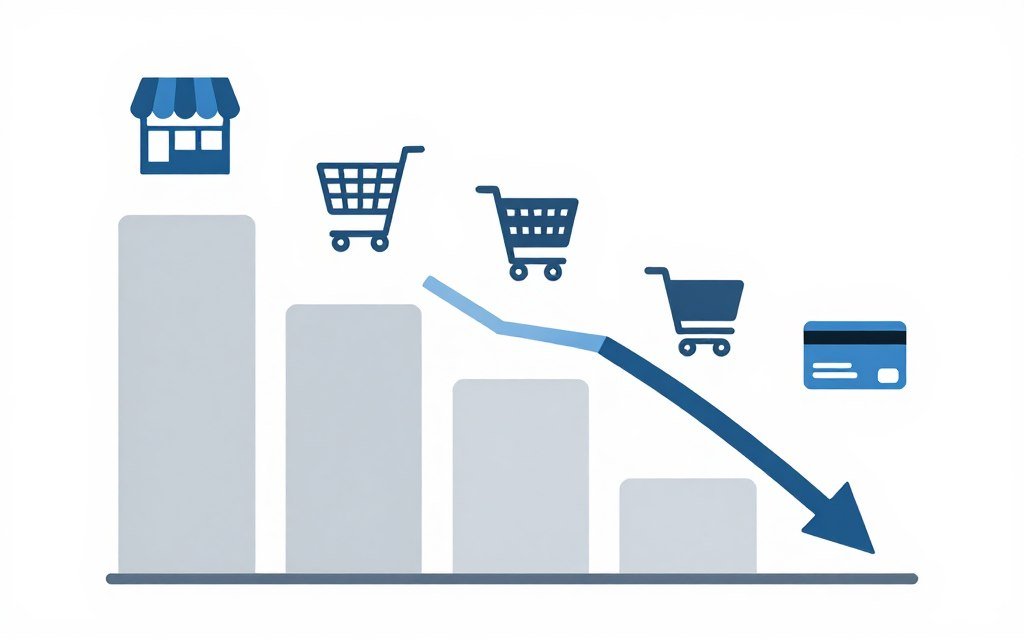
A consumer spending slowdown occurs when households reduce their purchases of goods and services. This decline happens gradually over months or quarters. It reflects growing caution about economic conditions.
Historically, spending slowdowns preceded major recessions. The 2008 financial crisis began with consumers cutting back. The dot-com bust of 2001 followed similar patterns. The 1990-91 recession also started with reduced household spending.
The Commerce Department tracks these trends through gross domestic product reports. Consumer spending represents the largest component of GDP. When spending slows, GDP growth typically follows the same path downward.
Current data reveals concerning patterns. Spending rose only 2.2 percent in the fourth quarter of last year. This percentage represents the weakest growth in eight quarters. The annual rate of increase dropped below economist expectations.
The Federal Reserve watches these figures closely. Consumer behavior signals broader economic health. Declining spending often indicates deeper structural problems in the economy.
What Is Causing the Problem?
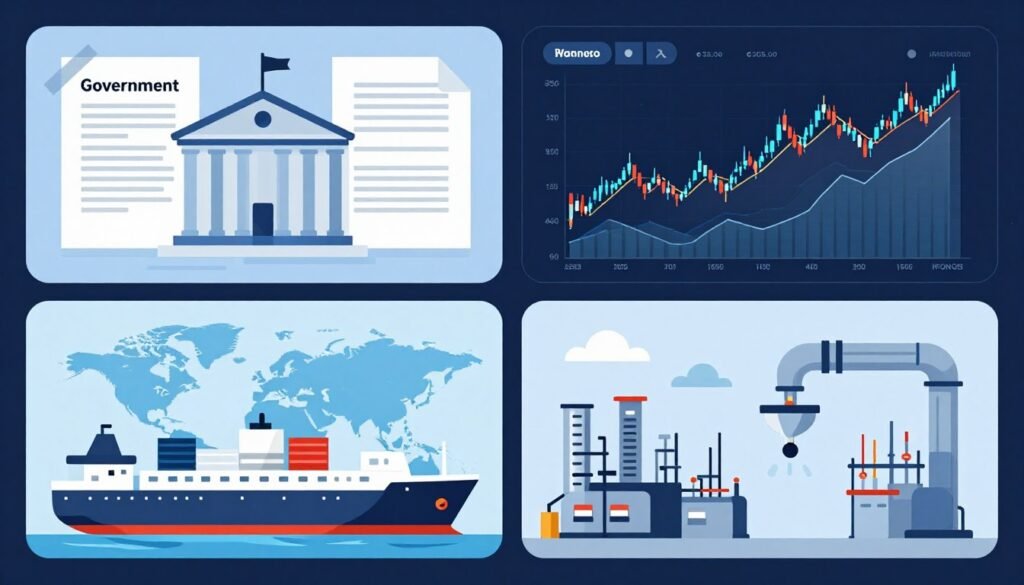
Multiple forces converge to create this spending slowdown. Understanding these causes helps predict future economic trends. Each factor compounds the others, creating a challenging environment.
Policy Factors
- The government shutdown last month disrupted economic confidence and delayed key services
- New tariff policies created uncertainty about future prices and availability
- Federal Reserve interest rate decisions kept borrowing costs elevated
- Tax policy changes reduced disposable income for middle-class families
- Reduced government spending cut support programs that sustained consumer demand
Market Trends
- Inflation eroded purchasing power despite wage increases across many sectors
- High interest rates made mortgages and car loans more expensive
- Credit card debt reached record levels, forcing spending reductions
- Stock market volatility reduced wealth effects that previously supported spending
- Housing market cooling decreased home equity available for spending
Global Influences
- International trade tensions disrupted supply chains and raised import costs
- Global economic slowdown reduced demand for American exports
- Energy price fluctuations created budget uncertainty for households
- Currency exchange rate changes affected purchasing power
- Geopolitical conflicts increased economic uncertainty worldwide
Structural Economic Changes
- Demographic shifts as Baby Boomers enter retirement reduced spending
- Student loan repayments resumed, cutting discretionary income
- Rising healthcare costs consumed larger portions of household budgets
- Automation and AI concerns created job security fears
- Changing work patterns from pandemic era permanently altered spending habits
Impact on the U.S. Economy
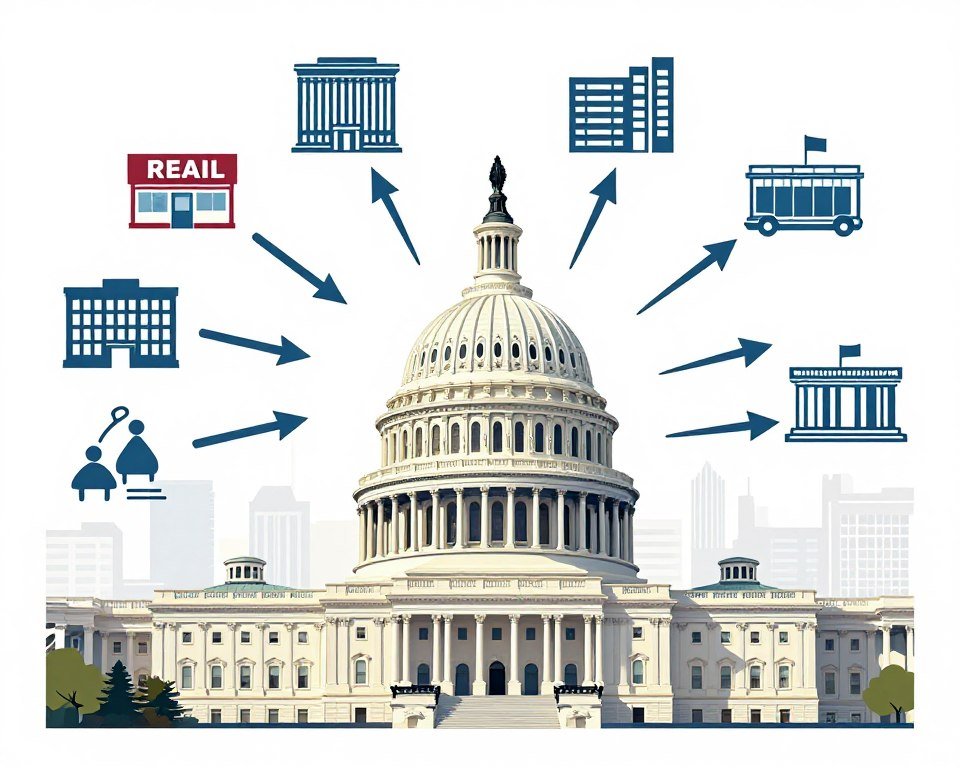
The consumer spending slowdown creates cascading effects throughout the economic system. Each sector connects to others through complex relationships. Understanding these impacts helps businesses and households prepare.
GDP Growth
Gross domestic product growth slowed significantly in the fourth quarter. The economy expanded at just 2.3 percent annual rate. This figure fell below the third quarter pace of 3.1 percent.
Consumer spending contributes roughly two-thirds of total GDP. When spending growth drops to 2.2 percent, overall economic expansion suffers. The Commerce Department revised earlier estimates downward based on spending data.
Economists predict GDP growth may slow further in coming months. Business investment typically follows consumer demand patterns. Reduced spending signals weaker growth ahead for the year.
Inflation
Inflation remains elevated despite the spending slowdown. Prices for goods and services continue rising faster than the Federal Reserve target. This creates a challenging environment for consumers.
The slowdown itself may eventually reduce inflation pressure. Less demand typically leads to lower prices over time. However, tariffs and supply constraints complicate this relationship.
Core inflation measures exclude volatile food and energy prices. These figures show persistent price increases across many categories. Services inflation particularly remains stubborn and resistant to decline.
Employment
The labor market shows early signs of cooling. Businesses reduce hiring when consumer demand weakens. This connection creates risk for millions of American workers.
Retail sectors feel the impact first. Stores cut hours and staff when sales decline. Manufacturing follows as orders decrease. Service industries eventually reduce employment too.
The Bureau of Labor Statistics tracks these changes monthly. Job openings declined over recent months. Unemployment rates ticked slightly higher. These trends could accelerate if spending continues falling.
Financial Markets
Stock markets react negatively to spending slowdown news. Consumer discretionary stocks particularly suffer. Investors worry about corporate earnings declining when Americans spend less.
Bond markets respond differently. Treasury yields often fall during slowdowns. Investors seek safety in government bonds. This creates lower interest rates on some financial products.
Credit markets tighten as lending standards become stricter. Banks reduce loan availability when economic growth slows. This further constrains business investment and consumer spending.
Consumers and Businesses

Households face difficult choices in this environment. Rising costs meet limited income growth. Savings rates may increase as people prepare for uncertainty. This caution further reduces spending in the short term.
Small businesses struggle most during spending slowdowns. Revenue drops while fixed costs remain. Many businesses delay expansion plans. Some reduce staff or close entirely.
Large corporations have more resources to weather slowdowns. However, they also cut costs aggressively. Capital investment falls. Hiring freezes become common. Dividend payments may decrease.
Recent Data and Trends
The Commerce Department released revised figures for the fourth quarter. These numbers paint a clearer picture of the slowdown. Data shows consumers pulled back across multiple categories.
Consumer spending rose just 2.2 percent in the final quarter of 2025. This represents a sharp decline from the third quarter rate. Spending on goods fell particularly hard during this period.
The gross domestic product report Friday confirmed these trends. GDP growth slowed to 2.3 percent annual rate. Government spending also decreased during the quarter. Business investment showed mixed results.
Monthly data reveals the pattern continued into early 2026. Retail sales figures from recent months show ongoing weakness. Consumer confidence surveys indicate persistent caution. These trends suggest the slowdown may extend further.
Key Statistics from Government Sources
The Bureau of Labor Statistics provides employment data. Job creation slowed in recent months. Unemployment ticked up slightly but remains relatively low.
The Federal Reserve monitors inflation closely. Core inflation runs above the 2 percent target. Interest rates remain elevated to combat price increases.
Fourth Quarter Numbers
- GDP growth: 2.3% annual rate
- Consumer spending: 2.2% increase
- Goods spending: declined sharply
- Services spending: modest growth
- Government spending: decreased
The Congressional Budget Office projects slower growth ahead. Their latest forecasts incorporate the spending slowdown. Economic expansion may average below 2 percent through much of the year.
International institutions echo these concerns. The International Monetary Fund lowered U.S. growth forecasts. The World Bank similarly revised projections downward. Global economic conditions compound domestic challenges.
Download: 2026 Economic Preparedness Guide
Get expert analysis on consumer spending trends, GDP forecasts, and practical strategies to protect your finances. This comprehensive 25-page report includes:
- Detailed economist forecasts for 2026-2027
- Sector-by-sector impact analysis
- Personal finance action steps
- Business strategy recommendations
- Investment portfolio adjustments
Expert Opinions or Forecasts

Leading economists express concern about the spending slowdown. Their projections vary in severity. However, most agree the trend poses significant risks to economic growth.
Economist Projections
The Federal Reserve economists see growth slowing through mid-2026. They project GDP expansion below 2 percent for several quarters. Consumer spending weakness drives much of this forecast.
Private sector economists share similar views. Major investment banks lowered growth estimates recently. Some predict a mild recession could begin later in the year. Others expect slow growth without contraction.
The Congressional Budget Office provides longer-term projections. They forecast average growth around 1.8 percent through 2028. This represents a significant slowdown from previous decades. Demographic factors and productivity trends shape these estimates.
Market Outlook
Financial markets price in slower growth ahead. Stock valuations declined as spending data weakened. Corporate earnings forecasts fell across multiple sectors. Retail and consumer discretionary stocks face particular pressure.
Bond markets reflect recession concerns. Treasury yields inverted briefly, a traditional warning signal. Credit spreads widened as investors demand higher returns. These patterns historically precede economic contractions.
Commodity markets show mixed signals. Energy prices remain volatile. Agricultural goods reflect weather concerns. Metals prices dropped on reduced demand expectations. These trends reinforce the slowdown narrative.
Risk Level Assessment
Current Economic Risk Level: MEDIUM-HIGH
The consumer spending slowdown presents a medium-high risk to the U.S. economy. Several factors support this assessment:
- Spending weakness persists across multiple quarters
- Inflation remains above target despite demand softening
- Labor market shows early signs of cooling
- Policy uncertainty from tariffs and government actions
- Global economic headwinds compound domestic challenges
However, some stabilizing factors prevent a high-risk rating. Employment remains relatively strong. Wage growth continues. Household balance sheets show resilience. Financial system stability provides support.
The International Monetary Fund assigns moderate recession probability. Their models incorporate spending trends and policy factors. Risk increases if additional shocks hit the economy. Tariff implementation could accelerate the slowdown significantly.
Possible Solutions or Policy Responses
Policymakers have several tools to address the spending slowdown. Each approach carries benefits and risks. The effectiveness depends on timing and coordination across agencies.
Government Actions
Congress could pass fiscal stimulus to boost demand. Tax cuts would increase disposable income for households. Spending programs would directly inject money into the economy. Infrastructure investments would create jobs and support business activity.
However, current political divisions complicate fiscal action. The federal budget already carries large deficits. Additional spending faces opposition from fiscal conservatives. Tax policy changes require bipartisan support that may not materialize.
The Treasury Department monitors financial stability closely. They can activate emergency lending facilities if needed. Coordination with international partners helps manage global impacts. Currency interventions remain an option if dollar strength hurts exports.
Federal Reserve Policies
The Federal Reserve faces difficult choices. High inflation argues for maintaining elevated interest rates. However, the spending slowdown suggests rate cuts may be needed. This tension creates policy uncertainty.
Rate cuts would reduce borrowing costs for consumers and businesses. Lower mortgage rates could stabilize housing markets. Cheaper business loans might encourage investment. Credit card rates would decline, easing household budgets.
The central bank also controls money supply through other tools. Quantitative easing could restart if conditions deteriorate. Forward guidance shapes market expectations about future policy. Emergency lending programs stand ready if financial stress emerges.
Market Adjustments
Private markets naturally respond to spending changes. Businesses cut prices to maintain sales volumes. This competitive pressure helps contain inflation. Inventory reductions bring supply into balance with demand.
Labor markets adjust through wage moderation. Companies slow hiring rather than cut existing staff. This approach preserves consumer income while reducing business costs. Productivity improvements help maintain profitability despite slower sales.
Financial markets reallocate capital toward resilient sectors. Investors rotate from consumer discretionary to defensive stocks. Credit flows toward businesses with strong balance sheets. These adjustments help the economy adapt to new conditions.
What It Means for Americans

The spending slowdown creates real consequences for everyday life. Understanding these impacts helps families and individuals prepare. Practical effects touch nearly every aspect of household finances.
Cost of Living
Inflation continues eroding purchasing power despite the slowdown. Grocery bills remain elevated compared to previous years. Gasoline prices fluctuate but stay above historical averages. Utilities costs increased as energy markets remain volatile.
Healthcare expenses consume growing portions of household budgets. Insurance premiums rose faster than overall inflation. Prescription drug costs remain burdensome. These essential expenses squeeze discretionary spending further.
Housing costs present the biggest challenge for many families. Rent increases outpaced wage growth in most markets. Mortgage payments jumped due to higher interest rates. Property taxes and insurance added to ownership costs.
Jobs
Employment remains relatively stable currently. However, warning signs suggest future challenges. Companies announced hiring freezes across multiple industries. Layoffs increased in sectors most exposed to consumer spending.
Wage growth slowed as labor market conditions cooled. The pace of salary increases declined from peak rates. Bonus payments became less common. Benefits packages saw reductions at some companies.
Job security concerns grew among workers. The risk of unemployment increased modestly. Career advancement opportunities became scarcer. These factors contribute to the spending caution that perpetuates the slowdown.
Investments
Retirement accounts suffered from market volatility. Stock portfolios declined as growth concerns mounted. Bond holdings faced losses when interest rates rose. Balanced portfolios showed modest losses overall.
The spending slowdown particularly hurts growth-oriented investments. Technology stocks felt pressure as revenue forecasts fell. Consumer discretionary companies saw sharp declines. Small-cap stocks underperformed as economic conditions weakened.
Defensive investments provided better returns during this period. Utilities and consumer staples showed resilience. Healthcare stocks maintained stability. Treasury bonds offered safety despite lower yields.
Housing
The housing market cooled significantly during the slowdown. Home prices stabilized after years of rapid increases. Sales volume declined as buyers pulled back. Inventory levels increased in many markets.
Mortgage rates remained elevated despite some recent declines. The Federal Reserve policy keeps borrowing costs high. This reduces affordability for potential buyers. First-time homebuyers face particular challenges.
Rental markets showed mixed conditions across regions. Some areas saw rent decreases as demand softened. Other markets maintained tight conditions and rising rents. The overall trend points toward moderation ahead.
Future Outlook (2026–2030)
The economic path forward remains uncertain. Multiple scenarios could unfold depending on policy choices and external factors. Understanding these possibilities helps with planning.
Short-Term Outlook (2026-2027)
Most economists expect continued slow growth through 2026. Consumer spending may stabilize but likely won’t accelerate quickly. GDP growth probably remains below 2 percent for several quarters. Inflation should gradually decline toward Federal Reserve targets.
The labor market faces cooling conditions ahead. Unemployment may rise modestly from current levels. Wage growth continues but at slower pace. Job creation decelerates across most sectors. These trends reflect business caution about demand.
Policy responses will shape near-term outcomes significantly. Federal Reserve rate cuts could arrive later this year. Fiscal stimulus remains possible if conditions deteriorate. However, political gridlock may prevent aggressive action. This uncertainty weighs on business and consumer confidence.
Tariff implementation represents a major wild card. New trade barriers could accelerate inflation unexpectedly. Supply chain disruptions might return. Consumer prices could jump despite weak demand. This scenario would create stagflation conditions.
Long-Term Risks (2028-2030)
Structural challenges confront the economy beyond the immediate slowdown. Demographic trends suggest slower growth potential. The aging population reduces workforce growth. Retirement waves decrease consumer spending over time. These factors create persistent headwinds.
Productivity improvements offer hope for offsetting demographic drags. Technology advances could boost economic efficiency. Artificial intelligence applications may transform business operations. However, these benefits take time to materialize fully.
Government debt levels present long-term concerns. Large deficits constrain future policy flexibility. Interest payments consume growing budget portions. This limits capacity for stimulus during future downturns. Fiscal sustainability questions loom larger.
Global economic integration faces ongoing challenges. Trade tensions may persist for years. Supply chain relocations continue gradually. These adjustments create transitional costs. The resulting economic fragmentation could reduce growth potential.
Key Risks to Monitor (2026-2030)
- Persistent inflation combined with weak growth (stagflation)
- Financial market instability triggering broader crisis
- Policy mistakes by Federal Reserve or Congress
- Escalating trade wars damaging global commerce
- Geopolitical conflicts disrupting energy markets
- Debt crisis in major economy spreading contagion
The baseline forecast suggests modest recovery eventually emerges. Economic growth likely returns to 2-2.5 percent by 2029. Consumer spending stabilizes as confidence rebuilds. Labor markets tighten again supporting wage growth. This optimistic scenario requires avoiding major shocks.
Conclusion

The consumer spending slowdown presents serious challenges for the U.S. economy. Recent data confirms households pulled back significantly in late 2025. This trend threatens GDP growth, employment, and financial stability.
Multiple factors drive the slowdown. Policy uncertainty from tariffs and government shutdown created caution. Persistent inflation eroded purchasing power. High interest rates increased borrowing costs. These forces combined to reduce consumer confidence and spending.
The impacts ripple throughout the economic system. Businesses cut investment and hiring. Financial markets showed volatility. Workers face growing job insecurity. Families struggle with rising costs and stagnant incomes.
However, the economy retains underlying strengths. Employment remains relatively solid. Household balance sheets show resilience. The financial system maintains stability. These factors provide cushions against severe downturn.
Policymakers have tools to address the slowdown. The Federal Reserve can adjust interest rates. Congress could pass stimulus measures. Markets naturally adapt through price and wage adjustments. Coordinated action could prevent recession.
The outlook for coming years remains uncertain. Short-term weakness likely persists through much of 2026. Recovery could emerge in 2027-2028 if policies prove effective. Long-term structural challenges require sustained attention.
Americans must prepare for continued economic uncertainty. Building emergency savings provides essential protection. Diversifying income sources reduces risk. Staying informed about economic trends enables better decisions.
The consumer spending slowdown represents a pivotal moment. How households, businesses, and policymakers respond will shape economic outcomes for years ahead. Understanding these dynamics empowers better preparation for whatever future unfolds.