
Understanding Drug Addiction as America’s Critical Health Crisis
Drug addiction has emerged as one of the most devastating public health threats facing the United States today. This crisis touches every community, regardless of income, race, or geography. The national institute drug abuse reports alarming increases in substance use disorders across all demographics.
Families struggle as loved ones battle addiction. Communities watch helplessly as overdose deaths climb year after year. Healthcare systems strain under the weight of addiction-related emergencies. The impact extends far beyond individual health, affecting economic productivity, criminal justice systems, and social stability.
This comprehensive guide examines why drug addiction poses such a profound threat to American health. We explore the science behind addiction, analyze affected populations, and investigate evidence-based solutions that offer genuine hope for recovery.
The Staggering Scale of America’s Drug Addiction Emergency
Drug addiction represents a major threat to public health infrastructure in ways previous generations never imagined. The statistics paint a sobering picture of a crisis that accelerates despite decades of intervention efforts.

According to the national institute drug abuse, over 20 million Americans aged 12 and older had a substance use disorder in recent years. This represents roughly one in twelve people struggling with addiction at any given time. The economic burden exceeds $600 billion annually when accounting for healthcare costs, lost productivity, and criminal justice expenses.
Overdose Deaths: A Growing Tragedy
Drug overdose deaths have reached unprecedented levels. More Americans now die from overdoses than from car accidents or gun violence. The Centers for Disease Control and Prevention documented over 100,000 drug overdose deaths in a single year, marking a tragic milestone.
Opioids account for the majority of these fatalities. Synthetic opioids like fentanyl have made the drug supply more dangerous than ever before. Even experienced drug users cannot predict the potency of substances they encounter, turning each use into a potentially fatal risk.
Healthcare System Strain
Emergency departments across the country report overwhelming numbers of addiction-related visits. Hospital beds fill with patients suffering from overdoses, infections from injection drug use, and complications of chronic substance use disorders. Healthcare workers face burnout from the relentless pace of addiction emergencies.
Critical Reality: Drug addiction doesn’t just harm individuals—it strains entire healthcare systems, diverts resources from other medical needs, and creates cascading effects throughout communities. Early intervention and comprehensive treatment can prevent these downstream costs.
Defining Opioid Addiction: The Crisis Within the Crisis
Opioid addiction stands at the epicenter of America’s drug crisis. Understanding what opioid addiction truly means helps clarify why this particular form of substance use disorder has become so devastating.
What Are Opioids?
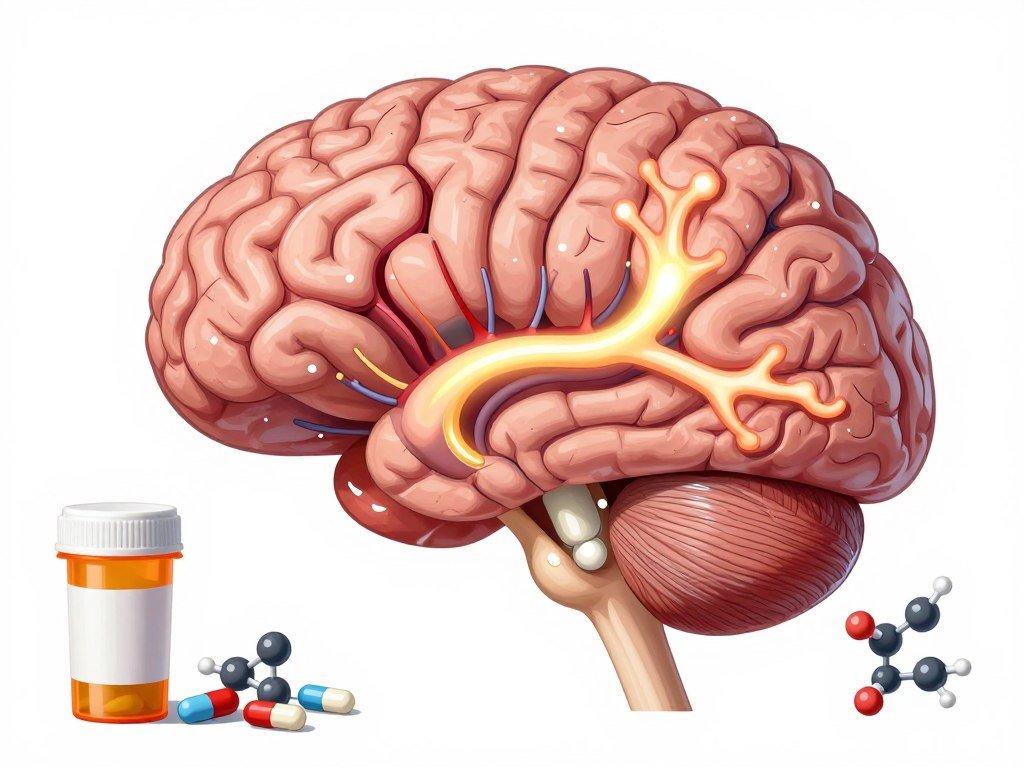
Opioids include both prescription pain medications and illegal drugs. Prescription opioids like oxycodone, hydrocodone, and morphine effectively manage severe pain. Illegal opioids include heroin and illicitly manufactured fentanyl. All opioids work by binding to specific receptors in the brain that control pain, pleasure, and breathing.
The national library medicine classifies opioid addiction as a chronic disease of the brain. It’s not a moral failing or lack of willpower. Research shows addiction involves fundamental changes in brain chemistry and structure that persist long after someone stops using drugs.
How Opioid Addiction Develops
Opioid addiction often begins innocently. A person receives a prescription for legitimate pain after surgery or injury. The medication provides relief but also triggers the brain’s reward system. With continued use, the brain adapts to the presence of opioids.
Tolerance develops first. The same dose no longer produces the same effect. People need more of the drug to achieve pain relief or the desired feeling. Physical dependence follows, where the body requires opioids to function normally. Withdrawal symptoms emerge when the drug is stopped.
Addiction represents the final stage. Despite harmful consequences, the person cannot stop using. Cravings become overwhelming. Obtaining and using the drug becomes the central focus of life. Family relationships deteriorate. Work performance suffers. Health declines.
The Brain Changes in Opioid Addiction
Institute drug abuse research reveals profound alterations in brain structure and function. The prefrontal cortex, responsible for decision-making and impulse control, shows reduced activity. The amygdala, which processes emotions and stress, becomes hyperactive. These brain changes explain why someone with addiction acts in ways that seem irrational to others.
Physical Signs of Opioid Addiction
- Drowsiness and sedation throughout the day
- Constricted pupils even in dim lighting
- Slowed breathing rate and shallow breaths
- Persistent constipation and digestive problems
- Weight loss and nutritional deficiencies
- Track marks or skin infections from injection
- Poor coordination and motor skills
Behavioral Signs of Opioid Addiction
- Doctor shopping to obtain multiple prescriptions
- Social isolation and withdrawal from activities
- Financial problems and borrowing money frequently
- Neglecting responsibilities at work or home
- Mood swings and irritability between doses
- Secretive behavior and lying about drug use
- Continuing use despite obvious negative consequences
Drug addiction does not discriminate by age, but certain age groups face heightened risk factors that make them particularly vulnerable. Understanding these demographic patterns helps target prevention and treatment efforts more effectively.

Young Adults: The Highest Risk Group
People aged 18 to 25 show the highest rates of substance use disorders. The national institute drug abuse consistently identifies this age group as most vulnerable. Nearly one in seven young adults struggles with addiction during these critical years.
Several factors contribute to this elevated risk. The brain continues developing until age 25, particularly in areas controlling impulse control and decision-making. College environments often normalize heavy drinking and experimental drug use. Social pressures intensify during these formative years. Mental health conditions like anxiety and depression frequently emerge in early adulthood, and some people turn to drugs for self-medication.
Adolescents: Early Exposure Creates Lasting Impact
Teenagers face unique vulnerability to addiction. Research shows that people who begin using drugs before age 15 are seven times more likely to develop substance use disorders than those who wait until adulthood. Early drug use literally reshapes the developing adolescent brain.
Peer pressure peaks during teenage years. Schools become environments where drugs circulate despite prevention efforts. Family dysfunction, childhood trauma, and academic struggles all increase risk factors for adolescent drug use. Social media now exposes teens to pro-drug messaging and makes accessing drugs easier than previous generations experienced.
Middle-Aged Adults: The Hidden Epidemic
Adults aged 35 to 54 represent a growing concern in the addiction crisis. This age group has seen dramatic increases in drug overdose deaths over the past decade. Many became addicted through prescription pain medications for work injuries or chronic conditions.
Work-related stress contributes to substance use in middle adulthood. Financial pressures mount as people support families and plan for retirement. Divorce, job loss, and other major life stressors often trigger increased drug use in this demographic. Healthcare providers may miss signs of addiction in middle-aged patients who don’t fit stereotypical profiles.
Older Adults: Overlooked and Underserved
Senior citizens over age 65 face unique addiction challenges that often go unrecognized. Prescription medication use increases with age, creating opportunities for misuse and addiction. Multiple prescriptions from different doctors can lead to dangerous drug interactions and unintended dependence.
Social isolation, loss of spouse or friends, chronic pain, and declining health all contribute to substance use disorders in older adults. Many older people drink alcohol or take medications to cope with loneliness or physical discomfort. Healthcare providers sometimes attribute symptoms of addiction to normal aging, delaying intervention.
| Age Group | Primary Substances | Key Risk Factors | Addiction Rate |
| 12-17 (Adolescents) | Marijuana, Vaping Products, Prescription Stimulants | Peer pressure, developing brain, family history | 4.9% |
| 18-25 (Young Adults) | Opioids, Marijuana, Cocaine, Alcohol | College environment, independence, mental health issues | 14.8% |
| 26-34 (Adults) | Opioids, Methamphetamine, Alcohol | Work stress, relationship problems, untreated trauma | 11.2% |
| 35-54 (Middle-Aged) | Prescription Opioids, Alcohol, Benzodiazepines | Chronic pain, job loss, divorce, financial stress | 8.7% |
| 55-64 (Older Adults) | Prescription Medications, Alcohol | Health decline, retirement adjustment, isolation | 5.3% |
| 65+ (Seniors) | Prescription Medications, Alcohol | Multiple prescriptions, loss of spouse, chronic pain | 3.4% |
How Drug Addiction Spiraled Into an Uncontrollable National Crisis
The current drug addiction emergency didn’t materialize overnight. Multiple factors converged over decades to create the perfect storm that now overwhelms American communities. Understanding this escalation reveals why the crisis feels so out of control.
The Prescription Opioid Explosion
The crisis began in the 1990s when pharmaceutical companies aggressively marketed opioid pain medications. They assured the medical community that patients would not become addicted to these drugs. Doctors prescribed opioids liberally for everything from wisdom teeth removal to minor injuries.
Prescription rates skyrocketed. Between 1999 and 2011, opioid prescriptions nearly tripled. Communities were flooded with highly addictive medications. Many people who would never have sought illegal drugs became addicted through legitimate medical treatment.
Transition to Heroin and Illicit Drugs
As authorities recognized the prescription opioid problem, regulations tightened. Doctors prescribed more cautiously. Prescription monitoring programs tracked potential abuse. But people already addicted found themselves cut off from their supply.
Many turned to heroin as a cheaper, more accessible alternative. Heroin use among young adults doubled between 2008 and 2013. The drug that once seemed relegated to urban areas spread into suburban and rural communities. Soccer parents and honor students found themselves buying drugs from street dealers.
The Fentanyl Catastrophe
Just as communities began addressing heroin, a new threat emerged. Fentanyl, a synthetic opioid 50 times more potent than heroin, infiltrated the drug supply. Initially manufactured for medical use, illicit fentanyl production exploded in overseas labs.
Dealers began mixing fentanyl into heroin, cocaine, and counterfeit pills. Users had no way to know whether their drugs contained lethal doses. Overdose deaths surged as people accidentally ingested amounts that stopped their breathing within minutes. First responders and hospitals were overwhelmed.
Systemic Failures That Enabled the Crisis
Multiple system failures allowed the crisis to escalate beyond control. Healthcare systems prioritized pain management without adequate addiction screening. Insurance companies limited coverage for addiction treatment while readily covering prescription opioids. Mental health services deteriorated even as demand increased.
Law enforcement focused on punitive approaches that criminalized addiction rather than treating it as a health issue. Stigma prevented people from seeking help until their addiction reached catastrophic stages. Prevention programs received inadequate funding. Communities lacked resources to address the growing problem.
Economic and Social Stress Multipliers
Economic displacement in manufacturing communities created fertile ground for drug use. As factories closed and jobs disappeared, despair and stress mounted. People turned to drugs to cope with unemployment, poverty, and lost purpose.
The COVID-19 pandemic accelerated the crisis dramatically. Social isolation intensified. Economic uncertainty increased. Mental health services became harder to access. Overdose deaths reached record highs during lockdown periods when people used drugs alone, without anyone nearby to administer life-saving naloxone.
Find Treatment Centers in Your Area
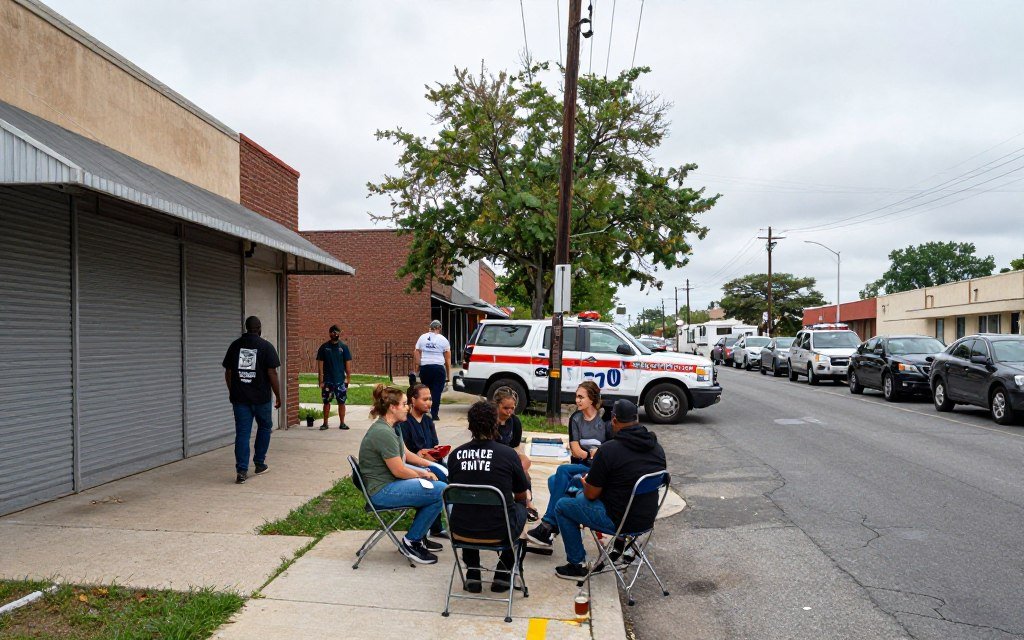
The national crisis doesn’t mean you’re without options. Thousands of accredited treatment facilities across America offer evidence-based care for substance use disorders. Connect with centers near you that accept your insurance and specialize in your needs.
Evidence-Based Strategies to Prevent Drug Addiction
Prevention offers the most cost-effective approach to addressing drug addiction. While treating existing addiction remains critical, stopping substance use disorders before they start saves lives, preserves families, and protects communities. Research identifies specific strategies that work.

Early Education Programs
Schools play a crucial role in prevention efforts. Effective education programs start in elementary school and continue through high school. These programs go beyond simple “just say no” messaging. They build social and emotional skills that protect against drug use.
The best education programs teach students to recognize peer pressure, manage stress without substances, and make thoughtful decisions. Interactive curricula that engage students prove more effective than lecture-based approaches. Programs that involve parents and families show better long-term outcomes than school-only interventions.
Family-Based Prevention
Families represent the first line of defense against addiction. Strong parent-child relationships significantly reduce drug use risk. Parents who monitor their children’s activities, set clear expectations, and maintain open communication create protective environments.
Family programs teach parents to recognize warning signs of drug use. They provide strategies for having difficult conversations about drugs. Research shows that teenagers whose parents talk to them regularly about substance use are significantly less likely to use drugs than teens whose parents avoid these discussions.
Community Prevention Programs
Communities that coordinate prevention efforts across multiple sectors achieve better results. Successful programs involve schools, law enforcement, healthcare providers, faith organizations, and local businesses working together toward common goals.
Community coalitions can reduce youth access to drugs and alcohol. They promote positive youth development activities that provide alternatives to substance use. After-school programs, sports leagues, arts programs, and mentorship opportunities give young people structure and purpose.
Prescription Drug Monitoring
State prescription drug monitoring programs help prevent opioid addiction. These databases track prescriptions and alert doctors when patients receive opioids from multiple providers. Healthcare professionals can identify potential problems early and intervene before addiction develops.
Safe medication disposal programs reduce the supply of unused prescriptions that might be diverted for non-medical use. Drug take-back days allow people to safely dispose of leftover medications. Permanent collection sites in pharmacies make disposal convenient year-round.
Addressing Risk Factors
Prevention efforts must address underlying risk factors that increase addiction vulnerability. Treating mental health conditions like depression and anxiety reduces the likelihood that people will self-medicate with drugs. Trauma-informed approaches help those who experienced childhood adversity.
Economic development in distressed communities addresses risk factors related to unemployment and hopelessness. Investing in education and job training creates pathways to meaningful employment. Social support programs strengthen community resilience against addiction.
School-Based Prevention
- Age-appropriate drug education curricula
- Life skills and decision-making training
- Peer mentorship programs
- Mental health screening and support
- Extracurricular activity opportunities
Family Prevention
- Parent education workshops
- Family communication skill building
- Monitoring and supervision strategies
- Recognition of warning signs
- Access to family counseling services
Community Prevention
- Coalition-building across sectors
- Youth engagement programs
- Environmental strategies reducing access
- Public awareness campaigns
- Policy advocacy and enforcement
Media Literacy and Social Media Prevention
Young people need skills to critically evaluate pro-drug messaging they encounter online. Media literacy programs teach students to recognize how drugs are glamorized in entertainment and social media. Understanding marketing tactics and peer influence helps youth resist these pressures.
Parents should monitor their children’s social media use and discuss what they encounter online. Many drug dealers now use platforms like Snapchat and Instagram to reach potential customers. Education about these dangers helps families protect children.
Treatment and Rehabilitation: What Really Works?
The most critical question families ask is whether treatment truly helps people recover from addiction. Decades of research and clinical experience provide clear answers. Treatment works, but success depends on multiple factors including treatment type, duration, individual circumstances, and ongoing support.

Medication-Assisted Treatment: The Gold Standard
Medication-assisted treatment combines behavioral therapy with FDA-approved medications. For opioid addiction, three medications have proven effectiveness: methadone, buprenorphine, and naltrexone. These medications work by normalizing brain chemistry, reducing cravings, and blocking the euphoric effects of opioids.
Research consistently shows that medication-assisted treatment reduces overdose death risk by 50% or more. People in medication-assisted treatment programs stay in care longer, use fewer illicit drugs, and have better overall health outcomes. Despite this evidence, stigma and access barriers prevent many people from receiving these life-saving medications.
Behavioral Therapies That Transform Lives
Therapy forms the foundation of addiction treatment. Cognitive behavioral therapy helps people identify thought patterns and behaviors that contribute to drug use. Patients learn to recognize triggers, develop coping strategies, and build skills for managing stress without substances.
Motivational interviewing techniques help people resolve ambivalence about recovery. Rather than confrontational approaches, therapists work collaboratively to strengthen motivation for change. Contingency management provides tangible rewards for maintaining sobriety, reinforcing positive behaviors.
Family therapy addresses relationship dynamics that may contribute to or result from addiction. Involving loved ones in treatment improves outcomes and helps families heal together. Group therapy provides peer support and reduces the isolation many people feel in early recovery.
Residential Treatment Programs
Inpatient rehabilitation provides intensive care in a structured environment. People live at treatment facilities for 30 to 90 days or longer, receiving around-the-clock medical and psychological care. Residential programs work well for people with severe addictions, co-occurring mental health conditions, or unstable home environments.
The immersive nature of residential care allows people to focus entirely on recovery without daily life distractions. Programs typically include individual and group therapy, medical monitoring, life skills training, and introduction to 12-step or other recovery support programs.
Outpatient Treatment Options
Outpatient programs allow people to live at home while attending treatment sessions several times per week. Intensive outpatient programs require 9 to 20 hours of treatment weekly. Standard outpatient care involves fewer hours, typically one to two sessions per week.
Outpatient treatment works well for people with strong support systems, stable housing, and less severe addictions. The flexibility allows people to maintain employment and family responsibilities while receiving care. Research shows that appropriate outpatient treatment can be as effective as residential care for many individuals.
What Doctors and Medical Experts Say
Medical professionals emphasize that addiction is a chronic disease requiring long-term management, not a acute condition cured by short-term intervention. Dr. Nora Volkow, director of the national institute drug abuse, states that treatment must address the brain changes caused by addiction while also considering psychological, social, and environmental factors.
Healthcare providers stress that no single treatment works for everyone. Effective care must be individualized, addressing each person’s specific needs, circumstances, and co-occurring conditions. Treatment plans should be flexible, adjusting as the person progresses through recovery stages.
Medical experts also emphasize the importance of treating co-occurring mental health disorders. Depression, anxiety, post-traumatic stress disorder, and other conditions frequently accompany substance use disorders. Integrated treatment addressing both addiction and mental health produces better outcomes than treating either condition in isolation.
100 Years of Drug Addiction Statistics in America
Examining drug addiction trends over the past century reveals how dramatically the landscape has changed. Early data collection was limited, but available research shows evolving patterns of substance use, shifting drug preferences, and the devastating acceleration of recent decades.
| Decade | Primary Substances | Estimated Addiction Rate | Notable Events/Policies | Annual Overdose Deaths |
| 1920s | Alcohol, Morphine, Cocaine | 0.5% of population | Prohibition Era (1920-1933), Harrison Narcotics Act enforcement | ~1,000 estimated |
| 1930s | Marijuana, Opium, Alcohol | 0.6% of population | Marijuana Tax Act (1937), End of Prohibition (1933) | ~1,200 estimated |
| 1940s | Amphetamines, Barbiturates, Heroin | 0.4% of population | World War II drug supply disruptions | ~1,500 estimated |
| 1950s | Heroin, Marijuana, Amphetamines | 0.5% of population | Boggs Act (1951) mandatory minimum sentences | ~2,000 estimated |
| 1960s | LSD, Marijuana, Heroin, Amphetamines | 1.3% of population | Counterculture movement, increased drug experimentation | ~3,500 estimated |
| 1970s | Heroin, Marijuana, Cocaine, PCP | 2.1% of population | Controlled Substances Act (1970), “War on Drugs” begins | ~7,000 by 1979 |
| 1980s | Cocaine/Crack, Heroin, Marijuana | 2.8% of population | Crack epidemic, Anti-Drug Abuse Act (1986) | ~10,000 by 1989 |
| 1990s | Prescription Opioids, Cocaine, Methamphetamine | 3.2% of population | OxyContin released (1996), aggressive opioid marketing | ~16,000 by 1999 |
| 2000s | Prescription Opioids, Heroin, Cocaine | 4.1% of population | Opioid prescription rates triple, pill mill proliferation | ~37,000 by 2009 |
| 2010s | Heroin, Fentanyl, Prescription Opioids | 5.4% of population | Heroin epidemic, fentanyl infiltration begins mid-decade | ~70,000 by 2019 |
| 2020s | Fentanyl, Methamphetamine, Cocaine | 6.2% of population | COVID-19 pandemic acceleration, record overdose deaths | ~107,000 in 2021 |
The data reveals troubling acceleration. Overdose deaths increased more than 100-fold over the past century. The rate of increase has been especially dramatic since 2000, with deaths more than tripling in just two decades.
Each decade brought new drug threats. The 1960s saw psychedelic drug experimentation. The 1980s faced the crack cocaine epidemic. The 1990s marked the beginning of the prescription opioid crisis that would eventually spiral into the fentanyl catastrophe we face today.
Can People Fully Recover or Is Addiction Chronic?
One of the most important questions families and individuals struggling with addiction ask is whether full recovery is possible. The answer is both encouraging and nuanced. Understanding addiction as a chronic disease helps set realistic expectations while maintaining hope for meaningful recovery.

Addiction as a Chronic Disease
The national institute drug abuse defines addiction as a chronic, relapsing brain disease. This characterization isn’t pessimistic—it’s realistic and actually empowering. Like other chronic diseases such as diabetes, hypertension, or asthma, addiction requires ongoing management rather than expecting a one-time cure.
Viewing addiction as chronic means understanding that recovery is a long-term process. People learn to manage their condition through treatment, lifestyle changes, and continued support. Relapse rates for substance use disorders are similar to those for other chronic diseases—between 40% and 60%.
What Full Recovery Means
Recovery doesn’t necessarily mean never thinking about drugs again or eliminating all vulnerability. Instead, recovery means living a fulfilling life where substance use no longer dominates. People in recovery rebuild relationships, pursue meaningful work, engage in their communities, and find purpose beyond drugs.
Long-term studies show that many people achieve sustained recovery. Research following people five years after treatment found that more than half remained abstinent or significantly reduced their substance use. The longer someone maintains recovery, the less likely they are to relapse.
Brain Healing Over Time
The brain possesses remarkable healing capacity. While drug use causes significant brain changes, many of these alterations gradually reverse during sustained abstinence. Brain imaging studies show that after several months to years of recovery, brain function improves substantially.
Decision-making abilities strengthen. Impulse control improves. The reward system gradually recalibrates. However, some vulnerability may persist, which is why people in long-term recovery often continue using coping strategies and support systems they developed during treatment.
Factors Influencing Recovery Success
Several factors predict better recovery outcomes. Early intervention improves success rates—the sooner someone receives treatment after developing addiction, the better their prognosis. Treatment duration matters significantly. People who stay in treatment for at least 90 days have much better outcomes than those in shorter programs.
Social support strongly influences recovery success. People with stable housing, employment opportunities, and supportive relationships fare better than those facing homelessness, unemployment, or social isolation. Addressing co-occurring mental health conditions is critical for lasting recovery.
Participation in ongoing recovery support, whether through 12-step programs, recovery coaching, or other peer support, correlates with sustained abstinence. These programs provide accountability, encouragement, and practical strategies for navigating challenges.
The Reality of Relapse
Relapse doesn’t mean failure. It’s often part of the recovery journey. When relapse occurs, the appropriate response is to quickly re-engage with treatment and support systems. Many people who eventually achieve long-term recovery experienced one or more relapses along the way.
Viewing relapse as informational rather than catastrophic helps people learn from these experiences. What triggered the relapse? What warning signs appeared? What coping strategies failed? Answering these questions strengthens future recovery efforts.
Recovery Possibilities
- Majority achieve at least one year of sustained recovery
- Brain function significantly improves over time
- Physical health recovers with abstinence
- Relationships can be rebuilt and strengthened
- Employment and financial stability return
- Quality of life dramatically improves
- Many lead fulfilling, productive lives
- Recovery skills benefit all life areas
Ongoing Challenges
- Requires continuous vigilance and effort
- Vulnerability to relapse may persist
- Some brain changes may be permanent
- Chronic physical health consequences possible
- Social stigma can hinder reintegration
- Co-occurring conditions need ongoing treatment
- Financial and legal consequences may last
- Relationships may have lasting damage
Stories of Long-Term Recovery Success
Countless individuals have achieved decades of recovery after severe addiction. They work as healthcare professionals, business owners, teachers, and community leaders. Many dedicate themselves to helping others struggling with addiction, transforming their experience into purpose.
These success stories aren’t rare exceptions—they represent the reality that recovery is possible with appropriate treatment, support, and commitment. The journey may be difficult, but the destination of a life free from active addiction is achievable for those who persist.
Social and Lifestyle Factors Leading to Drug Addiction
Drug addiction doesn’t develop in a vacuum. Multiple social and lifestyle factors create vulnerability and opportunity for substance use disorders to take hold. Understanding these contributing factors helps target prevention efforts and build comprehensive treatment approaches.

Poverty and Economic Disadvantage
Economic hardship significantly increases addiction risk. Communities experiencing job loss, declining industries, and limited opportunities show higher rates of substance use disorders. Financial stress, lack of purpose, and limited access to healthcare create perfect conditions for addiction to flourish.
People facing poverty may use drugs to escape harsh realities. Limited education and job training restrict legitimate pathways to prosperity. Drug dealing may seem like one of few available income sources. Economic revitalization of distressed communities is actually an addiction prevention strategy.
Trauma and Adverse Childhood Experiences
Childhood trauma powerfully predicts later substance use disorders. Physical abuse, sexual abuse, emotional neglect, witnessing domestic violence, and other adverse experiences fundamentally alter how the brain processes stress and regulates emotions.
People who experienced childhood trauma are substantially more likely to develop addiction. They often discover that drugs temporarily relieve the emotional pain and hypervigilance that trauma creates. Trauma-informed treatment approaches are essential for effective care.
Mental Health Conditions
Co-occurring mental health disorders dramatically increase addiction risk. Depression, anxiety, post-traumatic stress disorder, bipolar disorder, and other conditions frequently accompany substance use disorders. The relationship works both ways—mental illness increases drug use risk, and drug use worsens mental health conditions.
Many people with untreated mental health conditions discover that drugs temporarily relieve their symptoms. They self-medicate depression with stimulants or anxiety with sedatives. However, this relief is short-lived and ultimately worsens the underlying condition while adding addiction to the problems they face.
Social Isolation and Loneliness
Strong social connections protect against addiction. Conversely, isolation and loneliness increase vulnerability. People disconnected from family, friends, and community are more likely to use drugs and less likely to seek help when problems develop.
Social isolation has increased dramatically in recent decades. Technology paradoxically connects us digitally while reducing face-to-face interaction. Communities lack the social cohesion that previous generations experienced. This isolation contributes to rising addiction rates across demographics.
Family History and Genetics
Genetic factors account for roughly half of addiction vulnerability. People with family history of substance use disorders face significantly higher risk. Multiple genes contribute to addiction susceptibility, affecting how the brain responds to drugs and processes reward.
However, genetics is not destiny. Environmental factors and personal choices also matter enormously. Understanding genetic vulnerability helps people take preventive action and seek early intervention if problems develop.
Peer Influence and Social Networks
The people we spend time with significantly influence our behavior. Peer pressure is particularly powerful during adolescence and young adulthood. Being surrounded by others who use drugs normalizes substance use and provides access and opportunity.
Social networks that support healthy behaviors protect against addiction. Friends who don’t use drugs, engage in constructive activities, and discourage substance use help individuals resist temptation. Building positive social connections is both prevention and treatment strategy.
Chronic Stress and Occupational Factors
Prolonged stress increases addiction vulnerability. High-pressure occupations, demanding work schedules, and job insecurity all contribute to substance use. Certain professions show elevated addiction rates, including healthcare workers, first responders, and service industry employees.
Work cultures that normalize drinking or drug use create permissive environments. Jobs providing easy access to drugs or alcohol increase risk. Addressing workplace stress and creating healthier organizational cultures represents an important prevention opportunity.
Individual Risk Factors
Personal characteristics and circumstances that increase vulnerability to developing substance use disorders.
- Family history of addiction
- Mental health conditions
- History of trauma or abuse
- Early drug experimentation
- Impulsive personality traits
- Chronic pain conditions
Family Risk Factors
Family dynamics and relationships that contribute to increased addiction vulnerability.
- Parental substance use
- Family conflict and dysfunction
- Lack of parental supervision
- Poor communication patterns
- Family history of mental illness
- Inconsistent discipline approaches
Social Risk Factors
Community and peer influences that create environments conducive to substance use.
- Peer pressure and drug availability
- Social isolation and loneliness
- Neighborhood crime and disorder
- Community poverty levels
- Lack of recreational opportunities
- Cultural norms accepting drug use
Environmental Risk Factors
Broader societal and structural conditions that increase population-level addiction risk.
- Economic disadvantage and unemployment
- Limited healthcare access
- Educational system failures
- Drug availability in community
- Aggressive pharmaceutical marketing
- Inadequate prevention programs
Media and Cultural Influences
Media portrayals of drug use shape attitudes and behaviors. When entertainment glamorizes substance use without showing consequences, it normalizes drug use. Social media exposes young people to pro-drug messaging and makes accessing drugs easier.
Pharmaceutical advertising created cultural expectations that pills should solve all problems. This messaging contributed to opioid over-prescription and the subsequent crisis. Changing cultural narratives about drugs, pain management, and coping with stress is part of long-term prevention.
Healthy Habits That Support Addiction Recovery
Recovery extends far beyond simply not using drugs. Building a fulfilling life in recovery requires developing new habits that support physical health, emotional well-being, and social connection. These practices create the foundation for sustainable, long-term recovery.

Establishing Routine and Structure
Chaotic lifestyles often accompany active addiction. Recovery requires rebuilding structure and predictability. Regular sleep schedules, consistent meal times, and planned daily activities create stability that supports recovery.
Morning routines set positive tone for each day. Evening routines prepare for restful sleep. Structured schedules reduce idle time when cravings might intensify. Planning activities in advance prevents impulsive decisions that could lead to relapse.
Physical Exercise and Movement
Exercise provides powerful benefits for people in recovery. Physical activity releases endorphins that improve mood naturally. Regular exercise reduces stress, improves sleep quality, and rebuilds physical health damaged by drug use.
Any movement helps—walking, swimming, cycling, yoga, or strength training. The key is consistency rather than intensity. Exercise also provides structure, fills time previously spent using drugs, and offers opportunities to meet others committed to healthy living.
Nutrition and Healthy Eating
Drug use typically disrupts eating patterns and depletes nutrients. Recovery nutrition focuses on rebuilding the body through balanced meals with adequate protein, healthy fats, complex carbohydrates, and plenty of fruits and vegetables.
Regular meals stabilize blood sugar, which affects mood and cravings. Avoiding excessive caffeine and sugar prevents energy crashes that might trigger cravings. Learning to cook healthy meals develops life skills while creating positive routines.
Mindfulness and Meditation Practices
Mindfulness helps people observe thoughts and feelings without being controlled by them. Meditation practices calm the nervous system, reduce stress, and improve emotional regulation. These skills are particularly valuable for managing cravings and preventing relapse.
Even brief daily meditation sessions provide benefits. Apps and online resources make learning meditation accessible. Many treatment programs incorporate mindfulness-based approaches because research demonstrates their effectiveness for preventing relapse.
Building Supportive Relationships
Social connection is crucial for sustained recovery. Attending support group meetings provides accountability and encouragement. Building friendships with others in recovery creates a network of people who understand the journey.
Repairing damaged family relationships takes time but offers profound rewards. Family therapy helps address conflicts and rebuild trust. Expanding social circles to include people engaged in healthy activities reduces isolation and provides positive influences.
Engaging in Meaningful Activities
Recovery thrives when people find purpose beyond simply avoiding drugs. Pursuing hobbies, volunteering, returning to education, or developing career skills creates meaning and satisfaction. These activities build self-esteem and demonstrate that life in recovery can be fulfilling.
Creativity offers particular benefits. Art, music, writing, and other creative pursuits provide emotional outlets and ways to process experiences. Many people discover talents they didn’t know they had once drugs no longer dominate their time and attention.
Continued Treatment and Therapy
Recovery isn’t finished when formal treatment ends. Ongoing therapy, whether individual or group, helps people navigate challenges and continue developing coping skills. Many people benefit from years of therapy as they rebuild their lives.
Medication management for co-occurring mental health conditions or medication-assisted treatment for opioid addiction should continue as recommended by healthcare providers. Stopping medications prematurely increases relapse risk.
Stress Management Techniques
Learning healthy ways to manage stress prevents relapse triggered by overwhelming situations. Techniques include deep breathing exercises, progressive muscle relaxation, journaling, spending time in nature, and engaging in enjoyable activities.
Identifying personal stress triggers helps people prepare coping strategies in advance. When difficult situations arise, having a toolkit of healthy stress management techniques makes turning to drugs less likely.
- Morning meditation or quiet reflection time
- Nutritious breakfast to start day well
- Physical activity or exercise session
- Connection with support person or sponsor
- Engagement in meaningful work or activities
- Evening gratitude practice or journaling
- Consistent sleep schedule with adequate rest
- Mindful check-ins about emotional state
Daily Recovery Habits
- Attendance at support group meetings
- Individual or group therapy sessions
- Quality time with supportive family or friends
- Pursuit of hobby or creative activity
- Volunteer work or community service
- Meal planning and healthy grocery shopping
- Review of recovery goals and progress
- Self-care activities that bring joy
Weekly Recovery Practices
- Regular healthcare and mental health checkups
- Continued education or skill development
- Building and maintaining sober social network
- Setting and working toward meaningful goals
- Processing and healing from past trauma
- Giving back through sponsorship or mentoring
- Celebrating recovery milestones and anniversaries
- Adapting recovery plan as life circumstances change
Long-Term Recovery Strategies
Moving Forward: Hope and Action in the Face of Crisis
Drug addiction represents one of the most serious public health threats America faces. The crisis has claimed hundreds of thousands of lives, devastated communities, and strained healthcare systems beyond capacity. Yet amid this sobering reality, genuine reasons for hope exist.

Treatment works when people have access to evidence-based care. Recovery is not only possible but achievable for individuals willing to engage with treatment and commit to rebuilding their lives. The brain heals. Relationships mend. Purpose returns. Thousands of people enter long-term recovery every year, transforming from the depths of addiction into fulfilled, productive lives.
Prevention strategies can reduce the number of people who develop substance use disorders. Early education, family support, community programs, and addressing social determinants of health all contribute to reducing addiction rates. Investment in prevention saves lives and prevents the suffering that addiction causes.
Medical research continues advancing our understanding of addiction as a disease. New medications, innovative therapies, and improved treatment approaches emerge regularly. The science of addiction treatment has progressed dramatically, offering more effective tools than ever before.
Yet significant work remains. Access to treatment must expand. Stigma that prevents people from seeking help must be dismantled. Insurance coverage for addiction treatment needs improvement. Communities require resources to support prevention and recovery. Policy changes are needed to prioritize health approaches over purely punitive responses.
For individuals and families affected by addiction, the most important message is this: help is available, recovery is possible, and you don’t have to face this alone. Whether you’re struggling with your own substance use, worried about a loved one, or looking for ways to support your community, resources and support exist.
The path forward requires collective action. Healthcare providers, educators, policymakers, community leaders, and citizens all have roles to play in addressing this crisis. By combining compassion with evidence-based strategies, America can turn the tide on drug addiction and build communities where everyone has the opportunity for health and recovery.
Remember: If you or someone you care about is struggling with drug addiction, reaching out for help is a sign of strength, not weakness. The first step toward recovery begins with a single decision to seek support. That decision can save a life.