Commercial Real Estate Collapse Risk: How It Could Impact the U.S. Economy in 2026 and Beyond
The U.S. commercial real estate market faces mounting pressures that could trigger widespread economic disruption. With over $2.9 trillion in commercial property loans maturing between 2024 and 2028, the banking sector confronts unprecedented stress. Interest rates have climbed sharply since 2022, fundamentally altering property values and financing conditions.
This threat matters now because vacancy rates in office space have reached historic highs. Remote work has permanently reduced demand for traditional office buildings. Meanwhile, property owners struggle with loan maturities as refinancing costs surge. The Congressional Budget Office warns that losses in commercial real estate could ripple through regional banking systems.
Recent data from the Federal Reserve shows that commercial real estate lending standards have tightened to levels not seen since the 2008 recession. Property values in major markets have declined by 15-25% from their 2022 peaks. This combination creates a scenario where economic stability hangs in the balance.
What Is This Economic Threat?
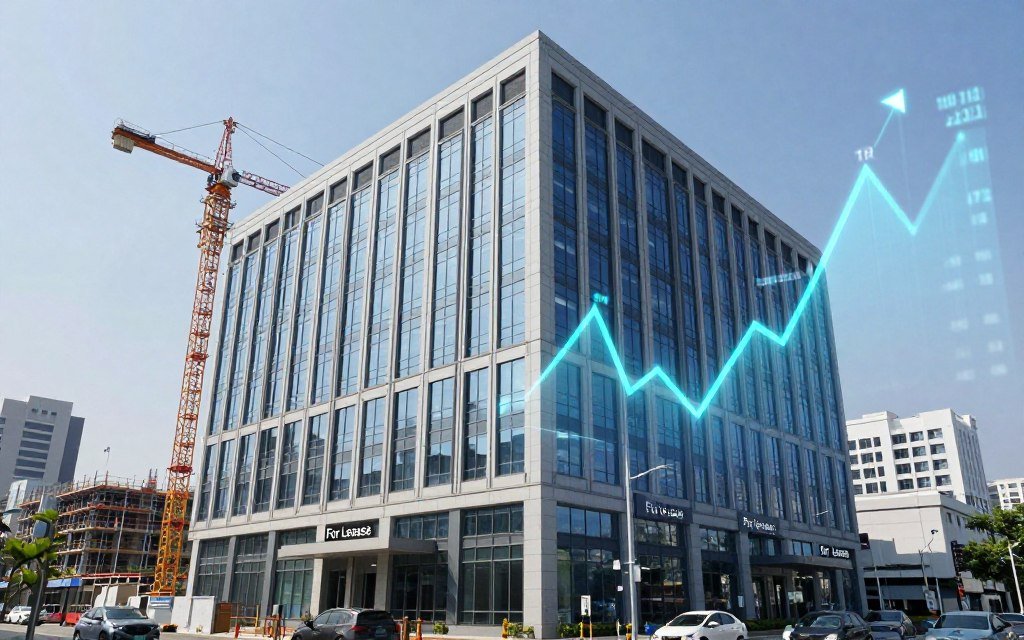
Commercial real estate collapse risk refers to the potential for widespread defaults and value destruction across office, retail, and industrial properties. Unlike residential housing, commercial real estate operates on different financing structures. Properties typically require refinancing every five to ten years.
The current crisis builds on structural changes accelerated by the pandemic. Office occupancy rates dropped dramatically as companies adopted hybrid work models. This shift reduced demand just as interest rates began climbing. The Bureau of Labor Statistics reports that office utilization stands at approximately 50% of pre-pandemic levels in many metro areas.
Key statistics paint a concerning picture. The International Monetary Fund estimates that U.S. commercial real estate faces potential losses exceeding $500 billion. Regional banks hold roughly 70% of commercial property loans, creating concentrated risk. When property values fall below loan amounts, refinancing becomes nearly impossible.
Historical precedent exists for commercial real estate downturns. The savings and loan crisis of the 1980s originated partly from overextended commercial lending. The 2008 recession saw commercial property values plummet by 40% in some markets. Today’s conditions differ in scale and underlying causes.
What Is Causing the Problem?
Policy Factors
The Federal Reserve raised interest rates eleven times between March 2022 and July 2023. This aggressive monetary policy aimed to combat inflation but created immediate challenges for commercial real estate. Property owners who secured financing at 3-4% now face refinancing at 7-8% or higher. The U.S. Department of the Treasury acknowledges this creates refinancing stress across the industry.
- Monetary tightening increased borrowing costs dramatically
- Regulatory capital requirements force banks to limit commercial lending
- Tax policy changes reduced incentives for property investment
- Local zoning regulations limit property conversion options
Market Trends
Fundamental demand shifts reshape commercial real estate permanently. Office space faces the most significant challenges as remote work becomes standard. Retail properties struggle with e-commerce competition. Industrial properties show relative strength, but overbuilding in some markets creates excess capacity.
- Work-from-home adoption reduced office space demand by 30-40%
- E-commerce growth continues pressuring traditional retail properties
- Oversupply in certain property types creates downward pricing pressure
- Capital flows shifted toward residential and alternative assets

Global Influences
International economic conditions amplify domestic pressures. Trade tensions affect industrial property demand. Global investors, traditionally major buyers of U.S. commercial real estate, have pulled back significantly. Currency fluctuations make dollar-denominated properties more expensive for foreign buyers.
- Reduced foreign investment in U.S. commercial properties
- Global economic slowdown decreases demand for office and retail space
- International banking stress limits available capital
- Trade policy uncertainty affects industrial property development
Structural Economic Changes
Long-term economic transformations create lasting headwinds. Demographic shifts change how Americans work and shop. Technology enables distributed workforces, reducing centralized office needs. These aren’t temporary disruptions but fundamental restructuring of economic activity.
- Demographic changes reduce workforce concentration in traditional business districts
- Technological advancement enables permanent remote work capabilities
- Consumer behavior shifts favor experiential over transactional retail
- Corporate cost management prioritizes smaller real estate footprints
Impact on the U.S. Economy
GDP Growth
Commercial real estate contributes approximately 13% to U.S. GDP when including construction, brokerage, property management, and related services. A significant downturn would directly reduce economic output. The Congressional Budget Office projects that severe commercial real estate stress could reduce GDP growth by 0.5-1.2 percentage points annually.
Construction employment would face immediate impacts. Commercial construction projects would stall as financing becomes scarce. Related industries including materials suppliers, architects, and contractors would experience reduced demand. This multiplier effect amplifies the initial GDP impact.
Inflation
The relationship between commercial real estate collapse and inflation creates complex dynamics. Initially, falling property values could exert deflationary pressure. However, if banking stress forces credit contraction, reduced lending capacity could slow economic activity in ways that maintain inflation pressure elsewhere.
Commercial rent dynamics affect business costs directly. If landlords face financial stress, they may initially raise rents on performing properties to offset losses elsewhere. This would increase operational costs for businesses, potentially flowing through to consumer prices. The scenario presents challenges for inflation management strategy.

Employment
The commercial real estate industry directly employs millions. Property management, construction, real estate services, and related sectors would face immediate job losses. The Bureau of Labor Statistics estimates direct employment in commercial real estate at approximately 2.3 million workers.
Indirect employment effects spread across the economy. Reduced property values mean lower property tax revenues for municipalities. This forces budget cuts, affecting public sector employment. Businesses struggling with higher occupancy costs may reduce headcount. Financial sector layoffs would follow if banking stress materializes.
Financial Markets
Banking sector exposure to commercial real estate creates systemic risk. Regional banks hold concentrated portfolios of commercial property loans. Losses would reduce bank capital, forcing lending cutbacks across all sectors. Stock market valuations would reflect both direct losses and broader economic concerns.
Bond markets face pressure from multiple directions. Commercial mortgage-backed securities would experience value declines. Corporate bonds of companies heavily invested in office properties would see credit downgrades. Municipal bonds could suffer as property tax revenues decline in affected jurisdictions.

Consumers and Businesses
Household wealth takes a hit through multiple channels. Many retirement accounts hold commercial real estate through REITs and pension funds. Banking stress could reduce credit availability for consumer loans. Job losses in affected industries reduce household incomes directly.
Businesses face a challenging environment. Companies needing to relocate or expand struggle to secure financing. Those locked into long-term leases on declining-value properties face underwater obligations. Small businesses, particularly dependent on local banks for credit, would experience the tightest lending conditions.
The ripple effects touch nearly every sector. Reduced business investment slows productivity growth. Consumer spending declines as household confidence weakens. The multiplier effects create economic drag extending well beyond direct commercial real estate exposure.
Recent Data and Trends
Recent statistics from the International Monetary Fund reveal troubling momentum. Commercial property transaction volumes declined 65% in 2023 compared to 2021 peaks. This dramatic reduction reflects buyer-seller price disagreement and financing unavailability. Markets cannot efficiently price assets when transactions halt.
The Federal Reserve reports that delinquency rates on commercial real estate loans reached 1.9% in late 2024, up from 0.8% two years earlier. While still below crisis levels, the trajectory concerns regulators. Historical patterns show delinquencies often accelerate once initial stress appears.
| Property Type | Vacancy Rate 2024 | Value Change Since 2022 | Avg. Loan Maturity Cost Increase |
| Office Buildings | 19.2% | -23% | +340 basis points |
| Retail Properties | 10.8% | -12% | +285 basis points |
| Industrial Space | 5.6% | -5% | +220 basis points |
| Multifamily | 6.9% | -8% | +250 basis points |
Government data from the Bureau of Labor Statistics shows office utilization remains stubbornly low. Major metropolitan areas report office occupancy averaging just 52% of pre-pandemic levels. This isn’t a temporary adjustment but reflects fundamental changes in work patterns.
Insurance premiums have surged for commercial properties. Natural disasters and climate risk drive costs higher. Property owners face compounding stress from operating expenses even as rental income stagnates or declines. This squeeze reduces property cash flows, making loan servicing more difficult.
Loan maturities present the most immediate pressure point. Approximately $950 billion in commercial real estate debt matures in 2024-2025. Property owners must refinance at substantially higher rates or inject fresh equity. Many properties cannot support new financing terms at current valuations.
Regional variations show uneven stress distribution. Gateway cities with heavy office concentration face acute challenges. Secondary markets with diversified economies show more resilience. Sun Belt industrial properties maintain relatively strong performance. This geographic dispersion complicates risk assessment and policy responses.
Expert Opinions or Forecasts

Leading economists project divergent scenarios depending on policy responses and economic conditions. The Congressional Budget Office base case assumes managed deterioration rather than acute crisis. Their models suggest commercial real estate values stabilize after declining an additional 10-15% from current levels.
However, downside scenarios paint darker pictures. If recession materializes alongside property stress, cascading effects accelerate. The International Monetary Fund stress tests suggest potential banking system losses could reach $200-300 billion under adverse conditions. Such losses would force significant credit contraction.
“Commercial real estate presents the most significant near-term risk to regional banking stability. The combination of high interest rates, structural demand changes, and concentrated loan portfolios creates conditions we haven’t seen since the savings and loan crisis.”
Market analysts from major financial institutions generally rate the risk level as medium to high. The consensus view suggests widespread defaults are likely but manageable if spread over several years. Rapid deterioration would overwhelm workout capacity and force disorderly liquidations.
Optimistic Outlook
- Gradual property value stabilization by late 2025
- Selective property repurposing absorbs excess office space
- Banking system absorbs losses without systemic crisis
- Interest rates decline moderately, easing refinancing pressure
- Economic growth continues, supporting property fundamentals
Pessimistic Outlook
- Accelerating defaults trigger banking sector stress
- Credit contraction spreads to other economic sectors
- Property values fall additional 20-30% from current levels
- Recession compounds commercial real estate weakness
- Regional bank failures require federal intervention
Industry forecasts from property specialists suggest extended workout period. Unlike residential foreclosures that process relatively quickly, commercial property restructurings take years. Banks typically prefer loan modifications to forced sales. This extends the adjustment period but also prolongs economic drag.
Risk Level Assessment: MEDIUM-HIGH
Based on current data and expert analysis, commercial real estate collapse risk rates as medium-high. The probability of isolated failures and value declines approaches certainty. The risk of systemic crisis depends heavily on policy responses and broader economic conditions over the next 18-24 months.
The World Bank emphasizes that global economic conditions will influence outcomes significantly. Slower growth in major economies reduces demand for U.S. commercial properties. Strong dollar makes properties expensive for international buyers who historically absorbed distressed assets.
Possible Solutions or Policy Responses

Government Actions
Federal authorities possess multiple intervention tools. The U.S. Department of the Treasury could establish financing facilities to provide bridge lending for viable properties. Such programs would prevent unnecessary foreclosures while markets adjust. Historical precedent includes TALF (Term Asset-Backed Securities Loan Facility) from 2008-2009.
Regulatory flexibility offers another approach. Banking regulators could temporarily ease capital requirements for well-managed workout situations. This would allow banks to extend troubled loans rather than forcing immediate recognition of losses. The strategy buys time but risks prolonging adjustment.
- Emergency lending facilities for commercial property refinancing
- Tax incentives for property conversion to residential or mixed-use
- Regulatory forbearance on loan classification and capital requirements
- Direct federal guarantees for certain categories of commercial loans
Federal Reserve Policies
Monetary policy adjustments could ease immediate refinancing stress. If the Federal Reserve cuts interest rates in response to economic weakness, refinancing conditions would improve somewhat. However, rate cuts also signal economic problems that reduce property demand.
The central bank’s bank supervision role becomes critical. Stress testing commercial real estate exposures helps identify vulnerabilities before they become crises. Enhanced monitoring allows early intervention when specific institutions face concentrated risk.
- Gradual interest rate reductions to ease refinancing costs
- Enhanced stress testing of bank commercial real estate portfolios
- Special examination focus on regional banks with high exposure
- Liquidity support through discount window for solvent but stressed institutions
Market Adjustments
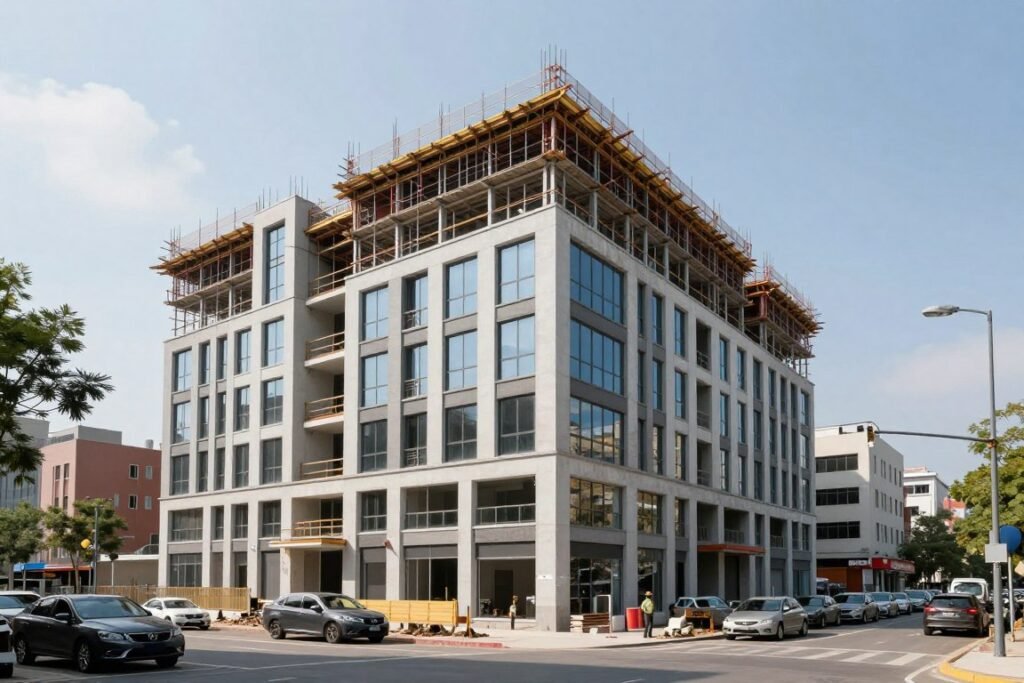
Private sector adaptations will ultimately determine outcomes. Property owners with resources are converting office buildings to residential, hotel, or mixed-use properties. These conversions are expensive and not viable for all buildings, but they represent market-driven solutions.
Distressed debt investors play a cleanup role. Specialized firms purchase troubled loans at discounts, then restructure or foreclose as economics dictate. This transfers risk from banks to entities better equipped to manage workouts. The process is painful but necessary for market clearing.
- Accelerated property conversion programs from office to residential
- Distressed debt fund activity to purchase and restructure troubled loans
- Creative leasing arrangements including revenue-sharing models
- Increased private equity investment in value-add repositioning
Lender-borrower negotiations will resolve many situations. Loan modifications extending maturities, adjusting terms, or adding equity give properties time to stabilize. Banks prefer negotiated solutions to foreclosure expenses and asset management burdens. Cooperation serves mutual interests.
What It Means for Americans

Cost of Living
Commercial real estate stress affects household budgets through indirect channels. If businesses face higher occupancy costs, they pass expenses to consumers through higher prices. Municipal budget pressures from reduced property tax revenues could mean higher residential property taxes or reduced services.
Rental housing costs could see upward pressure initially. Some apartment buildings face similar refinancing challenges as commercial properties. Landlords may raise rents to cover higher debt service. However, if economic weakness materializes, housing affordability could improve as demand softens.
Jobs
Employment impacts spread across multiple sectors. Direct commercial real estate jobs face obvious risk. Construction workers, property managers, and real estate brokers would experience reduced demand. The Bureau of Labor Statistics data suggests vulnerability in metropolitan areas with large financial sectors.
Banking sector employment would contract if losses mount. Regional banks would reduce staffing to cut costs. Related financial services including appraisers, title companies, and commercial lenders would see declining business. Service sector jobs in office-heavy districts face reduced customer traffic.
At-Risk Employment Sectors
- Commercial construction and development
- Property management and leasing
- Regional banking and lending
- Commercial real estate brokerage
- Office-district retail and services
- Property insurance and appraisal
Relatively Protected Sectors
- Healthcare services
- Education and training
- Technology and remote work enablement
- Essential retail and logistics
- Residential property management
- Government services
Investments
Retirement accounts holding commercial real estate exposure face value declines. Many 401(k) plans include REIT funds with significant office property holdings. Pension funds, particularly state and local government plans, maintain substantial commercial real estate allocations. These indirect exposures affect millions of Americans.
Stock portfolios feel secondary effects. Banking sector stocks decline on loss recognition. Companies with large office footprints face scrutiny over real estate assets on balance sheets. Broader market volatility rises as economic uncertainty increases. Risk management becomes critical for investors approaching retirement.
Investment Protection Strategies: Diversification remains the primary defense. Investors should review commercial real estate exposure across all accounts. Consider rebalancing away from concentrated office REIT holdings toward diversified funds. Maintain adequate cash reserves to avoid forced selling during volatility. Consult financial advisors about specific risk tolerance and time horizon.
Housing
Residential real estate markets face complex crosscurrents. Banking stress could tighten mortgage lending even for qualified borrowers. This would pressure home prices downward. However, office-to-residential conversions could increase housing supply in urban cores, potentially improving housing affordability over time.
Housing affordability dynamics shift regionally. Markets heavily dependent on finance and real estate employment would see the most pressure. Areas with diversified economies and strong population growth maintain better resilience. The scenario creates winners and losers based on local economic composition.
Home equity, Americans’ largest wealth component, faces indirect threats. Severe economic weakness triggered by commercial real estate stress would pressure residential values. However, the structural differences between commercial and residential markets provide some insulation. Residential fundamentals remain stronger with housing supply constraints in many markets.
Future Outlook (2026–2030)
Short-Term Outlook (2026-2027)
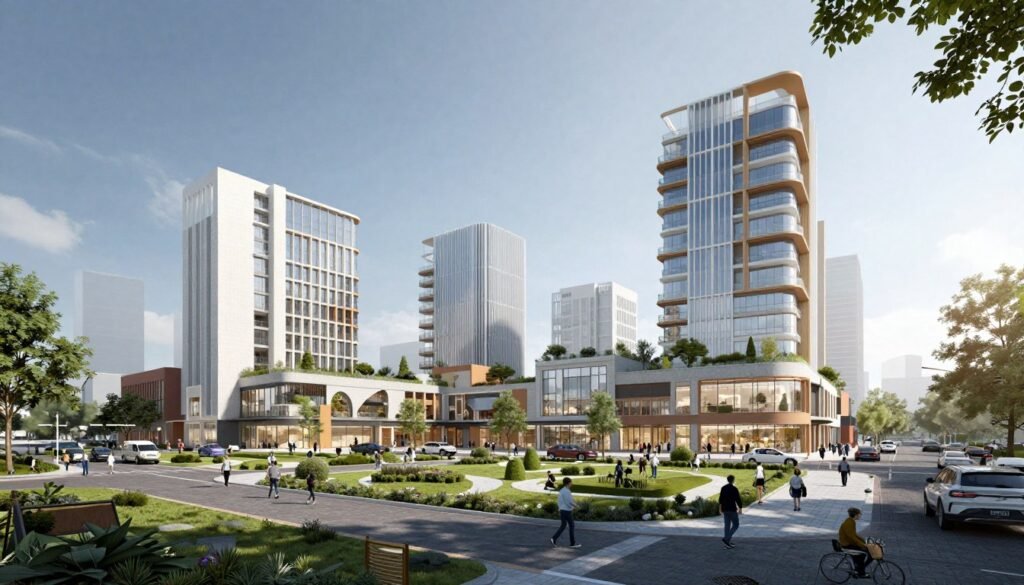
The next eighteen months represent the critical stress period. Loan maturities peak in this window, forcing maximum refinancing activity. Property owners face difficult decisions about equity injections, loan modifications, or strategic defaults. Banking system resilience receives its severest test.
The Congressional Budget Office base case projects continued property value declines through mid-2026, followed by stabilization. This assumes economic growth continues, albeit slowly, and interest rates decline modestly from current peaks. Office properties face the longest adjustment as structural demand changes play out.
Regional bank consolidation appears likely. Institutions with heavy commercial real estate concentrations will seek merger partners or face regulatory intervention. The Federal Deposit Insurance Corporation stands ready to manage failures, but prefers assisted mergers. Industry structure emerges from this period significantly altered.
- Peak stress period for loan maturities through 2026
- Continued property value adjustments in office sector
- Regional banking sector consolidation and restructuring
- Gradual improvement in refinancing conditions by late 2027
- Initial results from property conversion programs becoming visible
Long-Term Risks (2028-2030)
Extended timeframe considerations depend heavily on structural adaptations. Cities that successfully convert excess office space to residential or mixed-use emerge stronger. Those that cannot adapt face prolonged economic malaise. The World Bank emphasizes that urban economic models must evolve.
Work patterns will likely settle into new equilibria. Some companies embrace fully remote operations while others require in-office presence. Hybrid models become standard, but office space per worker remains permanently lower than pre-pandemic. This caps office property value recovery.
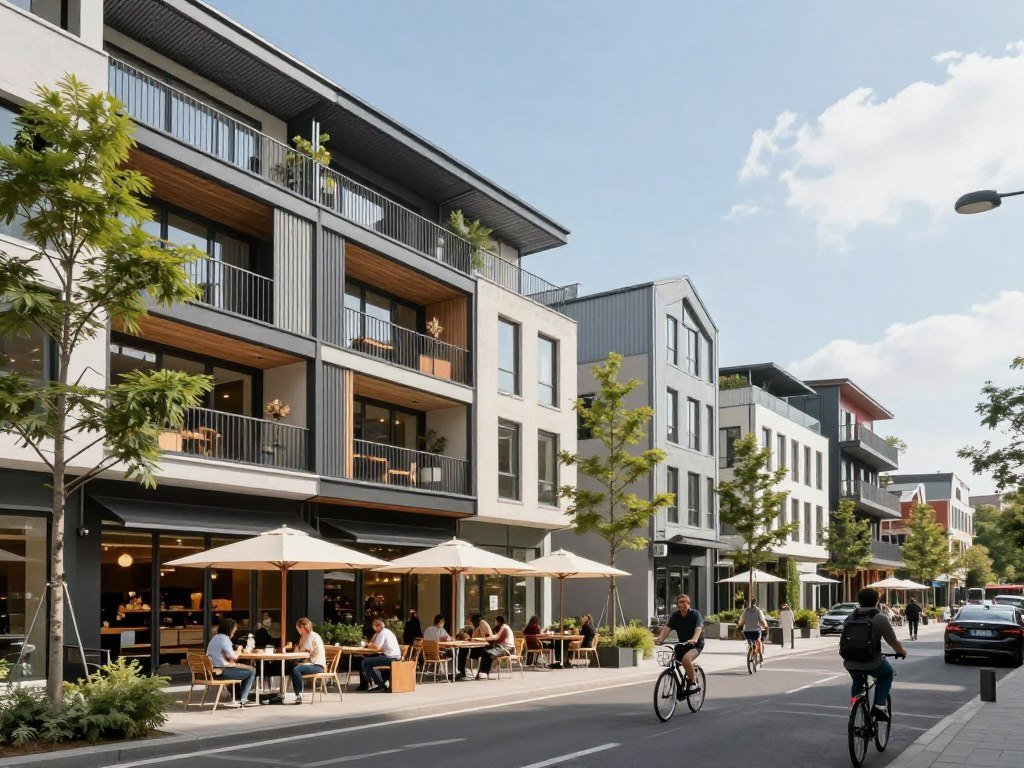
Banking system health restoration requires successful workout completion. Losses from commercial real estate become clear, are recognized, and capital rebuilds. This process historically takes three to five years from peak stress. Lending capacity gradually returns as balance sheets heal.
Investment patterns shift toward property types with stronger fundamentals. Industrial and logistics properties benefit from e-commerce growth. Multifamily housing attracts capital in supply-constrained markets. Office properties trade at much lower valuations, attracting value investors for conversion plays.
Tail Risk Scenario: While base case projections suggest manageable adjustment, tail risks deserve attention. Simultaneous recession and commercial real estate stress could trigger cascading failures. International economic shocks could compound domestic pressures. Natural disasters affecting major property markets would strain already-stressed portfolios. Risk management must account for these low-probability but high-impact scenarios.
Long-term economic implications include permanent changes to urban geography. Central business districts reimagine purpose beyond traditional office concentration. Successful cities create mixed-use, livable urban cores. Those that fail face declining tax bases and deteriorating infrastructure.
The Social Security Administration notes demographic trends support long-term property conversion strategies. Younger generations prefer urban living with mixed-use amenities. Converting office buildings to residential addresses housing affordability while absorbing excess commercial space. This alignment of demographic and economic forces creates potential positive outcomes.
Conclusion

Commercial real estate collapse risk represents a genuine threat to U.S. economic stability through 2026 and beyond. The combination of high interest rates, structural demand changes, and concentrated banking exposure creates conditions requiring serious attention. However, the scenario differs from sudden financial crises in important ways.
The challenges unfold gradually, allowing time for policy responses and market adaptations. Property owners, lenders, and regulators understand the dynamics and are actively managing risks. Government authorities possess tools learned from previous crises. Private markets are deploying capital toward solutions including property conversions and distressed debt workouts.
Americans should monitor developments without panic. Direct household exposure to commercial real estate remains limited for most families. The greater risks flow through employment, investment portfolios, and broader economic conditions. Diversification and prudent financial management provide primary protection.
The future likely brings a prolonged adjustment rather than acute collapse. Office properties face permanent valuation resets. Some regional banks will fail or merge. Economic growth slows as the sector works through problems. But with appropriate policy support and market flexibility, the economy can absorb these stresses without systemic breakdown.
Key takeaways include understanding the structural nature of commercial real estate challenges, recognizing that outcomes depend heavily on policy choices and economic conditions, maintaining diversified investment portfolios, and staying informed about developments through reliable sources. The Congressional Budget Office, Federal Reserve, and other authoritative institutions provide ongoing analysis.
Looking forward, commercial real estate transformation creates both risks and opportunities. Cities that successfully adapt their office inventory emerge more vibrant and livable. Banking consolidation could create stronger regional institutions. Investment capital flowing toward productive property uses supports economic growth. Managing through the transition period determines whether the story becomes crisis or successful restructuring.