South Carolina Measles Outbreak: A Growing Public Health Emergency
The measles outbreak in South Carolina has rapidly evolved into the largest outbreak in the United States since the disease was declared eliminated in 2000. With 789 confirmed cases as of late January 2026, this outbreak has surpassed the 2025 West Texas outbreak that sickened 762 people and resulted in two fatalities. Public health officials, government leaders, and global health organizations are closely monitoring the situation as it threatens to undermine decades of progress in controlling this highly contagious disease.
Spartanburg County remains the epicenter of the South Carolina measles outbreak with the highest concentration of cases.
Why the South Carolina Measles Outbreak Is a Significant Issue
The current outbreak represents a serious public health crisis for several reasons. First, the sheer scale of the outbreak—789 cases and growing—makes it the largest in the United States in nearly three decades. The majority of cases are centered in Spartanburg County, primarily among unvaccinated individuals or those with unknown vaccination status.
Dr. Linda Bell, State Epidemiologist at the South Carolina Department of Public Health, emphasized the severity of the situation: “As we continue to watch this daily surge in cases, we strongly encourage those who are not protected to take advantage of the opportunity to get vaccinated against unexpected exposures and illnesses now to help us stop this outbreak and protect our communities.”
Vaccination remains the most effective protection against measles, with the MMR vaccine providing 97% effectiveness after two doses.
The outbreak began in October 2025 and has accelerated dramatically in 2026, with more than 600 new cases reported since January. At least 18 people have been hospitalized for complications, and 557 individuals are currently under quarantine due to potential exposure. The virus has already spread beyond South Carolina’s borders, with linked cases reported in North Carolina, Washington, and California.
U.S. Secretary of Health and Human Services Robert F. Kennedy Jr. stated, “We’re monitoring the situation closely and have provided $1.4 million in requested aid to South Carolina. While vaccination remains the most effective prevention method, we’re also exploring additional treatment protocols including vitamin A supplementation.”
“It breaks my heart to see that my state is the number one outbreak currently in the United States since the 1990s. We have this amazing vaccine that would help protect us all from getting the measles, and we are just seeing that people aren’t as excited about getting that vaccine anymore. This is why we’re seeing measles come back into the United States.”
How This Outbreak Compares to Other Recent U.S. Outbreaks
The South Carolina outbreak has already surpassed several significant measles outbreaks that have occurred since the disease was declared eliminated in the United States in 2000:
| Outbreak | Year | Cases | Duration | Primary Affected Population |
| South Carolina | 2025-2026 | 789+ | Ongoing (4+ months) | Unvaccinated children in communities with low vaccination rates |
| West Texas | 2025 | 762 | 8 months | Mennonite community in Gaines County |
| New York | 2018-2019 | 649 | 11 months | Orthodox Jewish communities |
| Disneyland (California) | 2014-2015 | 147 | 4 months | Visitors to theme park, spread to multiple states |
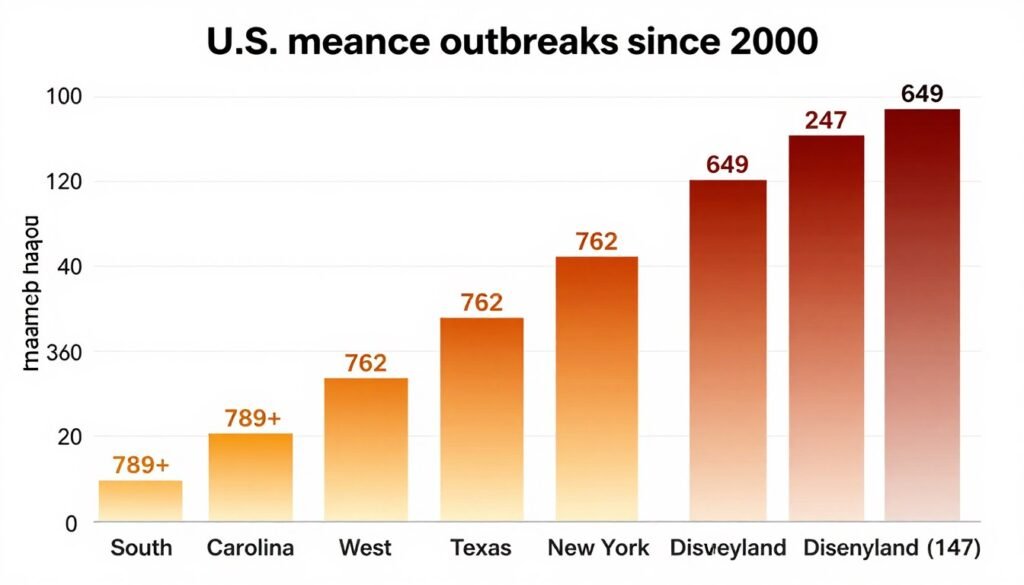
The South Carolina outbreak has already surpassed all other measles outbreaks in the U.S. since elimination was declared in 2000.
Senator Tim Scott of South Carolina expressed concern about the outbreak’s rapid growth: “The situation in our state is alarming. We need to ensure that our public health infrastructure is equipped to handle this crisis and that accurate information about prevention reaches all communities. I’m working with federal and state officials to ensure resources are available where they’re most needed.”
The Centers for Disease Control and Prevention (CDC) reported that the United States recorded more than 2,200 confirmed measles cases in 2025—significantly more than any year since elimination. So far in 2026, at least 416 cases have been confirmed nationwide, with the South Carolina outbreak accounting for a substantial portion of these cases.
What makes the South Carolina outbreak particularly concerning is its concentration in communities with low vaccination rates. In Spartanburg County, the epicenter of the outbreak, only 90% of students had required immunizations in the 2024-25 school year—among the lowest rates in the state. Public health experts typically cite a 95% vaccination rate as necessary to maintain herd immunity against measles due to its extreme contagiousness.
Potential Developments and Impacts in Coming Months
Public health experts are concerned about several potential developments as the outbreak continues:
Short-Term Concerns
- Further spread to neighboring states, particularly areas with low vaccination rates
- Increased hospitalizations and potential fatalities, especially among vulnerable populations
- Strain on healthcare systems and public health resources
- Disruption to schools and businesses due to quarantine requirements
- Challenges in contact tracing as case numbers grow exponentially
Long-Term Implications
- Potential loss of measles elimination status for the United States
- Setback for global measles eradication efforts
- Increased vaccine hesitancy or acceptance depending on outbreak outcomes
- Policy changes regarding vaccination requirements and exemptions
- Economic costs from healthcare expenses and productivity losses

Public health teams are conducting extensive contact tracing and community outreach to contain the outbreak.
Dr. Zack Moore, State Epidemiologist for the North Carolina Department of Health and Human Services, expressed concern about vulnerable areas in western North Carolina with low vaccination rates that are geographically close to the South Carolina outbreak zone: “We know there’s a lot of back and forth travel, so that is certainly a concern.”
The outbreak has already impacted schools across South Carolina, with at least 23 schools having students in quarantine. In neighboring North Carolina, more than 170 people are under quarantine in Union County, connected to a case at Shining Light Baptist Academy, a private Christian school where just 60.1% of students are vaccinated against measles.
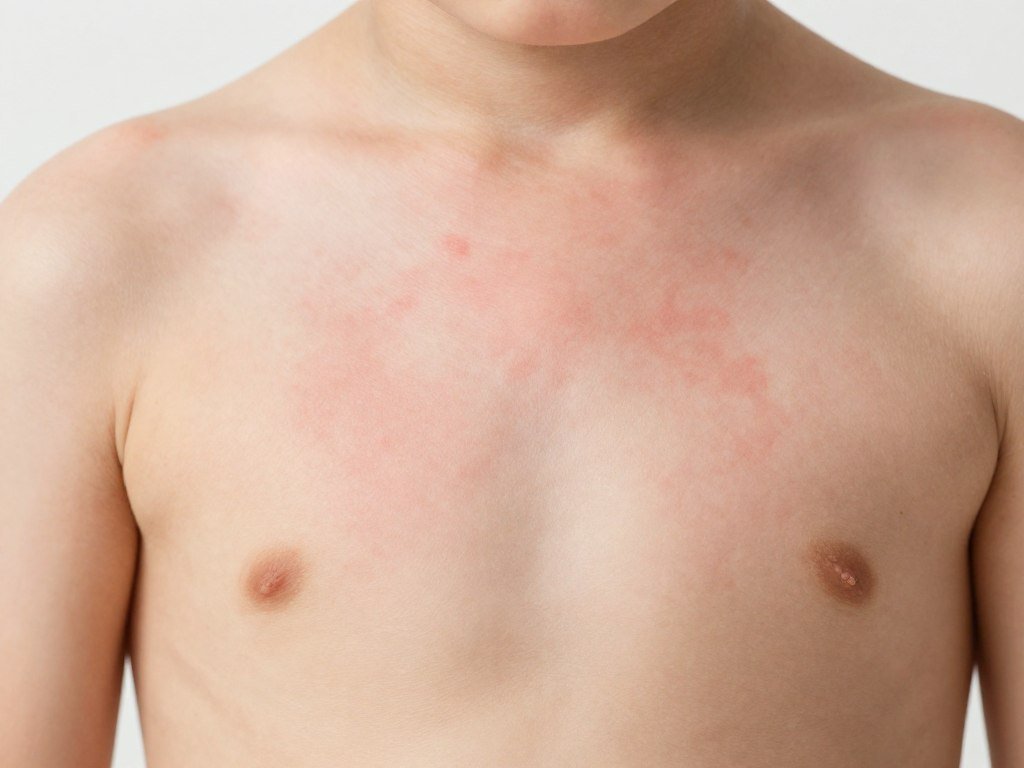
The characteristic measles rash typically appears 3-5 days after initial symptoms like fever, cough, and runny nose.
Dr. Jennifer Nuzzo, Director of the Pandemic Center at Brown University School of Public Health, warned: “What we’re seeing in South Carolina could be replicated in other parts of the country where vaccination rates have fallen. Measles is so contagious that it will find and infect susceptible individuals. Each new outbreak increases the risk of reestablishing endemic transmission in the United States.”
Broader Impacts and Global Concerns
The South Carolina measles outbreak has implications that extend far beyond the state’s borders:
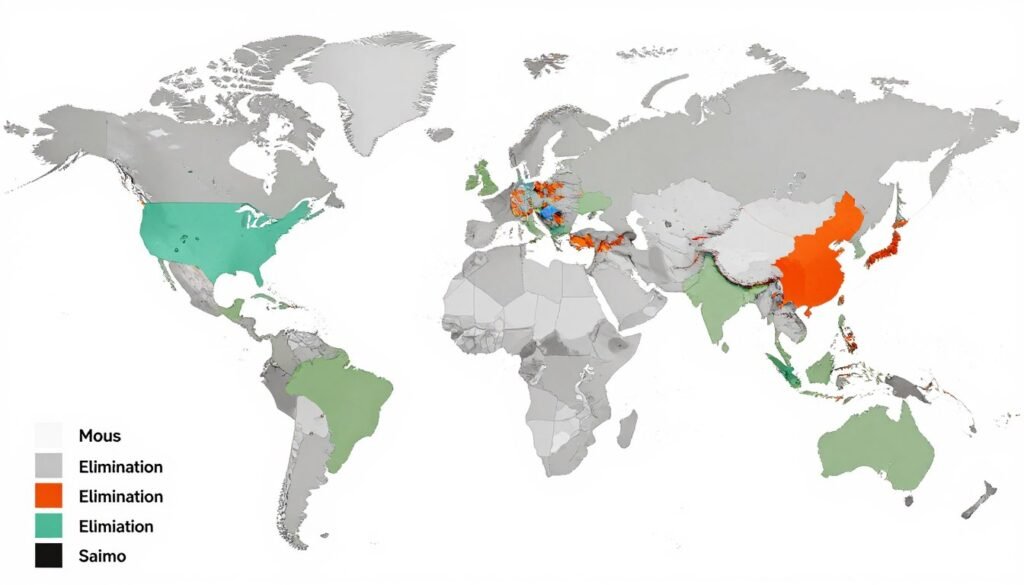
The United States may lose its measles elimination status if transmission continues for a full year.
Risk to U.S. Elimination Status
The United States is at risk of losing its measles elimination status, which was achieved in 2000. The Pan American Health Organization (PAHO) could decide to revoke this status when it meets in April if it’s determined that the virus has continued to circulate from a single source for a full year.
CDC Principal Deputy Director Dr. Ralph Abraham recently commented on this possibility: “It’s just the cost of doing business with our borders. We have these communities that choose to be unvaccinated. That’s their personal freedom.” This statement has drawn criticism from public health experts who emphasize the importance of maintaining high vaccination rates.
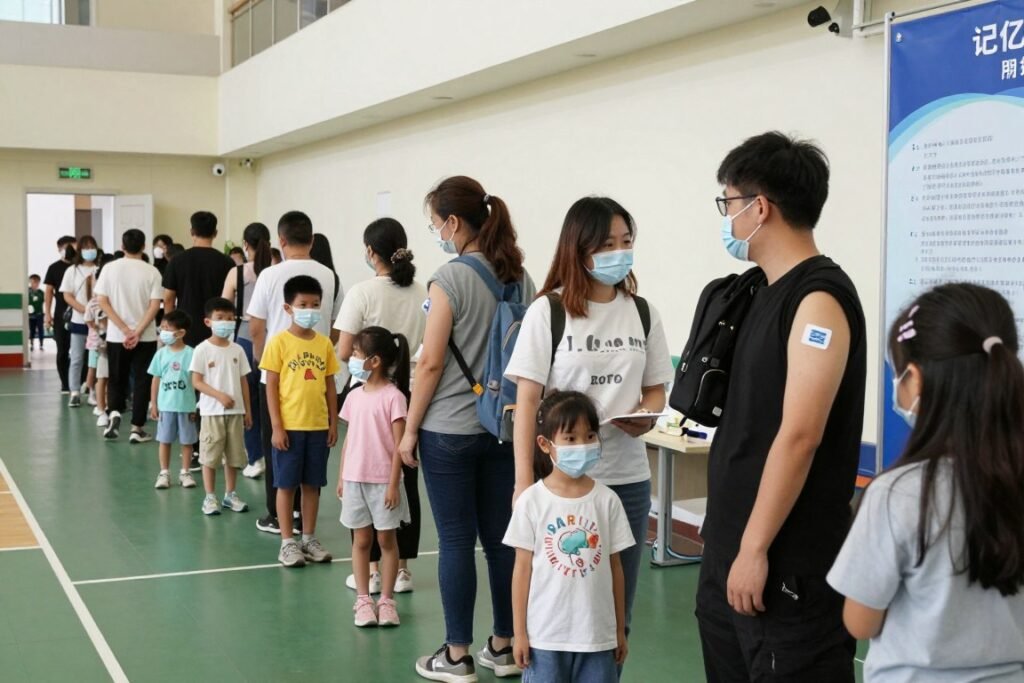
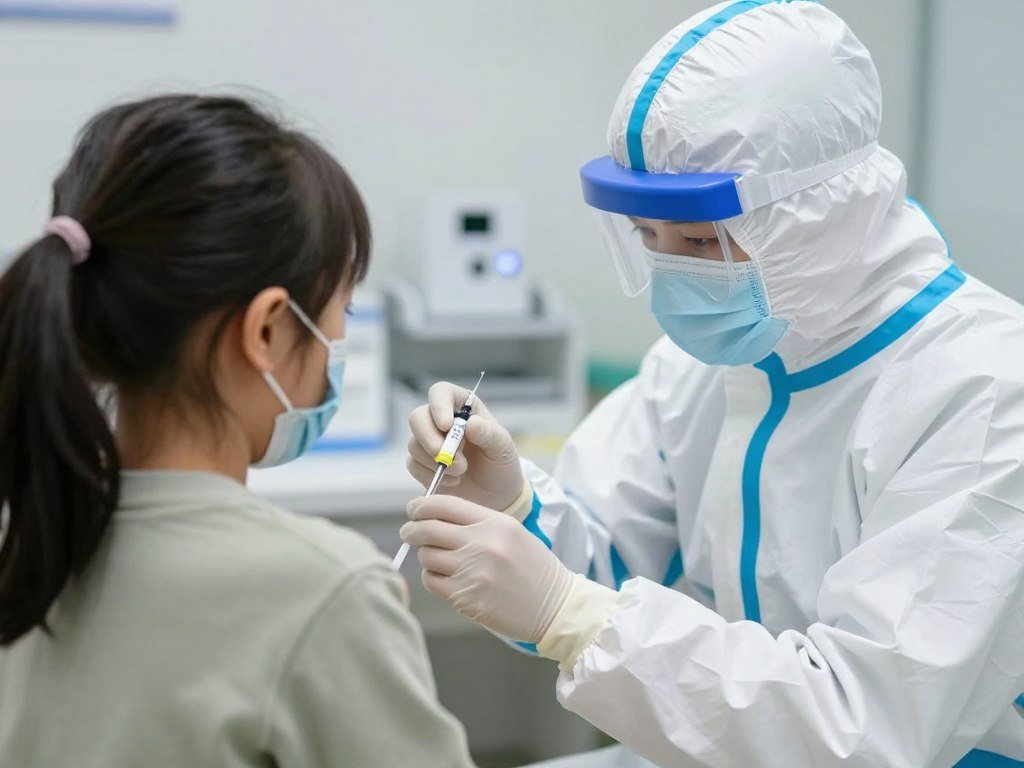
Vaccination clinics have been established throughout affected communities to increase immunity rates.
Impact on Healthcare Systems
The outbreak is placing significant strain on healthcare systems in affected areas. At least 18 people have been hospitalized for complications of measles, and healthcare facilities must implement special protocols to prevent transmission within medical settings.
Representative James Clyburn of South Carolina’s 6th Congressional District stated: “This outbreak highlights the critical importance of our public health infrastructure. We need to ensure that all communities have access to vaccines and accurate health information. The federal government stands ready to provide additional resources as needed to contain this situation.”

Healthcare providers are working to educate families about measles symptoms, risks, and prevention methods.
Global Health Security Concerns
The World Health Organization (WHO) is monitoring the situation closely, as measles outbreaks in high-income countries with previously strong vaccination programs can undermine global eradication efforts. Measles remains a leading cause of death among young children globally, despite the availability of a safe and effective vaccine.
Dr. Deborah Greenhouse, a past president of the South Carolina chapter of the American Academy of Pediatrics, expressed her distress: “I am very sad. It emphasizes even more that we need to continue the work of trying to educate families in South Carolina and trying to get families to understand that the way we shut this down is by increasing our vaccination rates and by complying with isolation and quarantine.”
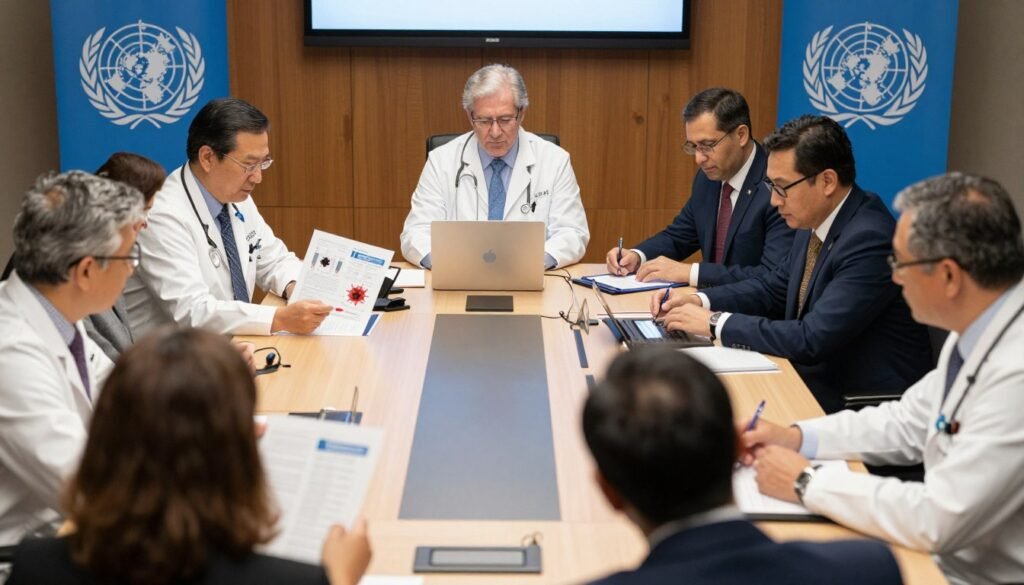
The outbreak has drawn attention from global health organizations concerned about its impact on worldwide measles elimination goals.
The outbreak underscores the delicate balance of public health achievements and how quickly progress can be reversed when vaccination rates decline. Communities with the lowest vaccination rates have been hit hardest—South Carolina’s outbreak originated among families who immigrated from Ukraine to Spartanburg County, while the West Texas outbreak occurred mostly in a Mennonite community in Gaines County where nonmedical vaccine exemptions are at 19.5%.

Schools across South Carolina are reviewing vaccination records and implementing quarantine measures to prevent further spread.
Dr. Anthony Fauci, former director of the National Institute of Allergy and Infectious Diseases, commented: “What we’re seeing in South Carolina is a stark reminder of what happens when vaccination rates fall below the threshold needed for herd immunity. Measles is one of the most contagious diseases known to humanity, and it will exploit any gaps in immunity within a population. This outbreak should serve as a wake-up call about the importance of maintaining high vaccination coverage.”
Moving Forward: Containing the Outbreak
Efforts to contain the South Carolina measles outbreak are ongoing, with state health officials encouraging vaccination through mobile health unit events and targeted outreach to communities with low vaccination rates. The Vaccines for Children program provides free vaccines to eligible children, and many health insurance plans cover the MMR vaccine.

South Carolina health officials provide regular updates on containment efforts and vaccination initiatives.
The outbreak serves as a powerful reminder of the importance of vaccination in preventing the resurgence of diseases that were once considered controlled in the United States. As public health officials work to contain the current situation, the outcome will likely influence vaccination policies, public health strategies, and global disease elimination efforts for years to come.
For the latest information on the South Carolina measles outbreak, visit the South Carolina Department of Health and Environmental Control website.