Navigating a Partial Government Shutdown: A State-by-State and Sector-by-Sector Guide
When the federal government experiences a partial shutdown, millions of Americans face uncertainty about which services continue and which are suspended. Unlike a complete shutdown, a partial shutdown occurs when Congress has funded some federal agencies but not others. Essential services continue operating, but many federal functions are paused until funding is restored. This comprehensive guide explains what to expect during a partial government shutdown and how it might affect your daily life across various sectors and states.
What Is a Partial Government Shutdown?
A partial government shutdown occurs when Congress fails to pass funding legislation for certain federal agencies while others remain funded. During this period, affected agencies must discontinue all non-essential discretionary functions until new funding legislation is passed and signed into law.
Unlike a complete shutdown, where all 12 appropriations bills remain unpassed, a partial shutdown means some agencies continue normal operations while others must furlough employees and pause services. Essential services and mandatory spending programs (like Social Security and Medicare) continue regardless of shutdown status.
The current partial shutdown affects six of the 12 annual appropriations bills, including funding for departments such as Defense, Labor, Health and Human Services, Education, Homeland Security, Transportation, Treasury, and State. The remaining six appropriations bills have already been funded for the fiscal year.

Economy and Jobs Impact
The economic consequences of a partial government shutdown ripple through various sectors, with federal workers bearing the immediate brunt of the impact.
Federal Workforce Furloughs
Approximately 800,000 federal employees are affected by a partial shutdown. These workers fall into two categories:
- Furloughed employees: About 380,000 workers are sent home without pay until the shutdown ends.
- Essential employees: Roughly 420,000 employees must continue working without receiving paychecks until funding is restored.
While the Government Employee Fair Treatment Act guarantees back pay for both furloughed and essential employees once the shutdown ends, the interim period creates significant financial hardship for many families.
Federal Contractors
Unlike federal employees, government contractors typically do not receive back pay for work missed during a shutdown. This affects thousands of private-sector workers who provide services to the federal government, from custodial staff to IT specialists.
Small Business Administration (SBA)
The SBA stops processing new loan applications during a shutdown, which can delay or derail small business plans for expansion, equipment purchases, or hiring. According to previous shutdown data, the SBA typically postpones approving about 200 small business loans per day, totaling approximately $100 million.
Economic Confidence
Extended shutdowns can erode consumer and business confidence. The Congressional Budget Office estimated that the 2018-2019 shutdown reduced economic growth by $11 billion, with $3 billion permanently lost. Each week of a shutdown typically costs the economy approximately $1.2 billion in reduced economic activity.
Civilian Life and Essential Services
The impact of a partial shutdown on civilian life varies widely depending on which agencies are affected and how long the shutdown lasts.
Transportation and Travel
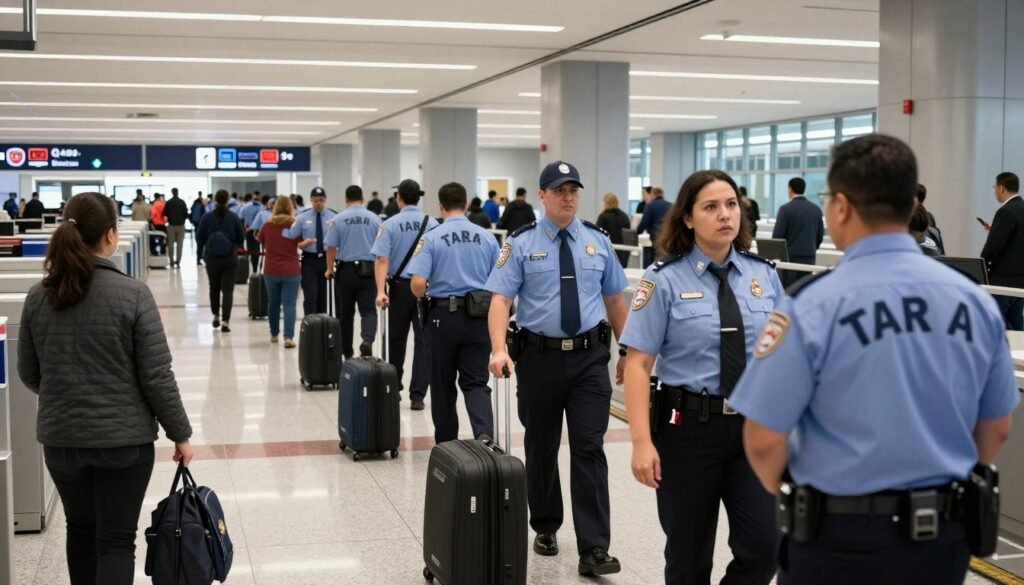
Air travel continues during a shutdown, but with significant strain:
- TSA agents: Transportation Security Administration officers are deemed essential and must work without pay, but increased absenteeism can lead to longer security lines and closed checkpoints.
- Air traffic controllers: These essential personnel continue working without pay, but support staff reductions can lead to flight delays and cancellations.
- FAA inspections: Routine aircraft inspections may be delayed, potentially affecting airline schedules.
Federal Benefits and Assistance Programs

Most major benefit programs continue during a shutdown, but with potential complications:
- Social Security: Benefit payments continue uninterrupted, but new applications and card issuances may be delayed. The Social Security Administration maintains essential functions.
- Medicare and Medicaid: These programs continue operating normally as they’re funded through mandatory spending.
- SNAP (Food Stamps): Benefits continue for the first 30 days of a shutdown. After that, funding uncertainties may arise.
- WIC (Women, Infants, and Children): This nutrition program may face funding challenges during extended shutdowns, potentially affecting 6.3 million recipients.
Passport and Visa Services
The State Department maintains some passport and visa operations during a shutdown, but with reduced staff:
- Passport applications continue to be processed, but with potential delays.
- Visa processing for foreign visitors may slow significantly.
- Consular services abroad operate with limited capacity.
For current passport processing times, check the State Department’s website.
National Parks and Federal Lands
The impact on national parks varies depending on which appropriations bills have been passed:
- If the Interior Department is funded, parks operate normally.
- If unfunded, parks may remain open with severely limited services, including closed visitor centers, suspended trash collection, and minimal emergency services.
Always check the National Park Service website before visiting a park during a shutdown.

Education and Research Impact
A partial government shutdown can significantly disrupt educational programs and scientific research across the country.
Federal Student Aid
The Department of Education manages several critical programs affected during a shutdown:
- FAFSA processing: New applications may face delays, though electronic systems typically remain operational.
- Pell Grants: Disbursements generally continue, but administrative support is reduced.
- Federal student loans: Most loan processing continues, but customer service may be limited.
Students should monitor the Federal Student Aid website for updates during a shutdown.
Research Grants and Scientific Progress
Federal agencies that fund scientific research face significant disruptions:
- National Institutes of Health (NIH): New research grant applications are not processed, and clinical trials may face enrollment restrictions.
- National Science Foundation (NSF): Grant reviews and awards are suspended, delaying scientific progress.
- NASA: Non-essential research activities pause, though mission control for active space missions continues.
Head Start and Educational Programs
Early childhood education programs may face challenges during extended shutdowns:
- Head Start centers that receive federal grants at the beginning of a shutdown period generally continue operating.
- Centers due for grant renewals during a shutdown may face temporary closures, affecting low-income families who rely on these services.
State-by-State Impact Analysis
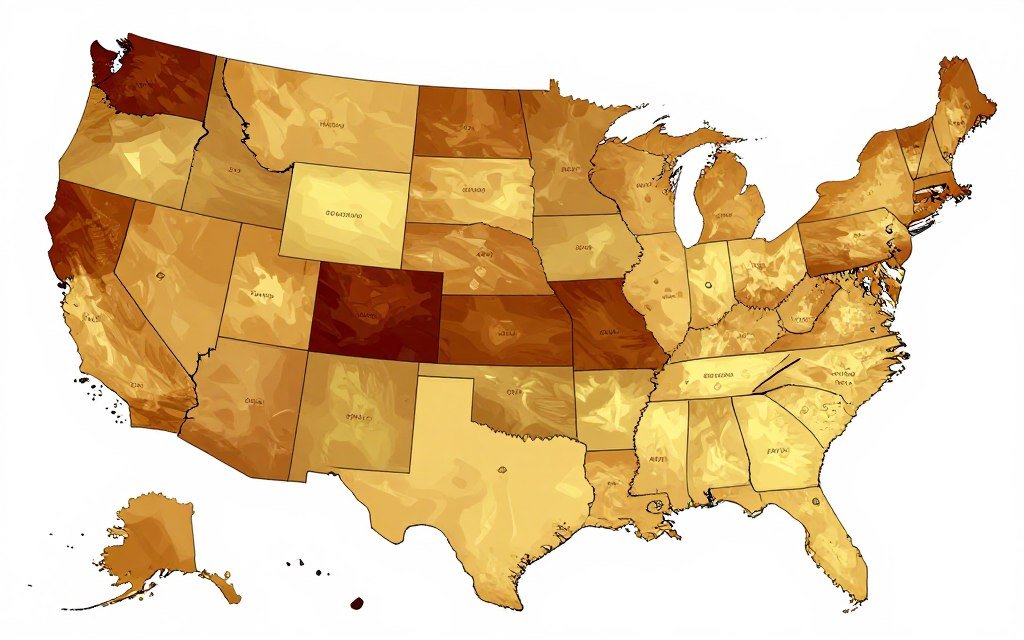
The effects of a partial government shutdown vary significantly across states based on several factors, including federal workforce concentration, reliance on federal lands, and dependency on federal grants.
States with Large Federal Workforces
States with high concentrations of federal employees experience more pronounced economic impacts:
- Washington D.C., Maryland, and Virginia: The highest concentration of federal workers means these areas face significant local economic downturns during shutdowns.
- California and Texas: Large federal workforces across military bases, border operations, and research facilities create widespread impacts.
- Alaska: With the highest per-capita federal workforce, shutdowns disproportionately affect the state’s economy.
States Reliant on Federal Lands and Tourism
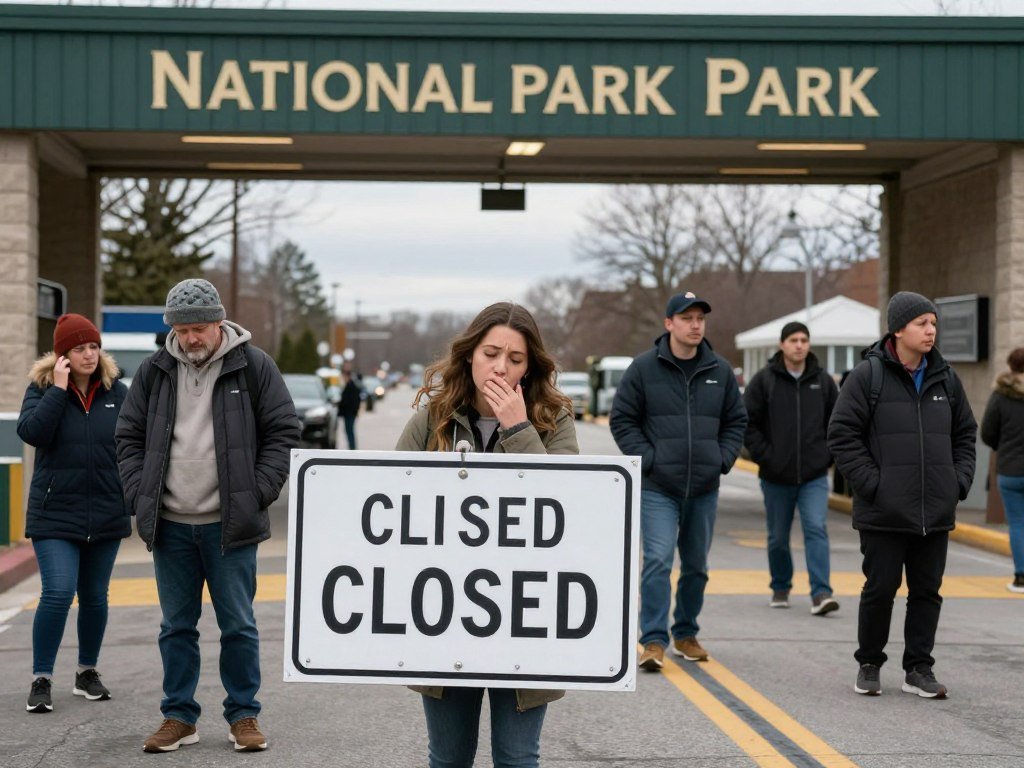
Western states with significant federal land face unique challenges:
- Wyoming, Utah, Idaho, and Montana: National parks and federal lands comprise large portions of these states, affecting tourism-dependent communities during shutdowns.
- Arizona and Colorado: Major attractions like Grand Canyon and Rocky Mountain National Parks drive local economies that suffer during reduced operations.
- Nevada: With over 80% federally owned land, many communities face economic hardship when federal operations are curtailed.
States Dependent on Federal Grants
Some states rely heavily on federal funding for their budgets:
- Mississippi, Louisiana, and New Mexico: These states receive among the highest federal funding as a percentage of their state revenue, making them vulnerable to extended shutdowns.
- Kentucky, West Virginia, and Alabama: High dependency on federal assistance programs means residents in these states may feel impacts more acutely if shutdowns affect benefit administration.

Global Impact of a U.S. Government Shutdown
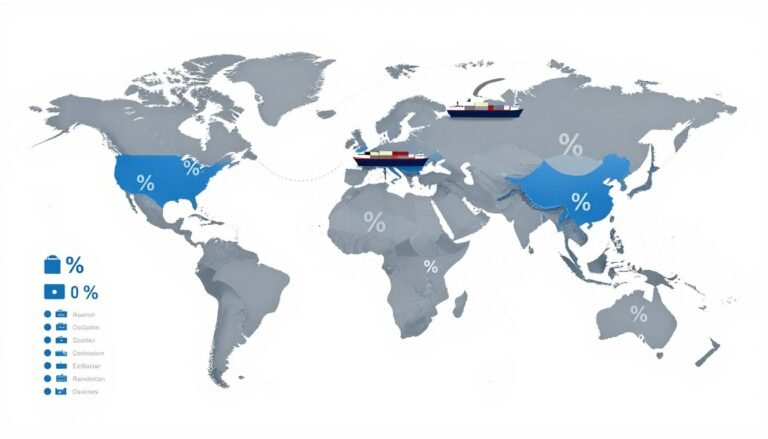
A partial U.S. government shutdown has ripple effects that extend well beyond American borders, affecting international relations, global markets, and America’s standing in the world.
International Diplomacy and Services
The State Department faces significant constraints during a shutdown:
- Diplomatic missions: U.S. embassies and consulates remain open but operate with reduced staff and limited services.
- Visa processing: Foreign nationals face longer wait times for U.S. visas, affecting tourism, business travel, and international students.
- International negotiations: Ongoing diplomatic initiatives may stall as non-essential personnel are furloughed.
For current information on consular services, visit the U.S. Visa Information website.
Global Financial Markets
Financial markets typically react to U.S. government shutdowns:
- Short shutdowns generally have minimal market impact.
- Extended shutdowns can increase market volatility and undermine confidence in U.S. economic governance.
- International investors may temporarily shift away from U.S. assets during prolonged shutdowns.
U.S. International Standing
Repeated shutdowns can affect how other nations perceive American governance:
- Political dysfunction narratives may be reinforced among allies and adversaries alike.
- Competitors may use shutdowns to question U.S. reliability as a partner.
- International cooperation on shared challenges may be delayed or complicated.
Essential Services That Continue During a Shutdown
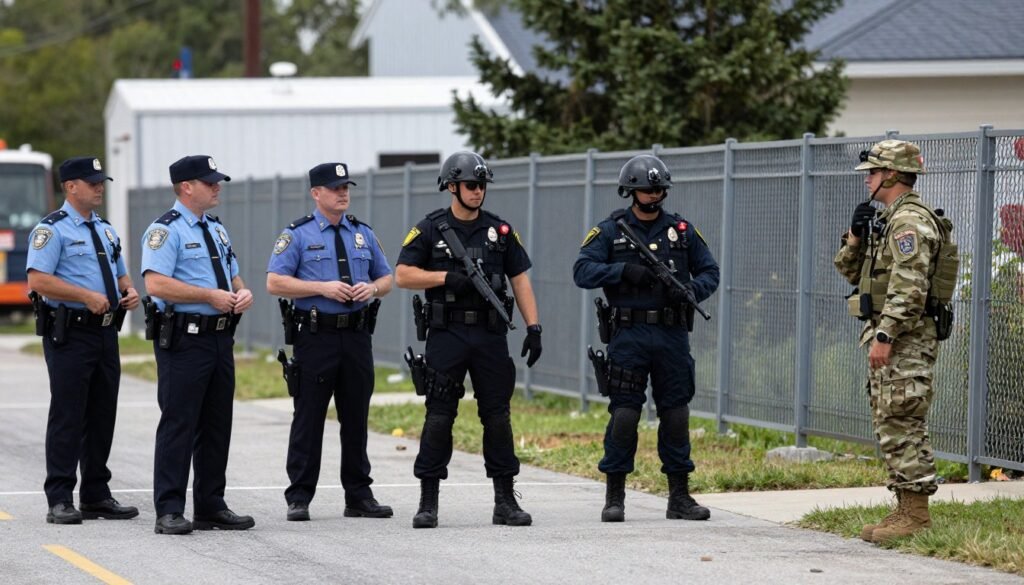
Despite the disruptions caused by a partial government shutdown, many critical government functions continue without interruption to protect life, property, and national security.
Law Enforcement and Security
Public safety operations remain fully staffed:
- FBI, DEA, and federal law enforcement: Agents continue investigations and operations.
- Border protection: Customs and Border Protection officers maintain border security.
- Federal prisons: Correctional officers continue working to maintain secure facilities.
- TSA and air traffic control: Aviation security and safety operations continue.
Military and National Defense
The U.S. military maintains operational readiness:
- Active-duty military personnel continue serving.
- Critical defense operations and intelligence activities continue.
- Military hospitals remain open for emergency and inpatient care.
Healthcare and Public Health
Essential health services continue operating:
- Veterans Affairs medical facilities: VA hospitals and clinics remain open.
- Indian Health Service: Emergency medical care continues for tribal communities.
- CDC emergency operations: Disease outbreak monitoring and response capabilities remain active.
Financial Systems
Critical financial functions continue:
- The Federal Reserve remains operational.
- Treasury functions related to government debt and financial system stability continue.
- IRS operations related to tax filing season typically continue, though with possible delays in processing and refunds.

How to Prepare for a Government Shutdown
While many essential services continue during a shutdown, individuals can take proactive steps to minimize potential disruptions.
For Federal Employees and Contractors
- Build an emergency fund covering at least one month of expenses.
- Contact creditors proactively to discuss payment options if a shutdown seems imminent.
- Research unemployment benefits eligibility in your state (rules vary for furloughed federal workers).
- Keep documentation of furlough notices for potential assistance applications.
- Monitor agency communications for return-to-work instructions.
Federal employees should review the Office of Personnel Management’s furlough guidance for detailed information.
For Benefit Recipients
- Ensure contact information is up-to-date with relevant agencies.
- Consider adjusting automatic bill payments to align with potentially delayed benefit disbursements.
- Keep documentation of all benefit communications received before and during a shutdown.
- Monitor the websites of relevant agencies for shutdown-specific guidance.
For Travelers
- Check passport expiration dates well in advance of international travel.
- Arrive at airports earlier than usual to account for potential TSA staffing shortages.
- Verify national park operating status before planning visits.
- Consider travel insurance that covers government shutdown-related disruptions.
For current travel advisories, visit the State Department’s Travel Advisory page.

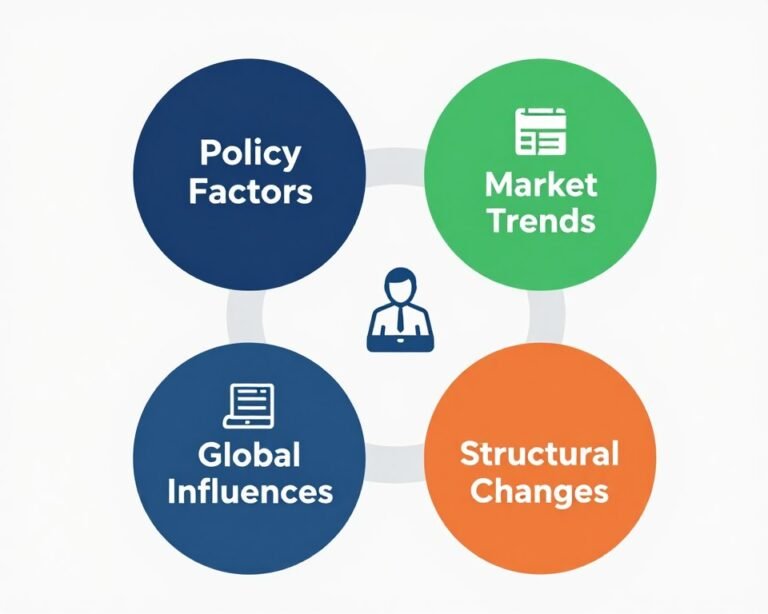
Conclusion: Understanding the Cascading Effects
A partial government shutdown creates a complex web of disruptions that intensify the longer funding remains unresolved. While essential services and mandatory spending programs continue, the impacts on federal workers, contractors, grant recipients, and the broader economy grow more severe with time.
The effects vary significantly by location, with states heavily dependent on federal employment, lands, or funding experiencing more pronounced consequences. Similarly, some sectors face immediate challenges while others may only see impacts during extended shutdowns.
Understanding which services continue and which are suspended allows individuals, businesses, and communities to better prepare for and navigate the uncertainties of a partial government shutdown. By staying informed through official government resources and taking proactive steps, Americans can mitigate some of the disruptions caused by these funding lapses.