
Asylum Process in the United States: Your Complete Guide for 2026
The asylum process in the United States offers protection to individuals fleeing persecution in their home countries. In 2026, understanding this process has become more critical than ever as immigration policies continue to evolve and application backlogs affect thousands of asylum seekers.
Each year, tens of thousands of people arrive in the United States seeking safety from persecution based on race, religion, nationality, political opinion, or membership in a particular social group. The asylum application process provides a legal pathway to protection and eventual permanent residence.
This comprehensive guide walks you through every step of applying for asylum in the United States. You will learn about eligibility requirements, application procedures, timelines, and practical tips to strengthen your case.
What the Asylum Process Means

Asylum is a form of protection granted to individuals who cannot return to their home country because of past persecution or a well-founded fear of future persecution. The United States immigration system distinguishes between refugees and asylum seekers based primarily on where they apply for protection.
Key Terms You Need to Know
Asylum seeker: A person who has arrived in the United States and is seeking protection through the asylum process. Unlike refugees who apply from outside the country, asylum seekers must already be in the United States or at a port of entry.
Credible fear: A significant possibility that an asylum seeker can establish eligibility for asylum. Immigration officers conduct credible fear interviews to determine if individuals in removal proceedings can pursue asylum claims.
Affirmative asylum process: The procedure where individuals proactively file Form I-589 with USCIS before being placed in removal proceedings. This process applies to people who enter the United States legally or have not yet been apprehended by immigration authorities.
Defensive asylum process: The procedure where individuals request asylum as a defense against removal from the United States. An immigration judge hears these cases in immigration court during removal proceedings.
Who Qualifies for Asylum
To qualify for asylum in the United States, you must meet specific legal criteria established by immigration law. The persecution you faced or fear must be connected to at least one of five protected grounds.
- Race: Persecution based on your racial or ethnic identity
- Religion: Persecution for your religious beliefs or practices
- Nationality: Persecution because of your country of origin or ethnicity
- Political opinion: Persecution for your political beliefs or activities
- Membership in a particular social group: Persecution based on shared characteristics like gender, sexual orientation, or family ties
You must apply for asylum within one year of your arrival in the United States unless you can demonstrate changed circumstances or extraordinary circumstances that prevented timely filing.
Requirements and Eligibility for Asylum United States
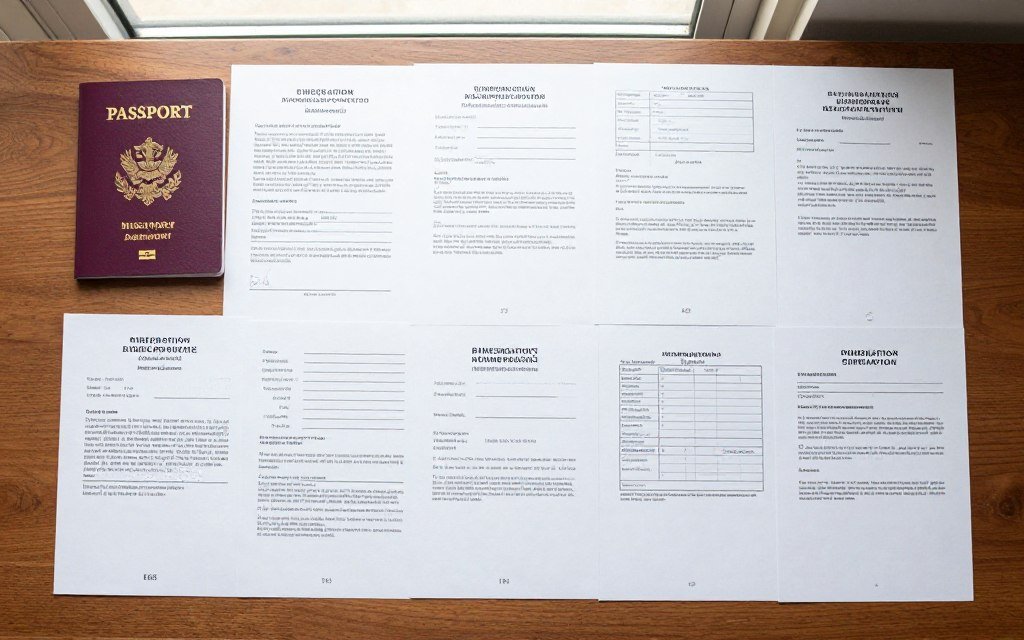
The asylum application requires careful preparation and substantial documentation. Understanding the specific requirements helps you build a stronger case and avoid common pitfalls that lead to denials.
Major Eligibility Rules
The United States immigration system imposes several critical eligibility requirements for asylum seekers. You must be physically present in the United States or seeking admission at a port of entry when you apply for asylum.
The one-year filing deadline represents one of the most important rules. You must file your asylum application within one year of your last arrival in the United States unless exceptional circumstances apply.
- You have not been firmly resettled in another country before arriving in the United States
- You do not pose a danger to the security of the United States
- You have not been convicted of a particularly serious crime in the United States
- You have not persecuted others based on the five protected grounds
- You have not been involved in terrorist activities or organizations
Documents Needed for Your Application
Form I-589, the Application for Asylum and Withholding of Removal, serves as the foundation of your asylum case. This comprehensive form requires detailed information about your identity, travel history, and persecution experiences.
Required Documents
- Completed Form I-589 with original signature
- Two passport-style photographs taken within 30 days
- Copy of passport or travel documents
- Copy of Form I-94 arrival-departure record
- Any immigration court documents if in proceedings
Supporting Evidence
- Detailed written statement explaining your persecution
- Country condition reports and news articles
- Medical records documenting harm or trauma
- Police reports or official documents about persecution
- Letters from witnesses or experts supporting your claim
- Birth certificates and family documentation
Evidence quality significantly impacts your application outcome. Original documents in foreign languages must include certified English translations. The more specific and detailed your evidence, the stronger your asylum case becomes.
Free Asylum Application Checklist
Download our comprehensive document checklist to ensure you have everything needed for your asylum application. This free resource includes document requirements, evidence tips, and preparation guidance.
Step-by-Step Asylum Process in the United States

The asylum process follows different paths depending on whether you apply affirmatively or defensively. Understanding each step helps you prepare properly and know what to expect at every stage.
The Affirmative Asylum Process
Affirmative asylum applies when you proactively file an asylum application with USCIS before being placed in removal proceedings. This process typically begins when you are already in the United States on a visa or after entering without inspection but before immigration authorities apprehend you.
- File Form I-589: Submit your completed Application for Asylum and Withholding of Removal to the appropriate asylum office. Include all required documents and evidence supporting your claim. Keep copies of everything you submit.
- Receive receipt notice: USCIS sends a receipt confirming they received your application. This notice includes important information about your case and next steps.
- Attend biometrics appointment: USCIS schedules you for fingerprinting and background checks. You must attend this appointment at the designated application support center.
- Prepare for asylum interview: An asylum officer will interview you about your application. This interview typically occurs several months after filing. Review your application thoroughly and prepare to answer detailed questions.
- Asylum interview: The asylum officer conducts a non-adversarial interview to assess your credibility and eligibility. You may bring an attorney. The officer asks about your fear of persecution and reviews your evidence.
- Receive decision: USCIS mails you a decision or asks you to return to the asylum office to pick it up. If approved, you receive asylum status. If denied and you have valid immigration status, you can remain in the United States. If denied without status, USCIS refers your case to immigration court.
The Defensive Asylum Process
Defensive asylum occurs when you request asylum as a defense against removal from the United States. Immigration judges hear defensive asylum cases in immigration court during removal proceedings initiated by the Department of Homeland Security.
- Notice to appear: Immigration authorities issue a charging document initiating removal proceedings. This notice specifies the reasons for your removability and schedules your first hearing.
- Master calendar hearing: Your first court appearance before an immigration judge. The judge explains your rights, you admit or deny allegations, and the court schedules future hearings.
- File Form I-589: Submit your asylum application to the immigration court and serve a copy to the government attorney. You typically have a deadline to file based on your master calendar hearing.
- Individual hearing: The immigration judge conducts a full hearing on your asylum claim. You testify under oath, present witnesses, and submit evidence. The government attorney may cross-examine you and present opposing evidence.
- Judge decision: The immigration judge issues a decision granting or denying asylum. If denied, you may appeal to the Board of Immigration Appeals within 30 days.
Credible Fear Interviews
Individuals arriving at United States borders or ports of entry without proper documentation often undergo credible fear interviews. An asylum officer determines whether you have a credible fear of persecution or torture if returned to your home country.
During the credible fear interview, you explain why you fear returning home. The asylum officer assesses whether you have a significant possibility of establishing asylum eligibility before an immigration judge. A positive credible fear determination allows you to pursue asylum in immigration court through the defensive asylum process.
Processing Time and Costs
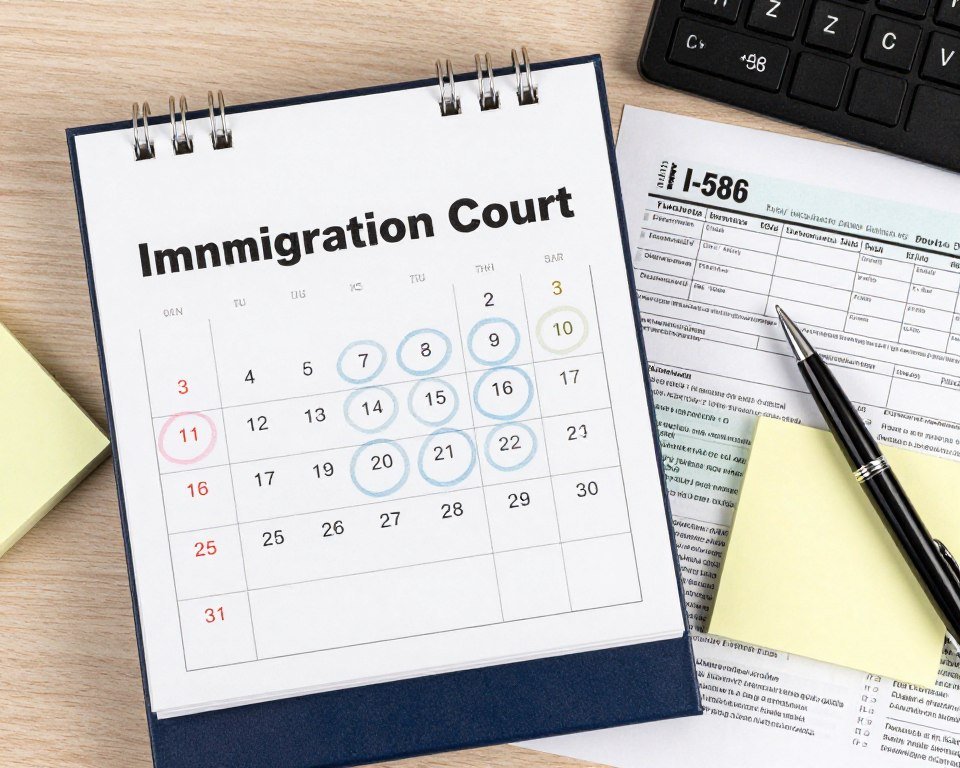
Understanding timelines and costs helps you plan appropriately for the asylum process. Processing times vary significantly based on multiple factors including which asylum office handles your case, current backlogs, and whether you apply affirmatively or defensively.
Estimated Timelines for Asylum Cases
The affirmative asylum process timeline depends heavily on the backlog at your assigned asylum office. Current processing times range from several months to several years before your asylum interview.
After your asylum interview, asylum officers have 180 days to make a decision, though delays beyond this timeframe occur frequently. If your case is referred to immigration court, additional years may pass before your individual hearing before an immigration judge.
| Stage | Affirmative Asylum | Defensive Asylum |
| Initial filing to first interview/hearing | 6 months to 3 years | 1 to 4 years |
| Interview/hearing to decision | 2 weeks to 6 months | Same day to several months |
| Appeal process (if needed) | Not applicable | 1 to 3 years at Board of Immigration Appeals |
| Work permit eligibility | 150 days after filing | Varies based on case status |
Government Filing Fees
The United States government does not charge a filing fee for Form I-589 asylum applications. This makes the asylum application process accessible to individuals fleeing persecution regardless of their financial circumstances.
However, asylum seekers incur other costs during the process. Work permit applications using Form I-765 require a filing fee, though asylum-based work permit applications may qualify for fee waivers.
- Form I-589 filing: No fee required
- Biometrics services: No fee for asylum applicants
- Form I-765 work permit: Filing fee applies (fee waiver available for asylum applicants)
- Legal representation: Varies widely (free or low-cost options available through nonprofits)
- Document translations: Costs vary by document length and language
- Medical evaluations or expert reports: Costs vary by provider
Many asylum seekers work with attorneys or accredited representatives, though legal representation is not required. Attorney fees range from pro bono services through nonprofit organizations to several thousand dollars for private immigration attorneys.
Common Mistakes to Avoid in Your Asylum Application
Asylum application errors can lead to delays, denials, or missed opportunities for protection. Understanding common mistakes helps you avoid pitfalls that jeopardize your case.
Critical Errors That Harm Asylum Cases
Missing the one-year filing deadline: The most common and serious mistake involves failing to file Form I-589 within one year of arrival in the United States. Unless you demonstrate extraordinary circumstances or changed country conditions, missing this deadline bars you from asylum eligibility.
Incomplete or inconsistent applications: Leaving sections blank, providing vague answers, or including contradictory information damages your credibility. Immigration judges and asylum officers scrutinize inconsistencies between your written application, interview testimony, and supporting documents.
Insufficient evidence: Many applicants fail to provide adequate documentation supporting their persecution claims. Generic country reports without specific evidence connecting your personal experiences to broader persecution patterns weaken your case significantly.
Failing to disclose prior immigration violations: Concealing previous visa overstays, unauthorized entries, or prior removal orders constitutes fraud. USCIS and immigration courts will discover these violations through background checks. Honesty about your immigration history, while potentially complicating your case, preserves your credibility.
Not preparing for the asylum interview: Asylum seekers who fail to review their applications before interviews often provide inconsistent testimony. Memorize key dates, locations, and details about persecution events. Practice explaining your story clearly and chronologically.
Additional Mistakes to Avoid
- Applying for asylum based solely on economic hardship or general crime rather than persecution connected to a protected ground
- Submitting documents without certified English translations when required
- Missing scheduled biometrics appointments or court hearings without requesting continuances
- Traveling outside the United States while your asylum application is pending without advance permission
- Failing to notify USCIS or the immigration court of address changes within 10 days
- Relying on fraudulent documents or misrepresenting facts, which can result in permanent bars to asylum
Tips to Improve Your Asylum Approval Chances
Strategic preparation significantly increases your likelihood of asylum approval. These practical and legal tips help you present the most compelling case possible to asylum officers and immigration judges.
Building a Strong Legal Foundation
Clearly establish persecution nexus: Your application must explicitly connect the harm you experienced or fear to one of the five protected grounds. Explain in detail how your race, religion, nationality, political opinion, or particular social group membership motivated the persecution.
Document everything thoroughly: Collect comprehensive evidence including country condition reports from reputable sources, medical records documenting physical or psychological harm, police reports, witness statements, and photographs. Quality evidence corroborates your testimony and demonstrates credible fear.
Obtain expert evaluations when appropriate: Psychological evaluations documenting trauma, medical reports detailing persecution-related injuries, or country expert affidavits strengthen complex cases. These professional assessments add objective credibility to your subjective experiences.
Practical Steps for Asylum Success
- Seek legal representation from experienced asylum attorneys or accredited representatives who understand current case law and procedural requirements
- Write a detailed personal statement describing persecution chronologically with specific dates, locations, perpetrators, and harm suffered
- Gather supporting documents immediately, as evidence becomes harder to obtain as time passes and conditions in your home country change
- Prepare thoroughly for your asylum interview by reviewing your application multiple times and practicing your testimony with your attorney
- Remain consistent in all statements across your written application, interview testimony, and any court proceedings
- Demonstrate your credibility through sincere, detailed testimony that includes both significant events and small, memorable details
- Update your application if circumstances change in your home country or you receive new evidence strengthening your case
- Maintain copies of all documents submitted and correspondence received throughout the asylum process
Understanding Asylum Officer and Judge Perspectives
Asylum officers and immigration judges evaluate credibility as a primary factor in their decisions. They assess whether your testimony appears genuine, consistent, and plausible. Small details that demonstrate personal experience carry more weight than memorized facts.
Explaining why you cannot relocate within your home country strengthens your case. Address whether government protection exists and why it proved ineffective in your situation. Immigration authorities want to understand why asylum in the United States represents your only safe option.
Important Note: Children included on your asylum application must file their own separate applications if they turn 21 before your case concludes. Monitor age-out dates carefully to preserve derivative asylum benefits for your children.
Latest Updates and Policy Changes for Asylum in 2025-2026

The asylum system in the United States continues evolving through legislative changes, court decisions, and administrative policy shifts. Staying informed about current developments helps you navigate the process effectively.
Recent Policy Developments
The Board of Immigration Appeals has issued several significant decisions affecting asylum eligibility for particular social groups. Recent case law expanded protections for domestic violence survivors and individuals persecuted based on gender identity in some circumstances, while other decisions narrowed the definition of particular social groups.
USCIS implemented new procedures affecting work permit processing for asylum seekers. Processing times for employment authorization documents based on pending asylum applications have fluctuated, impacting asylum seekers’ ability to support themselves during lengthy case adjudications.
Current Trends Affecting Asylum Seekers
Asylum office backlogs remain substantial in 2026, with some applicants waiting several years for interviews. USCIS continues hiring additional asylum officers and implementing process improvements to reduce wait times, though significant backlogs persist.
Immigration courts face even larger backlogs, with over one million pending cases nationwide. This backlog means defensive asylum cases often take multiple years to reach individual hearings before an immigration judge.
- Expedited processing available in limited circumstances including medical emergencies and applicants over age 70
- Increased scrutiny of asylum applications from certain countries with high approval rates
- Expanded use of video teleconference technology for immigration court hearings
- Enhanced background check procedures adding time to initial processing
- New guidance on credible fear determinations affecting border arrivals
Preparing for Potential Changes
Immigration policy remains subject to change through executive actions, legislation, and court decisions. File your asylum application as soon as possible rather than waiting for potential favorable policy changes. Existing applications receive protection under filing date rules even if policies change later.
Monitor official USCIS announcements and consult with immigration attorneys about how policy changes might affect your specific case. Understanding current legal standards helps you frame your application using language and arguments that align with prevailing interpretations.
Taking the Next Step in Your Asylum Journey

The asylum process in the United States offers critical protection to individuals fleeing persecution. While the system presents challenges including lengthy processing times and complex legal requirements, proper preparation significantly improves your chances of success.
Remember that filing Form I-589 within one year of arrival remains crucial unless exceptional circumstances apply. Gather comprehensive evidence documenting your persecution, connect your experiences clearly to protected grounds, and prepare thoroughly for asylum interviews or hearings.
Whether you pursue affirmative asylum through USCIS or defensive asylum in immigration court, attention to detail and consistent testimony form the foundation of credible claims. Consider seeking legal representation from experienced immigration attorneys or accredited representatives who can guide you through procedural complexities.
The journey to asylum in the United States requires patience, thorough documentation, and strategic preparation. By understanding the process, avoiding common mistakes, and presenting your case clearly, you take important steps toward securing protection and building a new life in safety.
Ready to Start Your Asylum Application?
Don’t navigate the complex asylum process alone. Our immigration experts provide comprehensive support from initial eligibility assessment through final decision. We help you build the strongest possible case and avoid critical mistakes.