

Depression in America: Understanding a Major Health Crisis
Mental health has become one of the most pressing concerns facing the United States today. Depression affects millions of Americans every year. The impact extends far beyond individual suffering. It touches families, workplaces, and entire communities across the nation.
Understanding depression starts with recognizing its scope. More than just feeling sad, depression is a serious medical condition. It changes how people think, feel, and function in daily life.
This comprehensive guide examines depression as a major health threat. We explore which age groups face the highest risk. You’ll learn about prevention strategies and treatment options. Most importantly, you’ll discover evidence-based approaches to recovery and improved mental well-being.
What Is Depression? A Clinical Definition
Depression represents more than temporary sadness or grief. Mental health professionals define depression as a mood disorder that causes persistent feelings of sadness and loss of interest. These symptoms must last at least two weeks and significantly impair daily functioning to meet diagnostic criteria.
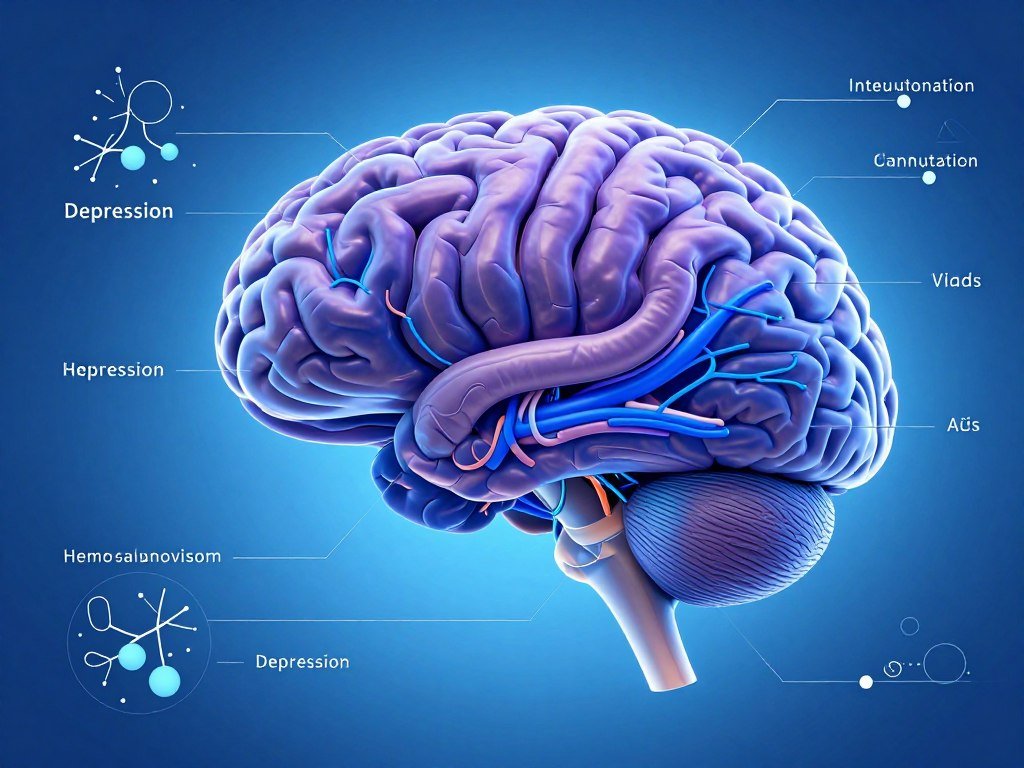
The Diagnostic and Statistical Manual of Mental Disorders recognizes several types of depression. Major depressive disorder stands as the most common form. People with this condition experience severe symptoms that interfere with work, sleep, study, and eating habits.
Other forms include persistent depressive disorder, which lasts for two years or longer. Seasonal affective disorder emerges during specific times of year. Postpartum depression affects women after childbirth. Each type shares core symptoms but differs in duration, severity, and triggers.
Core Symptoms of Major Depressive Disorder
Healthcare professionals look for specific symptoms when diagnosing depression. A person must experience at least five of these symptoms during the same two-week period. At least one symptom must be either depressed mood or loss of interest or pleasure.
- Persistent sad, anxious, or empty mood throughout the day
- Loss of interest or pleasure in hobbies and activities once enjoyed
- Significant weight loss or gain unrelated to dieting
- Sleeping too much or inability to sleep
- Feeling restless or slowed down that others can observe
- Fatigue or loss of energy nearly every day
- Feelings of worthlessness or excessive guilt
- Difficulty concentrating, thinking, or making decisions
- Recurring thoughts of death or suicide
How Depression Differs from Normal Sadness
Everyone experiences sadness at times. Life events naturally cause emotional responses. Depression differs from normal sadness in several key ways that mental health professionals recognize.
Duration
Normal sadness typically passes within days or weeks. Depression persists for at least two weeks, often lasting months or years without treatment.
- Temporary vs. persistent emotional state
- Proportional response to life events
- Natural resolution vs. requiring intervention
- Episodic vs. continuous symptoms
Severity
Sadness allows continued functioning in most areas. Depression significantly impairs work, relationships, and self-care activities.
- Manageable vs. overwhelming emotions
- Maintained function vs. impaired abilities
- Specific triggers vs. pervasive feelings
- Responsive to support vs. resistant to comfort
Physical Impact
Regular sadness rarely causes lasting physical symptoms. Depression often brings chronic pain, digestive issues, and sleep disruption.
- Emotional only vs. physical manifestations
- Normal energy vs. persistent fatigue
- Maintained appetite vs. eating changes
- Regular sleep vs. insomnia or hypersomnia
Thoughts
Sadness maintains realistic thinking patterns. Depression distorts thoughts toward negativity, hopelessness, and sometimes self-harm.
- Balanced perspective vs. negative filter
- Hope for future vs. persistent hopelessness
- Self-compassion vs. harsh self-criticism
- Life-affirming vs. thoughts of death
Why Depression Is a Major Threat to U.S. Health
Depression ranks among the leading causes of disability worldwide. In the United States, major depressive disorder affects approximately 21 million adults. This represents 8.4 percent of the adult population who experience at least one major depressive episode annually.
The economic burden reaches staggering proportions. Depression costs the U.S. economy over $210 billion each year. These costs include medical expenses, workplace productivity losses, and increased use of health services. Direct treatment costs account for only about half this total. The remainder comes from lost productivity and decreased functioning.
Physical Health Consequences
Depression creates serious physical health risks beyond mental symptoms. Research consistently shows strong connections between depression and major medical conditions. People with depression face significantly higher rates of cardiovascular disease. The risk of heart disease increases by 64 percent among those with major depression.
The immune system weakens during depressive episodes. This leaves people more vulnerable to infections and slower to heal from illness or injury. Chronic inflammation levels rise. This inflammation contributes to numerous health problems including diabetes, arthritis, and some cancers.
Pain sensitivity increases with depression. Many people experience unexplained physical pain, headaches, digestive problems, and muscle aches. These physical symptoms often persist even when mood symptoms improve. Some individuals seek treatment for physical complaints without recognizing underlying depression.
Impact on Daily Functioning
Depression severely impairs ability to complete everyday tasks. Work performance declines noticeably. Adults with depression miss an average of 10.5 workdays per year due to the condition. Beyond absenteeism, presenteeism costs even more. People attend work but function at reduced capacity.
Relationships suffer under the weight of depression. Communication becomes difficult. Interest in social activities disappears. Family members and friends struggle to understand behavioral changes. Isolation increases as people withdraw from support networks. This creates a harmful cycle where loneliness worsens depression symptoms.
Self-care activities receive less attention. Basic hygiene may be neglected. Nutrition suffers as people skip meals or choose unhealthy options. Exercise routines stop. Sleep patterns become disrupted. These changes further compound depression’s effects on physical and mental health.
Mortality Risks
Depression carries serious mortality risks. People with major depressive disorder face elevated suicide risk. Approximately 60 percent of people who die by suicide have experienced mood disorders. In the United States, suicide represents the 12th leading cause of death overall. Among young people aged 10-34, suicide ranks as the second leading cause of death.
Depression also increases risk of death from other causes. Studies show 40 percent higher mortality rates among people with depression compared to the general population. Cardiovascular events, infections, and complications from chronic diseases occur more frequently. Treatment adherence for other medical conditions often decreases during depressive episodes.
Age Groups Most Affected by Depression in America
Depression strikes people of all ages. However, prevalence rates vary significantly across different age groups. Understanding these patterns helps target prevention and treatment efforts more effectively.
Adolescents Ages 12-17
Young people face alarming depression rates. Data shows 20.1 percent of U.S. adolescents experienced at least one major depressive episode in 2021. This represents approximately 5 million teenagers. The prevalence has increased dramatically over the past decade.
Female adolescents show significantly higher rates than males. About 29 percent of teenage girls experience depression compared to 13 percent of teenage boys. Social media pressures, academic stress, and hormonal changes contribute to elevated risk during these years.
Adolescent depression often goes unrecognized or untreated. Only 41 percent of youth with depression receive treatment. Many teenagers struggle to articulate their feelings. Parents and educators may dismiss symptoms as typical teenage moodiness. Early intervention during these formative years proves crucial for long-term outcomes.
Young Adults Ages 18-25
Young adulthood represents the peak period for depression onset. Adults aged 18-25 show the highest prevalence rates at 18.6 percent. This age group faces unique stressors as they transition to independence. College pressures, career uncertainty, relationship changes, and financial stress pile up simultaneously.
This demographic also faces significant treatment gaps. Many lose access to pediatric mental health services. College counseling centers report overwhelming demand. Young adults often lack health insurance or financial resources for private care. Geographic mobility disrupts continuity of care.
The COVID-19 pandemic particularly affected this age group. Social isolation during critical developmental years intensified mental health challenges. Many young adults experienced disrupted education, limited job opportunities, and reduced social connections during formative life stages.
Working-Age Adults 26-49
Middle-aged adults experience depression at rates around 9.2 percent. Work-related stress reaches peak levels during these years. People juggle career demands, family responsibilities, and financial obligations. The pressure to provide for children while caring for aging parents creates substantial stress.
Economic factors play significant roles. Job insecurity, underemployment, and financial strain contribute to depression risk. People in this age group face unique barriers to treatment. Time constraints from work and family limit ability to attend therapy. Concerns about job security prevent taking mental health days.
Older Adults Ages 50 and Above
Depression rates decrease slightly in older populations, with prevalence around 4.5 percent for adults over 60. However, these statistics likely underestimate true rates. Depression in older adults often goes undiagnosed. Symptoms may be attributed to normal aging or physical illness.
Older adults face distinct depression risk factors. Chronic illness, physical disability, and pain contribute significantly. Loss of independence triggers mood changes. Bereavement becomes more common as friends and family members pass away. Social isolation increases as mobility decreases and social networks shrink.
Late-life depression carries serious consequences. Cognitive decline accelerates. Physical health deteriorates more rapidly. Recovery from illness and surgery slows. Suicide rates among older adults, particularly white males over 75, remain alarmingly high.
Key Takeaway
While depression affects all age groups, young adults ages 18-25 show the highest prevalence at 18.6%. Adolescents follow closely with rates exceeding 20%. Each age group faces unique risk factors and barriers to treatment that require targeted intervention approaches.
How Depression Becomes Overwhelming in the United States
Several systemic factors in American society contribute to depression becoming severe and difficult to manage. Understanding these elements helps explain why mental health conditions often spiral out of control despite available resources.

Healthcare System Barriers
The U.S. mental health system faces critical shortages. More than 160 million Americans live in areas designated as mental health professional shortage areas. Rural communities particularly struggle with limited access to psychiatric care. Some regions have no psychiatrists within 100 miles.
Insurance coverage creates significant obstacles. Mental health services often face higher co-pays and deductibles than physical health care. Many mental health professionals don’t accept insurance due to low reimbursement rates. This forces patients to pay out-of-pocket costs reaching $100-300 per therapy session.
Wait times for initial psychiatric appointments average 25 days nationally. In some areas, the wait extends to several months. During this delay, conditions worsen. Crisis situations develop. People give up on seeking help due to frustration with the system.
Economic Pressures
Financial stress strongly correlates with depression. Americans face unique economic pressures compared to other developed nations. Healthcare costs consume larger portions of income. Student loan debt averages $37,000 per borrower. Housing costs have outpaced wage growth for decades.
Work culture intensifies economic anxiety. The United States provides no federally mandated paid sick leave, vacation time, or parental leave. Many people cannot afford to take time off for mental health care. The fear of job loss prevents people from seeking treatment or taking necessary breaks.
Income inequality creates additional stress. Data reveals higher depression rates among low-income populations. Adults with family income below the federal poverty level experience depression at rates of 15.8 percent. This compares to 4.0 percent among those at or above 400 percent of poverty level.
Social Isolation and Loneliness
American culture emphasizes individualism and self-reliance. This cultural trait can isolate people struggling with mental health. Community bonds have weakened over recent decades. Extended family networks often live far apart. Many people lack close friendships or social support systems.
Geographic mobility disrupts social connections. Americans move an average of 11.7 times during their lifetime. Each relocation requires rebuilding social networks from scratch. This constant upheaval prevents development of deep, lasting relationships that buffer against depression.
Digital technology paradoxically increases isolation. Despite constant connectivity, meaningful face-to-face interactions decrease. Social media creates curated versions of reality that trigger comparison and inadequacy. Screen time replaces in-person social activities that naturally boost mood.
Cultural Stigma
Mental health stigma remains pervasive despite growing awareness. Many people view depression as weakness rather than illness. This belief prevents seeking help. Approximately 60 percent of adults with mental illness receive no treatment.
Workplace stigma particularly affects help-seeking behavior. People fear professional consequences if colleagues learn about mental health treatment. Concerns about career advancement, job security, and professional reputation keep people silent about struggles.
Certain demographic groups face heightened stigma. Men receive cultural messages to suppress emotions and avoid vulnerability. Minority communities may distrust medical systems due to historical mistreatment. These factors compound existing barriers to care.
The COVID-19 Pandemic Impact
The pandemic dramatically worsened mental health across the United States. Social isolation measures, while necessary for physical health, severely impacted psychological well-being. Depression prevalence tripled during the pandemic’s peak compared to pre-pandemic levels.
Economic disruption from the pandemic created widespread anxiety. Job losses affected 20 million Americans. Business closures ended careers and livelihoods. Financial uncertainty persists years later. These stressors continue affecting mental health long after initial lockdowns ended.
Healthcare disruptions interrupted existing mental health treatment. Many people lost access to therapy and medication management. Telehealth expanded but doesn’t work equally well for everyone. Some conditions require in-person care that became unavailable.
Grief from the pandemic remains unprocessed for many. Over one million Americans died from COVID-19. Countless others lost loved ones. Traditional mourning rituals were impossible during lockdowns. This collective trauma continues manifesting as depression and other mental health conditions.
Evidence-Based Depression Prevention Strategies
While not all depression can be prevented, research identifies effective strategies that reduce risk and severity. Prevention approaches work best when implemented at multiple levels – individual, community, and societal.

Early Intervention Programs
Identifying at-risk individuals before depression develops proves highly effective. School-based mental health screening catches problems early in adolescents. Universal screening in primary care settings identifies adults showing initial symptoms. Early intervention prevents progression to major depressive disorder.
Preventive therapy programs teach coping skills to at-risk populations. Cognitive behavioral therapy techniques help people recognize and change negative thought patterns. These interventions reduce depression incidence by approximately 25-30 percent among high-risk groups.
Perinatal screening prevents postpartum depression. Healthcare providers can identify women at elevated risk during pregnancy. Preventive counseling and support services reduce postpartum depression rates significantly. This protects both maternal and infant health.
Stress Management and Resilience Building
Teaching stress management skills builds resilience against depression. Mindfulness meditation reduces depression risk by helping people respond to stress more adaptively. Regular practice changes brain patterns associated with emotional regulation.
Problem-solving skills training helps people address life challenges effectively. Learning to break problems into manageable steps reduces feeling overwhelmed. This approach particularly helps people facing chronic stressors like financial difficulties or relationship problems.
Time management and boundary-setting skills prevent burnout. Americans work longer hours than most developed nations. Learning to balance work and personal life protects mental health. Setting appropriate boundaries with work demands reduces chronic stress.
Social Connection and Community Support
Strong social relationships significantly reduce depression risk. People with robust social networks show 50 percent lower depression rates than socially isolated individuals. Community involvement provides purpose, belonging, and practical support during difficult times.
Volunteer activities offer particular protective benefits. Helping others creates meaning and perspective. Regular volunteering associates with improved mood and reduced depression symptoms. Even a few hours monthly provides measurable benefits.
Support groups connect people facing similar challenges. Whether for chronic illness, grief, or life transitions, peer support reduces isolation. Sharing experiences normalizes struggles and provides practical coping strategies.
Physical Health Maintenance
Regular physical activity powerfully protects against depression. Exercise produces immediate mood improvements through endorphin release. Long-term, consistent physical activity reduces depression risk by 30 percent. Both aerobic exercise and strength training provide benefits.
Sleep hygiene practices prevent mood disorders. Most adults need seven to nine hours nightly. Consistent sleep schedules, dark quiet rooms, and limiting screens before bed improve sleep quality. Poor sleep strongly predicts depression development.
Nutrition affects mental health substantially. Diets high in processed foods, sugar, and unhealthy fats increase depression risk. Mediterranean-style eating patterns rich in fruits, vegetables, whole grains, and omega-3 fatty acids reduce risk by 30 percent.
Substance Use Prevention
Avoiding excessive alcohol consumption prevents depression. Alcohol acts as a depressant affecting brain chemistry. Heavy drinking more than doubles depression risk. Limiting alcohol to moderate levels protects mental health.
Drug use prevention programs reduce depression risk. Substance abuse and depression frequently co-occur. Early drug use, particularly during adolescence, increases lifetime depression risk. Prevention education helps young people avoid substances that damage developing brains.
Systemic and Policy Approaches
Workplace wellness programs reduce employee depression. Flexible work arrangements, mental health days, and employee assistance programs support mental health. Organizational cultures that reduce stigma encourage help-seeking before problems escalate.
Universal healthcare access prevents untreated depression. Countries with comprehensive health coverage show lower depression-related disability. Removing financial barriers to care allows early treatment when interventions work best.
Economic policies that reduce poverty prevent depression. Income support programs, affordable housing, and living wages address root causes of stress-related depression. Public health approaches recognize socioeconomic factors as major determinants of mental health.
Is Therapy or Medicine Really Helpful? Treatment Effectiveness
Depression treatment works. Decades of research consistently demonstrate that both psychotherapy and medication effectively reduce depression symptoms. Understanding treatment options helps people make informed decisions about their care.

Psychotherapy Effectiveness
Talk therapy significantly reduces depression symptoms for most people. Approximately 75 percent of people who enter therapy show some benefit. For mild to moderate depression, psychotherapy alone often proves sufficient without medication.
Cognitive behavioral therapy shows particularly strong evidence. CBT helps people identify negative thought patterns and develop healthier thinking habits. Research shows CBT reduces depression as effectively as antidepressant medication. Benefits often persist long after therapy ends as people continue using learned skills.
Interpersonal therapy focuses on relationship problems contributing to depression. This approach helps people improve communication skills and resolve interpersonal conflicts. Studies show interpersonal therapy works as well as medication for many individuals. Sessions typically continue for 12-16 weeks.
Psychodynamic therapy explores how past experiences affect current patterns. This longer-term approach examines unconscious processes influencing mood and behavior. While research is less extensive than for CBT, psychodynamic therapy shows benefits for chronic depression and personality factors underlying mood problems.
Antidepressant Medication
Antidepressant medications help approximately 60-70 percent of people who take them. These drugs work by adjusting neurotransmitter levels in the brain. Several medication classes exist, each working through different mechanisms.
Selective serotonin reuptake inhibitors represent the most commonly prescribed type. SSRIs include medications like fluoxetine, sertraline, and escitalopram. These drugs generally cause fewer side effects than older antidepressants. Most people tolerate them well.
Serotonin-norepinephrine reuptake inhibitors affect two neurotransmitter systems. SNRIs like venlafaxine and duloxetine may work when SSRIs prove ineffective. They can be particularly helpful for people experiencing both depression and chronic pain.
Medication requires patience. Antidepressants typically take 4-6 weeks to reach full effectiveness. Some people notice improvements within 2-3 weeks. Others need to try multiple medications before finding the right one. This trial process frustrates many people but persistence usually pays off.
Side effects vary by medication and individual. Common initial side effects include nausea, headache, or sleep changes. Most side effects diminish after the first few weeks. Sexual side effects persist longer for some medications. Working closely with a prescriber helps manage side effects and find the best medication.
Combination Treatment
Combining therapy and medication often works better than either alone. For moderate to severe depression, combination treatment shows superior outcomes. The medication provides biological support while therapy teaches coping skills.
Research comparing treatment approaches reveals interesting patterns. For mild depression, therapy alone often suffices. For severe depression, medication becomes more crucial. For chronic or recurrent depression, long-term combination treatment prevents relapse most effectively.
Treatment duration matters significantly. Many people stop treatment too soon after symptoms improve. Continuing therapy for several months after recovery prevents relapse. Medication typically continues for 6-12 months after symptom resolution. People with multiple episodes may need longer-term treatment.
Alternative and Complementary Approaches
Several non-traditional treatments show promise for depression. Light therapy effectively treats seasonal affective disorder. Daily exposure to bright artificial light alleviates winter depression for most sufferers.
Exercise functions as legitimate treatment, not just prevention. Studies comparing exercise to antidepressants show similar effectiveness for mild to moderate depression. Regular aerobic activity produces brain changes that improve mood. Exercise combined with traditional treatment enhances outcomes.
Transcranial magnetic stimulation offers options for treatment-resistant depression. TMS uses magnetic pulses to stimulate specific brain regions. This FDA-approved treatment helps approximately 50 percent of people who don’t respond to medication. Treatment requires daily sessions for 4-6 weeks.
Electroconvulsive therapy remains the most effective treatment for severe depression. Despite its controversial history, modern ECT is safe and causes fewer side effects than many medications. It works faster than other treatments, which proves crucial for severe cases.
What Doctors Are Saying
Mental health professionals emphasize personalized treatment approaches. No single treatment works for everyone. What helps one person may not help another. Finding the right combination requires collaboration between patient and provider.
Psychiatrists stress the importance of treating depression as a medical illness. Just as people take medication for diabetes or high blood pressure, treating depression’s biological aspects makes sense. Medication doesn’t represent weakness or failure.
Psychologists highlight therapy’s unique benefits. While medication manages symptoms, therapy addresses underlying patterns and develops lasting skills. Learning to think and behave differently provides tools people use throughout life.
Primary care doctors note most depression treatment occurs in general medical settings. Family physicians prescribe the majority of antidepressants. They emphasize the importance of follow-up and monitoring. Depression treatment requires ongoing attention, not just an initial prescription.
All providers agree on key points. Early treatment produces better outcomes. Completing full treatment courses prevents relapse. Maintaining treatment during recovery protects gains made. Regular exercise, good sleep, and social connection enhance any treatment approach.
Depression Statistics Over 100 Years in the United States
Tracking depression across a century reveals changing patterns of diagnosis, treatment, and societal understanding. Historical data must be interpreted carefully. Diagnostic criteria evolved significantly. Stigma affected reporting. Treatment availability varied dramatically across decades.

Early 20th century records remain incomplete. Mental health diagnoses followed different criteria than today. Many people with depression never sought help or received misdiagnoses. Rates appeared artificially low due to massive underreporting.
The mid-century period brought new treatments but continued stigma. Psychiatric hospitals housed many people who today would receive outpatient care. Community mental health expanded gradually. Awareness increased but slowly.
Modern decades show rising reported rates. Better diagnostic tools identify more cases. Reduced stigma encourages help-seeking. However, true prevalence may not have increased as dramatically as statistics suggest. We simply recognize and count depression better now.
| Decade | Estimated Prevalence | Diagnosis Rate | Treatment Access | Key Developments |
| 1920s | Unknown | Very Low | Minimal | Depression called “melancholia” and poorly understood |
| 1930s | 1-2% | Very Low | Limited | Great Depression era, high suicide rates |
| 1940s | 2-3% | Low | Limited | WWII combat fatigue recognized, early psychotherapy |
| 1950s | 3-4% | Low | Moderate | First antidepressant medications discovered |
| 1960s | 4-5% | Moderate | Moderate | Community Mental Health Act, deinstitutionalization begins |
| 1970s | 5-6% | Moderate | Improving | Cognitive therapy developed, diagnosis becomes more standardized |
| 1980s | 6-7% | Increasing | Good | DSM-III standardizes criteria, Prozac approved 1987 |
| 1990s | 7-8% | High | Good | SSRI era, direct-to-consumer advertising begins |
| 2000s | 7-9% | High | Good | Mental Health Parity Act 2008, screening increases |
| 2010s | 8-10% | Very High | Variable | Affordable Care Act expands coverage, teen rates surge |
| 2020s | 9-12% | Very High | Variable | COVID-19 pandemic impact, telehealth expansion |
Important Note on Historical Data
Depression statistics before 1980 should be interpreted with caution. Diagnostic criteria changed significantly. Social stigma prevented many people from seeking help. Record-keeping varied widely. Earlier decades likely experienced higher actual prevalence than recorded data indicates.
Can People Recover Fully or Is Depression Chronic?
This question matters deeply to people facing depression. The answer provides both hope and realistic expectations. Depression recovery exists on a spectrum. Some people experience single episodes and fully recover. Others manage chronic, recurring depression throughout life.

Single Episode Depression
Approximately 50 percent of people who experience major depression have only one episode in their lifetime. These individuals respond to treatment and return to their previous level of functioning. After completing treatment, they resume normal activities without ongoing symptoms.
Single episodes often follow identifiable stressors. Loss of a loved one, relationship breakup, job loss, or major life transitions trigger the episode. Once the person processes the event and learns coping strategies, depression resolves. These individuals typically don’t require long-term treatment.
Full recovery from single episodes is possible and common. With appropriate treatment, symptoms disappear completely. People return to enjoying activities they once found pleasurable. Energy levels normalize. Concentration improves. Relationships strengthen.
Recurrent Depression
The other 50 percent of people experience multiple episodes across their lifetime. Each episode increases risk of future episodes. After two episodes, recurrence risk reaches 70 percent. After three episodes, the likelihood rises to 90 percent.
Recurrent depression follows various patterns. Some people experience episodes years apart with complete wellness between. Others have more frequent episodes. A small percentage develops chronic depression where symptoms never fully resolve.
Pattern recognition helps predict and prevent episodes. Many people notice warning signs before full relapse. Identifying personal triggers allows preventive action. Sleep disruption often signals impending episodes. Mood changes, decreased interest in activities, or increased irritability may precede major symptoms.
Chronic Depression Management
Persistent depressive disorder lasts two years or longer. Symptoms remain continuously present but may fluctuate in intensity. People with this condition learn to function despite ongoing challenges.
Management rather than cure becomes the goal for chronic depression. Like diabetes or hypertension, persistent depression requires ongoing treatment. Medication often continues indefinitely. Regular therapy helps maintain coping skills and prevent worsening.
Quality of life with chronic depression varies significantly. Some people achieve near-normal functioning with consistent treatment. Others struggle more despite best efforts. Finding the right treatment combination takes time and patience.
Factors Affecting Recovery
Several factors influence depression outcomes. Early treatment improves prognosis significantly. People who receive help during first episodes have better long-term outcomes than those whose initial episodes go untreated.
Treatment adherence strongly predicts recovery. Completing full medication courses and attending all therapy sessions produces better results. People who stop treatment prematurely experience higher relapse rates.
Social support affects recovery substantially. People with strong relationships recover faster and maintain wellness longer. Isolation worsens outcomes. Family involvement in treatment often helps.
Co-occurring conditions complicate recovery. Anxiety disorders, substance abuse, or chronic physical illnesses make depression harder to treat. Addressing all conditions simultaneously produces better outcomes than treating depression alone.
Relapse Prevention
Preventing relapse requires active ongoing effort. Continuing medication even after symptoms resolve prevents recurrence. Most psychiatrists recommend maintaining antidepressants for 6-12 months after recovery from first episodes. People with multiple episodes may need longer treatment.
Maintenance therapy sessions help sustain progress. Monthly or quarterly therapy appointments allow monitoring for early warning signs. Therapists help people handle new stressors before they trigger episodes.
Lifestyle factors support relapse prevention. Regular exercise, consistent sleep schedules, and stress management techniques help maintain stability. Avoiding alcohol and drugs protects mental health. Maintaining social connections provides support during difficult periods.
Stories of Recovery
Many people achieve full recovery and live fulfilling lives. Successful depression treatment allows people to pursue careers, maintain relationships, and find meaning. Recovery doesn’t always mean returning to exactly who they were before depression. Many people report positive personal growth through the recovery process.
People learn valuable skills managing depression. Self-awareness increases. Coping strategies developed during treatment help with other life challenges. Many individuals develop increased empathy and emotional intelligence.
Advocacy work helps many recovered individuals find purpose. Sharing experiences reduces stigma and offers hope to others. Many mental health professionals chose their careers after personal experiences with depression.
Lifestyle Factors That Lead to Depression
Multiple lifestyle elements influence depression risk. While not everyone who engages in unhealthy behaviors develops depression, certain patterns significantly increase vulnerability. Understanding these factors empowers people to make protective choices.

Poor Sleep Patterns
Sleep problems and depression create a bidirectional relationship. Insufficient sleep increases depression risk while depression disrupts sleep. Americans increasingly suffer from chronic sleep deprivation. Adults average only 6.8 hours nightly, below the recommended seven to nine hours.
Irregular sleep schedules confuse circadian rhythms. Shift work particularly disrupts natural sleep-wake cycles. Late-night screen use suppresses melatonin production. Caffeine consumption late in the day interferes with falling asleep.
Sleep quality matters as much as quantity. Fragmented sleep prevents restorative deep sleep stages. Sleep apnea affects 30 million Americans, causing repeated wakings and poor sleep quality. Treating sleep disorders often improves mood significantly.
Sedentary Lifestyle
Physical inactivity strongly correlates with depression. Americans spend an average of 6.5 hours daily sitting. Sedentary behavior reduces endorphin production that naturally elevates mood. Lack of physical activity contributes to obesity, which further increases depression risk.
Modern work culture promotes sedentary behavior. Office jobs require prolonged sitting. Commuting adds more sitting time. Evening leisure activities often involve screens rather than movement. This creates an activity deficit throughout the entire day.
Children and adolescents show declining physical activity levels. Only 24 percent of youth meet recommended daily activity guidelines. Early establishment of sedentary patterns predicts adult inactivity and associated health risks including depression.
Poor Dietary Habits
Standard American diet patterns increase depression risk. High consumption of processed foods, refined sugars, and unhealthy fats associates with elevated depression rates. These foods cause inflammation and blood sugar instability that affect mood.
Nutritional deficiencies contribute to depression vulnerability. Many Americans lack adequate omega-3 fatty acids, vitamin D, B vitamins, and magnesium. These nutrients play crucial roles in brain function and mood regulation.
Irregular eating patterns disrupt blood sugar levels. Skipping meals causes energy crashes and mood swings. Late-night eating interferes with sleep quality. Chronic dieting and restrictive eating patterns can trigger or worsen depression.
Excessive Alcohol Consumption
Alcohol functions as a central nervous system depressant. While initially creating relaxation, alcohol ultimately worsens depression. Heavy drinking more than doubles depression risk. Approximately 40 percent of people with alcohol use disorder experience major depression.
Binge drinking culture particularly affects young adults. College students average five drinks per session during binge episodes. This pattern disrupts brain chemistry development during critical years. Long-term consequences include increased depression vulnerability.
Self-medication with alcohol creates a destructive cycle. People drink to temporarily escape depression symptoms. Alcohol provides brief relief followed by worsened mood. This pattern reinforces alcohol dependence while depression deepens.
Social Media and Screen Time
Heavy social media use correlates with increased depression, especially among adolescents. Studies show people spending more than three hours daily on social platforms experience double the depression risk of light users. Comparison with curated online personas triggers inadequacy feelings.
Cyberbullying affects millions of young people annually. Online harassment causes severe psychological distress. Victims experience rates of depression and suicide far exceeding the general population. The permanence and public nature of online attacks intensifies trauma.
Screen time displaces activities that protect mental health. Hours spent on devices replace physical activity, face-to-face social interaction, and outdoor time. The passive nature of screen-based entertainment provides less satisfaction than active engagement.
Work-Life Imbalance
American work culture prioritizes productivity over wellness. Many professionals work 50-60 hours weekly. Constant connectivity through smartphones blurs boundaries between work and personal time. This chronic stress depletes resilience and increases depression risk.
Job stress stems from multiple sources. High demands with low control creates particularly toxic conditions. Workplace bullying affects approximately 30 percent of workers. Job insecurity and fear of unemployment maintain constant background anxiety.
Lack of vacation time contributes to burnout. The United States remains the only developed nation without mandated paid vacation. Many employees don’t use available time off due to workplace pressure. This prevents necessary recovery and restoration.
Environmental Factors
Limited exposure to natural environments affects mental health. Urban living reduces contact with nature. Studies show spending time in green spaces reduces depression risk by 10 percent. Natural light exposure regulates mood through circadian rhythm effects.
Noise pollution creates chronic stress. Traffic noise, construction sounds, and urban din elevate stress hormones. Chronic noise exposure associates with increased depression and anxiety rates in urban populations.
Air pollution affects brain health directly. Particulate matter crosses the blood-brain barrier causing inflammation. Research links air pollution exposure to increased depression risk. Urban areas with high pollution show elevated mental health disorder rates.
Social Isolation
Loneliness rivals smoking as a health risk factor. Approximately 36 percent of Americans experience serious loneliness. Social isolation activates stress responses and promotes inflammation. Chronic loneliness increases depression risk by 50 percent.
Modern living arrangements reduce social contact. Single-person households have increased dramatically. Geographic mobility separates people from family support networks. Suburban design limits spontaneous social interactions.
Digital communication cannot fully replace in-person contact. Face-to-face interaction provides nonverbal cues and physical presence important for bonding. Over-reliance on digital communication leaves social needs partially unmet despite constant connectivity.
Habits That Can Improve Mental Well-Being
Small daily practices create significant mental health benefits over time. These evidence-based habits work synergistically to build resilience, improve mood, and protect against depression. Implementing even a few of these strategies provides measurable benefits.

Regular Physical Activity
Exercise functions as powerful medicine for mental health. Just 30 minutes of moderate activity most days provides substantial mood benefits. Walking, swimming, cycling, or dancing all work effectively. The key is consistency rather than intensity.
Morning exercise offers particular advantages. Physical activity early in the day boosts energy levels and improves focus throughout the day. Morning workouts also establish consistent routines that support mental health.
Group exercise adds social connection benefits. Joining fitness classes or sports teams combines physical and social wellness. The accountability of scheduled activities helps maintain consistency.
Consistent Sleep Schedule
Maintaining regular sleep and wake times regulates circadian rhythms. Going to bed and waking at the same times daily, even on weekends, improves sleep quality. This consistency helps regulate mood and energy levels.
Creating a bedtime routine signals the body to prepare for sleep. Dimming lights an hour before bed helps melatonin production. Avoiding screens during this wind-down period improves sleep onset. Reading, gentle stretching, or meditation make excellent pre-sleep activities.
Optimizing the sleep environment enhances rest quality. Cool temperatures between 60-67 degrees promote better sleep. Complete darkness or blackout curtains help. White noise machines mask disruptive sounds. Comfortable mattresses and pillows support physical rest.
Nutritious Eating Patterns
Mediterranean-style diets show strong mental health benefits. Emphasizing fruits, vegetables, whole grains, legumes, nuts, and olive oil provides nutrients supporting brain function. Including fatty fish twice weekly supplies omega-3 fatty acids crucial for mood regulation.
Regular meal timing stabilizes blood sugar and energy. Eating breakfast within an hour of waking jumpstarts metabolism and provides sustained energy. Spacing meals every three to four hours prevents energy crashes that affect mood.
Limiting processed foods and added sugars reduces inflammation. These foods cause blood sugar spikes and crashes that create mood instability. Whole foods provide steady energy and better nutritional value.
Mindfulness and Meditation
Daily mindfulness practice reduces stress and improves emotional regulation. Even five minutes of focused breathing provides benefits. Longer sessions of 20-30 minutes produce more substantial effects. Regular practice literally changes brain structure over time.
Mindfulness meditation teaches present-moment awareness. This skill helps people observe thoughts without judgment. The practice reduces rumination and worry that fuel depression. Apps like Headspace or Calm provide guided sessions for beginners.
Body scan meditations connect mind and body. Systematically noticing physical sensations builds awareness and reduces stress. This practice helps identify tension before it becomes overwhelming.
Social Connection
Prioritizing face-to-face social interaction protects mental health. Scheduling regular contact with friends and family provides essential support. Even brief interactions boost mood through human connection.
Joining community groups creates belonging and purpose. Book clubs, volunteer organizations, religious communities, or hobby groups provide structured social contact. These activities connect people with shared interests.
Reaching out during difficult times strengthens relationships. Vulnerability allows others to provide support. Accepting help builds connections rather than weakening them as many people fear.
Gratitude Practice
Daily gratitude exercises shift focus toward positive experiences. Writing three things you’re grateful for each evening trains attention toward good aspects of life. This simple practice significantly improves mood and life satisfaction.
Gratitude letters deepen relationships and boost happiness. Writing detailed letters expressing appreciation to important people creates lasting positive effects. Whether delivered or not, the writing process provides benefits.
Savoring positive experiences extends their benefits. Pausing to fully experience pleasant moments makes them more memorable and impactful. Taking mental photographs of good moments reinforces positive neural pathways.
Time in Nature
Regular outdoor time reduces depression and anxiety. Forest bathing, the practice of mindful time in nature, shows measurable stress reduction. Even 20 minutes in green spaces provides benefits.
Outdoor exercise combines movement and nature benefits. Walking in parks offers greater mental health benefits than walking in urban environments. Natural settings promote relaxation and restoration.
Gardening provides multiple wellness benefits. Physical activity, time outdoors, nurturing living things, and accomplishment all contribute. Container gardening works for those without yards.
Purpose and Meaning
Engaging in meaningful activities protects against depression. Volunteer work provides purpose while connecting with others. Helping others creates perspective and satisfaction.
Creative pursuits offer expression and accomplishment. Art, music, writing, or crafts provide outlets for emotions. The process matters more than the product for mental health benefits.
Setting and pursuing goals creates forward momentum. Breaking large goals into small steps makes progress achievable. Celebrating small victories builds confidence and motivation.
Limiting Alcohol and Substances
Reducing alcohol consumption improves mood stability. Limiting intake to moderate levels or abstaining completely allows brain chemistry to stabilize. Many people notice significant mood improvements within weeks of reducing drinking.
Avoiding recreational drugs protects brain health. Cannabis use, while legal in many states, can worsen depression for some individuals. Stimulants create artificial highs followed by depressive crashes.
Professional Mental Health Support
Regular therapy provides ongoing mental health maintenance. Monthly or quarterly sessions help process challenges before they become overwhelming. Think of therapy like dental check-ups—preventive care rather than crisis intervention.
Building a relationship with a therapist creates a resource during difficult times. Established therapeutic relationships allow quicker intervention when problems arise. The therapist already knows your history and patterns.
Moving Forward: Hope and Action
Depression in America represents a significant public health challenge affecting millions of people across all demographics. The statistics reveal increasing prevalence, particularly among young adults and adolescents. However, understanding these numbers within context provides important perspective.

Rising reported rates partly reflect improved recognition rather than solely increasing incidence. Better diagnostic tools identify cases previously missed. Reduced stigma encourages more people to seek help. These represent positive developments in mental health care.
The evidence clearly shows depression is treatable. Therapy works. Medication helps. Lifestyle changes provide substantial benefits. Most people who receive appropriate treatment experience significant improvement. Recovery is possible and common.
Prevention strategies offer hope for reducing future rates. Early intervention programs catch problems before they escalate. Building resilience through healthy habits protects against depression. Addressing systemic factors like healthcare access and economic inequality reduces risk at population levels.
Individual actions matter significantly. The habits discussed throughout this article provide concrete steps anyone can implement. Small changes accumulate into substantial impacts on mental well-being. Starting with even one or two practices begins the journey toward better mental health.
Community and social connection form the foundation of mental wellness. Humans evolved as social creatures requiring regular interaction. Modern life sometimes works against these natural needs. Intentionally building and maintaining relationships protects mental health.
Professional help remains available for those struggling. Mental health services exist throughout the country. While access barriers persist, resources like community health centers, sliding-scale therapy, and telehealth expand options. Reaching out for help represents strength, not weakness.
The path forward requires collective effort. Individual wellness practices combine with systemic improvements in mental health care. Continuing to reduce stigma encourages help-seeking. Policy changes that address root causes like poverty and healthcare access create healthier society overall.
Depression challenges millions of Americans, but it does not define them. Behind every statistic exists a person with unique experiences, strengths, and potential. With proper support, treatment, and self-care, people with depression lead fulfilling, meaningful lives. The journey may be difficult, but hope and healing remain possible.
Comprehensive Mental Health Resources
Accessing appropriate support represents a crucial step in managing depression. Multiple organizations provide services tailored to different needs. These resources offer various forms of assistance from crisis intervention to ongoing support.
Crisis Support
Immediate help available 24/7 for mental health emergencies.
- 988 Suicide & Crisis Lifeline
- Crisis Text Line – Text HELLO to 741741
- Veterans Crisis Line – Press 1 after calling 988
- Trevor Project (LGBTQ+ Youth) – 1-866-488-7386
Find Professional Help
Locate qualified mental health professionals and treatment facilities.
- SAMHSA Treatment Locator
- Psychology Today Therapist Directory
- NAMI HelpLine – 1-800-950-6264
- Substance Abuse & Mental Health Services
Support Communities
Connect with others who understand your experience.
- NAMI Support Groups
- Depression and Bipolar Support Alliance
- Mental Health America Peer Programs
- Online support communities
Remember
Seeking help is a sign of strength, not weakness. Depression is a medical condition that responds to treatment. You deserve support, and recovery is possible. Take the first step today—whether that’s calling a helpline, scheduling a screening, or simply reaching out to someone you trust.