Dual Citizenship USA: Complete Guide to Rules and Requirements in 2026
Understanding dual citizenship USA rules has become increasingly important in 2026. More people than ever are exploring the possibility of holding citizenship in multiple countries.
The United States does not prohibit dual citizenship. This means you can be a citizen of the United States and another country at the same time.
However, recent discussions around the citizenship act 2025 and proposals to ban dual citizenship have created confusion. Many immigrants and international families want clear answers about their rights.
This guide explains everything you need to know. You will learn about eligibility requirements, the application process, costs, and common mistakes to avoid.
Whether you were born abroad, married a U.S. citizen, or are considering naturalization, understanding these rules is essential. The information here will help you make informed decisions about your citizenship status.
What Dual Citizenship Means for United States Residents

Dual citizenship means you hold legal citizenship in two countries at the same time. You have rights and responsibilities in both nations.
In the United States, this status is also called dual nationality. The law recognizes that someone can be a U.S. citizen and a citizen of another country simultaneously.
Key Terms You Should Know
Understanding these basic terms will help you navigate the dual citizenship process:
- Naturalization: The process by which a foreign citizen becomes a U.S. citizen after meeting specific requirements
- Citizenship by birth: Automatic citizenship granted to people born in the United States or born abroad to U.S. citizen parents
- Citizenship by descent: Citizenship passed from parent to child, even if the child was born in another country
- Oath of Allegiance: A formal pledge required during naturalization ceremonies
- Exclusive citizenship: Holding citizenship in only one country (some nations require this)
Who Can Qualify for Dual Citizenship
Several paths can lead to dual citizenship status. You might qualify if you fall into one of these categories:
- You were born in the United States to parents who are citizens of another country
- You were born abroad to at least one U.S. citizen parent
- You became a naturalized U.S. citizen but your birth country allows you to keep that citizenship
- You married a U.S. citizen while holding citizenship in another country
- Your parents are citizens of different countries and both nations recognize citizenship by descent
Not all countries allow dual citizenship. Some nations require you to renounce citizenship when you become a citizen of another country.
The United States does not require you to give up your original citizenship. However, during naturalization, you must take an oath of allegiance to the United States.
Important: While the U.S. permits dual citizenship, your other country may have different rules. Check with that country’s embassy before proceeding with any citizenship applications.
Requirements and Eligibility for Dual Citizenship USA
The requirements for dual citizenship depend on how you plan to obtain U.S. citizenship. Each path has specific eligibility rules.
General Eligibility Requirements
To become a U.S. citizen through naturalization while maintaining another citizenship, you typically need to meet these basic requirements:
- Be at least 18 years old at the time of filing
- Be a permanent resident (Green Card holder) for at least five years, or three years if married to a U.S. citizen
- Demonstrate continuous residence in the United States
- Show physical presence in the U.S. for at least half of the required residency period
- Demonstrate good moral character
- Pass English and civics tests
- Take the Oath of Allegiance to the United States
Countries That Allow Dual Citizenship with the USA
Many countries permit their citizens to also hold U.S. citizenship. Some of the most common include:
European Countries
- United Kingdom
- France
- Germany (with restrictions)
- Italy
- Portugal
- Ireland
- Poland
- Switzerland
Other Regions
- Canada
- Mexico
- Australia
- Israel
- Philippines
- South Korea
- Jamaica
- Dominican Republic
Some countries do not permit dual citizenship. If you are from one of these countries, you may need to renounce citizenship when you naturalize as a U.S. citizen:
- China (with limited exceptions)
- India (does not recognize dual citizenship but offers Overseas Citizen of India status)
- Japan
- Singapore
- United Arab Emirates
- Several Central European and African nations
Required Documents
When applying for U.S. citizenship while maintaining another nationality, you will need these documents:
- Valid passport from your country of birth
- U.S. Green Card (Permanent Resident Card)
- Birth certificate with certified translation if not in English
- Marriage certificate (if applicable)
- Tax returns for the past five years
- Travel history documentation
- Police certificates from countries where you lived for more than one year
- Evidence of selective service registration (for males)
The U.S. Citizenship and Immigration Services (USCIS) may request additional documentation based on your specific situation. Keep all original documents safe and provide certified copies when required.
Step-by-Step Process for Obtaining Dual Citizenship

The process of becoming a dual citizen involves obtaining U.S. citizenship while retaining your original nationality. Here are the detailed steps.
Step 1: Verify Your Green Card Status
Before applying for citizenship, confirm you have held your Green Card for the required time. This is typically five years, or three years if you are married to a U.S. citizen.
Check your Green Card expiration date. If it will expire soon, renew it before starting the citizenship process.
Step 2: Confirm Your Birth Country Allows Dual Citizenship
Contact your birth country’s embassy or consulate. Ask directly whether they permit dual citizenship with the United States.
Some countries have specific procedures you must follow. Others may require notification when you obtain another citizenship.
Step 3: Complete Form N-400
The Application for Naturalization (Form N-400) is the primary document for U.S. citizenship. You can file it online through the USCIS website or submit a paper application.
Fill out all sections completely and accurately. Any mistakes can delay your application or lead to denial.
Step 4: Submit Your Application and Fees
The current filing fee for Form N-400 is $710, plus an $85 biometric services fee, totaling $795. Fee waivers are available for those who qualify based on income.
Include all required supporting documents with your application. Make copies of everything you submit.
Step 5: Attend Biometrics Appointment
USCIS will schedule you for a biometrics appointment. You will provide fingerprints, photographs, and signatures.
This appointment typically occurs within a few weeks of filing your application. Bring your appointment notice and Green Card.
Step 6: Complete the Citizenship Interview
A USCIS officer will interview you about your application and background. During this interview, you will also take the English and civics tests.
The English test includes reading, writing, and speaking components. The civics test covers U.S. history and government.
Prepare thoroughly for these tests. USCIS provides study materials free on their website.
Step 7: Receive Decision on Your Application
USCIS will grant, continue, or deny your application. If granted, you will receive a notice for your naturalization ceremony.
If your application is continued, you may need to provide additional evidence or retake portions of the test.
Step 8: Attend Naturalization Ceremony
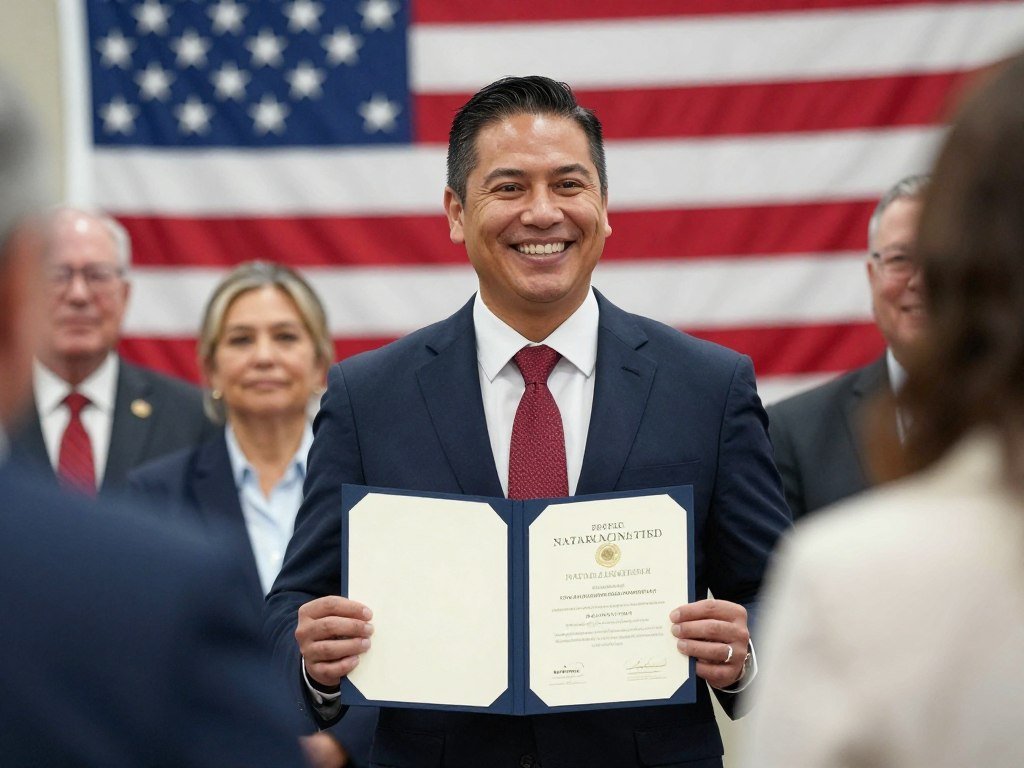
At the ceremony, you will take the Oath of Allegiance. This is the final step to becoming a U.S. citizen.
You will receive your Certificate of Naturalization. This document proves your U.S. citizenship.
Step 9: Notify Your Birth Country (If Required)
Some countries require you to register your new citizenship status. Contact your birth country’s embassy to complete any necessary notifications.
This step ensures you maintain your original citizenship status properly.
Step 10: Apply for U.S. Passport
With your Certificate of Naturalization, you can now apply for a U.S. passport. You can also maintain your original country’s passport if that nation permits dual citizenship.
Having both passports allows you to travel freely between both countries and enjoy the benefits of dual citizenship.
Processing Tip: The entire naturalization process typically takes 8 to 12 months from application to ceremony. Start early and keep copies of all correspondence with USCIS.
Processing Time and Costs for Dual Citizenship

Understanding the timeline and financial investment required for dual citizenship helps you plan appropriately. Costs and processing times vary based on several factors.
Application Fees and Costs
The primary costs for obtaining U.S. citizenship include:
| Item | Cost | Notes |
| Form N-400 Filing Fee | $710 | Required for all applicants |
| Biometric Services Fee | $85 | Fingerprinting and photos |
| Total USCIS Fees | $795 | Standard processing |
| Attorney Fees (Optional) | $1,500 – $3,500 | Varies by complexity and location |
| Document Translation | $20 – $50 per page | For non-English documents |
| Passport Application | $130 – $165 | After citizenship approval |
Fee waivers are available for low-income applicants. You can request a waiver by filing Form I-912 with your N-400 application.
Processing Timeline
The naturalization process typically follows this timeline:
- Application Filing to Receipt Notice: 2-4 weeks. USCIS sends confirmation that they received your application.
- Receipt Notice to Biometrics Appointment: 3-5 weeks. You will be scheduled for fingerprinting.
- Biometrics to Interview Notice: 3-6 months. Wait time varies significantly by USCIS field office location.
- Interview Notice to Interview Date: 2-4 weeks. Your appointment will be scheduled at a local USCIS office.
- Interview to Decision: Same day to 2 weeks. Many applicants receive a decision immediately after the interview.
- Decision to Oath Ceremony: 2-6 weeks. The final step where you become a U.S. citizen.
Total Expected Timeline: 8-12 months on average. Some cases take longer due to background checks or additional evidence requests.
Factors That Affect Processing Time
Several factors can speed up or slow down your application:
- USCIS field office workload in your area
- Complexity of your immigration history
- Criminal background or security concerns requiring additional review
- Missing documents or incomplete application forms
- Name changes or discrepancies in records
- Extended time spent outside the United States during your residency period
Additional Costs to Consider
Beyond government fees, budget for these potential expenses:
- Citizenship test preparation courses: $50-$200
- Travel to USCIS offices for appointments
- Time off work for interviews and ceremonies
- Certified document copies: $10-$25 each
- Medical examinations if requested: $100-$500
- Legal consultation for complex cases: $200-$400 per hour
Plan your budget carefully. The total cost for a straightforward dual citizenship case typically ranges from $800 to $1,500 if you file independently.
If you hire an immigration attorney, total costs may reach $2,500 to $5,000. However, professional guidance can prevent costly mistakes and delays.
Common Mistakes to Avoid When Pursuing Dual Citizenship

Many applicants make preventable errors during the dual citizenship process. Avoiding these mistakes increases your chances of approval and saves time.
Mistake 1: Not Verifying Your Home Country’s Dual Citizenship Policy
Assuming your birth country allows dual citizenship without verification is a critical error. Some countries require you to renounce citizenship when naturalizing elsewhere.
If you become a U.S. citizen without checking your home country’s law, you might lose your original citizenship unintentionally. Always confirm the rules before proceeding.
Contact your country’s embassy directly. Ask for written confirmation of their dual citizenship policy.
Mistake 2: Failing to Meet Continuous Residence Requirements
USCIS requires continuous residence in the United States. Extended trips abroad can break this continuity and delay or disqualify your application.
Any single trip of six months or longer raises questions. Trips over one year almost always break continuous residence.
If you must travel extensively for work or family reasons, consult an immigration attorney. You may need to file Form N-470 to preserve residence for naturalization purposes.
Mistake 3: Providing Incomplete or Inaccurate Information
Every question on Form N-400 must be answered completely and truthfully. Leaving blanks or providing false information can result in denial or even deportation.
Common errors include:
- Forgetting to list all trips outside the United States
- Failing to disclose previous marriages or children
- Not reporting traffic tickets or arrests
- Providing incorrect employment history
- Missing signatures or dates on forms
Review your application multiple times before submission. Have someone else check it for errors.
Mistake 4: Neglecting Tax Obligations
U.S. citizens must file federal tax returns regardless of where they live. This requirement begins the moment you become a citizen.
Many dual citizens are unaware they need to report worldwide income to the IRS. Failure to file can result in penalties and legal issues.
Additionally, USCIS reviews your tax compliance during the naturalization process. Missing tax returns for previous years can lead to denial based on lack of good moral character.
File all required tax returns before applying for citizenship. If you owe back taxes, establish a payment plan with the IRS.
Mistake 5: Not Preparing Adequately for the Citizenship Test
The civics and English tests are mandatory for most applicants. Failing these tests delays your naturalization.
Many applicants underestimate the difficulty of the civics test. You must answer 6 out of 10 questions correctly from a pool of 100 possible questions.
USCIS provides free study materials on their website. Use these resources and practice regularly. Consider taking citizenship preparation classes offered by community organizations.
Mistake 6: Missing Appointments or Deadlines
USCIS schedules your biometrics appointment and interview. Missing these appointments without rescheduling can result in application denial.
If you cannot attend a scheduled appointment, contact USCIS immediately to request rescheduling. Provide valid reasons and documentation when possible.
Keep all USCIS notices in a safe place. Mark appointment dates on your calendar with reminders.
Mistake 7: Assuming Dual Citizenship Provides All Rights in Both Countries
While dual citizenship allows you to hold two passports, rights vary by country. Some nations restrict certain rights for dual citizens.
For example, some countries do not allow dual citizens to hold government positions or serve in the military. Others impose different tax obligations on citizens living abroad.
Research both countries’ policies on dual citizens. Understand what rights and responsibilities apply to your specific situation.
Tips to Improve Your Dual Citizenship Approval Chances
Following best practices increases the likelihood of a smooth application process and approval. These legal and practical tips help you present the strongest possible case.
Maintain Consistent Documentation
Keep detailed records of everything related to your residency and travel. This includes:
- Copies of all passport stamps and visa pages
- Boarding passes and travel itineraries
- Dated receipts from trips abroad
- Employment verification letters
- Lease agreements or property deeds showing U.S. residence
- Utility bills in your name at your U.S. address
Organized documentation makes the application process easier. It also helps you answer interview questions accurately.
File Tax Returns Consistently
USCIS considers tax compliance when evaluating good moral character. File federal and state tax returns every year, even if you owe no tax.
If you are self-employed or have business income, keep thorough records. Pay estimated quarterly taxes if required.
Resolve any outstanding tax debts before applying for citizenship. The IRS offers payment plans for those who cannot pay immediately.
Build a Strong Moral Character Record
Good moral character is a key requirement for naturalization. USCIS looks at your behavior during the statutory period, typically the five years before application.
Strengthen your moral character record by:
- Avoiding any criminal activity, including minor offenses
- Paying all traffic tickets and fines promptly
- Meeting all child support obligations
- Avoiding fraud or false statements on any government forms
- Maintaining steady employment or demonstrating financial responsibility
- Volunteering in your community
Positive community involvement shows commitment to American society. Keep records of volunteer work, charitable donations, and community participation.
Prepare Thoroughly for Your Interview
The citizenship interview assesses your eligibility and tests your knowledge. Preparation makes a significant difference.
Review your N-400 application before the interview. The officer will ask questions based on information you provided.
Practice the civics and English tests using official USCIS study materials. Many public libraries and community centers offer free citizenship classes.
Dress professionally for your interview. Arrive early and bring all requested documents. Answer questions honestly and directly.
Consider Professional Legal Assistance
Immigration law is complex. An experienced immigration attorney can identify potential issues before they become problems.
Legal help is particularly valuable if you have:
- A criminal record of any kind
- Extended time abroad during your permanent residency
- Previous immigration violations
- Complex family situations
- Business ownership or self-employment
Many attorneys offer free initial consultations. This allows you to assess whether you need ongoing representation.
Respond Promptly to USCIS Requests
USCIS may request additional evidence or documentation during your application process. These requests typically give you a deadline to respond.
Reply as quickly as possible with complete information. Late responses can result in application denial.
If you cannot gather all requested documents by the deadline, contact USCIS to request an extension. Provide a valid reason for the delay.
Stay Informed About Policy Changes
Immigration policies and procedures can change. The citizenship act 2025 discussions and proposals around the exclusive citizenship act demonstrate how rules may evolve.
Monitor official sources for updates:
- USCIS official website (uscis.gov)
- U.S. Department of State website (state.gov)
- U.S. Department of Homeland Security announcements
- Reputable immigration law organizations
Sign up for USCIS email updates. This ensures you receive notifications about policy changes that might affect your application.
Maintain Your Green Card Status
Until you become a U.S. citizen, you must maintain valid permanent resident status. Let your Green Card expire or violate residency requirements can jeopardize your citizenship application.
Renew your Green Card at least six months before it expires. Continue meeting all permanent resident obligations.
If you need to travel abroad for extended periods, consult an immigration attorney about obtaining a re-entry permit.
Latest Updates and Policy Changes Affecting Dual Citizenship in 2026

The landscape of dual citizenship rules continues to evolve. Recent legislative proposals and policy discussions have created both concerns and opportunities for dual citizens.
The Citizenship Act 2025 Discussions
Throughout 2025 and into 2026, Congress has debated various immigration reform proposals. The citizenship act 2025 refers to several bills addressing immigration status and naturalization.
Key provisions being discussed include:
- Streamlined pathways to citizenship for certain long-term residents
- Enhanced security screenings for naturalization applicants
- Revised continuous residence requirements
- Updated civics test content
As of today, no comprehensive citizenship act has passed. However, these discussions may influence future policy directions.
Exclusive Citizenship Act Proposals
Some lawmakers have proposed legislation that would ban dual citizenship for naturalized U.S. citizens. These exclusive citizenship act proposals have generated significant debate.
Supporters argue that exclusive citizenship strengthens national loyalty and simplifies legal obligations. Critics contend that such proposals would harm immigrant families and violate established legal precedents.
Senator Bernie Moreno and other legislators have introduced bills that would require new citizens to renounce all other citizenships. However, these proposals face substantial constitutional and practical challenges.
Currently, these bills have not advanced beyond committee discussions. The United States continues to recognize and permit dual citizenship under existing law.
Current Policy Stance
The official U.S. government position on dual citizenship remains unchanged in 2026:
- The United States does not prohibit dual citizenship
- U.S. law does not require renunciation of other citizenship during naturalization
- The Oath of Allegiance does not automatically terminate other citizenships
- Dual citizens must use their U.S. passport when entering or leaving the United States
According to the U.S. Department of State, dual nationals owe allegiance to both countries. They must comply with the laws of both nations.
Tax Reporting Requirements
Tax obligations for dual citizens have received increased attention. The IRS continues to enforce reporting requirements for U.S. citizens living abroad.
In 2026, dual citizens must still report:
- Worldwide income on U.S. tax returns
- Foreign bank accounts through FBAR (Foreign Bank Account Report)
- Foreign financial assets through FATCA (Foreign Account Tax Compliance Act)
Penalties for non-compliance have increased. However, the IRS also offers streamlined procedures for those who unintentionally failed to file.
Processing Time Improvements
USCIS has implemented several measures to reduce naturalization processing times. New initiatives in 2026 include:
- Expanded online filing options
- Virtual interview pilots for certain applicants
- Increased staffing at high-volume field offices
- Enhanced case tracking systems
These improvements aim to bring average processing times closer to six months for straightforward cases. Complex cases may still require additional time.
Enhanced Security Screenings
Background checks for naturalization applicants have become more thorough. USCIS now conducts enhanced security screenings that may include:
- Extended name checks across multiple databases
- In-depth review of international travel patterns
- Verification of information with foreign governments
- Social media review in certain cases
These additional screenings can extend processing times by several months for some applicants. However, they do not change eligibility requirements for dual citizenship.
Country-Specific Developments
Several countries have modified their dual citizenship policies in recent years. Notable changes include:
- India introduced the Overseas Citizenship of India program, though it is not true dual citizenship
- Germany relaxed restrictions for children born to foreign nationals in Germany
- Some Caribbean nations expanded citizenship by investment programs
- The United Kingdom clarified rights for dual nationals post-Brexit
If you are pursuing dual citizenship with a specific country, verify their current policies. Rules change periodically.
Resources for Staying Updated
Monitor these official sources for the latest policy changes:
- U.S. Citizenship and Immigration Services: Check uscis.gov for policy updates and processing time estimates
- U.S. Department of State: Visit travel.state.gov for information on passports and dual nationality
- U.S. Department of Homeland Security: Review dhs.gov for broader immigration policy announcements
- Federal Register: Access federalregister.gov to read proposed and final regulations
Subscribe to email alerts from these agencies. This ensures you receive notifications about changes that may affect your dual citizenship status.
Benefits and Responsibilities of Dual Citizenship
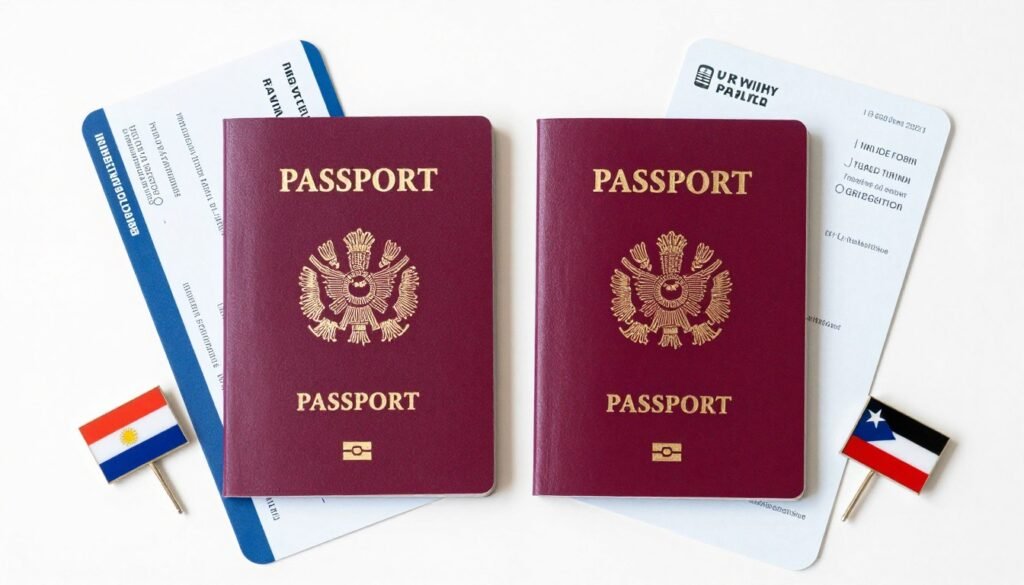
Dual citizenship offers significant advantages but also comes with important obligations. Understanding both sides helps you make informed decisions.
Key Benefits of Holding Dual Citizenship
Dual citizens enjoy privileges in both countries. These benefits often include:
- Unrestricted travel: Enter and exit both countries without visa requirements
- Voting rights: Participate in elections in both nations (where permitted)
- Work authorization: Live and work in either country without special permits
- Property ownership: Purchase real estate in both countries more easily
- Education access: Qualify for citizen tuition rates at public universities
- Healthcare benefits: Access national healthcare systems where available
- Family sponsorship: Help family members immigrate to either country
- Consular protection: Receive assistance from either country’s embassies abroad
For many families, dual citizenship provides flexibility and security. Children born to dual citizen parents may inherit citizenship in both countries.
Important Responsibilities
Dual citizenship also creates obligations in both countries. You must comply with:
- Tax requirements: File tax returns in both countries if required by law
- Military service: Meet mandatory service obligations where applicable
- Jury duty: Serve when called in the United States
- Legal compliance: Obey laws in both nations
- Passport use: Enter and exit each country using that country’s passport
- Reporting obligations: Notify authorities of address changes and life events
Tax Implications
U.S. citizens must report worldwide income to the IRS, regardless of where they live. This creates unique tax situations for dual citizens.
However, several provisions help prevent double taxation:
- Foreign Tax Credit: Reduces U.S. tax by the amount paid to foreign governments
- Foreign Earned Income Exclusion: Excludes up to a certain amount of foreign earnings from U.S. tax
- Tax treaties: Many countries have agreements with the U.S. to prevent double taxation
Consult with a tax professional experienced in international tax law. Proper planning can minimize your tax burden legally.
Travel Considerations
Dual citizens must use their U.S. passport when entering or leaving the United States. This is a legal requirement.
When traveling to your other country of citizenship, use that country’s passport for entry and exit. This prevents complications at immigration checkpoints.
For travel to third countries, you can choose which passport to use based on visa requirements and convenience.
Frequently Asked Questions About Dual Citizenship USA
Does the United States allow dual citizenship?
Yes, the United States recognizes and permits dual citizenship. U.S. law does not require you to renounce other citizenships when you become a U.S. citizen through naturalization.
However, you must check whether your birth country allows dual citizenship. Some nations require you to give up your original citizenship when you naturalize elsewhere.
Will I lose my original citizenship if I become a U.S. citizen?
It depends on your birth country’s laws. The United States does not require you to renounce your original citizenship during naturalization.
However, some countries do not permit dual citizenship. Check with your country’s embassy before applying for U.S. citizenship to understand their specific rules.
Do I need to pay taxes in both countries as a dual citizen?
U.S. citizens must file federal tax returns and report worldwide income, regardless of where they live. Whether you owe tax in both countries depends on several factors.
Many countries have tax treaties with the United States to prevent double taxation. You may be able to claim foreign tax credits or income exclusions. Consult with an international tax professional for guidance specific to your situation.
Can my children have dual citizenship?
Yes, in most cases. Children born in the United States automatically become U.S. citizens by birth. If you hold citizenship in another country, your child may also acquire that citizenship by descent.
The rules vary by country. Some nations grant citizenship automatically to children of citizens, while others require registration or application.
Which passport should I use when traveling?
U.S. law requires you to use your U.S. passport when entering or leaving the United States. Similarly, use your other country’s passport when entering or leaving that nation.
For travel to third countries, you can choose which passport to present based on visa requirements and convenience. Some passports offer visa-free travel to certain countries.
What is the exclusive citizenship act proposal?
The exclusive citizenship act refers to proposed legislation that would ban dual citizenship for naturalized U.S. citizens. These proposals have been introduced but have not become law.
As of 2026, the United States continues to recognize dual citizenship. Any future changes would likely include grandfather clauses protecting those who already hold dual citizenship.
How long does it take to get dual citizenship?
If you are applying for U.S. citizenship through naturalization, the process typically takes 8 to 12 months from application to oath ceremony. Processing times vary by USCIS field office location.
Before you can apply for naturalization, you must first hold a Green Card for five years (or three years if married to a U.S. citizen).
Can I be deported if I have dual citizenship?
Once you become a U.S. citizen, you cannot be deported, even if you hold another citizenship. Citizenship provides permanent status that cannot be revoked except in extremely rare cases involving fraud in the naturalization process.
However, until you naturalize, you remain a permanent resident and can potentially face deportation for serious violations of immigration law.
Conclusion: Your Path to Dual Citizenship USA
Dual citizenship offers valuable benefits for immigrants and international families. The United States permits dual citizenship, allowing you to maintain ties to your country of birth while enjoying the rights of U.S. citizenship.
The naturalization process requires careful preparation and attention to detail. You must meet continuous residence requirements, demonstrate good moral character, and pass English and civics tests.
Processing typically takes 8 to 12 months once you file your application. Total costs range from $800 to several thousand dollars, depending on whether you hire professional help.
Avoid common mistakes by verifying your birth country’s dual citizenship policy, maintaining thorough documentation, and filing all required tax returns. Prepare thoroughly for your citizenship interview and respond promptly to any USCIS requests.
Recent discussions about the citizenship act 2025 and exclusive citizenship proposals demonstrate that immigration policy continues to evolve. Stay informed about changes by monitoring official government sources.
Whether you are just beginning to explore dual citizenship or are ready to file your naturalization application, proper preparation is essential. Understand both the benefits and responsibilities that come with holding citizenship in two countries.
Take time to gather required documents, verify eligibility requirements, and ensure compliance with all legal obligations. Your investment in careful preparation will pay off with a successful application and the many advantages of dual citizenship.