
Employment Authorization Document (EAD) Guide: Everything You Need to Know in 2026
Requirements and Eligibility for Employment Authorization
USCIS divides Employment Authorization Document applicants into more than 30 eligibility categories. Each category has specific requirements based on your current immigration status. Selecting the correct category on Form I-765 is absolutely critical for application approval.
Major Eligibility Categories
The most common EAD eligibility categories include asylum applicants under category (c)(8), adjustment of status applicants under category (c)(9), and dependents of certain employment visa holders. Each category requires different supporting documentation with your application.
Asylum seekers can apply for employment authorization 150 days after filing their asylum application. Your asylum application must remain pending with USCIS or the immigration court. You cannot apply earlier than the 150-day mark, and USCIS must make a decision on your EAD application within 30 days of filing if your asylum case has been pending more than 180 days.
Adjustment of Status Work Authorization
If you filed Form I-485 to adjust your status to permanent residence, you qualify to apply for an EAD card. Many applicants submit Form I-765 together with their green card application as a combined package. This strategy allows you to work legally while waiting for your adjustment status application to process.
The adjustment of status EAD typically gets approved faster than the green card itself. Processing times vary, but many applicants receive work authorization within 3 to 6 months. This work permit remains valid until your adjustment status case concludes, usually issued in one or two year increments.
Dependent Visa Holders
Spouses of H-1B, L-1, and E visa holders may qualify for work authorization. H-4 visa holders married to H-1B workers can apply if their H-1B spouse has an approved I-140 petition or has been in H-1B status for more than six years. L-2 dependents of L-1 visa holders receive nearly automatic work authorization eligibility.
E visa dependents also qualify for employment authorization regardless of their spouse’s specific visa classification. These dependent category EADs allow work with any employer in the United States, unlike the primary visa holder whose employment may be restricted to a specific employer.
Required Documents for EAD Application
Every Form I-765 application requires specific supporting documentation. The exact documents depend on your eligibility category, but most applications need passport-style photographs, copies of your passport identification pages, evidence of your current immigration status, and proof of your eligibility category basis.
| Document Type | Requirement | Notes |
| Form I-765 | Completed and signed | Use most recent version only |
| Filing Fee | $460 (subject to change) | Fee waiver available for some categories |
| Photographs | Two identical passport-style photos | Must meet USCIS photo requirements |
| Identity Documents | Passport copy, birth certificate | Clear, legible copies required |
| Immigration Status Proof | I-94, visa copy, pending case receipt | Must show current lawful status |
| Category Evidence | Varies by eligibility category | Critical for approvalStep-by-Step Process to Apply for Your EAD Card |
The Employment Authorization Document application process follows a clear sequence. Understanding each step helps you avoid delays and increases your approval chances. Most applicants complete the process in seven distinct phases from initial eligibility determination to receiving your approved work permit.
Step 1: Determine Your Eligibility Category
Before completing any forms, identify your exact eligibility category. USCIS Form I-765 instructions list all eligible categories with detailed explanations. Select the category that matches your current immigration situation precisely. Choosing the wrong category is one of the most common application mistakes that leads to denial or rejection.
Review the category descriptions carefully. If you hold multiple statuses that might qualify, choose the category that best fits your primary reason for requesting work authorization. When in doubt, consulting the USCIS website or an immigration attorney prevents costly errors.
Step 2: Gather All Required Documents
Collect every document your eligibility category requires before starting your application. Create copies of all identity documents including your passport biographical page and any U.S. visa stamps. Prepare two identical passport-style photographs taken within the past 30 days following USCIS photo specifications.
Gather proof of your eligibility category basis. Asylum seekers need their asylum receipt notice. Adjustment of status applicants need their I-485 receipt notice. Dependent visa holders need proof of their relationship to the primary visa holder and copies of the primary holder’s status documents.
Step 3: Complete Form I-765 Carefully
Download the most current version of Form I-765 from the official USCIS website. Using an outdated form version results in automatic rejection of your entire application. The new Form I-765 edition dated 01/31/2024 replaced previous versions and includes updated questions about your immigration history.
Fill out every applicable section completely and accurately. Use black ink if filing by paper. Type responses if filing electronically. Answer every question even if the answer is none or not applicable. Leaving questions blank raises red flags during USCIS review.
Double-check critical information including your name spelling, date of birth, address, and immigration status details. These must match exactly with your other USCIS records and identity documents. Inconsistencies trigger requests for evidence or outright denials.
Step 4: Pay the Filing Fee or Request a Fee Waiver
The current Form I-765 filing fee is $460 for most applicants. Additional biometric services fees may apply depending on your category. USCIS updates fees periodically, so verify the current amount on their website before submitting payment.
Some categories qualify for automatic fee exemptions. Initial EAD applications based on pending asylum qualify for fee waiver. Renewal applications for TPS recipients also receive fee exemptions. If your category doesn’t automatically waive fees but you face financial hardship, submit Form I-912 requesting a fee waiver with detailed financial documentation.
Pay by check, money order, or credit card depending on your filing method. Include the payment with your paper application or pay online for electronic submissions. Never send cash through the mail.
Step 5: Submit Your Complete Application Package
Review your entire application package one final time before mailing. Your package should include completed Form I-765, filing fee payment or fee waiver request, two photographs, copies of all required supporting documents, and any category-specific evidence.
Mail your application to the correct USCIS filing address. The address varies based on your location and whether you include a fee payment. USCIS provides specific mailing addresses in the Form I-765 instructions. Using the wrong address delays processing by weeks or months.
Send your application via certified mail with return receipt requested. This provides proof of mailing and delivery. Keep copies of absolutely everything you send including the completed form, all supporting documents, and your payment method.
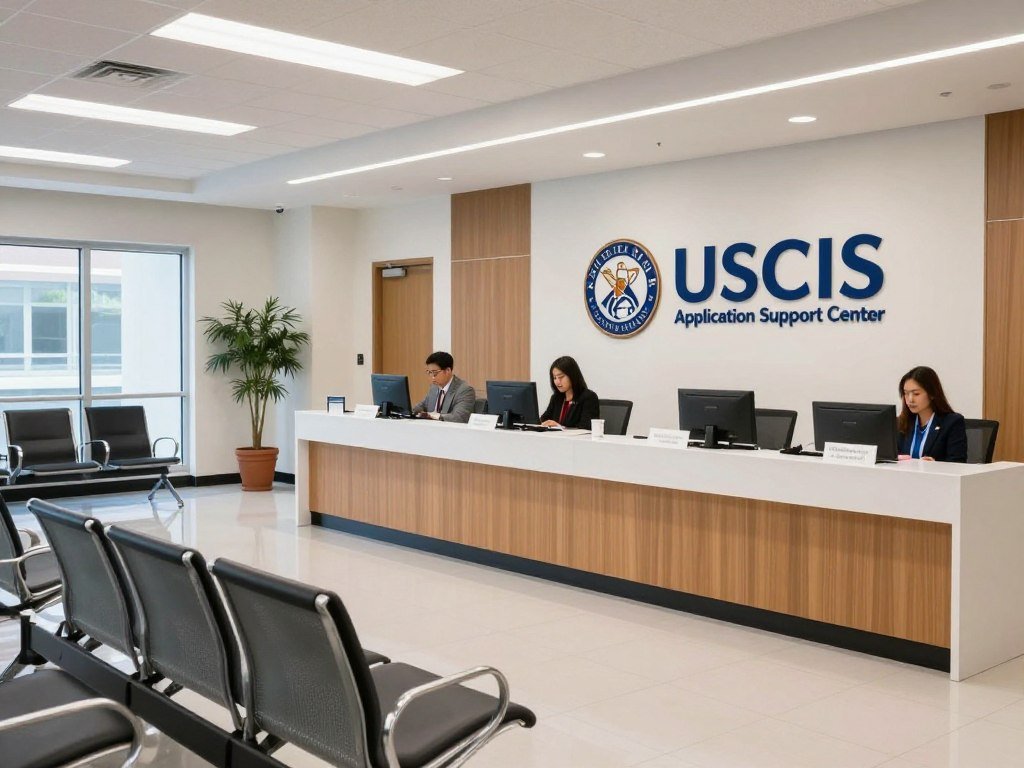
Step 6: Attend Your Biometrics Appointment
USCIS schedules biometric services appointments for most EAD applicants. You receive an appointment notice by mail approximately 2 to 4 weeks after USCIS receives your application. The notice specifies the date, time, and location of your appointment at a local Application Support Center.
Arrive at your appointment on time with your appointment notice and a valid government-issued photo identification. USCIS captures your fingerprints, photograph, and signature during this appointment. The entire process typically takes less than 30 minutes.
Missing your biometrics appointment seriously delays your application. If you cannot attend, contact USCIS immediately to reschedule. Most Application Support Centers allow walk-in appointments if you missed your scheduled time, but this option isn’t guaranteed at all locations.
Step 7: Wait for USCIS Decision and Receive Your EAD Card
After submitting biometrics, your application enters the final processing phase. USCIS reviews all submitted information, verifies your eligibility, and conducts background checks. Processing times vary widely based on category and service center workload.
Track your case status online using your receipt number at the USCIS case status website. This tracking updates when USCIS takes actions on your case including sending requests for evidence, scheduling interviews, or approving your application.
Upon approval, USCIS mails your Employment Authorization Document card to your address on file. The card typically arrives within 7 to 10 days after approval. Verify all information on your EAD card immediately upon receipt. Report any errors to USCIS right away to receive a corrected card.
EAD Processing Time and Costs in 2026
Understanding processing timelines and costs helps you plan financially and professionally. EAD processing times fluctuate based on application volume, USCIS staffing levels, and your specific eligibility category. Current processing times differ significantly from historical averages due to recent policy changes and pandemic-related backlogs.

Current Processing Timeline Expectations
As of early 2026, Form I-765 processing times range from 3 to 6 months for most categories. Some service centers process applications faster while others experience longer delays. USCIS publishes current processing times by service center and form type on their website updated monthly.
Asylum-based EAD applications filed after the 150-day asylum application pending period typically process within 30 days per federal regulations. However, actual processing frequently exceeds this statutory timeframe. Adjustment of status EAD applications generally take 3 to 5 months from submission to approval.
Premium processing is not available for standalone Form I-765 applications. However, some applicants whose EAD derives from an underlying petition may benefit from premium processing of that petition, which can indirectly expedite the work authorization.
Complete Cost Breakdown
The standard Form I-765 filing fee currently stands at $460. This fee covers USCIS application processing and administrative costs. Biometric services fees previously charged separately are now included in most Form I-765 filing fees, simplifying the cost structure.
Additional expenses beyond the filing fee include photograph costs ranging from $10 to $20 at most drugstores or photo studios. Mailing costs for certified mail with tracking typically run $8 to $15. Legal assistance fees vary dramatically from free nonprofit help to several hundred dollars for private attorney services.
| Cost Item | Amount | Payment Details |
| Form I-765 Filing Fee | $460 | Required for most categories |
| Biometric Services | Included | No separate fee for most applicants |
| Passport Photos | $10-$20 | Two identical photos required |
| Certified Mail | $8-$15 | Recommended for proof of delivery |
| Legal Assistance (Optional) | $0-$500+ | Varies by provider and complexity |
| Total Estimated Cost | $478-$995+ | Depends on service choices |
When Filing Fees May Be Waived
USCIS waives Form I-765 filing fees automatically for specific categories. Initial EAD applications based on pending asylum applications receive automatic fee waivers. You do not need to submit Form I-912 or provide financial documentation for these automatic exemptions.
Other categories may request fee waivers based on financial hardship. Submit Form I-912 with detailed financial information including household income, assets, and monthly expenses. Supporting documentation like tax returns, pay stubs, or public assistance documentation strengthens your fee waiver request.
Fee waiver approval isn’t guaranteed even with demonstrated financial need. USCIS evaluates each request individually. If your fee waiver gets denied, you must submit the filing fee within the timeframe specified in the denial notice to avoid application abandonment.
Expedite Requests for Urgent Situations
USCIS may expedite EAD applications in limited circumstances involving severe financial loss, emergency situations, humanitarian reasons, nonprofit facilitation of cultural programs, or USCIS error causing delay. Requesting an expedite requires specific evidence documenting your urgent need.
Call the USCIS Contact Center or submit an online expedite request through your USCIS account. Explain your situation clearly and provide supporting documentation. Common qualifying situations include job offer letters with start dates, medical emergency documentation, or evidence of severe financial hardship.
Expedite requests face high denial rates. USCIS carefully scrutinizes each request to prevent system abuse. Even approved expedite requests may only reduce processing time by several weeks rather than months. Continue tracking your case status while waiting for expedite decisions.
Important Processing Update: USCIS implemented new procedures in 2025 requiring electronic filing for certain Form I-765 categories. Check the USCIS website to determine if your category must file electronically. Electronic filing often results in faster processing times and easier case tracking.
Common Mistakes to Avoid When Applying for EAD
Even small errors on Form I-765 can result in delays, requests for evidence, or outright denials. Learning from common applicant mistakes helps you submit a clean application the first time. These errors occur repeatedly across all eligibility categories and service centers.
Mistake 1: Selecting the Wrong Eligibility Category
Choosing an incorrect eligibility category on Part 2 of Form I-765 tops the list of application errors. Each category has a specific letter and number designation like (c)(8) for asylum applicants or (c)(9) for adjustment of status. Selecting the wrong category typically results in denial even if you legitimately qualify under a different category.
Read the Form I-765 instructions thoroughly before selecting your category. If multiple categories might apply to your situation, research which one best fits your circumstances. The category you select determines what supporting evidence you must submit. Wrong category selection means you submitted incorrect documentation packages.
Mistake 2: Submitting Incomplete or Incorrect Forms
Incomplete Form I-765 submissions waste months of processing time. USCIS rejects applications missing required signatures, dates, or critical information fields. Even one blank required field can trigger rejection, forcing you to restart the entire process from the beginning.
Using an outdated form version also causes automatic rejection. USCIS updates forms periodically with new edition dates printed at the bottom of each page. Always download the most current form version directly from the USCIS website immediately before completing your application. Forms downloaded months earlier may become obsolete.
Incorrect information creates more serious problems than blank fields. Name misspellings, wrong dates of birth, or inconsistent addresses raise fraud concerns. USCIS cross-references information across multiple databases. Any inconsistencies trigger additional scrutiny and potential denial.
Mistake 3: Missing Required Supporting Documents
Each eligibility category requires specific supporting documentation listed in Form I-765 instructions. Missing even one required document results in a Request for Evidence that delays your application by 2 to 3 months. Common missing documents include passport copies, photographs meeting specifications, proof of immigration status, and category-specific evidence.
Create a checklist of required documents for your specific category before starting your application. Gather everything on the list before submitting. Make clear, legible copies of all identity and immigration documents. Include certified translations for any documents not in English.
Mistake 4: Filing Under the Wrong Category Code
Beyond selecting the wrong overall category, applicants frequently enter incorrect three-character category codes. These codes like (a)(12), (c)(9), or (c)(35) must match your exact situation. The codes appear confusing because similar immigration statuses use different codes depending on the specific basis for work authorization.
For example, spouses of E-1 visa holders use category (a)(17), while spouses of L-1 visa holders use category (a)(18). Both are dependent spouses of employment visa holders, but the codes differ. Entering (a)(17) when you should use (a)(18) results in processing delays or denial despite qualifying for work authorization.
Mistake 5: Not Responding to Requests for Evidence on Time
USCIS sends Request for Evidence notices when applications lack required information or documentation. These notices specify exactly what additional evidence you must submit and set strict deadlines, typically 87 days from the notice date. Missing this deadline almost always results in application denial.
Monitor your case status online regularly to catch RFE notices quickly. Respond well before the deadline with all requested information. Address every single item mentioned in the RFE even if you believe you already submitted it. Include a cover letter specifically referencing the RFE notice and listing each item you’re providing.
Mistake 6: Failing to Maintain Valid Immigration Status
Your underlying immigration status must remain valid throughout the EAD application process. Falling out of status before USCIS approves your work authorization often results in denial. Common status violations include overstaying authorized period, working without authorization, or violating visa conditions.
Track your current status expiration dates carefully. If your status expires before your EAD gets approved, you may lose eligibility for work authorization. Some categories allow you to remain in the United States while your EAD processes, but unauthorized employment before approval jeopardizes your application and future immigration benefits.
Mistake 7: Not Checking Case Status Regularly
Many applicants submit their Form I-765 and then ignore their case for months. This passive approach causes problems when USCIS sends important notices including biometric appointments, RFEs, or interview notices. Missing these notices due to address changes or simple oversight leads to application abandonment.
Check your case status online at least weekly using your receipt number. Set up USCIS case tracking alerts to receive email or text notifications when your case status changes. Update your address with USCIS immediately if you move. Respond promptly to any USCIS communications.
Critical Timing Mistake: Never start working before receiving your approved EAD card in hand. Working without authorization, even after approval but before receiving your physical card, constitutes a violation that can impact future immigration applications including green card processing and citizenship eligibility.
Application Red Flags to Avoid
- Inconsistent information across forms
- Gaps in residence or employment history
- Missing required signatures or dates
- Poor quality document copies
- Unexplained status changes
- Late fee payments or bounced checks
Documentation Best Practices
- Make copies of your entire submission
- Use certified mail with tracking
- Keep receipt notices in safe place
- Organize documents by category
- Include cover letter with checklist
- Maintain digital and physical copies
Tips to Improve Your EAD Approval Chances
Maximizing your Employment Authorization Document approval odds requires attention to detail and strategic preparation. These practical tips come from successful applications and immigration attorney recommendations. Implementing these strategies significantly improves your likelihood of first-time approval without delays.
Double-Check All Information Before Submission
Accuracy beats speed every time in immigration applications. Spend extra time reviewing every single field on Form I-765 before submission. Verify your name spelling matches your passport exactly. Confirm your date of birth, addresses, and all dates appear in the correct MM/DD/YYYY format USCIS requires.
Have a trusted friend or family member review your application with fresh eyes. They often catch errors you miss after staring at the form for hours. Pay special attention to A-numbers, USCIS receipt numbers, and Social Security numbers. One transposed digit can cause significant processing problems.
Keep Complete Copies of Everything You Send
Create a comprehensive file containing copies of your completed Form I-765, all supporting documents, photographs, payment method, and mailing proof. These copies become essential if USCIS claims they never received something or if you need to file a replacement request after approval.
Take photographs of your entire application package before sealing the envelope. These time-stamped images prove what you sent and when. Store both physical and digital copies in secure locations. Cloud storage provides backup protection if physical copies get lost or damaged.
Use USCIS Online Case Tracking Tools
Register for a USCIS online account immediately after submitting your application. Link your case using your receipt number once you receive the notice. Online account features let you check case status, respond to notices, upload documents, and receive important updates faster than waiting for mail.
Set up case status alerts through your account or by creating alerts on the USCIS case status webpage. These notifications inform you immediately when USCIS takes action on your case. Early awareness of RFEs or interview notices gives you maximum time to prepare responses.
Respond Promptly to Any USCIS Requests
Time is critical when USCIS sends Request for Evidence notices or other communications. Start gathering requested documents immediately upon receiving an RFE. Don’t wait until the deadline approaches. Submit your response at least one week before the due date to account for mailing time and potential delivery issues.
Address every single item mentioned in USCIS notices. If you cannot obtain a specific requested document, submit a detailed explanation with alternative evidence. Include a cover letter that specifically references the notice date and lists each item you’re providing in response.
Maintain Valid Immigration Status Throughout Processing
Your underlying immigration status must remain valid while USCIS processes your EAD application. Track all status expiration dates including visa stamps, I-94 authorized stay periods, and any pending applications that maintain your status. File extension applications well before current authorizations expire.
Some applicants qualify for automatic extensions of their work authorization while renewal applications process. Research whether your category includes automatic extension provisions. If so, maintain evidence of your timely filed renewal application to prove continuous work authorization to employers.
Consider Professional Legal Review
Immigration law complexity often justifies professional legal assistance, especially for complicated cases. Attorneys catch errors, suggest stronger supporting evidence, and identify potential issues before submission. Even limited scope consultations where an attorney reviews your completed application provide valuable verification.
Many nonprofit organizations offer free or low-cost immigration legal services. Law school clinics, immigrant advocacy groups, and pro bono attorney networks provide quality assistance without large fees. Research available resources in your area before paying for private attorney services.
Attorney fees for straightforward EAD applications range from $300 to $800 depending on location and complexity. Complex cases involving multiple immigration applications or past violations may cost more. Weigh the attorney cost against the risk of denial, lost filing fees, and delayed work authorization.
| Preparation Stage | Action Items | Success Impact |
| Before Starting | Research category, gather documents, verify eligibility | Prevents wrong category selection |
| Form Completion | Use current form, complete all fields, verify accuracy | Reduces rejection and RFE risk |
| Document Assembly | Create checklist, make quality copies, organize clearly | Speeds processing, prevents RFEs |
| Submission | Correct address, certified mail, keep copies | Ensures delivery proof |
| After Filing | Track status, respond promptly, maintain status | Maximizes approval likelihood |
Include Strong Supporting Evidence
The minimum required documents listed in USCIS instructions represent the baseline. Including additional supporting evidence that clearly establishes your eligibility strengthens your application. For example, asylum applicants might include additional country condition evidence. Adjustment applicants could include multiple proofs of continuous residence.
Quality matters more than quantity. Ten relevant, well-organized documents prove eligibility better than fifty loosely related papers. Each document should clearly support your eligibility under the specific category you selected. Include cover sheets or tabs that explain how each document supports your application.
Verify Your Mailing Address Accuracy
USCIS sends all notices including your EAD card to the mailing address on your Form I-765. Ensure this address is current, complete, and accurate. Include apartment numbers, suite numbers, or other unit designations. Use the address where you reliably receive mail and someone can sign for certified deliveries.
If you move after submitting your application, file Form AR-11 to update your address with USCIS within 10 days. Also submit an address change through your online USCIS account and call the USCIS Contact Center to update your pending case address. Failure to receive important notices due to incorrect addresses causes serious problems including application abandonment.
Need Help Avoiding Costly Application Mistakes?
Connect with experienced immigration attorneys who can review your EAD application before submission. Many offer free initial consultations to assess your case and identify potential issues.
Latest Updates and Policy Changes Affecting EAD Applications
Employment Authorization Document policies evolve regularly through new USCIS regulations, court decisions, and executive actions. Staying informed about current changes helps you navigate the application process effectively and understand how recent developments might affect your specific situation.
New Form I-765 Edition Requirements
USCIS released a new Form I-765 edition on January 31, 2024, which remains the current version in 2026. This updated form includes revised questions about previous work authorization, additional fields for biographic information, and updated category codes. Applications submitted on older form versions face automatic rejection.
The new form requires more detailed employment history information. Applicants must list all previous U.S. employers even if work was authorized under different immigration statuses. This change helps USCIS verify continuous lawful status and detect unauthorized employment that could affect eligibility.
Electronic Filing Expansion
USCIS continues expanding mandatory electronic filing requirements for Form I-765. As of 2026, most adjustment of status applicants must file Form I-765 electronically when submitting concurrent I-485 applications online. Additional categories face electronic filing mandates throughout 2026 and 2027.
Electronic filing offers several advantages including instant receipt confirmation, faster processing times, easier document upload for RFE responses, and real-time case status updates. Applicants required to file electronically must create USCIS online accounts and submit all forms and supporting documents digitally.
Automatic EAD Extensions
Recent policy changes extended automatic work authorization for certain renewal applicants. When you file a timely EAD renewal application before your current card expires, your work authorization automatically extends for up to 180 days beyond the card expiration date while USCIS processes your renewal.
This automatic extension applies to specific categories including adjustment of status, certain asylum-based applications, and TPS beneficiaries. The extension does not apply to all categories, and you must file your renewal application before your current EAD expires to qualify. Employers can verify automatic extensions through E-Verify system updates.
Processing Time Reduction Initiatives
USCIS launched several initiatives aimed at reducing Form I-765 processing times. Additional staff hiring, technology improvements, and streamlined procedures target bringing most cases within 3-month processing windows. Asylum-based EAD applications receive priority processing to meet the 30-day statutory requirement.
Results vary significantly across USCIS service centers. Some locations consistently process applications within 60 to 90 days, while others still face 6-month or longer backlogs. Check current processing times for your specific service center on the USCIS website when planning your application timing.
Fee Waiver Expansion
USCIS expanded fee waiver eligibility in 2025 to include additional hardship circumstances. Applicants receiving means-tested public benefits, experiencing financial hardship due to serious illness or disability, or earning household incomes below 150% of federal poverty guidelines now have stronger fee waiver approval chances.
Documentation requirements for fee waivers became more standardized. Form I-912 now includes clearer instructions about acceptable financial evidence. USCIS also clarified that certain categories including asylum-based initial applications receive automatic fee exemptions without requiring Form I-912 submission.
Work Authorization for Asylum Seekers
Asylum applicants continue facing unique EAD processing considerations. The 30-day decision requirement for asylum-based EAD applications remains law, though actual processing often takes longer. Recent court decisions reinforced that USCIS must process these applications within the statutory timeframe or face potential lawsuits.
Changes to asylum processing procedures including the implementation of asylum officer interviews may affect work authorization timing for future applicants. Monitor USCIS policy updates if your EAD application derives from pending asylum claims, as procedures continue evolving.
Technology and Security Enhancements
Enhanced EAD card security features rolled out in 2025 continue in 2026. Newer cards include advanced biometric features, updated holographic overlays, and embedded technology that simplifies employer verification. These security improvements combat fraud while making legitimate work authorization easier to verify.
The USCIS online verification system for employers received significant upgrades. Employers can now instantly verify EAD card authenticity and check automatic extension status for renewal applicants. These improvements reduce discrimination against work-authorized immigrants whose cards approach expiration dates.
Important 2026 Policy Note: Some EAD categories now allow filing up to 180 days before current work authorization expires, an increase from the previous 120-day window. This extended filing period helps prevent gaps in work authorization during renewal processing. Verify your specific category’s renewal filing window before submitting.
Renewing Your Employment Authorization Document
Most Employment Authorization Documents include expiration dates requiring renewal to maintain continuous work authorization. Understanding the renewal process prevents employment gaps and ensures you remain legally authorized to work in the United States throughout your immigration journey.
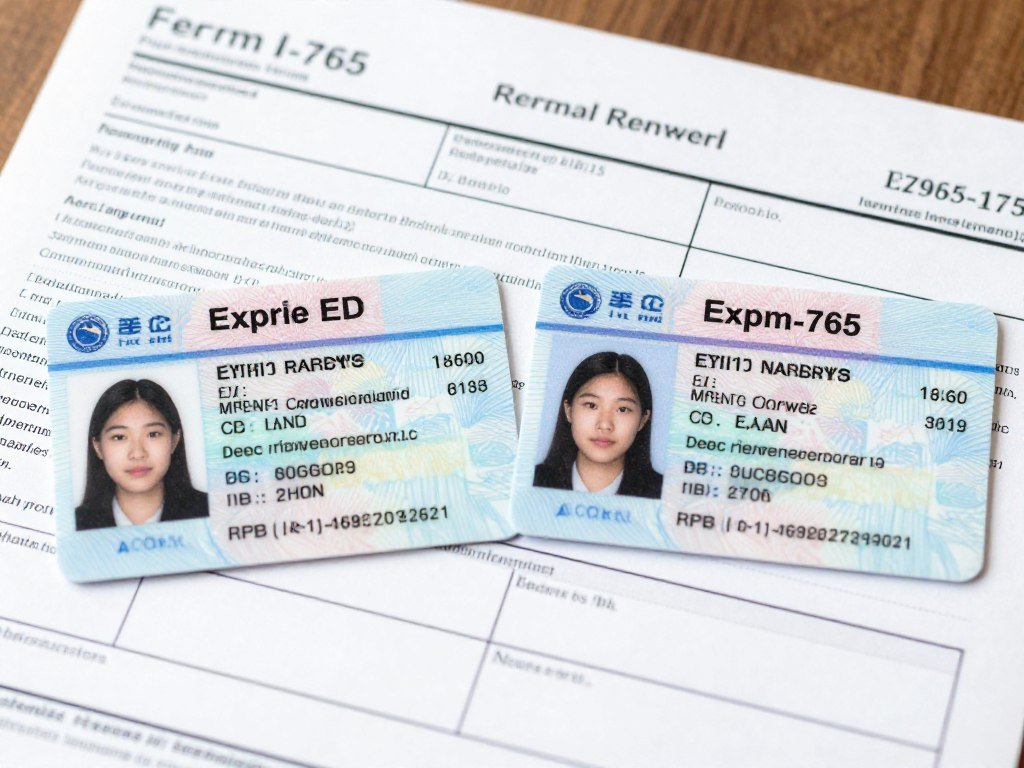
When to File Your EAD Renewal Application
Timing your EAD renewal application correctly prevents work authorization gaps. Most categories allow filing Form I-765 renewal applications up to 180 days before your current EAD expires. Filing within this window qualifies you for potential automatic extensions if processing exceeds your current card’s expiration date.
Never wait until your EAD expiration date approaches to start your renewal. Processing times of 3 to 6 months mean applications filed late often result in employment authorization gaps. Many employers cannot continue employing workers whose EAD cards expired, even with pending renewal applications, unless automatic extensions apply.
EAD Renewal vs. New Application
Renewal applications differ from initial EAD applications primarily in supporting documentation requirements. Renewals typically require fewer documents since USCIS already verified your identity and basic eligibility. You must still prove your underlying eligibility continues, such as ongoing adjustment of status processing or valid dependent visa status.
The Form I-765 renewal checkbox must be marked clearly. Include a copy of your current or most recently expired EAD card with your renewal application. If your eligibility category changed since your last approval, you may need to file a new application rather than a renewal, so verify your current category carefully.
Automatic Work Authorization Extensions
Qualifying renewal applicants whose timely filed applications remain pending when their current EAD expires receive automatic work authorization extensions. These extensions continue your employment authorization for up to 180 days beyond your card expiration date while USCIS processes your renewal.
To qualify for automatic extension, you must file your renewal application before your current EAD expires, your renewal must be for the same eligibility category, and USCIS must not have denied your renewal application. Carry both your expired EAD card and your renewal receipt notice as proof of continued work authorization during the extension period.
Employers verify automatic extensions through the I-9 employment eligibility verification process. The receipt notice showing timely filing combined with your expired EAD card from an automatic extension eligible category proves your continued work authorization to employers and E-Verify systems.
Using Your EAD Card After Approval
Receiving your approved Employment Authorization Document opens employment opportunities across the United States. Understanding how to properly use your EAD card, what rights it provides, and how to protect this valuable document ensures you maximize the benefits of your work authorization.

Verifying Your EAD Card Upon Receipt
Immediately examine your EAD card when it arrives to verify all information appears correctly. Check your name spelling, photograph, date of birth, card number, category code, and especially your validity dates. Any errors must be reported to USCIS immediately to receive a corrected card without additional fees.
Your EAD card includes a card number (also called alien number or A-number), expiration date, and category code on the front. The back contains additional security features and may include a signature strip. Never sign the card unless specifically instructed, as newer versions may not require signatures.
Obtaining Your Social Security Number
Your Employment Authorization Document allows you to apply for a Social Security number if you don’t already have one. Visit your local Social Security Administration office with your EAD card, passport, and Form I-94 or other immigration documentation. The SSA issues your Social Security card within 2 to 3 weeks.
Some Form I-765 applicants request SSA automatically issue their Social Security number upon EAD approval by checking the appropriate box on the application. If you selected this option and provided your SSN application information, the Social Security Administration mails your card separately from your EAD. Contact SSA if your Social Security card doesn’t arrive within 3 weeks of receiving your EAD.
Employment Rights and Limitations
Your EAD card authorizes you to work for any U.S. employer in any position during the validity period. Unlike visa-specific work authorization that limits you to particular employers or job types, most EAD categories allow complete employment flexibility. You may work full-time, part-time, multiple jobs simultaneously, or as an independent contractor.
Employers verify your work authorization through Form I-9 employment eligibility verification. Present your EAD card as your List A document proving both identity and work authorization. Employers enter your EAD information into E-Verify systems if applicable. Your authorization remains valid only through the expiration date printed on your card.
Protecting Your EAD Card
Guard your Employment Authorization Document as carefully as your passport or Social Security card. Store the original card in a secure location when not needed for employment verification. Carry a copy for daily use situations rather than risking loss or damage to the original.
If your EAD card gets lost, stolen, or destroyed, file Form I-90 to request a replacement card. The replacement filing fee is currently $455. Include a police report if your card was stolen. USCIS typically issues replacement cards within 2 to 3 months, during which time you cannot prove work authorization to new employers.
Understanding EAD Limitations
Your Employment Authorization Document does not grant you permanent immigration status. It provides temporary work permission only. Your underlying immigration status determines how long you may remain in the United States. Work authorization and lawful presence are separate concepts that must both remain valid.
EAD cards also don’t provide travel authorization. If you need to travel internationally, research whether you require advance parole or whether your current immigration status allows travel and reentry. Working in the United States with an EAD while maintaining lawful status requires careful attention to all applicable immigration requirements.
Frequently Asked Questions About Employment Authorization Documents
How long does it take to get an EAD card after applying?
Current processing times range from 3 to 6 months for most Form I-765 applications. Asylum-based applications should process within 30 days per statutory requirements, though actual times often exceed this. Processing varies by USCIS service center and application volume. Check current processing times on the USCIS website for your specific service center and category.
Can I work while my EAD application is pending?
No, you cannot work based on a pending EAD application alone. You must wait until USCIS approves your application and you physically receive your EAD card. Working before authorization constitutes unauthorized employment that can severely impact future immigration benefits. The only exception is if you have automatic extension of previous work authorization while your renewal processes.
What happens if my EAD expires before my renewal is approved?
If you filed your renewal application timely and qualify for automatic extensions, your work authorization automatically extends up to 180 days beyond your expiration date. Not all categories qualify for automatic extension. If your category doesn’t qualify and your renewal isn’t approved before expiration, you must stop working until USCIS approves your renewal and you receive your new card.
Do I need an EAD if I have a green card?
No, lawful permanent residents (green card holders) do not need Employment Authorization Documents. Your green card proves your permanent work authorization. Present your green card during Form I-9 employment verification. You have unlimited work authorization that doesn’t expire as long as your permanent resident status remains valid.
Can I travel outside the U.S. with just an EAD card?
An EAD card provides work authorization only, not travel authorization. Whether you can travel internationally depends on your underlying immigration status. Some statuses allow travel, while others require advance parole documents before departing the United States. Leaving without proper travel authorization can abandon your pending applications or status. Consult with an immigration attorney before traveling.
How much does it cost to apply for an Employment Authorization Document?
The current Form I-765 filing fee is $460 for most categories. Some categories qualify for automatic fee waivers including initial asylum-based applications. Additional costs include photographs ($10-$20) and certified mailing ($8-$15). Total costs typically range from $478 to $495 unless you qualify for a fee waiver or pay for optional legal assistance.
What is the difference between an EAD and a work visa?
A work visa (like H-1B or L-1) is a specific immigration status that authorizes both U.S. entry and employment, usually with a specific employer. An EAD card provides work authorization to people already in the United States under various immigration statuses. EADs typically allow work for any employer, while work visas often restrict employment to petition sponsors. Some visa holders need EADs, while others have work authorization through their visa status.
Can my EAD application be denied even if I’m eligible?
Yes, eligible applicants can face denial for various reasons including incomplete applications, insufficient supporting evidence, failure to maintain underlying status, missing fee payments, or failure to respond to Requests for Evidence. Even minor errors can result in denial. Carefully following all instructions, submitting complete documentation, and responding promptly to USCIS communications minimizes denial risk.
Taking the Next Steps Toward Your Employment Authorization
Obtaining your Employment Authorization Document represents a significant milestone in your U.S. immigration journey. This work permit opens employment opportunities, financial stability, and the chance to build your American life while pursuing your long-term immigration goals.
The Form I-765 application process requires careful attention to detail, complete documentation, and patience during processing. Understanding your specific eligibility category, gathering all required supporting documents, and submitting an accurate, complete application dramatically improves your approval chances.

Remember these critical points as you prepare your application. Determine your correct eligibility category carefully. Use the most current Form I-765 version. Submit all required supporting documents. Pay filing fees correctly or request waivers when eligible. File well before any current work authorization expires. Track your case status regularly and respond immediately to any USCIS communications.
Immigration policies and procedures change frequently. Stay informed about updates that might affect your application or renewal timing. The resources and strategies outlined in this guide provide a strong foundation, but verify current requirements on the official USCIS website before submitting your application.
Professional legal assistance can provide valuable support, especially for complex cases or if you’ve faced previous immigration challenges. Many qualified immigration attorneys and accredited representatives offer consultations to review your situation and application before submission.
Whether you’re applying for your first EAD or renewing existing work authorization, the information and strategies in this comprehensive guide equip you to navigate the process successfully. Take your time, follow each step carefully, and don’t hesitate to seek qualified assistance when needed.
The path to employment authorization in the United States requires patience and persistence, but the result is worth the effort. Your approved EAD card opens doors to career opportunities, financial stability, and the chance to contribute your skills and talents to American society while pursuing your immigration dreams.