
Family-Based Green Card Requirements Explained: Your Complete 2026 Guide
Family reunification remains the cornerstone of American immigration policy in 2026. More than 65% of all green cards issued annually go to family members of U.S. citizens and lawful permanent residents.
Understanding family-based green card requirements can transform your immigration journey from confusing to manageable. This guide breaks down everything you need to know.
Current immigration trends show processing times improving for some categories while others face longer waits. Policy changes continue to affect how families navigate the system.
What Family-Based Green Card Immigration Means
A family-based green card allows foreign nationals to become lawful permanent residents through qualifying family relationships. The United States prioritizes family unity through this immigration pathway.
Key Terms You Should Know
Several important terms appear throughout the family-based immigration process:
- Petitioner: The U.S. citizen or permanent resident sponsoring a family member
- Beneficiary: The foreign national family member seeking the green card
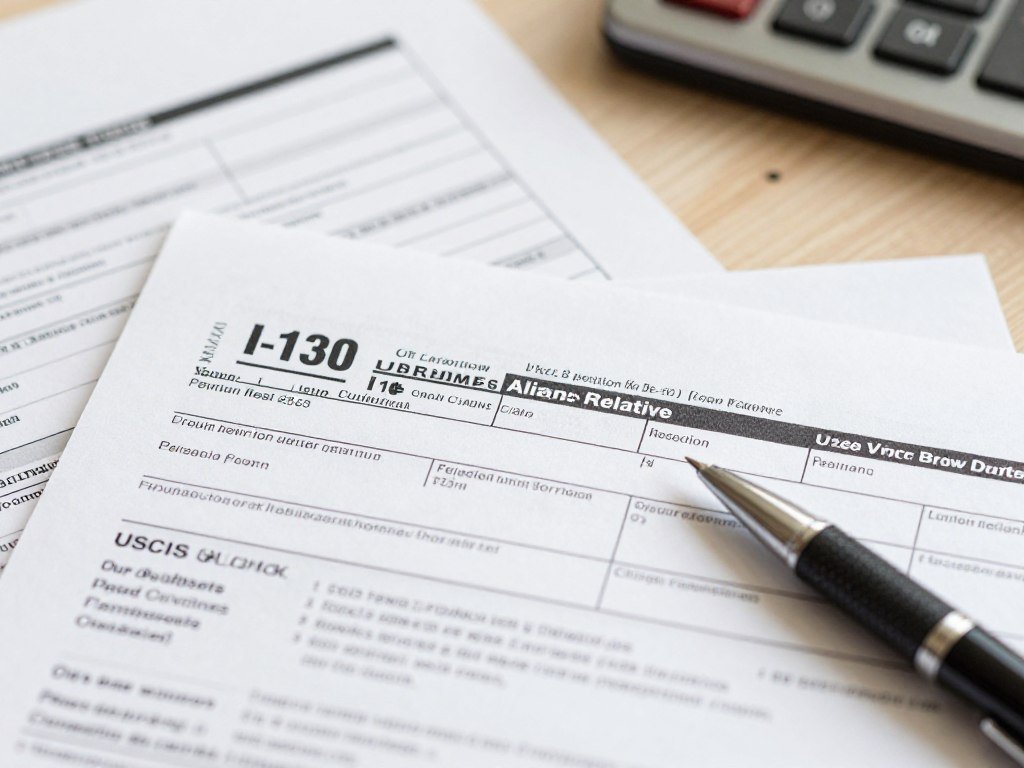
- Form I-130 petition: The petition alien relative document that starts the process
- Adjustment of status: Applying for a green card while inside the United States
- Consular processing: Obtaining an immigrant visa outside the United States
- Affidavit of support: Financial sponsorship document proving ability to support immigrant
Who Qualifies for Family-Based Immigration
Two main categories determine eligibility for family-based green cards:
Immediate Relatives
Immediate relatives of U.S. citizens receive priority treatment with no numerical limits or waiting periods.
- Spouses of U.S. citizens
- Unmarried children under 21 years old
- Parents of U.S. citizens age 21 or older
Family Preference Categories
Other qualifying family relationships fall into preference categories with annual numerical limits.
- Adult children of U.S. citizens
- Siblings of adult U.S. citizens
- Spouses and unmarried children of permanent residents
The relationship between petitioner and beneficiary determines which category applies. U.S. citizens can sponsor more family member types than lawful permanent residents can.
Not Sure If You Qualify?
Download our free eligibility checklist to determine which family-based green card category fits your situation. Get clear answers about your options.
Family-Based Green Card Requirements and Eligibility Rules
Meeting specific requirements ensures your petition moves forward successfully. Both petitioners and beneficiaries must meet certain criteria.
Petitioner Requirements
The person sponsoring the family member must qualify to file Form I-130:
- Must be a U.S. citizen or lawful permanent resident with valid status
- Must prove the qualifying family relationship with documentation
- Must be at least 21 years old to petition parents or siblings
- Must demonstrate financial ability through affidavit of support
- Must have domicile in the United States or prove intent to return

Beneficiary Requirements
The foreign national seeking permanent resident status must also meet requirements:
- Must have a qualifying family relationship to the petitioner
- Must be admissible to the United States under immigration law
- Must not have violated immigration laws or committed certain crimes
- Must pass medical examination by approved panel physician
- Must demonstrate they will not become a public charge
Essential Documents Needed
Gathering proper documentation prevents delays in your application:
For Form I-130 Petition
- Proof of petitioner’s citizenship or permanent resident status
- Birth certificate showing family relationship
- Marriage certificate if sponsoring spouse
- Divorce decrees from previous marriages
- Passport-style photos of both parties
- Filing fee payment confirmation
For Form I-485 Adjustment of Status
- Form I-797 receipt notice from approved I-130
- Copy of birth certificate with translation
- Passport copies and travel documents
- Form I-864 affidavit of support
- Medical examination results (Form I-693)
- Police certificates if required
- Two passport-style photographs
- Employment authorization documents if applicable
Important Note: All foreign language documents must include certified English translations. Original documents or certified copies are typically required. Keep copies of everything you submit for your records.
Financial Requirements
Sponsors must meet income requirements to prevent beneficiaries from becoming public charges. The petitioner must submit Form I-864 showing income at 125% of federal poverty guidelines.
If the sponsor’s income falls short, joint sponsors or household members can help meet requirements. Assets like property or savings accounts may supplement insufficient income.
| Household Size | Minimum Annual Income (125% Poverty Line) | Active Duty Military (100% Poverty Line) |
| 2 persons | $24,650 | $19,720 |
| 3 persons | $31,075 | $24,860 |
| 4 persons | $37,500 | $30,000 |
| 5 persons | $43,925 | $35,140 |
| 6 persons | $50,350 | $40,280 |
Step-by-Step Family Green Card Application Process
Following the correct sequence ensures your application progresses smoothly. The process differs slightly depending on whether the beneficiary is inside or outside the United States.
Complete Application Timeline
- File Form I-130 Petition: The U.S. citizen or permanent resident submits the petition alien relative form with supporting documents to USCIS. Include all required proof of relationship and petitioner status.
- USCIS Reviews Petition: USCIS examines the I-130 petition for completeness and accuracy. They may request additional evidence if needed. You receive a Form I-797 receipt notice confirming they got your petition.
- Wait for Petition Approval: USCIS processes your petition and makes a decision. Immediate relatives face no visa wait after approval. Family preference category beneficiaries must wait for visa availability.
- Choose Your Path: Once a visa becomes available, beneficiaries take different routes based on location. Those in the United States file Form I-485 for adjustment of status. Those outside the United States proceed with consular processing.
- Submit Adjustment Status or Visa Application: File Form I-485 together with supporting documents if adjusting status domestically. Or attend consular interview at U.S. embassy if processing abroad. Include medical examination results and affidavit of support.
- Attend Biometrics Appointment: USCIS schedules fingerprinting for background checks. Applicants must appear at designated Application Support Center. This applies to adjustment of status applicants.
- Complete Interview: Most applicants attend an interview with USCIS officer or consular official. Bring original documents and answer questions about your application. The officer reviews your eligibility and relationship.
- Receive Decision: USCIS or consulate approves or denies the application. Approved applicants receive their green card by mail or immigrant visa. You become a lawful permanent resident upon entry or approval.

Filing Concurrently Form I-130 and I-485
Immediate relatives can file form I-485 together with Form I-130 in some situations. This concurrent filing saves time for eligible applicants.
You may file Form I-130 and Form I-485 concurrently if:
- You qualify as an immediate relative of a U.S. citizen
- You currently maintain lawful status inside the United States
- An immigrant visa is immediately available to you
- You meet all adjustment status requirements
Concurrent filing allows you to apply for work authorization and travel documents while waiting. This speeds up the overall timeline considerably.
Consular Processing Pathway
Applicants outside the United States follow consular processing after petition approval. The National Visa Center coordinates this process.
Key steps in consular processing include:
- NVC sends instruction packet after receiving approved petition
- Beneficiary submits required civil documents and forms
- Pay visa processing fees to the Department of State
- Complete medical examination with approved panel physician
- Attend visa interview at U.S. embassy or consulate
- Receive immigrant visa if approved
- Enter United States within visa validity period
- Green card arrives by mail after entry
The consular processing route works best for beneficiaries who cannot adjust status domestically. Those who entered without inspection or violated status may need this pathway.
Green Card Processing Time and Costs in 2026
Understanding timelines and expenses helps you plan your immigration journey realistically. Costs and processing times vary by category and circumstances.
Current Processing Timelines
Processing times depend heavily on your relationship category and USCIS workload. Immediate relatives typically process faster than family preference categories.
| Category | Form I-130 Processing | Visa Wait Time | Total Estimated Time |
| Immediate Relatives (IR) | 10-15 months | No wait | 12-18 months |
| F1: Unmarried Adult Children of Citizens | 12-18 months | 5-7 years | 6-8 years |
| F2A: Spouses/Children of Permanent Residents | 12-18 months | 2-3 years | 3-4 years |
| F2B: Unmarried Adult Children of Permanent Residents | 12-18 months | 6-8 years | 7-9 years |
| F3: Married Children of Citizens | 12-18 months | 10-12 years | 11-13 years |
| F4: Siblings of Adult Citizens | 12-18 months | 15-20 years | 16-21 years |
Processing times shown are estimates based on current data. Actual times vary by service center location and case complexity. Check the USCIS website for updated processing time information.
Form I-485 adjustment of status typically takes 8-14 months after filing. Consular processing outside United States usually takes 3-6 months after NVC completes case.
Complete Cost Breakdown
Budget for government filing fees and additional expenses throughout the process:
| Form/Service | Filing Fee | When Required |
| Form I-130 Petition | $675 | Initial petition filing |
| Form I-485 Application | $1,440 | Adjustment of status |
| Biometric Services Fee | $85 | With Form I-485 |
| Form I-864 Affidavit | $0 | With adjustment or visa application |
| Medical Examination | $200-$500 | Before interview |
| Immigrant Visa Fee | $345 | Consular processing |
| USCIS Immigrant Fee | $220 | After visa approval |
| Translation Services | $20-$50 per page | For foreign documents |
Total costs typically range from $2,000 to $4,500 depending on your pathway. Additional expenses may include travel costs for interviews, document retrieval fees, and legal assistance if needed.
Fee Updates: USCIS filing fees change periodically. Always verify current fees on the official USCIS website before submitting payment. Fee increases often take effect with little notice.
Ways to Reduce Processing Time
While you cannot control USCIS workload, certain strategies may help:
- Submit complete applications with all required documents initially
- Respond promptly to any requests for evidence from USCIS
- File Form I-130 and Form I-485 together if eligible
- Keep copies of everything and track your case online
- Ensure accurate information to avoid processing delays
- Consider premium processing if available for your form
Common Mistakes to Avoid in Family Green Card Applications
Many applications face delays or denials due to preventable errors. Learning from common mistakes saves time and stress.
Documentation Errors
Missing or Incomplete Documents: Submitting incomplete applications causes automatic rejections or delays. USCIS returns applications missing required initial evidence.
Always include certified copies of birth certificates, marriage certificates, and proof of citizenship. Check the form instructions carefully for the complete document list.
Uncertified Translations: Foreign language documents need certified English translations from qualified translators. The translator must attest to their competency and translation accuracy.
Unofficial translations or family member translations do not meet USCIS requirements. Always use professional translation services for immigration documents.
Relationship Proof Problems
Insufficient Evidence of Relationship: USCIS requires convincing proof of your family relationship. A single birth certificate may not suffice for all cases.
Strengthen your petition with multiple documents like hospital records, school records, family photos, and affidavits from people who know your relationship.
Fraudulent Marriage Red Flags: USCIS scrutinizes marriage-based petitions closely. They look for signs of marriage fraud or marriages entered solely for immigration benefits.
Provide extensive evidence of genuine marital relationship including joint financial accounts, lease agreements, shared bills, photos together over time, and testimony from friends.
Financial Sponsorship Issues
Inadequate Income on Affidavit of Support: Failing to meet minimum income requirements leads to application denial. The sponsor must demonstrate sufficient income to support the immigrant.
If your income falls short, secure a joint sponsor who meets requirements. Document all income sources including employment, self-employment, and investment income.
Missing Tax Returns: USCIS requires recent tax returns to verify sponsor income. Missing tax transcripts or unfiled taxes create serious problems.
Obtain official IRS tax transcripts rather than copies of returns. File any missing tax returns before submitting your affidavit of support.
Timing and Status Mistakes
Filing Before Qualifying Age: Some relationships require the petitioner to reach age 21 or older. Parents and siblings can only be petitioned by citizens who are at least 21 years old.
Wait until the petitioner turns 21 before filing to avoid automatic rejection. Check age requirements for your specific relationship category.
Losing Status While Waiting: Beneficiaries must maintain lawful status if planning to adjust status inside the United States. Visa overstays can disqualify you from adjustment.
Monitor your visa expiration dates carefully. File for extensions or status changes before current status expires. Consider consular processing if you cannot maintain valid status.
Application Form Mistakes
Using Outdated Forms: USCIS frequently updates forms and rejects applications using old versions. Always download the most current form edition from USCIS website.
Check the form edition date in the bottom corner. Verify you are using the current version before completing and submitting.
Incorrect or Missing Signatures: Unsigned forms or signatures in wrong places result in rejection. Each form specifies exactly where signatures are required.
Review signature requirements carefully. The petitioner, beneficiary, and translator each sign in designated locations. Date all signatures with the actual signing date.
Communication Failures
Not Updating Address with USCIS: Missing important notices because USCIS sent them to an old address causes major problems. You may miss interview appointments or evidence requests.
File Form AR-11 within 10 days of moving. Update your address online through your USCIS account. Ensure USCIS always has your current mailing address.
Ignoring Requests for Evidence: When USCIS requests additional evidence, respond within the deadline stated. Failure to respond results in application denial.
Take all USCIS requests seriously. Submit complete responses to every question asked. Request deadline extensions if you need more time to gather evidence.
Avoid Costly Application Mistakes
Get our comprehensive checklist of documents, forms, and deadlines. Ensure your application is complete and error-free from the start.
Tips to Improve Your Green Card Approval Chances
Strategic preparation significantly increases your likelihood of success. These proven tips help applicants navigate the process effectively.

Documentation Excellence
Create a Comprehensive Evidence Package: Build a strong case by providing abundant documentation. More evidence is better than minimal documentation when proving relationships.
Include various document types like financial records, correspondence, photos with dates, travel records together, and statements from family and friends who know your relationship.
Organize Everything Systematically: Present documents in logical order with clear labels. Use tabs or dividers to separate different evidence types.
Create a table of contents listing all included documents. Number pages consecutively. Make copies of your entire submission package for your records.
Financial Preparation Strategies
Strengthen Your Affidavit of Support: Demonstrate financial stability beyond minimum requirements. Show employment stability, assets, and consistent income history.
Include employment verification letters, recent pay stubs, bank statements showing savings, and property ownership documents. Financial strength reassures USCIS you can support your relative.
Line Up Joint Sponsors Early: If your income might not meet requirements, identify potential joint sponsors in advance. Joint sponsors must also meet certain criteria.
Joint sponsors must be U.S. citizens or permanent residents, at least 18 years old, domiciled in the United States, and meet income requirements independently.
Interview Preparation
Practice Common Interview Questions: USCIS officers ask specific questions to verify relationship authenticity. Practice answering honestly and confidently.
Common questions cover how you met, relationship timeline, daily routines, future plans, and specific details about each other. Review your petition and supporting evidence before the interview.
Bring Original Documents: Always bring original documents to interviews even if you submitted copies. Officers need to verify document authenticity.
Organize originals in the same order as submitted copies. Include any new evidence that strengthens your case since filing.
Timing Considerations
File as Soon as Eligible: Do not delay filing once you meet all requirements. Priority dates determine your place in line for family preference categories.
Earlier priority dates mean shorter waits for visa availability. Time between petition approval and visa availability can span years in some categories.
Monitor Your Case Status: Check your case status regularly online using your receipt notice number. Set up text or email alerts for case updates.
Respond immediately to any USCIS communications. Track all deadlines carefully. Use USCIS online tools to estimate processing times.
Legal and Professional Support
Consider Immigration Attorney for Complex Cases: Some situations benefit from professional legal guidance. Complex cases, prior immigration violations, or criminal history warrant attorney consultation.
Attorneys help navigate difficult situations, prepare stronger petitions, and represent you if problems arise. Many offer initial consultations to assess your case.
Stay Updated on Policy Changes: Immigration policies shift frequently. Follow official USCIS announcements and Department of State updates.
Policy changes affect processing priorities, fee structures, and eligibility requirements. Staying informed helps you adapt your strategy when needed.
Communication Best Practices
Maintain Accurate Contact Information: USCIS sends important notices to your address on file. Update your address within 10 days of moving using Form AR-11.
Provide both mailing address and email address when possible. Check mail daily during active processing periods. Save all communications from USCIS.
Keep Detailed Records: Maintain a complete file of all application materials, receipts, correspondence, and tracking information. Document every interaction with USCIS.
Note dates, times, and names of anyone you speak with. Keep copies of all submitted materials. This documentation proves invaluable if issues arise.
Application Strengths That Help Approval
- Complete documentation with certified translations
- Strong evidence of genuine family relationship
- Income well above minimum requirements
- Clean immigration and criminal history
- Prompt responses to USCIS requests
- Consistent information across all forms
- Professional organization of application
Weaknesses That Risk Denial
- Missing or incomplete documentation
- Insufficient relationship evidence
- Income below affidavit requirements
- Prior immigration violations
- Ignoring requests for evidence
- Inconsistent information in forms
- Fraudulent or suspicious circumstances
Latest Immigration Policy Updates for Family-Based Green Cards
Immigration policies continue evolving in 2026. Staying informed about changes helps you adapt your application strategy.
Recent USCIS Processing Changes
USCIS implemented several operational changes affecting family-based applications in recent months. These updates aim to reduce processing backlogs and improve efficiency.
Electronic filing options expanded for more form types. Many applicants can now file Form I-130 and related applications online. Online filing often results in faster processing times.
Processing time reduction initiatives target specific visa categories. USCIS hired additional officers and streamlined internal procedures. Some service centers show measurably shorter processing times.
Fee Structure Adjustments
Filing fees increased for most immigration applications in early 2024. These increases help fund USCIS operations and reduce processing backlogs.
Fee waivers remain available for applicants demonstrating financial hardship. Submit Form I-912 to request fee waiver consideration. Documentation proving inability to pay must accompany waiver requests.
Online payment options now include credit cards, debit cards, and electronic bank transfers. Payment flexibility makes it easier for applicants to submit filing fees.
Public Charge Rule Updates
The public charge rule continues to evolve with new guidance from immigration authorities. Recent interpretations focus on whether immigrants are likely to become primarily dependent on government support.
Factors considered include age, health, family status, assets, resources, financial status, education, and skills. Self-sufficiency demonstration remains crucial for approval.
Receipt of certain public benefits may affect admissibility determinations. Consult official guidance about which benefits are considered in public charge evaluations.
Visa Bulletin and Priority Date Movements
The Department of State Visa Bulletin shows monthly updates on visa availability. Priority dates advance or retrogress based on demand and annual limits.
Some family preference categories experienced faster movement in recent months. F2A category for spouses and children of permanent residents saw particularly favorable advancement.
Country-specific backlogs continue affecting applicants from high-demand countries. Philippines, Mexico, India, and China often face longer waits in family preference categories.
Technology and Modernization Initiatives
USCIS continues expanding digital services for applicants. Online case status tracking provides real-time updates. Mobile-responsive systems let you check applications from smartphones.
Virtual interviews piloted in some cases during recent years. While in-person interviews remain standard, technology integration improves accessibility for certain applicants.
Electronic document submission reduces mail delays. Digital systems accept scanned documents for many application types. This modernization speeds up initial processing stages.
Potential Future Changes
Congressional discussions continue about comprehensive immigration reform. Proposed changes could affect family preference categories, numerical limits, and processing procedures.
Some proposals suggest increasing annual green card quotas. Others recommend eliminating per-country caps that create backlogs. Legislative outcomes remain uncertain.
Administrative policy changes happen more frequently than legislation. Presidential executive actions and agency rule-making alter procedures without congressional approval.
Stay Updated: Subscribe to USCIS email updates and check their website regularly. The U.S. Department of State also publishes important policy announcements. Official government sources provide the most reliable information.
Resources for Current Information
Several official sources provide updates about immigration policy changes:
- USCIS Website: Official policies, form updates, and processing time information
- Department of State Visa Bulletin: Monthly visa availability updates
- Federal Register: Proposed and final rules affecting immigration
- USCIS Policy Manual: Detailed guidance on eligibility and procedures
- Congressional Updates: Legislative proposals affecting immigration law
Ready to Start Your Application?
Connect with experienced immigration professionals who can guide you through the entire process. Get personalized assistance with your family-based green card application.
Moving Forward with Your Family Green Card Journey
Understanding family-based green card requirements empowers you to navigate the immigration process successfully. This pathway reunites families and creates opportunities for permanent resident status in the United States.
Key takeaways for your application include gathering complete documentation, meeting financial requirements through affidavit of support, and maintaining lawful status throughout processing. Immediate relatives benefit from faster timelines while family preference categories require patience.
Proper preparation makes the difference between approval and denial. Submit form I-130 petition with strong relationship evidence. File form I-485 adjustment of status applications complete with medical examinations and supporting documents. Respond promptly to all USCIS requests.

Processing times vary significantly by category and individual circumstances. Monitor your case through USCIS online tools. Stay informed about policy changes that might affect your timeline or requirements.
Avoiding common mistakes prevents costly delays. Use current forms, provide certified translations, meet minimum income requirements, and maintain accurate contact information. Professional guidance helps navigate complex situations.
The family reunification process rewards thorough preparation and patience. Start your application as soon as you meet eligibility requirements. Organize your evidence systematically and track all deadlines carefully.
Success in family-based immigration comes from understanding requirements and following procedures exactly. Whether you qualify as an immediate relative or fall into a family preference category, proper preparation positions you for approval.
Begin your journey today with confidence. Gather your documents, verify your eligibility, and take the first steps toward bringing your family together in the United States. Your path to permanent resident status starts with informed action.