The Global Economy: US Influence and Future Outlook
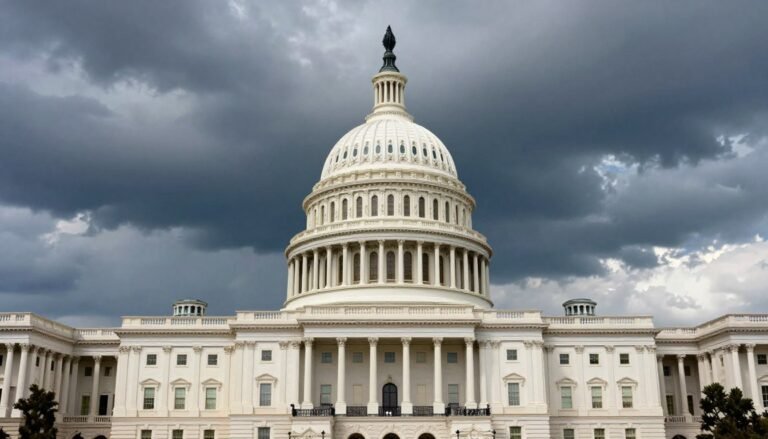
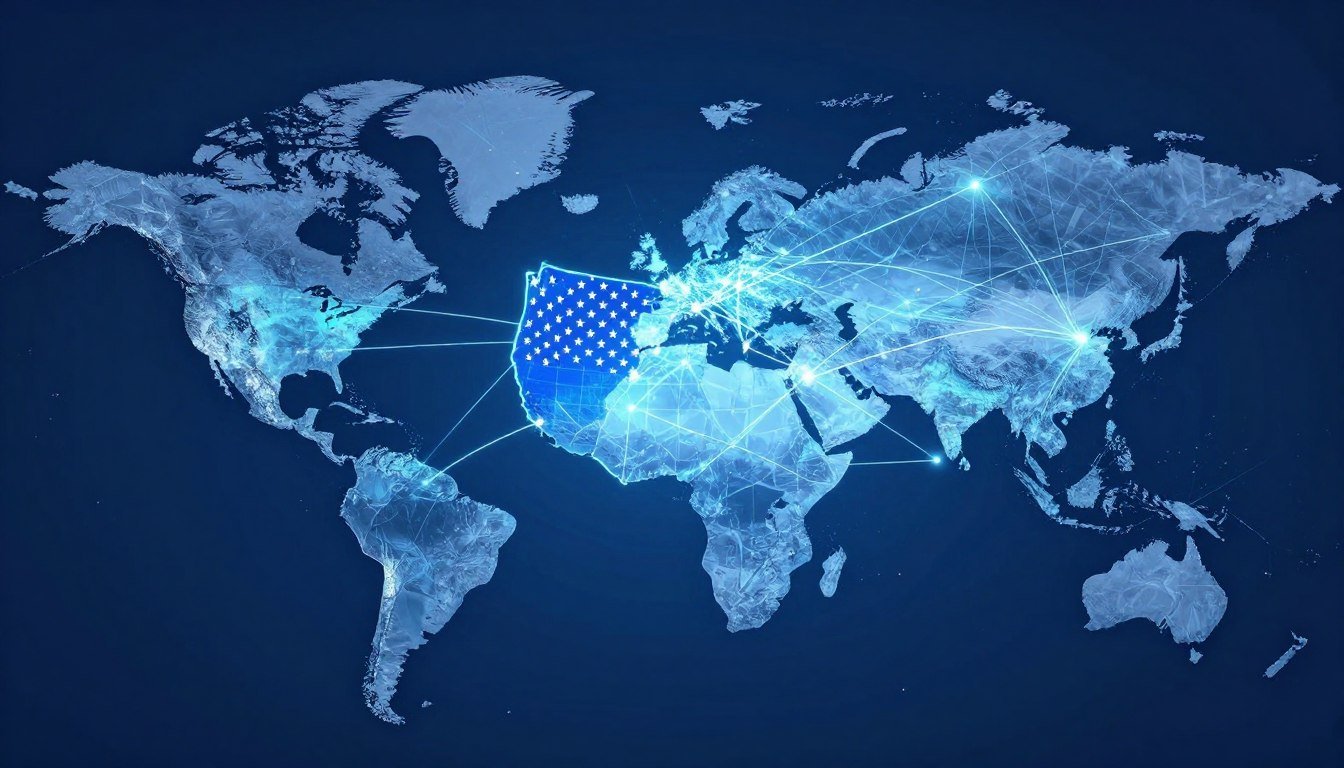
The global economy stands at a critical juncture in 2026, characterized by a post-pandemic recovery that has proven more resilient than expected but remains uneven across regions. While advanced economies have largely rebounded, emerging markets and developing economies face persistent challenges. Inflation concerns have moderated but not disappeared, central banks are navigating complex monetary policy decisions, and geopolitical tensions continue to reshape trade patterns. Against this backdrop, the United States maintains its position as the primary engine of global economic activity, with its policies creating ripple effects that reach every corner of the world market.
The Central Role of the US Economy
The United States remains the world’s largest economy, accounting for approximately 25% of global GDP despite representing only about 4% of the world’s population. This outsized economic influence stems from several key factors that position America as the cornerstone of the global economic system.
The Dollar’s Dominance
The US dollar continues to serve as the world’s primary reserve currency, with approximately 60% of global foreign exchange reserves held in dollars. This “exorbitant privilege” allows the United States to borrow at lower costs while giving its financial institutions and monetary policy decisions extraordinary global influence. When the Federal Reserve adjusts interest rates, the effects cascade through global markets, affecting everything from emerging market debt servicing costs to commodity prices.
Consumer Demand Engine
American consumer spending, which accounts for roughly 70% of US GDP, serves as a critical driver of global demand. The strength of US consumption directly impacts export-oriented economies across Asia, Europe, and Latin America. This was evident during the pandemic recovery, when robust US consumer spending helped pull many trade partners out of recession despite ongoing supply chain disruptions.
Financial Market Leadership
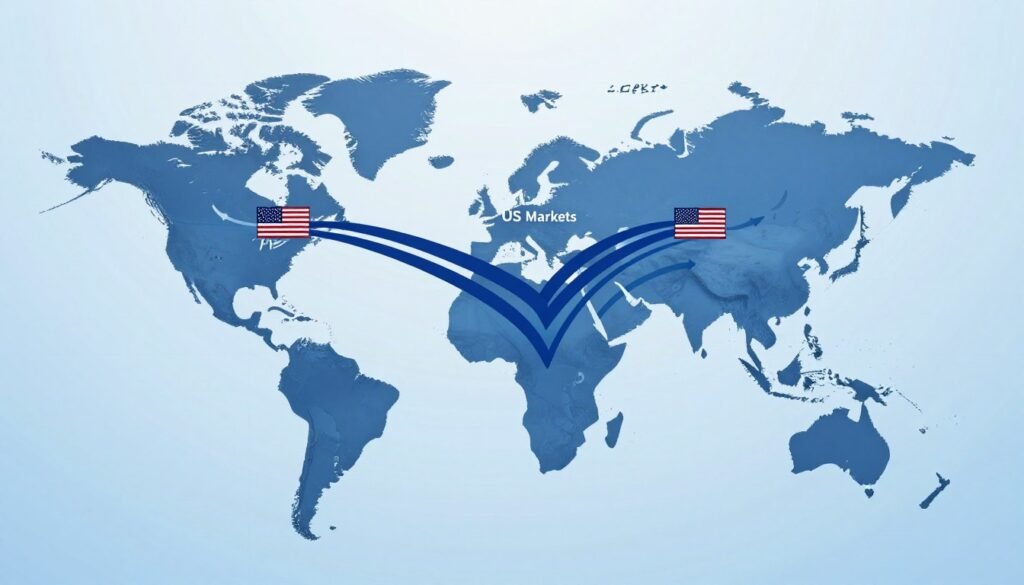
US financial markets remain the deepest and most liquid in the world. The decisions of American investors, pension funds, and asset managers shape capital flows globally. Market volatility in New York quickly transmits to exchanges in Tokyo, London, Shanghai, and beyond. This financial interconnectedness means that US monetary policy and market sentiment have outsized effects on global financial stability.
Technological Innovation Hub
Despite growing competition, the United States maintains leadership in technological innovation, particularly in artificial intelligence, biotechnology, and advanced computing. These sectors increasingly drive global productivity growth and economic transformation. American tech giants like Apple, Microsoft, Google, and Amazon have market capitalizations that exceed the GDP of many nations and set global standards for digital commerce and information exchange.
Key Current Trends Shaping the Global Economy
Several interrelated forces are currently shaping the trajectory of the global economy, creating both challenges and opportunities for policymakers, businesses, and investors worldwide.
Inflation and Central Bank Policy
After reaching multi-decade highs in 2022-2023, global inflation has moderated but remains above pre-pandemic levels in many economies. The Federal Reserve’s policy decisions continue to set the tone for global monetary policy, with many central banks carefully calibrating their approaches to avoid destabilizing currency movements while addressing domestic inflation concerns.
The era of synchronized global monetary policy appears to be ending, with divergent economic conditions leading to different interest rate paths. While some emerging markets maintain higher rates to defend currencies and control inflation, others have begun easing to stimulate growth. This divergence creates new challenges for global capital flows and exchange rate stability.
Geopolitical Tensions and Trade Reconfiguration
Trade tensions between major economies, particularly the United States and China, continue to reshape global supply chains. The concept of “friendshoring” or “nearshoring” has gained traction, with companies relocating production to politically aligned countries or regions closer to end markets. This trend is gradually fragmenting the global trading system into competing economic blocs.
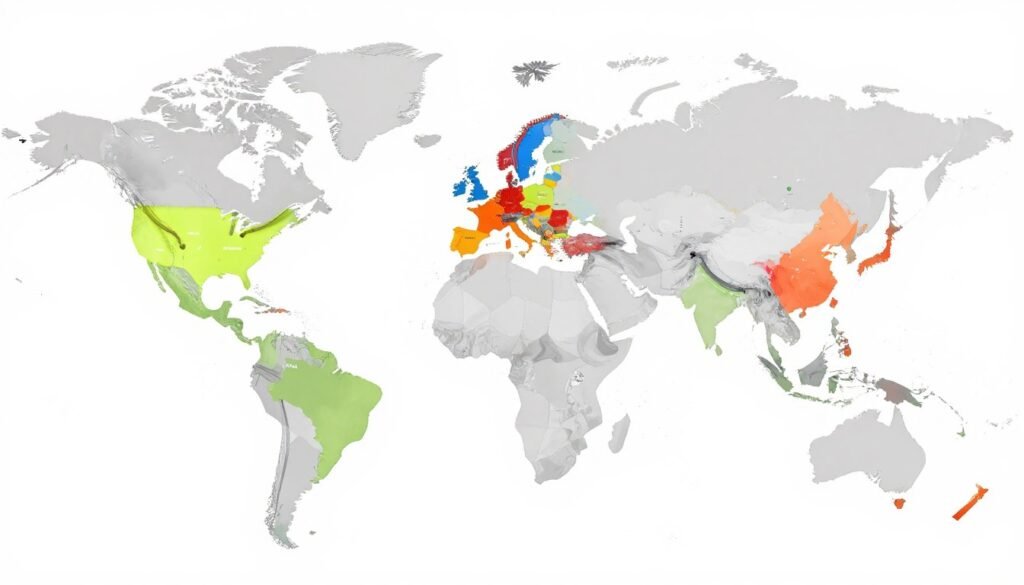
The World Bank notes that these trade realignments create both winners and losers. Countries positioned to capture relocated manufacturing, particularly in Southeast Asia, Mexico, and Eastern Europe, are seeing increased investment. However, the overall efficiency of global production may be compromised, potentially leading to higher costs and reduced productivity growth.
Technological Disruption
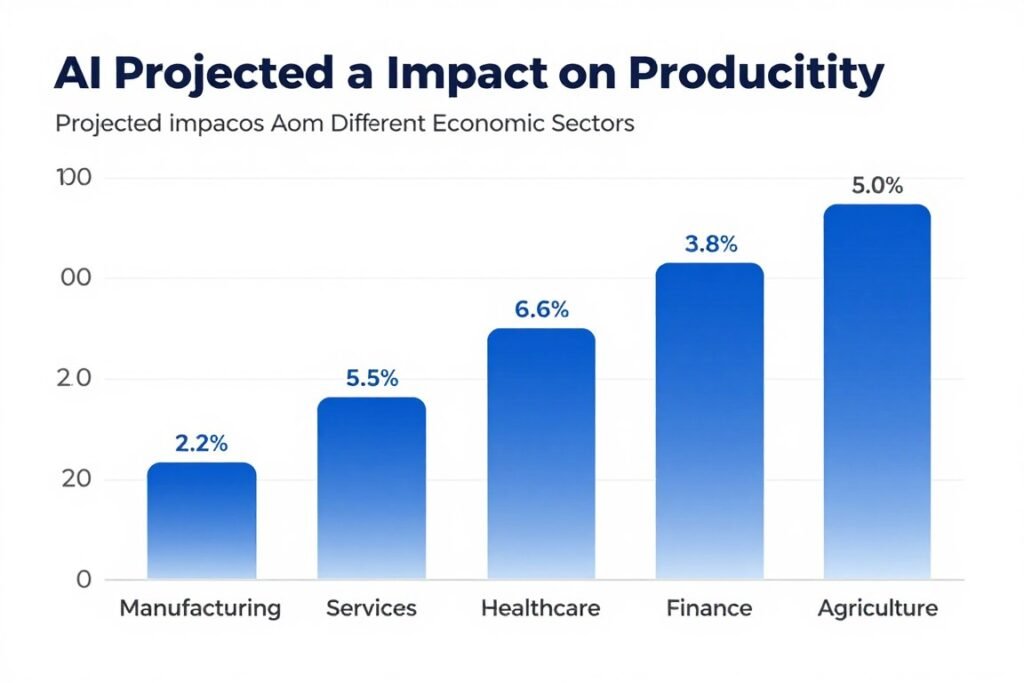
Artificial intelligence and automation continue to transform labor markets and productivity across sectors. The rapid advancement of generative AI technologies is creating new opportunities for efficiency gains while raising concerns about job displacement and economic inequality. Countries and companies that successfully harness these technologies may gain significant competitive advantages in the coming years.
Simultaneously, the green energy transition is accelerating, driven by both policy incentives and improving economics of renewable technologies. This shift is creating new industries and investment opportunities while potentially stranding assets in traditional energy sectors. Countries leading in clean energy innovation and manufacturing, including parts of Europe, China, and increasingly the United States, are positioning themselves for competitive advantage in this growing market.
Near-Future Outlook: What’s at Stake
Looking ahead to the next 12-24 months, several critical factors will determine whether the global economy can maintain resilience or face renewed challenges.
Growth Trajectories
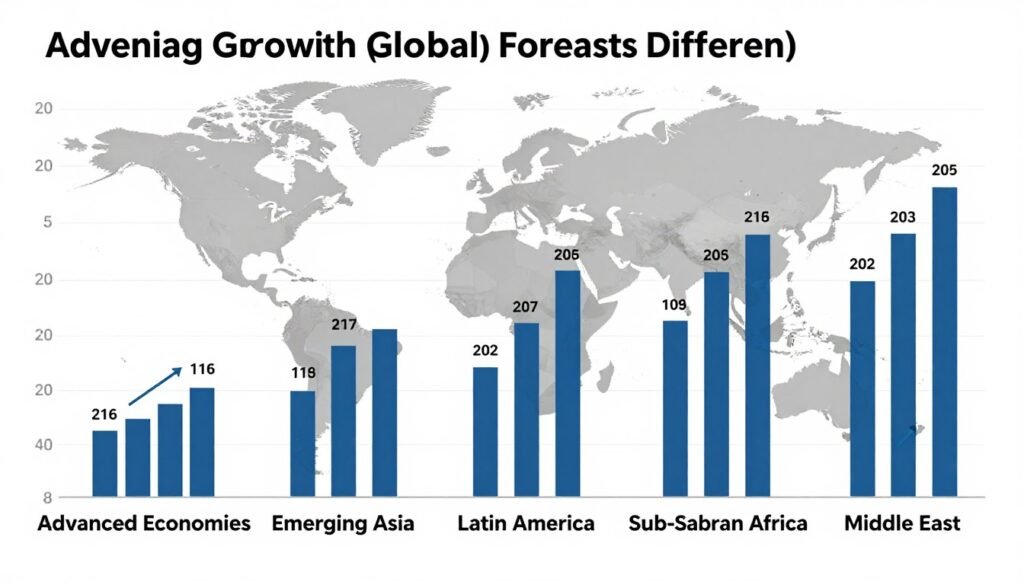
According to IMF projections, global growth is expected to stabilize around 3.1% in the near term—below the historical average but sufficient to avoid widespread recession. However, this aggregate figure masks significant regional disparities. Advanced economies may see growth of 1.5-2%, while emerging markets could achieve 4-4.5%, though with considerable variation among countries.
The key question remains whether major economies can achieve a “soft landing”—bringing inflation under control without triggering recession. The United States has thus far managed this balancing act better than expected, but risks remain, particularly if labor market conditions deteriorate or consumer spending weakens.
Debt Sustainability Concerns
Global debt levels have reached historic highs, with government, corporate, and household debt all elevated in many economies. As interest rates remain higher than pre-pandemic levels, debt servicing costs have increased significantly, particularly for emerging markets with dollar-denominated debt.
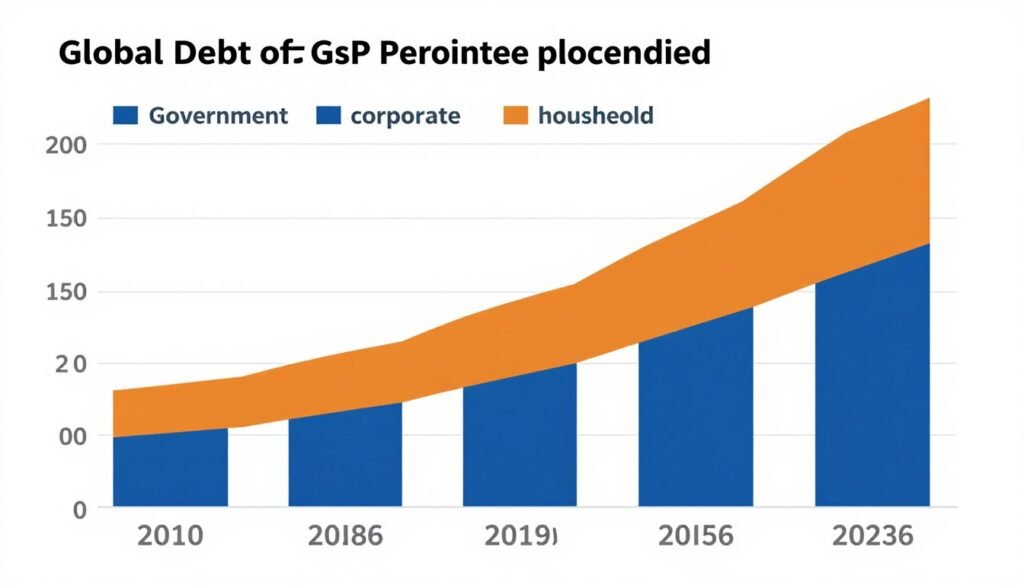
Several emerging markets face potential debt distress, with limited fiscal space to address economic or climate shocks. The World Bank has warned that debt vulnerabilities could trigger financial instability in vulnerable economies, potentially creating spillover effects for global markets.
Technological Transformation
The pace of technological change, particularly in artificial intelligence, presents both opportunities and challenges for the global economy. Countries and companies that successfully integrate AI into their operations could see significant productivity gains, while those that lag may face competitive disadvantages.
The distribution of these gains remains uncertain. While technology has historically created more jobs than it has eliminated, the transition period can be disruptive. Workforce development and education systems will need to adapt rapidly to prepare workers for changing skill requirements.
Climate Change Economic Impact
Climate-related economic risks continue to grow, with extreme weather events causing significant economic damage across regions. The transition to a lower-carbon economy creates both investment opportunities and potential disruption for carbon-intensive industries and regions.
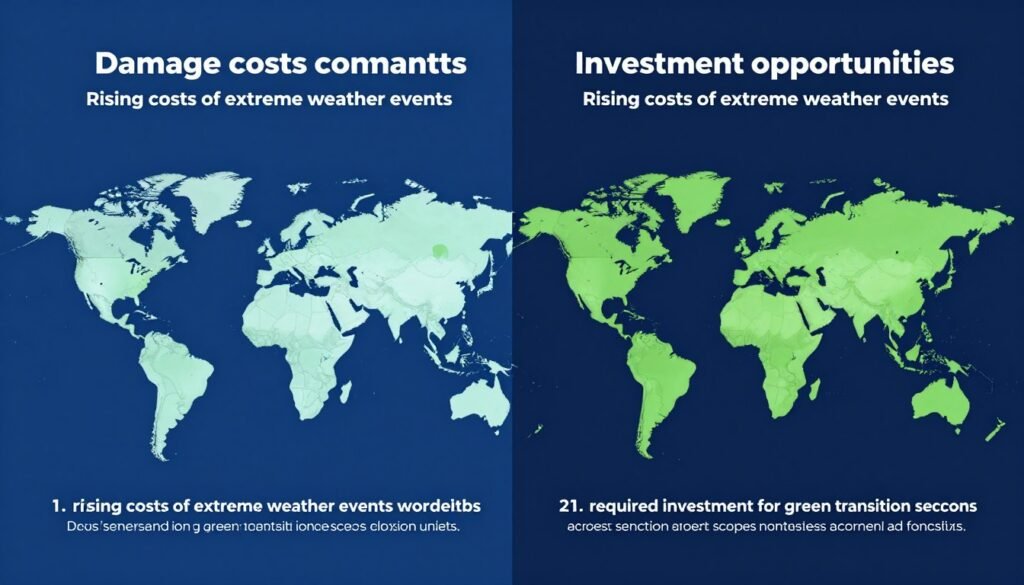
According to World Bank analysis, climate adaptation and mitigation will require trillions in investment over the coming decades. Countries that develop effective climate policies and financing mechanisms may gain competitive advantages in the emerging green economy, while those that delay action face greater physical and transition risks.
Conclusion: An Interconnected Future
The global economy remains at a pivotal moment of transformation. While immediate recession risks have receded, structural challenges persist. The United States continues to exert outsized influence on global economic conditions through its monetary policy, consumer demand, and technological leadership. However, the global economic landscape is becoming more multipolar, with China, India, and regional blocs playing increasingly important roles.
For policymakers, businesses, and investors, navigating this complex environment requires understanding both the enduring structural forces shaping the global economy and the emerging trends that may fundamentally alter economic relationships. The ability of major economies to coordinate on shared challenges—from financial stability to climate change—will significantly influence whether the global economy can maintain resilience in the face of multiple, simultaneous challenges.
As we look ahead, the stakes are high. Successful economic policy coordination could lead to a more sustainable and inclusive growth path. Failure to address shared challenges could result in increased fragmentation, reduced efficiency, and potentially more frequent economic crises. The choices made by policymakers, particularly in the United States, will continue to shape global economic outcomes for years to come.