
Common Reasons Green Card Applications Get Denied and Your Next Steps
Getting a Green Card application denied can feel overwhelming. Many immigrants face this challenge each year. Understanding why denials happen helps you prepare better.
In 2026, immigration processes continue to evolve. New policies affect application outcomes. Knowing common denial reasons protects your American dream.
This guide explains everything about Green Card denials. You will learn what causes rejections. We cover steps to take after denial and ways to improve your chances.
What the Green Card Application Process Means
A Green Card gives you permanent resident status. This means you can live and work in the United States indefinitely. The official name is Permanent Resident Card.
Two main paths exist for getting a Green Card. Adjustment of status applies if you are already in America. Consular processing works for people outside the country.
Several categories qualify for Green Card applications. Family-based immigration connects you through relatives. Employment-based options link to job offers. Refugees and asylum seekers have special paths. The diversity visa lottery provides another route.
Who Qualifies for Permanent Residency
Immediate relatives of U.S. citizens get priority. This includes spouses, unmarried children under 21, and parents. Other family members face longer waiting periods.
Workers with specialized skills qualify through employers. Investors creating jobs also have options. Each category has specific requirements and annual limits.
Requirements and Eligibility for Green Card Applications
Understanding eligibility prevents application denial. Each immigration category has distinct rules. Meeting all requirements increases approval chances significantly.
Major Eligibility Categories
Family-Based Immigration
Close family relationships with U.S. citizens or permanent residents create eligibility. Proof of genuine relationship matters most.
- Marriage certificates for spouses
- Birth certificates for children and parents
- Adoption papers when applicable
- Proof of relationship continuation
Employment-Based Immigration
Job offers from U.S. employers or extraordinary abilities qualify workers. Labor certification often required.
- Approved labor certification from Department of Labor
- Valid job offer letter
- Educational credentials and diplomas
- Professional experience documentation
Refugee or Asylee Status
Protection from persecution in home countries qualifies refugees. One year of asylee status makes you eligible.
- Approved refugee or asylum application
- One year of physical presence required
- Continued need for protection
- Good moral character evidence
Diversity Visa Lottery
Random selection from countries with low immigration rates. Education and work experience requirements apply.
- Lottery selection notification
- High school education or equivalent
- Two years work experience minimum
- Meet all admissibility requirements
Essential Documents Needed
Form I-485 serves as the main application for adjustment of status. Form DS-260 applies for consular processing. Both require extensive supporting documentation.
- Valid passport from home country
- Birth certificate with translation
- Marriage certificate if applicable
- Divorce decrees from prior marriages
- Police clearance certificates
Identity Documents
- Form I-485 or DS-260 completed
- Visa petition approval notice
- Priority date documentation
- Previous visa applications
- Entry/exit records from U.S.
Immigration Documents
- Form I-864 Affidavit of Support
- Sponsor’s tax returns (3 years)
- Bank statements and assets
- Employment verification letters
- Pay stubs recent months
Financial Documents
Step-by-Step Green Card Application Process
The Green Card process involves multiple stages. Each step requires careful attention. Following procedures correctly prevents denial and delays.
- Determine your eligibility category and gather preliminary documents
- File immigrant petition Form I-130 or I-140 with USCIS
- Wait for petition approval and priority date to become current
- Submit Form I-485 for adjustment of status or DS-260 for consular processing
- Complete biometrics appointment at Application Support Center
- Attend medical examination with USCIS-approved civil surgeon
- Prepare for and attend immigration interview at USCIS office or U.S. consulate
- Receive decision notice from USCIS or consular officer
- Complete any additional evidence requests if issued Request for Evidence
- Receive Green Card by mail if approved or denial notice with reasons
Each application type follows similar patterns. Adjustment of status keeps you in America during processing. Consular processing requires you to attend interviews abroad.
USCIS may request additional evidence during review. Respond quickly to all requests. Missing deadlines can result in application denial.
Green Card Processing Time and Costs in 2026
Processing times vary significantly by category. Understanding timelines helps you plan better. Costs include government fees and potential legal expenses.
Estimated Processing Timelines
| Application Category | Average Processing Time | Priority Date Wait |
| Family-Based (Immediate Relatives) | 12-18 months | No wait (current) |
| Family-Based (Preference Categories) | 18-36 months | 1-10 years |
| Employment-Based (EB-1) | 8-12 months | Current to 2 years |
| Employment-Based (EB-2/EB-3) | 12-24 months | 2-8 years |
| Diversity Visa Lottery | 6-12 months | Current (annual) |
| Refugee/Asylee | 12-24 months | 1 year waiting period |
Government Filing Fees
Form I-485 filing fee currently costs $1,140 for most applicants. Children under 14 pay reduced fees. Biometric services add $85 per person.
Additional costs include medical examination fees ranging from $200 to $500. Document translation services may cost $20 to $50 per page. Attorney fees vary from $2,000 to $7,000 depending on case complexity.
Important: Fee amounts change periodically. Always verify current fees on the official USCIS website at www.uscis.gov before submitting your application.
Common Reasons Green Card Applications Get Denied
Understanding denial reasons helps you avoid mistakes. USCIS denies thousands of applications yearly. Most denials stem from preventable errors.
Immigration law sets strict admissibility standards. Failing to meet any requirement causes denial. Background issues create significant obstacles.
Incomplete or Incorrect Application Forms
Form errors rank among top denial reasons. Missing signatures invalidate entire applications. Inconsistent information raises red flags.
Common form mistakes include wrong filing fees. Outdated form versions get rejected immediately. Illegible handwriting causes processing problems.
Missing Supporting Documents
USCIS requires extensive evidence with applications. Missing birth certificates stops processing. Incomplete financial documentation fails support requirements.
Translation errors cause document rejection. All foreign documents need certified English translations. Notarized copies must follow USCIS specifications.
Criminal Records and Background Issues
Criminal history creates major admissibility problems. Certain convictions permanently bar Green Card approval. Even minor offenses may cause denial.
Drug-related convictions present serious obstacles. Crimes involving moral turpitude affect eligibility. Multiple convictions increase denial likelihood regardless of severity.
Medical Examination Problems
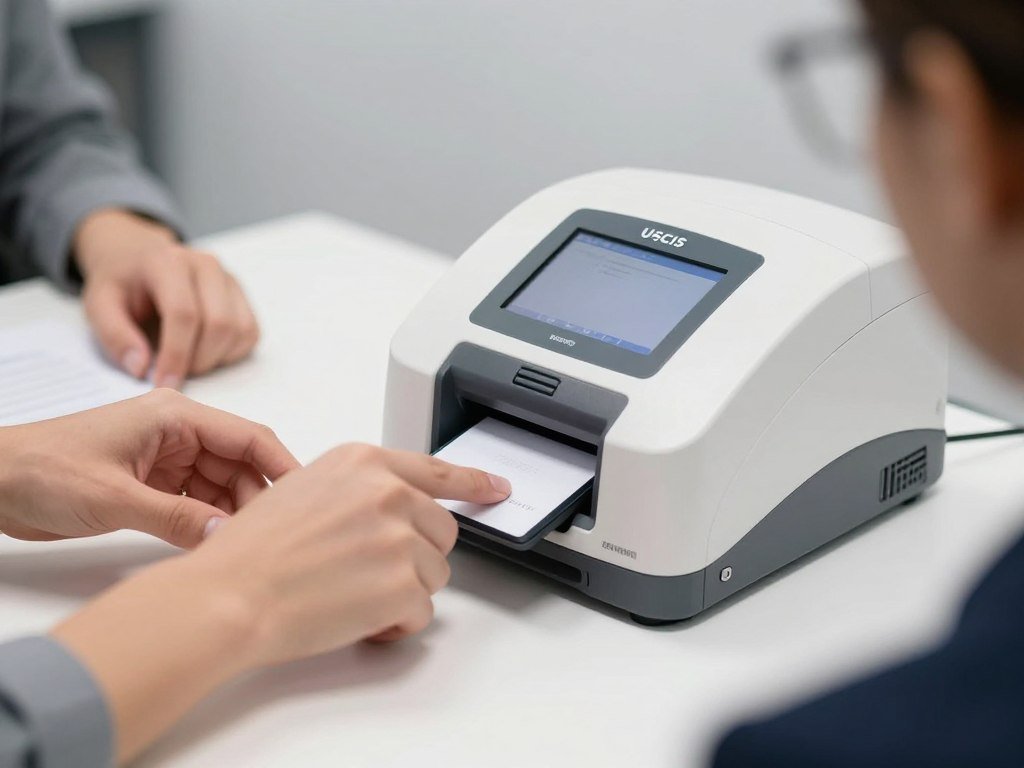
Failed medical exams result in application denial. Communicable diseases require treatment documentation. Vaccination records must be complete and current.
Mental health conditions need professional evaluation. Substance abuse history requires evidence of rehabilitation. Civil surgeons must be USCIS-approved.
Immigration Violations and Unlawful Presence
Overstaying visa creates unlawful presence issues. Accumulating 180 days triggers entry bars. Working without authorization violates status.
Previous deportation orders complicate applications significantly. Illegal entry affects future eligibility. Marriage fraud allegations cause automatic denial.
Financial Insufficiency
Sponsors must meet income requirements. Insufficient financial support causes denial. Public charge concerns affect approval decisions.
Form I-864 Affidavit of Support needs adequate income proof. Sponsors below 125% of poverty guidelines fail requirements. Joint sponsors may be necessary.
Fraud or Misrepresentation
Providing false information guarantees denial. USCIS investigates inconsistencies thoroughly. Sham marriages face severe consequences.
Document fraud carries criminal penalties. Lying during interviews creates permanent records. Even innocent mistakes may appear as misrepresentation.
Critical: Any form of fraud or willful misrepresentation can result in permanent inadmissibility to the United States. Always provide truthful and accurate information in all immigration applications and interviews.
Common Mistakes to Avoid in Green Card Applications

Simple mistakes derail Green Card applications. Avoiding these errors improves approval chances. Learning from common problems saves time and money.
Critical Errors That Lead to Denial
- Submitting Incomplete Applications: Missing pages or unsigned forms get rejected immediately. Always review entire application package before mailing. Use USCIS checklists to verify completeness.
- Using Outdated Forms: USCIS frequently updates form versions. Old forms cause automatic rejection. Download current forms directly from USCIS website each time.
- Failing to Disclose Information: Hiding previous immigration violations worsens problems. Criminal history must be disclosed fully. Even dismissed charges require mention.
- Missing Deadlines and Appointments: Skipping biometric appointments triggers denial. Response deadlines for evidence requests are firm. Request rescheduling properly if conflicts arise.
- Inadequate Financial Documentation: Incomplete tax returns fail support requirements. Bank statements must cover required periods. Joint sponsors need complete documentation too.
- Poor Interview Preparation: Inconsistent answers raise fraud concerns. Bring all original documents to interviews. Practice answering questions honestly and clearly.
- Ignoring Request for Evidence: USCIS issues RFE when needing more information. Deadline extensions are rarely granted. Incomplete responses result in denial.
Do These Things
- Double-check all forms before submission
- Keep copies of everything you submit
- Respond promptly to all USCIS requests
- Attend all scheduled appointments
- Hire qualified immigration attorney for complex cases
- Maintain consistent information across documents
- Organize documents in labeled folders
Never Do These
- Submit false or misleading information
- Use outdated or incorrect forms
- Miss appointments without rescheduling
- Ignore USCIS correspondence or deadlines
- Rely on unauthorized immigration consultants
- Leave questions blank on forms
- Assume silence means approval
What to Do If Your Green Card Application Is Denied

Receiving a denial notice does not end your immigration journey. Several options exist for challenging decisions. Understanding your rights helps you move forward.
The denial notice explains reasons for rejection. Read this document carefully multiple times. Specific grounds for denial determine your next steps.
Understanding Your Denial Notice
USCIS provides detailed denial explanations. The notice includes legal basis for decision. Appeal deadlines appear prominently in the letter.
Three main options typically exist after denial. You may file a motion to reopen or reconsider. Appeal to immigration court represents another path. Reapplying with corrected information is sometimes appropriate.
Motion to Reopen Your Case
File motion to reopen when new evidence exists. This evidence must be material and previously unavailable. You have 30 days from denial to file motion to reopen.
Motion to reopen requires Form I-290B. Filing fees currently cost $675. Strong new evidence substantially improves chances.
Common reasons for motion to reopen include new documents. Changed country conditions may support reopening. Previously unavailable witnesses can justify motions.
Motion to Reconsider the Decision
Motion to reconsider argues USCIS made legal errors. This challenges the decision’s legal basis. You must show incorrect law application.
File motion to reconsider within 30 days of denial. Present legal arguments why decision was wrong. Cite immigration law and regulations supporting your position.
Unlike motion to reopen, motion reconsider uses existing evidence. Focus on legal interpretation rather than facts. Immigration attorneys help craft strong legal arguments.
Filing an Appeal
Administrative appeals go to USCIS Administrative Appeals Office. Some cases appeal to Board of Immigration Appeals. The denial notice specifies proper appeal venue.
Appeal deadlines are strictly enforced by immigration authorities. Most appeals require filing within 30 days. Extensions are rarely granted without extraordinary circumstances.
Appeals cost $675 filing fee currently. Processing takes many months typically. Success rates vary by case type and denial reasons.
Reapplying for a Green Card
Sometimes starting fresh makes more sense. Correct previous application errors before reapplying. Address all denial reasons in new application.
Gather additional evidence strengthening your case. Improve financial documentation if that caused denial. Obtain required vaccinations or medical treatments.
Wait for changed circumstances when appropriate. Qualifying family relationships may develop over time. Employment situations might improve eligibility.
Removal Proceedings Considerations
Denial sometimes triggers removal proceedings. This happens particularly with status violations. Immigration court handles deportation cases.
Removal proceedings require immediate attorney consultation. Different rules apply in immigration court. You may have defenses against deportation.
Relief from removal includes cancellation of removal. Asylum applications can stop deportation. Each case requires individual legal analysis.
Time-Sensitive Action Required: Most motions and appeals have strict 30-day deadlines. Calculate deadlines from the date on your denial notice. Do not delay consulting with an immigration attorney about your options.
Tips to Improve Your Green Card Approval Chances
Strategic preparation significantly increases approval rates. Attention to detail prevents common problems. Following best practices demonstrates application seriousness.
Document Preparation Excellence
Organize documents in logical order matching application. Label everything clearly for USCIS reviewers. Include cover letters explaining document organization.
Make multiple copies of entire application package. Keep digital scans of all documents. Track submission dates and receipt numbers carefully.
Translate all foreign documents properly. Use certified translation services only. Attach translator certifications to each translation.
Form Completion Best Practices
Type forms when possible for clarity. Use black ink for handwritten sections. Answer every question even if not applicable.
Consistency across all forms is critical. Verify dates and names match exactly. Review completed forms multiple times before signing.
Write “N/A” for questions that don’t apply. Never leave blank spaces on forms. Explain complex answers in separate attachments.
Evidence Quality Standards
Provide original documents when required by USCIS. Submit clear photocopies otherwise. Ensure all documents are legible and complete.
Financial evidence should show stability and sufficiency. Include multiple years of tax returns. Bank statements must be recent and official.
Relationship evidence needs quality over quantity. Select documents proving genuine relationship. Photos should show consistent relationship timeline.
Prepare for Your Interview
Immigration interviews test application truthfulness. Practice answering questions honestly. Bring all original documents to appointment.
Dress professionally showing respect for process. Arrive early allowing security screening time. Bring attorney if representation desired.

Working with Immigration Attorneys
Complex cases benefit from legal representation significantly. Attorneys identify potential problems early. Professional guidance navigates procedural requirements.
Choose attorneys specializing in immigration law. Verify credentials through state bar associations. Check reviews and success rates before hiring.
Attorney costs represent investment in application success. Many offer payment plans for services. Initial consultations often available at reduced rates.
Maintaining Legal Status
Never work without proper authorization while pending. Maintain current visa status throughout processing. Avoid any immigration violations during application.
Report address changes to USCIS within 10 days. Update USCIS about material case changes. Respond immediately to all USCIS correspondence.
Latest Green Card Policy Updates and Changes in 2025-2026
Immigration policies evolve constantly under new administrations. Staying informed about changes protects your application. Recent updates affect processing times and requirements.
Processing Time Improvements
USCIS implemented efficiency measures in 2025. Online filing expanded for more form types. Digital document submission speeds processing significantly.
Some employment-based categories see faster adjudication. Premium processing expanded to additional forms. Check USCIS processing times regularly for updates.
Policy Changes Affecting Eligibility
Public charge rule interpretations continue evolving. Current guidance emphasizes self-sufficiency standards. Financial requirements may tighten or loosen periodically.
Employment verification procedures became more stringent. USCIS conducts more site visits to employers. Document authentication processes improved fraud detection.
Fee Structure Updates
Filing fees may increase in 2026 pending regulations. Fee waiver eligibility might expand for certain applicants. Check current fees before submitting applications.
Biometric services fees remained stable recently. Premium processing costs vary by form type. Expedite requests require compelling justification.
Technology Integration
Online account access improved case tracking. Electronic notifications reduce mail delays. Mobile apps provide real-time status updates.
Virtual interviews piloted for some case types. Digital document upload capabilities expanded. Electronic signatures accepted for more forms.
Stay Updated: Always check official sources for the latest policy changes. Visit USCIS.gov, DHS.gov, and State.gov for current information before filing.
What to Monitor in 2026
Congressional immigration reform discussions continue. Executive orders may change enforcement priorities. Court decisions affect policy implementation nationwide.
Country-specific visa availability changes monthly. Priority date movement impacts application timing. Retrogression affects employment-based categories periodically.
Moving Forward After Green Card Application Denial

Green Card application denial feels discouraging but creates opportunities. Understanding denial reasons enables better future applications. Many people succeed after initial setbacks.
Review your denial notice thoroughly and completely. Identify specific problems that caused rejection. Determine whether motion to reopen or reconsider makes sense.
Proper preparation makes enormous difference in outcomes. Gather complete evidence before filing applications. Verify all information across forms and documents.
Immigration law complexity requires careful navigation. Professional legal guidance helps avoid costly mistakes. Attorneys identify issues you might miss alone.
Time limits apply to most denial responses. File motion to reopen within 30 days typically. Appeal deadlines pass quickly without extensions.
Your path to permanent residency continues despite obstacles. Millions of immigrants successfully obtained Green Cards after challenges. Persistence and proper preparation lead to approval.
Take action promptly to protect your options. Consult qualified immigration attorney about your case. Understand your rights under United States immigration law.