Green Card Process Step-by-Step: Your Complete Guide for 2026
Obtaining a green card opens the door to permanent residence in the United States. This legal status allows you to live and work anywhere in the country.
In 2026, immigration remains a top priority for millions worldwide. The green card application process can seem overwhelming for beginners.
Understanding each step helps you avoid costly mistakes. This guide breaks down the green card process step-by-step in simple terms anyone can follow.
Not sure which green card category applies to you? Understanding your eligibility is the first step toward permanent residence.
What the Green Card Application Process Means
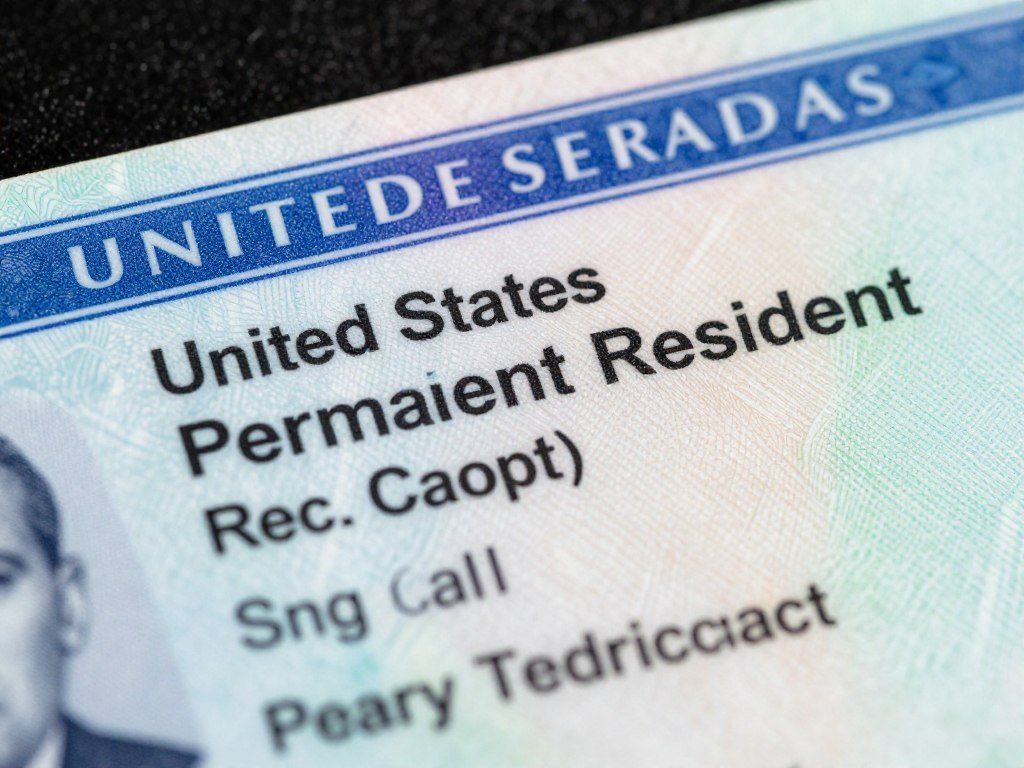
A green card is your proof of lawful permanent residence in the United States. This card shows you have immigration benefits that allow you to stay permanently.
The official name is “Permanent Resident Card.” USCIS issues this document after approving your application.
Key Immigration Terms You Should Know
Permanent Residence: Legal status allowing you to live in the United States indefinitely. You can work for any employer without restrictions.
Adjustment of Status: The process of applying for a green card while already in the United States. You file Form I-485 for this purpose.
Consular Processing: Applying for an immigrant visa from outside the United States. You complete this at a U.S. embassy or consulate.
Petition: A formal request filed by a sponsor on your behalf. Family members or employers typically file petitions.
Who Qualifies for a Green Card
Several categories of people can apply for permanent residence. Your qualification depends on your relationship to U.S. citizens or your employment situation.
- Immediate relatives of U.S. citizens (spouses, parents, unmarried children under 21)
- Other family members through family preference categories
- Employment-based applicants with job offers or special skills
- Diversity visa lottery winners from eligible countries
- Refugees and asylum seekers who meet specific requirements
- Special immigrants including religious workers and international organization employees
Requirements and Eligibility for Green Card Application
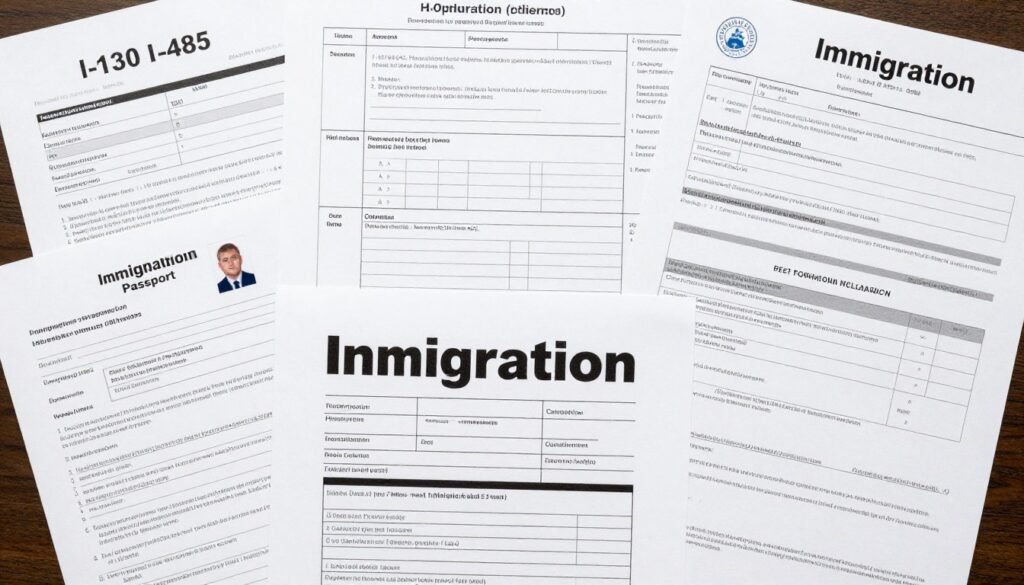
Meeting eligibility requirements is essential before starting your green card application. Each category has specific rules you must follow.
General Eligibility Rules
All applicants must meet certain basic requirements. These apply regardless of your specific category.
- You must be admissible to the United States under immigration law
- You cannot have certain criminal convictions or immigration violations
- You must pass medical examinations from approved physicians
- You need to demonstrate you won’t become a public charge
- You must maintain lawful status if adjusting from within the United States
Family-Based Green Card Requirements
Family-based categories require a U.S. citizen or permanent resident to petition for you. The petitioner must prove a qualifying relationship.
Immediate relatives have no waiting period. Other family preference categories face annual visa number limitations.
Employment-Based Green Card Requirements
Employment-based green cards typically require a job offer from a U.S. employer. Some categories allow self-petitioning for exceptional individuals.
The employment-based green card process often includes labor certification. This proves no qualified U.S. workers are available for the position.
National interest waiver applicants can skip labor certification. This applies to those whose work benefits the United States significantly.
Essential Documents You Need
Personal Identification
Documents proving your identity and civil status are mandatory for all applicants.
- Valid passport
- Birth certificate
- Marriage certificate (if applicable)
- Divorce or death certificates (if previously married)
Financial Evidence
You must demonstrate financial stability and support during the immigration process.
- Tax returns (typically 3 years)
- Bank statements
- Employment verification letters
- Form I-864 Affidavit of Support
Medical Records
Health screenings ensure you meet medical admissibility standards set by USCIS.
- Form I-693 medical examination
- Vaccination records
- Chest X-rays
- Blood test results
Immigration Documents
Current and previous immigration paperwork establishes your legal history in the United States.
- Current visa documentation
- I-94 arrival/departure records
- Previous visa petitions
- Work authorization documents
Green Card Process Step-by-Step: Complete Instructions
The green card process follows a specific sequence of steps. Understanding each phase helps you prepare properly and avoid delays.
Step 1: Determine Your Category
Identify which green card category applies to your situation. Your category determines which forms you file and what requirements you must meet.
Family-based applicants need a qualifying relationship with a U.S. citizen or permanent resident. Employment-based applicants need employer sponsorship or extraordinary ability.
Step 2: File the Appropriate Petition
Most green card applications start with a petition. Your sponsor files this petition on your behalf with USCIS.
Form I-130 is used for family-based petitions. Form I-140 applies to employment-based petitions for alien workers.
The petition establishes your eligibility for permanent residence. USCIS reviews and approves this before you can proceed.
Step 3: Wait for Priority Date
After petition approval, you may need to wait for your priority date to become current. This applies to categories with visa number limitations.
The priority date is assigned when USCIS receives your petition. Check the monthly Visa Bulletin to track when your number becomes available.
Immediate relatives of U.S. citizens skip this waiting period. They can file Form I-485 immediately after petition approval.
Step 4: File Form I-485 or Apply for Immigrant Visa
If you’re in the United States, you file Form I-485 to adjust status. This is your actual green card application.
The application to register permanent residence or adjust status includes extensive documentation. You submit biometric information, medical examinations, and supporting evidence.
If you’re outside the United States, you apply for an immigrant visa through consular processing. You’ll attend an interview at a U.S. embassy or consulate.
Step 5: Attend Biometrics Appointment
USCIS schedules a biometrics appointment after receiving your Form I-485. You provide fingerprints, photographs, and signatures.
This information is used for background checks and security screenings. Attendance is mandatory and cannot be skipped.
Step 6: Complete Medical Examination
A USCIS-approved civil surgeon must perform your medical examination. This doctor completes Form I-693 documenting your health status.
You must receive required vaccinations unless you qualify for an exemption. The medical exam must be current when USCIS reviews your case.
Step 7: Attend Your Interview

USCIS may require an in-person interview to review your green card application. The officer asks questions about your background and eligibility.
Bring all original documents to your interview. This includes passports, birth certificates, marriage certificates, and any requested evidence.
Answer all questions truthfully and completely. Inconsistencies can delay your case or result in denial.
Step 8: Receive Decision and Green Card
USCIS issues a decision after completing your background check and reviewing your application. You receive approval, denial, or a request for additional evidence.
If approved, your green card arrives by mail within several weeks. This card proves your status as a lawful permanent resident.
You can apply for employment authorization while your adjustment of status is pending. File Form I-765 to request this document if needed.
Green Card Processing Time and Costs

Understanding timelines and expenses helps you plan for the green card process. Processing times vary significantly by category and USCIS workload.
Expected Processing Timeframes
Current processing times range from several months to several years. Your specific timeline depends on multiple factors.
| Application Stage | Average Processing Time | Variables Affecting Time |
| Form I-130 Family Petition | 12-24 months | USCIS office workload, relationship type |
| Form I-140 Employment Petition | 6-12 months | Premium processing available, category type |
| Form I-485 Adjustment of Status | 8-14 months | Background checks, interview scheduling |
| Consular Processing | 6-12 months | Embassy location, administrative processing |
| Total Employment-Based Timeline | 2-5 years | Country of birth, priority date backlog |
Premium processing is available for certain employment petition types. This service costs an additional fee but guarantees 15-day processing for Form I-140.
National interest waiver cases may process faster than standard employment-based green card applications. These bypass the labor certification requirement.
Government Filing Fees
USCIS charges fees for each form you submit. These costs add up throughout the process.
- Form I-130 Petition for Alien Relative: $625
- Form I-140 Immigrant Petition: $700
- Form I-485 Application to Register Permanent Residence: $1,225 (includes biometrics)
- Form I-765 Employment Authorization: $520 (if filed separately)
- Form I-131 Travel Document: $630 (if filed separately)
- Medical examination: $200-$500 (varies by doctor)
- Premium processing (if available): $2,500
Total costs for a complete green card application typically range from $1,500 to $5,000. This includes government fees but not attorney costs.
Additional Expenses to Consider
Beyond government fees, you may incur other costs during the process. These vary based on your specific situation.
- Immigration attorney fees: $2,000-$8,000 depending on case complexity
- Document translation services: $20-$50 per page
- Travel expenses for interviews or medical appointments
- Passport photos and photocopying costs
- Certified copies of vital records from foreign countries
Common Mistakes to Avoid in the Green Card Process
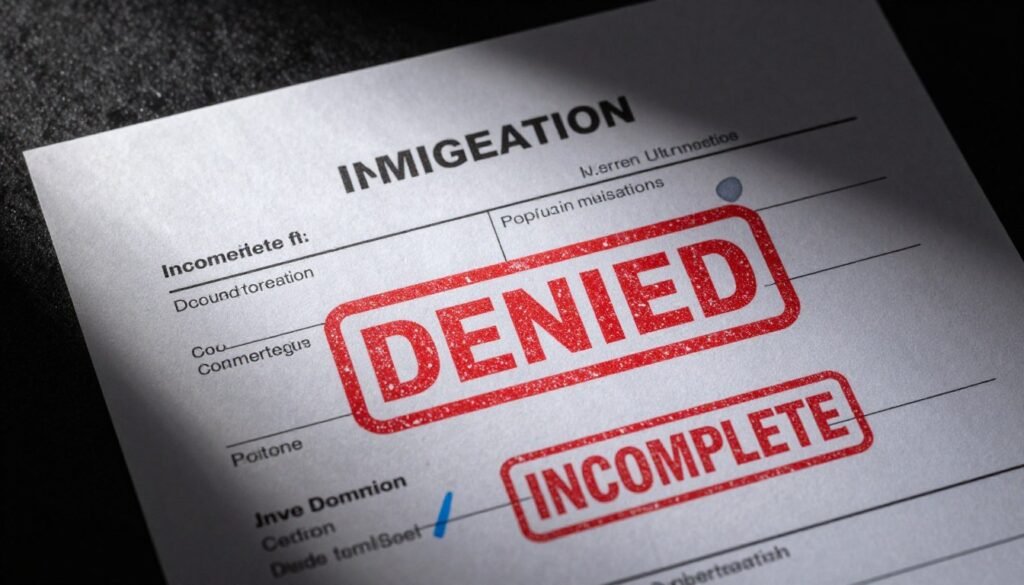
Many green card applications face delays or denials due to preventable errors. Learning these common mistakes helps you avoid costly problems.
Mistake 1: Filing Incomplete Applications
Submitting forms with missing information is the most common error. USCIS will reject incomplete applications or issue requests for evidence.
Every question on the form must be answered. Write “N/A” or “None” if a question doesn’t apply to you.
Review all forms carefully before mailing. Double-check that signatures and dates are present on every required page.
Mistake 2: Missing Deadlines and Response Dates
USCIS sets strict deadlines for responding to requests for evidence. Missing these deadlines can result in automatic denial.
Mark all important dates on your calendar. Respond to USCIS notices well before the deadline to allow for mailing time.
Keep copies of everything you send to USCIS. Use certified mail with tracking for important submissions.
Mistake 3: Providing Inconsistent Information
Contradictions between different forms raise red flags during USCIS review. Officers compare your answers across multiple applications.
Be consistent with names, dates, addresses, and employment history. Use the same name format throughout all documents.
If you discover an error after filing, submit a correction immediately. Don’t wait for your interview to address inconsistencies.
Mistake 4: Failing to Maintain Lawful Status
Falling out of status while your green card application is pending creates serious problems. This can make you ineligible to adjust status in the United States.
File for employment authorization if you need to work while waiting. Don’t start employment without proper authorization.
Apply for a travel document before leaving the country. Departing without advance parole can abandon your pending adjustment of status application.
Mistake 5: Using Incorrect or Outdated Forms
USCIS regularly updates immigration forms with new edition dates. Using an outdated version leads to automatic rejection.
Always download forms directly from the official USCIS website. Check the form edition date before completing it.
Form I-485 and other applications must be current versions. Verify you’re using the correct form for your specific category.
Mistake 6: Inadequate Financial Documentation
Insufficient evidence of financial support is a common reason for green card denials. You must prove you won’t become a public charge.
Include complete tax returns for the required years. Provide W-2 forms, pay stubs, and employment verification letters.
Your sponsor must meet minimum income requirements on Form I-864. Include assets if income alone doesn’t meet the threshold.
Mistake 7: Withholding Information About Criminal History
Failing to disclose arrests, citations, or criminal history is grounds for denial. USCIS conducts thorough background checks that reveal this information.
Disclose all arrests even if charges were dropped or expunged. Answer questions about criminal history truthfully and completely.
Obtain certified court records for any incidents. Include dispositions showing the outcome of each case.
Tips to Improve Your Green Card Approval Chances
Taking proactive steps strengthens your green card application. These strategies help demonstrate your eligibility clearly and convincingly.
Submit Comprehensive Supporting Evidence
Provide more documentation than the minimum required. Strong evidence packages reduce the likelihood of requests for additional information.
Include affidavits from credible witnesses who can verify your claims. Organize documents logically with clear labels and explanations.
Translate all foreign language documents into English. Use certified translators who include attestations of accuracy.
Prepare Thoroughly for Your Interview
Review your entire application before the interview. Be ready to answer questions about any information you provided.
Practice answering common interview questions with a friend or family member. Remain calm and speak clearly during the actual interview.
Dress professionally and arrive early to your appointment. Bring original documents even if you previously submitted copies.
Maintain Detailed Records
Create a complete file of all immigration-related documents. Include copies of everything you submit to USCIS.
Keep records of all correspondence with USCIS. Save receipt notices, request letters, and decision notices.
Document your continuous presence in the United States if required. Utility bills, lease agreements, and employment records serve as proof.
Address Potential Issues Proactively
If you have issues that might affect your case, address them directly. Provide explanations and mitigating evidence upfront.
Obtain legal opinions for complex situations. Immigration attorneys can help you navigate challenging circumstances.
Request waivers if you’re inadmissible for certain reasons. Many grounds of inadmissibility have waiver options available.
Work With Qualified Professionals
Consider hiring an experienced immigration attorney for complicated cases. Professional guidance prevents mistakes and improves success rates.
Verify that any immigration consultant is properly accredited. Only attorneys and accredited representatives can provide legal advice.
Be wary of immigration scams and notario fraud. Always verify credentials before paying for services.
Free Green Card Application Checklist
Download our comprehensive 25-point checklist to ensure you submit a complete, error-free application that maximizes your approval chances.
Latest Updates and Policy Changes for 2026
Immigration policies continue to evolve in 2026. Staying informed about recent changes helps you navigate the green card process effectively.
Processing Time Improvements
USCIS has implemented initiatives to reduce application backlogs. Some case categories now process faster than in previous years.
Employment-based green card processing has become more efficient for certain preference categories. Technology upgrades have streamlined background check procedures.
Online filing options have expanded for many immigration forms. Electronic submission often results in faster processing than paper applications.
Fee Structure Modifications
Filing fees have been adjusted to reflect current operational costs. Some fee increases took effect in early 2026.
Fee waiver eligibility has expanded for certain low-income applicants. Check current guidelines to see if you qualify for reduced fees.
Public Charge Rule Clarifications
The definition of public charge continues to be refined through policy guidance. USCIS evaluates whether applicants are likely to become primarily dependent on government assistance.
Certain public benefits don’t count against you in public charge determinations. Medicaid, CHIP, and nutrition assistance for children generally aren’t considered.
Strong financial documentation remains crucial for successful applications. Form I-864 Affidavit of Support requirements haven’t changed significantly.
Country-Specific Visa Bulletin Updates
Employment-based green card backlogs continue for applicants from certain countries. India and China face longer wait times due to per-country visa limitations.
Priority date movement varies monthly based on visa number availability. Check the Department of State Visa Bulletin regularly for current dates.
Employment Authorization While Pending
Automatic work authorization extensions have been implemented for certain applicants. This prevents employment gaps while renewals process.
The validity period for employment authorization documents has increased in some categories. These changes provide more stability for applicants.
Travel Document Processing
Advance parole processing times have improved in 2026. Most applicants receive travel documents within 4-6 months of filing.
Combination employment authorization and travel documents are available. File both applications together to save time and money.
Request Your Free Immigration Consultation

Complete the form below to receive a personalized case evaluation. Our immigration specialists will review your situation and provide guidance on the best path forward.
Take the Next Step Toward Permanent Residence

The green card process step-by-step may seem complex at first. Breaking it down into manageable stages makes it much more approachable.
You now understand the major requirements, costs, and timelines involved. This knowledge puts you in a strong position to begin your application.
Remember that proper preparation is essential for success. Gather all necessary documents before you file your petition or adjust status.
Many applicants successfully navigate this process each year. With careful attention to details and adherence to requirements, you can achieve permanent residence in the United States.
Start by determining which green card category applies to your situation. Then follow each step methodically, keeping detailed records throughout.
Don’t hesitate to seek professional guidance if you encounter complex issues. Immigration attorneys and accredited representatives can provide valuable assistance.
Your journey to becoming a permanent resident begins today. Take that first step with confidence and determination.
For official forms and current information, visit the U.S. Citizenship and Immigration Services website. You can also find valuable resources at the U.S. Department of Homeland Security and U.S. Department of State.