High Blood Pressure: Understanding America’s Silent Killer
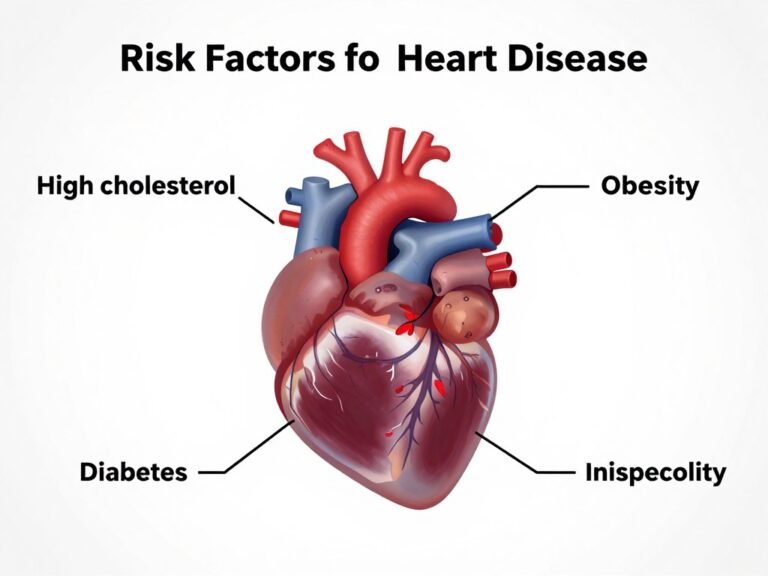
Your heart beats approximately 100,000 times each day. With every beat, blood pushes against your artery walls. When that force becomes too strong, you develop high blood pressure. This condition affects nearly half of American adults. Yet most people feel completely normal until serious complications arise.
High blood pressure quietly damages your body for years. It strains your heart and weakens blood vessels throughout your system. The American Heart Association calls it a silent killer because symptoms rarely appear until major health problems develop.
Take Control Today: Download Your Free Blood Pressure Tracking Log
Monitor your readings and share accurate data with your healthcare provider. This simple tool helps you identify patterns and track your progress toward healthier blood pressure levels.
What Is High Blood Pressure and How Is It Measured?
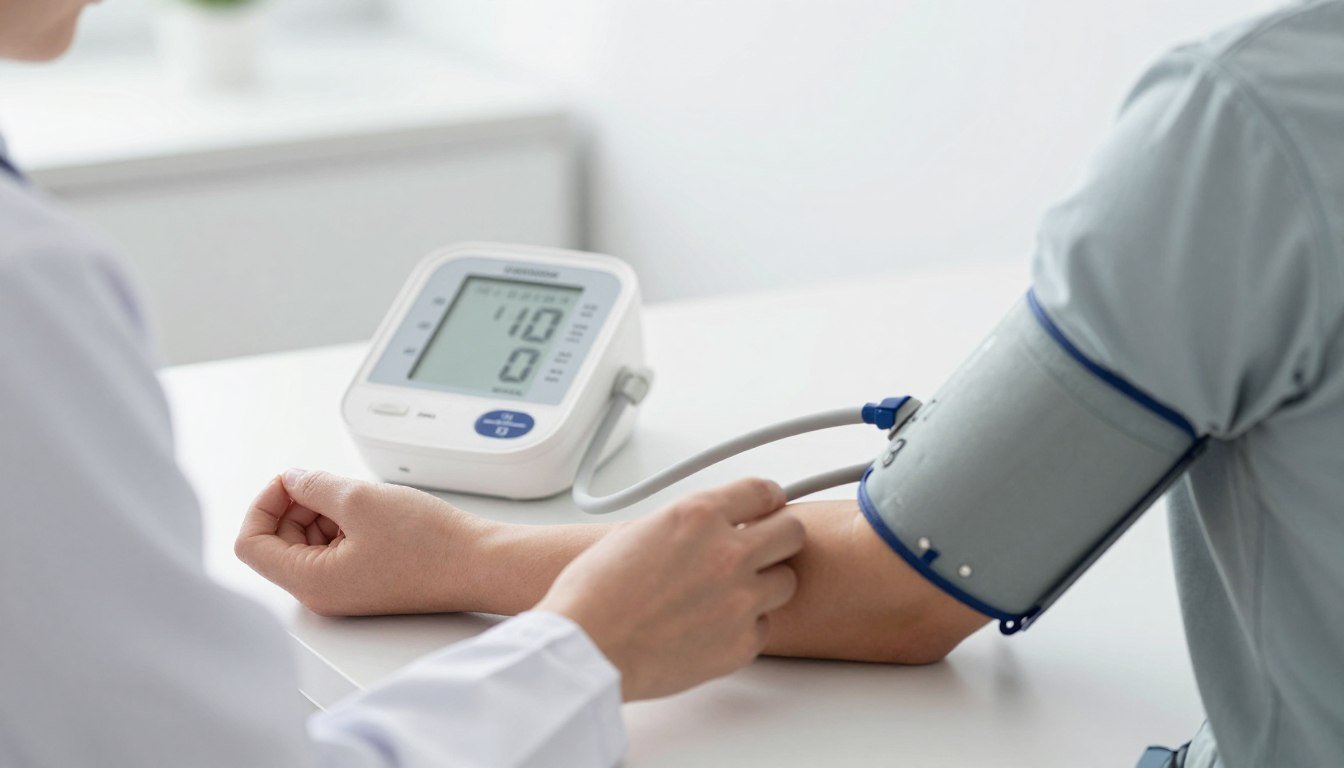
Blood pressure measures the force blood exerts against artery walls. Healthcare providers record two numbers when checking blood pressure. The top number shows systolic blood pressure. This measures pressure when your heart beats and pushes blood through vessels.
The bottom number indicates diastolic blood pressure. This represents pressure between heartbeats when your heart rests and refills with blood. Both numbers matter for your health.
Blood Pressure Categories Defined by Medical Guidelines
The American College Cardiology and American Heart Association established clinical practice guidelines in their most recent report. These organizations define blood pressure ranges that help doctors assess cardiovascular risk.
| Category | Systolic (Top Number) | Diastolic (Bottom Number) | Description |
| Normal | Less than 120 | Less than 80 | Healthy blood pressure range |
| Elevated Blood Pressure | 120-129 | Less than 80 | Higher risk without immediate treatment |
| Stage 1 Hypertension | 130-139 | 80-89 | Requires lifestyle changes |
| Stage 2 Hypertension | 140 or higher | 90 or higher | Needs medication and lifestyle modification |
| Hypertensive Crisis | Higher than 180 | Higher than 120 | Emergency medical attention required |
Understanding Low Blood Pressure
Low blood pressure occurs when readings consistently fall below 90 for the top number or 60 for the bottom number. Many people with low blood pressure experience no symptoms. Others feel dizzy, lightheaded, or fatigued.
Doctors worry less about low blood pressure unless symptoms develop. Dehydration, heart problems, or endocrine disorders can cause dangerously low readings. Always consult healthcare providers if you experience unexplained weakness or confusion.
The Two Main Types of High Blood Pressure
Primary hypertension develops gradually over many years. No single cause explains this blood pressure common condition. Age, genetics, and lifestyle factors all contribute. Most American adults with high blood pressure have primary hypertension.
Secondary hypertension results from underlying medical conditions. Kidney disease, sleep apnea, or thyroid problems can cause this type. Secondary hypertension often appears suddenly and creates higher blood pressure readings than primary hypertension. Treating the underlying condition may resolve blood pressure issues.
Why High Blood Pressure Is a Major Threat to American Health
High blood pressure damages your body silently and relentlessly. The constant force blood pushing against artery walls creates microscopic tears. Your body tries to repair this damage. Scar tissue forms and artery walls thicken and stiffen.
These changes restrict blood flow throughout your system. Your heart works harder to pump blood through narrowed vessels. This extra work weakens your heart muscle over time.
Devastating Complications of Uncontrolled Hypertension
Heart attack and stroke rank as leading complications. High blood pressure weakens artery walls and promotes plaque buildup. When arteries to your heart narrow or block completely, heart attacks occur. Brain arteries can rupture or become blocked, causing strokes.
Kidney disease develops as high blood pressure damages tiny blood vessels in kidneys. These organs filter waste from blood. Damaged vessels reduce kidney function. Eventually, kidneys may fail completely and require dialysis or transplant.
Vision loss happens when high blood pressure affects blood vessels in eyes. The retina needs steady blood supply to function properly. Damaged vessels can leak or burst. This causes vision problems or blindness.
Cardiovascular Consequences
- Heart attack from blocked coronary arteries
- Heart failure from weakened heart muscle
- Irregular heartbeat and arrhythmias
- Enlarged heart that struggles to pump efficiently
Systemic Health Impact
- Stroke from blocked or burst brain vessels
- Chronic kidney disease requiring dialysis
- Vision loss from damaged eye blood vessels
- Cognitive decline and memory problems
The Staggering Prevalence in America
Nearly 120 million American adults live with high blood pressure. That represents almost half of all adults nationwide. The American Heart Association reports that only one in four adults has their blood pressure under control.
High blood pressure costs the United States approximately 131 billion dollars annually. This includes medication, healthcare visits, and lost productivity. More importantly, the condition contributes to over 500,000 deaths yearly.
Racial and ethnic disparities worsen the problem. African American adults develop high blood pressure earlier in life. They experience more severe complications and higher death rates from the condition.
Calculate Your Heart Health Risk in 2 Minutes
Understanding your personal risk factors helps you take targeted action. This science-based assessment evaluates your blood pressure risk based on age, family history, lifestyle factors, and current health status.
Receive personalized recommendations from the Cardiology American Heart experts tailored to your specific situation. Early awareness creates opportunities for prevention.
How High Blood Pressure Became Out of Control in the United States
The high blood pressure epidemic in America stems from multiple interconnected factors. Modern lifestyle patterns clash with human biology. Our bodies evolved for physical activity and whole food diets. Today’s reality looks dramatically different.

Dietary Disasters Driving Blood Pressure Higher
Americans consume excessive sodium. The average person eats over 3,400 milligrams daily. The American Heart Association recommends no more than 2,300 milligrams. Ideal intake sits at 1,500 milligrams for most adults.
Processed foods contain most dietary sodium. Restaurant meals and packaged products load up on salt to enhance flavor and extend shelf life. A single fast food meal can exceed the entire daily sodium recommendation.
Sugar consumption creates additional problems. High sugar intake promotes weight gain and insulin resistance. These conditions increase blood pressure common among Americans. Added sugars hide in unexpected places like bread, salad dressing, and yogurt.
Physical Inactivity and Sedentary Lifestyles
Most Americans fail to meet physical activity recommendations. Desk jobs, long commutes, and screen time keep people seated for hours. Physical inactivity weakens the heart and promotes weight gain.
Children develop sedentary habits early. Video games and social media replace outdoor play. Young people with elevated blood pressure often carry the condition into adulthood. This creates decades of cardiovascular damage.
Chronic Stress and Mental Health Factors
American life brings constant stress. Work pressure, financial worries, and family responsibilities take their toll. Chronic stress elevates stress hormones that raise blood pressure.
Poor sleep quality compounds the problem. Many adults sleep fewer than seven hours nightly. Insufficient sleep disrupts hormones that regulate blood pressure. Sleep disorders like apnea directly raise nighttime blood pressure readings.
Social isolation affects cardiovascular health. Loneliness and lack of social support increase stress and unhealthy behaviors. Strong social connections protect against high blood pressure development.

Healthcare System Challenges and Access Barriers
Millions of Americans lack adequate healthcare access. High insurance costs prevent regular check-ups. Many people discover high blood pressure only after emergency room visits.
Blood pressure home monitoring remains uncommon. Most people get readings only at doctor visits. White coat syndrome can falsely elevate readings in medical settings. This makes diagnosis and treatment more difficult.
Medication costs create treatment barriers. Some patients skip doses to stretch prescriptions. Non-adherence to medication undermines blood pressure control and increases complication risks.
Family History and Genetic Predisposition
Genetics play a significant role in blood pressure regulation. Family history of high blood pressure doubles your risk. Certain ethnic groups face higher genetic susceptibility.
These genetic factors interact with environmental triggers. Someone with genetic risk may never develop high blood pressure with healthy lifestyle choices. Conversely, genetic predisposition combined with poor habits accelerates disease development.
Evidence-Based Strategies to Prevent High Blood Pressure
Prevention works better than treatment. The good news is that lifestyle choices powerfully influence blood pressure levels. Small consistent changes produce significant results over time.
Dietary Approaches to Lower Blood Pressure
The DASH diet provides scientifically proven blood pressure benefits. DASH stands for Dietary Approaches to Stop Hypertension. This eating pattern emphasizes fruits, vegetables, whole grains, and lean proteins.
Reduce sodium intake gradually. Your taste buds adapt to lower salt levels within weeks. Choose fresh foods over processed options. Read nutrition labels carefully and compare sodium content between brands.

Potassium-rich foods help counteract sodium’s effects. Bananas, sweet potatoes, spinach, and beans provide excellent potassium. These foods help artery walls relax and lower blood pressure naturally.
Limit alcohol consumption carefully. Moderate drinking means one drink daily for women and two for men. Excessive alcohol raises blood pressure and interferes with medication effectiveness.
Physical Activity Recommendations
Regular physical activity strengthens your heart. A stronger heart pumps blood more efficiently with less force on artery walls. The American College Cardiology recommends 150 minutes of moderate activity weekly.
Moderate activity includes brisk walking, swimming, or cycling. You should breathe harder but still hold a conversation. Even short activity sessions provide benefits. Three 10-minute walks equal one 30-minute session.
Strength training complements aerobic exercise. Lift weights or use resistance bands twice weekly. Building muscle improves metabolism and helps maintain healthy weight.
Aerobic Activities
- Brisk walking for 30 minutes daily
- Swimming laps three times weekly
- Cycling on flat terrain or stationary bike
- Dancing to your favorite music
- Gardening and yard work activities
Lifestyle Movement
- Take stairs instead of elevators
- Park farther from store entrances
- Stand and stretch every hour at work
- Walk during phone conversations
- Play actively with children or pets
Weight Management for Blood Pressure Control
Extra weight forces your heart to work harder. Losing even 5 to 10 pounds can lower blood pressure readings. Weight loss reduces the volume of blood circulating through vessels.
Focus on gradual sustainable weight loss. Crash diets rarely produce lasting results. Aim for one to two pounds weekly through balanced eating and regular activity.
Waist circumference matters as much as total weight. Belly fat particularly threatens cardiovascular health. Men should keep waist measurements below 40 inches. Women should target measurements under 35 inches.
Stress Management Techniques
Chronic stress keeps blood pressure elevated. Find healthy stress outlets that work for your lifestyle. Regular practice produces better results than occasional efforts.
Deep breathing exercises activate your body’s relaxation response. Practice slow breathing for five minutes several times daily. Inhale for four counts, hold for four counts, and exhale for four counts.

Meditation and mindfulness reduce stress hormones. Start with short sessions and gradually increase duration. Many free apps provide guided meditation for beginners.
Regular exercise serves double duty for stress and blood pressure. Physical activity burns off stress hormones while strengthening your cardiovascular system.
Sleep Quality and Blood Pressure
Quality sleep allows blood pressure to drop naturally. Most adults need seven to nine hours nightly. Consistent sleep schedules help regulate blood pressure rhythms.
Create a sleep-friendly environment. Keep your bedroom cool, dark, and quiet. Avoid screens for one hour before bed. Blue light from devices interferes with sleep hormones.
Address sleep disorders promptly. Sleep apnea causes repeated blood pressure spikes during night. Treatment with CPAP machines can dramatically improve both sleep and blood pressure.
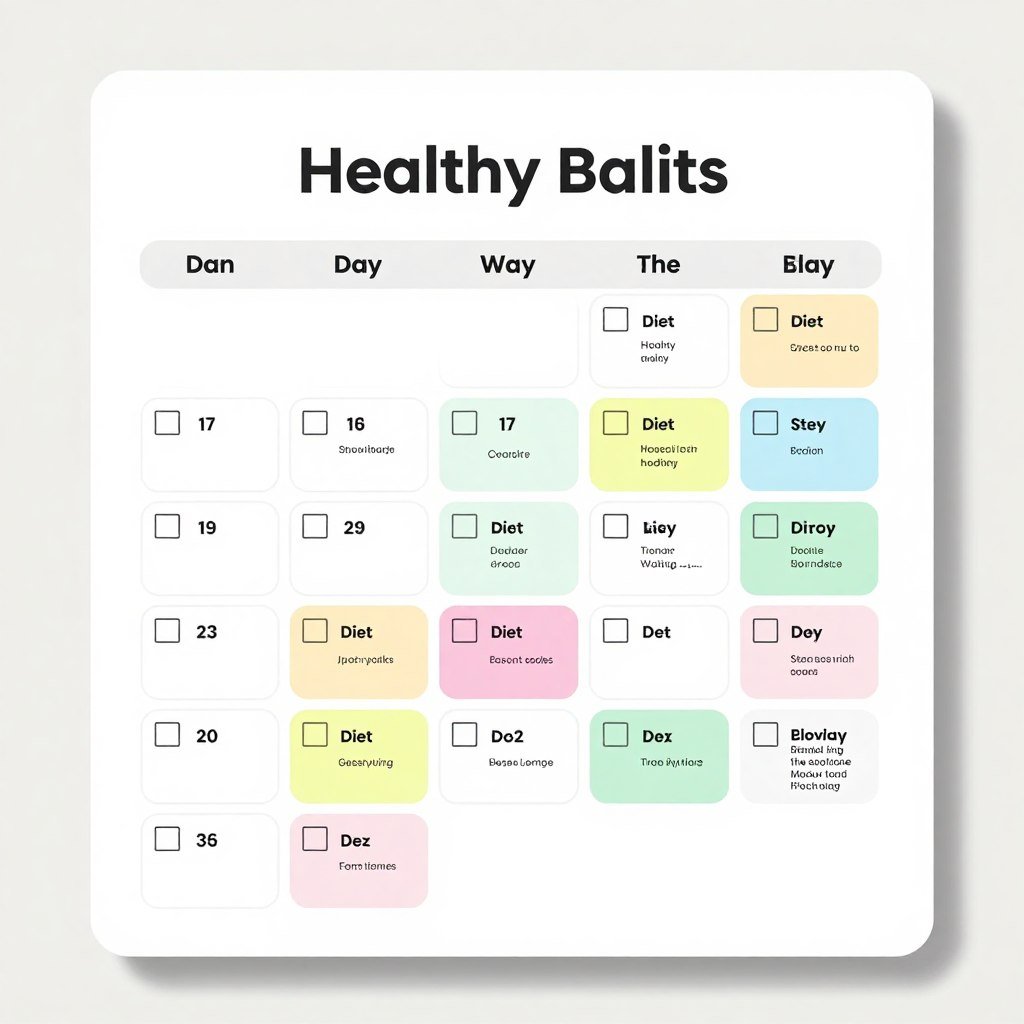
30-Day Blood Pressure Prevention Plan
This comprehensive guide breaks down prevention into daily actionable steps. Each week focuses on specific lifestyle areas with gradual progressive changes that build lasting habits.

Heart-Healthy Recipe Collection
Discover 50 delicious recipes aligned with American Heart Association dietary guidelines. Each recipe includes nutritional information and preparation time for easy meal planning.
Limiting Tobacco and Caffeine
Tobacco use devastates blood vessels. Smoking damages artery walls and promotes plaque buildup. Nicotine temporarily spikes blood pressure with each use. Quitting smoking improves cardiovascular health within weeks.
Caffeine effects vary among individuals. Some people experience temporary blood pressure increases. Others show no response. Monitor your blood pressure home readings after caffeine consumption to assess personal sensitivity.
If caffeine raises your readings, gradually reduce intake. Sudden elimination can cause headaches and fatigue. Switch to decaf or herbal tea alternatives.
Is Medication Really Helpful for High Blood Pressure?
Blood pressure medication saves lives. Decades of research prove medications effectively lower blood pressure and prevent complications. However, medication works best when combined with lifestyle changes.
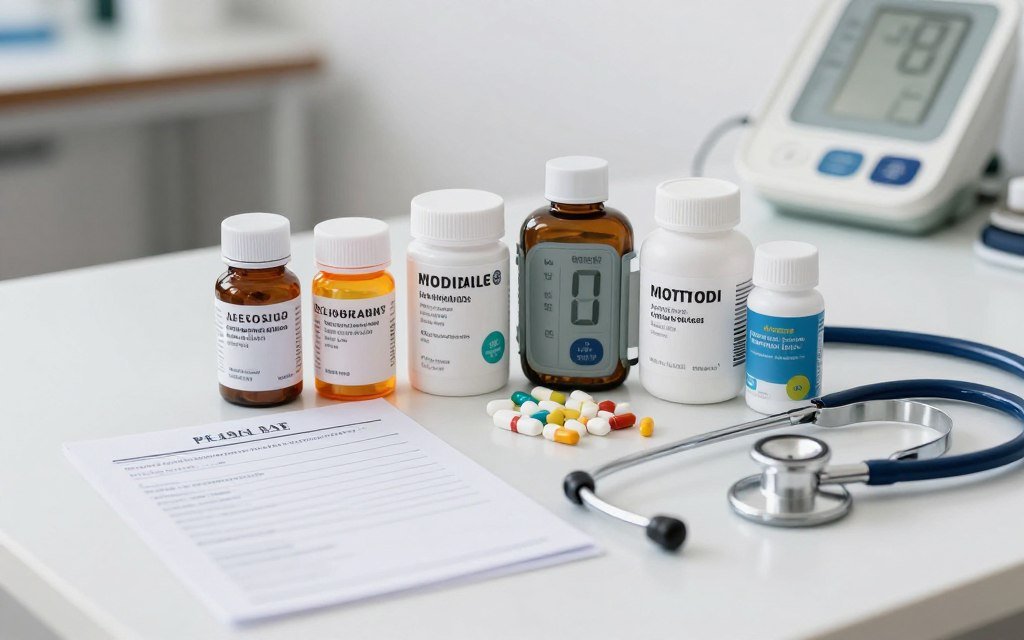
What Medical Professionals Say About Treatment
Doctors emphasize that medication is not a failure. Many patients feel discouraged when lifestyle changes alone prove insufficient. Genetics and other factors sometimes require pharmaceutical intervention.
The American College Cardiology American Heart report on clinical practice guidelines recommends medication for stage 2 hypertension. Stage 1 hypertension may need medication depending on cardiovascular risk factors.
Cardiologists stress medication adherence importance. Missing doses allows blood pressure to rise and damages blood vessels. Consistent daily medication maintains protective effects.
“Blood pressure medication has evolved dramatically. Today’s medications offer better tolerability with fewer side effects. We can personalize treatment plans to match each patient’s needs and lifestyle.”
Types of Blood Pressure Medications
Multiple medication classes treat high blood pressure. Doctors select medications based on individual health factors. Some patients need multiple medications for adequate control.
ACE Inhibitors
ACE inhibitors relax blood vessels by blocking hormone production. These medications reduce the force blood pushing against artery walls. Common side effects include dry cough and elevated potassium levels.
Diuretics
Diuretics remove excess sodium and water from your body. This reduces blood volume and lowers pressure in vessels. These “water pills” often serve as first-line treatment for primary hypertension.
Beta Blockers
Beta blockers slow heart rate and reduce contraction force. Your heart pumps less blood with each beat, decreasing artery wall pressure. These medications particularly help people with heart failure or previous heart attacks.
Calcium Channel Blockers
These medications prevent calcium from entering heart and vessel cells. This relaxes artery walls and improves blood flow. Calcium channel blockers work well for many patients including older adults.
| Medication Class | How It Works | Common Brand Names | Typical Side Effects |
| ACE Inhibitors | Blocks hormone that narrows blood vessels | Lisinopril, Enalapril, Ramipril | Dry cough, elevated potassium |
| Diuretics | Removes excess sodium and water | Hydrochlorothiazide, Furosemide | Increased urination, low potassium |
| Beta Blockers | Slows heart rate and reduces force | Metoprolol, Atenolol, Carvedilol | Fatigue, cold hands and feet |
| Calcium Channel Blockers | Relaxes artery walls | Amlodipine, Diltiazem, Nifedipine | Swollen ankles, constipation |
| ARBs | Blocks hormone receptor sites | Losartan, Valsartan, Irbesartan | Dizziness, elevated potassium |
Medication Effectiveness and Research Evidence
Research consistently shows medication reduces heart attack and stroke risk. A 10-point reduction in systolic blood pressure cuts stroke risk by 35 percent. Heart attack risk drops by 25 percent with proper treatment.
Studies demonstrate that medication benefits extend beyond blood pressure numbers. Properly treated patients live longer with better quality of life. Organ damage slows or stops when blood pressure stays controlled.
Combination therapy often works better than single medications. Using two medications from different classes provides synergistic effects. Lower doses of multiple medications may reduce side effects compared to high-dose single medication.
Managing Side Effects and Finding the Right Medication
Side effects discourage some patients from continuing medication. However, switching medications often resolves problems. Dozens of blood pressure medications exist with different side effect profiles.
Always report side effects to your healthcare provider. Never stop medication without medical guidance. Suddenly stopping can cause dangerously high blood pressure rebounds.
Generic medications work as effectively as brand names. They contain identical active ingredients at lower costs. Ask your doctor about generic options to reduce expenses.
Check Blood Pressure Medication Prices & Get Free Discount Card
Medication costs should never prevent proper treatment. Compare prices at pharmacies near you and access free discount cards that can reduce medication expenses by 80 percent. Over 2 million Americans save an average of 65 dollars per prescription.
Integrating Medication with Lifestyle Changes
Medication does not replace healthy habits. Think of medication as one tool in your management high blood pressure toolkit. Lifestyle modifications enhance medication effectiveness and may allow dose reductions.
Some patients eventually discontinue medication after significant lifestyle improvements. This requires medical supervision and gradual medication adjustment. Never attempt this without consulting your healthcare provider.
Regular monitoring ensures your treatment plan remains effective. Blood pressure readings should stay consistently below 130 over 80 for most adults. More relaxed targets may apply to older adults or those with certain conditions.
100 Years of High Blood Pressure Statistics in America
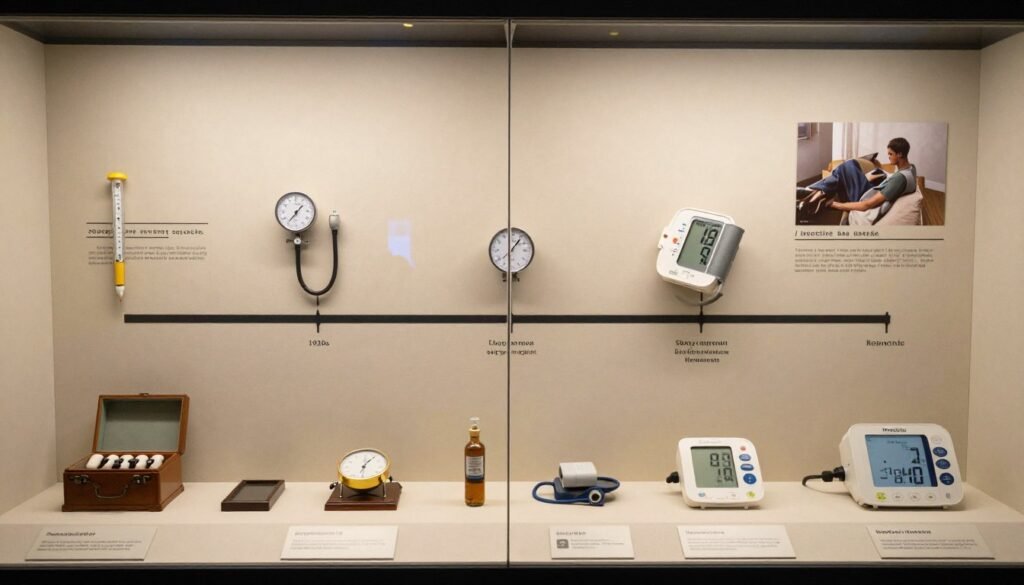
High blood pressure awareness and treatment evolved dramatically over the past century. Early decades lacked effective treatments. Medical understanding of blood pressure physiology remained limited.
The development of blood pressure medications transformed cardiovascular medicine. Death rates from heart disease and stroke declined substantially. However, rising obesity and diabetes rates created new challenges.
| Decade | Prevalence Among Adults | Death Rate per 100,000 | Treatment Availability | Key Medical Developments |
| 1920s | Unknown (no systematic screening) | Approximately 185 | None – only dietary salt restriction | Blood pressure measurement standardized |
| 1930s | Estimated 15-20% | Approximately 195 | Minimal – surgical sympathectomy for severe cases | Link between high blood pressure and stroke established |
| 1940s | Estimated 18-22% | Approximately 210 | Rice diet therapy introduced | Framingham Heart Study begins 1948 |
| 1950s | Approximately 25% | Approximately 220 | First oral medications available | Thiazide diuretics introduced 1958 |
| 1960s | Approximately 28% | Approximately 205 | Multiple medication classes available | Beta blockers developed for hypertension |
| 1970s | Approximately 30% | Approximately 165 | Expanded treatment options | National High Blood Pressure Education Program launched |
| 1980s | Approximately 32% | Approximately 125 | ACE inhibitors introduced | Calcium channel blockers become widely used |
| 1990s | Approximately 33% | Approximately 95 | ARBs enter market | Home blood pressure monitoring becomes accessible |
| 2000s | Approximately 35% | Approximately 78 | Combination medications developed | Digital blood pressure monitors widespread |
| 2010s | Approximately 45% (under old guidelines) | Approximately 82 | Advanced targeted therapies available | ACC/AHA guidelines updated in 2017 |
| 2020s | Approximately 47% | Approximately 85 | Personalized medicine approaches | Telehealth monitoring and smart device integration |
Death rates peaked in the 1950s before declining dramatically. This improvement reflects better medications and increased treatment awareness. However, death rates have plateaued since 2000. Rising obesity and diabetes contribute to this stagnation.
Prevalence has increased substantially under updated guidelines. The American College Cardiology and American Heart Association lowered the definition of stage 1 hypertension in 2017. This change reclassified millions of Americans from elevated blood pressure to stage hypertension.
The report American College issued emphasized earlier intervention. Treating elevated blood pressure prevents progression to more dangerous levels. Earlier treatment reduces lifetime cardiovascular risk.
Can People Get Rid of High Blood Pressure or Is It Chronic?
High blood pressure is typically chronic. Once diagnosed, most people require lifelong management. However, chronic does not mean uncontrollable. Proper management keeps blood pressure at healthy levels and prevents complications.
Understanding the Chronic Nature of Hypertension
Primary hypertension develops from multiple factors that persist throughout life. Aging naturally stiffens arteries. Genetic factors remain constant. These underlying causes cannot be eliminated completely.
However, secondary hypertension may resolve when underlying conditions are treated. Correcting kidney problems or removing adrenal tumors can normalize blood pressure. Sleep apnea treatment dramatically improves blood pressure readings for many patients.
Some people achieve normal blood pressure through aggressive lifestyle changes. Significant weight loss, dietary improvements, and regular exercise can eliminate medication need. This requires sustained commitment to healthy habits.
Long-Term Management Strategies
Successful long-term management requires consistent daily habits. Think of blood pressure control as a lifelong commitment rather than a temporary project. Small daily actions accumulate into major health benefits.
Home Blood Pressure Monitoring
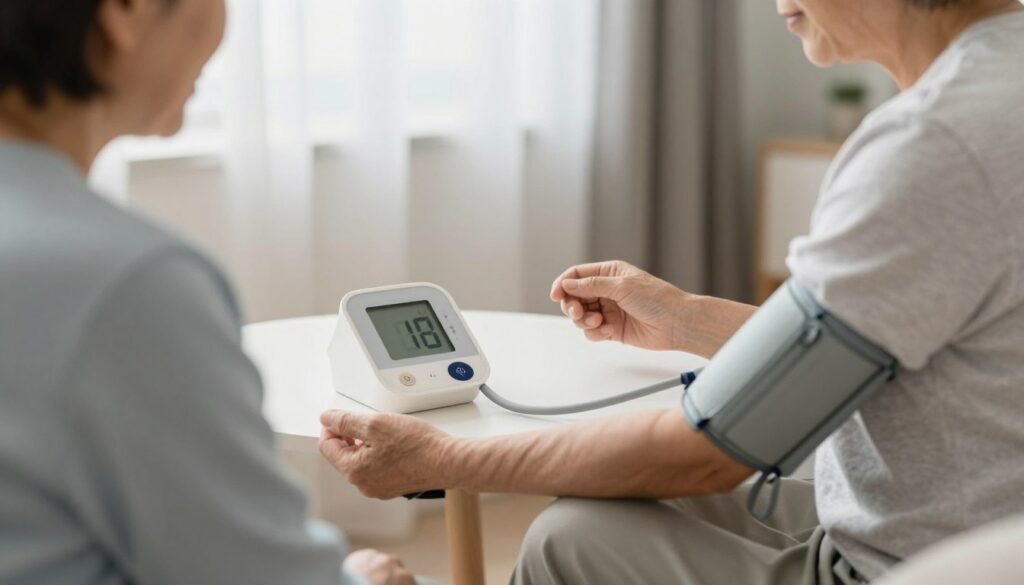
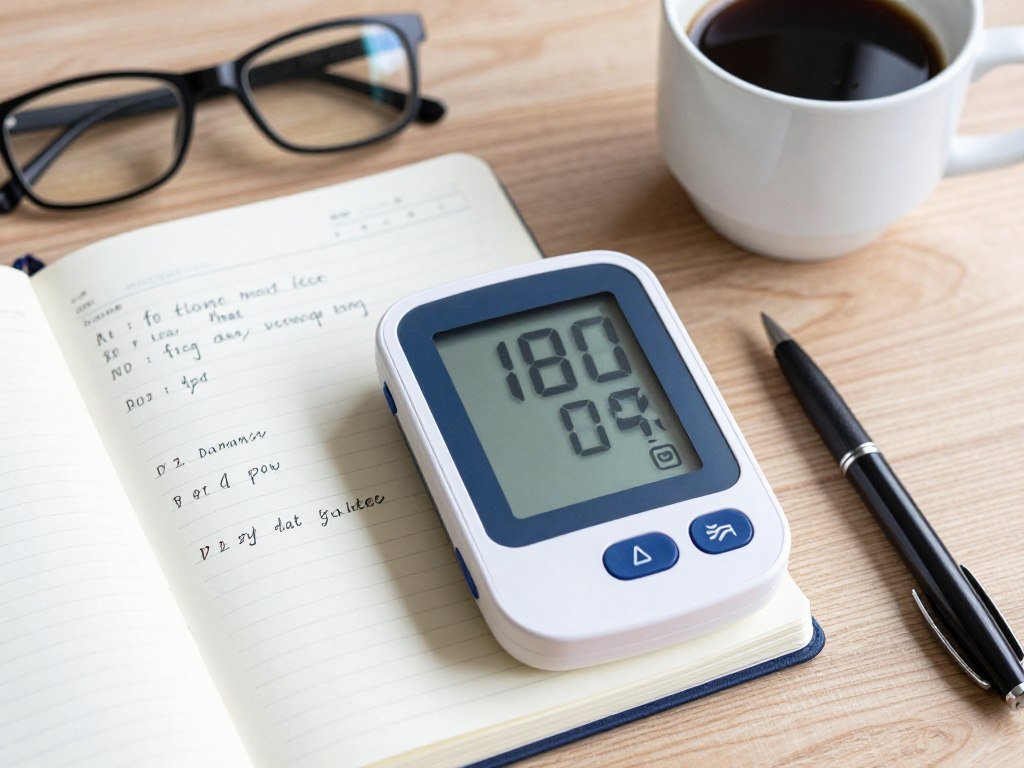
Blood pressure home monitoring provides valuable information. Check readings at the same times daily for consistency. Morning measurements often run higher than evening readings.
Choose a validated home monitor with an upper arm cuff. Wrist monitors prove less accurate. The American Heart Association provides lists of validated monitors on their website.
Keep a log of blood pressure readings. Share this data with your healthcare provider at appointments. Patterns in home readings guide treatment plan adjustments.
Regular Medical Follow-Up
Schedule regular check-ups even when feeling well. Blood pressure has no symptoms in most cases. Only monitoring reveals whether control remains adequate.
Annual laboratory tests assess medication effects on kidneys and electrolytes. These tests catch problems before they become serious. Your doctor may also check for organ damage from past high blood pressure.
Update your healthcare provider about any new medications or supplements. Some over-the-counter products raise blood pressure. Common culprits include decongestants, NSAIDs, and certain herbal supplements.
Medication Adherence Systems
Forgetting medication doses sabotages blood pressure control. Establish systems that make daily medication routine. Pill organizers help track whether you took today’s dose.
Link medication timing to daily habits. Take morning medications with breakfast. Evening medications can pair with dinner or bedtime routines. Consistency improves adherence.
Set smartphone reminders if needed. Many apps specifically help medication management. Some even alert caregivers when doses are missed.
Adapting Management Across Life Stages
Blood pressure needs change throughout life. Younger adults may control blood pressure through lifestyle alone. Aging often requires medication addition or dose increases.
Pregnancy requires specialized blood pressure management. Some medications pose risks to developing babies. Doctors switch pregnant women to safer alternatives. Preeclampsia represents a dangerous pregnancy complication requiring immediate attention.
Older adults need individualized targets. Very aggressive blood pressure lowering may increase fall risk. Healthcare providers balance cardiovascular protection against other health concerns.
Achieving Remission Through Lifestyle
Some people achieve blood pressure normalization without medication. This typically requires multiple simultaneous lifestyle changes. Weight loss, exercise, diet improvement, stress reduction, and sleep optimization all contribute.
Losing 20 to 30 pounds can eliminate medication need for some individuals. This works best for people who developed high blood pressure after weight gain. The weight must stay off permanently for blood pressure to remain controlled.
Regular intense exercise lowers blood pressure readings. Athletes often maintain normal blood pressure despite genetic risk. However, stopping exercise allows blood pressure to rise again.
Even with lifestyle remission, regular monitoring remains essential. Blood pressure can return if habits slip. Annual check-ups catch rising trends before they become problematic.
Daily Management Checklist
- Take all medications as prescribed
- Check and log blood pressure readings
- Eat meals aligned with DASH diet principles
- Complete 30 minutes of physical activity
- Practice stress reduction for 10 minutes
- Get 7-8 hours of quality sleep
- Limit sodium to under 2,300 mg
Monthly Management Tasks
- Review blood pressure logs for patterns
- Refill medications before running out
- Assess whether lifestyle goals are met
- Schedule medical appointments as needed
- Update medication list with any changes
- Check weight and waist measurements
- Review nutrition and activity progress
Support Systems and Resources
Managing chronic conditions works better with support. Family members can encourage healthy habits and provide accountability. Some people benefit from support groups where members share challenges and successes.
Many communities offer blood pressure screening programs. Pharmacies, senior centers, and health fairs provide free checks. Regular screening helps people without healthcare access monitor their condition.
Technology provides new management tools. Smartphone apps track medications, log blood pressure readings, and send reminders. Some connect directly to home monitors for automatic data recording.
Join 50,000+ Americans Managing Hypertension Successfully
Connect with a supportive community that understands your journey. Receive evidence-based weekly tips on diet, exercise, and stress management from certified health educators. Access member-only resources including meal plans, workout videos, and expert webinars.
Our newsletter provides motivation and practical strategies that fit real life. Learn from others who successfully maintain healthy blood pressure through lifestyle modifications and proper treatment adherence.
Living Well With Hypertension
High blood pressure does not prevent you from living fully. Proper management allows normal activities and life expectancy. Many people with controlled hypertension remain active well into old age.
Focus on what you can control. You cannot change genetics or age. You can control daily habits, medication adherence, and lifestyle choices. These factors powerfully influence long-term outcomes.
Celebrate small victories. Each healthy meal, completed workout, or consistent week of medication represents success. These daily achievements accumulate into years of better health.
Recognizing Hypertensive Crisis: When to Seek Emergency Care
Certain symptoms indicate dangerously high blood pressure requiring immediate medical attention. Never ignore these warning signs. Call 911 immediately if you experience:
- Severe headache unlike your typical headaches
- Chest pain or tightness in your chest
- Difficulty breathing or shortness of breath
- Severe anxiety or sense of impending doom
- Blurred vision or other vision changes
- Nosebleed that will not stop
- Severe dizziness or confusion
- Nausea and vomiting
- Seizures
- Unresponsiveness
Blood pressure readings above 180 over 120 require immediate evaluation even without symptoms. Wait five minutes and recheck. If readings remain dangerously high, seek emergency care.
Taking Control of Your Blood Pressure Journey
High blood pressure affects millions of Americans. This silent condition damages your body without obvious symptoms. Yet you hold significant power to control blood pressure through daily choices.
Knowledge empowers action. Understanding how lifestyle factors influence blood pressure helps you make informed decisions. Small consistent changes produce remarkable results over time.

Partner with healthcare providers to create personalized management plans. Medical expertise combined with your commitment to healthy habits provides the best outcomes. Regular monitoring and open communication ensure your treatment plan remains effective.
Remember that managing high blood pressure represents a marathon, not a sprint. Some days prove easier than others. What matters most is returning to healthy habits after setbacks. Consistency over perfection leads to long-term success.
The statistics show dramatic improvements over the past century. Better medications and increased awareness save countless lives. By taking action today, you join millions of Americans successfully controlling blood pressure and protecting cardiovascular health.
Your heart beats approximately 100,000 times daily. Give it the support it needs through healthy lifestyle choices, appropriate medication when needed, and regular medical care. Your future self will thank you for the investment in cardiovascular health you make today.
Ready to Take the First Step Toward Better Heart Health?
Schedule a comprehensive blood pressure screening and consultation. Our healthcare providers will assess your cardiovascular risk, review your current health status, and create a personalized action plan. Early detection and intervention prevent serious complications.
Free blood pressure screenings available for uninsured patients. Telehealth appointments offer convenient access from home. Take control of your heart health today.