
Immigration Processing Delays and Backlogs Explained: Your Complete 2026 Guide
Immigration processing delays have become one of the most pressing concerns for thousands of applicants in 2026. Whether you are waiting for a green card, citizenship application, work permit, or visa approval, understanding why delays happen helps you navigate the system better.
Recent data shows that USCIS processing times have increased significantly. Many cases now take months or even years longer than expected. These backlogs affect families, careers, and life plans.
This guide explains immigration processing delays in simple terms. You will learn what causes backlogs, how to check your case status, and practical steps to avoid common mistakes that slow down applications.
What Immigration Processing Delays and Backlogs Mean
Immigration processing delays occur when USCIS or other government agencies take longer than normal to review applications. A backlog means many cases are waiting in line for processing.
Processing time refers to how long it takes from when you submit your application until you receive a decision. Normal processing times vary by form type and office location.
Who Is Affected by Immigration Processing Delays
Processing delays impact multiple categories of applicants:
- Green card applicants waiting for permanent residency approval
- Citizenship candidates preparing for naturalization interviews
- Visa holders seeking renewals or status changes
- Work permit applicants needing employment authorization
- Asylum seekers awaiting case decisions
- Family petition sponsors waiting for relative approvals
Key Terms You Should Know
Understanding immigration terminology helps you track your case better. Here are essential terms related to processing times and delays:
Receipt Number
Your unique case identifier starting with three letters followed by numbers. You need this number to check case status online or submit inquiries about processing delays.
Request for Evidence (RFE)
A notice from USCIS asking for additional documents or information. Responding quickly to RFEs prevents further processing delays in your application.
Case Status
The current stage of your application in the review process. Checking your case status regularly helps you stay informed about any updates or required actions.
Processing Time Range
The estimated time USCIS publishes for completing different form types. These times vary by service center and application type, often extending during backlogs.
Factors That Affect Immigration Processing Times
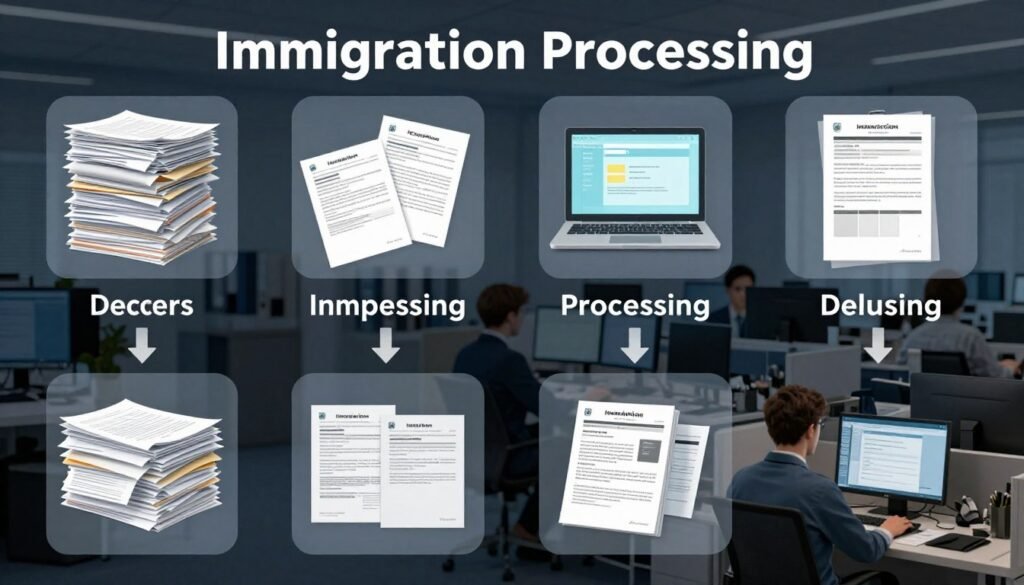
Several factors determine how long your immigration case takes to process. Understanding these elements helps set realistic expectations about your application timeline.
Application Volume and Backlogs
USCIS receives millions of applications each year. When application volume exceeds processing capacity, backlogs develop. High-demand visa categories and green card applications typically face longer processing times.
Service Center Location
Different USCIS service centers handle various form types. Processing times vary significantly by location. Some offices process cases faster than others due to staffing levels and workload distribution.
Application Type and Complexity
Simple form submissions generally process faster than complex petitions. Cases requiring extensive background checks, interviews, or additional review naturally take more time to complete.
Documents Required for Tracking Your Case
To effectively monitor your immigration case and respond to any inquiries, keep these documents accessible:
- Receipt notice with your case number
- Copy of your complete application package
- Proof of fee payment or receipt
- Any correspondence from USCIS
- Supporting documents submitted with your petition
- Response letters to any RFEs or notices
Important Note: Different visa categories have different priority dates and processing times. Employment-based green cards often face longer backlogs than family-based applications in certain categories.
Step-by-Step Process to Check Your Immigration Case Status
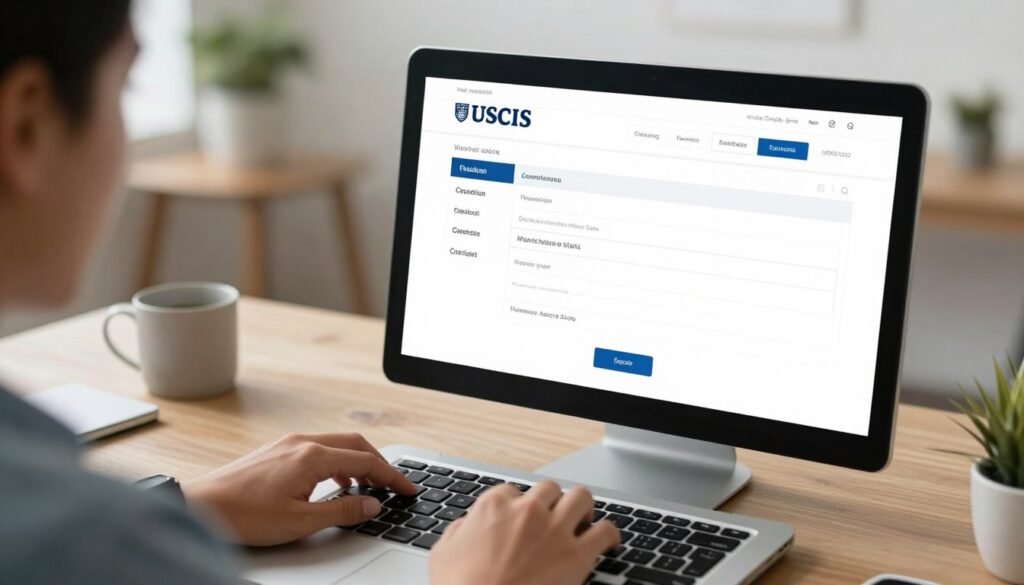
Monitoring your case status helps you stay informed about processing progress. USCIS provides several tools to track your application.
Step 1: Locate Your Receipt Number
Your receipt number appears on the notice USCIS mailed after receiving your application. This 13-character code is essential for tracking. The format includes three letters identifying the service center, followed by ten numbers.
Step 2: Use the Online Case Status Tool
Visit the official USCIS case status page. Enter your receipt number in the search field. The system displays your current case status and recent updates about your application.
Step 3: Sign Up for Case Status Updates
Create a USCIS online account to receive automatic notifications. The system emails or texts you when your case status changes. This service helps you respond quickly to any requests for information.
Step 4: Review Processing Time Estimates
Check the USCIS processing times page for your form type and office location. Compare your case filing date with current processing dates. This comparison shows whether your case falls within normal processing times.
Step 5: Submit an Inquiry if Needed
If your case exceeds normal processing times by 30 days or more, you may submit a case inquiry. Use the USCIS Contact Center or online inquiry form. Provide your receipt number and specific questions about your application status.
Step 6: Contact USCIS Directly
Call the USCIS Contact Center for urgent matters or complex questions. Representatives can provide additional information about your case. Have your receipt number ready when you call.
Immigration Processing Times and Associated Costs
Processing times vary widely depending on the type of immigration benefit you are seeking. Understanding typical timelines helps you plan accordingly.
Current Processing Time Ranges by Application Type
These timeframes represent general estimates as of 2026. Actual processing times may vary by service center and individual case circumstances.
| Application Type | Form Number | Typical Processing Time | Filing Fee |
| Green Card (Family-Based) | I-485 | 10-24 months | $1,225-$1,760 |
| Citizenship (Naturalization) | N-400 | 8-14 months | $725 |
| Work Permit (EAD) | I-765 | 3-8 months | $410-$550 |
| Travel Document | I-131 | 4-9 months | $590-$660 |
| Family Petition | I-130 | 12-32 months | $535-$675 |
Factors That Extend Processing Beyond Normal Times
Several circumstances can increase your processing time significantly. Background security checks may add months to your case. Complex applications requiring additional review take longer than straightforward petitions.
Missing information or documents causes delays. USCIS must issue requests for evidence when applications lack required materials. Each RFE response cycle adds weeks or months to processing.
Fee Waivers and Cost Considerations
Some applicants qualify for fee waivers based on income level. Form I-912 allows eligible individuals to request waiver of application fees. Processing a fee waiver request adds time to your overall case timeline.
Important: Filing fees listed are subject to change. Always verify current fees on the official USCIS website before submitting your application. Incorrect fee payments cause immediate delays and may result in application rejection.
Additional costs beyond government fees may include medical examinations, document translations, attorney fees, and travel expenses for interviews. Budget for these expenses when planning your immigration application.
Common Mistakes That Cause Immigration Processing Delays
Many applicants unknowingly make errors that significantly slow their case processing. Avoiding these common mistakes keeps your application moving through the system efficiently.
Incomplete or Incorrect Application Forms
Leaving sections blank or providing inconsistent information creates immediate problems. USCIS may reject incomplete applications or issue requests for evidence. Every blank field should contain appropriate information or “N/A” where applicable.
Double-check all dates, names, and addresses for accuracy. Spelling errors in names can cause serious processing delays. Information must match your supporting documents exactly.
Missing or Inadequate Supporting Documents
Failing to include required evidence is among the top reasons for delays. Each form type requires specific supporting documents. Review the form instructions carefully and include every requested document.
Submit clear, legible copies of all documents. Poor quality scans or faded photocopies may be deemed unacceptable. Translate any foreign language documents using certified translation services.
Not Responding to USCIS Requests Promptly
When USCIS sends a request for evidence or additional information, you typically have 30 to 87 days to respond. Missing these deadlines results in case denial. Track all correspondence carefully and respond before deadlines.
Even if you need more time, submit what you can by the deadline with an explanation. Silence or late responses guarantee delays or denials.
Incorrect Filing Fees or Payment Methods
Submitting incorrect fees causes immediate rejection of your application. Verify the current fee amount on the USCIS website before sending payment. Fee amounts change periodically.
Use acceptable payment methods as specified in form instructions. Personal checks must include correct information. Money orders must be properly completed and signed.
Filing at the Wrong Service Center
Different USCIS offices process different form types. Sending your application to the wrong location causes rejection and delays. Form instructions specify the correct mailing address based on your location and application type.
Not Updating Address Changes
USCIS sends important notices by mail to your address on file. If you move without updating your address, you miss critical deadlines and requests. File Form AR-11 within ten days of any address change.
Failing to Attend Scheduled Appointments
Missing biometrics appointments, interviews, or medical examinations creates major setbacks. These missed appointments often require rescheduling, adding months to your case. If you cannot attend, request a reschedule before the appointment date.
Providing Inconsistent Information Across Forms
Information on all forms and documents must be consistent. Discrepancies in dates, addresses, or employment history raise red flags. USCIS may suspect fraud when information does not match across documents.
Tips to Improve Approval Chances and Reduce Processing Delays

Taking proactive steps improves your chances of faster processing and successful approval. These practical strategies help you navigate the immigration system more effectively.
Submit a Complete and Accurate Application Package
Review every page of your application multiple times before submission. Use the form instructions as a checklist. Include all required supporting documents in a logical order.
Create a cover letter listing all enclosed documents. This organizational approach helps USCIS officers quickly locate materials. Number pages and use dividers for multi-section applications.
Keep Copies of Everything You Submit
Make complete copies of your entire application package before mailing. Store copies in a safe place. If USCIS loses any documents, you can quickly provide duplicates.
Track your package using certified mail or courier service. Proof of delivery protects you if questions arise about submission dates.
Respond Immediately to All USCIS Correspondence
Open all mail from USCIS immediately upon receipt. Note deadlines on your calendar with reminders. Begin gathering requested information or documents as soon as you receive any notice.
Submit responses well before deadlines. Last-minute submissions risk delivery delays that could cause your case to be denied.
Monitor Your Case Status Regularly
Check your case status online at least weekly. Enable automatic notifications through your USCIS online account. Staying informed allows you to address issues quickly.
If your case exceeds normal processing times significantly, submit a case inquiry through appropriate channels. Document all communication with USCIS.
Maintain Valid Status Throughout Processing
Never let your current immigration status expire while waiting for a decision. File extension applications well before expiration dates. Falling out of status can result in denial and removal proceedings.
Prepare Thoroughly for Interviews
Review your entire application before any scheduled interview. Bring original documents that verify copies you submitted. Answer all questions honestly and completely.
Arrive early for appointments. Bring your appointment notice and government-issued identification. Professional appearance and respectful demeanor contribute to positive outcomes.
Consider Premium Processing When Available
Some petition types offer premium processing service for an additional fee. This service guarantees processing within 15 calendar days. Premium processing costs $2,500 but dramatically reduces waiting time for eligible applications.
Seek Professional Guidance for Complex Cases
Complex immigration matters benefit from professional assistance. Immigration attorneys and accredited representatives understand current laws and procedures. Expert guidance helps avoid costly mistakes that cause delays.
- Review all forms before submission for accuracy and completeness
- Organize documents logically with clear labels and dividers
- Submit all translations from certified translators
- Keep detailed records of all submission dates and receipt numbers
- Update USCIS immediately about address or contact information changes
- Attend all scheduled appointments and interviews on time
Latest Updates and Policy Changes Affecting Processing Times

Immigration policies and processing procedures change frequently. Staying informed about recent updates helps you understand how these changes may affect your case timeline.
2026 USCIS Processing Time Initiatives
USCIS has announced several initiatives to address processing delays and reduce backlogs. The agency aims to hire additional officers and implement technology improvements for faster case adjudication.
New digital filing options are expanding to more form types. Electronic filing typically processes faster than paper applications. Check the USCIS website to see if your form type is available for online submission.
Changes in Visa Bulletin Priority Dates
The Department of State publishes monthly visa bulletins showing priority date movements. These dates determine when certain visa categories become available. Significant retrogression in some categories has increased waiting times for green card applicants.
Family-based and employment-based preference categories face different processing realities. Monitor the visa bulletin each month if your case depends on priority date availability.
Recent Policy Memoranda Affecting Processing
USCIS periodically issues policy guidance that affects how officers adjudicate cases. Recent memos have clarified evidence standards for certain applications. These clarifications may speed processing in some categories while increasing scrutiny in others.
Impact of Government Funding on Processing Capacity
USCIS funding affects staffing levels and processing capacity. The agency operates primarily on application fees rather than congressional appropriations. Budget constraints sometimes limit hiring and technology investments that could reduce backlogs.
Judicial Decisions Affecting Immigration Processing
Court decisions occasionally impact processing procedures and timelines. Legal challenges to certain policies may result in temporary processing suspensions or procedural changes for affected applications.
Stay Informed: Check official government websites regularly for policy updates. The USCIS website, Department of State website, and Department of Homeland Security announcements provide authoritative information about processing changes.
Where to Find Reliable Information
Only trust official government sources for immigration information. These authoritative websites provide accurate, current processing data:
- USCIS official website (uscis.gov) for processing times and policy updates
- Department of State visa bulletin page for priority date information
- Department of Homeland Security for border and enforcement policy changes
- Immigration court websites for proceedings-related information
- Official USCIS social media accounts for announcements and updates
Understanding and Managing Immigration Processing Delays
Immigration processing delays and backlogs present real challenges for applicants in 2026. Understanding the causes of these delays empowers you to navigate the system more effectively.
Proper preparation prevents most common mistakes that slow processing. Complete applications with accurate information and all required documents move through the system faster. Regular monitoring of your case status keeps you informed and ready to respond to USCIS requests.
Processing times vary significantly by application type, service center location, and individual case circumstances. Patience and persistence are essential qualities during the immigration process.
Remember that accurate information from official sources guides your decisions best. Avoid relying on unofficial websites or forums for critical immigration guidance. When in doubt about your case, consult with qualified immigration professionals.
Your immigration journey may include unexpected delays, but understanding the process helps you maintain realistic expectations and take appropriate action when necessary.