Impact of Political Pressure on Government, Economy, and Immigration
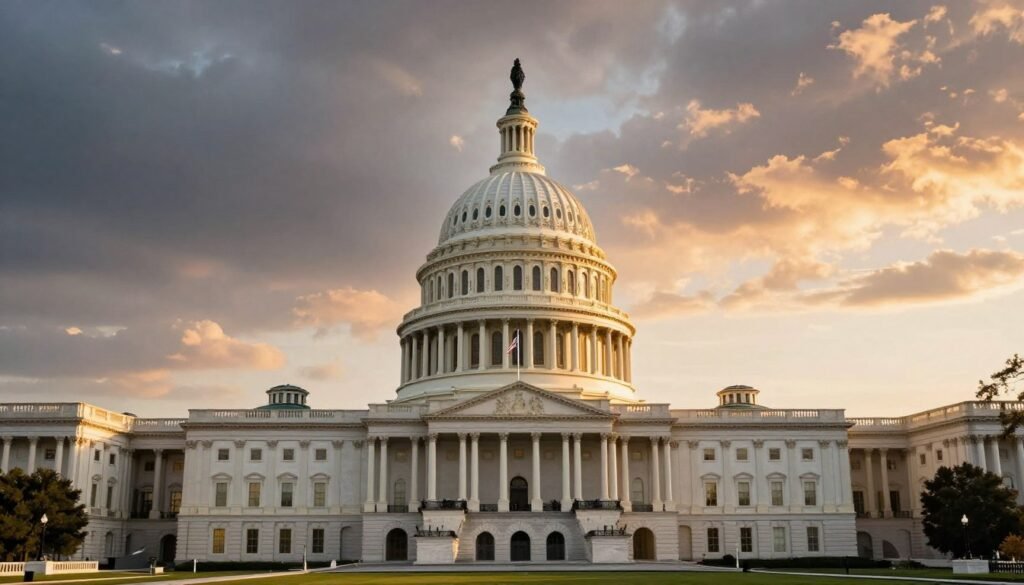
The intricate relationship between political pressure and policy outcomes has taken center stage in Washington as former President Donald Trump continues to exert significant influence over the Republican-controlled House of Representatives. This dynamic is reshaping critical decisions on government funding, economic policy, and immigration reform, with potential far-reaching consequences for both domestic and global markets. As partisan tensions escalate, understanding how these political forces affect governance, economic stability, and immigration policy becomes increasingly vital for businesses, investors, and citizens alike.
Trump’s Influence on House Republicans
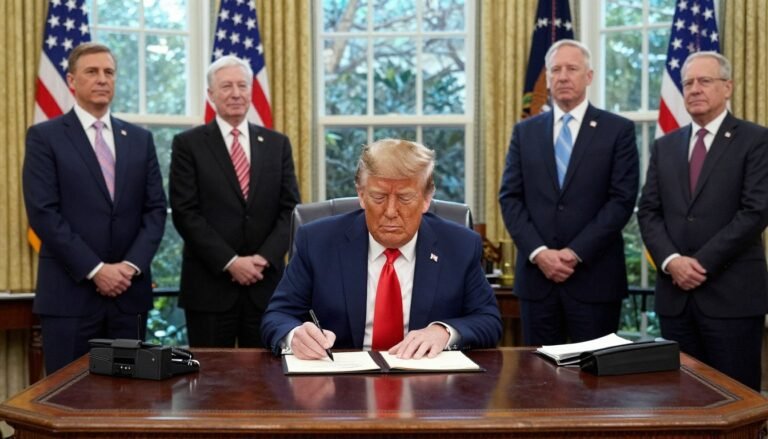
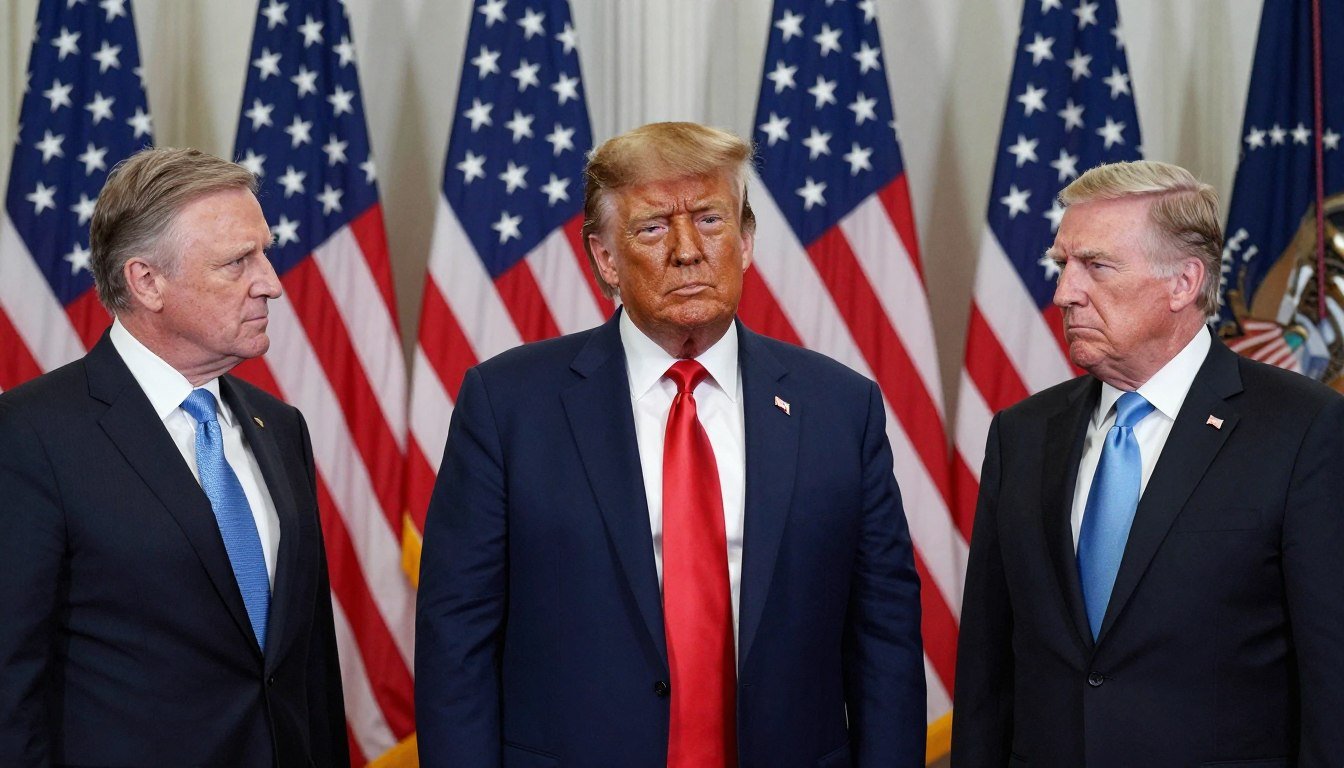
Former President Trump’s grip on the Republican Party has only strengthened in recent months, particularly within the House of Representatives. Speaker Mike Johnson, who ascended to the position with Trump’s blessing, has consistently aligned his legislative agenda with the former president’s priorities. According to Reuters reporting, Trump has directly intervened in several key legislative battles, most notably instructing House Republicans to reject bipartisan border security legislation.
“We need a strong leader who will secure our border and stop the invasion of our country,” Trump stated at a recent rally, reinforcing his position that Republicans should avoid compromise legislation that might give Democrats a political win. This directive has significantly complicated efforts to address border security through legislative means.
Representative Jim Jordan (R-Ohio), a close Trump ally, echoed this sentiment in a House Judiciary Committee hearing: “The American people don’t want half-measures on border security. They want real solutions that put America first.” This alignment with Trump’s position has become a litmus test for many House Republicans, particularly those facing primary challenges from the right.
Pressure Points in the House
The pressure campaign extends beyond immigration to several other key policy areas. Speaker Johnson has faced significant challenges in navigating government funding bills, foreign aid packages, and economic legislation while maintaining support from both Trump loyalists and more moderate members of his caucus.
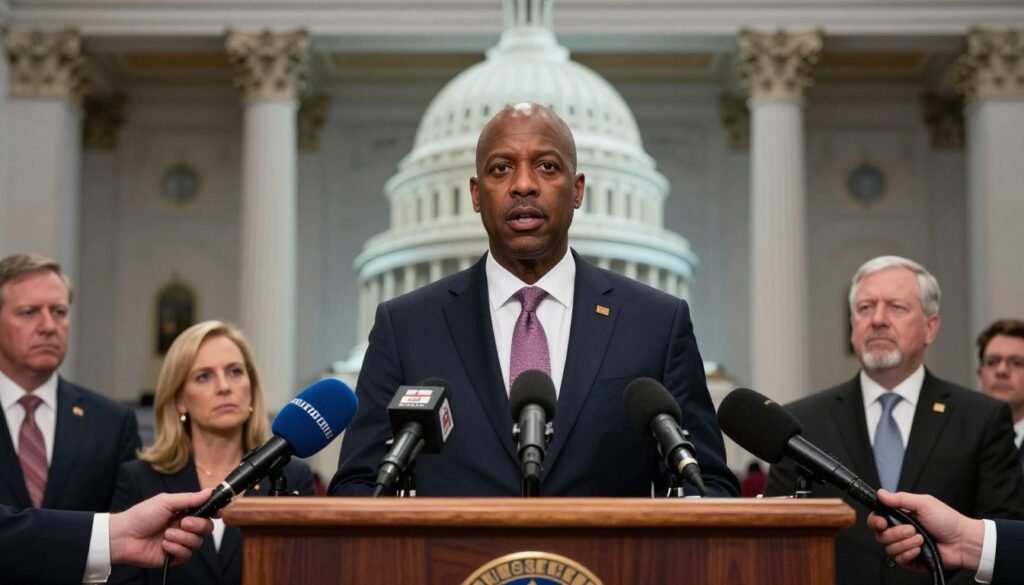
“We’re working diligently to address the concerns of all members of our conference,” Johnson stated in a press conference last week. “But we must also recognize that our constituents sent us here to secure the border, reduce government spending, and put America’s interests first.” This balancing act has resulted in several near-government shutdowns and last-minute funding compromises.
Senate Minority Leader Mitch McConnell (R-Ky.) has taken a more pragmatic approach, stating in a floor speech: “Governing requires making difficult choices and finding common ground. We cannot allow perfect to be the enemy of good.” This divergence in strategy between House and Senate Republicans highlights the unique pressure facing the lower chamber.
Economic Impact of Political Pressure
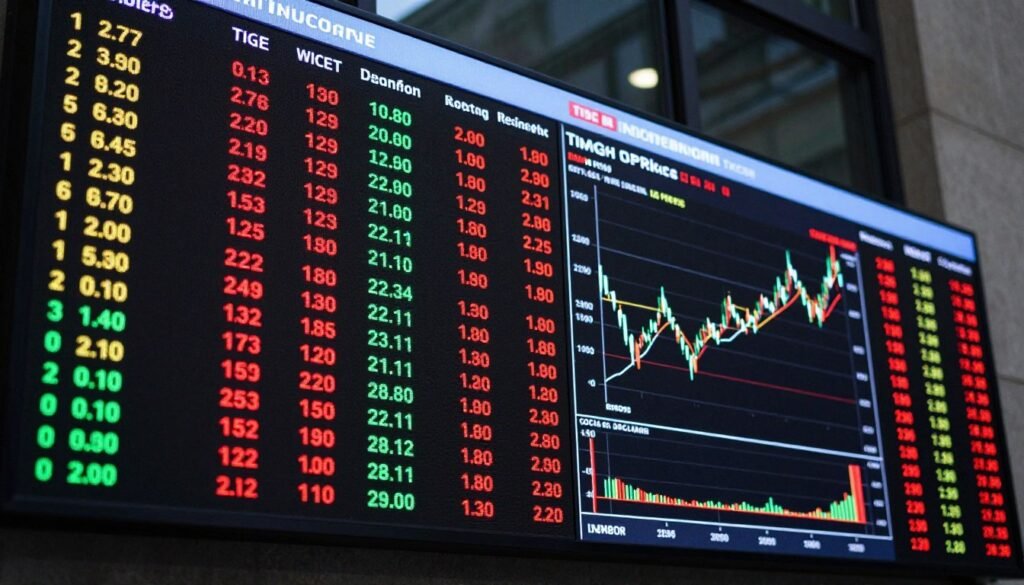
The political standoff in Washington has created significant uncertainty in financial markets and raised concerns about fiscal policy. According to Bloomberg analysis, market volatility has increased during periods of heightened political tension, particularly around government funding deadlines and debt ceiling negotiations.
Fiscal Policy Uncertainty
The ongoing political pressure has complicated fiscal policy planning, with implications for government spending, taxation, and debt management. Treasury Secretary Janet Yellen recently warned in testimony before the Senate Finance Committee: “Fiscal uncertainty creates real economic costs. It complicates planning for businesses, raises borrowing costs for the government, and can undermine confidence in U.S. institutions.”
This uncertainty has particular implications for infrastructure spending, defense contracts, and social programs that rely on consistent government funding. According to Congressional Budget Office projections, continued fiscal brinkmanship could increase government borrowing costs by billions of dollars annually.
Trade and Immigration Economic Effects
The political pressure surrounding immigration policy has significant economic dimensions as well. Research from the Baker Institute at Rice University indicates that mass deportation policies could reduce GDP by 2.6% to 6.2% over the next decade and potentially increase prices by 9.1% by 2028.
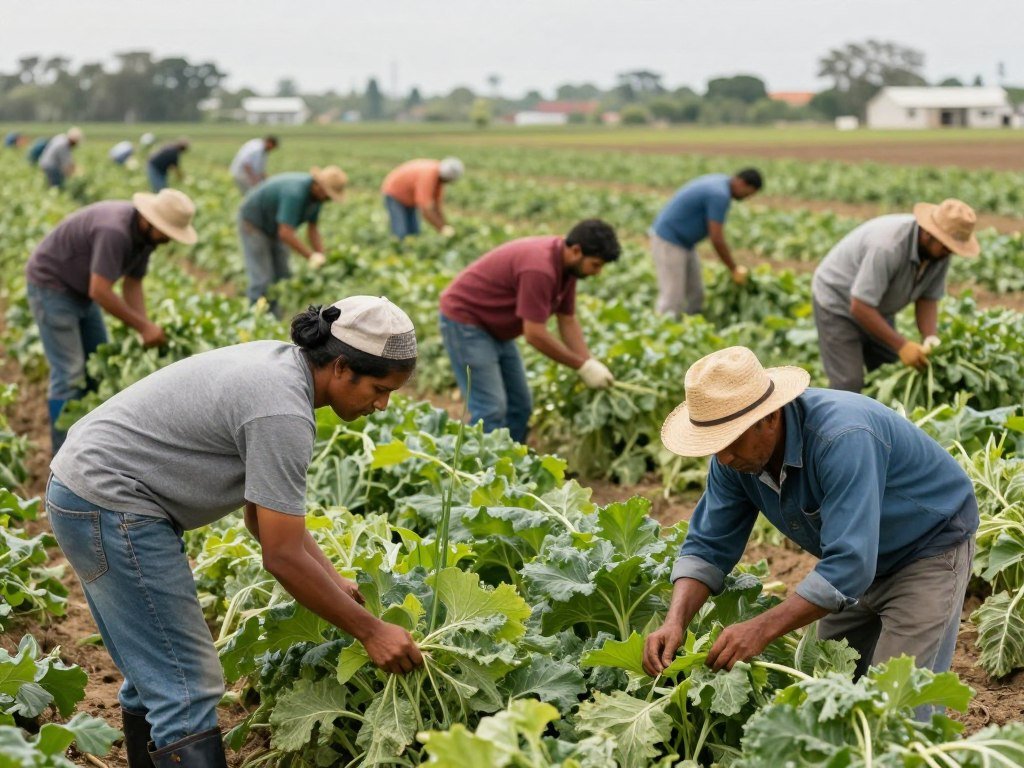
Labor market impacts are particularly pronounced in sectors with high immigrant workforce participation. “In agriculture, approximately 41% of workers are undocumented, while 23% hold H-2A visas,” notes the Baker Institute report. “In the food supply chain, an estimated 1.7 million workers are undocumented immigrants.”
Representative Zoe Lofgren (D-Calif.) highlighted these concerns in a recent House Agriculture Committee hearing: “Our agricultural sector faces a critical labor shortage that threatens food security and prices. Immigration policy directly impacts our economy, particularly in agriculture, construction, and hospitality sectors.”
Current State of Immigration Policy Debates
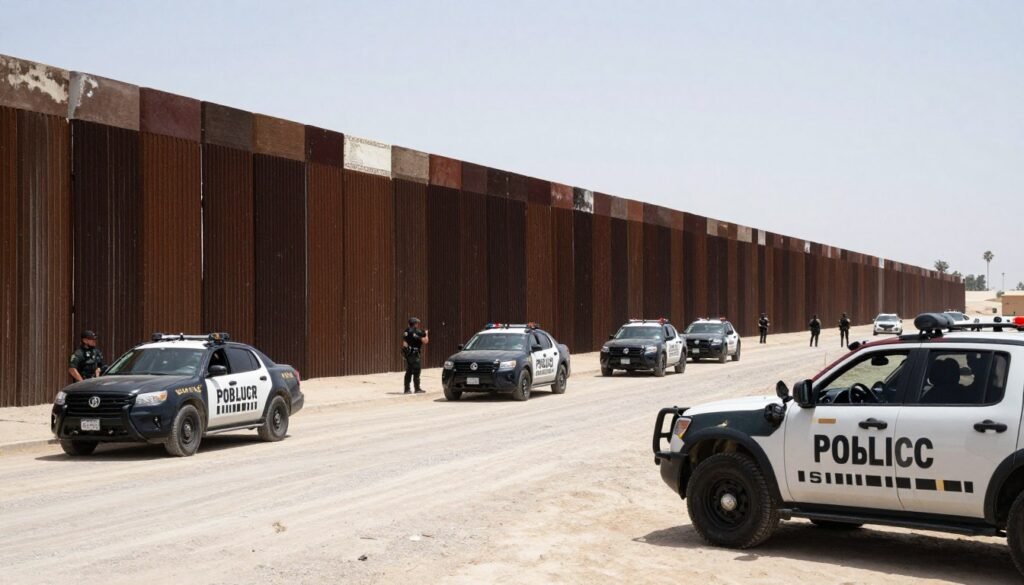
Immigration policy has become one of the most contentious battlegrounds in Washington, with significant implications for both governance and economic policy. The failed bipartisan border security bill, which included $20 billion in new border security funding, represents a key example of how political pressure has shaped policy outcomes.
Senator James Lankford (R-Okla.), who helped negotiate the bipartisan border bill, expressed frustration with its collapse: “This was the strongest border security bill we’ve seen in decades. It would have given Border Patrol the tools and resources they’ve been requesting for years.” The bill’s failure, largely attributed to Trump’s opposition, has left a policy vacuum that continues to fuel political rhetoric.
Executive Actions on Immigration
In the absence of legislative solutions, executive actions have taken center stage in immigration policy. The Biden administration has implemented several policy changes, including new asylum restrictions at the southern border that limit who can apply for protection.

According to a KFF/New York Times Survey, these policy shifts and the surrounding rhetoric have created significant anxiety among immigrant communities. The survey found that 41% of immigrants now fear they or a family member could be detained or deported, up from 26% in previous years.
Representative Veronica Escobar (D-Texas), whose district includes El Paso, emphasized the human dimension: “Behind every statistic is a human being seeking safety and opportunity. Our failure to enact comprehensive immigration reform hurts not just migrants, but American communities and our economy as well.”
Economic Dimensions of Immigration Policy

The economic dimensions of immigration policy extend beyond border security to workforce availability, tax contributions, and social service utilization. Research from Equitable Growth notes that “over their lifetime, immigrants contribute $237,000 more in taxes than they receive in government benefits.”
Labor shortages in key sectors present another economic challenge. The U.S. Chamber of Commerce has advocated for immigration reform that addresses workforce needs: “In 2023, approximately 3.2 million jobs remained unfilled, including positions in vital sectors such as agriculture, construction, hospitality, health care, and manufacturing.”
Senator Mike Rounds (R-S.D.) acknowledged these economic realities in a recent committee hearing: “We need to secure our border, but we also need to recognize that our economy depends on legal immigration. Finding that balance is essential for both our security and prosperity.”
Global Perceptions and International Impact
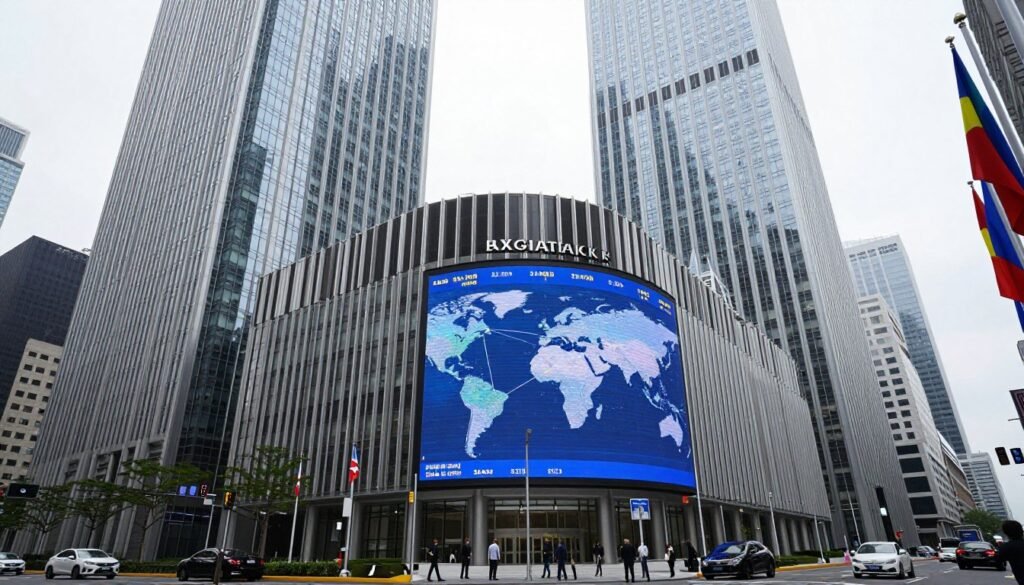
The domestic political pressure affecting U.S. immigration and economic policy has significant international dimensions. Global markets closely monitor U.S. political developments, with particular attention to fiscal policy decisions and trade relationships.
According to International Monetary Fund analysis, policy uncertainty in the United States creates ripple effects throughout the global economy. The IMF’s recent World Economic Outlook noted: “Political polarization in advanced economies, particularly the United States, represents a significant risk factor for global economic stability.”
Immigration policy has particular relevance for U.S. relationships with Mexico and Central American nations. Mexican President Claudia Sheinbaum has proposed a series of measures to support returning immigrants, including the “Mexico Embraces You” program, which would provide access to government social programs and health care.

Trade relationships also face potential disruption from immigration-related policies. The Baker Institute research notes that proposed tariffs on Mexican imports, intended to pressure Mexico on border enforcement, “could disrupt trade between the two countries and, along with large-scale deportations, may slow Mexico’s economic growth or even contribute to a recession.”
Senator Bob Menendez (D-N.J.), ranking member of the Senate Foreign Relations Committee, emphasized this international dimension: “Our immigration policies don’t exist in a vacuum. They affect our relationships with key allies, particularly in Latin America, and have real implications for regional stability and economic cooperation.”
Toward a Balanced Approach
Despite the intense political pressure, some policymakers continue to advocate for balanced approaches to immigration and economic policy. The Baker Institute suggests a three-pronged approach that could address both security concerns and economic realities: expediting processing of nonimmigrant work visas, creating clear pathways for long-term immigrants, and expanding temporary work visa programs based on labor market demands.
Representative Maria Elvira Salazar (R-Fla.) has proposed legislation that attempts to bridge partisan divides: “We need solutions that secure our border while also recognizing the economic contributions of immigrants. This isn’t about politics—it’s about pragmatic policy that serves our national interest.”
Economic experts emphasize that immigration policy should account for labor market realities. According to Center on Budget and Policy Priorities research, “Immigrants are helping to grow the economy in key ways: they are filling essential workforce needs, creating businesses, and paying taxes.”

Senator Lisa Murkowski (R-Alaska) recently called for depoliticizing these issues: “We need to lower the temperature and focus on solutions. Border security, economic growth, and humane immigration policies are not mutually exclusive goals. They require thoughtful compromise, not political posturing.”
Conclusion: The Path Forward
The impact of political pressure on government function, economic policy, and immigration reform remains profound and multifaceted. As former President Trump continues to exert significant influence over House Republicans, the resulting policy dynamics create both challenges and opportunities for addressing these interconnected issues.
The economic stakes are particularly high. From labor market effects and fiscal policy to international trade relationships, the political pressure shaping immigration and economic policy has far-reaching consequences for American businesses, workers, and communities.
Moving forward, the ability of policymakers to navigate these pressures while crafting effective solutions will depend on finding balance between security concerns, economic realities, and humanitarian considerations. As Senator Mitt Romney (R-Utah) recently observed: “The greatest challenge in a democracy is not winning political battles, but governing effectively. That requires seeing beyond partisan advantage to the long-term national interest.”