

Labor Shortages and Productivity Challenges: How It Could Impact the U.S. Economy in 2026 and Beyond
The American economy stands at a critical crossroads. Labor shortages and productivity challenges threaten to reshape economic growth for the next decade. Business leaders across industries face mounting pressure to fill positions while output per worker stagnates.
This combination poses unique risks to GDP expansion and living standards. Unlike cyclical downturns, these structural issues resist traditional policy fixes. They demand innovative solutions from both public and private sectors.
Recent data from the Bureau of Labor Statistics reveals troubling trends. The labor force participation rate remains below pre-pandemic levels. Meanwhile, productivity growth has slowed to its weakest pace in forty years, creating a perfect storm for economic headwinds ahead.
What Is This Economic Threat?
Labor shortages occur when employers cannot find enough qualified workers to fill open positions. This mismatch between labor supply and demand creates bottlenecks across entire industries. Companies struggle to maintain operations, expand production, or deliver services at previous levels.
Productivity challenges refer to declining or stagnant output per hour worked. When workers produce less value per unit of time, economic growth slows. This metric matters because productivity improvements traditionally drive wage increases and higher living standards.
The combination creates a unique economic threat. Without sufficient workers, businesses cannot grow. Without productivity gains, wages stagnate even as costs rise. Together, these factors constrain economic potential.
Historical Context of Labor Market Dynamics
The United States has experienced labor shortages before. The post-World War II boom saw similar challenges as industries retooled for peacetime production. The 1990s technology expansion also created talent gaps in emerging sectors.
However, current conditions differ in important ways. Demographic shifts now play a larger role than in previous decades. The baby boomer retirement wave removes experienced workers faster than younger generations can replace them.
Immigration patterns have also changed dramatically. Historically, immigration helped fill labor gaps during expansion periods. Stricter policies and global competition for talent now limit this traditional pressure valve.
Key Statistics Defining the Problem
The Bureau of Labor Statistics reports approximately 8.9 million job openings as of late 2023. This number exceeds available workers by nearly three million positions. The construction industry alone faces a shortage exceeding 500,000 workers.
Healthcare presents even more alarming numbers. The sector will need an additional 3.2 million workers by 2026 to meet demand. Nursing positions show particular strain, with vacancy rates approaching 15 percent in some regions.
Productivity data compounds these concerns. Labor productivity grew just 1.3 percent annually over the past decade. This rate falls well below the 2.1 percent average from 1995 to 2005, when technology investments drove substantial gains.
Manufacturing Sector
Traditional manufacturing continues to struggle with both labor availability and output efficiency challenges.
- 500,000 open positions nationwide
- Average worker age exceeds 45 years
- Productivity growth below 0.5% annually
- Automation adoption remains inconsistent
Healthcare Industry
Medical care delivery faces unprecedented workforce pressures that directly impact service quality and access.
- 3.2 million additional workers needed
- Nursing shortage exceeds 200,000 positions
- Rural areas most severely affected
- Training pipeline cannot meet demand
Technology Sector
Despite layoffs at major firms, specialized technical roles remain difficult to fill across the economy.
- Cybersecurity positions show 30% vacancy
- AI and machine learning experts scarce
- Competition for talent drives wages up
- Skills gap widening in emerging fields
Construction Trade
Building and infrastructure projects face delays due to insufficient skilled labor in critical trades.
- Average worker age near retirement
- Apprenticeship programs underenrolled
- Infrastructure spending constrained
- Residential construction bottlenecked
The Congressional Budget Office projects these trends will persist through 2030. Without intervention, labor force growth will average just 0.4 percent annually. This slow expansion limits potential GDP growth to approximately 1.8 percent per year, well below historical norms.
What Is Causing the Problem?
Labor shortages and productivity challenges stem from multiple interconnected factors. No single cause explains the current situation. Instead, demographic shifts, policy decisions, market forces, and structural changes combine to create significant obstacles.
Understanding these root causes helps identify potential solutions. Each factor requires different approaches and timelines for resolution. Some respond to policy changes, while others reflect deeper economic transformations.
Policy Factors Shaping Labor Availability
Immigration policy significantly impacts labor supply. The United States admitted fewer employment-based immigrants in recent years compared to historical averages. Visa programs for temporary workers face increased scrutiny and processing delays.
- H-1B visa caps limit high-skilled worker entry despite employer demand exceeding available slots
- Seasonal worker programs fail to meet agricultural and hospitality industry requirements
- Extended processing times for work authorization create planning uncertainty for employers
- Policy uncertainty discourages long-term workforce development investments
- State-level regulations add complexity to interstate labor mobility
Education policy also plays a critical role. Federal and state funding for vocational training programs declined over the past two decades. Community colleges struggle to offer sufficient technical education courses to meet employer needs.
Childcare policy affects labor force participation rates. The absence of affordable care options prevents many individuals from accepting full-time employment. This particularly impacts women’s workforce participation, which remains below 2019 levels.
Market Trends Driving Labor Dynamics
The COVID-19 pandemic fundamentally altered worker expectations and preferences. Remote work became standard for millions of employees. Many workers now refuse positions requiring full-time office presence, limiting employer options.
Wage competition intensified across sectors. Companies bid against each other for limited talent pools, driving compensation higher. While beneficial for employed workers, this dynamic strains business margins and consumer prices.
- Average hourly earnings increased 4.8 percent year-over-year in 2023
- Starting wages for entry-level positions rose 12 percent since 2020
- Benefits packages expanded significantly to attract candidates
- Signing bonuses became common even for traditionally low-wage roles
- Retention bonuses necessary to prevent employee turnover
Industry shifts compound these market trends. Manufacturing jobs declined as a share of total employment for decades. Service sector positions now dominate, requiring different skill sets than displaced workers possess.
The gig economy transformed traditional employment relationships. Many individuals now prefer flexible, project-based work over permanent positions. This preference reduces the pool of workers seeking standard full-time employment.
Global Influences on Domestic Labor Markets
International competition for skilled workers intensified dramatically. Other developed nations actively recruit professionals in healthcare, technology, and engineering fields. Canada, Australia, and European countries offer attractive immigration pathways that compete with U.S. opportunities.
Global supply chain disruptions revealed vulnerabilities in domestic production capacity. Efforts to reshore manufacturing create immediate labor demand that exceeds available supply. The CHIPS Act and infrastructure legislation further strain limited construction and technical workforces.

Currency fluctuations affect labor costs. A strong dollar makes American wages more expensive in global terms. This encourages offshoring of jobs that can be performed remotely, further reducing domestic employment opportunities in certain sectors.
Pandemic-related disruptions continue to ripple through global labor markets. Different countries implemented varying health policies that affected workforce availability. These asynchronous recoveries create ongoing coordination challenges for multinational operations.
Structural Economic Changes
Demographic transformation represents the most fundamental structural shift. The baby boomer generation enters retirement at a rate of approximately 10,000 individuals per day. This exodus removes experienced workers with institutional knowledge.
Younger generations show different career priorities. Generation Z workers prioritize work-life balance and purpose over compensation alone. They change jobs more frequently than previous generations, increasing recruitment and training costs for employers.
- Median tenure for workers aged 25-34 dropped to 2.8 years
- 71 percent of young workers prioritize remote work options
- Traditional career ladders no longer appeal to many individuals
- Entrepreneurship rates among millennials exceed previous generations
- Side hustles and multiple income streams become normalized
Technology advancement creates displacement alongside opportunity. Automation eliminates certain roles while creating demand for different skills. The transition period generates mismatches between available workers and required competencies.
Educational attainment patterns diverge from labor market requirements. College enrollment in four-year programs remains high, while trade school participation stagnates. This creates surpluses in some credential areas and shortages in others.
Healthcare costs burden both employers and workers. Rising insurance premiums consume larger shares of compensation budgets. Some individuals choose part-time work or retirement to qualify for government healthcare programs rather than continuing full-time employment.
Geographic immobility increased unexpectedly. Americans relocate for work less frequently than in previous decades. Housing affordability challenges in high-opportunity areas prevent workers from moving where jobs exist. This reduces labor market efficiency.
Impact on the U.S. Economy
Labor shortages and productivity challenges create widespread economic consequences. These effects extend beyond individual businesses to influence national economic performance. Understanding these impacts helps policymakers and business leaders prepare appropriate responses.
The interconnected nature of modern economies means disruptions in one area cascade through others. Labor constraints in manufacturing affect retail inventories. Healthcare worker shortages influence insurance costs. These ripple effects compound the direct impacts.
GDP Growth Constraints
Gross domestic product growth faces direct limitations from labor shortages. When businesses cannot hire needed workers, production capacity stagnates. Unfilled positions represent lost economic output that would otherwise contribute to GDP.
The Congressional Budget Office estimates labor constraints reduce potential GDP growth by 0.3 to 0.5 percentage points annually. Over a decade, this compounds to significant foregone economic expansion. A nation that could grow at 2.5 percent instead grows at 2.0 percent or less.
Productivity stagnation amplifies this constraint. Economic growth derives from either adding workers or increasing output per worker. When both factors weaken simultaneously, GDP growth potential falls sharply.
- Potential GDP growth revised downward to 1.8 percent annually through 2030
- Each 1 percent of unfilled positions reduces GDP by approximately 0.15 percent
- Service sector contribution to growth particularly constrained
- Manufacturing output limited by workforce availability despite demand
- Innovation and expansion projects delayed indefinitely
Supply-side economics emphasizes production capacity as growth foundation. Labor shortages create fundamental supply-side constraints that demand-side policies cannot overcome. Monetary stimulus or fiscal spending cannot hire workers who do not exist.
The International Monetary Fund projects U.S. economic growth will lag other developed nations through 2026. Labor market tightness contributes significantly to this relative underperformance. Countries with growing workforces gain competitive advantages.
Inflation Pressures and Price Stability
Labor shortages exert persistent upward pressure on inflation. When employers compete for limited workers, wages rise. These increased labor costs flow through to consumer prices as businesses maintain profit margins.
The Federal Reserve monitors wage growth as a key inflation indicator. Annual wage increases exceeding 3.5 percent typically signal inflationary pressure. Recent years saw wage growth reach 4.8 percent, well above the Fed’s comfort zone.
Productivity growth normally offsets wage increases. When workers produce more value, employers can pay higher wages without raising prices. However, stagnant productivity means wage increases translate directly into inflation.
Sectors Most Affected by Wage Inflation
- Leisure and hospitality: 7.2% annual wage growth
- Transportation and warehousing: 6.1% increases
- Healthcare and social assistance: 5.4% growth
- Professional services: 4.9% annual gains
- Retail trade: 4.3% wage increases
These wage pressures create difficult choices for the Federal Reserve. Raising interest rates to combat inflation risks triggering recession. Yet tolerating persistent inflation erodes purchasing power and economic stability.
The combination of tight labor markets and productivity challenges resembles 1970s stagflation dynamics. That period required severe monetary policy tightening to restore price stability, causing significant economic pain.
Service sector inflation proves particularly stubborn. Unlike goods, services cannot be imported easily to increase supply. Labor-intensive services like healthcare, education, and personal care face sustained price pressures.
Employment Dynamics and Job Market Changes
Paradoxically, labor shortages coexist with employment challenges for certain groups. While overall unemployment remains low, some individuals struggle to find suitable work. This reflects skills mismatches rather than insufficient job openings.
The Bureau of Labor Statistics reports an unemployment rate below 4 percent. Yet long-term unemployment and underemployment persist. Workers lack credentials or experience that employers require, leaving both jobs and workers idle.
- 6.1 million Americans actively seeking work but unable to find suitable positions
- Skills gap affects approximately 30 percent of unemployed individuals
- Geographic mismatches leave jobs unfilled while workers search elsewhere
- Age discrimination prevents older workers from accessing opportunities
- Credential inflation requires degrees for positions previously open to non-graduates
Labor force participation remains below pre-pandemic levels. Approximately 2.5 million individuals left the workforce permanently. Early retirements, caregiving responsibilities, and disability claims all contributed to this exodus.
Part-time employment increased as workers seek flexibility. Many individuals cobble together multiple part-time positions rather than accepting single full-time roles. This fragments the labor market and complicates employer planning.
Job switching accelerated dramatically. The “Great Resignation” saw millions voluntarily leave positions for better opportunities. Quit rates reached historic highs, forcing employers to invest heavily in retention.
Financial Markets and Investment Climate
Labor constraints influence corporate profitability and stock valuations. Companies unable to fill positions miss revenue opportunities. High wage costs compress margins. Both factors affect investor returns and capital allocation decisions.
Sectors facing acute labor shortages underperform in equity markets. Healthcare providers, restaurants, and construction firms trade at discounts reflecting workforce challenges. Investors demand higher returns to compensate for execution risks.
Capital investment patterns shift in response to labor availability. Firms accelerate automation and technology adoption when workers remain scarce. This redirects investment from expansion to labor-saving equipment.
- Business investment in automation increased 23 percent since 2020
- Robotics and AI adoption accelerated across manufacturing
- Software investment prioritizes workflow automation
- Capital intensity rising across traditionally labor-dependent sectors
- Return on invested capital improves with automation despite high upfront costs
Fixed income markets respond to labor-driven inflation. Bond yields rise as investors demand compensation for purchasing power erosion. This increases borrowing costs for businesses and consumers, slowing economic activity.
The World Bank warns that persistent labor constraints could trigger financial instability. Excessive wage growth without productivity gains creates unsustainable cost structures. Companies that cannot adapt face bankruptcy risks.
Consumers and Business Operations
Households experience labor shortages through service degradation and price increases. Restaurants reduce hours or close locations due to insufficient staff. Healthcare facilities limit appointments. Construction projects face delays.
Consumer prices rise across labor-intensive categories. Personal services cost significantly more than before the pandemic. Childcare, eldercare, and home maintenance all show double-digit price increases driven by wage pressures.
Wait times increase for essential services. Medical appointments require scheduling weeks or months in advance. Auto repair shops cannot accept new customers. These delays reduce quality of life and economic efficiency.
- Restaurant menu prices up 15-25%
- Healthcare appointment waits extended
- Home service costs increased significantly
- Retail store hours reduced
- Online delivery times lengthened
Consumer Impacts
- Revenue opportunities missed daily
- Customer satisfaction scores declining
- Training costs tripled for new hires
- Expansion plans delayed indefinitely
- Competitive position weakening
Business Challenges
- Productivity losses mounting
- Innovation pace slowing
- Global competitiveness eroding
- Standard of living growth stagnant
- Debt sustainability concerns rising
Economic Costs
Small businesses face particularly acute challenges. Unlike large corporations, they cannot compete on compensation or benefits. Many small employers simply close rather than operate understaffed.
Supply chain resilience suffers from labor constraints. Trucking shortages delay shipments. Warehouse operations slow. Port congestion worsens. These bottlenecks create inventory challenges and customer frustration.
Business formation rates declined in labor-intensive sectors. Entrepreneurs avoid industries where workforce acquisition presents insurmountable obstacles. This reduces economic dynamism and innovation.
Recent Data and Trends
Current labor market indicators reveal persistent challenges across multiple dimensions. Government agencies and research institutions track workforce dynamics through comprehensive datasets. These statistics provide evidence of ongoing structural issues.
The Bureau of Labor Statistics publishes monthly employment reports that capture job creation, unemployment rates, and wage trends. These releases influence policy decisions and investment strategies. Recent data confirms labor shortages remain severe despite some moderation from peak levels.
Latest Employment and Workforce Statistics
The Job Openings and Labor Turnover Survey shows 8.9 million unfilled positions as of December 2023. This represents approximately 1.4 job openings for every unemployed person. Historical averages suggest ratios above 1.2 indicate tight labor markets.
| Industry Sector | Open Positions | Unemployment Rate | Job Openings Ratio |
| Healthcare and Social Assistance | 1.9 million | 2.8% | 2.1:1 |
| Professional and Business Services | 1.6 million | 3.2% | 1.7:1 |
| Leisure and Hospitality | 1.4 million | 5.1% | 1.3:1 |
| Manufacturing | 589,000 | 3.6% | 1.5:1 |
| Construction | 392,000 | 4.2% | 1.4:1 |
| Retail Trade | 758,000 | 4.0% | 1.2:1 |
Labor force participation stands at 62.5 percent, still below the 63.4 percent rate in February 2020. This gap represents approximately 2.5 million individuals who left the workforce. Prime-age participation recovered more strongly, suggesting demographic factors drive overall weakness.
The employment-population ratio for individuals aged 25-54 reached 80.9 percent. This approaches pre-pandemic levels. However, participation among older workers declined sharply, reflecting accelerated retirements.
Productivity Measurement and Trends
Labor productivity increased just 1.3 percent in the third quarter of 2023 compared to the previous year. This growth rate falls significantly below the 2.1 percent long-term average. Manufacturing productivity actually declined 0.7 percent, indicating sector-specific challenges.
Multifactor productivity, which accounts for technological progress and efficiency improvements, shows even weaker performance. This broader measure increased only 0.8 percent annually over the past five years. Previous decades saw multifactor productivity gains exceeding 1.5 percent.
- Business sector productivity grew 1.1 percent in 2023
- Nonfarm business productivity up 1.3 percent year-over-year
- Manufacturing productivity declined for second consecutive year
- Service sector productivity growth remains below 1 percent
- Total factor productivity shows minimal improvement
These trends concern economists because productivity drives long-term prosperity. Without productivity growth, living standards stagnate even if employment remains high. Wages cannot increase sustainably faster than productivity without triggering inflation.
Wage Growth and Compensation Patterns
Average hourly earnings increased 4.1 percent over the past twelve months. This exceeds the Federal Reserve’s target inflation rate, suggesting continued wage pressures. Specific industries show even stronger wage growth.
The Employment Cost Index, which captures total compensation including benefits, rose 4.3 percent annually. Benefits costs increased faster than wages, reflecting healthcare expense growth and competitive pressures to enhance non-wage compensation.
High Wage Growth Sectors
- Transportation and warehousing: 6.1%
- Leisure and hospitality: 5.8%
- Information technology: 5.2%
- Professional services: 4.9%
- Healthcare practitioners: 4.7%
Moderate Wage Growth Sectors
- Financial activities: 3.8%
- Education services: 3.6%
- Retail trade: 3.4%
- Government workers: 3.2%
- Utilities: 3.0%
Real wage growth, adjusted for inflation, remains near zero. While nominal wages increased substantially, consumer price increases consumed these gains. Workers gain little purchasing power despite headline wage growth.
Government and Institutional Data Sources
The U.S. Department of the Treasury monitors labor market conditions through multiple lenses. Their analysis emphasizes connections between workforce challenges and fiscal sustainability. Social Security and Medicare funding both depend on robust labor force growth.
Treasury projections show Social Security trust fund depletion accelerating due to slower workforce expansion. Fewer workers supporting more retirees creates funding shortfalls. Labor shortages directly threaten entitlement program solvency.
The Congressional Budget Office publishes detailed labor force projections. Their latest estimates show civilian labor force growth averaging just 0.1 percent from 2024 to 2034. This represents the slowest projected growth in modern history.
“The United States faces a structural labor shortage that will persist for at least the next decade. Without policy intervention or technological breakthrough, potential GDP growth remains constrained below 2 percent annually.”
The International Monetary Fund released analysis comparing U.S. labor trends to other developed economies. Their research shows America’s labor force growth falling behind European nations that implemented family-friendly policies encouraging workforce participation.
IMF economists note that countries with comprehensive childcare support maintain higher female labor force participation. The United States ranks below the OECD average on this metric, suggesting policy-addressable gaps.
Sector-Specific Challenge Indicators
Healthcare workforce data reveals alarming deficits. The Association of American Medical Colleges projects a shortage of up to 124,000 physicians by 2034. Nursing shortages exceed 200,000 positions currently, with demand growing faster than graduate rates.
Home healthcare faces particularly acute challenges. This rapidly growing sector requires an additional 1.1 million workers by 2030. Current training pipelines produce fewer than half the needed workers annually.
Construction labor statistics show 650,000 open positions across trades. The Associated General Contractors reports 80 percent of firms struggle to fill positions. Average worker age exceeds 42 years, with insufficient younger workers entering trades.
- Electricians shortage estimated at 80,000 positions
- Plumbers and pipefitters need 68,000 additional workers
- Carpenters shortage exceeds 100,000 positions
- HVAC technicians shortage reaches 55,000
- Construction managers shortage affects project execution
Manufacturing faces specific skills gaps despite overall employment stability. Advanced manufacturing requires technical competencies that traditional workers lack. Robotics operation, computer numerical control programming, and quality systems management all show shortages.
The National Association of Manufacturers surveys indicate 77 percent of firms cannot find qualified applicants. This persists despite active recruiting and training investments.
Demographic Trends Shaping Future Labor Supply
Population aging dominates demographic projections. Americans aged 65 and older will comprise 23 percent of the population by 2030, up from 17 percent in 2020. This shift removes workers while increasing demand for age-related services.
Birth rates remain at historic lows. The total fertility rate of 1.7 births per woman falls well below the 2.1 replacement level. Without immigration, the U.S. population would shrink, similar to Japan and several European nations.
Immigration patterns show significant volatility. Net international migration fluctuated between 250,000 and 1.2 million annually over the past decade. Policy uncertainty and global competition for talent create unpredictable workforce inflows.
The World Bank emphasizes immigration’s critical role in maintaining labor force growth. Their analysis shows developed economies require sustained immigration to offset aging populations. Competition for immigrants will intensify globally.
Educational attainment trends present mixed signals. Bachelor’s degree completion rates increased, but enrollment in vocational and technical programs stagnated. This mismatch exacerbates shortages in trades while creating surpluses in some professional fields.
Expert Opinions or Forecasts
Leading economists and research institutions analyze labor market trajectories to project future conditions. These forecasts inform business planning and policy development. While methodologies differ, consensus emerges around several key themes.
Expert projections acknowledge significant uncertainty. External shocks like pandemics or geopolitical events can dramatically alter trajectories. Technology breakthroughs might solve productivity challenges or accelerate displacement. Policy changes could improve or worsen conditions.

Economist Projections on Labor Market Evolution
Dr. Martha Gimbel, economist and labor market specialist, projects labor shortages will moderate but persist through 2030. She emphasizes demographic constraints that policy alone cannot overcome. Immigration increases could help, but political realities limit that option’s scale.
Professor Tyler Cowen at George Mason University focuses on productivity challenges. He argues technological adoption remains disappointingly slow across many sectors. Without accelerated automation and AI integration, productivity growth will remain weak.
“We’re experiencing a great stagnation in productivity that coincides with labor shortages. This combination creates uniquely difficult economic conditions. Traditional policy tools prove less effective because the problems are structural, not cyclical.”
The Federal Reserve Bank of St. Louis published research suggesting labor force participation could improve marginally. Their models show potential for 500,000 additional workers through targeted policy interventions. However, this improvement only partially addresses multi-million worker shortages.
Former Treasury Secretary Lawrence Summers warns about productivity stagnation’s long-term consequences. He calculates that continued weak productivity growth will reduce living standards significantly over coming decades. Each 1 percent reduction in annual productivity growth compounds to 20-30 percent lower incomes over a generation.
Market Outlook Across Economic Sectors
Financial analysts project continued pressure on labor-intensive sectors. Goldman Sachs research indicates restaurants, hotels, and personal services will face sustained margin compression. Companies unable to automate face competitive disadvantages.
Healthcare sector outlook remains particularly challenging. McKinsey & Company forecasts the physician shortage could reach 139,000 by 2033 without intervention. Nursing shortages may persist indefinitely given current education capacity constraints.
- Hospital systems expect continued recruitment difficulties through 2030
- Telehealth adoption may partially offset workforce constraints
- AI-assisted diagnostics could improve productivity per clinician
- Rural healthcare access will deteriorate without policy intervention
- Healthcare costs projected to rise 6-8 percent annually
Manufacturing outlook depends heavily on automation adoption rates. The Boston Consulting Group estimates that aggressive robotics deployment could reduce workforce requirements by 20-30 percent. However, implementation costs and technical challenges slow adoption.
Construction sector analysts see no near-term solution to skilled trade shortages. Dodge Construction Network projects that labor constraints will limit housing starts and infrastructure project execution through at least 2028.
Technology Impact Forecasts
Artificial intelligence experts debate whether AI will alleviate or exacerbate workforce challenges. Optimistic scenarios suggest AI productivity gains could offset labor shortages. Pessimistic views worry about displacement without adequate replacement job creation.
The Brookings Institution analyzed AI’s potential economic impact. Their research suggests productivity gains from AI may take longer to materialize than enthusiasts predict. Historical technology adoption shows multi-decade lags between invention and widespread productivity impact.
Potential AI Benefits
- Automation of routine cognitive tasks
- Enhanced productivity in knowledge work
- Improved decision-making through data analysis
- Labor shortage mitigation in some sectors
- New job categories and opportunities
AI Implementation Challenges
- High implementation costs for small businesses
- Worker displacement in transitional period
- Skills gap for AI-related positions
- Regulatory uncertainty slowing adoption
- Uneven benefits across economic sectors
Robotics experts project continued advancement in physical automation. Manufacturing, warehousing, and food service may see significant labor replacement. However, installation and maintenance create new workforce requirements.
Remote work technology could expand effective labor pools. Companies accessing talent nationally rather than locally gain competitive advantages. This technology-enabled flexibility may partially address geographic labor mismatches.
Policy Response Predictions
Political economists anticipate gradual policy evolution rather than dramatic reform. Incremental immigration policy adjustments seem more likely than comprehensive reform. Education and training programs may expand, but budget constraints limit scale.
The Cato Institute projects that labor market pressures will eventually force immigration policy liberalization. Economic necessity could overcome political resistance as shortages intensify. However, this transition may take years to materialize.
Urban Institute researchers expect expanded childcare subsidies at state and federal levels. These programs could increase female labor force participation by 2-3 percentage points. Implementation challenges and funding requirements may slow rollout.
Risk Level Assessment
Synthesizing expert opinions across institutions, the overall economic risk from labor shortages and productivity challenges rates as MEDIUM to HIGH. This assessment reflects several factors.
The MEDIUM component reflects existing adaptation mechanisms. Businesses invest in automation. Workers gradually retrain. Immigration continues despite restrictions. Markets adjust wages to clear supply and demand.
The HIGH component acknowledges structural severity. Demographics cannot change quickly. Education systems require years to reform. Productivity improvements prove elusive despite technology availability. Policy gridlock prevents comprehensive solutions.
A minority of experts rate risks as LOW, arguing that market mechanisms will resolve imbalances. Higher wages will attract workers. Automation will fill gaps. These optimists may underestimate demographic constraints and productivity challenges.
No mainstream economists rate risks as catastrophic. Unlike financial crises, labor shortages do not threaten system collapse. Instead, they create prolonged below-potential growth and gradual living standard erosion.
Timeline Expectations
Most analysts expect labor market tightness to persist through 2026-2028. Gradual improvement may occur thereafter as technology adoption increases and some demographic pressures ease. However, return to pre-2020 labor abundance seems unlikely.
Productivity outlook remains uncertain over longer horizons. Pessimists see continued stagnation through 2030. Optimists believe AI and automation will drive breakthrough improvements by 2027-2029. The actual trajectory depends on technology deployment rates.
The International Monetary Fund’s central scenario projects modest labor force growth resumption after 2030. This assumes gradual immigration increases and stabilization of retirement rates. Downside scenarios show continued stagnation if policies do not adapt.
Possible Solutions or Policy Responses
Addressing labor shortages and productivity challenges requires coordinated action across multiple fronts. No single policy or intervention can resolve structural workforce issues. Comprehensive strategies must engage government, businesses, and educational institutions.
Solutions divide into supply-side and demand-side approaches. Supply-side measures expand worker availability through immigration, training, and participation incentives. Demand-side approaches use technology and process improvements to reduce labor requirements.
Government Actions and Policy Interventions
Immigration reform represents the most direct solution to labor shortages. Increasing employment-based visa quotas could quickly expand workforce size. Countries like Canada and Australia demonstrate that skilled immigration programs can address labor gaps effectively.
Legislative proposals include raising H-1B visa caps, creating new visa categories for critical shortage occupations, and streamlining green card processing. Bipartisan support exists for some measures, though comprehensive reform faces political obstacles.
- Expand H-1B visa annual allocations from 85,000 to 150,000 or higher
- Create dedicated visa pathways for healthcare workers and teachers
- Implement points-based immigration system similar to Canadian model
- Reduce processing times for employment authorization documents
- Allow international students to transition to permanent residence more easily
Workforce training programs require significant expansion and modernization. The Workforce Innovation and Opportunity Act provides federal funding, but current appropriations fall short of needs. Increasing funding by $5-10 billion annually could substantially expand capacity.
Apprenticeship programs show particular promise. Countries like Germany and Switzerland maintain robust manufacturing sectors through comprehensive apprenticeship systems. The United States could adapt these models to American contexts.
Childcare policy directly affects labor force participation. Universal pre-kindergarten and subsidized childcare could enable 1-2 million additional workers to join the labor force. The Congressional Budget Office estimated that comprehensive childcare support could cost $150-200 billion annually but generate partially offsetting tax revenue from increased employment.
Education and Skills Development Initiatives
Community college funding increases could expand technical education capacity. Many institutions maintain waitlists for nursing, welding, and other high-demand programs. Additional funding could eliminate these bottlenecks.
K-12 education curriculum reform could better prepare students for workforce needs. Expanding career and technical education, strengthening STEM programs, and incorporating workplace skills would improve labor market readiness.
- Apprenticeship programs with industry partnership
- Community college certificate programs
- Employer-sponsored skills development
- Online learning platforms for reskilling
- Vocational high school programs
Effective Training Models
- Insufficient funding for program expansion
- Coordination between education and industry
- Geographic accessibility in rural areas
- Curriculum development for emerging fields
- Quality control and outcome measurement
Implementation Challenges
Credential recognition for foreign-trained professionals could quickly expand workforce availability. Many immigrants possess professional qualifications that U.S. licensing boards do not recognize. Streamlined credential evaluation and bridge programs could activate this talent pool.
Federal Reserve Policies and Monetary Considerations
The Federal Reserve faces difficult tradeoffs when labor shortages drive wage inflation. Traditional monetary policy tools cannot create workers. Raising interest rates to combat wage-driven inflation risks triggering recession without solving underlying supply constraints.
Some economists advocate tolerating slightly higher inflation rather than inducing recession. If productivity improvements eventually materialize, temporary inflation may prove less costly than prolonged unemployment.
Alternative approaches suggest targeted interventions rather than broad monetary tightening. Fiscal policy could address specific shortage sectors while monetary policy maintains overall stability.
Market-Driven Adjustments and Business Responses
Private sector innovation drives many promising solutions. Automation and technology adoption accelerate as labor costs rise. Businesses invest in productivity-enhancing equipment that reduces workforce requirements.
Manufacturing companies deploy collaborative robots that work alongside human employees. These systems cost less than fully autonomous solutions while still improving productivity. Adoption rates increased 30 percent annually over the past three years.
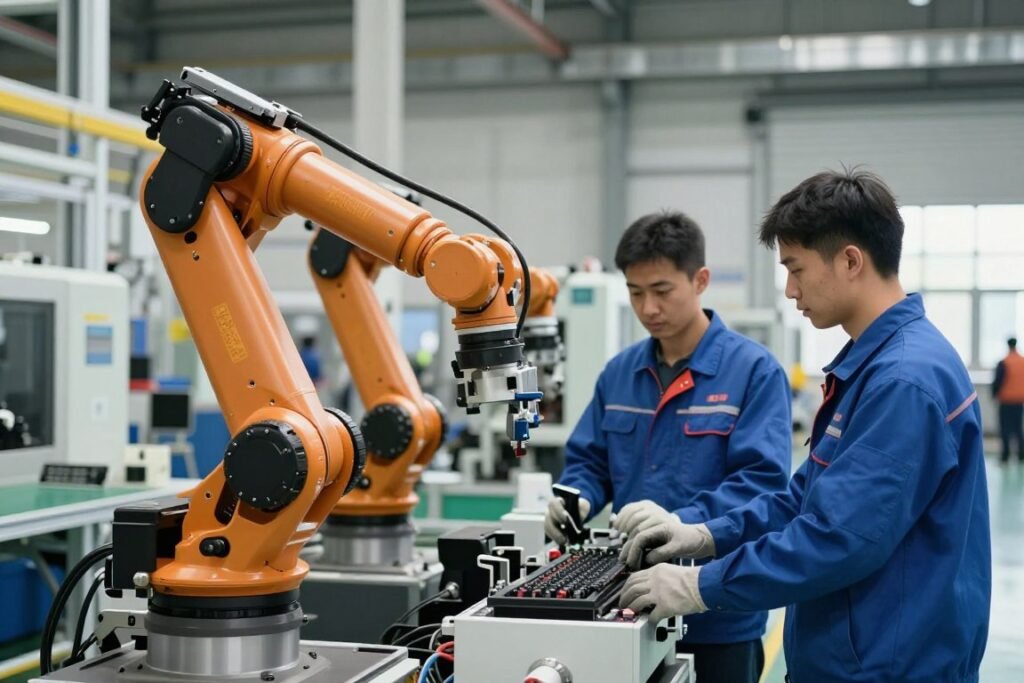
Artificial intelligence applications improve knowledge worker productivity. Legal research, medical diagnosis support, and financial analysis AI tools allow professionals to handle larger workloads. These technologies may prove critical to productivity recovery.
- AI-powered customer service reduces need for human agents by 20-30%
- Automated inventory management improves retail and warehouse efficiency
- Machine learning optimizes production schedules in manufacturing
- Computer-assisted diagnostics extend physician capacity in healthcare
- Robotic process automation eliminates repetitive administrative work
Workplace flexibility arrangements attract and retain workers. Remote work options, flexible scheduling, and results-oriented evaluation expand effective talent pools. Geographic constraints matter less when employees can work from anywhere.
Compensation restructuring addresses recruitment challenges. Employers offer signing bonuses, retention payments, and enhanced benefits packages. While costly in the short term, these investments prevent more expensive operational disruptions.
Regional and State-Level Initiatives
State governments implement targeted programs addressing local labor challenges. Several states expanded apprenticeship funding, created sector-specific training programs, and offered relocation assistance to attract workers.
Florida and Texas invested heavily in technical education infrastructure. New community college campuses and program expansions focus on high-demand fields. These investments may take years to show results but address root causes.
Some states experiment with occupational licensing reform. Reciprocity agreements allow professionals licensed in one state to practice in others without duplicative testing. This increases labor mobility and reduces artificial barriers.
Public-Private Partnership Models
Collaborative initiatives between government and industry show particular promise. Employer consortiums partner with educational institutions to design curriculum matching workforce needs. Students gain relevant skills while employers secure future talent pipelines.
The Manufacturing Institute’s partnership model connects employers with community colleges. Companies provide equipment, instructors share industry experience, and graduates receive job placement assistance. Expansion of such models could address skills gaps systematically.
Success Example: The North Carolina biotechnology training program demonstrates effective public-private collaboration. Community colleges, universities, and pharmaceutical companies jointly developed curriculum and shared costs. The program produces 3,000 qualified workers annually, significantly reducing regional shortages.
International Best Practices
Several countries successfully addressed similar labor challenges through comprehensive strategies. Their experiences offer lessons for U.S. policymakers and business leaders.
Germany’s dual education system combines classroom learning with paid apprenticeships. Approximately 50 percent of German youth participate in these programs, creating steady pipelines of skilled workers. Manufacturing competitiveness relies heavily on this workforce development approach.
Singapore implemented aggressive upskilling initiatives as demographics shifted. Government subsidies cover 90 percent of training costs for workers learning new skills. This program facilitates career transitions and maintains high employment despite economic restructuring.
The Netherlands expanded part-time work opportunities and childcare support simultaneously. Female labor force participation increased substantially, adding significant workforce capacity. Flexible work arrangements became culturally normalized rather than stigmatized.
What It Means for Americans
Labor shortages and productivity challenges directly affect household finances and quality of life. These structural economic issues translate into concrete impacts on daily living. Understanding these connections helps individuals and families prepare and adapt.
Economic abstractions like GDP growth and productivity rates ultimately determine whether Americans can afford homes, healthcare, and retirement. When productivity stagnates, living standard improvements slow or reverse.

Cost of Living Impacts
Labor-driven inflation increases prices for services that cannot be easily automated. Haircuts, restaurant meals, eldercare, and home repairs all cost significantly more. These price increases disproportionately affect households that spend larger budget shares on services.
Healthcare costs rise faster than overall inflation. Physician and nursing shortages limit supply while aging populations increase demand. Insurance premiums, deductibles, and out-of-pocket expenses consume growing portions of household budgets.
- Average family health insurance premiums increased 22% since 2020
- Out-of-pocket medical expenses up 18% over three years
- Eldercare costs rising 8-10% annually in many markets
- Childcare expenses exceed mortgage payments in many areas
- Home maintenance and repair costs up 25-35%
Housing affordability deteriorates as construction labor shortages limit new supply. Builder inability to find workers delays projects and increases costs. These expenses flow through to home prices and rental rates.
The National Association of Home Builders estimates that labor shortages add $15,000-$25,000 to new home construction costs. This prices many first-time buyers out of the market entirely.
Food service inflation affects household budgets directly. Restaurant prices increased 15-25 percent since 2020 as wages rose. Families reduce dining out frequency or shift to less expensive options.
Employment and Career Implications
Paradoxically, labor shortages create both opportunities and challenges for American workers. Current employees gain leverage to negotiate better compensation and conditions. Job switchers can demand significant salary increases.
However, workers in industries facing automation pressure may experience displacement. Manufacturing employees, retail workers, and administrative staff in sectors adopting AI face uncertain futures. Retraining becomes necessary but often difficult to access.
Worker Advantages in Tight Labor Markets
- Higher wage offers from competing employers
- Improved benefits packages and work flexibility
- Reduced hiring requirements and credential barriers
- More opportunities for advancement and training
- Greater job security and employer investment
Career transitions become more feasible during labor shortages. Employers overlook traditional qualification requirements when desperate to fill positions. Workers can enter new fields through on-the-job training rather than formal education.
However, geographic immobility limits these opportunities for some workers. Housing costs in high-opportunity areas prevent relocation. Remote work helps but applies primarily to knowledge economy jobs.
Retirement security faces new pressures. Social Security funding challenges intensify when fewer workers support more retirees. Potential benefit reductions or tax increases loom. Americans must increasingly rely on personal savings and delayed retirement.
Younger workers face different challenges. Entry-level position competition remains intense despite overall shortages. Employers seek experienced workers rather than training new graduates. Career establishment becomes harder even as mid-career opportunities expand.
Investment Portfolio Considerations
Labor shortages and productivity stagnation affect investment returns across asset classes. Understanding these impacts helps households protect and grow wealth.
Equity investors should consider sector rotation strategies. Companies successfully implementing automation outperform labor-dependent competitors. Technology stocks may benefit while labor-intensive service businesses struggle.
| Investment Category | Labor Shortage Impact | Outlook Rating |
| Technology Stocks | Benefit from automation demand and productivity tools | Positive |
| Healthcare Equities | Mixed – demand high but costs rising significantly | Neutral |
| Real Estate | Construction constraints limit supply, support prices | Positive |
| Bonds | Inflation risk from wage pressure reduces real returns | Negative |
| Commodities | Labor costs in extraction and production support prices | Neutral |
| Small Business | Severe recruitment challenges limit growth | Negative |
Fixed income investors face inflation erosion risks. If wage-driven inflation persists, bond returns may fail to preserve purchasing power. Inflation-protected securities offer partial hedges but carry their own limitations.
Real estate investments benefit from construction constraints that limit new supply. However, commercial properties dependent on labor-intensive businesses may struggle. Residential real estate in high-growth areas with strong job markets offers better prospects.
Retirement account allocation requires adjustment for longer life expectancies and potential Social Security uncertainty. More aggressive growth strategies may be necessary to accumulate sufficient savings. However, this increases risk exposure for older workers.
Housing Market Effects
Prospective homebuyers face multiple challenges stemming from labor shortages. Construction delays push delivery dates back months or years. Builder selectivity increases as limited capacity lets them choose preferred projects.
Home prices rise faster than incomes as supply constraints persist. The median home price increased 35 percent from 2020 to 2023 while median household income grew only 12 percent. Affordability deteriorated sharply.

Renovation and maintenance costs strain homeowner budgets. Finding contractors becomes difficult and expensive. Simple projects that once cost thousands now run tens of thousands. Homeowners delay necessary repairs, creating deferred maintenance issues.
Rental markets tighten as single-family construction lags demand. Apartment vacancy rates remain low, giving landlords pricing power. Rent increases outpace wage growth in many markets, forcing households to allocate larger budget shares to housing.
- Average rent increased 30% in major metropolitan areas since 2020
- Rental vacancy rates below 5% in most markets
- New apartment construction insufficient to meet demand
- Conversion of rentals to condos reduces affordable inventory
- Rural housing availability extremely limited
First-time homebuyers face particular difficulties. High prices, limited inventory, and strict lending standards create barriers. Many would-be buyers remain renters longer than preferred, delaying wealth accumulation through homeownership.
Quality of Life and Service Availability
Labor shortages reduce service quality and availability across many sectors. Restaurants operate with limited hours or close additional days weekly. Healthcare providers cannot accept new patients. Schools struggle to staff classrooms adequately.
Wait times increase frustratingly for essential services. Scheduling medical appointments requires weeks or months of advance planning. Auto repairs take longer as shops cannot hire mechanics. These delays reduce quality of life and economic efficiency.
Rural areas experience particularly severe service degradation. Already facing population decline, rural communities cannot compete with urban wages. Banks close branches, hospitals reduce services, and retail options shrink.
Education quality suffers from teacher shortages. Larger class sizes, fewer specialized programs, and overworked educators affect student outcomes. Parents who can afford private schools or tutoring gain advantages, increasing educational inequality.
Planning Tip: American households should build larger emergency funds to buffer against service disruptions and price volatility. Financial advisors recommend 6-9 months of expenses saved, up from traditional 3-6 month guidance, given current economic uncertainty.
Public services face budget pressures from rising labor costs. Municipal governments struggle to maintain service levels as salaries compete with private sector wages. Parks, libraries, and public safety operations all face constraints.
Future Outlook (2026–2030)
The next five years will prove critical for addressing labor shortages and productivity challenges. Demographic trends, technology adoption rates, and policy responses will determine whether conditions improve or deteriorate. Multiple scenarios remain plausible.
Baseline projections assume continuation of current trends without major shocks or policy breakthroughs. This scenario sees persistent but gradually moderating labor tightness. Productivity improvements occur slowly as technology diffuses unevenly across sectors.
Short-Term Outlook (2026-2027)
Labor markets will likely remain tight through 2026-2027. The Congressional Budget Office projects labor force growth of just 0.3 percent annually during this period. Job openings will continue exceeding available workers in most sectors.
Specific industries face varying trajectories. Healthcare shortages will intensify as baby boomers require more medical care. Construction may see modest improvement if immigration increases or training programs expand. Technology sectors could experience surplus conditions if economic growth slows.
- Overall unemployment rate projected between 3.8% and 4.3%
- Job openings declining gradually but remaining elevated
- Wage growth moderating to 3.5-4.0% annually
- Labor force participation recovering to 63.0-63.2%
- Productivity growth remaining below 1.5% annually
Inflation should moderate as wage pressures ease slightly. The Federal Reserve projects core inflation declining toward 2.5 percent by late 2026. However, service sector inflation will remain elevated due to labor costs.
GDP growth will likely stay constrained below 2.0 percent annually. Labor shortages and weak productivity combine to limit expansion. Absent external shocks, the economy avoids recession but grows disappointingly slowly.
Technology Adoption Acceleration
Businesses will aggressively implement automation and AI solutions during 2026-2027. High labor costs and availability challenges justify technology investments that previously seemed marginal. This creates transition challenges but eventually improves productivity.
Manufacturing sees fastest automation adoption. Collaborative robots, AI-powered quality control, and automated material handling become standard. Companies unable to invest in these technologies lose competitiveness.
Service sector automation proves more challenging but accelerates. Fast food chains deploy cooking robots and automated ordering. Hotels implement automated check-in systems. These changes encounter customer resistance and implementation difficulties.

Medium-Term Outlook (2028-2030)
The 2028-2030 period may show improvement if current initiatives bear fruit. Training programs launched in 2024-2025 begin producing graduates. Immigration policy adjustments, if enacted, start increasing workforce size. Technology productivity benefits materialize more broadly.
Demographic pressures peak around 2030 as the last baby boomers reach traditional retirement age. After this point, the rate of new retirements slows. This demographic shift could ease labor markets moderately.
International Monetary Fund projections show potential GDP growth recovering to 2.1-2.3 percent by 2030 under favorable scenarios. This requires productivity improvements from technology adoption and modest labor force expansion from policy changes.
Optimistic Scenario Elements
An optimistic trajectory assumes several favorable developments occur simultaneously. Immigration reform passes, expanding legal pathways for workers. AI and automation deliver transformative productivity gains. Workforce training initiatives successfully reskill displaced workers.
- Immigration increases net labor force growth to 0.8% annually
- AI adoption drives productivity growth above 2.0% by 2029
- Workforce training programs double output of skilled workers
- Remote work permanently expands effective talent pools
- Healthcare productivity improves through technology integration
Under this scenario, GDP growth accelerates to 2.5 percent by 2030. Unemployment remains low while wage growth and productivity both improve. Americans experience rising living standards and improved service availability.
This optimistic path requires significant policy action and successful technology implementation. Both face substantial obstacles. Political gridlock could prevent immigration reform. Technology adoption may disappoint as it often takes longer than predicted.
Pessimistic Scenario Risks
A pessimistic scenario sees compounding challenges rather than improvement. Immigration restrictions tighten further. Technology deployment stalls due to costs or resistance. Training programs fail to scale. Labor shortages intensify while productivity stagnates.
Severe workforce constraints could trigger economic contraction. Businesses unable to operate adequately shrink or close. Service quality deteriorates sharply. Infrastructure projects cannot proceed. The economy slides into low-growth or no-growth conditions.
Downside Risk Alert: If labor force participation declines further while productivity remains stagnant, potential GDP growth could fall below 1.0 percent annually by 2030. This “Japanification” scenario would require decades to reverse and fundamentally alter American economic prospects.
Healthcare system stress represents a particular concern. Physician and nursing shortages could become so severe that access collapses in some regions. Rural areas and low-income communities would suffer disproportionately.
- Labor force growth turns negative in pessimistic scenario
- Productivity growth remains below 0.5% annually
- GDP growth falls to 0.8-1.2% through 2030
- Service sector inflation persists above 4% annually
- Social program funding crises accelerate
Long-Term Structural Shifts
Regardless of short-term fluctuations, several structural changes appear permanent. The American economy must adapt to demographic realities that limit workforce growth. Traditional labor abundance will not return.
Work organization will continue evolving. Remote and hybrid arrangements become permanent fixtures. Gig economy and contract work expand. Traditional full-time employment decreases as a share of total work.
Automation reshapes occupational structure. Routine physical and cognitive tasks increasingly performed by machines. Human workers focus on tasks requiring creativity, judgment, and interpersonal skills. This transition creates winners and losers.
Global competition for talent intensifies. Developed nations worldwide face similar demographic challenges. Countries offering attractive immigration pathways, quality of life, and opportunity will succeed in attracting scarce workers.
Policy Pathway Dependencies
The realized future depends heavily on policy choices made in 2024-2026. Early action improves outcomes significantly compared to delayed responses. However, political polarization makes comprehensive reform difficult.
Immigration policy decisions carry outsized importance. Modest increases in employment-based immigration could add 500,000 to 1 million workers over five years. This represents 15-25 percent of the current shortage.
Education and training policy requires sustained investment and reform. Quick fixes do not exist; workforce development takes years to show results. Decisions made now determine capabilities in 2030.
Critical Policy Decisions for 2026-2030
- Immigration system reform and visa expansion
- Workforce training funding and program scaling
- Childcare and family support policies
- Education curriculum modernization
- Technology adoption incentives and regulation
- Healthcare workforce development initiatives
Business Adaptation Requirements
- Accelerated automation and AI implementation
- Workforce development partnerships
- Compensation and benefits competitiveness
- Process redesign for efficiency gains
- Geographic expansion or remote work adoption
- Strategic workforce planning capabilities
Federal Reserve monetary policy must balance inflation control against growth support. Overly restrictive policy could trigger recession without solving labor supply issues. Too accommodative an approach risks entrenching inflation expectations.
The next five years represent a pivotal period. Actions taken—or not taken—will shape American economic performance for decades. Complacency risks extended stagnation. Aggressive, coordinated responses could restore healthy growth trajectories.
Conclusion
Labor shortages and productivity challenges represent serious structural threats to American economic prosperity. Unlike cyclical downturns that resolve through normal business cycles, these issues stem from demographic shifts and technological transitions that unfold over decades.
The evidence presented throughout this analysis demonstrates clear impacts across multiple economic dimensions. GDP growth faces constraints from insufficient workforce expansion. Inflation pressures persist due to wage-driven cost increases. Service quality and availability deteriorate as businesses cannot find needed workers.

These challenges do not imply inevitable decline. American innovation, adaptability, and institutional strength provide resources for addressing workforce constraints. Technology offers potential productivity breakthroughs. Policy reforms could expand labor supply. Market mechanisms drive business adaptation.
However, positive outcomes require deliberate action rather than passive hope. Immigration reform, workforce development investment, and technology adoption all demand sustained commitment. Political will to implement comprehensive solutions remains uncertain.
Key Takeaways for Economic Stakeholders
Business leaders must prioritize workforce planning and technology investment. Labor constraints will persist through at least 2030. Companies that successfully navigate this environment will gain competitive advantages. Those that fail to adapt face existential threats.
Policymakers should recognize that traditional economic tools prove insufficient for structural labor challenges. Demand-side stimulus cannot create workers who do not exist. Supply-side policies targeting workforce expansion and productivity improvement offer more effective approaches.
Individual Americans need to prepare for continued economic uncertainty. Career flexibility, skill development, and financial resilience become even more important. Planning for extended working lives and securing multiple income streams provide buffers against disruption.
- Labor market tightness will likely persist through the remainder of the decade
- Productivity improvements from technology may take years to materialize broadly
- Policy responses will significantly influence whether outcomes are favorable or challenging
- Individual adaptation and continuous learning become essential for career success
- Regional variation in impacts will be substantial based on local policies and industry mix
Forward-Looking Statement
The period from 2026 to 2030 will test American economic resilience and adaptability. Demographic mathematics limit potential workforce growth regardless of policy choices. The question becomes whether productivity improvements offset these constraints sufficiently to maintain acceptable growth rates.
Optimism remains warranted but must be tempered with realism. Historical precedent shows that technology eventually drives productivity breakthroughs, but timing remains unpredictable. Policy reform is possible but faces political obstacles. Market adaptation occurs but creates transition costs and disruption.
The most likely scenario involves muddle-through outcomes. Labor shortages moderate gradually rather than resolving completely. Productivity improves modestly but not dramatically. Economic growth continues but at rates below historical averages. Americans adapt to this new normal through incremental adjustments.
Avoiding worst-case outcomes requires vigilance and action. Complacency risks allowing manageable challenges to metastasize into crises. Early intervention costs less and proves more effective than delayed responses to entrenched problems.
The labor shortages and productivity challenges facing the United States in 2026 and beyond represent significant but not insurmountable obstacles. Success requires coordinated efforts across government, business, and society. The economic future remains uncertain, but not predetermined. Choices made in coming months and years will shape American prosperity for generations.