
Naturalization Process Timeline Explained: Your Complete Guide to U.S. Citizenship in 2026
Becoming a U.S. citizen represents one of the most significant milestones in an immigrant’s journey. The naturalization process timeline varies for each applicant, but understanding what to expect can reduce stress and help you prepare effectively.
In 2026, immigration processing times continue to fluctuate due to policy changes and application volume. Current data shows the average naturalization process takes between 8 to 14 months from start to finish.
This comprehensive guide breaks down every step of becoming a U.S. citizen. You’ll learn about eligibility requirements, processing times, costs, and practical tips to strengthen your application.
Essential Immigration Resources
InfoHubUSA provides clear guidance on U.S. immigration topics. Explore these related guides:
- Green Card Renewal Timeline and Requirements
- Understanding Permanent Resident Rights
- Preparing for Your Citizenship Interview
- Immigration Policy Changes in 2026
What the Naturalization Process Means
Naturalization is the legal process through which a foreign national becomes a U.S. citizen. This process grants you the same rights and responsibilities as native-born Americans.
When you complete naturalization, you receive a Certificate of Naturalization. This document proves your U.S. citizenship status.
Key Terms You Should Know
Form N-400: The official application for naturalization that you file with USCIS. This form collects information about your background, residence, and eligibility.
USCIS: United States Citizenship and Immigration Services, the government agency that processes naturalization applications and manages immigration benefits.
Permanent Resident: A foreign national who holds a green card and has permission to live and work permanently in the United States.
Biometrics Appointment: A scheduled session where USCIS collects your fingerprints, photograph, and signature for background check purposes.
Citizenship Interview: A meeting with a USCIS officer who reviews your application, tests your English abilities, and assesses your knowledge of U.S. civics.
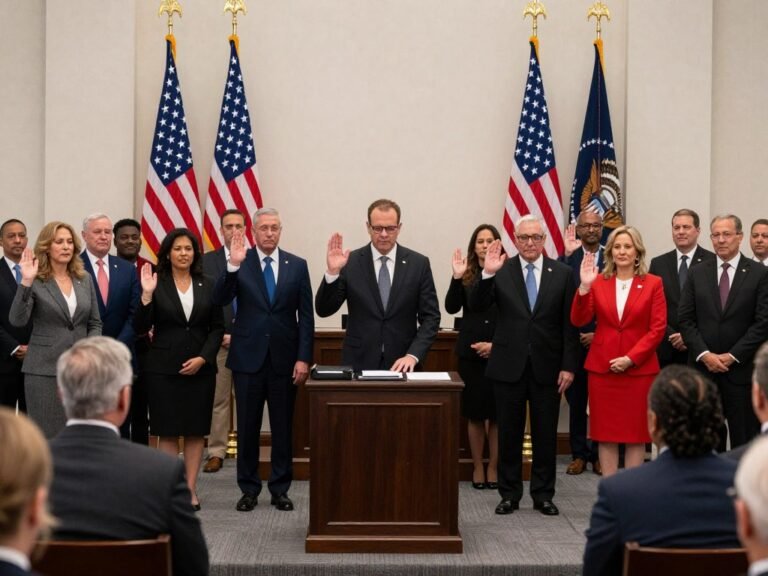
Oath of Allegiance: The final ceremony where you swear loyalty to the United States and officially become a citizen.
Who Qualifies for Naturalization
Most applicants become eligible through one of these pathways. The most common route requires holding a green card for five years.
Spouses of U.S. citizens may qualify after three years of marriage and permanent residence. Military service members often have expedited options available.
Children may automatically acquire citizenship through their parents in certain circumstances. Refugees and asylum seekers follow specific timelines based on their status.
Requirements and Eligibility for U.S. Citizenship
Before starting your naturalization application, verify you meet all eligibility criteria. Missing even one requirement can delay or derail your citizenship journey.
Age and Residence Requirements
You must be at least 18 years old to apply for naturalization. Age requirements differ for children who may acquire citizenship through parents.
Continuous residence means you’ve lived in the United States as a permanent resident for the required period. For most applicants, this means five years with your green card.
Physical presence requires you to be actually present in the U.S. for at least 30 months out of the five years before applying. Extended trips abroad can break continuous residence.
Major Eligibility Rules
- Hold valid permanent resident status (green card) for required time period
- Maintain continuous residence in the United States without extended absences
- Be physically present in the U.S. for at least half the required residence period
- Live in the same USCIS district or state for at least three months before filing
- Demonstrate good moral character throughout the eligibility period
- Pass English language tests (reading, writing, speaking)
- Pass U.S. civics and history examination
- Understand and accept U.S. Constitution principles
- Be willing to take the Oath of Allegiance to the United States
Good Moral Character Standard
USCIS evaluates your moral character for the entire statutory period before your application. Certain criminal convictions can permanently bar citizenship.
Tax compliance is essential. You must file all required tax returns and pay taxes owed to demonstrate good moral character.
Failing to pay child support, lying to immigration officials, or committing fraud can negatively impact your application. Honesty throughout the process is crucial.
Documents You’ll Need
Personal Identification
- Valid green card (front and back copies)
- Valid passport from your country
- State-issued driver’s license or ID
- Birth certificate with certified translation
Residence Documentation
- Lease agreements or mortgage documents
- Utility bills showing your address
- Tax returns for the past five years
- Employment verification letters
Marriage and Family Records
- Marriage certificate (if applicable)
- Spouse’s citizenship or immigration documents
- Divorce or death certificates from prior marriages
- Children’s birth certificates
Additional Supporting Documents
- Selective Service registration proof (males 18-25)
- Court records for any arrests or citations
- Military service records (if applicable)
- Any documents USCIS specifically requests
Step-by-Step Naturalization Process
The path to U.S. citizenship follows a structured sequence. Understanding each step helps you prepare properly and avoid common mistakes.
Step 1: Determine Your Eligibility
Review all eligibility requirements carefully before investing time and money in the application. Use the USCIS eligibility worksheet to assess your qualifications.
Calculate your residence and physical presence carefully. Count days spent outside the United States to ensure you meet requirements.
Consider consulting an immigration attorney if you have a complex case. Criminal history, previous immigration violations, or extended absences require professional evaluation.
Step 2: Prepare and Submit Form N-400
Form N-400 is the official naturalization application. This form requires detailed information about your background, residence, travel, and family.
You can file Form N-400 online through your USCIS account or submit a paper application by mail. Online filing typically results in faster processing and easier case tracking.
The N-400 application asks about your entire immigration history. Answer every question truthfully and completely. Provide explanations for any issues that might raise concerns.
Double-check all dates, addresses, and personal information before submitting. Errors can delay processing or trigger requests for additional evidence.
Step 3: Pay Application Fees
The current USCIS filing fee for Form N-400 is $710, which includes $640 for application processing and $70 for biometrics services. Fee waivers are available for applicants who meet income requirements.
Payment methods include credit card, debit card, check, or money order. Online filers can pay electronically through their USCIS account.
Keep your payment receipt. You’ll need the receipt number to track your case status online.
Step 4: Attend Biometrics Appointment
USCIS will send you a biometrics appointment notice within several weeks of filing your application. This notice specifies the date, time, and location of your appointment.
At your biometrics appointment, USCIS collects your fingerprints, takes your photograph, and records your signature. This information is used for background check and security screening.
Bring your appointment notice and valid photo identification to your biometrics appointment. The process typically takes 20 to 30 minutes.
If you cannot attend your scheduled appointment, contact USCIS immediately to reschedule. Missing your biometrics appointment can significantly delay your application.
Step 5: Complete Background Check
USCIS conducts extensive background checks using your biometric information. These checks verify your identity, criminal history, and immigration record.
Background checks typically take several months to complete. Processing times vary based on your personal history and the workload at FBI and other agencies.
You cannot expedite the background check process. USCIS must receive clearance from all relevant agencies before scheduling your interview.
Step 6: Attend Citizenship Interview
Your citizenship interview is the most critical step in the naturalization process. USCIS will send you an interview notice several weeks before your scheduled appointment.
The interview has three main components. First, a USCIS officer reviews your N-400 application and asks questions about your answers.
Second, you take the English test. The officer evaluates your ability to read, write, and speak English during your interview conversation.
Third, you complete the civics test. You must correctly answer at least 6 out of 10 questions about U.S. government and history.
Arrive early to your interview with all requested documents. Bring your green card, passport, state ID, and any documents mentioned in your interview notice.
Answer all questions honestly and directly. If you don’t understand a question, ask the officer to repeat or clarify it.
Step 7: Receive USCIS Decision
At the end of your interview, the USCIS officer may provide a decision on your application. Possible outcomes include granted, continued, or denied.
If granted, you’ll receive information about your oath ceremony. Most applicants receive oath ceremony notices within several weeks of interview approval.
A continued decision means USCIS needs more time or additional documentation to make a final determination. You may need to retake the English or civics test.
If denied, USCIS will explain the reasons in writing. You have the right to appeal the decision or reapply after addressing the issues.
Step 8: Take the Oath of Allegiance
The oath ceremony is the final step in becoming a U.S. citizen. You’ll receive a notice with the date, time, and location of your ceremony.
At the ceremony, you’ll return your green card and take the Oath of Allegiance alongside other new citizens. This oath pledges your loyalty to the United States.
After taking the oath, you receive your Certificate of Naturalization. This official document proves your U.S. citizenship status.
Review your Certificate of Naturalization immediately for any errors. Report mistakes to USCIS right away to receive a corrected certificate.

Processing Time and Costs for Naturalization
Understanding the naturalization process timeline helps you plan appropriately. Processing times vary significantly based on your location and USCIS workload.
Current Processing Times in 2026
The average naturalization process timeline ranges from 8 to 14 months nationally. However, some USCIS field offices process applications much faster or slower than others.
You can check current USCIS processing times online by entering your office location. These estimates show how long USCIS takes to process 80% of cases at each office.
| Processing Stage | Typical Timeline | What Happens |
| Application Filing | Day 1 | Submit Form N-400 and payment to USCIS |
| Receipt Notice | 2-4 weeks | USCIS confirms receipt and provides case number |
| Biometrics Notice | 4-8 weeks | Appointment scheduled for fingerprints and photo |
| Biometrics Appointment | 6-10 weeks | Attend appointment to provide biometric data |
| Background Check | 3-6 months | FBI and security screening conducted |
| Interview Notice | 6-10 months | Interview date, time, and location scheduled |
| Citizenship Interview | 7-12 months | Attend interview and take citizenship tests |
| Decision | At interview or within 30 days | USCIS approves or denies application |
| Oath Ceremony Notice | 2-6 weeks after approval | Ceremony date and location scheduled |
| Oath Ceremony | 8-14 months total | Take oath and receive citizenship certificate |
Factors That Affect Processing Time
Several factors influence how long your naturalization takes. USCIS office location is the biggest variable in processing time.
High-volume offices in major metropolitan areas often have longer wait times. Smaller offices may process applications more quickly.
Application completeness affects your timeline. Missing documents or errors trigger Requests for Evidence that add months to processing.
Background check complexity varies by individual. Applicants with common names, international travel history, or previous addresses in multiple countries may experience longer security screening.
Interview availability depends on officer scheduling and office capacity. Some offices schedule interviews within weeks of background check completion, while others have months-long backlogs.
Complete Cost Breakdown
The total cost to become a U.S. citizen includes government fees and potential additional expenses. Budget appropriately to avoid financial surprises.
Required Government Fees
- Form N-400 filing fee: $640
- Biometric services fee: $70
- Total USCIS fees: $710
- Fee waiver available for eligible applicants
Additional Potential Costs
- Document translation: $50-$200
- Passport photos: $10-$20
- Certified copies of documents: $20-$100
- Legal assistance (optional): $500-$2,500
- Test preparation materials: $20-$100
- Travel to USCIS appointments: varies
Fee Waiver and Reduction Options
USCIS offers fee waivers to applicants who cannot afford the naturalization filing fee. You qualify if your household income is at or below 150% of federal poverty guidelines.
You may also qualify for a fee waiver if you receive means-tested benefits like Medicaid, food stamps, or SSI. Supporting documentation is required to demonstrate financial hardship.
Fee reduction is available if your household income is between 150% and 200% of poverty guidelines. The reduced fee is $380 instead of $710.
Submit Form I-912 (Request for Fee Waiver) with your N-400 application. Include evidence of your financial situation such as tax returns, pay stubs, or benefit award letters.
Common Mistakes to Avoid During Naturalization
Many applicants make preventable errors that delay their citizenship applications. Learning from common mistakes helps you avoid unnecessary complications.
Application and Documentation Errors
1. Filing Too Early
Applying before you meet the residence requirement causes automatic denial. You can file up to 90 days before completing your required residence period, but no earlier.
Calculate your eligibility date carefully. Count backward from today to determine when you received your green card, then add the required time period.
Filing early wastes your application fee and delays your citizenship by months. Wait until you’re certain you qualify before submitting Form N-400.
2. Incomplete or Inaccurate Applications
Leaving questions blank or providing incomplete answers triggers Requests for Evidence. These requests add 2 to 4 months to your processing time.
Answer every question on Form N-400, even if the answer is “none” or “not applicable.” Provide detailed explanations when requested.
Inconsistencies between your application and supporting documents raise red flags. Ensure all information matches across your forms, green card, passport, and other documents.
3. Failing to Disclose Required Information
Some applicants omit information about arrests, traffic citations, or tax issues. This is a serious mistake that can result in denial or even immigration consequences.
Disclose all arrests and citations, even if charges were dropped or dismissed. USCIS has access to comprehensive criminal databases and will discover undisclosed incidents.
Lying on your application is fraud. Material misrepresentation can result in permanent bars to citizenship and potential deportation proceedings.
4. Missing Supporting Documents
Failing to include required documentation with your application causes processing delays. Review the Form N-400 instructions carefully to identify all necessary supporting documents.
Common missing documents include marriage certificates, divorce decrees, tax transcripts, and Selective Service registration proof. Gather everything before filing.
If you cannot obtain a required document, submit a written explanation describing your efforts to get it. USCIS may accept alternative evidence in some circumstances.
5. Travel Calculation Mistakes
Incorrectly calculating days spent outside the United States is one of the most common errors. Count every single day of every trip, including departure and return dates.
Extended absences of more than 6 months can break continuous residence. Trips over one year create a presumption of abandonment unless you filed for a reentry permit.
Review your passport stamps and travel records thoroughly. Create a detailed spreadsheet listing every international trip with exact dates.
Interview and Test Preparation Mistakes
6. Inadequate Test Preparation
Underestimating the citizenship test difficulty leads to failure at your interview. Study both the civics questions and English requirements seriously.
USCIS provides free study materials on their website. Practice reading and writing English sentences using the official vocabulary list.
Take practice tests to assess your readiness. Many applicants need several weeks of daily study to master the material.
7. Poor Interview Performance
Nervousness at the interview can cause you to give inconsistent answers. Listen carefully to each question and answer truthfully and completely.
Don’t volunteer extra information beyond what the officer asks. Provide direct answers to the questions posed.
Bringing incomplete documents to your interview creates problems. Review your interview notice and bring every requested item.
Status and Compliance Issues
8. Failing to Maintain Green Card Status
Some applicants let their green cards expire before applying for citizenship. While an expired card doesn’t invalidate your permanent resident status, it complicates the process.
Renew your green card if it will expire before your expected oath ceremony date. You need a valid green card to present at your interview and oath ceremony.
9. Not Notifying USCIS of Address Changes
Moving without updating your address with USCIS means you won’t receive important notices. Missing your interview or biometrics appointment can lead to application denial.
File Form AR-11 within 10 days of moving. Also update your address through your USCIS online account if you filed electronically.
10. Ignoring Tax Obligations
Failing to file required tax returns demonstrates lack of good moral character. USCIS reviews your tax compliance as part of the naturalization evaluation.
File all missing tax returns before your citizenship interview. Bring tax transcripts from the IRS showing your filing history for the required period.
If you owe back taxes, set up a payment plan with the IRS. Documentation showing you’re addressing tax debt helps your case.
Tips to Improve Your Naturalization Approval Chances
Strategic preparation significantly increases your likelihood of citizenship approval. These practical tips help you present the strongest possible application.
Before Filing Your Application
Review Eligibility Thoroughly
Use the USCIS eligibility tool to confirm you meet all requirements. Don’t rely on assumptions about your qualifications.
Calculate your continuous residence and physical presence precisely. Account for every trip outside the United States, no matter how brief.
If you have any concerns about eligibility, consult an immigration attorney before filing. Professional guidance costs less than a denied application.
Organize Documentation Early
Start gathering supporting documents months before you plan to file. Some documents like birth certificates or court records take weeks to obtain.
Create a filing system organizing documents by category. Keep original documents separate from copies you’ll submit to USCIS.
Make multiple copies of everything. You’ll need copies for your application, your interview, and your personal records.
Address Potential Issues Proactively
If you have arrests, tax problems, or other complications, resolve them before applying when possible. Demonstrating resolution shows good moral character.
Obtain court dispositions for all arrests or citations. These official documents prove the outcome of criminal cases.
Get IRS tax transcripts showing your complete filing history. These transcripts verify your tax compliance to USCIS.
During the Application Process
File a Complete and Accurate Application
Review Form N-400 instructions carefully before completing each section. Follow all directions precisely.
Type your application rather than handwriting it when possible. Typed applications are easier for USCIS officers to read and process.
Have someone review your completed application before submission. A second set of eyes catches errors you might miss.
Track Your Case Status Regularly
Check your case status online at least weekly. Early detection of issues allows you to respond quickly.
Set up case status notifications through your USCIS online account. You’ll receive automatic updates when USCIS takes action on your application.
Respond immediately to any USCIS requests for evidence or additional information. Delays in responding extend your processing time.
Prepare Extensively for Your Interview
Study citizenship test materials daily for at least several weeks before your interview. Consistent preparation is more effective than cramming.
Practice speaking English conversationally if it’s not your first language. Your entire interview will be conducted in English.
Review your N-400 application thoroughly before your interview. The officer will ask questions based on your answers.
Interview Day Best Practices
Arrive Prepared and Professional
Dress professionally for your citizenship interview. First impressions matter, even in immigration contexts.
Arrive at least 15 minutes early. Allow extra time for security screening and finding the correct office.
Bring all documents listed in your interview notice plus your identification. Having extras demonstrates thorough preparation.
Communicate Effectively with the Officer
Answer questions directly and honestly. Don’t exaggerate or minimize information.
If you don’t understand a question, ask the officer to repeat or rephrase it. It’s better to ask for clarification than answer incorrectly.
Remain calm and respectful throughout the interview. Courtesy and cooperation create a positive impression.
Demonstrate Your Commitment to the United States
Show genuine enthusiasm about becoming a U.S. citizen. Your attitude matters to USCIS officers evaluating your application.
Explain your ties to the United States when appropriate. Mention your family, employment, community involvement, and reasons for wanting citizenship.
Express understanding of citizenship responsibilities. Demonstrate that you take the oath of allegiance seriously.
Legal and Professional Assistance
Know When to Seek Help
Complex cases benefit from professional immigration assistance. Consider hiring an attorney if you have criminal history, previous immigration violations, or extended absences.
Nonprofit organizations offer free or low-cost immigration services to qualifying individuals. Research options in your area.
Attorney representation isn’t required for straightforward cases. Many applicants successfully navigate the process independently.
Work with Reputable Professionals
Only hire licensed attorneys or accredited representatives. Immigration scams are common and costly.
Verify credentials through your state bar association or the U.S. Department of Justice’s list of accredited representatives.
Avoid notarios or immigration consultants who promise guaranteed results. Only USCIS makes naturalization decisions.
Do These Things
- File when you’re fully eligible
- Answer all questions completely
- Disclose all required information
- Study thoroughly for tests
- Keep copies of everything
- Respond promptly to USCIS
- Maintain lawful status
- Be honest at your interview
Avoid These Mistakes
- Filing before 90-day early filing period
- Leaving application questions blank
- Hiding arrests or legal issues
- Skipping test preparation
- Losing important documents
- Ignoring USCIS correspondence
- Letting green card expire
- Providing inconsistent information
Latest Updates and Policy Changes in 2026
Immigration policies and processing procedures continue evolving. Staying informed about changes helps you navigate the naturalization process timeline effectively.
Recent USCIS Policy Developments
USCIS has implemented several changes affecting naturalization applications in 2026. Processing times have generally improved compared to pandemic-era delays, though significant variations remain by office location.
The agency expanded online filing capabilities for Form N-400. Digital submission now includes document upload features, reducing mail delays.
USCIS introduced enhanced case tracking tools through online accounts. Applicants receive more detailed status updates throughout their application journey.
Fee Structure and Payment Options
Current naturalization fees remain at $710 for most applicants. However, USCIS periodically reviews fee structures.
Fee waiver approval rates have fluctuated based on policy enforcement changes. Documentation requirements for fee waivers have become more stringent.
Payment methods now include additional electronic options. USCIS accepts more digital payment forms for online filers.
Interview and Testing Format Updates
USCIS has standardized citizenship interview procedures across field offices. Officers now follow more consistent questioning protocols.
The civics test maintains the same 100-question pool with no changes to content. Applicants still need to answer 6 out of 10 questions correctly.
Accommodations for applicants with disabilities have expanded. Medical certification requirements for test exemptions have been clarified.
Background Check and Security Screening
Enhanced security screening protocols continue affecting some applications. Certain countries and regions face extended background check timelines.
USCIS has improved coordination with FBI and other agencies. This cooperation has reduced some background check delays.
Name check procedures have been refined. Common name issues are resolved more efficiently than in previous years.
Technology and Modernization Initiatives
USCIS continues modernizing its infrastructure. Online services now handle more naturalization functions electronically.
Virtual oath ceremonies remain available in limited circumstances. Most applicants still attend in-person ceremonies.
Mobile app development is underway. Future enhancements may include app-based case tracking and notifications.
Expected Changes and Future Trends
Immigration policy discussions continue at federal and state levels. Proposed changes could affect naturalization timelines and requirements.
Potential legislative reforms may streamline certain processes. Monitor official USCIS channels for announced changes.
Processing capacity improvements are ongoing. USCIS hiring initiatives aim to reduce application backlogs.
Where to Find Reliable Information
Always verify immigration information through official government sources. The USCIS website (uscis.gov) publishes all policy changes and updates.
Subscribe to USCIS email updates to receive official announcements. These notifications provide accurate information about policy modifications.
The U.S. Department of Homeland Security (dhs.gov) releases broader immigration policy information. Review their announcements for context on naturalization changes.
State Department resources (state.gov) provide information about citizenship documentation after naturalization. This includes passport application procedures for new citizens.
Beware of Misinformation
Immigration rumors spread quickly through unofficial channels. Always verify information through official government websites before making decisions about your application.
Scammers exploit policy changes to sell unnecessary services. Never pay for information that USCIS provides free on their website.
Frequently Asked Questions About Naturalization
How long does the naturalization process take from start to finish?
The complete naturalization process timeline typically ranges from 8 to 14 months. This timeframe includes application filing, biometrics appointment, background check, citizenship interview, and oath ceremony.
Processing times vary significantly by USCIS field office location. Some offices process applications in as little as 6 months, while others take 18 months or longer.
Can I travel outside the United States while my naturalization application is pending?
Yes, you can travel internationally while your N-400 application is being processed. However, you must return to the United States for all required appointments including biometrics and your citizenship interview.
Extended absences during the application process can raise concerns about continuous residence. Keep trips short and maintain your primary residence in the United States.
What happens if I fail the citizenship test at my interview?
If you fail the English or civics test, you’ll receive a second opportunity to take the failed portion. USCIS schedules a retest within 60 to 90 days of your initial interview.
You only retake the portion you failed, not the entire test. Use the time between attempts to study and prepare more thoroughly.
Do I need to renew my green card before applying for citizenship?
You don’t need to renew your green card solely to apply for naturalization. An expired green card doesn’t affect your permanent resident status or eligibility for citizenship.
However, you’ll need to present your green card at your interview and oath ceremony. If your card is expired, consider renewing it to avoid potential complications.
How much does it cost to become a U.S. citizen through naturalization?
The USCIS filing fee for Form N-400 is $710, which includes $640 for application processing and $70 for biometric services. Fee waivers are available for applicants who meet income requirements.
Additional costs may include document translation, certified copies, passport photos, and optional legal assistance. Budget $800 to $1,000 total for the complete process.
Can I apply for citizenship if I have a criminal record?
A criminal record doesn’t automatically disqualify you from naturalization. USCIS evaluates the nature, severity, and timing of criminal offenses when assessing good moral character.
Certain serious crimes create permanent bars to citizenship. Minor offenses or old convictions may not prevent approval. Consult an immigration attorney if you have criminal history concerns.
What documents do I need to bring to my citizenship interview?
Bring your green card, valid passport, state-issued ID, and all documents listed in your interview notice. This typically includes evidence of marital status, tax returns, and any documents related to arrests or citations.
Bring original documents when possible. If you submit copies, make sure they’re clear and legible. Your interview notice specifies exactly which documents you need.
How soon can I apply for a U.S. passport after becoming a citizen?
You can apply for a U.S. passport immediately after your oath ceremony. Your Certificate of Naturalization serves as proof of citizenship for passport applications.
Some oath ceremonies offer same-day passport application services. Otherwise, visit any passport acceptance facility or apply by mail using Form DS-11.
Will I lose my original citizenship when I become a U.S. citizen?
U.S. law doesn’t require you to renounce your original citizenship when you naturalize. Whether you can maintain dual citizenship depends on your country of origin’s laws.
Some countries don’t recognize dual citizenship and may consider you to have lost their citizenship when you naturalize elsewhere. Research your country’s specific policies.
Can I check my naturalization case status online?
Yes, you can track your case status online using your receipt number at the USCIS website. Create a USCIS online account for detailed status updates and case history.
Case status information updates as USCIS processes your application. You’ll see when notices are mailed and when appointments are scheduled.
Conclusion: Your Path to U.S. Citizenship
The naturalization process timeline represents a significant journey that transforms permanent residents into U.S. citizens. While the process takes 8 to 14 months on average, careful preparation can help ensure smooth progress through each stage.
Understanding the requirements, gathering necessary documentation, and preparing thoroughly for your citizenship interview increases your approval chances. Avoiding common mistakes saves time and reduces stress throughout the application process.
Remember that every applicant’s timeline differs based on individual circumstances and USCIS office workload. Track your case status regularly and respond promptly to any USCIS requests.
The investment of time and effort in becoming a U.S. citizen provides lifetime benefits. Citizenship offers voting rights, eligibility for federal jobs, protection from deportation, and the ability to sponsor family members for immigration.
Start your naturalization journey when you’re fully eligible. Complete Form N-400 carefully, gather all supporting documents, and prepare thoroughly for your tests. The oath of allegiance you’ll take at your ceremony marks the beginning of your life as an American citizen.
When to Consider Professional Assistance
While many applicants successfully navigate naturalization independently, certain situations benefit from professional legal guidance:
- Criminal history or arrests, even if charges were dismissed
- Previous immigration violations or unlawful presence
- Extended absences from the United States during the residence period
- Complicated tax situations or unfiled tax returns
- Prior denials of immigration benefits
- Uncertainty about eligibility requirements
Consulting an immigration attorney early prevents costly mistakes. Professional guidance costs less than denied applications and extended delays.
Your naturalization success depends on preparation, patience, and persistence. Follow the steps outlined in this guide, stay informed about policy changes, and maintain your legal status throughout the process.
Welcome to your journey toward U.S. citizenship. With proper preparation and understanding of the naturalization process timeline, you’ll soon take the Oath of Allegiance and join millions of Americans who have achieved this important milestone.