
Obesity in the USA: Understanding America’s Most Critical Health Challenge
More than four in ten American adults now live with obesity. This staggering reality affects millions of families across the United States. The condition no longer respects age boundaries or socioeconomic status.
Obesity has transformed from a personal health concern into a national crisis. Medical experts warn that without immediate action, nearly 260 million Americans could face obesity-related complications by 2050. Understanding this epidemic starts with knowledge, prevention, and action.
What is Obesity? Medical Definition and BMI Criteria
Obesity represents a complex medical condition. Doctors define it as excessive body fat accumulation that presents health risks. The body mass index serves as the primary screening tool for classification.
Understanding Body Mass Index (BMI)
Body mass index calculates the relationship between height and weight. Healthcare providers use this measurement to categorize weight status across populations. The formula divides weight in kilograms by height in meters squared.
BMI Classification Categories
- Underweight: BMI below 18.5
- Normal weight: BMI 18.5 to 24.9
- Overweight: BMI 25 to 29.9
- Obesity Class I: BMI 30 to 34.9
- Obesity Class II: BMI 35 to 39.9
- Obesity Class III: BMI 40 or higher
Body mass measurements provide standardized screening methods. However, BMI does not directly measure body fat percentage. Athletes with high muscle mass may show elevated BMI without excess body fat. Healthcare professionals consider additional factors including waist circumference and overall health status.
Beyond BMI: Other Diagnostic Measures
Medical experts evaluate multiple indicators beyond body mass index. Waist circumference identifies abdominal obesity patterns. Men with waist measurements exceeding 40 inches face increased risk. Women show elevated risk at waist circumferences above 35 inches.
Important Note: BMI serves as a screening tool, not a diagnostic instrument. Healthcare providers assess individual health history, lifestyle factors, and metabolic markers for comprehensive evaluation.
Calculate Your BMI in 30 Seconds
Understanding your body mass index provides the first step toward health awareness. Our free calculator delivers instant results with personalized health recommendations.
Why Obesity is a Major Threat for US Health
Obesity drives numerous serious health complications. The condition increases risk for more than 200 medical conditions. Americans living with obesity face shortened life expectancy and reduced quality of life.
Cardiovascular Disease and Type 2 Diabetes
Heart disease remains the leading cause of death among adults with obesity. Excess body mass forces the heart to work harder, increasing blood pressure and cholesterol levels. Type diabetes develops in approximately 90 percent of adults with obesity.
Type 2 diabetes occurs when the body cannot properly use insulin. Obesity creates insulin resistance at the cellular level. Blood sugar levels rise beyond healthy ranges, damaging blood vessels and nerves throughout the body.
Cardiovascular Risks
- High blood pressure (hypertension)
- Coronary artery disease
- Heart attack and stroke
- Heart failure
- Abnormal heart rhythms
Metabolic Complications
- Type 2 diabetes mellitus
- High cholesterol levels
- Fatty liver disease
- Metabolic syndrome
- Insulin resistance
Cancer Risk and Respiratory Problems
Research links obesity to at least 13 different cancer types. Excess body fat produces hormones and inflammatory markers that promote cancer cell growth. Breast, colon, kidney, and pancreatic cancers show strong associations with elevated body mass.
Breathing difficulties plague many adults living with obesity. Sleep apnea interrupts breathing during sleep, reducing oxygen levels. Asthma symptoms worsen with increasing body mass. Simple physical activities become challenging as excess weight strains the respiratory system.
Joint Problems and Mental Health Impact
Obesity places tremendous stress on weight-bearing joints. Knees, hips, and ankles deteriorate faster under constant pressure. Osteoarthritis develops earlier in people carrying excess body mass. Chronic pain limits mobility and independence.
Mental health suffers alongside physical health. Depression rates run three times higher among adults with obesity compared to those at healthy weight. Social stigma and discrimination create additional psychological burden. Body image concerns affect self-esteem and quality of life.
The estimated annual medical cost of obesity in the United States exceeds $173 billion. Individuals with obesity pay approximately $1,861 more in medical expenses each year compared to people at healthy weight.

Age Groups Most Affected by Obesity in America
Obesity affects Americans across all age groups. However, certain age demographics face higher obesity rates. Understanding these patterns helps target prevention efforts effectively.
Adults Aged 40-59: The Highest Risk Group
Middle-aged adults show the highest obesity prevalence. Data reveals that adults aged 40 through 59 years experience obesity rates exceeding 44 percent. This age group faces multiple risk factors including metabolic slowdown and lifestyle changes.
Work demands and family responsibilities often reduce physical activity in this age range. Stress levels peak during middle age years. Many adults prioritize career and family over personal health management during this life stage.
Older Adults and Aging Concerns
Adults aged 60 and older maintain high obesity rates around 41 percent. Aging brings natural metabolic changes that promote weight gain. Muscle mass decreases while body fat percentage increases with advancing years.
Mobility limitations reduce exercise opportunities for older adults. Chronic health conditions complicate weight management efforts. Medications prescribed for various age-related conditions sometimes contribute to weight gain as a side effect.
| Age Group | Obesity Prevalence | Primary Risk Factors | Health Impact Level |
| 20-39 years | 39.8% | Lifestyle habits, early career stress | Moderate to High |
| 40-59 years | 44.3% | Metabolic changes, sedentary work | Very High |
| 60+ years | 41.5% | Reduced mobility, medication effects | High |
Young Adults and Emerging Trends
Young adults aged 20 to 39 show obesity prevalence near 40 percent. This age group experiences rapid weight gain compared to previous generations. College years and early career establishment create vulnerable periods for unhealthy habits.
Fast food consumption peaks during young adulthood. Financial constraints limit access to nutritious food options. Social activities often center around eating and drinking rather than physical movement.
Children and Adolescents: A Growing Concern
Childhood obesity rates have tripled over the past four decades. Approximately 19.7 percent of children and adolescents aged 2 to 19 years now have obesity. Early-onset obesity predicts adult obesity and lifelong health complications.
Children adolescents face unique developmental challenges related to excess weight. Obesity during growth years affects bone development and hormonal balance. Social stigma impacts mental health and academic performance in young people.
Age 2-5 Years
Preschool children show 12.7% obesity prevalence. Early intervention proves most effective at this developmental stage.
- Family eating patterns establish
- Physical activity habits form
- Screen time patterns begin
- Food preferences develop
Age 6-11 Years
School-age children experience 20.7% obesity rates. Academic pressures reduce active play time significantly.
- Sedentary school hours increase
- Peer influence strengthens
- Snacking habits solidify
- Sports participation varies
Age 12-19 Years
Adolescents show 22.2% obesity prevalence. Hormonal changes and independence complicate management efforts.
- Fast food access expands
- Body image concerns emerge
- Physical activity declines
- Mental health challenges increase
Young Adults 20-39
Young adults face 39.8% obesity rates. Lifestyle transitions create weight management challenges throughout this period.
- College lifestyle changes occur
- Career establishment begins
- Family planning starts
- Financial independence grows
Gender Differences Across Age Groups
Women and men show different obesity patterns across age ranges. Among adults, women demonstrate slightly higher overall obesity prevalence at 43.1 percent compared to men at 41.8 percent. These differences reflect biological, hormonal, and social factors.
Women face unique challenges during reproductive years. Pregnancy-related weight gain sometimes persists postpartum. Menopause triggers metabolic changes that promote abdominal fat accumulation. Hormonal fluctuations throughout the female life cycle influence body composition.
Men typically develop obesity earlier in adulthood. Male obesity concentrates around the abdomen, creating higher cardiovascular risk. Men seek weight management treatment less frequently than women despite similar prevalence rates.
How Obesity Became Stressful and Out of Control in the USA
The obesity epidemic reflects systemic changes in American society. Multiple factors converged over recent decades to create an environment that promotes weight gain. Understanding these contributors helps explain why obesity rates continue rising.

The Modern Food Environment
America’s food landscape transformed dramatically since the 1970s. Highly processed foods became cheaper and more accessible than fresh produce. Portion sizes expanded across restaurants and packaged goods. Marketing campaigns promoted consumption of calorie-dense, nutrient-poor products.
Food companies engineered products to maximize palatability. Sugar, salt, and fat combinations trigger reward centers in the brain. These formulations promote overconsumption beyond natural hunger signals. The average American now consumes approximately 300 more calories daily compared to 1970 levels.
Sedentary Lifestyles and Technology
Physical activity requirements dropped sharply across American life. Most jobs now involve sitting at desks rather than manual labor. Transportation depends on automobiles instead of walking or cycling. Entertainment shifted from active recreation to screen-based activities.
Technology reduced everyday movement opportunities. Online shopping eliminates trips to stores. Digital communication replaces in-person interactions. Labor-saving devices minimize household physical activity. The average adult now sits for more than 11 hours daily.
- 24/7 access to high-calorie foods
- Aggressive food marketing campaigns
- Larger restaurant portion sizes
- Sedentary work environments
- Car-dependent infrastructure
- Screen-based entertainment dominance
- Limited access to healthy foods in some areas
- Economic stress and time pressures
Factors Promoting Obesity
- Regular physical activity habits
- Home-cooked meal preparation
- Adequate sleep duration
- Strong social support networks
- Access to parks and recreation
- Health education and awareness
- Workplace wellness programs
- Community walkability features
Protective Factors Against Obesity
Economic and Social Stressors
Financial pressures influence eating and activity patterns. Healthy foods cost more than processed alternatives in many markets. Time constraints force reliance on convenient but unhealthy meal options. Multiple jobs leave little energy for exercise or meal planning.
Chronic stress disrupts hormonal balance and promotes weight gain. Cortisol levels remain elevated under persistent stress conditions. This hormone encourages fat storage, particularly around the midsection. Stress eating becomes a coping mechanism for many Americans.
Built Environment Challenges
American communities often lack infrastructure supporting active lifestyles. Suburban sprawl creates car dependency for basic errands. Sidewalks and bike lanes remain absent in many neighborhoods. Parks and recreational facilities may be scarce or poorly maintained.
Food deserts limit access to fresh produce in underserved areas. Convenience stores outnumber supermarkets in low-income neighborhoods. Restaurant options skew toward fast food chains. These environmental factors create obesity-promoting conditions beyond individual control.
Cultural Shifts and Eating Patterns
Meal patterns changed substantially over recent generations. Family dinners declined as schedules became more hectic. Eating alone or while multitasking replaced mindful, social meals. Snacking frequency increased throughout the day.
Restaurant dining shifted from occasional treats to regular occurrences. Americans now spend more than half their food budget on meals prepared outside the home. Restaurant portions typically contain two to three times appropriate serving sizes.
Proven Strategies to Prevent Obesity
Prevention remains more effective and less costly than treating established obesity. Evidence-based strategies focus on sustainable lifestyle modifications. Small, consistent changes produce better long-term results than dramatic short-term efforts.
Nutrition Strategies for Obesity Prevention
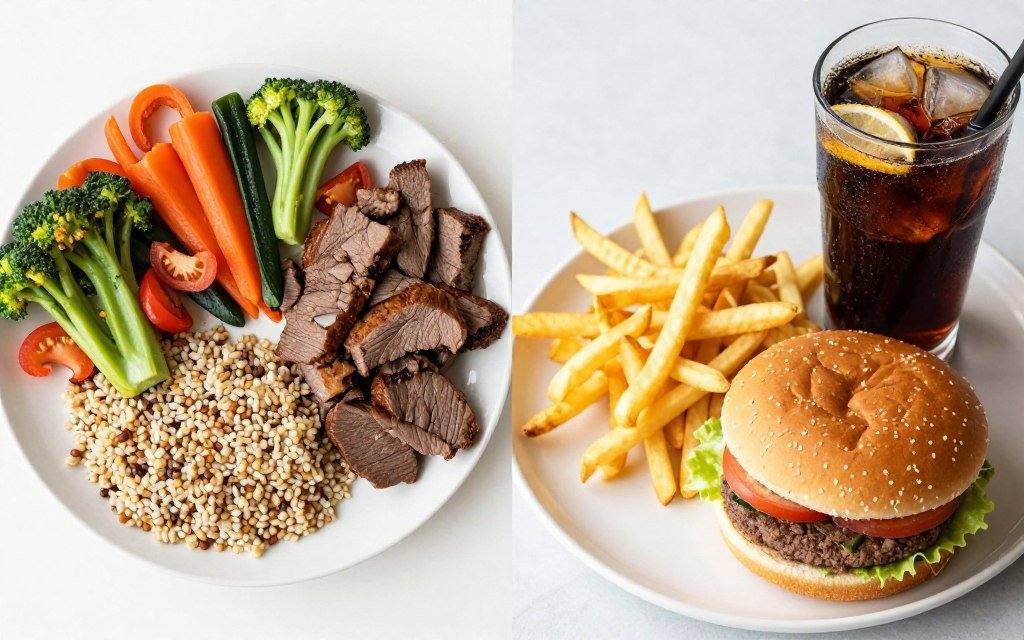
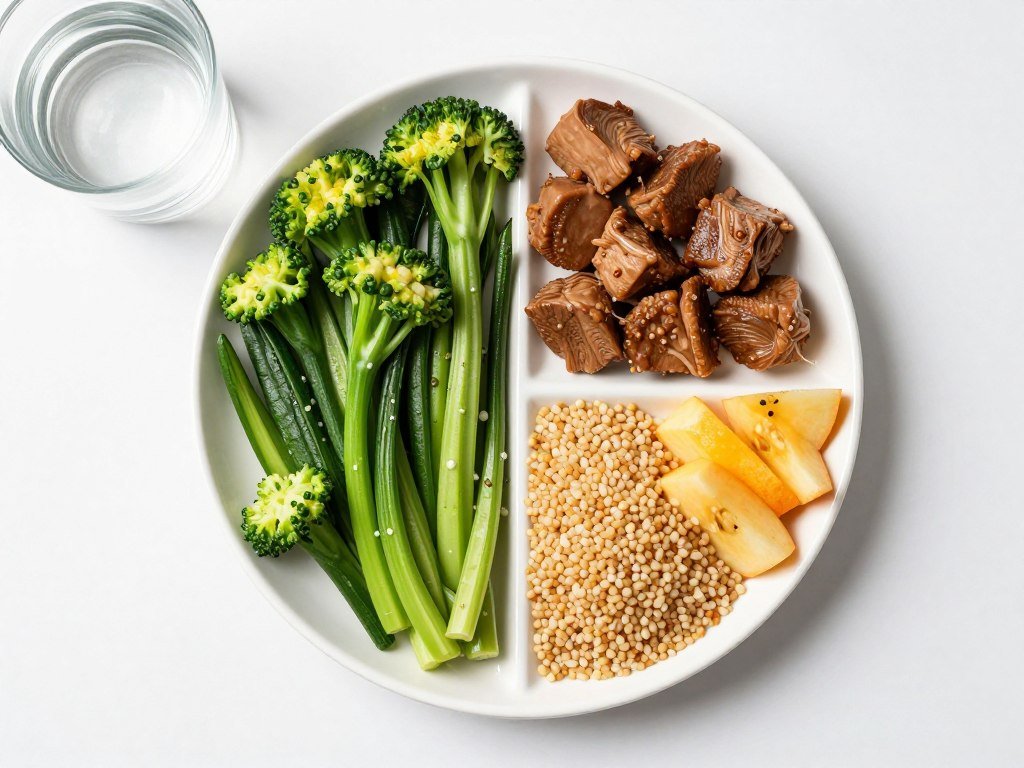
Dietary changes form the foundation of obesity prevention. Focus on whole, minimally processed foods rather than packaged products. Fill half your plate with vegetables and fruits at each meal. Choose lean proteins and whole grains over refined alternatives.
Portion control matters as much as food quality. Use smaller plates to naturally reduce serving sizes. Measure portions until you develop accurate visual estimates. Stop eating when comfortably satisfied rather than completely full.
Daily Nutrition Goals
- Consume 5-9 servings of fruits and vegetables
- Drink 8 glasses of water throughout the day
- Limit added sugars to less than 10% of calories
- Choose whole grains over refined grains
- Include lean protein with each meal
- Reduce sodium intake below 2,300 mg daily
- Eat fiber-rich foods (25-30 grams daily)
Physical Activity Recommendations
Regular movement counteracts sedentary lifestyles effectively. Adults should accumulate at least 150 minutes of moderate-intensity aerobic activity weekly. This breaks down to 30 minutes on five days per week. Physical activity includes any movement that elevates heart rate.
Strength training builds muscle mass that burns calories even at rest. Include resistance exercises targeting major muscle groups twice weekly. Bodyweight exercises require no equipment and can be performed anywhere. Walking remains the most accessible form of regular physical activity.
Aerobic Activities
- Brisk walking or jogging
- Swimming or water aerobics
- Cycling or stationary bike
- Dancing or group fitness classes
- Yard work and gardening
Strength Training
- Bodyweight exercises (push-ups, squats)
- Resistance band workouts
- Free weights or weight machines
- Yoga or Pilates classes
- Functional fitness training
Daily Movement
- Take stairs instead of elevators
- Park farther from destinations
- Stand or walk during phone calls
- Do household chores vigorously
- Play actively with children or pets
Sleep and Stress Management
Adequate sleep supports healthy weight maintenance. Adults need seven to nine hours of quality sleep nightly. Sleep deprivation disrupts hunger hormones, increasing appetite and cravings. Poor sleep reduces motivation for physical activity and healthy food choices.
Chronic stress promotes weight gain through multiple mechanisms. Develop healthy stress management techniques beyond eating. Practice deep breathing exercises, meditation, or yoga regularly. Maintain social connections and seek support when feeling overwhelmed.
Environmental Modifications
Structure your environment to support healthy choices. Keep nutritious snacks visible and readily accessible. Remove tempting junk foods from your home and workspace. Prepare healthy meals in advance to avoid last-minute unhealthy decisions.
Build activity into your daily routine through environmental changes. Set up a home exercise space with minimal equipment. Keep walking shoes in your car for spontaneous activity opportunities. Choose active transportation options when feasible and safe.
Get Your Free Obesity Prevention Action Plan
Download our comprehensive guide featuring meal plans, exercise templates, grocery shopping lists, and progress tracking tools. Everything you need to start preventing obesity today.
Behavioral Strategies for Success
Self-monitoring increases awareness of eating and activity patterns. Keep a food and exercise journal for at least two weeks. Track not just what you eat, but when, where, and why. Identify triggers that lead to overeating or inactivity.
Set specific, measurable, achievable goals rather than vague intentions. Break large goals into smaller milestones you can reach within weeks. Celebrate successes along the way to maintain motivation. Adjust strategies when initial approaches prove ineffective.
- Assess your current habits honestly and without judgment
- Identify one or two specific behaviors to change first
- Create a detailed plan for implementing new habits
- Track your progress daily using a journal or app
- Seek support from friends, family, or support groups
- Anticipate obstacles and plan coping strategies
- Reward yourself for milestones with non-food treats
- Learn from setbacks without harsh self-criticism
- Gradually add new healthy behaviors over time
- Maintain successful changes as permanent lifestyle modifications
Is Obesity Treatment Really Helpful? What Doctors Say
Effective obesity treatment requires comprehensive, individualized approaches. Medical professionals emphasize that obesity represents a chronic condition requiring ongoing management. Treatment combines behavioral modifications, nutritional counseling, physical activity, and sometimes medical interventions.

Behavioral and Lifestyle Interventions
Intensive behavioral therapy produces significant weight loss in clinical trials. Programs combining nutrition education, physical activity guidance, and behavioral modification achieve average losses of 5-10 percent of body weight. These results substantially reduce health risks even without reaching ideal body weight.
Successful programs typically involve weekly sessions for the first six months. Continued support through maintenance programs prevents weight regain. Group-based programs provide social support and accountability. Individual counseling addresses personal barriers and psychological factors.
Medical Weight Management Options
Several FDA-approved medications support weight loss efforts. These drugs work through different mechanisms to reduce appetite or block fat absorption. Medication proves most effective when combined with lifestyle modifications rather than used alone.
Doctors prescribe weight loss medications for patients with BMI of 30 or higher. People with BMI of 27 or above with weight-related health conditions may also qualify. Healthcare providers monitor patients closely for side effects and treatment response.
| Treatment Approach | Average Weight Loss | Time Frame | Best Candidates |
| Lifestyle Modification Alone | 5-10% body weight | 6-12 months | All individuals with overweight or obesity |
| Lifestyle + Medication | 7-15% body weight | 6-12 months | BMI ≥30 or BMI ≥27 with complications |
| Bariatric Surgery | 20-35% body weight | 12-24 months | BMI ≥40 or BMI ≥35 with serious complications |
| Comprehensive Program | 10-20% body weight | 12-18 months | Individuals seeking intensive support |
Bariatric Surgery Outcomes
Surgical interventions produce the most substantial weight loss results. Common procedures include gastric bypass, sleeve gastrectomy, and adjustable gastric banding. These surgeries alter the digestive system to limit food intake or nutrient absorption.
Bariatric surgery patients typically lose 20-35 percent of their total body weight. Many weight-related health conditions improve or resolve completely after surgery. Type 2 diabetes remission occurs in 60-80 percent of surgical patients. However, surgery carries risks and requires lifelong dietary modifications.
What Medical Experts Recommend
Leading medical organizations emphasize treating obesity as a chronic disease. The American Medical Association recognized obesity as a disease in 2013. This classification acknowledges that obesity involves complex biological, genetic, and environmental factors beyond personal willpower.
“Obesity treatment works best with a comprehensive, long-term approach tailored to individual circumstances. There is no one-size-fits-all solution. Patients benefit from combining evidence-based strategies with ongoing professional support.”
Doctors stress realistic expectations about treatment outcomes. Losing just 5-10 percent of body weight produces meaningful health benefits. These modest losses reduce blood pressure, improve cholesterol levels, and decrease diabetes risk. Perfection is not required for health improvement.
The Role of Healthcare Professionals
Successful obesity management involves multiple healthcare specialists. Primary care physicians coordinate overall treatment plans. Registered dietitians provide personalized nutrition guidance. Exercise physiologists design safe, effective activity programs. Mental health professionals address psychological factors and eating disorders.
Regular medical monitoring tracks progress and identifies complications early. Healthcare teams adjust treatment strategies based on individual response. Insurance coverage for obesity treatment has expanded in recent years, improving access to comprehensive care.
Signs You Should Seek Professional Help
- BMI exceeds 30 or BMI above 27 with health complications
- Multiple failed weight loss attempts without professional guidance
- Development of obesity-related health conditions like diabetes or hypertension
- Psychological distress related to weight or eating behaviors
- Physical limitations interfering with daily activities
- Family history of obesity or metabolic disorders
- Need for medication management or surgical consultation
Talk to a Healthcare Professional About Weight Management
Expert guidance makes obesity treatment more effective and sustainable. Connect with healthcare professionals specializing in weight management for personalized treatment planning.
Obesity Statistics in the USA: 100-Year Perspective
The obesity epidemic emerged gradually over the past century. Early data remains limited due to inconsistent measurement methods. However, available evidence reveals dramatic increases in obesity prevalence, particularly after 1970.
Understanding historical trends helps contextualize the current crisis. The rate of increase accelerated substantially in recent decades. This pattern suggests environmental and societal factors rather than genetic changes drive the epidemic.
| Time Period | Adult Obesity Rate | Child Obesity Rate | Key Trends and Events |
| 1920s-1930s | ~10-13% | Data unavailable | Limited processed foods, agricultural economy, higher physical labor |
| 1940s-1950s | ~10-15% | ~5% | Post-war prosperity, suburbanization begins, television introduction |
| 1960s | 13.4% | ~5% | Fast food chains expand, processed foods increase |
| 1970s | 14.5% | 5-6% | Dietary guidelines established, low-fat diet trends begin |
| 1980s | 15.1% | 7% | Sedentary jobs increase, portion sizes grow |
| 1990s | 22.9% | 10% | Computer revolution, internet emergence, eating out increases |
| 2000s | 30.5% | 15% | Smartphone adoption, social media, sedentary entertainment |
| 2010s | 35.7% | 18.5% | Food delivery apps, gig economy, health awareness grows |
| 2020-2024 | 41.9% | 19.7% | COVID-19 pandemic impacts, remote work expansion, health focus increases |
Critical Turning Points in the Obesity Epidemic
The period between 1980 and 2000 marked the steepest increase in obesity rates. Adult obesity nearly doubled during these two decades. Multiple societal changes converged to create an obesity-promoting environment.
Technological advances reduced physical activity requirements across all life domains. Food industry innovations increased availability of inexpensive, highly palatable processed foods. Marketing expenditures for unhealthy products reached billions of dollars annually. Urban planning prioritized automobile use over walkability.
Recent Trends and Future Projections
Obesity rates continue climbing despite increased public awareness. The pandemic accelerated weight gain across all age groups due to lockdowns and lifestyle disruptions. However, some positive indicators emerged in recent years among specific demographic groups.
Childhood obesity rates stabilized in some regions after decades of increases. Public health initiatives targeting schools and communities showed modest success. However, disparities widened between socioeconomic groups and racial/ethnic populations.
Projections suggest that without significant intervention, obesity rates could reach 50 percent of American adults by 2030. Nearly 260 million people in the United States could have overweight obesity by 2050. These estimates underscore the urgency of prevention and treatment efforts.
Can People Get Rid of Obesity or Is It Chronic?
Obesity represents a chronic, relapsing disease rather than a temporary condition. This classification reflects the biological reality of weight regulation. The body actively defends against sustained weight loss through multiple mechanisms.
The Biology of Weight Regain
Weight loss triggers powerful biological responses that promote regain. Metabolism slows below expected levels for reduced body mass. Hunger hormones increase while satiety signals decrease. These changes persist for years after weight loss, making maintenance challenging.
The body interprets weight loss as starvation regardless of initial body mass. Fat cells shrink but remain present, ready to refill when opportunities arise. Brain regions controlling appetite and reward become hyperactive in response to food cues. These adaptations evolved to prevent starvation but now hinder obesity treatment.
Long-Term Weight Loss Success
Successful long-term weight maintenance is possible but requires ongoing effort. Research shows approximately 20 percent of people who lose significant weight maintain that loss for at least one year. Success rates improve with continued behavioral support and environmental modifications.
The National Weight Control Registry tracks individuals maintaining weight loss of 30 pounds or more for at least one year. Common strategies among successful maintainers include regular physical activity, consistent eating patterns, frequent self-monitoring, and continued vigilance around food choices.
Factors Supporting Weight Maintenance
- Regular physical activity (60-90 minutes daily)
- Consistent meal patterns and timing
- Self-monitoring through weighing or journaling
- Continued contact with support programs
- Eating breakfast daily
- Limited television and screen time
- Problem-solving skills for challenges
Factors Predicting Weight Regain
- Stopping regular physical activity
- Discontinuing self-monitoring behaviors
- Returning to previous eating patterns
- Losing support system connections
- Major life stressors or transitions
- All-or-nothing thinking about diet
- Unrealistic weight loss expectations
Treating Obesity as a Chronic Condition
Accepting obesity as chronic disease changes treatment approaches. Just as diabetes or hypertension require ongoing management, obesity demands continued attention. Short-term diet programs followed by return to previous habits predictably fail.
Effective management involves permanent lifestyle modifications rather than temporary interventions. Healthcare providers now recommend continued support even after achieving weight loss goals. Medication or other treatments may be maintained long-term when appropriate.
The Role of Sustainable Change
Dramatic, rapid weight loss typically proves unsustainable. Moderate, gradual weight reduction produces better long-term outcomes. Losing 1-2 pounds weekly through sustainable changes prevents metabolic adaptation and muscle loss.
Focus shifts from reaching a specific number to maintaining healthy behaviors regardless of weight fluctuations. This approach reduces psychological distress and yo-yo dieting cycles. Health improvements occur even without achieving ideal body weight.
“We now understand obesity as a chronic disease that requires long-term management strategies. The goal is not perfection but rather sustainable habits that support both physical and mental health throughout life.”
Food Choices That Lead to Obesity in America
Specific dietary patterns strongly associate with weight gain and obesity development. The modern American diet emphasizes convenience over nutrition. Understanding problematic food choices helps individuals make better selections.
Sugar-Sweetened Beverages
Sugary drinks represent the single largest source of added sugars in American diets. Regular soda, sports drinks, energy drinks, and sweetened teas provide calories without satiety. The body processes liquid calories differently than solid food, leading to overconsumption.
A single 20-ounce soda contains approximately 250 calories and 65 grams of sugar. Daily consumption of sugar-sweetened beverages increases obesity risk by 60 percent in children. Adults who regularly drink sugary beverages show higher body mass and increased type 2 diabetes risk.
Ultra-Processed Foods
Highly processed foods dominate the American diet, comprising nearly 60 percent of total calorie intake. These products undergo extensive industrial processing and contain numerous additives. Ultra-processed foods typically feature high energy density but low nutritional value.
Processing removes fiber, vitamins, and minerals while adding sugar, salt, and unhealthy fats. These modifications increase palatability and shelf life but promote overconsumption. The food industry engineers products to maximize appeal through specific combinations of sugar, fat, and salt.
High-Risk Processed Foods
- Packaged snack foods and chips
- Sugar-sweetened breakfast cereals
- Frozen convenience meals
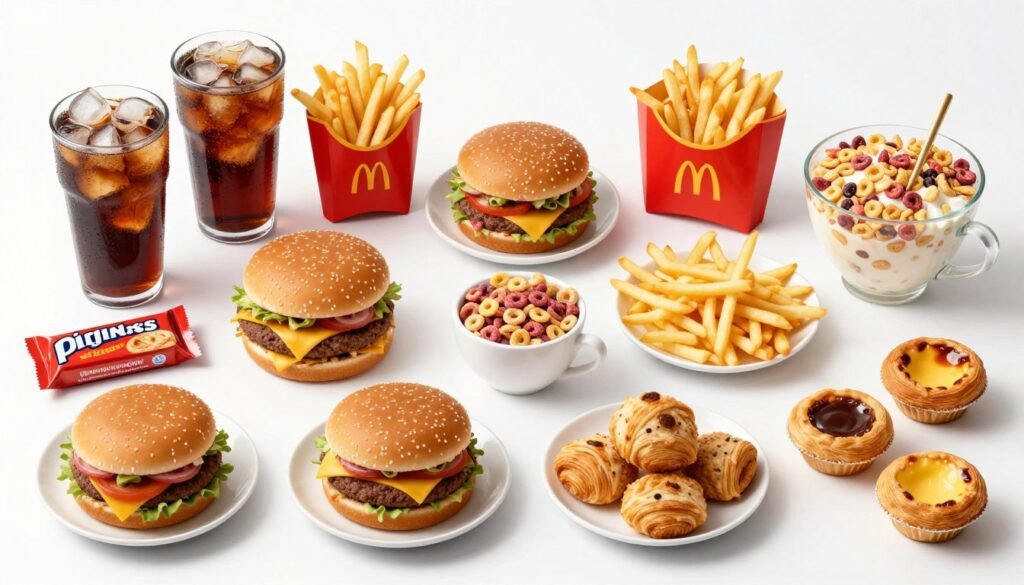
- Fast food and drive-through meals
- Commercial baked goods and pastries
- Processed meats and deli products
- Instant noodles and packaged meals
- Candy and confectionery products
Better Alternatives
- Fresh fruits and raw vegetables
- Whole grain oatmeal and cereals
- Home-cooked meals with whole ingredients
- Grilled chicken or fish with vegetables
- Whole grain breads and homemade baked goods
- Fresh, unprocessed meat and poultry
- Whole grain pasta with homemade sauce
- Fresh fruit or dark chocolate in moderation
Portion Sizes and Frequency
American portion sizes expanded dramatically since the 1970s. Restaurant servings often contain two to three times appropriate amounts. Oversized portions normalize excessive intake, recalibrating internal hunger and fullness cues.
Snacking frequency increased substantially across all age groups. Many Americans eat continuously throughout waking hours. Constant eating prevents normal metabolic processes and promotes positive energy balance. The body never fully transitions into fat-burning mode.
Fast Food and Restaurant Meals
Fast food consumption correlates strongly with obesity risk. These meals typically provide excessive calories, sodium, and unhealthy fats. A single fast food meal can contain an entire day’s calorie needs. Regular fast food consumption predicts weight gain across multiple studies.
Restaurant dining increased from occasional treats to regular occurrences. Americans now obtain more than half their calories from food prepared outside the home. Restaurant meals average 200-300 more calories than equivalent home-cooked options.
Portion Reality Check: A typical restaurant pasta dish contains 3-4 servings. Large fast food sodas exceed recommended daily sugar limits. Movie theater popcorn with butter can contain over 1,000 calories. These portions represent significant obesity risk factors.
Hidden Calories and Misleading Labels
Many foods contain far more calories than consumers expect. Coffee drinks topped with whipped cream and flavored syrups rival desserts in calorie content. Salads drowned in creamy dressing may contain more calories than burgers. “Healthy” labels on processed foods often mislead consumers.
Low-fat products frequently compensate with added sugars to maintain palatability. These items may contain similar or higher calories than regular versions. Marketing terms like “natural,” “organic,” or “gluten-free” do not indicate lower calorie content or nutritional superiority.
Food Habits That Can Combat Obesity
Adopting specific eating patterns helps prevent and manage obesity effectively. Evidence-based dietary approaches focus on whole foods, appropriate portions, and mindful eating practices. Sustainable habits produce better outcomes than restrictive diets.

Emphasize Whole, Minimally Processed Foods
Build meals around whole, unprocessed ingredients. Fresh vegetables, fruits, whole grains, lean proteins, and healthy fats should form the foundation. These foods provide essential nutrients, fiber, and satiety without excessive calories.
Shopping the perimeter of grocery stores helps avoid processed foods concentrated in center aisles. Choose items with short ingredient lists containing recognizable foods. Prepare meals at home using basic cooking methods rather than relying on packaged convenience foods.
Vegetables and Fruits
Fill half your plate with colorful vegetables and fruits at each meal. These provide volume and nutrients with minimal calories.
- Dark leafy greens daily
- Rainbow of colorful vegetables
- Fresh or frozen without added sauces
- Whole fruits over fruit juice
Whole Grains
Choose whole grains over refined alternatives. These provide sustained energy and important fiber.
- Brown rice and quinoa
- Whole wheat bread and pasta
- Steel-cut or rolled oats
- Barley and bulgur wheat
Lean Proteins
Include protein sources that support muscle maintenance and provide lasting fullness throughout the day.
- Skinless poultry and fish
- Beans, lentils, and legumes
- Eggs and low-fat dairy
- Tofu and tempeh
Healthy Fats
Include moderate amounts of unsaturated fats for nutrient absorption and satisfaction.
- Olive oil and avocados
- Nuts and seeds in portions
- Fatty fish like salmon
- Limit saturated and trans fats
Practice Portion Control and Mindful Eating
Use smaller plates and bowls to naturally reduce serving sizes. This simple strategy helps manage portions without conscious restriction. Fill your plate once and avoid returning for seconds immediately. Wait 20 minutes for fullness signals to register.
Eat slowly and without distractions like television or smartphones. Mindful eating increases awareness of hunger and fullness cues. Chew thoroughly and appreciate the flavors and textures of food. Stop eating when comfortably satisfied rather than completely full.
Establish Regular Meal Patterns
Eat at consistent times throughout the day. Regular meal patterns help regulate hunger hormones and prevent excessive snacking. Most people benefit from three meals plus one or two planned snacks daily.
Never skip breakfast, as this meal kickstarts metabolism and prevents later overeating. Plan your meals in advance to avoid impulsive food choices when hungry. Prepare healthy snacks like cut vegetables, fruits, or nuts to prevent vending machine visits.
Meal Planning Tips
- Plan weekly menus before shopping
- Batch cook on weekends
- Use time-saving kitchen tools
- Keep healthy staples stocked
- Prepare grab-and-go breakfast options
- Pack lunches the night before
Smart Snacking Strategies
- Pair protein with carbohydrates
- Pre-portion snacks into containers
- Keep healthy options visible
- Drink water before snacking
- Choose whole foods over packaged
- Limit snacks to 150-200 calories
Restaurant Eating Guidelines
- Review menus online beforehand
- Request dressings and sauces separately
- Share entrees or take half home
- Choose grilled over fried options
- Start with broth-based soup or salad
- Skip bread baskets and chips
Hydration and Beverage Choices
Replace sugar-sweetened beverages with water, unsweetened tea, or coffee. This single change can eliminate hundreds of daily calories. Drink water before meals to promote fullness and prevent overeating.
Carry a reusable water bottle to encourage consistent hydration throughout the day. Flavor water naturally with lemon, cucumber, or fresh herbs if plain water seems unappealing. Aim for eight glasses of water daily, more if physically active.
Cooking Methods and Food Preparation
Use cooking methods that minimize added fats. Baking, grilling, steaming, and roasting preserve flavor without excessive calories. Avoid deep-frying and heavy cream-based sauces. Season foods with herbs, spices, and citrus rather than salt and butter.
Prepare vegetables in appealing ways to increase consumption. Roasting brings out natural sweetness and improves texture. Try new recipes and cooking techniques to maintain variety and prevent boredom. Invest time in developing basic cooking skills.
Success Strategy: Make one small dietary change each week rather than overhauling everything simultaneously. Gradual modifications prove more sustainable than dramatic restrictions that typically lead to quick abandonment.
Social and Environmental Factors
Involve family members in meal planning and preparation. Social support increases adherence to healthy eating patterns. Share healthy recipes with friends and organize potluck gatherings featuring nutritious dishes.
Modify your food environment to support better choices. Remove tempting junk foods from your home and workspace. Stock your kitchen with healthy ingredients ready for quick meal preparation. Keep cut vegetables and prepared healthy snacks visible in the refrigerator.
- Use smaller plates and bowls automatically
- Serve meals from the kitchen rather than family-style at the table
- Store leftovers in single-serving containers
- Keep unhealthy foods out of sight or out of the house
- Place fruits and vegetables at eye level in the refrigerator
- Prepare healthy snacks in advance for the entire week
- Create a pleasant eating environment without screens
Taking Action Against Obesity in the USA
Obesity represents one of America’s most pressing health challenges. However, knowledge empowers action. Understanding the causes, risks, and effective interventions provides the foundation for change.
Prevention and treatment require sustained effort across individual, community, and societal levels. Small, consistent changes accumulate into significant health improvements over time. The journey toward better health starts with a single step.

Remember that perfection is not the goal. Progress, not perfection, drives lasting change. Celebrate small victories and learn from setbacks without harsh judgment. Support systems, professional guidance, and realistic expectations increase success probability.
The obesity crisis will not resolve quickly or easily. However, every individual who improves their health contributes to broader cultural shifts. Your choices influence family members, friends, and community members around you.
Continue Your Health Journey With Free Resources
Access our comprehensive health resource center featuring meal planning tools, exercise guides, tracking templates, and ongoing support for your obesity prevention and management journey.
Key Takeaways for Addressing Obesity
- Obesity affects over 40% of American adults and represents a chronic health condition
- Multiple age groups face elevated risk, with adults 40-59 showing highest prevalence
- Prevention through lifestyle modifications proves more effective than treatment alone
- Sustainable dietary changes emphasizing whole foods drive long-term success
- Professional healthcare support improves treatment outcomes significantly
- Small, consistent behavioral changes produce meaningful health benefits
- Obesity management requires ongoing commitment rather than short-term interventions
Take the first step today. Whether you need to prevent obesity or manage existing weight concerns, resources and support exist to help you succeed. Your health matters, and change remains possible at any age or stage.