
OPT and CPT Rules for International Students
Understanding work authorization options is crucial for international students pursuing education in the United States. Optional Practical Training (OPT) and Curricular Practical Training (CPT) represent the primary pathways for F-1 students to gain valuable employment experience.
These programs allow students to apply classroom knowledge in real-world settings. The rules governing CPT and OPT have evolved significantly in recent years, making current information essential for success.
This comprehensive guide explains eligibility requirements, application procedures, and compliance obligations. You’ll learn how to maximize these opportunities while maintaining your immigration status throughout your academic journey.
What OPT and CPT Mean for International Students
Optional Practical Training and Curricular Practical Training provide distinct employment authorization options. Understanding the fundamental differences helps students choose the appropriate program for their circumstances.
Understanding Optional Practical Training
Optional Practical Training allows F-1 students to work in their field of study. This employment authorization becomes available during or after completing an academic program.
Students can apply for up to 12 months of OPT per education level. STEM degree holders may qualify for a 24-month extension, totaling 36 months of work authorization.
The program offers flexibility in timing and employment type. Students may work full-time or part-time, with multiple employers or as independent contractors.
Understanding Curricular Practical Training
Curricular Practical Training integrates employment directly into your academic curriculum. This program requires that work experience forms an essential part of your course of study.
CPT authorization must come through your school’s designated school official. The employment must relate directly to your major area of study and appear in your course catalog or curriculum.
Students can pursue part-time CPT during academic sessions. Full-time CPT becomes available during official break periods when school is not in session.
OPT Characteristics
- Available during or after program completion
- 12 months standard authorization period
- STEM extension possibility for 24 additional months
- Flexible employer arrangements permitted
- Requires USCIS application and approval
CPT Characteristics
- Available only during active enrollment
- Must be integral to curriculum
- Authorization through designated school official
- Limited to part-time during academic terms
- Full-time available during official breaks
Key Eligibility Requirements
Both programs maintain specific eligibility criteria that students must satisfy. Meeting these requirements ensures proper authorization and status compliance.
For OPT eligibility, students must have maintained F-1 status for at least one academic year. The work must directly relate to the major area of study or field.
CPT eligibility requires current enrollment in a degree program. Students must have been lawfully enrolled full-time for one academic year before CPT authorization, with exceptions for graduate students.
Not Sure Which Training Option Fits Your Situation?
Download our free OPT vs CPT comparison guide to understand which work authorization program aligns with your academic timeline and career goals.
Requirements and Eligibility for CPT and OPT Authorization
Meeting specific requirements determines your eligibility for employment authorization. Each program maintains distinct criteria that students must fulfill before receiving approval.
OPT Requirements and Documentation
Students pursuing Optional Practical Training must complete several eligibility benchmarks. You need to maintain valid F-1 status throughout your entire academic program.
One full academic year of enrollment is mandatory before applying. Your proposed employment must directly relate to your major field of study.
Required documents for OPT application include:
- Form I-765 (Application for Employment Authorization)
- Form I-94 (Arrival/Departure Record)
- Copy of F-1 visa and passport
- Two passport-style photographs
- Form I-20 with OPT recommendation from DSO
- Copy of previous Employment Authorization Documents (if applicable)
- Application fee payment ($410 as of 2026)
CPT Requirements and Authorization Process
Curricular Practical Training requires that employment forms an integral part of your curriculum. Your academic program must require or accept the work experience for degree completion.
The position must appear in your course catalog or be approved through formal curriculum. Your designated school official must verify the employment’s educational necessity.
CPT authorization requires:
- Valid F-1 immigration status
- Full-time enrollment for one academic year (unless graduate student)
- Job offer letter from employer
- Employer verification of position details
- DSO recommendation and approval
- Updated Form I-20 listing CPT authorization
Timing Restrictions and Limitations
Understanding when you can apply for each program prevents delays. OPT applications must be filed within specific timeframes relative to program completion.
Pre-completion OPT requires at least one academic year of study. Post-completion OPT applications must be submitted within 60 days after program end date.
CPT has no application deadline but requires advance planning. Students must secure authorization before the employment start date to maintain compliance.
Step-by-Step Application Process for OPT and CPT
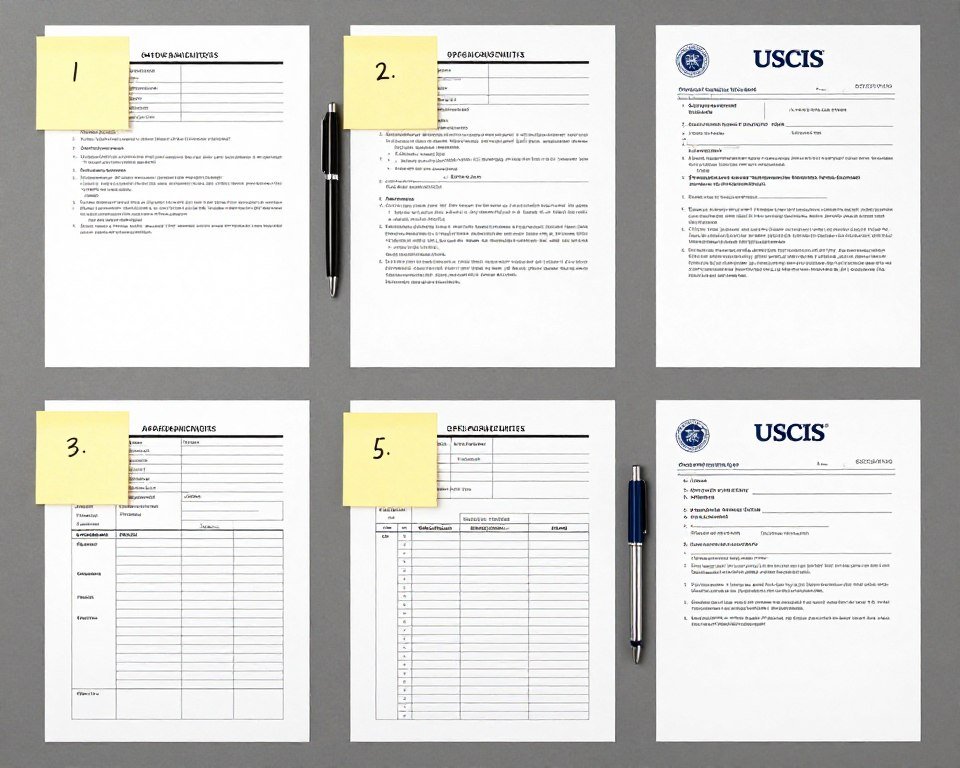
Following the correct application procedure ensures timely authorization. Each program requires specific steps completed in proper sequence.
Applying for Optional Practical Training
The OPT application process involves coordination between your school and USCIS. Starting early prevents gaps in authorization after graduation.
Step 1: Consult with your designated school official at least 90 days before your intended start date. Discuss your eligibility and employment plans in detail.
Step 2: Request an OPT recommendation from your DSO. They will issue a new Form I-20 with the employment recommendation and SEVIS fee information.
Step 3: Prepare your complete application package. Gather all required forms, documents, photographs, and payment within 30 days of receiving your recommended I-20.
Step 4: Submit Form I-765 to USCIS. Mail your complete application to the appropriate service center based on your location within the United States.
Step 5: Track your application status online. USCIS provides receipt notices and case status updates through their online system throughout the process.
Step 6: Receive your Employment Authorization Document. Once approved, USCIS mails your EAD card to the address provided in your application.
Step 7: Report employment information to your DSO. Notify your school within 10 days of starting or changing employment during your authorization period.
Applying for Curricular Practical Training
CPT authorization requires coordination primarily with your academic institution. The process moves faster than OPT since it doesn’t involve USCIS processing.
Step 1: Verify CPT availability in your program. Review your academic catalog and confirm that work experience satisfies curriculum requirements for your degree.
Step 2: Secure an employment offer related to your field. Obtain a detailed offer letter specifying job duties, work schedule, and duration of employment.
Step 3: Register for the associated academic course. Enroll in the practicum, internship, or cooperative education course that corresponds with your employment.
Step 4: Submit CPT request to your international student office. Provide your offer letter, course registration confirmation, and any additional documentation required.
Step 5: Meet with your designated school official. Discuss employment details, verify eligibility, and confirm that work aligns with curriculum requirements.
Step 6: Receive updated Form I-20 with CPT authorization. Your DSO will issue a new I-20 listing specific employment details and authorized dates.
Step 7: Begin employment only after receiving authorization. Never start work before your CPT authorization start date appears on your Form I-20.
Understanding processing timelines and financial requirements helps you plan effectively. Costs and waiting periods vary between the two programs.
OPT Processing Timeline
USCIS typically processes OPT applications within 90 to 120 days. Processing times fluctuate based on application volume and service center workload.

Students may apply up to 90 days before program completion. Applications submitted after graduation must be filed within 60 days of the program end date.
Premium processing is not available for OPT applications. All applications receive standard processing regardless of applicant circumstances or urgency.
Your employment start date can begin as early as your program completion date. However, you cannot work until you receive your physical Employment Authorization Document card.
CPT Processing Timeline
CPT authorization typically processes within one to two weeks. Your school’s international office determines the exact processing timeframe based on their procedures.
Some institutions provide same-day authorization during peak periods. Others require several business days to verify curriculum requirements and process documentation.
Plan to submit your CPT request at least two weeks before your intended employment start date. This buffer prevents delays that could jeopardize your job offer or status.
Financial Requirements and Fees
OPT applications require a $410 filing fee payable to the U.S. Department of Homeland Security. This fee covers application processing and Employment Authorization Document production.
STEM OPT extension applications require an additional $410 filing fee. Students pursuing the extension must pay this fee even though they already received initial OPT authorization.
CPT authorization involves no federal government fees. Your school may charge administrative processing fees, typically ranging from $0 to $100 depending on institutional policies.
| Program Type | Processing Time | Government Fee | School Fee | Premium Processing |
| Pre-Completion OPT | 90-120 days | $410 | $0 | Not Available |
| Post-Completion OPT | 90-120 days | $410 | $0 | Not Available |
| STEM OPT Extension | 90-120 days | $410 | $0 | Not Available |
| Part-Time CPT | 1-2 weeks | $0 | $0-$100 | N/A |
| Full-Time CPT | 1-2 weeks | $0 | $0-$100 | N/A |
Additional Expenses to Consider
Beyond application fees, students should budget for passport photos, document copying, and mailing costs. These expenses typically total $20 to $50 per application.
Some students hire immigration attorneys for application review. Attorney fees range from $500 to $1,500 depending on service complexity and geographic location.
Travel to your school’s international office may incur transportation costs. Virtual consultations have become more common, reducing this expense for many students.
Common Mistakes to Avoid with OPT and CPT
Many students make preventable errors during the authorization process. Understanding these common pitfalls protects your immigration status and employment opportunities.
Application Timing Errors
Filing your OPT application too late represents the most frequent mistake. The 30-day window after DSO recommendation is firm with no exceptions.
Submitting applications too early also causes problems. USCIS rejects OPT applications filed more than 90 days before program completion regardless of circumstances.
Starting CPT employment before authorization appears on your I-20 violates status. Even one day of unauthorized work can result in serious immigration consequences.
Documentation Incomplete or Incorrect
Missing signatures on Form I-765 leads to automatic application rejection. Both you and your DSO must sign all required sections before submission.
Outdated passport photos frequently cause delays. USCIS requires photos taken within 30 days of application submission following specific technical requirements.
Incorrect fee payments result in rejected applications. The exact filing fee must be paid by check or money order made payable to U.S. Department of Homeland Security.
Employment Relationship Misunderstandings
Working more than 20 hours per week on part-time CPT violates authorization terms. Students must track hours carefully during academic sessions to remain compliant.
Accepting employment unrelated to your major field disqualifies you from both programs. The connection between work and study must be clear and documented.
Failing to report employment changes to your DSO within 10 days violates OPT requirements. This includes job changes, address updates, and employment terminations.
Duration and Extension Confusion
Using 12 months or more of full-time CPT eliminates post-completion OPT eligibility. Students must carefully track CPT usage if they plan to use OPT later.
Missing the STEM OPT extension deadline prevents you from continuing employment. Applications must be filed before your current OPT expires.
Exceeding unemployment limits during OPT jeopardizes your status. You can only be unemployed for 90 days total during standard OPT, or 150 days during STEM extension.
Status Maintenance Failures
Graduating early without adjusting your OPT application timing creates authorization gaps. Always coordinate program completion dates with your international office.
Traveling internationally without proper documentation prevents re-entry. You need a valid visa, I-20 with travel signature, and EAD card for OPT travel.
Failing to maintain valid passport and visa during employment causes complications. Keep all immigration documents current throughout your authorization period.
- Starting work before receiving authorization
- Missing application deadlines
- Working outside your field of study
- Exceeding authorized work hours
- Failing to report employment changes
Critical Mistakes
- Incomplete application documentation
- Incorrect fee payment amounts
- Outdated passport photographs
- Missing required signatures
- Inaccurate employment dates
Common Oversights
- Start planning 90 days in advance
- Use application checklists carefully
- Consult DSO before making decisions
- Keep detailed employment records
- Track all important deadlines
Prevention Strategies
Avoid Costly Application Errors
Download our comprehensive pre-submission checklist to catch common mistakes before they delay or derail your work authorization application.
Tips to Improve Your Approval Chances
Strategic preparation significantly increases application success rates. Following best practices helps you secure authorization efficiently and maintain compliance throughout the process.
Start Planning Early
Begin researching your options at least one full semester before you need authorization. Early planning provides time to understand requirements and gather necessary documentation.
Schedule an initial consultation with your designated school official months before applying. This meeting clarifies eligibility, identifies potential issues, and establishes a timeline for your specific situation.
Create a detailed calendar marking all important dates. Include application submission deadlines, document preparation milestones, and when to follow up on pending applications.
Maintain Strong Academic Standing
Consistent full-time enrollment demonstrates commitment to your academic program. Immigration authorities view good academic standing favorably when evaluating work authorization requests.
Complete all required coursework on schedule. Delays in program completion can affect OPT eligibility and create complications with authorization timing.
Keep your cumulative GPA above your program’s minimum requirements. Poor academic performance may raise questions about the appropriateness of practical training during adjudication.
Document Everything Thoroughly
Maintain copies of all immigration documents in organized files. Include every I-20, visa stamp, entry stamp, and previous employment authorization in your records.
Save email correspondence with your DSO and potential employers. Documentation of communications proves helpful if questions arise during processing or compliance checks.
Photograph or scan all submitted documents before mailing applications. These copies become crucial reference materials if USCIS requests additional information or evidence.
Ensure Employment Directly Relates to Your Field
Choose positions with clear connections to your major area of study. The job duties should utilize knowledge and skills gained through your academic program.
Request detailed job descriptions from employers that specifically mention relevant skills. These descriptions help your DSO and USCIS verify the appropriate relationship between work and study.
Prepare a brief statement explaining how the employment enhances your education. This explanation demonstrates thoughtful consideration of the training opportunity’s educational value.
Submit Complete and Accurate Applications
Review all forms multiple times before submission. Simple errors like missing signatures or incorrect dates cause unnecessary delays or rejections.
Use the most current form versions available on the USCIS website. Outdated forms may be rejected even if they were current when you began preparing your application.
Include all supporting documents listed in the instructions. Missing evidence extends processing times as USCIS issues Requests for Evidence that delay final decisions.
Follow Up Appropriately
Check your application status regularly through the USCIS online system. Immediate awareness of status changes allows prompt response to any issues or requests.
Respond quickly to any USCIS communications. Requests for Evidence typically provide 30 to 90 days for response, but faster replies expedite processing.
Contact your DSO if processing exceeds normal timeframes. They may be able to inquire about unusual delays or provide guidance on next steps.
Maintain Communication with Your School
Update your designated school official about any changes in circumstances. Address changes, program modifications, or travel plans may affect your authorization or status.
Attend all required check-in appointments with your international office. Regular communication ensures you remain informed about policy changes and compliance requirements.
Ask questions whenever you feel uncertain about rules or procedures. Your DSO would rather answer preventive questions than help resolve violations after they occur.
Latest Updates and Policy Changes for 2026
Immigration policies affecting international student employment continue evolving. Staying informed about recent changes helps you make strategic decisions about work authorization.

STEM OPT Expansion Considerations
The list of STEM-designated degree programs continues expanding. New majors regularly gain STEM designation, making more students eligible for the 24-month extension.
Recent additions include certain interdisciplinary programs combining technology with other fields. Students should verify their program’s current designation on the official STEM Designated Degree Program List.
Proposed legislation may further extend STEM OPT durations. While not yet enacted, these discussions indicate potential future changes that could benefit current students.
Processing Time Improvements
USCIS has implemented operational changes aimed at reducing OPT processing delays. These improvements focus on streamlining initial review and evidence requests.
Many service centers now process straightforward applications within 60 to 90 days. Complex cases or those requiring additional evidence still experience longer processing periods.
Online filing for certain employment authorization applications may become available. This digital option could further reduce processing times and improve application tracking.
Reporting and Compliance Updates
Enhanced electronic reporting requirements now affect both CPT and OPT students. Schools must report employment information more frequently to maintain accurate SEVIS records.
Students face stricter unemployment tracking during OPT periods. The 90-day unemployment limit applies cumulatively throughout your authorization, not per employer.
New employer verification procedures may affect STEM OPT participants. Ensure your employer understands their reporting obligations under the STEM OPT program requirements.
Travel and Re-entry Policy Clarifications
Recent guidance clarifies documentation requirements for international travel during OPT. Students must carry specific documents to ensure smooth re-entry to the United States.
Border officials now routinely verify employment status during OPT re-entry. Bring employment verification letters, pay stubs, and job offers when traveling internationally during authorization periods.
COVID-19 related flexibility measures have largely expired. Students should not rely on pandemic-era accommodations when planning travel or employment during practical training.
Fee Adjustments and Payment Methods
USCIS periodically adjusts filing fees based on operational costs. The current $410 OPT application fee may increase in late 2026 or early 2027.
New online payment options may become available for employment authorization applications. These digital payment methods aim to reduce processing delays associated with mailing checks.
Fee waiver eligibility criteria remain limited for OPT applications. Most students must pay the full filing fee regardless of financial circumstances.
Cap-Gap Extension Provisions
Cap-gap extensions continue protecting students transitioning from F-1 to H-1B status. These automatic extensions prevent employment gaps when H-1B processing spans your OPT expiration.
Recent clarifications address how cap-gap affects STEM extension eligibility. Students can pursue both cap-gap benefits and STEM extensions if they meet all requirements.
The cap-gap automatic extension now appears more clearly on electronic systems. This visibility helps employers verify continued work authorization during status transitions.
Preparing for Success with OPT and CPT
Understanding OPT and CPT rules empowers international students to maximize educational and professional opportunities. These work authorization programs bridge academic learning with practical career experience in the United States.
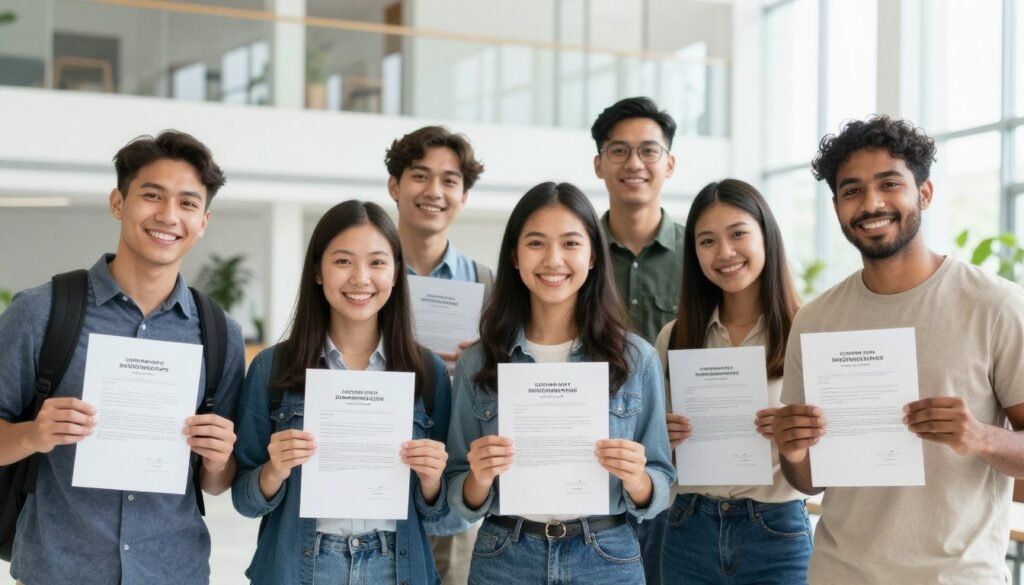
Success requires careful planning, timely applications, and consistent compliance with all requirements. Starting early gives you time to gather documents, understand procedures, and avoid common mistakes that delay authorization.
Working closely with your designated school official throughout the process ensures proper guidance. These professionals understand current regulations and can help navigate complex situations specific to your circumstances.
Remember that maintaining your F-1 status remains your primary responsibility. All practical training must support your educational objectives while complying with immigration regulations and school policies.
The investment you make in understanding these programs pays significant dividends. Proper work authorization opens doors to valuable experience, professional networks, and career advancement in your chosen field.
Stay informed about policy changes and maintain organized records of all applications and authorizations. This documentation protects your status and provides evidence of compliance if questions arise.
Take advantage of available resources including your international student office, official government websites, and professional guidance when needed. The right support helps you navigate the system successfully.