Potential Government Shutdown: What You Need to Know About the January 2026 Funding Crisis
The United States is once again facing the prospect of a partial government shutdown as Senate Democrats signal they will block a $1.2 trillion funding package over concerns about the Department of Homeland Security (DHS). With the current funding set to expire at midnight on Friday, January 30, lawmakers have just days to reach an agreement or risk disrupting government operations for the second time in less than three months.
The standoff intensified over the weekend following the fatal shooting of Alex Pretti, a U.S. citizen, by federal immigration agents in Minneapolis—the second such incident this month. This development has dramatically altered the political landscape around government funding negotiations and significantly increased shutdown odds.
Current Status of Government Funding Negotiations
As of January 27, 2026, six of the twelve annual appropriations bills required to fund the federal government remain unpassed. The House of Representatives approved these remaining bills last week and bundled them together into a single $1.2 trillion package for the Senate’s consideration.
The package includes funding for several major departments: Defense, Labor, Health and Human Services, Education, Transportation, Housing and Urban Development, State, Treasury, and critically, the Department of Homeland Security. The other six funding bills have already received presidential approval, meaning any shutdown would be partial rather than complete.
Senate Majority Leader John Thune’s office confirmed that Republicans plan to move forward with the combined package as passed by the House, despite Democratic opposition. However, with the Senate requiring 60 votes to overcome procedural hurdles, and Republicans holding only 53 seats, Democratic support is mathematically necessary.
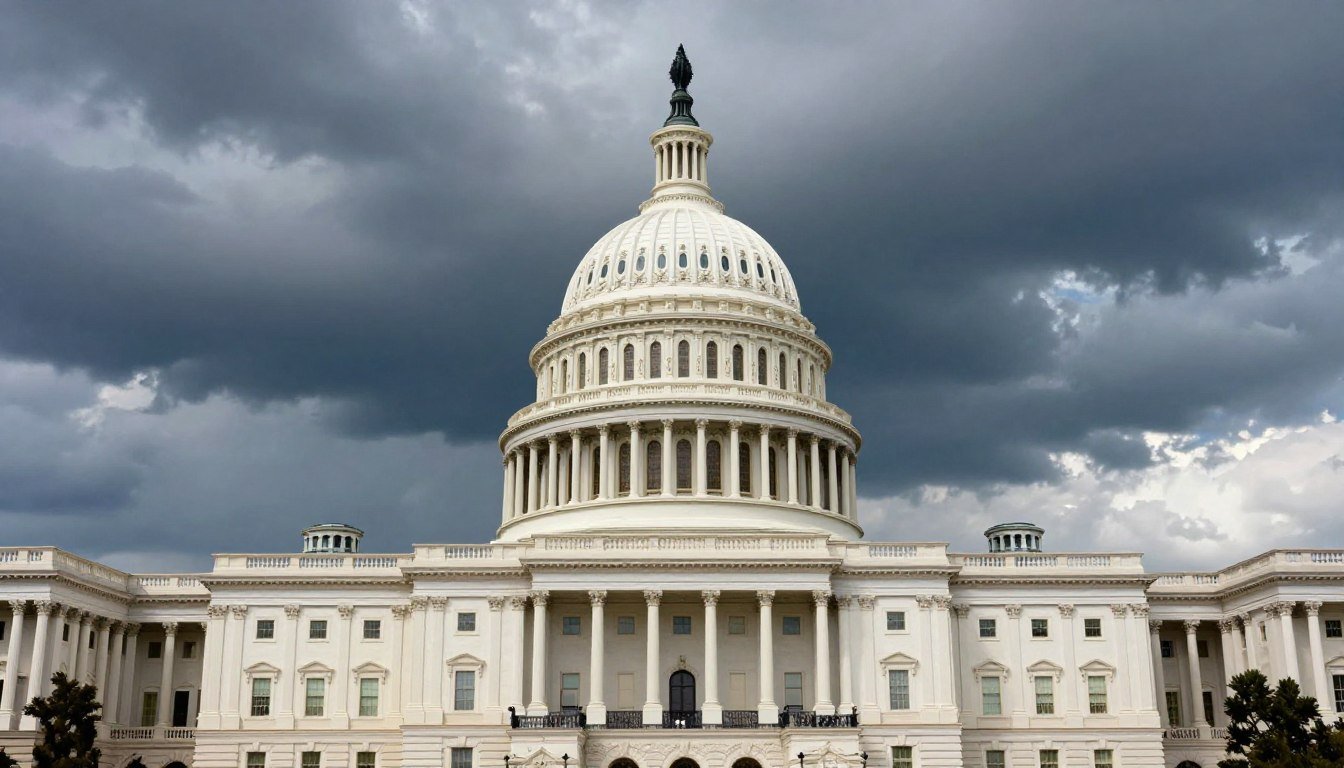
The first scheduled Senate vote, originally set for Monday, was delayed until Tuesday due to a winter storm in Washington, further compressing an already tight timeline before the Friday deadline.
What’s in the Funding Bill
The $1.2 trillion funding package contains appropriations for multiple government departments, but the Department of Homeland Security portion has become the focal point of controversy. Here’s what’s included in the critical funding legislation:
Department of Homeland Security Funding
The DHS portion includes approximately $10 billion in base funding for Immigration and Customs Enforcement (ICE) and Customs and Border Protection (CBP). Democrats had negotiated some modest reforms into the bill, including:
- $20 million for officer-worn body cameras
- Increased funding for oversight mechanisms
- Reduced funding for enforcement operations
- Decreased detention bed capacity
However, many Democrats consider these measures insufficient given recent events. The bill also funds other DHS components including the Transportation Security Administration, U.S. Coast Guard, and Federal Emergency Management Agency.
Other Major Department Funding
The remaining portions of the bill include:
- Defense Department: Maintains current funding levels for military operations and personnel
- Labor, Health and Human Services, Education: Keeps funding for the CDC and other health agencies largely unchanged despite administration proposals for cuts
- Transportation and Housing: Includes critical infrastructure funding
- State Department: Maintains diplomatic operations funding
- Treasury: Ensures continued operation of financial regulatory functions
Notably, even without new appropriations, ICE would still have access to significant funding. The agency received an additional $75 billion allocated over four years in what President Trump called the “Big Beautiful Bill” passed last summer, which expanded detention capacity and funded officer hiring.
Why the Bill Is Hard to Pass
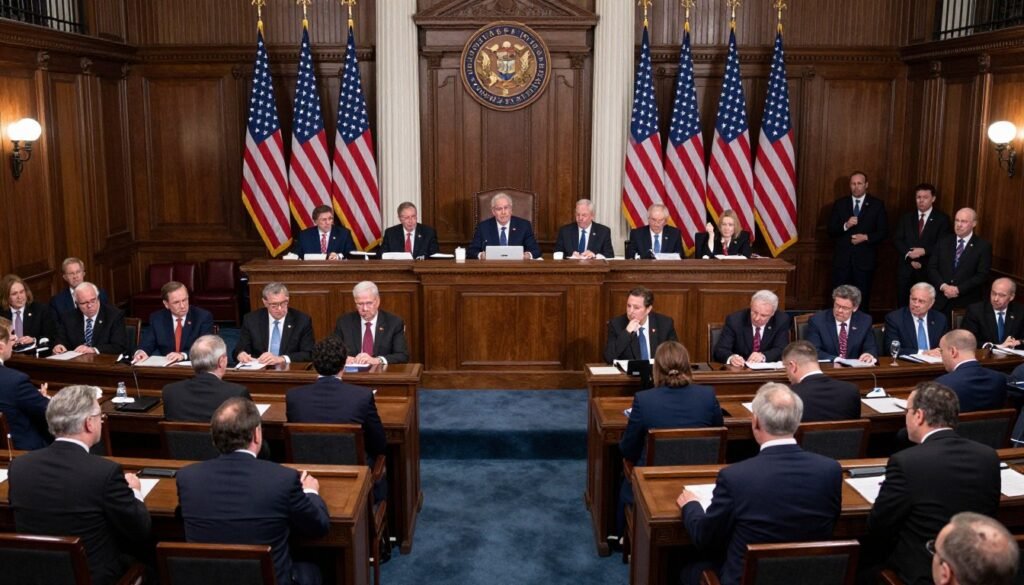
The Minneapolis Shootings and DHS Controversy
The primary obstacle to passing the funding bill is the controversy surrounding recent actions by federal immigration agents. On January 7, ICE officers fatally shot Minneapolis resident Renee Good. Then on January 25, Border Patrol agents shot and killed Alex Pretti, a 37-year-old ICU nurse and U.S. citizen, during a protest in Minneapolis.
Multiple videos of the Pretti shooting show federal agents spraying him with a substance and pinning him to the ground before shooting him. According to eyewitness accounts, Pretti had been attempting to help a female protester who was being pushed by an agent.
These incidents have galvanized Democratic opposition to funding DHS without significant reforms to immigration enforcement practices. Senate Democrats are now unified in their stance against the DHS funding bill as currently written.

Procedural and Logistical Challenges
Beyond the political disagreement, several procedural hurdles complicate the path forward:
- The House of Representatives is currently in recess until February 2, meaning any changes to the bill would require calling representatives back to Washington
- The Senate’s delayed start due to weather further compresses the timeline
- The funding package was deliberately bundled together, making it difficult to separate the DHS portion without Republican cooperation
- The 60-vote threshold in the Senate requires bipartisan support
Senator Susan Collins (R-Maine), who chairs the Senate Appropriations Committee, told The New York Times she is “exploring all options” and acknowledged that the five non-DHS bills “are really vital, and I’m relatively confident they would pass.”
Official Statements on the Potential Shutdown

White House Position
White House Press Secretary Karoline Leavitt addressed the funding standoff during Monday’s press briefing, stating: “At this point, the White House supports the bipartisan work that was done to advance the bipartisan appropriations package, and we want to see that passed.”
President Donald Trump has not directly commented on the potential shutdown but has previously expressed support for the immigration enforcement actions that sparked the current controversy.
Senate Leadership Statements
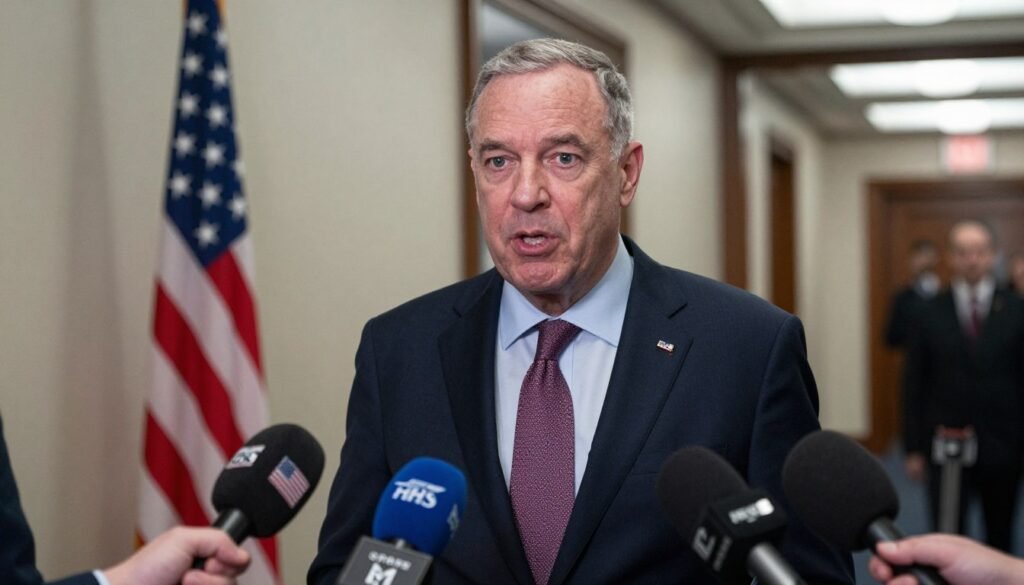
Senate Minority Leader Chuck Schumer (D-NY) released a statement on Sunday making the Democratic position clear: “Senate Democrats will not allow the current DHS funding bill to move forward. Senate Republicans must work with Democrats to advance the other five funding bills while we work to rewrite the DHS bill. This is the best course of action, and the American people are on our side.”
Senate Majority Leader John Thune’s office responded through spokesperson Ryan Wrasse, who wrote on X: “A government shutdown, even a partial one, does not serve the American people well. Hopefully Senate Democrats, who are actively engaged in conversations, can find a path forward to join us before this week’s funding deadline hits.”
Key Democratic Senators
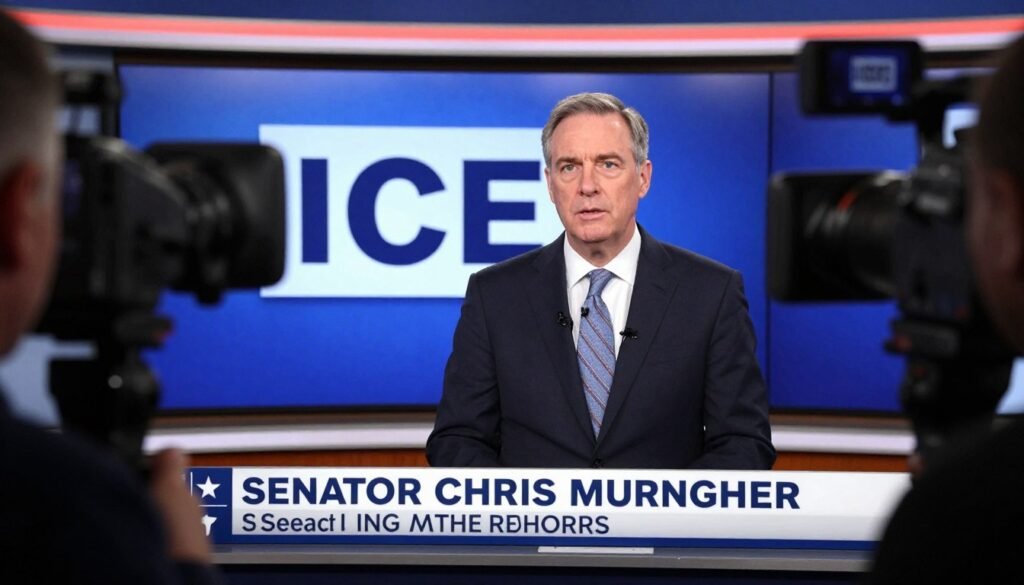
Senator Chris Murphy (D-CT), the ranking member of the Senate Appropriations Homeland Security Subcommittee, told CNN’s “State of the Union”: “We shouldn’t let Republicans bully us again into funding a lawless administration. They are violating the law all over the country. This is a nationwide campaign of lawlessness. We cannot fund a Department of Homeland Security that is murdering American citizens, that is traumatizing little boys and girls all across the country in violation of the law.”
Even Democrats who previously broke with their party to end the last shutdown are now opposing the DHS funding. Senator Catherine Cortez Masto (D-NV) stated: “We have bipartisan agreement on 96% of the budget. We’ve already passed six funding bills. Let’s pass the remaining five bipartisan bills and fund essential agencies while we continue to fight for a Department of Homeland Security that respects Americans’ constitutional rights.”
Republican Responses
Some Republicans have expressed concerns about the Minneapolis shootings while maintaining support for immigration enforcement. Senator Pete Ricketts (R-NE) said in a statement: “My support for funding ICE remains the same. But we must also maintain our core values as a nation, including the right to protest and assemble.”
Senator Bill Cassidy (R-LA) called the Minneapolis shooting “incredibly disturbing” and urged a joint federal-state investigation, saying the credibility of DHS and ICE was at stake.
How This Shutdown Would Differ from the Last One
If Congress fails to reach an agreement by Friday, the resulting shutdown would differ significantly from the 43-day shutdown that ended in November 2025:
What Would Be Affected
- Department of Defense operations
- Labor Department (including release of economic data)
- Health and Human Services programs
- Education Department functions
- Transportation services
- Housing and Urban Development programs
- State Department operations
- Treasury Department functions
- Homeland Security operations (though with alternative funding sources)
What Would Remain Operational
- Social Security payments
- Medicare and Medicaid
- Veterans Affairs services
- SNAP benefits (food stamps)
- Department of Agriculture programs
- Department of Commerce (including economic data releases)
- Essential personnel across all departments
Immigration enforcement would likely continue largely uninterrupted due to the $75 billion supplemental funding ICE received last summer, which the agency can spend over four years. Essential personnel, including immigration officers, would continue working even without new appropriations.
Potential Paths Forward

With the deadline approaching, several potential paths forward have emerged:
- Separate the Bills: Republicans could agree to separate the DHS funding from the other five bills, allowing the non-controversial funding to pass while negotiations continue on immigration enforcement reforms.
- Short-Term Extension: Congress could pass another continuing resolution to extend current funding levels for a short period, buying more time for negotiations.
- Add DHS Reforms: Republicans could agree to add more substantial reforms to the DHS funding bill to secure Democratic support.
- Partial Shutdown: If no agreement is reached, a partial government shutdown would begin at 12:01 a.m. on January 31, affecting the unfunded agencies.
According to Senate sources, behind-the-scenes negotiations are ongoing, with some Republicans privately acknowledging the need for a compromise solution given the unified Democratic opposition to the current DHS funding proposal.
Conclusion: The Path Ahead
As of January 27, 2026, the United States appears to be heading toward another partial government shutdown unless lawmakers can bridge the significant divide over DHS funding in the next three days. The Minneapolis shootings have fundamentally altered the political dynamics, unifying Democrats against funding immigration enforcement without substantial reforms.
While the economic impact of a partial shutdown would be less severe than the previous 43-day closure, it would still disrupt government operations across major departments and potentially affect millions of Americans who rely on government services.
The most likely resolution appears to be either separating the DHS funding from the rest of the package or adding significant immigration enforcement reforms to secure Democratic support. However, the compressed timeline and logistical challenges make either solution difficult to implement before Friday’s deadline.
As this situation continues to develop, citizens should stay informed about potential impacts on government services and follow official announcements from affected agencies regarding contingency plans.