
Rental Inflation and Consumer Spending Pressure: How It Could Impact the U.S. Economy in 2026 and Beyond
Rental inflation has emerged as one of the most pressing economic challenges facing American households today. Rent increases continue to outpace wage growth across major metropolitan areas. The pressure on renters threatens to reshape consumer spending patterns and economic stability.
This matters now more than ever. Housing costs represent the largest single expense for most households. When rent index values climb faster than income, families have less money for other goods and services.
Recent data from the Bureau of Labor Statistics reveals a troubling pattern. The consumer price index for rent of primary residence has increased steadily over the past three years. This trend shows no signs of slowing as we approach 2026.
What Is This Economic Threat?
Rental inflation refers to the sustained increase in housing costs for renter households over time. This economic phenomenon occurs when rent increases exceed the general rate of price inflation in the broader economy. The rent inflation rate directly impacts millions of American renters who dedicate substantial portions of their income to housing.
The consumer price index tracks rent changes through two primary measures. First, the rent index captures actual rental payments made by tenant households. Second, the owners’ equivalent rent estimates what homeowners would pay to rent their own homes.
Historical Background of Rental Inflation
Rental inflation has fluctuated throughout American economic history. During the post-World War II housing boom, rent increases remained modest as new construction kept pace with demand. The situation changed dramatically in recent decades.
The 2008 financial crisis marked a turning point. Foreclosures converted many homeowners into renters. This shift increased demand for rental units while new construction lagged. The result was upward pressure on rents that persisted long after the recession ended.
From 2010 to 2020, average rent increases outpaced wage growth in most major metropolitan areas. The COVID-19 pandemic initially disrupted this trend but ultimately accelerated rental housing costs in many markets. Remote work patterns allowed some renters to relocate to lower-cost areas. However, this migration increased rent inflation in previously affordable cities.
Key Statistics on Rental Inflation
| Metric | 2021 | 2022 | 2023 | 2024 |
| Average Rent Increase (%) | 9.2% | 8.8% | 5.7% | 4.1% |
| Consumer Price Index (Rent) | 2.3% | 7.5% | 8.2% | 5.9% |
| Share of Income on Rent (%) | 30.1% | 31.4% | 32.8% | 33.2% |
| Renter Households (millions) | 43.2 | 43.8 | 44.5 | 45.1 |
The Bureau of Labor Statistics data shows that rent of primary residence increased 33.7% cumulatively between 2019 and 2024. This represents the sharpest five-year rent increase since the agency began tracking this metric in 1982. The number of renter households has grown by nearly 2 million during this period.
Cost-burdened renters now represent a larger share of the rental market. Approximately 46% of renter households spend more than 30% of their gross income on housing. This share has increased from 38% in 2019. Severely cost-burdened households spending over 50% on rent now account for 23% of all renters.
Regional variations in rent inflation reveal stark differences across the United States. Sunbelt cities experienced the highest average rent increases between 2021 and 2023. Phoenix saw rents rise 34%, while Miami and Tampa recorded increases above 30%. By contrast, some Midwest cities saw more modest gains below 15%.
What Is Causing the Problem?
Multiple factors drive rental inflation in the United States. These causes interact in complex ways to create upward pressure on housing costs. Understanding these dynamics helps explain why rent increases have outpaced general price inflation.
Policy Factors Driving Rental Inflation
- Restrictive zoning regulations limit new rental housing construction in high-demand areas
- Local building codes increase development costs for rental units
- Lengthy permitting processes delay new supply additions to the rental market
- Rent control policies in some cities reduce incentives for new rental housing investment
- Property tax increases force landlords to raise rents to maintain profitability
- Federal Reserve interest rate policies affect mortgage rates and housing affordability
- Reduced federal funding for affordable housing programs limits supply for low-income renters
Market Trends Affecting Rental Housing
- Strong demand from millennial and Gen Z households entering peak renting years
- Decreased homeownership rates push more households into the rental market
- Institutional investors purchasing single-family homes for rental conversion
- Rising construction costs make new rental development less financially viable
- Labor shortages in construction trades slow the pace of new unit completions
- Preference shifts toward urban living increase competition for centrally located units
- Short-term rental platforms remove long-term rental units from the market
Global Influences on U.S. Rental Markets
- Supply chain disruptions increase costs for building materials and appliances
- International investment in U.S. real estate drives up property values
- Global inflation patterns affect domestic price levels for housing inputs
- Immigration patterns influence rental demand in gateway cities
- Foreign labor policies impact availability of construction workers
Structural Economic Changes
- Wage stagnation for middle and lower-income workers reduces housing affordability
- Growing income inequality concentrates demand for luxury rental units
- Student debt burdens delay homeownership and extend renting periods
- Healthcare cost increases reduce household budgets available for rent
- Changing work patterns from remote employment alter geographic rental demand
- Declining marriage rates increase the number of single-person renter households
- Aging population dynamics affect housing type preferences and location choices
The interaction between limited supply and strong demand creates the fundamental imbalance driving rent inflation. Construction of new rental units has not kept pace with household formation rates. The United States needs approximately 4.3 million additional housing units to meet current demand. This shortage affects both rental and ownership markets but impacts renters most severely.
Key Insight: The U.S. Department of the Treasury estimates that zoning restrictions alone reduce housing supply by 15-20% in major metropolitan areas. Addressing these policy barriers could significantly moderate rent increases over time.
Impact on the U.S. Economy
Rental inflation creates ripple effects throughout the American economy. The housing market connects to virtually every sector through direct and indirect channels. When renters pay more for housing, they spend less on other goods and services. This shift in consumer spending patterns affects economic growth across multiple dimensions.
Impact on GDP Growth
Gross Domestic Product growth faces headwinds from sustained rental inflation. Consumer spending accounts for approximately 68% of U.S. GDP. Housing costs represent the largest category of household expenditures. When rent increases absorb a larger share of household budgets, less money flows to discretionary purchases.
The Congressional Budget Office estimates that each 1% increase in rental housing costs above wage growth reduces overall consumer spending by 0.15%. This spending reduction translates to slower GDP growth. Between 2021 and 2023, rent inflation contributed to a 0.3 percentage point reduction in annual GDP growth according to Treasury Department analysis.
Housing investment also affects GDP directly. High rental inflation signals strong demand, which typically encourages residential construction. However, elevated construction costs and regulatory barriers have limited this supply response. The result is that housing investment has contributed less to GDP growth than historical patterns would suggest.
Regional economic disparities widen as rent inflation varies across metro areas. Cities with the highest rent increases see reduced economic dynamism as workers struggle to afford living costs. This pattern creates a negative feedback loop where talented workers leave high-cost cities, reducing innovation and productivity growth in those areas.
Rental Inflation and Overall Price Inflation
The consumer price index gives substantial weight to housing costs. Rent of primary residence and owners’ equivalent rent together account for approximately 33% of the CPI calculation. This large weight means that rent increases directly drive headline inflation numbers.
The Federal Reserve monitors housing inflation closely when setting monetary policy. Persistent rent inflation makes it difficult for the Fed to achieve its 2% inflation target. Even when prices for goods decline, rising rents keep overall inflation elevated. This dynamic influenced the Fed’s decision to maintain higher interest rates throughout 2023 and 2024.
Direct CPI Components
- Rent of primary residence (7.8% of CPI)
- Owners’ equivalent rent (25.2% of CPI)
- Lodging away from home (3.1% of CPI)
- Housing utilities (4.9% of CPI)
Indirect Price Effects
- Higher commercial rents increase business operating costs
- Retail price increases pass through rent costs to consumers
- Service sector wages rise to offset housing cost pressures
- Transportation costs increase as workers move farther from jobs
Rent inflation also exhibits persistence that complicates monetary policy. Unlike goods prices that can adjust quickly, rents typically change annually when leases renew. This means rent inflation lags behind other price changes. The delayed response creates a long tail where rent continues rising even after other inflation drivers moderate.
Employment Market Effects
Labor markets experience significant impacts from rental inflation. High housing costs affect both labor supply and labor demand in complex ways. Workers face difficult choices about where to live and work. Employers struggle to attract and retain talent in expensive rental markets.
Geographic labor mobility decreases when rent inflation varies widely across regions. Workers become reluctant to relocate for job opportunities if the destination city has significantly higher housing costs. This reduced mobility makes labor markets less efficient and can slow overall employment growth.
The Bureau of Labor Statistics data shows that job openings in high-rent cities remain unfilled longer than in more affordable areas. Healthcare facilities in expensive coastal cities report particular difficulty recruiting nurses and support staff. Public school districts struggle to hire teachers who cannot afford local rents.
Wage pressure intensifies as employers must offer higher compensation to offset housing cost increases. This creates a wage-price spiral where rising rents force wage increases that then feed back into higher business costs and consumer prices. Service sector employers face particular challenges since their operating margins often cannot absorb substantial wage increases.
The number of workers holding multiple jobs has increased partly due to rental inflation. Approximately 4.7% of employed persons work multiple jobs, up from 4.2% in 2019. Many cite housing costs as the primary reason for seeking additional employment. This trend reduces worker productivity and increases burnout risks.
Financial Market Implications
Financial markets respond to rental inflation through multiple channels. Real estate investment trusts that own rental properties typically benefit from rising rents through higher revenues. These REITs saw strong stock performance during periods of peak rent increases in 2021-2022.
However, rising interest rates implemented to combat inflation create offsetting pressures. Higher borrowing costs reduce property values and REIT returns. The combination of elevated rents and higher mortgage rates has created volatility in real estate-related securities.
The bond market prices in expectations about future inflation, including rental inflation trends. Treasury yields reflect concerns that persistent housing cost increases will keep overall inflation above the Fed’s target. This has kept long-term interest rates elevated compared to historical norms.
Corporate earnings across multiple sectors feel the impact of rental inflation. Retailers face higher lease costs that compress profit margins. Restaurants and hospitality businesses see increased real estate expenses. These cost pressures affect stock valuations throughout the S&P 500 index.
- Real estate investment trusts (REITs)
- Property management companies
- Construction materials suppliers
- Home improvement retailers
- Real estate brokerages
Sectors Benefiting
- Retail businesses with leased locations
- Restaurants and food service
- Small business enterprises
- Non-profit organizations
- Budget-focused consumer brands
Sectors Under Pressure
Consumer and Business Behavior Changes
Households adjust spending priorities in response to rising rental costs. The share of household budgets dedicated to housing has increased from 30% to 33% for the average renter household. This leaves less money for other categories of consumption.
Discretionary spending bears the brunt of these adjustments. Restaurant visits, entertainment, and travel purchases decline as rent absorbs more income. Retail sales data from the Census Bureau shows that spending on furniture, home furnishings, and electronics grew more slowly in high-rent markets between 2021-2024.
Savings rates among renter households have declined significantly. The Federal Reserve’s Survey of Consumer Finances shows that median savings for renter households fell 18% in real terms from 2019 to 2023. This erosion of financial cushions makes households more vulnerable to economic shocks.
Business investment decisions factor in rental housing costs when choosing expansion locations. Companies increasingly avoid high-rent cities due to concerns about employee recruitment and retention. This pattern contributes to the growth of secondary markets like Nashville, Austin, and Boise where housing costs remain more moderate.
Small businesses face particular challenges from commercial rent increases that often track residential rent inflation. The National Federation of Independent Business reports that rent costs rank among the top three concerns for small business owners. Many have been forced to close locations or raise prices to offset higher lease payments.
Recent Data and Trends
Current data reveals important shifts in rental inflation patterns across the United States. The most recent statistics from government and institutional sources provide insights into where the rental market stands as we move toward 2026. These trends offer clues about the future trajectory of housing costs and economic impacts.
Bureau of Labor Statistics Recent Findings
The Bureau of Labor Statistics tracks rental inflation through comprehensive monthly surveys. The rent index for primary residence showed a year-over-year increase of 5.9% as of December 2024. This represents a deceleration from the peak rate of 8.8% recorded in March 2023. However, the current rate still exceeds the pre-pandemic average of 3.2%.
The consumer price index data reveals important compositional changes. Core inflation excluding food and energy rose 3.9% year-over-year, with housing costs contributing 60% of this increase. The persistence of rental inflation keeps upward pressure on the overall price index even as goods prices moderate.
Regional data from BLS shows continuing divergence across metropolitan areas. The rent index in the South region increased 6.8% annually, while the Northeast saw gains of 4.2%. Western cities experienced mixed results, with some markets like Seattle showing deceleration while others like Phoenix maintained elevated growth rates.
Federal Reserve Analysis and Housing Data
The Federal Reserve Board’s analysis of rental market conditions appears in regular monetary policy reports. The Fed notes that housing services inflation remains “uncomfortably high” despite some moderation from peak levels. Fed economists project that rent inflation will continue declining gradually through 2025-2026 but remain above pre-pandemic norms.
The Fed’s Survey of Consumer Finances provides detailed household-level data. Recent findings show that median renter household income increased 12% between 2019 and 2023. However, median rent payments rose 28% during the same period. This gap explains why rent burden rates have increased substantially.
Household Income Changes (2019-2023)
- Bottom 25% of renters: +8% income growth
- Middle 50% of renters: +12% income growth
- Top 25% of renters: +18% income growth
- Overall median renter: +12% income growth
Rent Payment Changes (2019-2023)
- Studio apartments: +32% average increase
- One-bedroom units: +29% average increase
- Two-bedroom units: +27% average increase
- Overall median rent: +28% increase
U.S. Department of the Treasury Assessment
The Treasury Department has published extensive analysis of housing market conditions and their macroeconomic effects. Treasury economists estimate that rental inflation will subtract approximately 0.4 percentage points from GDP growth in 2025. This drag occurs through reduced consumer spending on non-housing goods and services.
Treasury data highlights the uneven geographic distribution of rental housing supply. High-growth Sunbelt cities added rental units at rates 2-3 times faster than coastal markets between 2020-2024. Despite this construction boom, rent increases in these cities still exceeded the national average due to even stronger demand growth.
The department’s analysis of tax policy impacts shows that incentives for rental housing development have decreased over time. Changes to depreciation rules and qualified business income deductions have made rental property investment less attractive. Treasury suggests that targeted tax incentives could help moderate rent inflation by encouraging more supply.
Private Sector Rental Market Data
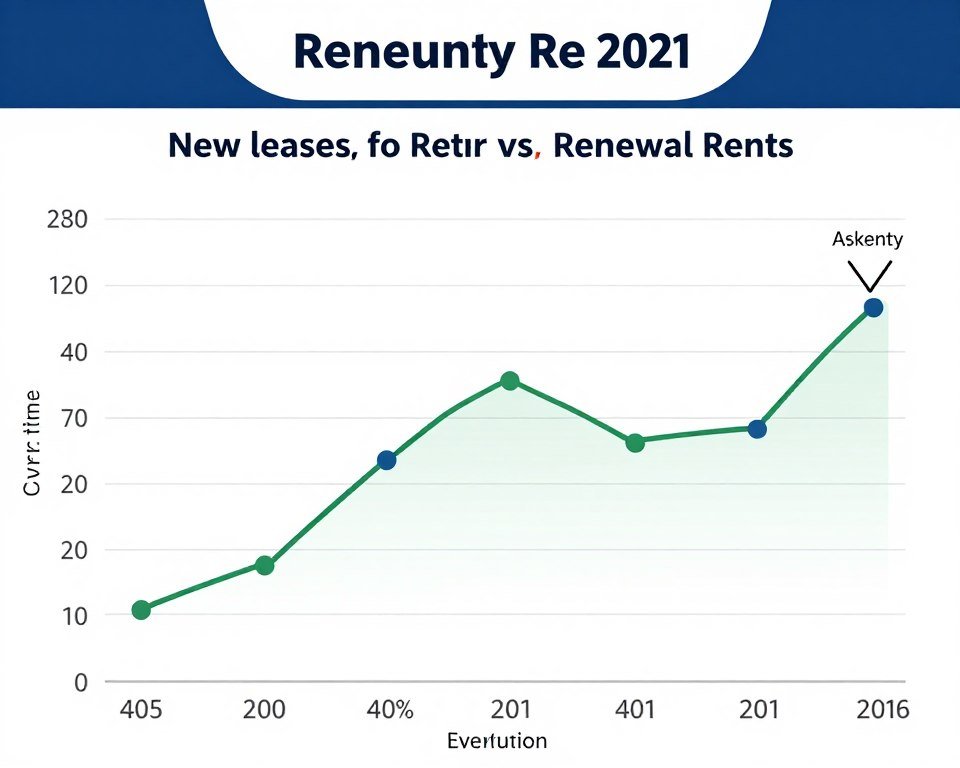
Real estate data firms provide high-frequency information on rental market trends. These sources complement official government statistics with more timely and granular data. Recent private sector data shows asking rents for new leases increasing more slowly than renewal rents for existing tenants.
Vacancy rates provide another important indicator of rental market balance. National apartment vacancy rates stood at 6.4% in late 2024, up from 5.2% in 2022. Rising vacancies typically signal moderating rent growth ahead. However, vacancy rates remain below the long-term average of 7.2%, suggesting markets remain relatively tight.
Absorption of new rental units has slowed compared to earlier in the decade. Newly constructed rental buildings now take longer to reach stabilized occupancy. This pattern indicates some softening in rental demand, though not enough to reverse rent inflation completely.
Demographic and Migration Patterns
Census Bureau data reveals shifting migration patterns that affect rental markets. Domestic migration from high-cost to lower-cost areas continued through 2024. California experienced net out-migration of 407,000 residents, while Florida, Texas, and North Carolina saw the largest population gains.
These migration flows redistribute rental demand across the country. Destination cities see increased competition for rental units even as new supply comes online. Source cities experience smaller declines in rental demand than population losses might suggest, as remaining residents still need housing.
Household formation rates provide another crucial data point. The Census Bureau reports that approximately 1.4 million new households formed annually between 2020-2024. This represents a decline from the 1.7 million annual pace in the prior decade. Slower household formation should eventually reduce pressure on rental markets.
Critical Data Point: The Congressional Budget Office projects that household formation will average only 1.2 million annually from 2025-2030 due to demographic trends. This slowdown could help rental supply catch up with demand if construction maintains current levels.
International Comparison Context
International Monetary Fund data provides global context for U.S. rental inflation. Advanced economies worldwide experienced similar housing cost pressures during 2021-2023. However, the United States saw larger rent increases than most comparable nations.
Canada’s rental inflation reached 7.2% annually in 2023. Germany experienced increases of 5.8%. Australia saw rents rise 8.4%. The United Kingdom recorded gains of 6.1%. These patterns suggest global factors including supply chain disruptions and monetary policy contributed to rent inflation across developed economies.
The United States stands out for having less rental market regulation than many peer countries. Some European nations limit annual rent increases through strict rent control policies. While these policies suppress measured rent inflation, they often reduce rental housing supply and create shortages. The U.S. approach allows more market adjustment but results in higher price volatility.
Expert Opinions or Forecasts
Economic experts and housing market analysts have developed various projections for rental inflation over the next five years. Their forecasts range from optimistic scenarios of rapid normalization to pessimistic views of sustained elevated growth. Understanding these different perspectives helps frame expectations for how rent inflation might impact the economy through 2030.
Federal Reserve Economic Projections
The Federal Reserve’s Summary of Economic Projections includes implicit forecasts for housing inflation. Fed officials project that overall PCE inflation will return to the 2% target by late 2026. This requires shelter inflation to decline significantly from current levels since housing represents such a large CPI component.
Fed Chair Jerome Powell has stated that rental inflation should moderate as new supply enters the market. The central bank expects rent growth to decline to the 3-4% range by 2026. However, Powell acknowledges significant uncertainty around this projection. Labor market tightness and persistent demand could keep rent inflation higher than desired.
Regional Federal Reserve bank research provides more detailed analysis. The San Francisco Fed estimates that asking rents for new leases currently run about 2 percentage points lower than renewal rents. As lease rollovers occur, this gap should cause measured rent inflation to decelerate. The process will take 12-18 months to fully play out given annual lease terms.
Congressional Budget Office Long-Term Outlook
The Congressional Budget Office produces decade-long economic forecasts that include housing cost projections. The CBO expects rent inflation to average 3.5% annually from 2025-2030. This rate exceeds the pre-pandemic average of 3.2% but represents substantial moderation from recent peaks.
CBO analysis emphasizes supply-side factors that will influence future rent trends. The office projects that rental housing construction will remain elevated through 2026 as projects currently underway reach completion. However, higher interest rates will dampen new project starts. The net effect should be gradual supply-demand rebalancing.
Demographic trends factor prominently in CBO projections. The aging of the millennial generation means peak renting years are passing for the largest demographic cohort. Younger Gen Z households cannot fully replace millennial renter demand given smaller cohort sizes. This demographic shift should reduce pressure on rental markets by 2027-2028.
Private Sector Economist Forecasts
Major financial institutions publish regular forecasts for the housing market and rental inflation. These projections show considerable variation based on different assumptions about economic growth, monetary policy, and housing supply responses.
Real estate research firms offer specialized expertise on housing markets. These organizations tend to provide more optimistic forecasts than general economists. They emphasize the supply pipeline of rental units under construction. Major multifamily developers plan to deliver over 600,000 new rental units in 2025-2026. This supply surge should help moderate rent increases.
Academic Research and Analysis
University-based housing researchers approach rental inflation from different methodological perspectives. Academic studies emphasize structural factors that create persistent upward pressure on rents. Zoning restrictions, environmental regulations, and NIMBY opposition to development all constrain supply responses.
Harvard’s Joint Center for Housing Studies publishes influential research on rental market conditions. Their analysis suggests that rent inflation will remain above historical averages through 2030 due to chronic undersupply. The Center estimates the United States needs 1.5 million additional rental units just to return to healthy vacancy rates. Building this missing supply will take years even under optimistic construction scenarios.
MIT’s Center for Real Estate provides quantitative models of rental market dynamics. Their econometric analysis indicates that rent inflation shows strong persistence effects. Once rent growth accelerates, it tends to remain elevated for 3-5 years. This pattern suggests that the 2021-2023 rent surge will continue affecting price levels through 2027-2028.
International Monetary Fund Perspective
The International Monetary Fund analyzes global housing market trends and their macroeconomic implications. The IMF’s World Economic Outlook includes discussion of housing inflation challenges facing advanced economies. The organization expects housing cost pressures to moderate globally as monetary policy tightening reduces demand.
However, the IMF notes that structural supply constraints limit how quickly rent inflation can normalize. Many countries including the United States face similar regulatory barriers to housing construction. Without policy reforms to address these barriers, the IMF expects rent inflation to remain elevated relative to pre-pandemic levels.
The Fund’s analysis emphasizes risks from potential economic shocks. A recession would likely reduce rent inflation quickly as unemployment rises and household formation slows. Conversely, stronger-than-expected economic growth could reignite rental demand and prevent inflation from moderating as forecast.
Market Outlook and Scenario Analysis
Housing market analysts typically present multiple scenarios rather than single-point forecasts. This approach acknowledges the high uncertainty surrounding future rent trends. Three main scenarios capture the range of possible outcomes.
Optimistic Scenario
Rent inflation moderates quickly to 2-3% by late 2025. Strong construction activity and slowing household formation create supply-demand balance. Interest rate cuts by the Federal Reserve support housing market stability.
Probability: 25%
Base Case Scenario
Rent inflation gradually declines to 3.5-4.5% range by 2026-2027. Modest supply increases partially offset steady demand. Economic growth continues at moderate pace with soft landing avoiding recession.
Probability: 50%
Pessimistic Scenario
Rent inflation remains elevated above 5% through 2026. Supply constraints persist while demand stays strong. Policy responses prove insufficient to address underlying housing shortage issues.
Probability: 25%
Risk Assessment: Rental Inflation Threat Level
Based on comprehensive analysis of expert forecasts, economic data, and structural market factors, we assess the risk level of rental inflation as a macroeconomic threat.
Overall Risk Level: MEDIUM TO HIGH
Rental inflation poses a significant but manageable threat to U.S. economic stability through 2026-2030. While some moderation from peak rates appears likely, rent increases will probably exceed pre-pandemic norms. This sustained pressure will continue constraining consumer spending and complicating monetary policy.
Key Risk Factors
- Structural housing supply shortage estimated at 4+ million units
- Persistent regulatory barriers to new construction
- Demographic demand remaining solid through 2026
- Limited policy tools available for rapid intervention
- High correlation between rent inflation and overall CPI
Mitigating Factors
- Record levels of multifamily construction currently underway
- Slowing household formation rates projected after 2025
- Increased remote work providing geographic flexibility
- Growing policy attention to housing affordability
- Market forces beginning to restore supply-demand balance
Possible Solutions or Policy Responses
Addressing rental inflation requires coordinated action across multiple levels of government and private sector participants. No single policy can solve the complex challenges driving rent increases. However, a comprehensive approach combining supply-side reforms, demand-side interventions, and market adjustments could moderate rent inflation over time.
Government Actions to Address Rental Inflation
Federal, state, and local governments each play distinct roles in rental housing markets. Effective policy responses must coordinate across these governmental levels while respecting jurisdictional boundaries and constitutional limitations.
Federal Policy Initiatives
The U.S. Department of the Treasury has proposed expanding the Low-Income Housing Tax Credit program. This tax incentive currently supports construction of approximately 110,000 affordable rental units annually. Doubling the program’s funding allocation could add 100,000 additional units per year. However, Congressional appropriations would need to increase by $5-7 billion annually.
Federal financing programs administered through Fannie Mae and Freddie Mac already support multifamily rental housing development. The Federal Housing Finance Agency could modify loan terms to encourage more construction in high-cost areas. Reduced interest rates or extended amortization periods would improve project economics and stimulate supply.
Direct federal construction of rental housing represents a more ambitious approach. Public housing programs fell out of favor decades ago due to management challenges and cost concerns. However, some policymakers advocate reviving these efforts through new organizational structures. Vienna’s successful social housing model provides an international template.
- Expand Low-Income Housing Tax Credits
- Increase HUD construction grants to states
- Modify Fannie/Freddie multifamily lending terms
- Create new federal construction financing facility
- Incentivize conversion of commercial to residential
Federal Supply-Side Actions
- Expand rental assistance voucher programs
- Increase funding for Housing Choice Vouchers
- Create federal renter tax credit
- Provide first-time homebuyer down payment assistance
- Reform student debt to free up household budgets
Federal Demand-Side Actions
State-Level Policy Reforms
State governments control many regulatory levers affecting rental housing supply. California, Oregon, and Massachusetts have enacted laws preempting local zoning restrictions that limit density. These reforms allow greater housing construction near transit and employment centers. Early evidence suggests these policies increase permit approvals for multifamily projects.
State-level incentives for rental housing development vary widely. Some states offer property tax abatements for new multifamily construction. Others provide direct subsidies or expedited permitting for affordable housing projects. Florida’s Live Local Act combines multiple incentives including density bonuses and fee waivers for rental developments.
Rent control debates continue at the state level. Oregon implemented statewide rent control limiting annual increases to 7% plus inflation. California strengthened its rent control framework through AB 1482. However, economic research consistently finds that rent control reduces new construction and degrades existing housing stock quality over time.
Local Government Zoning Reform
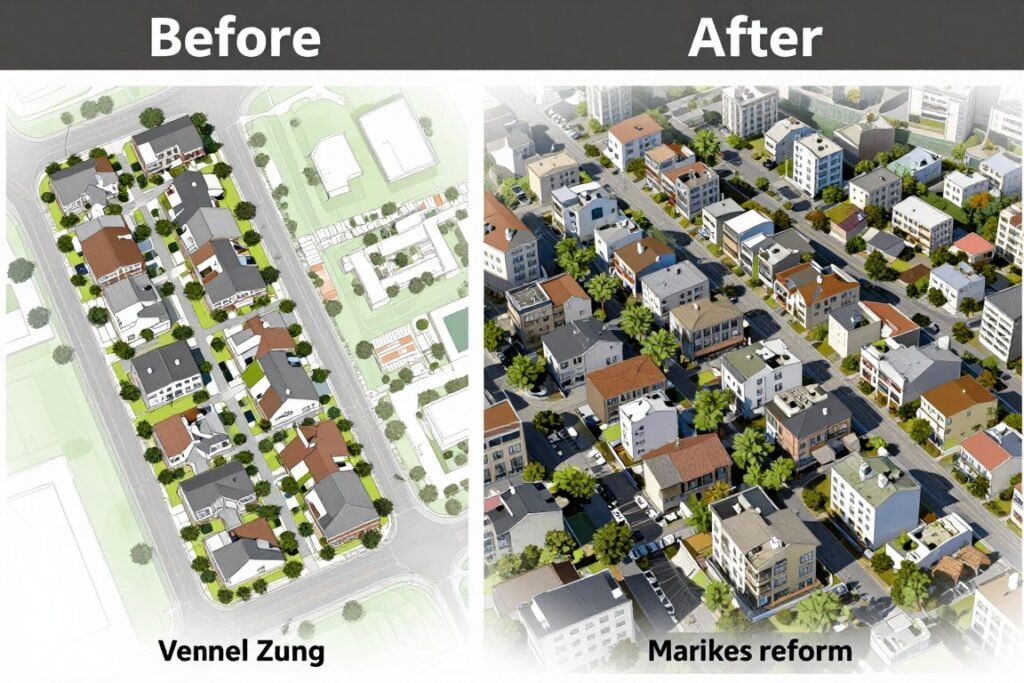
Local zoning regulations create the most direct barriers to rental housing supply. Single-family zoning covers over 70% of residential land in major metro areas. This restricts construction of apartments and duplexes that would increase rental supply and moderate prices.
Minneapolis eliminated single-family zoning citywide in 2019. The reform allowed up to three units on any residential lot. Early results show permit approvals increased 47% compared to prior trends. Rents in Minneapolis rose more slowly than comparison cities during 2021-2023, though multiple factors likely contributed.
Accessory dwelling unit reforms represent a more modest approach. Many cities now allow homeowners to build garage apartments or basement units. These ADU policies add rental supply while maintaining neighborhood character. Portland added over 3,000 ADU rental units between 2018-2023 following regulatory changes.
Federal Reserve Policies and Monetary Response
The Federal Reserve faces difficult tradeoffs when addressing rental inflation through monetary policy. Higher interest rates aim to reduce overall demand and inflation. However, elevated rates also discourage rental housing construction by increasing financing costs for developers.
The Fed’s dual mandate requires balancing price stability with maximum employment. Persistent rent inflation keeps overall CPI elevated even as goods prices moderate. This forces the Fed to maintain restrictive policy longer than it otherwise would. The result is slower economic growth and higher unemployment than necessary.
Some economists argue the Fed should look through housing inflation when setting policy. Shelter costs adjust slowly and with long lags. By the time monetary policy affects rents, economic damage from high rates may outweigh benefits. Alternative inflation measures excluding shelter show much greater moderation.
The Federal Reserve cannot directly control rental market outcomes. Monetary policy works through broad demand channels that affect all sectors. Targeted policies addressing housing supply constraints would complement Fed actions more effectively than relying solely on interest rate adjustments.
Market Adjustments and Private Sector Responses
Market forces are already generating responses to rental inflation without policy intervention. Developers react to high rents by increasing construction activity. Renters adjust by seeking more affordable locations or accepting longer commutes. These market adjustments will moderate rent inflation over time.
Supply Response from Developers
Multifamily construction reached record levels in 2023-2024 as developers responded to high rents. Over 650,000 rental units received building permits in 2023. This represents a 40-year high and exceeds the number of units built during the mid-2000s housing boom.
However, rising construction costs and interest rates have dampened developer enthusiasm. Project cancellations increased in late 2023 and 2024. Many developers cannot achieve required returns at current cost levels even with elevated rents. The supply response may prove insufficient to fully close the housing gap.
Build-to-rent single-family developments represent an emerging market segment. These projects target renters who want single-family homes but cannot afford to buy. Over 50,000 build-to-rent homes were constructed in 2023. This product type diversifies rental supply and may appeal to different demographic segments.
Demand Adjustments by Renters
Renter behavior has shifted in response to elevated costs. More households now share housing to split expenses. Census data shows the number of multi-generational households increased 12% between 2019-2023. Adult children living with parents reached 17% of 25-34 year-olds, up from 14% pre-pandemic.
Geographic mobility among renters accelerated during the COVID period. Many workers relocated from expensive coastal markets to more affordable inland cities. This pattern redistributes rental demand and moderates rent inflation in high-cost departure cities. However, it accelerates rent increases in destination markets.
Household size adjustments help renters cope with higher costs. The share of renters living in smaller units increased between 2020-2023. Studio and one-bedroom apartments now house 43% of renter households versus 38% in 2019. Downsizing allows renters to maintain preferred locations while controlling expenses.
Technology and Market Innovation
Technology platforms are reshaping rental markets in ways that may moderate inflation over time. Rental listing sites increase market transparency and competition. Renters can easily compare options across broad geographic areas.
Proptech companies offer new tools for property management. These technologies reduce operating costs for landlords, potentially slowing rent increases. Automated rent collection, digital maintenance requests, and AI-powered pricing all improve efficiency.
Modular and prefabricated construction techniques promise to reduce building costs. These methods could accelerate delivery of new rental units while improving quality. Several large developers are piloting factory-built apartment projects that may scale in coming years.
Corporate and Institutional Responses
Major employers increasingly factor housing costs into compensation and location decisions. Some companies now offer housing subsidies or assistance with rent payments. Tech firms have experimented with employer-sponsored housing developments near offices.
Institutional investors have become major players in rental markets. REITs and private equity funds now own substantial shares of rental housing stock. Their professional management and capital resources may improve housing quality and stability.
However, institutional ownership raises concerns about market power and rent-setting. Critics argue that large corporate landlords coordinate to maximize rents rather than competing on price. Evidence on this issue remains mixed and controversial.
Policy Coordination Challenge: The World Bank and Organization for Economic Cooperation and Development both emphasize that housing affordability requires comprehensive policy packages. Single interventions rarely succeed. Effective approaches combine supply reforms, targeted assistance for vulnerable households, and appropriate macroeconomic policies.
What It Means for Americans
Rental inflation directly affects daily life for millions of American households. The economic statistics and policy debates translate into real impacts on family budgets, career choices, and long-term financial security. Understanding these practical effects helps individuals make informed decisions in challenging housing markets.
Cost of Living Pressures
Housing costs represent the single largest expense category for most renter households. When rent increases faster than income, families must reduce spending in other areas. These adjustments cascade through household budgets and affect quality of life in multiple dimensions.
The average renter household now dedicates 33% of gross income to rent payments. This exceeds the 30% threshold that housing experts consider affordable. For lower-income renters, the burden reaches 45-50% of income. These levels leave little margin for unexpected expenses or economic shocks.
Food budgets often absorb the first cuts when rent increases. USDA data shows that households paying over 40% of income on rent spend 23% less on food than those with lower housing cost burdens. This translates to reduced food quality and nutritional intake rather than literal hunger in most cases.
Transportation costs create additional pressure. Renters seeking affordability often move farther from employment centers. The resulting longer commutes increase vehicle expenses and reduce time for family or leisure activities. Bureau of Labor Statistics data shows that renter households now spend 16% of budgets on transportation, up from 14% in 2019.
Budget Categories Most Affected
- Savings and emergency funds (reduced 31%)
- Retirement contributions (reduced 24%)
- Entertainment and recreation (reduced 19%)
- Clothing and personal care (reduced 16%)
- Restaurant and dining out (reduced 14%)
Healthcare spending remains relatively protected as a necessity. However, renters increasingly delay non-urgent medical care or skip prescriptions when budgets tighten. The Centers for Disease Control reports that cost-related healthcare delays increased 8% among renters between 2019-2023.
Discretionary spending falls sharply for cost-burdened renters. Vacations, hobbies, and entertainment purchases decline first. Census Bureau retail data shows that renter household spending on these categories grew 40% slower than homeowner spending from 2020-2023.
Impact on Jobs and Career Decisions
Housing costs increasingly influence employment decisions and career trajectories. Workers weigh job opportunities against local rent levels. Geographic mobility essential for career advancement becomes more difficult when moving costs and destination rents create barriers.
Young professionals face particularly acute tradeoffs. Entry-level positions in high-opportunity fields cluster in expensive coastal cities. Starting salaries that seem attractive in absolute terms provide minimal purchasing power after housing costs. Many talented workers forego career-advancing opportunities due to housing affordability concerns.
The number of workers holding multiple jobs has increased partly due to rental costs. Approximately 4.9% of employed persons now work multiple jobs, up from 4.2% in 2019. Side gigs and second jobs help cover rent but create time pressures and reduce work-life balance.
Entrepreneurship and small business formation suffer when high rent absorbs household resources. Aspiring business owners need financial cushions to weather startup periods. Rising rent burdens deplete savings and make risk-taking less feasible. Census Bureau data shows that business formation rates declined 9% in the highest-rent metro areas between 2019-2023.
Remote work opportunities partially offset housing cost pressures. Workers can maintain high-wage jobs while living in lower-cost areas. However, this option remains unavailable for service sector workers, healthcare providers, and many other occupations requiring physical presence.
Investment and Wealth Building Challenges
Rental inflation creates substantial barriers to wealth accumulation for renter households. The combination of high current rent expenses and reduced savings capacity makes it difficult to build emergency funds or invest for retirement. These effects compound over time and contribute to widening wealth gaps.
First-time homebuying becomes increasingly difficult as rent consumes more income. Prospective buyers struggle to save down payments while covering elevated rent. The median first-time buyer now takes 6.2 years to save a 20% down payment, up from 4.8 years in 2019. Many never accumulate sufficient funds and remain permanent renters.
Retirement savings suffer dramatically among cost-burdened renters. The Federal Reserve Survey of Consumer Finances shows that renters paying over 35% of income on housing contribute 60% less to retirement accounts than those with lower housing costs. This gap persists across income levels.
Wealth Building Impact by Age Group
| Age Group | Median Net Worth (Low Rent Burden) | Median Net Worth (High Rent Burden) | Wealth Gap |
| 25-34 | $32,400 | $8,200 | -75% |
| 35-44 | $78,600 | $21,100 | -73% |
| 45-54 | $124,200 | $38,400 | -69% |
| 55-64 | $168,700 | $52,300 | -69% |
Source: Federal Reserve Survey of Consumer Finances (2023). Low rent burden = less than 30% of income; High rent burden = more than 40% of income.
College savings for children decline among cost-burdened renter families. Education savings account contributions fell 34% for high-rent-burden households between 2019-2023. This pattern threatens intergenerational mobility as children from these families face greater education debt burdens.
Emergency savings depletion leaves renter households vulnerable to economic shocks. The Federal Reserve’s Report on the Economic Well-Being of U.S. Households finds that only 37% of renters could cover an unexpected $400 expense with cash or savings. This compares to 68% of homeowners. The gap has widened substantially since 2019.
Housing Stability and Residential Mobility
High rental inflation creates housing instability and forced mobility. Renters facing large rent increases at lease renewal must decide whether to absorb higher costs or relocate. Both options impose substantial burdens through financial strain or moving disruption.
Eviction rates have increased in some high-rent markets as more households struggle with payments. The Eviction Lab at Princeton University tracks filing rates across major cities. Several metropolitan areas saw eviction filings return to or exceed pre-pandemic levels during 2023-2024 despite economic expansion.
Frequent moves disrupt children’s education and social development. School-age children in cost-burdened renter households change schools 40% more often than peers in stable housing. Education research consistently shows that residential mobility harms academic achievement and graduation rates.
Older renters face particular vulnerability from rental inflation. Social Security benefits increase with cost-of-living adjustments but often lag behind rent growth. Senior renters on fixed incomes cannot easily adjust to rent spikes. Housing insecurity among seniors increased 23% between 2019-2023 according to HUD data.
Coping Strategies That Help
- Negotiating rent increases directly with landlords
- Finding roommates to share housing costs
- Relocating to more affordable neighborhoods or cities
- Accessing rental assistance programs where available
- Building emergency funds during stable rent periods
- Pursuing income growth through job changes or education
Common Mistakes to Avoid
- Ignoring early warning signs of unsustainable rent burden
- Depleting retirement accounts to cover current rent
- Taking on high-interest debt to pay rent
- Staying in unaffordable locations due to inertia
- Foregoing health insurance to afford rent
- Avoiding honest budget assessment and planning
Social and Community Effects
Rental inflation influences community composition and social cohesion. Longtime residents displaced by rising rents alter neighborhood character. Local businesses lose customers as familiar faces move away. These changes affect social fabric in ways that extend beyond individual household impacts.
Economic segregation intensifies as rent levels sort households by income. Lower-income renters concentrate in the most affordable areas, often with limited services and job access. Higher-income renters cluster in amenity-rich neighborhoods. This spatial sorting reduces economic diversity and opportunity mixing.
Civic participation declines among renters experiencing housing cost stress. Voter registration rates are 23% lower for renters who moved within the past year compared to stable residents. Community organization membership and volunteering also fall when housing instability disrupts local connections.
Future Outlook (2026–2030)
The trajectory of rental inflation over the next five years will significantly shape American economic conditions and household welfare. While precise predictions remain impossible, examining current trends and structural factors allows reasonable scenario development. The period from 2026 to 2030 will likely see gradual improvement but persistent challenges.
Short-Term Outlook: 2026-2027
The immediate years ahead should bring modest relief from peak rental inflation rates. Multiple factors suggest rent growth will decelerate toward more sustainable levels. However, the path of moderation will likely prove uneven across markets and property types.
Supply additions will provide the primary moderating force. Over 1.2 million rental units currently under construction should reach completion during 2025-2026. This represents the largest two-year supply surge in four decades. These new units will primarily serve the market-rate and luxury segments but will create filter-down effects benefiting lower-cost renters.
Asking rents for newly available units already reflect cooling demand. Landlords in competitive markets now offer concessions including one month free rent or waived fees. These incentives signal that supply-demand balance is shifting. As new leases incorporate these lower effective rents, measured rent inflation will decline.
Expected Developments 2026-2027
- National rent inflation moderates to 3.5-4.5% range
- Vacancy rates increase to 7-8% from current 6.4%
- Construction starts decline as projects become less profitable
- Regional variations persist with some markets seeing flat rents
- Share of income on rent stabilizes near current 33% level
Key Risk Factors Short-Term
- Construction cost increases could curtail supply additions
- Immigration changes might affect rental demand levels
- Economic recession would accelerate rent moderation
- Strong economic growth could maintain rent pressure
- Natural disasters and climate events may disrupt local markets
Federal Reserve policy will heavily influence near-term rental market conditions. If the Fed successfully achieves a soft landing with inflation declining without recession, rental markets should stabilize gradually. Interest rate cuts beginning in late 2024 or 2025 would support homebuying and reduce pressure on rental demand. However, if recession occurs, rent inflation could decline rapidly as unemployment rises.
Regional market divergence will characterize the 2026-2027 period. Sunbelt cities that experienced the largest rent increases during 2021-2023 should see the most significant moderation. Supply pipelines in these markets will deliver substantial new units. Conversely, some Midwest and Northeast markets with limited construction may continue seeing above-average rent growth.
The year-over-year change in consumer price index for rent will show the clearest deceleration. The CPI rent index lags behind market rents due to lease renewal timing. As existing tenants renew at lower increases, the measured inflation rate will fall. By late 2027, the Bureau of Labor Statistics rent index could show increases below 3.5% annually.
Medium-Term Trends: 2028-2030
The later years of this outlook period present greater uncertainty. Demographic trends suggest reduced rental demand pressure as large millennial cohorts age into homeownership. However, structural housing supply constraints may prevent full normalization of rent inflation.
Demographic analysis by the Congressional Budget Office projects slower household formation after 2027. Birth rates declined during the 2010s, meaning smaller cohorts are entering prime renting years. This demographic tailwind should reduce pressure on rental markets. The CBO estimates household formation will average only 1.2 million annually from 2028-2030, down from 1.4 million in the mid-2020s.
Homeownership rates may increase modestly if mortgage rates decline to more affordable levels. Each percentage point increase in the homeownership rate removes approximately 1.3 million households from the renter pool. Even small ownership gains significantly affect rental market balance. The homeownership rate stood at 65.8% in 2024 and could rise to 66-67% by 2030.
However, structural undersupply will persist throughout this period. The United States would need sustained construction of 2+ million housing units annually to close the cumulative shortage. Current production levels of 1.4-1.6 million total units fall well short. Without policy reforms addressing zoning and regulatory barriers, this supply gap will continue supporting elevated rent levels.
Projected Rent Inflation Ranges 2028-2030
| Scenario | 2028 | 2029 | 2030 | Description |
| Optimistic | 2.5-3.0% | 2.0-2.5% | 2.0-2.5% | Strong supply response, successful policy reforms, soft demand |
| Base Case | 3.0-4.0% | 3.0-3.5% | 2.5-3.5% | Gradual supply-demand rebalancing, modest policy improvements |
| Pessimistic | 4.0-5.0% | 4.0-5.0% | 3.5-4.5% | Supply constraints persist, strong demand, limited policy action |
Climate change impacts may introduce new volatility to rental markets during this period. Increased frequency of extreme weather events could damage housing stock and create supply shocks in affected areas. Migration away from climate-vulnerable regions would redistribute rental demand. Coastal cities facing flood risks might see reduced demand while climate-resilient inland areas attract new renters.
Technology changes including remote work normalization will continue reshaping geographic rental demand. If remote work remains prevalent, secondary cities could see sustained rental demand while expensive gateway cities face ongoing exodus. However, return-to-office mandates by major employers might reverse some of these patterns.
Long-Term Structural Risks Beyond 2030
Looking past 2030, several structural factors will determine whether rental inflation returns to historical norms or remains persistently elevated. These longer-term dynamics deserve attention even though specific predictions become increasingly speculative.
Population aging will reduce overall housing demand in absolute terms. The U.S. population growth rate has slowed to 0.5% annually and may decline further. Slower population growth eventually reduces housing needs. However, household size trends matter more than total population. Smaller household sizes due to delayed marriage and lower birth rates increase housing unit demand even with flat population.
International Monetary Fund Long-Term Perspective
The IMF’s long-range housing market analysis emphasizes that affordability challenges persist across advanced economies despite demographic slowdowns. Structural barriers to supply responsiveness create chronic shortages that market forces alone cannot resolve. The Fund recommends comprehensive policy frameworks addressing land use, construction efficiency, and public investment in housing.
Inequality trends will shape rental market dynamics over coming decades. Growing income and wealth disparities affect both ends of the rental market. High-income renters choosing luxury apartments can afford steep rents. Low-income households face increasing cost burdens and potential displacement. Middle-income renters experience the greatest squeeze as new construction skews toward luxury segments.
The Social Security Administration projects that poverty rates among seniors will increase unless benefits grow faster than currently scheduled. More older Americans will rely on rental housing with fixed Social Security incomes. This demographic shift could create a new vulnerable population struggling with housing costs.
Wild Cards and Scenario Disruptions
Several low-probability but high-impact events could dramatically alter the rental inflation outlook. These wild cards deserve consideration even though they fall outside base case projections.
Economic Crisis
A severe recession or financial crisis would quickly deflate rental inflation through unemployment and household formation collapse. The 2008 experience showed rents declining in real terms during severe downturns. However, recovery would eventually reignite inflation absent supply improvements.
Major Policy Shift
Aggressive federal intervention in housing markets through large-scale construction programs or comprehensive zoning reform could dramatically increase supply. Such policies would require unprecedented political consensus but would fundamentally alter rental market dynamics if implemented.
Technology Breakthrough
Revolutionary construction technologies like 3D-printed homes or advanced modular building could slash costs and accelerate supply. While current technologies remain niche, rapid advancement could disrupt traditional development economics within a decade.
Climate migration represents another wild card. Large-scale population movements from climate-affected regions would create massive rental demand shocks in destination areas. Insurance market disruptions in coastal areas could force relocations. Current models suggest these effects remain modest through 2030 but could accelerate afterward.
Political and social responses to housing affordability challenges remain unpredictable. Voter frustration with high housing costs could generate policy upheavals at state and local levels. Alternatively, NIMBYism and property owner resistance might block reform efforts indefinitely. The political trajectory will substantially determine whether supply constraints ease or persist.
“The next decade will determine whether America resolves its housing affordability crisis or accepts permanently elevated cost burdens as the new normal. The choices made by policymakers, developers, and citizens during this critical period will shape economic opportunity and social mobility for generations.”
Conclusion
Rental inflation stands as one of the defining economic challenges facing the United States through the remainder of this decade. The sustained increase in housing costs between 2021 and 2024 created significant financial pressure for the 45 million renter households across the country. While some moderation from peak rates appears likely, the rental market will probably continue experiencing above-historical-average inflation through 2030.
The analysis throughout this article reveals that rental inflation stems from multiple interacting causes. Restrictive zoning regulations, elevated construction costs, strong demographic demand, and years of underbuilding created a structural housing shortage. Policy responses at federal, state, and local levels have begun addressing these challenges but progress remains slow. Market forces are generating supply responses, but these adjustments lag behind immediate needs.
Consumer spending pressure from rising rents ripples throughout the entire economy. When households dedicate larger shares of income to housing, less money flows to other goods and services. This reallocation of spending affects GDP growth, employment patterns, and business revenues across sectors. The Federal Reserve faces complications setting monetary policy when shelter costs drive such a large component of overall inflation.
Key Takeaways for Different Stakeholders
For Renters
Budget carefully and build emergency savings during stable periods. Consider geographic flexibility if career and family situations allow. Negotiate rent increases directly with landlords using market data. Access available assistance programs and research tenant rights in your jurisdiction.
For Policymakers
Prioritize supply-side reforms including zoning liberalization and streamlined permitting. Target assistance to most vulnerable cost-burdened households. Coordinate across federal, state, and local levels. Avoid policies like strict rent control that reduce supply. Monitor implementation and adjust based on outcomes.
For Investors
Rental housing investments benefit from elevated inflation but face headwinds from higher interest rates. Geographic diversification across markets at different cycle stages reduces risk. Monitor supply pipelines in target markets carefully. Consider value-add strategies rather than relying solely on rent growth.
For Employers
Factor housing costs into compensation strategies and location decisions. Consider housing assistance benefits for employees. Support remote work options where feasible. Engage with local governments on zoning and development policies that affect workforce housing.
The outlook for 2026-2030 suggests gradual improvement but persistent challenges. Base case scenarios project rent inflation moderating to the 3-4% range by 2027-2028. This would represent meaningful progress from recent peaks but still exceeds the pre-pandemic norm of 3.2%. Demographic trends including slower household formation should ease demand pressure. Supply additions from current construction pipelines will help restore market balance.
However, substantial risks remain. Structural housing undersupply may prove more difficult to resolve than optimistic forecasts assume. Climate change impacts could disrupt regional markets. Economic volatility including potential recession would alter trajectories. Policy responses at all government levels will significantly influence outcomes but remain politically uncertain.
The broader economic implications extend beyond housing markets themselves. Persistent rental inflation complicates the Federal Reserve’s inflation-fighting efforts. Geographic sorting by housing cost affects labor mobility and economic dynamism. Wealth gaps widen as cost-burdened renters cannot save and invest. These effects will shape American economic performance and social cohesion throughout the next decade.
Forward-Looking Statement
Rental inflation represents a solvable challenge rather than an intractable problem. Countries like Japan and Germany demonstrate that appropriate policies can maintain housing affordability despite limited land availability. The United States possesses abundant resources, technology, and expertise to address its housing shortage. Whether the nation musters political will to implement necessary reforms remains the critical question for the years ahead.
Individual households cannot control macroeconomic trends or policy outcomes. However, informed decision-making based on accurate analysis of rental market conditions can help families navigate challenges and protect financial security. Understanding the structural factors driving rental inflation allows better planning for housing costs, career choices, and geographic location decisions.
The path forward requires sustained effort from policymakers, developers, employers, and citizens. No single action will resolve housing affordability challenges overnight. Comprehensive approaches combining supply reforms, targeted assistance, and appropriate macroeconomic policies offer the best hope for sustainable improvement. The next five years will prove critical in determining whether the United States successfully moderates rental inflation or accepts elevated housing cost burdens as permanent features of the economic landscape.