
Small Business Tax Deductions That Can Save Thousands
Tax season often brings stress. But for small business owners, it also brings opportunity.
Many entrepreneurs leave thousands of dollars on the table each year. They miss eligible deductions or claim them incorrectly.
The difference between paying too much and getting it right comes down to knowledge. Understanding which business expenses qualify as tax deductions can dramatically reduce your taxable income.
This guide walks you through the most valuable small business tax deductions for 2024. You’ll learn what qualifies, how to claim it properly, and how to avoid common mistakes that trigger audits.
Whether you’re a freelancer, sole proprietor, or LLC owner, these strategies can help you keep more of your hard-earned money. Every legitimate deduction you claim reduces your tax burden legally and ethically.
Let’s explore the deductions that matter most and how to maximize your tax savings this year.
What Tax Deductions Mean for Small Businesses
A tax deduction reduces your taxable income. This is different from a tax credit, which reduces your actual tax bill dollar-for-dollar.
When you claim business expenses as deductions, you subtract them from your total revenue. The remaining amount becomes your taxable income, which determines how much tax you owe.
Understanding Deductible Business Expenses
The Internal Revenue Service defines deductible business expenses as ordinary and necessary costs. Ordinary means common in your industry. Necessary means helpful and appropriate for your business.
Not every expense qualifies. Personal expenses never count, even if you’re self-employed. The key is proper categorization and documentation.
How Deductions Affect Your Tax Return
Here’s a simple example. Imagine your small business earned $100,000 in revenue this year. You had $30,000 in deductible business expenses.
Your taxable income would be $70,000, not $100,000. If your tax rate is 22%, you’d save $6,600 in federal taxes alone by claiming those expenses.
Deductible Expenses Include
- Office supplies and equipment
- Professional services and fees
- Business insurance premiums
- Marketing and advertising costs
- Employee salaries and benefits
- Home office expenses
- Vehicle expenses for business use
- Travel and meals related to business
Non-Deductible Expenses Include
- Personal living expenses
- Commuting from home to office
- Personal clothing and grooming
- Fines and penalties
- Political contributions
- Entertainment expenses (most cases)
- Personal portions of mixed-use items
- Country club memberships
Tax Forms and Documentation
Most small business owners report deductions on Schedule C of Form 1040. This form calculates your business profit or loss.
Corporations use different forms. S corporations file Form 1120S, while C corporations use Form 1120. Each entity type has specific deduction rules.
Keeping accurate records throughout the year makes tax time much easier. Receipts, invoices, bank statements, and mileage logs provide the documentation you need.
Current Tax Rules for Small Business Deductions
The tax landscape changes regularly. Understanding current rules helps you maximize deductions while staying compliant with IRS requirements.
For the 2024 tax year, several key deduction limits and rates affect small business owners. These numbers impact how much you can write off.
Section 179 Deduction for Equipment

Section 179 allows you to deduct the full cost of qualifying equipment in the year you purchase it. For 2024, the maximum deduction is $1,220,000.
This deduction phases out once equipment purchases exceed $3,050,000 in a single tax year. Most small businesses fall well below this threshold.
Qualifying property includes machinery, equipment, vehicles, computers, and office furniture used for business purposes. The equipment must be used more than 50% for business to qualify.
Standard Mileage Rate
The IRS sets standard mileage rates each year. For 2024, the business mileage rate is 67 cents per mile.
You can choose between the standard mileage rate or actual expense method. The standard rate is simpler and works well for many business owners.
Track every business mile with a mileage log. Include the date, destination, purpose, and miles driven. Apps can automate this tracking process.
Home Office Deduction
The home office deduction applies when you use part of your home exclusively and regularly for business. This space must be your principal place of business.
You have two calculation methods. The simplified method allows $5 per square foot, up to 300 square feet maximum. This equals a maximum $1,500 deduction.
The actual expense method calculates your home’s business percentage. Then you deduct that percentage of mortgage interest, property taxes, utilities, insurance, and repairs.
Qualified Business Income Deduction
The Qualified Business Income (QBI) deduction, also called the Section 199A deduction, allows eligible business owners to deduct up to 20% of their qualified business income.
This deduction applies to sole proprietorships, partnerships, S corporations, and some trusts and estates. C corporations don’t qualify.
Income limits and business type affect this deduction. For 2024, the threshold is $191,950 for single filers and $383,900 for married couples filing jointly.
Bonus Depreciation Changes
Bonus depreciation allows first-year deductions for qualifying property. The rate decreased to 60% for property placed in service during 2024.
This percentage will continue declining. It drops to 40% in 2025, 20% in 2026, and phases out completely by 2027 under current law.
Plan major equipment purchases accordingly. Buying qualifying assets sooner rather than later maximizes your tax benefits.
Who Is Most Affected by Small Business Tax Deductions
Tax deductions benefit various types of business structures and ownership models. Understanding which category you fall into helps identify your specific opportunities.
Sole Proprietors

Sole proprietors represent the simplest business structure. If you operate as an independent contractor or freelancer, you’re likely a sole proprietor.
You report business income and expenses on Schedule C. Every deductible business expense directly reduces your taxable income and self-employment tax.
Self-employment tax runs 15.3% on net earnings. Maximizing deductions saves on both income tax and this additional tax burden.
Limited Liability Companies (LLCs)
Single-member LLCs typically file taxes as sole proprietors unless they elect corporate treatment. Multi-member LLCs usually file as partnerships.
LLCs provide liability protection while maintaining pass-through taxation benefits. This means business income flows through to your personal tax return.
The same deduction rules apply, but your business structure affects how you claim them. Form choices depend on your LLC’s tax classification.
Freelancers and Independent Contractors
Gig economy workers and freelancers have unique tax situations. You receive 1099 forms instead of W-2s, making you responsible for all tax obligations.
Common deductible expenses for freelancers include home office costs, internet and phone services, professional development, and client meeting expenses.
Many freelancers miss deductions because they don’t track expenses properly. Every business-related cost should be documented and categorized.
Small Business Owners with Employees
Hiring employees opens additional deduction categories. Salaries, wages, and employee benefits are all deductible business expenses.
Employer payroll taxes, workers’ compensation insurance, and health insurance premiums for employees reduce your taxable income.
Retirement plan contributions for employees also qualify. These expenses can significantly reduce your business tax burden while attracting quality talent.
Professional Services Providers
Doctors, lawyers, accountants, consultants, and other professionals often qualify for specific deductions related to their practice.
Professional liability insurance, continuing education, licensing fees, and professional association dues all count as deductible expenses.
Many professionals maintain home offices or rent commercial space. Both scenarios create deductible expenses when properly documented.
Top Small Business Tax Deductions That Save Money
Certain deductions provide the most substantial tax savings for small businesses. Knowing these categories helps you plan expenses strategically throughout the year.
Home Office Expenses

The home office deduction offers significant savings if you qualify. Your workspace must be used exclusively and regularly for business activities.
Exclusive use means that area serves only business purposes. A guest bedroom that doubles as an office doesn’t qualify under strict IRS rules.
Calculate your deduction using square footage. Measure your office space and divide by your home’s total square footage to get your business percentage.
Apply this percentage to deductible home expenses. This includes mortgage interest, property taxes, utilities, insurance, repairs, and depreciation.
Qualifying Home Office Expenses
- Mortgage interest or rent payments
- Property taxes and homeowners insurance
- Utilities including electricity, gas, water
- Internet and phone services
- Repairs and maintenance costs
- Security system expenses
- Cleaning services for office area
- Depreciation on the home office portion
Vehicle and Transportation Costs
Business travel by car creates valuable deductions. You must track mileage carefully and distinguish business miles from personal use.
The standard mileage rate method is straightforward. Multiply business miles by the current IRS rate of 67 cents per mile for 2024.
The actual expense method requires tracking all vehicle costs. Include gas, oil, repairs, insurance, registration fees, lease payments, and depreciation.
Only the business use percentage of these expenses qualifies. If you use your car 60% for business and 40% personally, deduct 60% of costs.
Health Insurance Premiums
Self-employed individuals can deduct health insurance premiums for themselves, spouses, and dependents. This deduction appears on Form 1040, not Schedule C.
The deduction reduces your adjusted gross income but not self-employment tax. You can’t claim this deduction for months when you were eligible for employer coverage.
Dental and long-term care insurance premiums also qualify. This deduction provides substantial savings for families with significant health insurance costs.
Business Insurance Premiums
Various insurance types protect your business and qualify as deductible expenses. These premiums reduce your taxable income dollar-for-dollar.
General liability insurance protects against customer claims. Professional liability insurance covers errors and omissions in your services.
Property insurance on business assets, business interruption insurance, and cyber liability coverage all qualify as deductible business expenses.
Deductible Business Insurance Types
- General liability insurance
- Professional liability (errors and omissions)
- Commercial property insurance
- Business interruption insurance
- Workers’ compensation insurance
- Commercial auto insurance
- Cyber liability insurance
- Directors and officers insurance
Office Supplies and Equipment
Everyday office supplies are fully deductible in the year you purchase them. This includes paper, pens, printer ink, folders, and similar items.
Equipment purchases over a certain threshold require depreciation over multiple years unless you use Section 179 or bonus depreciation.
Computers, printers, furniture, and machinery qualify for immediate expensing under Section 179. This accelerates your tax savings significantly.
Professional Services and Fees
Payments to attorneys, accountants, consultants, and other professionals are deductible business expenses. These services help you run your business effectively.
Legal fees for business matters, accounting and bookkeeping services, and business consulting all reduce taxable income.
Professional development and continuing education in your field also qualify. Courses, workshops, and certifications that maintain or improve skills are deductible.
Marketing and Advertising Expenses
Every dollar spent promoting your business is deductible. This includes traditional advertising and modern digital marketing efforts.
Website development and hosting, social media advertising, Google Ads campaigns, and print advertising all qualify as deductible expenses.
Business cards, brochures, promotional materials, and trade show expenses also count. Keep receipts for all marketing-related costs.
Business Meals and Entertainment
Business meal deductions changed in recent years. Currently, you can deduct 50% of qualifying business meal expenses.
Meals must have a clear business purpose. Meeting with clients, discussing business with partners, or traveling for business creates deductible meal expenses.
Most entertainment expenses are no longer deductible. Focus on meals where business is discussed and properly document the business purpose.
Travel Expenses
Business travel creates multiple deduction opportunities. Airfare, hotels, rental cars, and meals during business trips all qualify.
The trip must be primarily for business purposes. If you extend a business trip for vacation, only the business portion is deductible.
Keep detailed records of travel expenses. Save receipts and document the business purpose of each trip in your records.
Retirement Plan Contributions
Contributing to retirement plans reduces current-year taxable income while building long-term savings. Several plan types serve small business owners.
SEP IRAs allow contributions up to 25% of net self-employment earnings, with a maximum of $69,000 for 2024.
Solo 401(k) plans permit higher contribution limits. You can contribute as both employer and employee, potentially deferring more income.
Education and Training Costs
Business-related education maintains or improves skills required in your current trade or business. These expenses are fully deductible.
Courses, seminars, workshops, books, and subscriptions related to your field all qualify. The education must relate to your existing business, not prepare you for a new one.
Professional certifications, licensing renewals, and continuing education requirements are deductible business expenses.
Common Mistakes to Avoid When Claiming Deductions
Small errors in claiming deductions can trigger audits or result in denied claims. Knowing what to avoid protects you from costly mistakes.

Mixing Personal and Business Expenses
One of the most common mistakes is failing to separate personal and business expenses. This creates documentation nightmares and raises red flags.
Maintain separate bank accounts and credit cards for business use. This clear separation makes tracking legitimate business expenses much easier.
When you use business resources for personal purposes, that portion isn’t deductible. Calculate and exclude personal use percentages accurately.
Missing Documentation and Receipts
The IRS requires documentation to substantiate deductions. Without proper records, you can’t prove expenses during an audit.
Save receipts for all business expenses, regardless of amount. Digital copies are acceptable if they’re clear and complete.
Bank statements alone don’t prove business purpose. Note what each expense was for and why it relates to your business.
Not Tracking Mileage Properly
Business mileage deductions require contemporaneous logs. Recreating mileage records months later doesn’t meet IRS standards.
Your mileage log should include date, starting location, destination, business purpose, and miles driven. Many apps automate this tracking.
Commuting from home to your regular office is never deductible. Only trips from your office to business locations qualify.
Claiming Ineligible Deductions
Aggressive deduction claims that don’t meet IRS requirements create audit risk. Understanding what qualifies prevents this mistake.
Personal expenses never become deductible just because you’re self-employed. Regular clothing, personal grooming, and commuting costs don’t qualify.
Hobby expenses aren’t business deductions. Your activity must have profit motive and be operated in a businesslike manner.
Failing to Keep Records Long Enough
The IRS generally has three years to audit returns. Keep supporting documentation for at least this long, preferably seven years.
For property and equipment, keep records until the depreciation period ends plus seven years. This protects you if questions arise.
Digital storage makes long-term record keeping easier. Scan receipts and store them securely in cloud-based systems.
Incorrect Home Office Calculations
Home office deductions require accurate square footage measurements and proper calculation methods. Estimating doesn’t meet IRS requirements.
Measure your dedicated office space precisely. Calculate the percentage against total home square footage correctly.
Don’t claim space that doesn’t meet exclusive use requirements. A room used for both business and personal purposes doesn’t qualify.
Missing Quarterly Estimated Tax Payments
Deductions reduce your tax liability, but you must still pay taxes throughout the year. Missing estimated payments creates penalties and interest.
Calculate quarterly estimated taxes based on expected annual income minus deductions. Pay these amounts by April 15, June 15, September 15, and January 15.
Underpayment penalties apply if you pay too little. Aim to pay 100% of last year’s tax or 90% of current year’s tax to avoid penalties.
Not Adjusting for Business Use Percentage
Items used for both business and personal purposes require allocation. Only the business percentage is deductible.
Track actual business use carefully. For vehicles, maintain detailed mileage logs showing business versus personal miles.
For home internet and phone, calculate the approximate business use percentage. Apply this percentage to the total cost for your deduction.
Tips to Reduce Business Taxes Legally
Strategic planning throughout the year maximizes deductions and minimizes tax liability. These proven strategies help business owners keep more money.
Keep Meticulous Records Year-Round
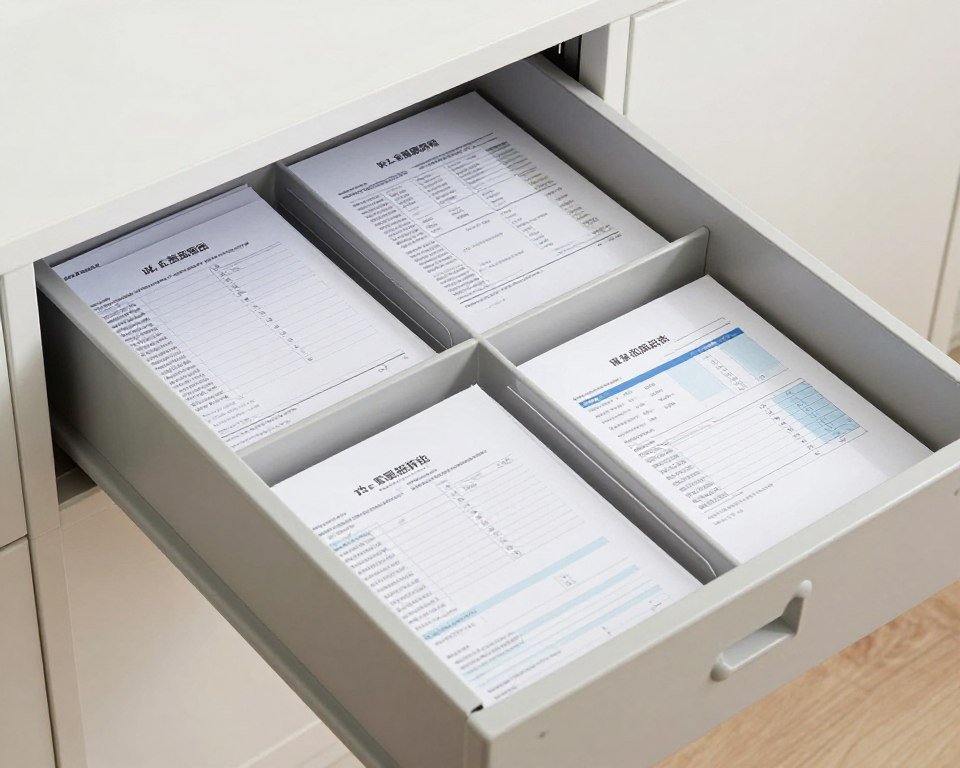
Don’t wait until tax time to organize records. Maintain systems that track expenses as they occur.
Digital tools make record-keeping easier. Accounting software categorizes expenses automatically and stores receipt images securely.
Review your books monthly. This habit catches errors early and ensures you’re tracking all deductible expenses properly.
Use Accounting Software
Modern accounting platforms streamline expense tracking and tax preparation. They connect to bank accounts and automatically categorize transactions.
Popular options include QuickBooks, FreshBooks, and Xero. These tools generate reports that make tax preparation much simpler.
Many accounting programs integrate with tax software. This connection reduces data entry and minimizes errors on your tax return.
Maximize Retirement Contributions
Retirement plan contributions reduce current taxable income while building long-term wealth. Business owners have several high-limit options.
SEP IRAs and Solo 401(k)s allow much larger contributions than traditional IRAs. Maximize these contributions to reduce taxes substantially.
Make contributions before the tax filing deadline, including extensions. This flexibility lets you adjust contributions based on actual business income.
Time Major Purchases Strategically
Section 179 deduction and bonus depreciation make equipment purchases attractive tax planning tools. Timing these purchases affects which tax year benefits.
Buying equipment late in the year still qualifies for full-year deductions under Section 179. This creates immediate tax savings.
Consider your income projections. Larger deductions help most in high-income years. Delay purchases to future years if current income is lower.
Hire Family Members
Employing family members can shift income to lower tax brackets. Pay must be reasonable for services actually performed.
Children under 18 working for sole proprietorships don’t pay Social Security or Medicare taxes. This saves 15.3% on their wages.
Wages paid to family members are deductible business expenses. The family member reports the income, often at lower tax rates.
Take Advantage of Tax Credits
Tax credits reduce your tax bill directly, unlike deductions which reduce taxable income. Several credits benefit small businesses.
The Research and Development tax credit rewards innovation. Even small businesses conducting qualifying research may benefit.
Work Opportunity Tax Credit provides benefits for hiring from certain groups. Disabled veterans and long-term unemployment recipients qualify.
Deduct Health Insurance Premiums
Self-employed health insurance deduction saves money on both federal and state taxes. This deduction isn’t subject to the 7.5% AGI threshold.
Include premiums for yourself, spouse, and dependents. Long-term care insurance premiums also qualify within certain limits.
Take this deduction on Form 1040, not Schedule C. It reduces adjusted gross income, which affects other tax calculations.
Document Everything
Documentation proves deductions are legitimate. The IRS expects contemporaneous records, not reconstructed ones.
Take photos of receipts immediately and store them digitally. Many receipt scanning apps organize expenses automatically.
For business meals, note who attended and what business was discussed. This documentation validates the deduction if questioned.
Work with Tax Professionals
Tax laws change frequently. Professional guidance ensures you maximize deductions while maintaining compliance.
CPAs and enrolled agents understand complex tax rules. They identify deductions you might miss and structure transactions tax-efficiently.
Professional fees are tax-deductible. The savings they generate typically exceed their cost many times over.
Tax Reduction Strategies
- Accelerate deductible expenses before year-end
- Defer income to following tax year when possible
- Maximize depreciation deductions on equipment
- Contribute maximum to retirement plans
- Bunch deductible expenses in single years
- Consider entity structure optimization
Planning Throughout the Year
- Review quarterly profit and loss statements
- Adjust estimated tax payments as needed
- Track mileage with automated apps
- Save digital copies of all receipts
- Meet with tax advisor before year-end
- Plan major purchases for tax optimization
Real Example: How Tax Deductions Save Thousands
Seeing actual numbers makes the impact of tax deductions clear. This realistic scenario shows how proper deduction planning reduces tax liability substantially.
Meet Sarah: Freelance Marketing Consultant
Sarah operates a solo marketing consulting business from her home. She earned $120,000 in revenue during 2024.
Without proper deduction planning, she would face a significant tax burden. Let’s calculate her taxes with and without strategic deductions.
Scenario Without Deductions
If Sarah claimed minimal deductions, her taxable situation would look like this.
| Income/Expense Category | Amount |
| Gross Business Income | $120,000 |
| Basic Business Expenses | -$10,000 |
| Net Business Income | $110,000 |
| Self-Employment Tax (15.3%) | $15,539 |
| Federal Income Tax (22% bracket) | $18,458 |
| Total Tax Liability | $33,997 |
Scenario With Strategic Deductions
Now let’s see Sarah’s tax situation when she properly claims all eligible deductions.
Sarah’s Deductible Business Expenses
- Home office deduction (200 sq ft): $6,800
- Health insurance premiums: $8,400
- Business vehicle expenses (12,000 miles): $8,040
- Professional development and courses: $3,200
- Marketing and advertising: $5,500
- Software subscriptions and tools: $4,200
- Professional services (accountant, lawyer): $3,800
- Office equipment and supplies: $2,600
- Business insurance premiums: $2,100
- Internet and phone (business portion): $1,800
- Business meals and client entertainment: $1,900
- Professional association dues: $800
| Income/Expense Category | Amount |
| Gross Business Income | $120,000 |
| Total Business Deductions | -$49,140 |
| Net Business Income | $70,860 |
| SEP IRA Contribution (20%) | -$14,172 |
| Adjusted Net Income | $56,688 |
| Self-Employment Tax (on $70,860) | $10,012 |
| Health Insurance Deduction | -$8,400 |
| SE Tax Deduction (50%) | -$5,006 |
| Standard Deduction | -$14,600 |
| Taxable Income | $28,682 |
| Federal Income Tax (12% bracket) | $3,268 |
| Total Tax Liability | $13,280 |
The Savings Breakdown
By properly claiming all eligible deductions, Sarah reduces her total tax liability dramatically.
Total Tax Savings: $20,717
That’s $20,717 Sarah keeps in her pocket by understanding and claiming legitimate small business tax deductions. This represents a 61% reduction in her tax burden.
Key Takeaways from Sarah’s Example
Several strategic moves created these savings. Sarah maintained detailed records throughout the year, allowing her to substantiate every deduction.
Her home office deduction alone saved thousands. Measuring her dedicated office space and calculating the business percentage of home expenses properly made this possible.
The SEP IRA contribution provided both immediate tax savings and long-term retirement benefits. This demonstrates how tax planning and wealth building work together.
Every business expense Sarah tracked added up to significant savings. Small deductions like professional dues and software subscriptions matter when combined.
Future Tax Changes and Trends to Watch
Tax laws evolve constantly. Understanding upcoming changes helps you plan effectively and adjust your strategies.

Bonus Depreciation Phase-Out
Bonus depreciation continues its scheduled reduction. The rate dropped to 60% for 2024 and will decrease further in coming years.
By 2027, bonus depreciation phases out completely under current law. Businesses planning major equipment purchases should consider this timeline.
Section 179 deduction limits may increase with inflation adjustments. This deduction becomes more important as bonus depreciation disappears.
Potential Changes to Pass-Through Deduction
The Section 199A qualified business income deduction is scheduled to expire after 2025 unless Congress extends it.
This 20% deduction provides substantial savings for pass-through entities. Its potential expiration would significantly impact many small business owners.
Monitor legislative developments closely. If you benefit from this deduction, consider accelerating income into years when it’s available.
Electric Vehicle Tax Credits
Tax credits for electric vehicles continue evolving. Business use of qualifying electric vehicles creates both credits and deductions.
The Commercial Clean Vehicle Credit offers up to $7,500 for qualifying electric vehicles used for business purposes.
Charging infrastructure installed for business vehicles may also qualify for credits. These incentives encourage transition to electric fleets.
Remote Work and Home Office Rules
Remote work trends may influence future home office deduction rules. Currently, employees can’t claim home office deductions, only self-employed individuals can.
Some legislators have proposed expanding home office deductions to employees. Such changes would significantly impact how many people file taxes.
State tax rules vary regarding remote work. Multi-state employers and remote workers face complex tax situations that may require professional guidance.
Retirement Plan Contribution Limits
Retirement plan limits typically increase with inflation. The IRS announces new limits each fall for the following tax year.
SEP IRA and 401(k) contribution limits affect tax planning strategies. Higher limits create more opportunities to reduce taxable income.
Recent legislation increased catch-up contribution limits for older workers. Business owners approaching retirement should understand these enhanced limits.
Digital Asset Reporting Requirements
Cryptocurrency and digital asset transactions face increasing scrutiny. New reporting requirements affect businesses dealing in digital currencies.
The IRS now requires reporting of digital asset transactions on tax returns. Businesses accepting cryptocurrency must track basis and capital gains properly.
Third-party payment platforms report transactions over certain thresholds. This increased reporting makes accurate record-keeping even more critical.
State and Local Tax Developments
State tax laws change frequently and vary widely. Some states offer special incentives for small businesses or specific industries.
Remote work creates nexus questions for state taxes. Businesses with employees in multiple states face complex compliance requirements.
Monitor your state’s tax legislation. State-level deductions and credits can provide additional savings beyond federal benefits.
Stay Informed on Tax Changes
Subscribe to IRS updates and work with tax professionals who monitor legislative developments. Being proactive about tax law changes helps you adjust strategies before deadlines arrive.
Additional Deduction Categories Worth Exploring
Beyond the major deduction categories, several specialized deductions benefit specific business types or situations. Understanding these options ensures you don’t leave money on the table.
Bad Debt Deductions
When customers fail to pay for goods or services, you may deduct these bad debts. The debt must have been included in income previously.
Cash basis taxpayers generally can’t deduct bad debts because they never reported the income. Accrual basis taxpayers include receivables in income when earned.
Document collection efforts before claiming bad debt deductions. Keep copies of invoices, payment demands, and correspondence showing the debt is uncollectible.
Bank Fees and Credit Card Processing Costs
All fees related to business banking and credit card processing are deductible. These costs add up quickly for businesses handling many transactions.
Monthly account fees, transaction fees, wire transfer costs, and merchant processing fees all qualify as business expenses.
Track these fees monthly. Many business owners overlook these small charges, but they represent legitimate deductions.
Contract Labor and Freelancer Payments
Money paid to independent contractors and freelancers is fully deductible. You’ll issue Form 1099-NEC to contractors receiving $600 or more annually.
These payments reduce your business income significantly if you outsource work regularly. Graphic designers, writers, virtual assistants, and consultants all fall into this category.
Maintain clear contractor agreements. Document that these individuals are truly independent contractors, not employees.
Business Use of Personal Property
Personal property used for business purposes creates deductions based on the business use percentage. This applies to phones, internet, vehicles, and even home spaces.
Calculate the business use percentage accurately. For phones, estimate time spent on business calls versus personal use.
Documentation matters for these deductions. Keep logs showing business use to substantiate your claimed percentages.
Licenses and Regulatory Fees
Business licenses, professional licenses, and regulatory compliance fees are fully deductible. These costs are necessary for legal operation.
Permit fees, inspection costs, and certification renewals all qualify. Industry-specific regulatory costs like health department fees for restaurants are deductible.
Annual renewals should be expensed in the year paid. Multi-year licenses may require amortization over the license period.
Rent Expenses
Office rent, equipment leases, and vehicle leases create monthly deductible expenses. Rent paid for business facilities reduces taxable income directly.
Lease payments for business equipment like copiers or manufacturing machinery are fully deductible. The deduction timing follows cash or accrual accounting method.
Security deposits aren’t deductible when paid. You deduct them only if the landlord keeps them for damages or unpaid rent.
Subscriptions and Memberships
Trade publications, industry journals, professional organization memberships, and business software subscriptions all qualify as deductible expenses.
Netflix and personal magazine subscriptions don’t count, but industry-specific publications do. The subscription must relate to your business or profession.
Chamber of Commerce dues, Better Business Bureau memberships, and professional association fees all reduce taxable income.
Utilities for Business Locations
If you rent office or retail space, utilities are fully deductible business expenses. Electricity, gas, water, sewer, and trash service all qualify.
For home-based businesses, utility deductions follow home office calculation rules. Only the business percentage of total utilities is deductible.
Keep utility bills organized by year. These regular monthly expenses add up to substantial deductions over twelve months.
Industry-Specific Tax Deductions
Different industries have unique deductible expenses based on their operational requirements. Understanding your industry’s specific deductions maximizes tax savings.
Retail and E-commerce Businesses

Retail businesses deduct cost of goods sold, which includes inventory purchases, shipping costs, and storage fees. This often represents the largest expense category.
Point-of-sale systems, payment processing fees, shopping cart software, and inventory management tools are all deductible business expenses.
Packaging materials, shipping supplies, and freight costs reduce taxable income. E-commerce sellers should track marketplace fees like Amazon FBA costs.
Construction and Contracting
Tools and equipment represent major deductible expenses for contractors. Small tools are expensed immediately, while larger equipment may require depreciation.
Vehicle expenses are typically substantial for construction businesses. Trucks, trailers, and equipment transportation create significant deductions.
Materials costs, subcontractor payments, and permit fees all reduce taxable income. Job-specific insurance and bonding costs are also deductible.
Professional Services and Consulting
Professional liability insurance premiums represent major expenses for consultants, doctors, lawyers, and accountants. These costs are fully deductible.
Continuing education requirements for licensed professionals create deductible expenses. Courses maintaining certifications qualify.
Client meeting expenses, presentation materials, and proposal development costs all reduce taxable income for service providers.
Food Service and Restaurants
Food costs represent the primary expense for restaurants. Track food purchases meticulously for accurate cost of goods sold calculations.
Commercial kitchen equipment, refrigeration units, and cooking appliances qualify for Section 179 deduction or depreciation.
Health permits, food handler certifications, and regular inspections create deductible regulatory compliance costs.
Real Estate Professionals
MLS fees, real estate board dues, and lockbox rental costs are deductible for real estate agents. Marketing materials for listings also qualify.
Vehicle expenses are often substantial for agents showing properties. Track mileage carefully for maximum deductions.
Staging costs, professional photography, and virtual tour services for listings reduce taxable income.
Healthcare Practitioners
Medical equipment, diagnostic tools, and treatment supplies are deductible for healthcare providers. Expensive equipment may require depreciation.
Malpractice insurance premiums represent significant deductible expenses. These costs protect practices from liability claims.
Electronic health records systems, practice management software, and HIPAA compliance costs all qualify as business expenses.
Record-Keeping Best Practices for Maximum Deductions
Proper documentation transforms potential deductions into actual tax savings. Without adequate records, the IRS can disallow legitimate expenses.

Essential Documentation to Maintain
Every deduction requires supporting documentation. The type of proof needed varies by expense category.
Receipts should show the amount, date, vendor name, and items purchased. Credit card statements alone don’t provide sufficient detail.
Canceled checks, bank statements, and electronic payment confirmations supplement receipts. Combined documentation creates audit-proof records.
Digital vs. Paper Records
The IRS accepts digital records if they’re clear and complete. Scanning receipts and storing them electronically works perfectly.
Cloud-based storage protects records from loss due to fire, flood, or computer failure. Backup systems ensure documents remain accessible.
Many businesses use hybrid systems. Scan receipts immediately but keep originals for a period as backup.
Organizing by Category
Categorize expenses as you record them. Waiting until tax time to organize creates errors and missed deductions.
Common categories include office supplies, travel, meals, utilities, insurance, professional services, and marketing. Customize categories for your business type.
Accounting software automates much of this categorization. Link bank accounts and credit cards for automatic transaction import.
Mileage Log Requirements
Business mileage deductions require detailed contemporaneous logs. The IRS is particularly strict about mileage documentation.
Record date, starting location, destination, business purpose, and miles driven for each trip. Odometer readings at year start and end verify total miles.
Smartphone apps like MileIQ or TripLog automate this tracking. They use GPS to record trips automatically.
Meal and Entertainment Documentation
Business meal deductions require more than just receipts. Document who attended and what business was discussed.
Note the business relationship of attendees and the specific business topics covered. This additional documentation validates the business purpose.
Keep this information with the receipt or add notes directly to digital receipt images.
How Long to Keep Records
The general rule is three years from filing date or two years from tax payment date, whichever is later.
For employment tax records, keep documentation for four years. Property and investment records require longer retention periods.
Many tax professionals recommend seven years for all business records. This provides protection even in extended audit situations.
Receipt Management
Photograph receipts immediately using smartphone apps. Cloud storage with automatic backup prevents loss. Organize by month and category for easy retrieval.
Monthly Reconciliation
Review bank and credit card statements monthly. Match transactions to receipts and categorize properly. Catch errors while transactions are fresh in memory.
Year-End Review
Complete final organization before January 31st. Verify all documentation is complete. Prepare summary reports for tax preparation. Schedule professional review if needed.
When to Work with Tax Professionals
DIY tax preparation works for simple situations, but growing businesses benefit from professional guidance. Knowing when to seek help saves money and prevents costly mistakes.
Signs You Need Professional Help

Complex business structures like S corporations or partnerships require specialized tax knowledge. Professionals ensure compliance with entity-specific rules.
Multiple state tax obligations create complexity that benefits from expert guidance. Multi-state filing requirements vary significantly.
Significant business changes like equipment purchases, facility expansions, or hiring employees warrant professional consultation before implementation.
Types of Tax Professionals
Certified Public Accountants (CPAs) provide comprehensive tax services including preparation, planning, and representation. They maintain professional certifications and continuing education.
Enrolled Agents specialize in tax matters and can represent clients before the IRS. They pass rigorous exams on tax law.
Tax attorneys handle complex legal tax issues, estate planning, and serious IRS disputes. They provide legal protection through attorney-client privilege.
Services Beyond Tax Preparation
Year-round tax planning provides more value than annual preparation alone. Strategic planning throughout the year maximizes deductions and minimizes surprises.
Quarterly reviews help adjust estimated payments and identify planning opportunities. These check-ins prevent year-end scrambling.
Business structure optimization analysis determines if your current entity type serves you best. Sometimes changing structure saves substantial taxes.
Cost vs. Value Consideration
Professional fees are tax-deductible business expenses. The cost should be weighed against potential tax savings and peace of mind.
A good tax professional often saves more than their fee through deductions you’d miss and tax strategies you wouldn’t know.
Audit protection and representation services provide insurance against IRS scrutiny. This alone justifies professional fees for many business owners.
Questions to Ask Potential Tax Professionals
Ask about their experience with businesses in your industry. Industry-specific knowledge helps identify relevant deductions.
Understand their availability throughout the year. Tax planning works best with ongoing communication, not just annual meetings.
Clarify their representation policy if you’re audited. Some preparers include representation, others charge separately.
State Tax Deduction Considerations
Federal deductions get most attention, but state tax rules significantly impact your total tax burden. State regulations vary widely across the country.
State Tax Conformity
Most states base their tax calculations on federal adjusted gross income but apply their own rules for deductions and credits.
Some states conform closely to federal tax law. Others maintain significantly different rules that affect deduction eligibility.
Understanding your state’s conformity level helps predict how federal tax changes affect state liability.
State-Specific Deductions
Many states offer deductions not available federally. Research your state’s specific incentives and deduction opportunities.
Some states provide enhanced deductions for hiring certain workers, investing in specific industries, or operating in designated zones.
State retirement plan contributions may qualify for additional deductions beyond federal benefits in certain states.
Sales Tax Considerations
Businesses in states without income tax often face higher sales tax rates. These sales taxes paid on business purchases may be deductible.
Track sales tax paid on deductible business expenses. This documentation supports your deductions if questioned.
Some states allow sales tax exemptions for business purchases. Obtain exemption certificates to avoid paying tax on qualifying items.
Multi-State Business Operations
Operating in multiple states creates nexus and filing obligations in each state. Remote employees may trigger filing requirements in their states.
Apportion income between states based on each state’s formula. This often involves sales, property, and payroll factors.
Professional guidance becomes especially valuable for multi-state operations. Compliance requirements multiply with each additional state.
Local Tax Deductions
Cities and counties sometimes impose business taxes or fees. These local taxes are deductible on both federal and state returns.
Business license fees, local gross receipts taxes, and municipal service charges all qualify as deductible expenses.
Track these local obligations separately. They’re easily overlooked but represent legitimate deductions.
Audit Prevention and Preparation Strategies
While audits are relatively rare, proper preparation protects you if the IRS questions your return. Understanding audit triggers helps you avoid unnecessary scrutiny.
Common Audit Triggers
Disproportionately high deductions relative to income raise red flags. If your deductions seem unusually large for your income level, expect scrutiny.
Consistently reporting losses year after year suggests hobby activity rather than legitimate business. The IRS expects businesses to generate profit eventually.
Large cash transactions and round numbers on returns appear suspicious. Exact amounts and detailed documentation demonstrate legitimacy.
The Home Office Audit Risk
Home office deductions historically attracted audit attention. However, legitimate claims with proper documentation shouldn’t be avoided due to fear.
Meet the exclusive use requirement strictly. Don’t claim space used for both business and personal purposes.
Document your home office with photographs showing dedicated business space. Measure carefully and calculate percentages accurately.
Vehicle Deduction Scrutiny
Vehicle deductions often face IRS questions. Maintain impeccable mileage logs from the beginning of the tax year.
Don’t claim 100% business use unless truly accurate. The IRS knows most people use vehicles personally at least occasionally.
Contemporaneous logs carry more weight than reconstructed records. Real-time tracking apps provide the strongest documentation.
Meal and Entertainment Red Flags
Excessive meal deductions relative to business type attract attention. A home-based consultant claiming extensive meal expenses seems suspicious.
Document business purpose for every meal deduction. Note attendees, business discussed, and outcome of the meeting.
Remember that most entertainment expenses are no longer deductible. Focus on qualifying business meals only.
What to Do If Audited
Don’t panic if you receive an audit notice. Many audits are correspondence audits handled by mail without in-person meetings.
Respond promptly and provide exactly what’s requested. Don’t volunteer additional information beyond what the IRS asks for.
Consider professional representation. Enrolled agents, CPAs, and tax attorneys can represent you, often without your presence required.
Audit-Proof Documentation
Organize records chronologically by expense category. This organization demonstrates professionalism and makes examiner review easier.
Create a summary sheet for each deduction category. List individual expenses with dates, amounts, and brief descriptions.
Keep documentation for the full retention period. Don’t assume you won’t be audited because a few years have passed.
Audit Protection Best Practices
Maintain detailed contemporaneous records for all deductions. Avoid aggressive positions unless you have strong supporting documentation. When uncertain about a deduction, consult a tax professional before claiming it. The cost of professional advice is far less than audit penalties and interest.
Quarterly Tax Planning Strategies
Tax planning shouldn’t wait until December. Quarterly reviews throughout the year optimize deductions and prevent surprises.

First Quarter Review (January-March)
Start the year with clean books. Organize previous year records and set up systems for tracking current year expenses.
Review last year’s return for missed opportunities. Identify deduction categories to track better this year.
Make first quarter estimated tax payment by April 15. Base estimates on prior year tax or projected current year income.
Second Quarter Planning (April-June)
Evaluate year-to-date income and expenses. Project annual totals to estimate final tax liability.
Consider mid-year equipment purchases if deductions will help. Section 179 deduction doesn’t require holding equipment the full year.
Make second quarter estimated payment by June 15. Adjust amount if income tracking differs significantly from projections.
Third Quarter Adjustments (July-September)
With half the year complete, refine annual projections. Calculate whether you’re on track for estimated payments.
Identify remaining deduction opportunities. Plan fourth quarter actions to optimize tax position.
Make third quarter estimated payment by September 15. Adjust for actual year-to-date income and expenses.
Fourth Quarter Optimization (October-December)
Final quarter offers last chances for current year tax reduction. Accelerate deductible expenses before December 31.
Make equipment purchases and pay deductible expenses by year-end. Cash basis taxpayers deduct expenses when paid.
Maximize retirement contributions before the deadline. Make fourth quarter estimated payment by January 15 of the following year.
Year-End Tax Moves
Defer income to next year if possible. Delay invoicing or postpone revenue recognition when beneficial.
Accelerate expenses into current year. Pay January rent in December, prepay insurance, or purchase supplies early.
Review depreciation elections. Choose between Section 179, bonus depreciation, or regular depreciation based on income levels.
Income Acceleration Strategies
- Invoice customers before year-end
- Collect outstanding receivables
- Recognize deferred revenue
- Complete projects before December 31
- Withdraw retirement funds if needed
Expense Acceleration Strategies
- Prepay next year’s expenses
- Purchase needed equipment
- Pay professional fees early
- Make charitable contributions
- Max out retirement contributions
Technology Tools for Tracking Deductions
Modern software simplifies deduction tracking dramatically. The right tools ensure you capture every deductible expense without manual data entry.
Accounting Software Options
QuickBooks Online dominates small business accounting. It connects to banks, categorizes transactions, and generates tax-ready reports.
FreshBooks serves service-based businesses well. Time tracking integration and professional invoicing complement expense management.
Xero offers strong bank reconciliation features and unlimited users. Growing businesses appreciate its scalability.
Receipt Scanning Apps
Expensify captures receipts via smartphone camera. It reads receipt details automatically and categorizes expenses.
Receipt Bank integrates with accounting software. Forward receipts via email or upload photos for automatic data extraction.
Shoeboxed provides physical receipt mailing service. Send paper receipts to them for scanning and digital organization.
Mileage Tracking Applications
MileIQ automatically detects drives and tracks mileage. Simple swipe gestures categorize trips as business or personal.
Everlance combines mileage tracking with expense capture. One app handles both major deduction categories.
TripLog offers detailed reporting and IRS-compliant mileage logs. Export reports directly for tax preparation.
Integration and Automation
Choose tools that integrate with each other. Data flowing automatically between systems eliminates duplicate entry.
Bank feed connections import transactions daily. Review and categorize these imports regularly rather than in year-end marathons.
Automatic categorization learns from your corrections. The more you use these systems, the more accurate they become.
Security Considerations
Financial data requires strong security. Use tools with encryption, two-factor authentication, and regular backups.
Cloud-based systems provide disaster recovery. Local-only storage risks data loss from hardware failure.
Review user access regularly. Remove access for former employees or contractors promptly.
Maximize Your Small Business Tax Savings
Small business tax deductions represent one of the most powerful wealth-building tools available to entrepreneurs. Every legitimate deduction you claim reduces your tax burden and keeps more money in your business.
The key to maximizing deductions lies in three essential practices. First, maintain meticulous records throughout the entire year, not just at tax time.
Second, understand which expenses qualify as deductible in your specific business and industry. Knowledge prevents leaving money on the table.
Third, plan strategically throughout the year. Quarterly reviews and year-end optimization ensure you take full advantage of available deductions.

Take Action Now
Don’t wait until April to think about taxes. Start implementing these strategies immediately to maximize your 2024 tax savings.
Review your current expense tracking systems. Implement accounting software or apps if you’re still using manual methods.
Schedule a consultation with a tax professional if your situation has become complex. Their expertise often saves far more than their fees cost.
Most importantly, track every business expense from this day forward. Small deductions add up to thousands in savings over a full year.
Your Next Steps
Download our comprehensive tax deduction checklist to ensure you’re tracking all eligible expenses. This free resource walks you through every category.
Set up automated tracking systems for mileage and receipts. Technology makes record-keeping effortless when implemented correctly.
Create quarterly review appointments with yourself or your tax advisor. These regular check-ins keep you on track and prevent year-end surprises.
The difference between successful tax planning and leaving money on the table comes down to knowledge and action. You now have the knowledge. The action is up to you.