
Understanding the Stress Management Crisis in America
Stress has become a silent epidemic across America. Despite countless resources and widespread awareness about mental health, millions of people struggle to manage their daily pressures effectively. The failure of stress management in the US isn’t just a personal problem. It represents a systemic crisis affecting our health care system, economy, and social fabric.
This comprehensive guide explores why traditional stress management approaches are falling short. We examine the threats posed by chronic stress, review current statistics, and provide evidence-based solutions. Whether you’re seeking personal relief or understanding the broader implications, this analysis offers actionable insights grounded in medical research and real-world data.
The landscape of stress in America has shifted dramatically. What once was considered a normal part of life has escalated into a major public health concern. Understanding this transformation is the first step toward meaningful change.
Why Stress Management Is Failing the US Population
The failure of stress management in America stems from multiple interconnected factors. Our modern lifestyle has outpaced our biological stress response systems. The human body evolved to handle acute, short-term threats. Today’s chronic stressors create a persistent state of activation that our ancient coping mechanisms cannot resolve.
Traditional stress management techniques often fail because they treat symptoms rather than root causes. Telling someone to “just relax” or “practice deep breathing” ignores the structural problems in their life. When work demands are unreasonable, financial pressures are mounting, and social support is lacking, individual coping strategies have limited effectiveness.
The stigma surrounding mental health remains a significant barrier. Many Americans view seeking help for stress as a sign of weakness. This cultural attitude prevents people from accessing professional support until problems become severe. By that time, stress has already caused substantial damage to their physical and mental health.

Key Barriers to Effective Stress Management
- Inadequate access to affordable mental health care services
- Limited time for self-care due to work and family obligations
- Cultural stigma preventing help-seeking behavior
- Ineffective workplace wellness programs that lack genuine support
- Disconnection from social support networks and community
- Overreliance on quick fixes rather than sustainable lifestyle changes
The health care system itself contributes to this failure. Mental health services remain underfunded and understaffed. Insurance coverage for therapy and counseling is often inadequate. Many Americans cannot afford the care they need. Even those with insurance face long wait times to see specialists.
Technology has created new sources of stress while promising to reduce it. Social media exposes people to constant comparison and information overload. The expectation of immediate response to messages creates pressure that never existed before. Our brains need downtime, but modern life rarely provides it.
Education about stress management lacks depth and practicality. Schools teach academic subjects but rarely provide comprehensive training in emotional regulation and coping skills. By the time people reach adulthood, they lack fundamental tools for managing psychological pressure effectively.
Why Poor Stress Management Poses a Major Threat to Americans
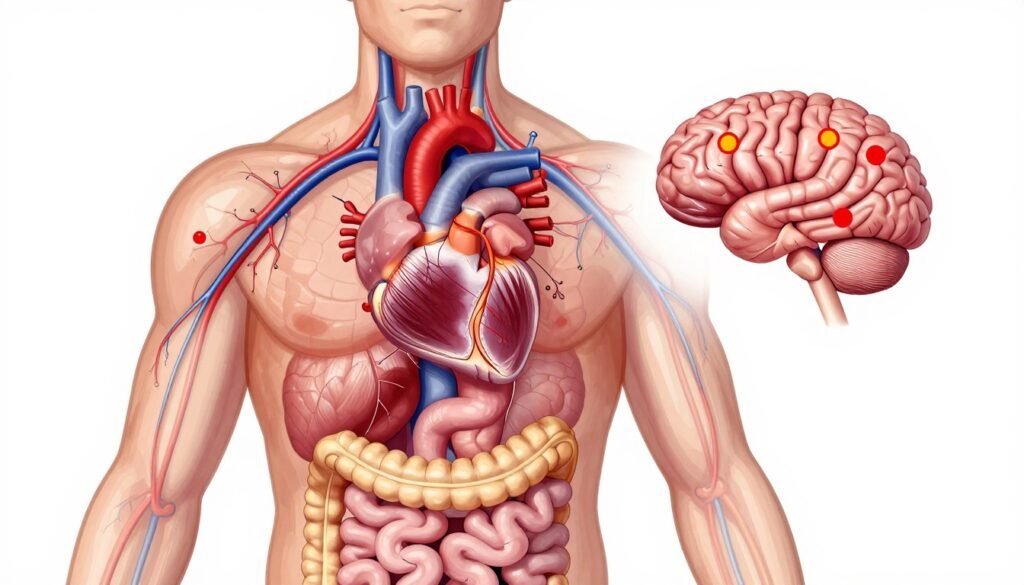
Chronic stress represents one of the most significant public health threats facing the United States today. The consequences extend far beyond feeling anxious or overwhelmed. Prolonged stress fundamentally alters body chemistry and brain function. These changes increase vulnerability to serious diseases and mental health conditions.
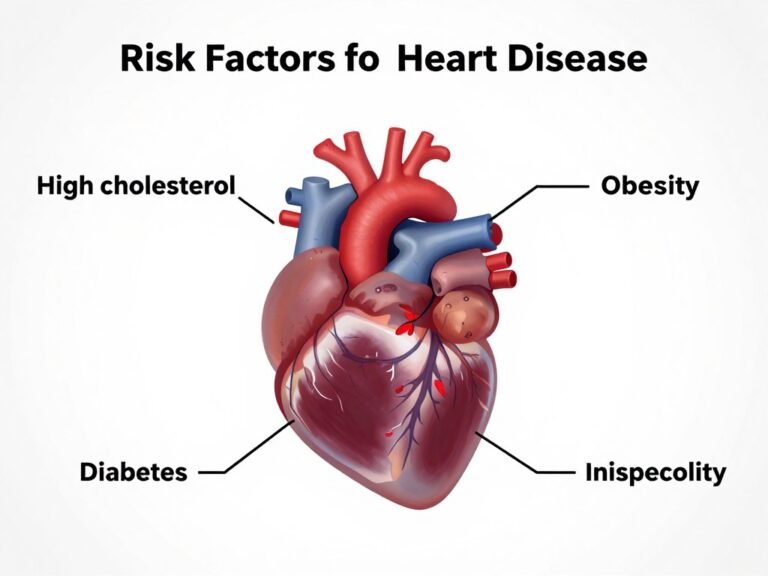
Cardiovascular disease remains the leading cause of death in America. Stress is a major contributing factor. When stress becomes chronic, it keeps blood pressure elevated and increases inflammation throughout the body. This damages blood vessels and promotes the development of heart disease. Research shows that people with high stress levels have a 27% higher risk of heart attack.
Physical Health Consequences
The body’s stress response activates multiple systems simultaneously. The sympathetic nervous system triggers the release of cortisol and adrenaline. Short-term, this response helps us handle threats. Long-term, it wreaks havoc on physical health.
Chronic stress weakens the immune system. People under constant pressure get sick more frequently and take longer to recover. Stress also disrupts sleep patterns, creating a vicious cycle. Poor sleep increases stress, which further degrades sleep quality.
Mental Health Impact
The link between stress and mental health problems is well-established. Chronic stress significantly increases the risk of depression and anxiety disorders. These conditions affect millions of Americans and reduce quality of life substantially.
Stress bad for cognitive function as well. It impairs memory, concentration, and decision-making ability. Over time, chronic stress can actually shrink brain regions responsible for emotional regulation. This makes managing stress even more difficult, creating another harmful feedback loop.
Health Problems Linked to Chronic Stress
- Cardiovascular disease and hypertension
- Type 2 diabetes and metabolic syndrome
- Depression and anxiety disorders
- Digestive problems including IBS
- Chronic pain and headaches
- Weakened immune function
- Sleep disorders and insomnia
- Accelerated aging processes
Economic and Social Costs
- Lost productivity costing $300 billion annually
- Increased health care spending on preventable conditions
- Higher rates of workplace accidents and errors
- Relationship breakdown and family dysfunction
- Substance abuse and addiction problems
- Reduced life expectancy and quality of life
- Community disconnection and social isolation
- Intergenerational transmission of stress patterns
The economic burden of stress is staggering. American businesses lose approximately $300 billion each year due to stress-related absenteeism, reduced productivity, and health care costs. Workers experiencing high stress levels are twice as likely to miss work. They also make more mistakes and have higher accident rates.
Stress affects relationships and family dynamics. When people are chronically stressed, they have less patience and emotional energy for loved ones. This strains marriages and parent-child relationships. Children growing up in high-stress households often develop their own stress management problems, perpetuating the cycle across generations.
Immediate Support Available 24/7
If you’re experiencing a mental health crisis or thoughts of self-harm, you don’t have to face it alone. Help is available right now.
988 Suicide & Crisis Lifeline – Free, confidential support for people in distress
The Statistics Behind America’s Stress Crisis
The numbers paint a sobering picture of stress in America. According to the American Psychological Association’s annual Stress in America survey, 80% of adults report experiencing significant stress. This represents a substantial increase from previous decades. The data reveals that stress affects virtually every demographic group, though some populations face disproportionate burdens.
Women consistently report higher stress levels than men. Approximately 28% of women describe their stress as extreme, compared to 20% of men. This gap reflects multiple factors including caregiving responsibilities, workplace discrimination, and hormonal influences on stress response. Women also face unique stressors related to reproductive health and societal expectations.
Younger generations report particularly high stress levels. Millennials and Gen Z adults experience more stress than older generations did at the same age. Technology use, economic uncertainty, and climate anxiety contribute to this generational difference. These young people face a fundamentally different world than previous generations.
| Age Group | Percentage Reporting High Stress | Primary Stress Source | Health Impact Rating |
| 18-34 years | 82% | Financial concerns | High |
| 35-54 years | 78% | Work-life balance | Very High |
| 55-64 years | 68% | Health problems | High |
| 65+ years | 51% | Isolation/loneliness | Moderate |
The pandemic fundamentally altered America’s stress landscape. Research shows that 84% of adults experienced at least one stress-related emotion during COVID-19. Anxiety, sadness, and anger became widespread. Even as the acute phase passed, many people continue experiencing elevated stress related to health concerns and disrupted routines.
Workplace stress statistics are particularly concerning. Approximately 83% of American workers suffer from work-related stress. This costs employers billions in lost productivity and turnover. Half of workers say stress affects their performance. One in four has called in sick due to stress.
Key Stress Statistics in America
- 80% of adults experience significant stress regularly
- 77% report stress affects their physical health
- 73% say stress impacts their mental health
- 48% report lying awake at night due to stress
- 33% feel they’re living with extreme stress
- 25% have felt alienated from family or friends due to stress
- Depression and anxiety disorders affect 40 million adults
- Only 37% of those with anxiety receive treatment
Social media adds another layer of stress. Studies show that heavy social media use correlates with increased anxiety and depression. The constant exposure to curated highlights of others’ lives creates unrealistic comparisons. This erodes self-esteem and life satisfaction. The average American spends over two hours per day on social media, time that could be spent on stress-reducing activities.
How People Can Overcome Stress: Evidence-Based Strategies

Overcoming stress requires a multifaceted approach that addresses both immediate symptoms and underlying causes. No single technique works for everyone. The most effective stress management combines multiple strategies tailored to individual circumstances, preferences, and lifestyle factors. Evidence shows that consistency matters more than perfection when implementing these techniques.
The foundation of stress management involves understanding your stress response. Different situations trigger different responses in different people. Identifying your specific stressors and stress patterns allows you to develop targeted coping strategies. Keeping a stress journal for a few weeks can reveal valuable insights about your triggers and effective responses.
Mindfulness and Meditation
Mindfulness practices train attention and awareness. Research demonstrates that regular meditation reduces cortisol levels and changes brain structure in beneficial ways. Even brief daily practice produces measurable benefits.
- Start with just five minutes daily
- Focus on breath awareness
- Use guided meditation apps
- Practice during routine activities
Social Support Networks
Strong social connections buffer against stress effectively. People with robust social support experience better health outcomes and recover from stressful events faster. Quality matters more than quantity in relationships.
- Maintain regular contact with friends
- Join community groups or clubs
- Share concerns with trusted people
- Seek professional support when needed
Time Management Skills
Feeling overwhelmed often stems from poor time management. Effective scheduling and prioritization reduce stress by creating a sense of control. Breaking large tasks into manageable steps makes them less daunting.
- Use planning tools and calendars
- Set realistic daily goals
- Learn to say no to non-essential commitments
- Build buffer time into schedules
Sleep Hygiene Practices
Quality sleep is essential for stress recovery. The body repairs itself during sleep and processes emotional experiences. Poor sleep amplifies stress while good sleep enhances resilience and coping ability.
- Maintain consistent sleep schedule
- Create calming bedtime routine
- Limit screen time before bed
- Optimize bedroom environment
Cognitive restructuring techniques help change thought patterns that amplify stress. Many stress responses stem from how we interpret events rather than the events themselves. Learning to identify and challenge unhelpful thoughts reduces their emotional impact. This skill takes practice but becomes more automatic over time.
Boundary setting is crucial for managing stress effectively. Many people struggle with saying no, leading to overcommitment and burnout. Healthy boundaries protect your time and energy for priorities. They also improve relationships by setting clear expectations. Learning this skill often requires overcoming guilt and people-pleasing tendencies.
“The greatest weapon against stress is our ability to choose one thought over another.” – William James
Progressive muscle relaxation provides immediate stress relief. This technique involves systematically tensing and releasing muscle groups throughout the body. It reduces physical tension and teaches awareness of the connection between thoughts and physical sensations. Many people find this easier than meditation for beginning stress management practice.
Spending time in nature offers powerful stress reduction benefits. Studies show that even brief exposure to natural environments lowers cortisol and blood pressure. The Japanese practice of “forest bathing” has demonstrated measurable health improvements. Regular outdoor time should be part of any comprehensive stress management plan.
Medical Treatments and Professional Interventions for Stress

Professional medical treatment becomes necessary when self-help strategies prove insufficient. Recognizing when to seek professional help is an important part of stress management. Warning signs include persistent symptoms lasting more than two weeks, interference with daily functioning, or thoughts of self-harm. Early intervention prevents stress from escalating into more serious conditions like clinical depression or anxiety disorders.
Psychotherapy offers effective treatment for stress-related problems. Cognitive behavioral therapy (CBT) has the strongest evidence base for treating stress, anxiety, and depression. This structured approach helps identify and change thought patterns that contribute to stress. Therapy provides tools and strategies that continue benefiting people long after treatment ends.
- Cognitive Behavioral Therapy (CBT) – Addresses thought patterns
- Mindfulness-Based Stress Reduction (MBSR) – Meditation focus
- Acceptance and Commitment Therapy (ACT) – Values-based approach
- Psychodynamic Therapy – Explores underlying issues
- Group Therapy – Peer support and shared experiences
- Family Therapy – Addresses relationship stress
Therapy Approaches
- SSRIs – First-line antidepressants for anxiety
- SNRIs – Dual-action antidepressants
- Benzodiazepines – Short-term anxiety relief
- Beta-blockers – Physical symptom management
- Buspirone – Non-addictive anxiety medication
- Sleep medications – For stress-related insomnia
Medication Options
- Acupuncture – Traditional Chinese medicine
- Massage therapy – Physical tension release
- Biofeedback – Learn body control techniques
- Yoga therapy – Mind-body integration
- Art or music therapy – Creative expression
- Herbal supplements – Natural remedies (with caution)
Alternative Treatments
Medication can play an important role in stress management, particularly when anxiety or depression develops. Antidepressants, especially selective serotonin reuptake inhibitors (SSRIs), help regulate brain chemistry affected by chronic stress. These medications typically take several weeks to show full effects. They work best when combined with therapy and lifestyle changes rather than used alone.
Anti-anxiety medications provide rapid relief for acute stress and panic attacks. However, benzodiazepines carry risks of dependence and should be used cautiously. They’re most appropriate for short-term situations or occasional use rather than daily management. Newer non-addictive alternatives like buspirone offer safer long-term options for some people.
Comprehensive psychiatric evaluation helps determine the most appropriate treatment approach. Mental health professionals assess severity, contributing factors, and individual circumstances. This evaluation considers medical history, current medications, lifestyle factors, and treatment preferences. A thorough assessment leads to more effective, personalized treatment plans.
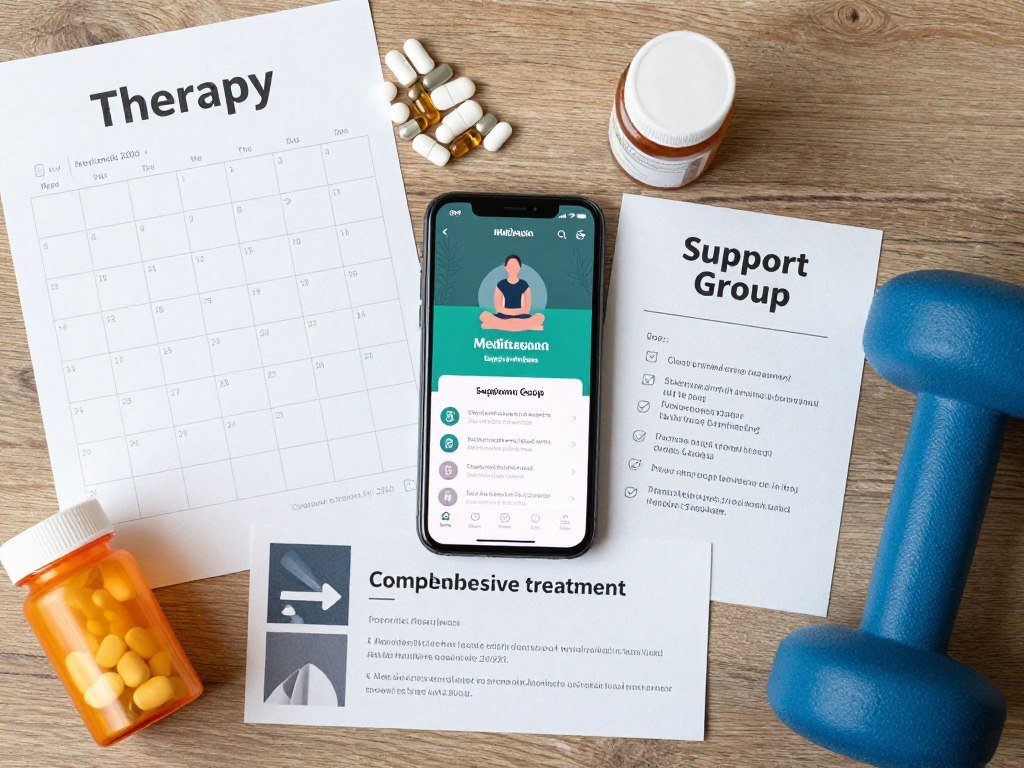
Integrated care models that combine medical and psychological treatment produce the best outcomes. This approach recognizes that mental and physical health are interconnected. Primary care physicians increasingly screen for stress and mental health problems. They can provide initial treatment and referrals to specialists when needed.
Emerging treatments show promise for stress-related conditions. Transcranial magnetic stimulation (TMS) uses magnetic fields to stimulate brain regions involved in mood regulation. Ketamine therapy has shown rapid effects for treatment-resistant depression. These newer options expand possibilities for people who haven’t responded to traditional treatments.
Connect With a Mental Health Professional
Finding the right therapist or psychiatrist can make all the difference in managing stress effectively. Don’t wait for a crisis to seek professional support.
Main Contributing Factors to Stress in America

Understanding the factors that contribute to stress helps identify potential intervention points. While stress is universal, certain conditions and circumstances amplify vulnerability. The American lifestyle and cultural values create an environment where stress thrives. Recognizing these systemic issues can guide both individual choices and policy changes.
Economic insecurity ranks as the top stress factor for most Americans. The cost of living has increased substantially while wages have stagnated for many workers. Housing, health care, and education expenses consume larger portions of household budgets. Even middle-class families feel financially stretched. This economic stress affects every aspect of life, from relationship quality to health decisions.
Workplace and Career Pressures
The modern workplace generates enormous stress through multiple mechanisms. Job insecurity has increased as companies prioritize flexibility over stability. Many workers fear layoffs or obsolescence due to automation. The gig economy, while offering flexibility, often means unpredictable income and lack of benefits. Workers juggle multiple jobs to make ends meet, leaving no time for rest or recovery.
Work-life balance has deteriorated as technology blurs boundaries between work and personal time. Employees feel pressure to respond to work communications during evenings and weekends. Remote work, while eliminating commutes, has paradoxically increased working hours for many people. The expectation of constant availability creates stress that never truly ends.
High-Risk Stress Factors Requiring Attention
- Chronic financial instability or debt burden
- Toxic workplace culture or job insecurity
- Caregiving responsibilities without adequate support
- Chronic illness or disability (personal or family member)
- Social isolation and lack of meaningful connections
- Trauma history including childhood adverse experiences
- Discrimination based on race, gender, or other identity factors
- Substance abuse problems or family history of addiction
Technology and Information Overload
Digital technology has fundamentally changed how we experience stress. Social media creates constant comparison and fear of missing out. The curated nature of online content presents unrealistic standards. People feel inadequate when comparing their reality to others’ highlight reels. This social media stress particularly affects younger generations who have never known life without these platforms.
Information overload contributes significantly to modern stress levels. We’re exposed to more information in a day than our ancestors encountered in a lifetime. News cycles deliver a constant stream of crises and problems. Our brains aren’t equipped to process this volume of information, leading to decision fatigue and anxiety.
Social and Cultural Factors
American culture emphasizes individual achievement and self-sufficiency. This creates pressure to succeed without asking for help. People feel they should handle everything independently, even when support would be appropriate. This cultural value makes stress management harder by discouraging connection and support-seeking behavior.
Political polarization and social division generate significant stress. Many Americans report that political discussions damage relationships. The sense of national unity has declined. People feel anxious about the future and powerless to influence events. This collective stress compounds individual stressors.
Environmental factors including pollution, noise, and crowding affect stress levels, particularly in urban areas. Climate change creates anxiety about the future. Natural disasters have become more frequent and severe. These environmental stressors disproportionately affect certain communities, compounding existing inequalities.
Is Exercise Really Helpful? The Science of Physical Activity for Stress

Exercise stands out as one of the most effective stress management tools available. The scientific evidence supporting exercise for mental health is overwhelming. Physical activity produces measurable changes in brain chemistry and structure that reduce stress and improve mood. Unlike many interventions, exercise benefits are both immediate and cumulative.
The biological mechanisms behind exercise’s stress-reducing effects are well-understood. Physical activity increases production of endorphins, the body’s natural mood elevators. It also boosts levels of brain-derived neurotrophic factor (BDNF), which supports brain health and resilience. Regular exercise reduces inflammation throughout the body, including in the brain, which plays a role in depression and anxiety.

Aerobic Exercise
Running, cycling, swimming, and brisk walking elevate heart rate and provide immediate stress relief. Aim for 150 minutes weekly of moderate-intensity activity. Even a 10-minute walk can reduce stress and improve mood for several hours.

Strength Training
Resistance exercise builds physical strength while improving self-confidence and body image. Lifting weights or bodyweight exercises twice weekly provides mental health benefits. The sense of accomplishment from progressive improvement reduces stress.

Mind-Body Exercise
Yoga, tai chi, and Pilates combine physical movement with breath awareness and mindfulness. These practices specifically target stress reduction through their meditative components. Regular practice improves flexibility, balance, and stress resilience.
Research shows that exercise works as well as medication for mild to moderate depression. A study published in JAMA Psychiatry found that regular exercise reduced depression risk by 26%. For anxiety, exercise produces effects comparable to relaxation techniques and meditation. The key is consistency rather than intensity. Moderate regular activity beats occasional intense workouts for mental health.
The timing of exercise affects its stress-reducing benefits. Morning exercise can set a positive tone for the entire day and improve sleep quality. Evening exercise helps burn off accumulated tension from the day. Some people find that exercising during lunch breaks provides an effective midday reset. Experiment with different times to find what works best for your schedule and stress patterns.
Exercise provides benefits beyond direct stress reduction. It improves sleep quality, which is crucial for stress recovery. Physical activity increases energy levels throughout the day. It offers social connection opportunities through group classes or sports. Exercise creates structured time for yourself away from responsibilities and screens.
Outdoor exercise offers additional mental health benefits beyond indoor activity. Exposure to nature and natural light enhances mood and reduces rumination. Green spaces provide restoration that gym environments cannot match. Even urban parks offer these benefits. Combining exercise with nature exposure creates synergistic stress reduction effects.

Barriers to exercise often prevent people from accessing its benefits. Time constraints, energy depletion, and lack of motivation are common obstacles. Starting small helps overcome these barriers. Even five minutes of movement provides some benefit. Building exercise habits gradually increases likelihood of long-term maintenance.
Overcoming Exercise Barriers
- Schedule exercise like any important appointment
- Choose activities you genuinely enjoy
- Start with achievable goals (10 minutes daily)
- Find an exercise buddy for accountability
- Keep workout clothes accessible
- Try various activities to prevent boredom
- Remember that some movement beats no movement
- Focus on how exercise makes you feel, not appearance goals
Evidence-Based Exercise Recommendations for Stress
- Aim for 30 minutes of moderate activity most days
- Include both aerobic exercise and strength training
- Try to exercise outdoors when possible
- Break activity into shorter sessions if needed
- Choose activities you find enjoyable and sustainable
- Start slowly and increase gradually to prevent injury
- Consider group classes for social connection benefits
What America’s Stress Crisis Means for the World
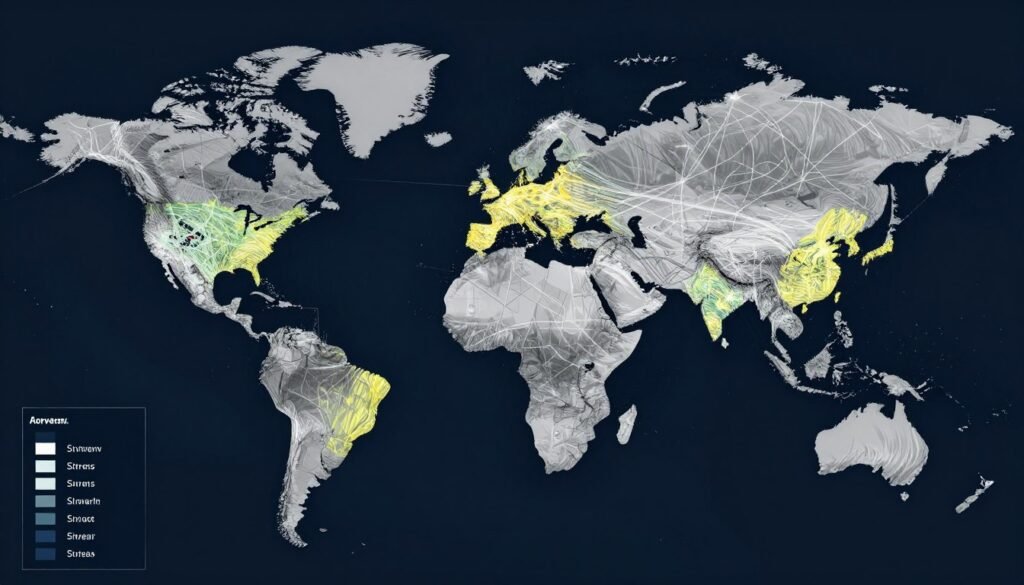
The stress crisis in America has implications extending far beyond national borders. As a global economic and cultural leader, trends in the United States often influence other countries. The American lifestyle, work culture, and technology adoption patterns spread worldwide. This means that stressors affecting Americans increasingly impact people globally.
American work culture emphasizes productivity and long hours. This model has influenced workplace norms in many countries. Nations adopting American business practices often see similar increases in work-related stress. The “always-on” mentality enabled by technology originated largely in the US and has spread globally through multinational corporations.
Technology companies headquartered in America drive global digital trends. Social media platforms designed and operated by US companies affect mental health worldwide. The business models that create stress for Americans (constant engagement, comparison, information overload) impact billions of users globally. Addressing these issues requires international cooperation and potentially regulation.
The economic costs of stress in America offer a warning to other nations. Lost productivity, health care expenses, and human suffering associated with poor stress management represent a massive drain on national resources. Countries can learn from American mistakes by investing in prevention rather than waiting for crisis-level problems to develop.
Global challenges like climate change create shared stressors across nations. However, resources and coping capacity vary dramatically between countries. Wealthy nations like the US have the means to address stress but often lack the political will. Developing nations face greater threats with fewer resources to respond. International cooperation on mental health becomes increasingly important.
Research conducted in the United States contributes significantly to global understanding of stress and mental health. American medical institutions lead in developing new treatments and interventions. This research benefits people worldwide when findings are shared and implemented internationally. Scientific collaboration on stress management accelerates progress for all nations.
Moving Forward: Building Resilience and Reducing Stress

The stress crisis facing America is serious but not insurmountable. Understanding the scope of the problem represents the first step toward solutions. Both individual actions and systemic changes are necessary to address this public health emergency effectively. Change begins with awareness and commitment to prioritizing mental health.
Individual stress management strategies provide immediate benefits while broader societal changes develop. Using the evidence-based techniques discussed throughout this article can significantly reduce personal stress levels. Consistency matters more than perfection. Small, sustainable changes accumulate into substantial improvements in quality of life over time.
Seeking professional help when needed is a sign of strength, not weakness. Mental health care should be as routine as physical health care. Reducing stigma requires changing conversations about mental health and stress. When more people openly discuss their struggles and treatment, others feel empowered to seek support.
Systemic changes must complement individual efforts. Workplace policies that respect boundaries and prioritize employee wellbeing reduce stress at its source. Health care reform improving access to mental health services is essential. Educational institutions teaching stress management and emotional regulation equip future generations with crucial life skills.
The path forward requires both personal responsibility and collective action. Managing your stress protects your health and improves your life. Supporting policies and cultural shifts that reduce stress benefits everyone. Together, these approaches can transform America’s relationship with stress and mental health.
Take the Next Step in Your Stress Management Journey
Start implementing these evidence-based strategies today. Remember that seeking help is a sign of strength. Your mental health matters, and resources are available to support you.
For immediate crisis support, call or text 988 for the Suicide & Crisis Lifeline