

Tax Filing Checklist 2026: Everything You Need Before You File
Tax season can feel overwhelming. Missing a single document or deadline can cost you hundreds of dollars in penalties or lost refund money.
The 2026 tax year brings important changes that affect how you file. New income thresholds, updated deductions, and revised IRS requirements mean preparation matters more than ever.
This comprehensive tax filing checklist 2026 helps you gather every document you need. You will learn which forms matter most, common mistakes to avoid, and practical strategies to reduce your tax burden legally.
Whether you file yourself or work with a tax professional, proper preparation saves time and maximizes your refund. Let’s ensure you are ready before the deadline arrives.
What Tax Filing Really Means in 2026
Tax filing is the annual process of reporting your income to the Internal Revenue Service. You calculate how much tax you owe based on earnings, deductions, and credits.
Your tax return shows all income sources for the year. This includes wages, investment earnings, business profits, and other money you received.
The IRS uses your return to verify you paid the correct amount. If you overpaid through paycheck withholding, you get a tax refund. If you underpaid, you owe additional money by the filing date.
Key Tax Terms You Need to Know
Adjusted Gross Income (AGI): Your total income minus specific deductions. This number determines eligibility for many tax benefits.
Standard Deduction: A fixed amount that reduces your taxable income. Most taxpayers use this instead of itemizing.
Tax Credit: A dollar-for-dollar reduction in tax owed. Credits are more valuable than deductions.
Withholding: Money your employer removes from each paycheck for estimated tax payments throughout the year.
Filing Status: Your tax category based on marital status and dependents. This affects your tax rates and deduction amounts.
Taxable Income: The portion of income subject to tax after all deductions and adjustments.
Simple Example of Tax Calculation
Sarah earned $55,000 in wages during 2026. She takes the standard deduction of $14,600 for single filers.
Her calculation looks like this:
- Gross income: $55,000
- Minus standard deduction: $14,600
- Taxable income: $40,400
- Tax owed on $40,400: approximately $4,617
- Her employer withheld $5,200 throughout the year
- Tax refund: $583
This simplified example shows why tracking your income and deductions matters. Every deduction reduces your taxable income and potentially increases your refund.
Current Tax Rules and Brackets for 2026
The Internal Revenue Service adjusted tax brackets for 2026 to account for inflation. These changes affect how much tax you pay at different income levels.
Understanding your tax bracket helps you plan withholding and estimated tax payments. It also shows how additional income affects your tax liability.
2026 Federal Income Tax Brackets
For single filers, the tax brackets are:
- 10% on income up to $11,600
- 12% on income between $11,601 and $47,150
- 22% on income between $47,151 and $100,525
- 24% on income between $100,526 and $191,950
- 32% on income between $191,951 and $243,725
- 35% on income between $243,726 and $609,350
- 37% on income over $609,350
Married couples filing jointly have different thresholds. Their brackets double for most income ranges, providing a marriage benefit for many households.
Standard Deduction Amounts for 2026
The standard deduction increased to reflect inflation adjustments:
- Single filers and married filing separately: $14,600
- Married filing jointly: $29,200
- Head of household: $21,900
Most taxpayers benefit more from the standard deduction than itemizing. You only itemize if your total deductions exceed these amounts.
Important Tax Changes for 2026
Several significant updates affect your tax return this year. The child tax credit remains at $2,000 per qualifying child under age 17.
The earned income tax credit expanded slightly. Maximum credit amounts increased for families with three or more children.
Retirement contribution limits also rose. You can contribute up to $23,500 to your 401k plan in 2026, up from previous year limits.
Health savings account contributions increased to $4,300 for individual coverage and $8,550 for family coverage. These contributions reduce your taxable income.
Who Needs This Tax Filing Checklist

Different taxpayers face unique filing requirements. Your situation determines which documents you need and what forms to complete.
Individual Taxpayers
You file as an individual if you are single or married filing separately. Your tax documents checklist includes W-2 forms from all employers.
You need records of any side income or freelance work. Bank statements showing interest earned also belong in your file.
Students may have education credits to claim. Keep Form 1098-T from your school and receipts for qualified education expenses.
Families Filing Together
Married couples filing jointly combine their income on one return. Both spouses need their W-2 forms and income documents.
Families claim dependents for valuable tax credits. You need social security numbers for all children and qualifying relatives.
Childcare expenses qualify for credits. Save receipts and provider tax identification numbers throughout the year.
Medical expenses may be deductible if they exceed a certain percentage of income. Keep all healthcare receipts and insurance statements.
Small Business Owners and Self-Employed
Business tax requirements are more complex. Self-employed individuals file Schedule C with their personal return.
You need detailed records of all business income. This includes 1099 forms from clients and all revenue sources.
Business expenses reduce your taxable income. Track everything from office supplies to mileage driven for business purposes.
Quarterly estimated tax payments prevent penalties. Keep records of all payments made throughout the tax year.
Investors and Property Owners
Investment income requires additional reporting. You receive Form 1099-DIV for dividends and 1099-INT for interest payments.
Stock sales trigger capital gains taxes. Form 1099-B shows your investment transactions for the year.
Rental property owners file Schedule E. You need records of rental income and property-related expenses.
Mortgage interest and property taxes are often deductible. Your lender sends Form 1098 showing interest paid.
Essential Documents for Your Tax Filing Checklist 2026
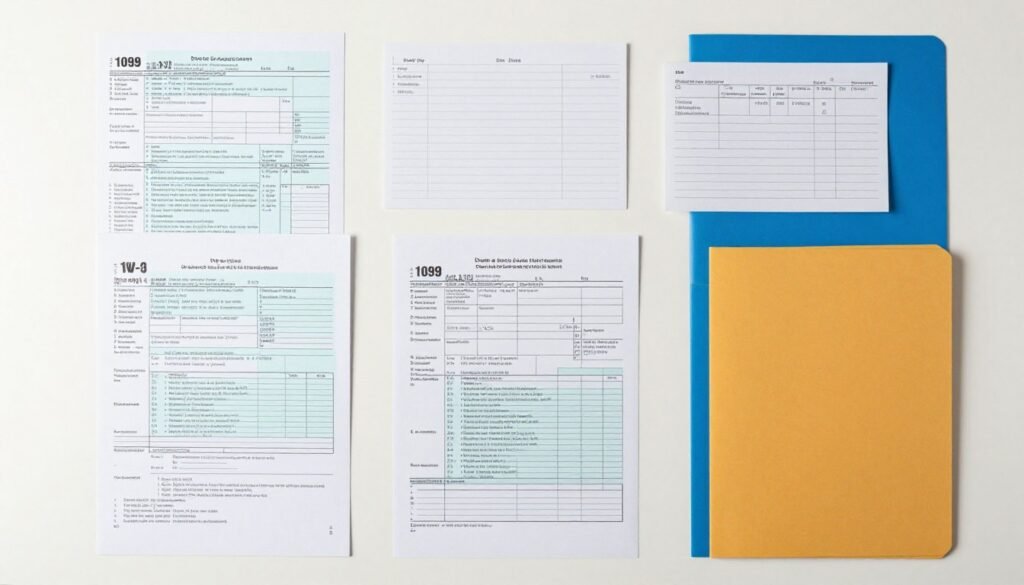
Gathering the right documents before you start filing saves time and prevents errors. Missing information delays your refund or triggers IRS inquiries.
Personal Information Documents
Start with basic identification. You need social security numbers for yourself, your spouse, and all dependents.
Your prior year tax return helps with planning. Many software programs import information from last year to save time.
Banking information is required for direct deposit refunds. Have your account and routing numbers ready.
Income Documentation
Form W-2 shows wages from employers. You should receive one from each company that paid you during the year.
Form 1099-NEC reports non-employee compensation. Freelancers and independent contractors receive these from clients who paid $600 or more.
Form 1099-INT shows interest income from banks and savings accounts. Even small amounts must be reported.
Form 1099-DIV reports dividend income from investments. This includes mutual funds and individual stocks.
Form 1099-B documents investment sales. Your broker provides this showing capital gains and losses.
Deduction and Credit Documents
Form 1098 shows mortgage interest paid. This deduction is valuable for homeowners who itemize.
Property tax statements from your local government support deduction claims. Keep these with your other tax documents.
Charitable donation receipts verify contributions. Organizations must provide written acknowledgment for donations over $250.
Medical expense receipts support deductions if your costs exceed the threshold. Save insurance statements and payment confirmations.
Education expenses qualify for credits. Form 1098-T from your school shows tuition paid and scholarships received.
Business and Self-Employment Records
Self-employed individuals need profit and loss statements. Track all business income and expenses throughout the year.
Mileage logs document business vehicle use. The IRS requires detailed records including date, purpose, and miles driven.
Home office expenses may be deductible. Measure your workspace and calculate the business-use percentage of your home.
Equipment purchases and depreciation affect your taxes. Keep receipts for all business assets purchased during the year.
Common Mistakes to Avoid When Filing Your 2026 Tax Return

Tax filing errors cost Americans millions in penalties and delayed refunds each year. Many mistakes are simple to prevent with proper attention.
Mathematical Errors and Typos
Simple math mistakes trigger IRS notices. The agency’s computers automatically flag returns with calculation errors.
Tax software reduces math errors significantly. The programs calculate totals automatically and check for common mistakes.
Transposed numbers create problems. Double-check that you entered social security numbers and account numbers correctly.
Incorrect routing numbers delay refund deposits. Verify your bank account information before submitting your return.
Missing or Incorrect Information
Forgetting to sign your tax return delays processing. Electronic signatures are required for e-filed returns.
Missing social security numbers prevent proper filing. The IRS cannot process returns without valid identification numbers for all listed individuals.
Wrong filing status affects your tax calculation. Review the rules carefully if your marital situation changed during the year.
Outdated addresses slow correspondence. Update your mailing address with the IRS if you moved since last year.
Income Reporting Errors
Failing to report all income sources is serious. The IRS receives copies of your 1099 and W-2 forms and matches them to your return.
Unreported side income triggers audits. All income is taxable unless specifically exempted by law.
Cryptocurrency transactions must be reported. Digital currency sales create taxable events that many taxpayers overlook.
Gig economy income needs documentation. Uber drivers, freelancers, and online sellers must report all earnings.
Deduction and Credit Mistakes
Claiming ineligible deductions invites scrutiny. Only legitimate business expenses and qualifying personal expenses are deductible.
Charitable contribution errors are common. You need proper documentation for all donations claimed on your return.
Home office deduction miscalculations attract attention. This deduction requires detailed records and accurate square footage calculations.
Education credit confusion happens often. You cannot claim the same expenses for multiple tax benefits.
Filing Status and Dependent Errors
Incorrect dependent claims create problems. Only qualifying children and relatives can be claimed on your tax return.
Divorced parents must follow custody rules. Usually only the custodial parent claims the child as a dependent.
Adult children over 18 have specific rules. They must meet age, residency, and support tests to qualify as dependents.
Multiple people claiming the same dependent triggers flags. The IRS will reject the second return that claims that social security number.
Legal Tips to Reduce Your Taxes in 2026

Smart tax planning reduces your bill legally. These strategies help you keep more money in your pocket while staying compliant.
Maximize Retirement Contributions
Contributing to retirement accounts reduces taxable income immediately. Traditional 401k and IRA contributions come out of pre-tax income.
The contribution limits increased for 2026. You can put up to $23,500 in your 401k plan this year.
Catch-up contributions help older workers. People age 50 and over can add an extra $7,500 to their 401k contributions.
Employer matching is free money. Always contribute enough to capture the full company match on your retirement plan.
Use Health Savings Accounts
Health savings accounts offer triple tax benefits. Contributions reduce taxable income, growth is tax-free, and qualified withdrawals are not taxed.
You must have a high-deductible health plan to qualify. The 2026 contribution limit is $4,300 for individuals and $8,550 for families.
HSA money rolls over each year. Unlike flexible spending accounts, you never lose unused balances.
After age 65, HSA funds can pay any expense. You only pay regular income tax, making it like a traditional IRA.
Time Your Income and Deductions
Deferring income to next year can lower this year’s taxes. Self-employed individuals can delay invoicing clients until January.
Accelerating deductions into the current year increases savings. Pay January mortgage and property tax bills in December if it helps.
Year-end charitable giving provides immediate deductions. Donate appreciated stock to avoid capital gains tax while claiming the full value.
Medical expense timing matters if you itemize. Schedule elective procedures when they push you over the deduction threshold.
Take Advantage of Tax Credits
Credits are more valuable than deductions. They reduce your tax dollar-for-dollar rather than reducing taxable income.
The child tax credit provides $2,000 per qualifying child. This credit phases out at higher income levels.
Education credits help with college costs. The American Opportunity Credit offers up to $2,500 per eligible student.
Energy efficiency improvements qualify for credits. New windows, solar panels, and heat pumps may earn you money back.
Consider Professional Tax Help
Complex situations benefit from expert guidance. A tax professional can identify opportunities you might miss.
Small business owners especially need professional help. Business tax planning requires specialized knowledge to maximize deductions.
Audit support provides peace of mind. Many tax services offer representation if the IRS questions your return.
The cost of tax preparation is often tax-deductible. Business owners can deduct tax prep fees as a business expense.
Real Example: Complete Tax Filing Scenario

Let’s walk through a complete example. This shows how different income sources and deductions affect your final tax calculation.
The Martinez Family Tax Situation
Carlos and Maria Martinez file jointly with two children. Carlos earns $75,000 as a software engineer. Maria made $45,000 working as a nurse.
They also received $1,200 in bank interest and $800 in stock dividends. Carlos did some freelance consulting that brought in $8,000 additional income.
Income Calculation
Their total gross income calculation:
- Carlos W-2 wages: $75,000
- Maria W-2 wages: $45,000
- Bank interest income: $1,200
- Dividend income: $800
- Carlos freelance income: $8,000
- Total gross income: $130,000
Deductions and Adjustments
Carlos can deduct business expenses from his freelance work. He spent $1,500 on equipment and software for consulting projects.
They contributed $10,000 to Carlos’s 401k plan through payroll deductions. Maria put $3,000 into her IRA account.
Their adjusted gross income becomes:
- Gross income: $130,000
- Minus 401k contributions: $10,000
- Minus IRA contributions: $3,000
- Minus freelance business expenses: $1,500
- Adjusted gross income: $115,500
Standard Deduction and Tax Calculation
The Martinez family takes the standard deduction of $29,200 for married filing jointly. This reduces their taxable income to $86,300.
Their federal income tax on $86,300:
- 10% on first $23,200: $2,320
- 12% on income from $23,201 to $86,300: $7,572
- Total income tax: $9,892
Tax Credits Applied
The family claims the child tax credit for their two qualifying children. This provides $4,000 in credits ($2,000 per child).
Their final tax calculation:
- Income tax before credits: $9,892
- Minus child tax credits: $4,000
- Total federal tax owed: $5,892
Refund or Amount Owed
The Martinez family had $8,500 withheld from paychecks throughout the year. Carlos also made $1,200 in estimated tax payments for his freelance income.
Their refund calculation:
- Total payments made: $9,700
- Total tax owed: $5,892
- Tax refund amount: $3,808
This example shows how proper documentation and planning affect your return. The Martinez family maximized retirement contributions and claimed all eligible credits.
Upcoming Tax Changes and Trends to Watch

Tax laws change regularly. Staying informed about upcoming changes helps you plan effectively and avoid surprises.
Expiring Tax Provisions
Several major tax provisions are scheduled to expire after 2025. The Tax Cuts and Jobs Act provisions sunset at the end of next year.
Tax brackets may change significantly. Without Congressional action, rates will revert to pre-2018 levels starting in 2027.
The standard deduction could decrease. This would make itemizing valuable for more taxpayers in future years.
State and local tax deduction limits might change. The current $10,000 cap has been controversial since implementation.
Potential New Tax Legislation
Congress regularly considers tax reform proposals. Child tax credit expansion remains a popular policy discussion.
Clean energy tax credits continue growing. Recent legislation expanded credits for electric vehicles, solar panels, and energy-efficient improvements.
Retirement savings rule changes are under consideration. Some proposals would require higher minimum distributions from retirement accounts.
Cryptocurrency regulation is evolving. The IRS continues developing clearer guidance for digital asset taxation.
IRS Modernization Efforts
The Internal Revenue Service is upgrading technology systems. New tools will make filing easier but also improve enforcement capabilities.
Direct file programs may expand. The IRS tested free filing options that could compete with commercial tax software.
Increased audit rates are possible. Additional IRS funding allows more thorough review of complex returns.
Customer service improvements are coming. Longer phone support hours and better online tools should help taxpayers get answers faster.
State Tax Trends
State income taxes vary significantly across the country. Some states are reducing rates while others consider increases.
Remote work creates new complications. Workers living in one state while working for companies in another face complex tax situations.
Sales tax rules continue evolving. Online sellers must collect sales tax in more states following recent court decisions.
Property tax relief programs are expanding. Many states offer credits or deferrals for seniors and lower-income homeowners.
Planning for Uncertainty
Tax planning requires flexibility given potential changes. Diversifying retirement accounts between traditional and Roth options provides future flexibility.
Document everything thoroughly regardless of changing rules. Good records protect you under any tax system.
Work with a tax professional for complex situations. Expert guidance becomes more valuable as rules become more complicated.
Review your withholding annually. Adjusting paycheck withholding prevents surprises at filing time regardless of tax rate changes.
Important Tax Dates and Deadlines for 2026

Missing tax deadlines triggers penalties and interest charges. Mark these important dates on your calendar now.
Key Dates for Individual Taxpayers
Tax season officially begins in late January. The IRS typically starts accepting returns during the last week of January 2026.
The primary filing deadline is April 15, 2026. Your tax return and any payment owed must be submitted by this date.
Extension requests must be filed by April 15. Form 4868 gives you until October 15 to file your return, but payment is still due in April.
October 15, 2026 is the final deadline for extended returns. After this date, you face late filing penalties.
Quarterly Estimated Tax Payment Dates
Self-employed individuals and investors make quarterly payments. Missing these dates results in underpayment penalties.
The 2026 estimated tax payment schedule:
- First quarter payment: April 15, 2026
- Second quarter payment: June 16, 2026
- Third quarter payment: September 15, 2026
- Fourth quarter payment: January 15, 2027
Retirement Contribution Deadlines
Traditional and Roth IRA contributions can be made until the tax filing deadline. You have until April 15, 2026 to contribute for tax year 2025.
HSA contributions follow the same rule. You can make prior year contributions up to the filing deadline.
401k and employer plan contributions must be made by December 31. These workplace retirement contributions cannot be backdated to the previous year.
Business Tax Deadlines
Partnership returns are due March 15, 2026. This applies to partnerships and S-corporations.
C-corporation returns are due April 15, 2026. Corporate returns follow the same schedule as individual returns.
Business extensions provide six months additional time. Extended partnership returns are due September 15, while corporate returns are due October 15.
Should You Hire a Tax Pro or File Yourself?
Deciding between DIY tax filing and professional help depends on your situation complexity. Simple returns work fine with software, but complicated situations benefit from expert guidance.
When DIY Tax Filing Works Well
Simple tax situations are perfect for software. If you have only W-2 income and take the standard deduction, online tax services work great.
Tax software costs much less than professional services. Many platforms offer free filing for simple returns.
You maintain complete control over the process. Software guides you through questions and calculates everything automatically.
Most programs guarantee accuracy. They provide audit support if the IRS questions your return.
When You Need Professional Help
Small business owners benefit from tax professionals. Business deductions and self-employment taxes require specialized knowledge.
Multiple income sources create complexity. Rental properties, investments, and side businesses make professional help worthwhile.
Tax planning services save money long-term. A tax professional identifies strategies that reduce your bill for years to come.
Audit representation provides peace of mind. If the IRS examines your return, your tax preparer handles communications.
Types of Tax Professionals
Certified Public Accountants offer the highest credential level. CPAs provide comprehensive tax services and financial planning.
Enrolled Agents specialize in tax matters. They can represent clients before the IRS in all situations.
Tax preparation services like national chains work for straightforward returns. They offer convenient locations and guaranteed accuracy.
Tax attorneys handle complex legal issues. You need an attorney for serious tax problems or disputes with the IRS.
Questions to Ask Tax Professionals
Ask about their credentials and experience. Ensure they have proper licensing for tax preparation in your state.
Understand their fee structure clearly. Some charge flat rates while others bill hourly.
Find out about year-round availability. Tax planning happens all year, not just during filing season.
Verify they offer audit support. Good tax services stand behind their work if problems arise.
Best Tax Software and Tools for 2026
Tax software has evolved significantly in recent years. Modern programs make filing easier while ensuring accuracy and maximizing your refund.
Features to Look For
Import functionality saves time entering information. The best programs pull data from prior returns and employer systems.
Error checking catches mistakes before submission. Real-time validation identifies problems as you work.
Deduction finders maximize your return. Good software asks questions that uncover overlooked tax benefits.
Multi-device access lets you work anywhere. Cloud-based programs sync across computers, tablets, and phones.
Free vs Paid Tax Software
Free versions work well for simple returns. Most major providers offer no-cost filing for basic situations.
Paid versions unlock advanced features. You need premium editions for business income, rental properties, and investment reporting.
State returns often cost extra. Factor in state filing fees when comparing total software costs.
Deluxe packages include expert help. Mid-tier options provide live chat or phone support from tax professionals.
Mobile Tax Filing Apps
Many taxpayers now file entirely from smartphones. Mobile apps offer full functionality for straightforward returns.
Photo capture simplifies document entry. Snap pictures of W-2 forms and the app extracts the information automatically.
Push notifications keep you informed. Apps alert you when tax documents arrive or deadlines approach.
Biometric security protects sensitive data. Fingerprint and face recognition keep your information safe.
Recordkeeping Tools
Year-round expense tracking helps business owners. Mobile apps let you photograph receipts and categorize expenses immediately.
Mileage tracking apps use GPS automatically. They log business miles without manual entry.
Document storage keeps everything organized. Cloud services provide secure storage for tax records you need to keep.
Integration with accounting software streamlines business tax prep. Your financial data flows directly into tax forms.
State Tax Filing Requirements
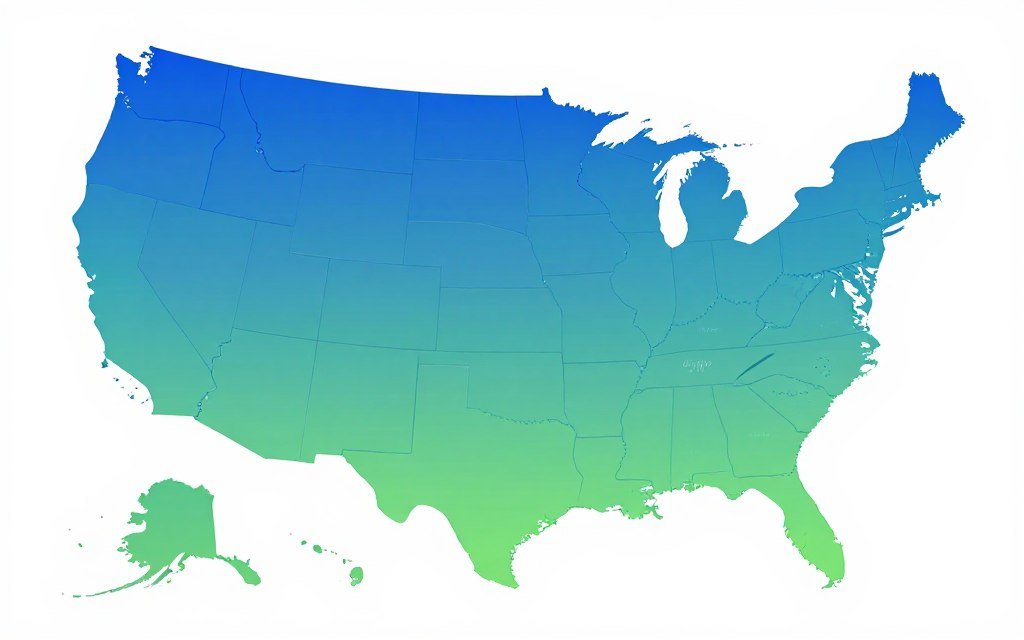
State income taxes add another layer to tax filing. Requirements vary dramatically depending on where you live and work.
States Without Income Tax
Nine states have no income tax on wages. These include Alaska, Florida, Nevada, New Hampshire, South Dakota, Tennessee, Texas, Washington, and Wyoming.
Living in these states simplifies tax filing. You only deal with federal taxes unless you have income from other states.
Some no-income-tax states have higher sales or property taxes. Overall tax burden varies based on spending and property ownership.
Multi-State Tax Situations
Working remotely for out-of-state employers creates complications. Some states tax income earned within their borders regardless of residence.
Reciprocity agreements prevent double taxation. Certain state pairs have agreements so you only file in your home state.
Part-year residents must file multiple returns. If you moved between states during the year, you file returns for both states.
Retirement income rules differ by state. Some states tax pensions and Social Security while others exempt retirement income.
State-Specific Tax Credits and Deductions
Many states offer unique tax benefits. Research credits available in your state for things like college savings, renewable energy, or historic preservation.
Property tax credits help homeowners in high-tax states. Some states offer refunds or credits for excessive property tax payments.
Sales tax deductions benefit residents of states without income tax. You can deduct state sales tax paid instead of state income tax.
Education savings plans provide state tax deductions. Contributing to 529 college savings plans often reduces state taxable income.
How to Avoid Tax Audits
Most taxpayers never face an IRS audit. However, certain red flags increase your chances of examination.
Red Flags That Trigger Audits
Unusually large deductions compared to income raise questions. Claiming $50,000 in business expenses on $60,000 of income invites scrutiny.
Round numbers everywhere look suspicious. Real expenses rarely end in perfect zeros across all categories.
Excessive business losses year after year trigger hobby loss rules. The IRS expects businesses to show profit eventually.
High charitable deductions need strong documentation. Claiming donations exceeding 30% of income requires perfect records.
Documentation Best Practices
Keep all receipts for deductible expenses. Digital copies work fine if they are clear and complete.
Maintain detailed mileage logs for business driving. GPS tracking apps provide acceptable records for the IRS.
Save bank and credit card statements. These provide backup documentation for business expenses.
Keep tax returns and supporting documents for seven years. The IRS can audit returns up to six years old in some cases.
What to Do If Audited
Do not panic if you receive an audit notice. Most audits request specific documentation by mail without in-person meetings.
Respond promptly to all IRS correspondence. Missing deadlines makes situations worse.
Provide only what the IRS requests. Do not volunteer additional information unless specifically asked.
Consider professional representation for complex audits. Tax professionals who handle audits regularly know how to navigate the process.
Final Thoughts on Your Tax Filing Checklist 2026

Proper tax preparation saves money and reduces stress. This comprehensive tax filing checklist 2026 gives you everything needed to file accurately and on time.
Start gathering your tax documents now rather than waiting until April. Early preparation prevents last-minute scrambling and potential mistakes.
Remember that tax laws change frequently. What worked last year might not apply this year, so stay informed about new rules and requirements.
Take advantage of all deductions and credits you qualify for legally. Proper planning throughout the year maximizes your tax savings.
Consider professional help if your situation is complex. The cost of expert guidance often pays for itself through additional tax savings.
Keep excellent records year-round instead of trying to reconstruct everything at tax time. Good documentation protects you if questions arise later.
File electronically and choose direct deposit for faster refunds. E-filing with direct deposit gets your refund money in as little as 10 days.
Do not let tax filing overwhelm you. Breaking the process into manageable steps makes it much less stressful.
Plan ahead for next year starting now. Adjusting withholding and making strategic financial decisions throughout 2026 sets you up for success next tax season.