U.S. Citizenship Interview Questions: Complete 2026 Preparation Guide
The path to becoming a United States citizen represents one of the most significant milestones for permanent residents. In 2026, more than 800,000 immigrants will take the naturalization interview.
The citizenship interview is your final step toward naturalization. During this interview, a USCIS officer will ask questions about your application and test your knowledge of U.S. history and government.
This guide provides everything you need to prepare for U.S. citizenship interview questions. You will learn about the civics test, required documents, common mistakes, and practical tips from immigration experts.
What the U.S. Citizenship Interview Process Means
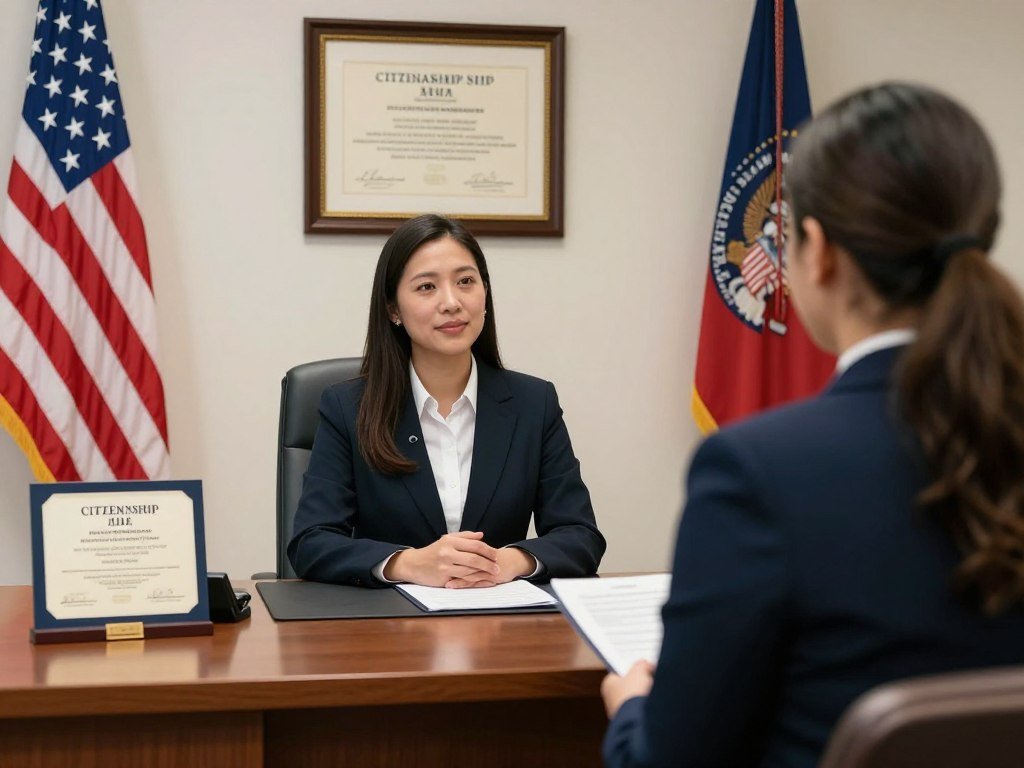
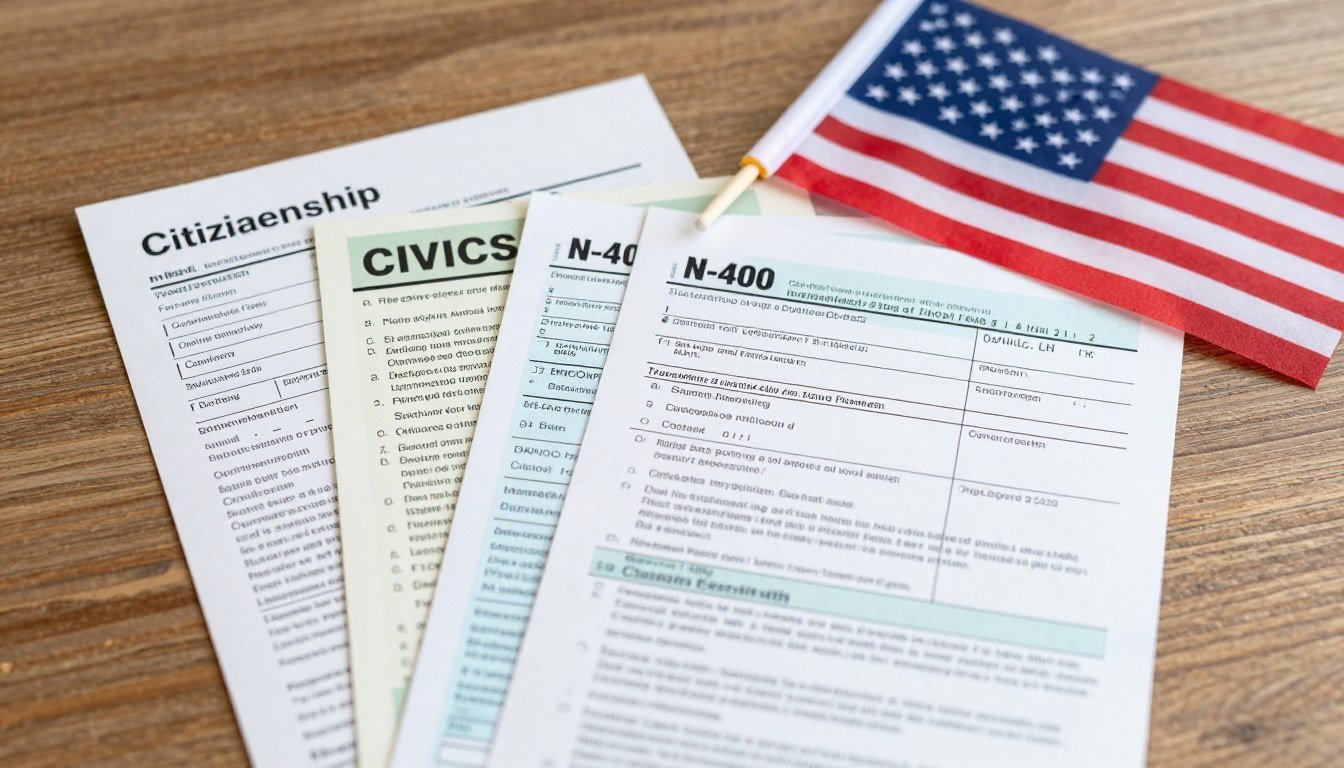
The naturalization interview is the final step in your journey to become a U.S. citizen. After you file Form N-400, Application for Naturalization, USCIS will schedule your interview.
During the interview, a USCIS officer will verify information on your application. The officer will ask questions about your background, residence, and moral character.
Key Terms You Should Know
- Naturalization: The process by which a permanent resident becomes a United States citizen
- N-400 Form: The official application for naturalization that permanent residents must file
- Civics Test: An examination testing your knowledge of U.S. history and government during the naturalization interview
- USCIS Officer: The government official who conducts your citizenship interview and asks questions
- Permanent Resident: An immigrant who holds a green card and has permission to live permanently in the United States
Who Qualifies for U.S. Citizenship
Most permanent residents can apply for citizenship after living in the United States for five years. If you are married to a U.S. citizen, you may qualify after three years.
You must be at least 18 years old to apply for naturalization. Some applicants over 65 years old receive accommodations for the civics test.
The citizenship interview takes place at your local USCIS office. The officer will ask you questions in English to test your language skills.
Requirements and Eligibility for Citizenship Interview
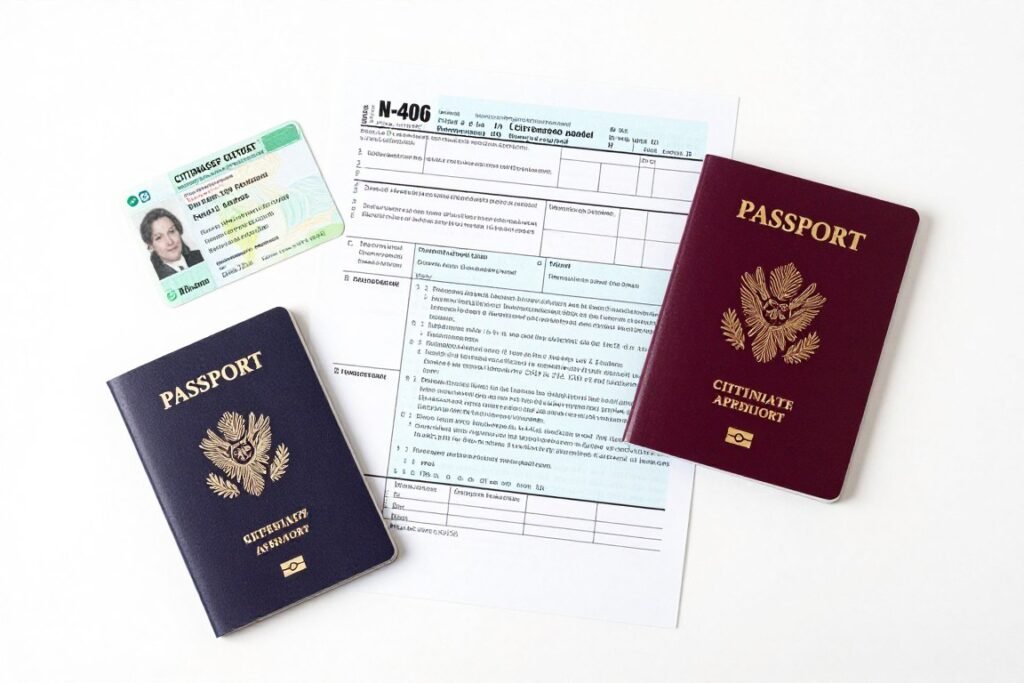
Before you attend your naturalization interview, you must meet specific eligibility requirements. USCIS will verify these requirements during the interview process.
Major Eligibility Rules for Naturalization
Residence Requirements
- Five years as a permanent resident (or three years if married to a U.S. citizen)
- Physical presence in the United States for at least half of required time
- Continuous residence without trips longer than six months
- Three months of residence in your USCIS district before filing
Other Key Requirements
- At least 18 years old at time of filing
- Good moral character for required period
- Basic English reading, writing, and speaking skills
- Knowledge of U.S. history and government (civics test)
Documents Needed for Your Interview
The USCIS officer will ask to see specific documents during your naturalization interview. Bring original documents and copies to your interview.
- Your green card (permanent resident card)
- Valid state-issued identification or driver’s license
- Your passport (current and all expired passports)
- All travel documents used outside the United States
- Re-entry permits if you traveled for more than six months
- Marriage certificate if applying based on marriage to U.S. citizen
- Divorce or death certificates from previous marriages
- Tax returns for the past five years (or three years for marriage-based applications)
- Selective Service registration confirmation (for men ages 18-26)
- Any court documents related to arrests or citations
Important Note: If you changed your name, bring legal documentation of the name change. The USCIS officer may ask questions about any name changes during your interview.
Step-by-Step Citizenship Interview Process
The naturalization interview follows a structured process. Understanding each step helps you prepare properly and reduces interview anxiety.
Complete Interview Process From Start to Finish
- File Form N-400: Complete and submit your Application for Naturalization with required documents and filing fee to USCIS.
- Biometrics Appointment: USCIS will schedule you for fingerprinting at an Application Support Center within several weeks of filing.
- Interview Notice: You will receive a notice with your interview date, time, and location. This typically arrives 3-6 months after filing.
- Prepare for Interview: Study civics questions, review your N-400 application, and gather all required documents before your scheduled interview.
- Attend Interview: Arrive early at your local USCIS office. The officer will verify your identity and escort you to the interview room.
- Take Oath: The USCIS officer will place you under oath. You must tell the truth during the entire naturalization interview.
- Review N-400 Application: The officer will ask questions about information on your application form. Answer honestly and clearly.
- Take English Test: The officer will test your ability to read, write, and speak English during the interview conversation.
- Take Civics Test: You will answer up to 10 questions about U.S. history and government. You must answer at least 6 questions correctly.
- Receive Decision: In most cases, the USCIS officer will inform you of the decision at the end of your interview.
- Attend Oath Ceremony: If approved, USCIS will schedule your naturalization ceremony where you become a United States citizen.
What Happens During the Civics Test
The civics test is a key part of your citizenship interview. The USCIS officer will ask you up to 10 questions from a list of 100 possible civics questions.
You must answer at least 6 questions correctly to pass the civics test. The officer will stop asking questions once you answer 6 correctly.
Questions cover three main topics: American government, American history, and integrated civics. All questions come from the official USCIS study materials.
Test Accommodation: If you are 65 years old or older and have lived in the United States as a permanent resident for at least 20 years, you may take an easier version of the civics test with only 20 questions to study.
Most Common U.S. Citizenship Interview Questions
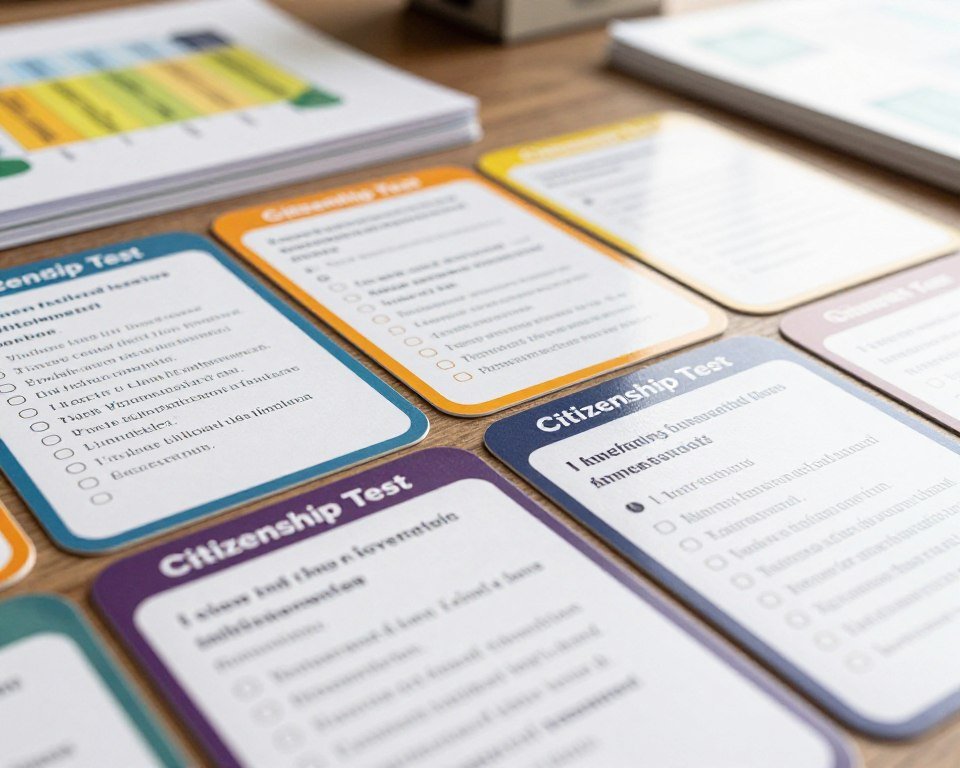
USCIS publishes 100 official civics questions that can appear on your naturalization test. The officer will select 10 questions from this list during your interview.
These questions test your knowledge of U.S. government, American history, and civic responsibilities. We have organized the most frequently asked questions by category.
American Government Questions
Questions about government make up the largest part of the civics test. You should know about the Constitution, the three branches of government, and citizen rights.
U.S. History Questions
History questions cover important events, people, and documents. You should know about the Declaration of Independence, the Civil War, and civil rights movements.
Integrated Civics and Geography
These questions test your knowledge of American geography, symbols, and holidays. The USCIS officer may ask about state locations, national symbols, or federal holidays.
| Question Category | Number of Questions | Key Topics |
| American Government | 57 questions | Constitution, branches of government, rights, voting |
| American History | 28 questions | Colonial period, 1800s, recent history, civil rights |
| Integrated Civics | 15 questions | Geography, symbols, holidays |
You can find the complete list of 100 civics questions on the official USCIS website. The website provides the questions in multiple languages to help you study.
Citizenship Interview Processing Time and Costs

Understanding the timeline and costs for naturalization helps you plan properly. Processing times vary by location, but most applicants complete the process within 8-12 months.
Current USCIS Filing Fees
The filing fee for Form N-400 includes the application processing fee and biometrics fee. As of 2026, USCIS charges the following fees for naturalization:
| Fee Type | Amount | Who Pays |
| N-400 Filing Fee | $640 | All applicants |
| Biometric Services Fee | $85 | Most applicants (some exceptions apply) |
| Total Standard Fee | $725 | Standard applicants |
| Reduced Fee (with income waiver) | $380 | Applicants earning 150-200% of poverty guidelines |
Some applicants qualify for a fee waiver if their household income is at or below 150% of federal poverty guidelines. You must submit Form I-912 to request a fee waiver.
Estimated Processing Timeline
The time from filing your N-400 to taking the oath of citizenship varies by USCIS office. Here is the typical timeline for most applicants:
- Filing to Receipt Notice: 2-3 weeks after USCIS receives your application
- Biometrics Appointment: 4-8 weeks after filing your N-400 form
- Interview Scheduling: 3-6 months after your biometrics appointment
- Interview to Decision: Same day for most applicants (some cases require additional review)
- Oath Ceremony Scheduling: 2-6 weeks after interview approval
- Total Timeline: 8-12 months from filing to oath ceremony (varies by location)
Some USCIS offices have longer processing times. You can check current processing times for your local office on the USCIS website.
Processing Delays: USCIS may request additional evidence or schedule a second interview. These situations extend your processing time. Common reasons include background check delays, missing documents, or questions about your application.
Common Mistakes to Avoid During Citizenship Interview

Many applicants make preventable mistakes that can delay or complicate their naturalization interview. Learning from common errors helps you prepare effectively.
Top Mistakes Applicants Make
- Arriving late or missing the interview appointment without rescheduling
- Bringing incomplete documents or forgetting original documents
- Failing to disclose arrests, citations, or legal issues on Form N-400
- Not studying the civics questions thoroughly before the interview
- Exaggerating English skills on the application when language ability is limited
- Providing inconsistent answers that contradict information on N-400
- Traveling outside the United States for extended periods after filing N-400
- Not reporting address changes to USCIS after submitting application
Mistakes to Avoid
- Arrive at least 15-30 minutes before your scheduled interview time
- Prepare a complete document folder with originals and copies
- Disclose all legal issues honestly on your application form
- Study all 100 civics questions multiple times before interview
- Be honest about your English level and request accommodations if needed
- Review your N-400 thoroughly before the interview to ensure consistency
- Avoid international travel after filing or keep trips under 6 months
- Update USCIS immediately if you move after submitting N-400
Best Practices
Critical Errors That Can Result in Denial
Some mistakes are more serious than others. These errors can lead to application denial or even removal proceedings in extreme cases.
- False Testimony: Lying to the USCIS officer during your interview violates your oath and can result in immediate denial
- Undisclosed Criminal History: Failing to report arrests or convictions raises serious concerns about moral character
- Extended Absences: Long trips outside the United States can break continuous residence and disqualify you from naturalization
- Tax Issues: Not filing required tax returns or paying owed taxes demonstrates lack of good moral character
- Selective Service Failure: Men who were required to register but did not may face automatic denial
What Happens If You Fail the Interview??
If you fail the English or civics test, USCIS gives you a second chance. The officer will schedule another interview within 60-90 days.
You only need to retake the part you failed. If you passed the English test but failed civics, you will only retake the civics test at your second interview.
If you fail both tests at the second interview, USCIS will deny your application. You must wait at least 6 months before filing a new N-400 application.
Tips to Improve Your Citizenship Interview Approval Chances

Proper preparation significantly increases your chances of passing the citizenship interview on your first attempt. These proven strategies help thousands of immigrants succeed each year.
Effective Study Strategies for Civics Test
The civics test requires memorization of 100 questions. Use these study methods to learn the material effectively.
Study Method 1: Flashcards
Create physical or digital flashcards with questions on one side and answers on the other. Review 10-15 cards daily until you know all answers.
Study Method 2: Practice Tests
Take multiple practice tests online. Many websites offer free civics practice tests that simulate the real interview experience.
Study Method 3: Study Groups
Join a citizenship preparation class or study group. Practicing with others helps you learn faster and builds confidence.
Legal and Practical Preparation Tips
Before Your Interview
- Review your entire N-400 application several times before the interview date
- Make copies of all documents you are bringing to the interview
- Visit your USCIS office location before interview day to know exactly where to go
- Prepare answers about your time as a permanent resident in the United States
- Practice speaking English with friends, family, or language partners
- Get a good night’s sleep and eat breakfast on interview morning
During Your Interview
- Dress professionally in business or business casual attire
- Bring all required original documents in an organized folder
- Arrive early and be polite to all USCIS staff members
- Listen carefully to each question before answering the USCIS officer
- Ask the officer to repeat questions if you do not understand
- Answer questions directly and honestly without providing extra information
- Stay calm if you do not know an answer to a civics question
English Language Preparation
The USCIS officer tests your English skills throughout the naturalization interview. You must demonstrate ability to read, write, and speak English.
For the reading test, the officer will ask you to read one of three sentences correctly. For the writing test, you must write one of three sentences correctly.
Exemptions Available: Some applicants qualify for English test exemptions based on age and time as a permanent resident. If you are 50 years old with 20 years as a resident, or 55 years old with 15 years as a resident, you may take the test in your native language with an interpreter.
Resources to Help You Study
Many free resources are available to help you prepare for U.S. citizenship interview questions. These official and community resources provide valuable study materials.
- USCIS Official Materials: Download the complete list of 100 civics questions with answers from USCIS.gov
- Citizenship Classes: Many libraries, community colleges, and nonprofit organizations offer free citizenship preparation classes
- Online Practice Tests: Websites provide free practice civics tests to help you study
- Mobile Apps: Download citizenship test apps to study questions on your phone
- Adult Education Programs: Contact local adult education centers for English and civics classes
Latest Updates and Policy Changes for 2026
USCIS periodically updates citizenship requirements and procedures. Staying informed about current policies ensures you prepare correctly for your naturalization interview.
Recent Changes to Citizenship Test
In December 2020, USCIS introduced a longer civics test with 128 questions. However, USCIS returned to the original 100-question test in March 2021.
As of 2026, the naturalization interview uses the 2008 version of the civics test with 100 questions. This version remains the standard test for all applicants.
Current Processing and Policy Updates
Several important changes affect citizenship applications in 2026. These updates impact processing times, fees, and interview procedures.
- USCIS expanded use of video-based interviews for some applicants in specific circumstances
- Processing times have stabilized after pandemic-related delays ended
- Fee increases implemented in 2024 remain in effect for 2026
- Enhanced background check procedures may extend processing for some applicants
- Same-day oath ceremonies are available at more USCIS offices than before
Possible Future Changes
Congress continues to discuss immigration reform proposals. While no major changes are currently scheduled, potential future updates could affect citizenship requirements.
Always check the official USCIS website for the most current information before your interview. Policy changes take effect immediately when announced.
Stay Informed: Subscribe to USCIS email updates to receive notifications about policy changes that may affect your naturalization application. Visit the USCIS website regularly for announcements.
State-Specific Considerations
Processing times and interview wait times vary significantly by state and USCIS field office. Some offices schedule interviews within 3 months while others take 8-10 months.
Check processing times for your specific USCIS office before planning your citizenship timeline. Processing time information is available on the USCIS website by entering your office location.
Your Path to U.S. Citizenship Success
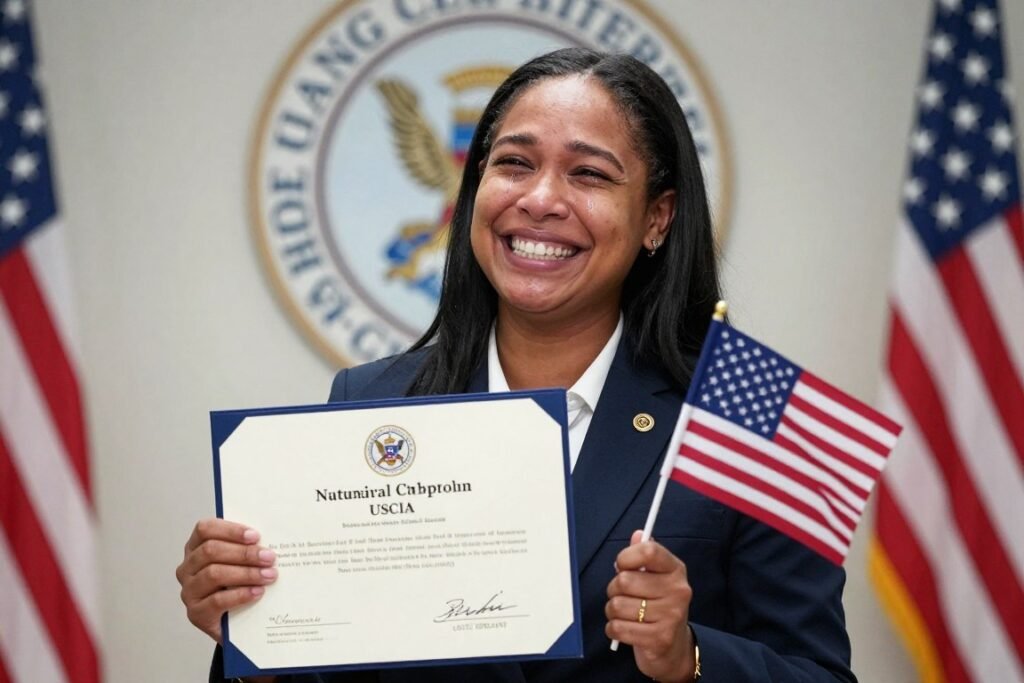
Preparing for U.S. citizenship interview questions requires dedication and thorough preparation. You must study the civics test questions, practice your English skills, and organize all required documents.
The naturalization interview is your opportunity to demonstrate you meet all requirements to become a United States citizen. The USCIS officer will ask questions about your application, test your civics knowledge, and verify your eligibility.
Most applicants who prepare properly pass the citizenship interview on their first attempt. Study all 100 civics questions, review your N-400 application thoroughly, and bring complete documentation to your interview.
Take the Next Step Today
Your journey to citizenship begins with proper preparation. Take advantage of available resources, avoid common mistakes, and approach your interview with confidence.
Remember that becoming a U.S. citizen is a significant achievement. The rights and privileges of citizenship come with responsibilities to participate in American democracy.