Latest U.S. Immigration Policy Changes in 2026: Complete Guide
The United States immigration system continues to evolve rapidly in 2026. New policies affect millions of foreign nationals seeking to enter, work, or live permanently in the United States.
These changes impact every immigration category. From immigrant visas to temporary work permits, understanding current requirements helps you make informed decisions.
This comprehensive guide explains the latest U.S. immigration policy 2026 updates in plain language. Whether you’re applying for a green card, renewing a visa, or seeking asylum, you’ll find clear answers to your questions.
What U.S. Immigration Policy Means in 2026
U.S. immigration policy refers to federal laws and regulations governing foreign nationals’ entry into the United States. These policies determine who can visit, work, study, or become permanent residents.
Key Immigration Terms You Should Know
Understanding basic immigration terminology helps you navigate the system more effectively. Here are essential terms for 2026:
- Foreign nationals: People who are not U.S. citizens or permanent residents
- Immigrant visas: Permits allowing permanent residence in the United States (green cards)
- Nonimmigrant visas: Temporary permits for specific purposes like tourism, work, or study
- Screening and vetting: Security checks all visa applicants must pass before entry
- Admission: Official permission to enter United States territory
- National security: Protection measures affecting visa eligibility and processing
Who Qualifies Under Current Immigration Pathways
Several pathways exist for foreign nationals seeking to enter the United States. Each category has specific eligibility requirements.
Family-Based Immigration
U.S. citizens and permanent residents can sponsor immediate family members. This remains the most common pathway for immigrant visas.
- Spouses of U.S. citizens
- Unmarried children under 21
- Parents of adult citizens
- Siblings and adult children (with waiting periods)
Employment-Based Immigration
Employers can sponsor foreign workers with specialized skills. Multiple categories exist based on education and experience levels.
- Priority workers with extraordinary ability
- Professionals with advanced degrees
- Skilled workers and professionals
- Seasonal and temporary workers
Humanitarian Protection
The United States offers protection to those fleeing persecution or disaster. These programs have specific eligibility criteria.
- Asylum seekers facing persecution
- Refugees selected abroad
- Temporary Protected Status recipients
- Special immigrant categories
Diversity and Special Programs
Additional pathways exist for nationals from underrepresented countries and special circumstances.
- Diversity Visa Lottery participants
- Afghan and Iraqi special immigrants
- Religious workers
- International organization employees
Requirements and Eligibility for Entry to the United States
Entry requirements vary significantly based on your nationality, purpose of travel, and immigration category. The U.S. immigration policy 2026 framework emphasizes enhanced screening and vetting procedures.
General Eligibility Requirements
All foreign nationals must meet baseline requirements before receiving permission to enter United States territory. These standards apply regardless of visa type.
- Valid passport from your country of citizenship with at least six months remaining validity
- Approved visa or travel authorization appropriate for your purpose of visit
- Proof of sufficient financial resources to support yourself during your stay
- Clear intention to depart after your authorized period (for temporary visas)
- No criminal history that would make you inadmissible under U.S. law
- Completion of required medical examinations and vaccinations
- Passing security screening and vetting procedures conducted by U.S. authorities
Country-Specific Restrictions in 2026
Certain countries face additional restrictions affecting visa processing and admission. These policies aim to protect security and public safety interests.
Nationals from countries subject to enhanced vetting face longer processing times. The Secretary of Homeland Security maintains an updated list of affected countries.
Important Note: Travel restrictions can change quickly based on diplomatic relations, security concerns, and public health situations. Always check current restrictions for your nationality before making travel plans.
Essential Documents Required
Proper documentation is critical for successful visa applications and entry. Missing or incomplete documents cause most application delays.
Identity and Travel Documents
- Current passport valid beyond your intended stay
- Previous passports showing travel history
- National identity card (if applicable)
- Birth certificate with certified translation
- Marriage certificate or divorce decree (if applicable)
Supporting Documentation
- Financial statements showing adequate funds
- Employment verification letter or business documents
- Educational certificates and transcripts
- Police clearance certificates from countries of residence
- Medical examination results from approved physicians
- Proof of ties to home country (property, family, employment)
- Invitation letters or sponsorship documents when required
Enhanced Screening and Vetting Procedures
Security screening represents a critical component of U.S. immigration policy 2026. All applicants undergo thorough background checks before receiving approval.
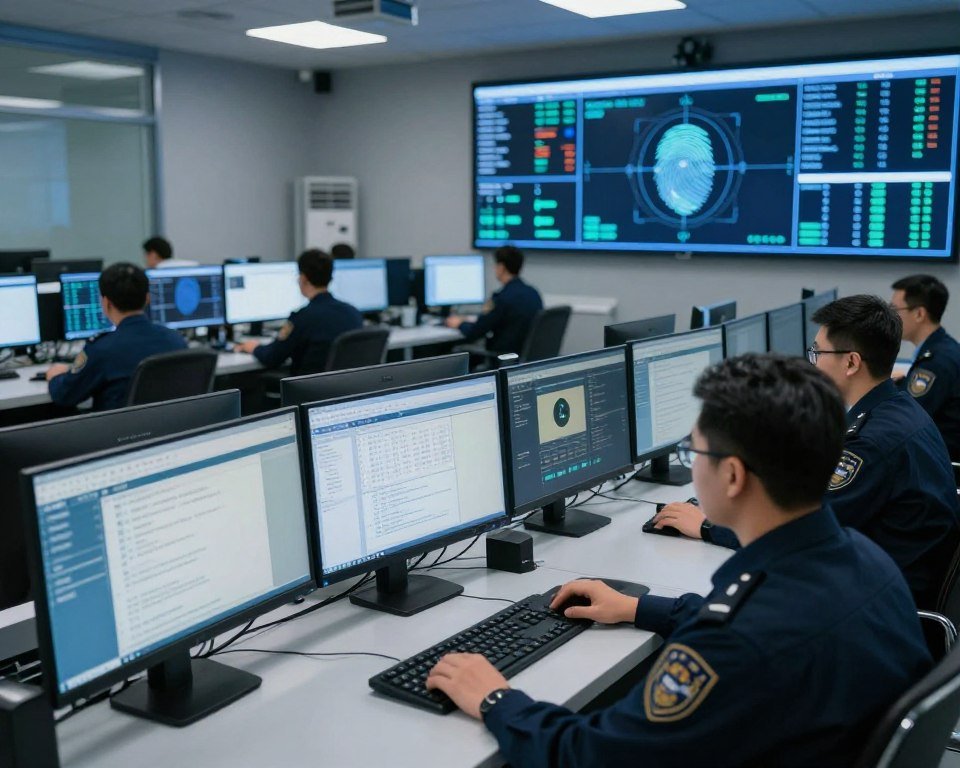
What the Vetting Process Includes
The screening and vetting process involves multiple government agencies. These checks help protect national security and public safety.
- Biometric data collection including fingerprints and photographs
- Database checks against criminal and terrorism watchlists
- Interview with consular officers at U.S. embassies abroad
- Social media review for certain visa categories
- Verification of employment and educational credentials
- Review of previous travel history and visa compliance
- Assessment of potential public benefits usage risk
Processing Timeline Expectations
Vetting timeframes vary significantly by nationality, visa type, and individual circumstances. Understanding realistic timelines helps you plan accordingly.
| Visa Category | Standard Processing | Enhanced Vetting Cases | Expedited Options |
| Tourist Visa (B-2) | 2-4 weeks | 6-12 weeks | Emergency appointment available |
| Student Visa (F-1) | 3-5 weeks | 8-16 weeks | Limited availability |
| Work Visa (H-1B) | 3-6 months | 6-12 months | Premium processing available |
| Immigrant Visa | 6-18 months | 12-36 months | Very limited |
Processing times continue to fluctuate based on consular workload and security requirements. Cases requiring additional administrative processing take significantly longer.
Step-by-Step Immigration Application Process
Successfully navigating the U.S. immigration system requires following specific procedures in the correct order. This section outlines the standard process for most visa categories.
For Nonimmigrant Visas (Temporary Stay)
- Determine your visa category: Identify the appropriate nonimmigrant visa type for your purpose of travel. Common categories include tourist visas, student visas, and temporary work permits.
- Complete Form DS-160: Fill out the online nonimmigrant visa application through the Consular Electronic Application Center. Save your application confirmation number.
- Pay application fees: Submit the required visa application fee. Payment methods vary by country and consular location.
- Schedule visa interview: Book an appointment at the U.S. embassy or consulate in your country. Wait times vary significantly by location.
- Gather supporting documents: Collect all required documentation including financial statements, employment letters, and proof of ties to your home country.
- Attend biometric appointment: Provide fingerprints and photographs at a designated collection facility.
- Complete visa interview: Attend your scheduled interview with a consular officer. Be prepared to answer questions about your travel plans and background.
- Wait for administrative processing: Some cases require additional screening and vetting beyond the interview. Processing times vary.
- Receive passport with visa: Once approved, your passport will be returned with the visa stamp. Check all details for accuracy.
- Plan your travel: Book travel only after receiving your valid visa. Arrive at ports of entry with all supporting documents.
For Immigrant Visas (Permanent Residence)
- Establish eligibility: Confirm you qualify for an immigrant visa category such as family sponsorship or employment-based immigration.
- Petition filing: Your sponsor (family member or employer) files Form I-130 or I-140 with U.S. Citizenship and Immigration Services.
- Wait for priority date: Monitor visa bulletin to track when your priority date becomes current. This determines when you can proceed with your application.
- Submit DS-260 form: Complete the online immigrant visa application when your priority date is current.
- Collect civil documents: Obtain birth certificates, marriage certificates, police clearances, and other required civil documents with certified translations.
- Complete medical examination: Visit an approved panel physician for required medical screening and vaccinations.
- Attend interview: Appear at the U.S. embassy or consulate for your immigrant visa interview with all documents.
- Administrative processing: Wait for final security screening and vetting. This step takes weeks to months depending on your case.
- Receive visa packet: Upon approval, receive sealed packet and immigrant visa in your passport. Do not open the sealed packet.
- Enter United States: Travel to the United States within the visa validity period. Present your visa packet to Customs and Border Protection officers.
- Receive green card: Your permanent resident card will be mailed to your U.S. address within weeks of entry.
Critical Reminder: Never provide false information on visa applications. Misrepresentation can result in permanent inadmissibility to the United States. If you’re unsure how to answer questions, consult with qualified immigration counsel before submission.
Key Government Resources
Official government websites provide authoritative information and application portals. Always use these official sources for accurate guidance:
- U.S. Citizenship and Immigration Services (USCIS) – Processes immigration benefits and petitions within the United States
- U.S. Department of State Bureau of Consular Affairs – Manages visa processing at embassies and consulates abroad
- U.S. Department of Homeland Security – Oversees border security and immigration enforcement policies
- Customs and Border Protection – Controls admission at ports of entry into United States
Processing Time and Costs for 2026 Applications
Understanding financial requirements and realistic timelines helps you plan your immigration journey effectively. Costs vary significantly based on visa type and individual circumstances.
Government Filing Fees
U.S. Citizenship and Immigration Services and the Department of State charge mandatory fees for visa processing. These amounts are set by government regulation and change periodically.
| Application Type | USCIS Fee | DOS Fee | Biometric Fee | Total Cost |
| Nonimmigrant Visa Application | Varies by type | $185 | Included | $185-$500 |
| Family-Based Immigrant Petition | $535-$675 | $325 | $85 | $945-$1,085 |
| Employment-Based Petition | $700-$1,015 | $345 | $85 | $1,130-$1,445 |
| Naturalization Application | $725 | N/A | Included | $725 |
Additional costs often include medical examinations ($200-$500), certified document translations ($20-$100 per document), and travel expenses for interviews.
Realistic Timeline Expectations
Processing times fluctuate based on application volume, security requirements, and USCIS workload. The following represent typical processing periods in 2026:
- Tourist visa renewal with valid history
- Premium processing for work visas
- Adjustment of status with immediate relative
- Travel document renewal for residents
Fast Processing (Weeks)
- First-time nonimmigrant visa applications
- Employment authorization documents
- Family preference petitions
- Naturalization applications
- Most routine USCIS applications
Standard Processing (Months)
- Family fourth preference categories
- Employment third preference from oversubscribed countries
- Diversity visa with administrative processing
- Cases requiring waivers of inadmissibility
Extended Processing (Years)
Pro Tip: Check the USCIS processing times page regularly for updated estimates specific to your application type and service center. Processing times are not guarantees but provide general guidance for planning purposes.
Common Mistakes to Avoid in Immigration Applications
Small errors can cause significant delays or denials. Learning from common mistakes helps you submit stronger applications.
Critical Errors That Lead to Denials
- Incomplete or inconsistent information: Providing conflicting details across different forms raises red flags during screening and vetting. Ensure all dates, addresses, and facts match exactly across every document you submit. Double-check spelling of names and places.
- Missing required documentation: Submitting applications without all supporting documents guarantees delays or denials. Create a comprehensive checklist before beginning your application and verify you have every required piece of evidence.
- Insufficient proof of ties to home country: For nonimmigrant visas, failing to demonstrate strong connections to your country suggests immigrant intent. Provide substantial evidence of employment, property ownership, family relationships, or other compelling reasons to return home.
- Inadequate financial documentation: Visa officers must confirm you can support yourself without becoming a public burden. Include bank statements covering several months, employment verification letters, sponsor affidavits of support, or other financial evidence showing adequate resources.
- Late application submissions: Missing deadlines or applying too close to travel dates creates unnecessary pressure and limits options if problems arise. Begin the visa application process several months before your intended travel date when possible.
- Providing false information: Any misrepresentation on immigration applications constitutes fraud and can result in permanent inadmissibility. Even minor lies about employment history or educational credentials can have severe consequences. Always tell the truth and seek legal guidance if you’re uncertain about how to answer questions.
- Ignoring previous visa violations: Past overstays or unauthorized employment must be addressed properly. Attempting to hide previous violations almost always backfires during screening. Consult with an immigration attorney about potential waivers if you have violated visa terms previously.
- Poor interview preparation: Arriving unprepared for your consular interview significantly reduces approval chances. Research common interview questions for your visa category, organize your documents logically, and practice explaining your circumstances clearly and confidently.
Documentation Mistakes
Proper documentation is fundamental to successful applications. These specific documentation errors occur frequently:
- Submitting expired documents or certificates
- Providing translations without proper certification
- Using photocopies when originals are required
- Failing to notarize documents that require notarization
- Including documents in languages other than English without translation
- Submitting photos that don’t meet specification requirements
- Providing bank statements that are too old
Important: Document requirements change periodically. Always verify current requirements on official USCIS and Department of State websites before submitting applications. What was acceptable last year may no longer meet current standards.
Tips to Improve Your Approval Chances
Strategic preparation significantly increases your likelihood of visa approval. These proven strategies help strengthen your application.
Strengthen Your Application
- Submit comprehensive supporting evidence: Include more documentation than the minimum required. Strong applications demonstrate preparedness and transparency. Provide employment letters, financial statements, property deeds, family photos, and any other evidence supporting your case.
- Maintain detailed records: Keep copies of everything you submit including application forms, supporting documents, payment receipts, and correspondence. Organized record-keeping proves invaluable if questions arise during processing or at ports of entry.
- Be completely honest: Truthfulness builds credibility with immigration officers. If you made mistakes in the past or have complicated circumstances, address them directly with proper explanations rather than attempting to hide information.
- Follow instructions precisely: Read all form instructions carefully and follow them exactly. Use correct form versions, answer every question, sign where required, and include all requested attachments in the specified format.
- Demonstrate strong ties: For temporary visas, proving you will return home is critical. Provide employment contracts with future start dates, property ownership documents, children’s school enrollment, or other evidence of ongoing commitments in your home country.
- Show adequate financial resources: Include several months of bank statements showing consistent balances. If a sponsor supports you, ensure they meet income requirements and provide complete Form I-134 or I-864 affidavits of support with tax returns and employment verification.
Interview Success Strategies
Your consular interview represents a critical moment in the visa process. These strategies help you make the best impression:
Before the Interview
- Research common questions for your visa category
- Organize documents in logical order for easy access
- Practice explaining your situation concisely
- Dress professionally and arrive early
- Review your application forms to refresh your memory
- Prepare for questions about previous travel or visa history
During the Interview
- Answer questions directly and honestly
- Speak clearly and confidently
- Provide documents when requested
- Don’t volunteer unnecessary information
- Remain polite even if questions seem repetitive
- Ask for clarification if you don’t understand a question
- Thank the officer regardless of the outcome
Understanding the Officer’s Perspective
Consular officers evaluate hundreds of applications. They look for specific indicators during screening and vetting:
- Consistency between your application and interview answers
- Credibility of your stated purpose for travel or immigration
- Likelihood you will comply with visa terms and conditions
- Absence of security concerns or potential inadmissibility issues
- Adequate preparation and understanding of the process
Remember: Visa officers want to approve qualified applicants. Their job is to protect United States security while facilitating legitimate travel and immigration. Presenting yourself as a well-prepared, honest applicant with a clear purpose greatly improves your approval odds.
Latest U.S. Immigration Policy Updates for 2026
Immigration policies continue evolving throughout 2026. Understanding recent changes helps you navigate current requirements effectively.
Enhanced Security Measures
National security remains the top priority in U.S. immigration policy 2026. New measures affect screening and vetting procedures for foreign nationals from certain countries.
The Secretary of Homeland Security, working with the Director of National Intelligence, has implemented stricter protocols for nationals from countries presenting elevated security risks. These enhanced procedures extend processing times but aim to protect security and public safety.
- Expanded biometric data collection requirements for all visa categories
- Additional interview requirements for certain nonimmigrant visa renewals
- Enhanced social media review procedures for applicants from high-risk countries
- Increased scrutiny of financial documentation to prevent public benefits usage
- Stricter validation of employment offers for work visa applicants
Changes to Visa Validity Periods
Recent policy updates have reduced validity periods for nonimmigrant visas issued to nationals of certain countries. These changes reflect reciprocity agreements and security considerations.
Countries subject to reduced visa validity include those with limited cooperation on repatriation of their nationals or inadequate identity document security. Foreign nationals from affected countries may now receive visas valid for shorter periods, requiring more frequent renewal.
Public Benefits Considerations
Immigration authorities now conduct enhanced assessment of whether applicants are likely to become dependent on public benefits. This “public charge” evaluation affects both nonimmigrant and immigrant visa decisions.
Factors considered include age, health, family size, education, skills, and financial resources. Demonstrating self-sufficiency significantly improves application prospects.
Policy Impact: These changes particularly affect family-based immigrant visas and certain employment categories. Applicants must now provide more extensive financial documentation and evidence of sponsor support meeting updated income requirements.
Streamlined Processes for Certain Categories
While security measures have tightened in some areas, processing has improved for select visa categories:
- STEM professionals with advanced degrees
- Healthcare workers addressing critical shortages
- Agricultural workers during peak seasons
- Investors meeting increased capital requirements
- International students at accredited institutions
Expedited Categories
- Family-based preference categories
- Employment second and third preference
- Diversity visa lottery winners
- General tourist and business visitors
- Exchange visitor programs
Standard Processing
- Nationals from countries with security concerns
- Applicants with previous visa violations
- Cases involving waiver applications
- Asylum and refugee admissions
- Applications requiring extensive vetting
Extended Review
Country-Specific Developments
Several countries face new restrictions or processing changes affecting their nationals’ ability to obtain visas:
- Antigua and Barbuda: New interview requirements for all visa types due to passport security concerns
- Sierra Leone: Reduced validity periods for nonimmigrant visas pending improvements in document verification
- South Sudan: Enhanced vetting requirements for all applicants due to security situation
- Republic of Congo: Additional documentation required for employment-based applications
Nationals from these countries should allow extra processing time and prepare comprehensive documentation supporting their applications.
Technology and Modernization Initiatives
U.S. Citizenship and Immigration Services continues modernizing its systems in 2026:
- Expanded online filing options for additional form types
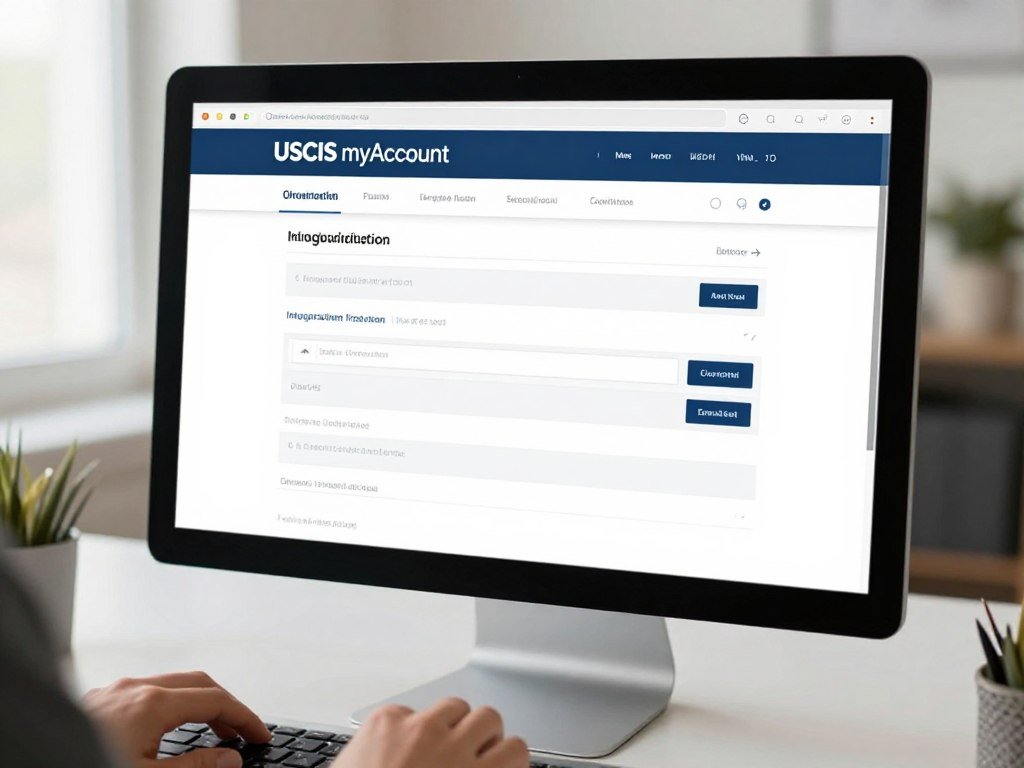
- Improved case status tracking through myUSCIS accounts
- Electronic document submission reducing mail delays
- Virtual interview pilots for certain visa categories
- Enhanced fraud detection using artificial intelligence
Asylum and Refugee Admissions in 2026
Humanitarian protection programs continue operating under modified procedures. Understanding current asylum and refugee policies is critical for those seeking protection in the United States.
Asylum Application Process
Asylum seekers must demonstrate persecution or well-founded fear of persecution based on race, religion, nationality, political opinion, or membership in a particular social group.
- Apply within one year of arriving in the United States (with limited exceptions)
- Submit Form I-589 Application for Asylum and Withholding of Removal
- Attend biometric services appointment
- Complete interview with asylum officer
- Receive decision or referral to immigration court
- If approved, apply for work authorization
- After one year, apply for lawful permanent resident status
Refugee Resettlement Program
Refugees are selected abroad and brought to the United States through government programs. The 2026 refugee admissions ceiling and allocation by region are set annually by presidential determination.
Processing for refugee admission includes extensive security screening, medical examinations, and cultural orientation before travel. Resettlement agencies provide initial support with housing, employment, and adjustment services.
Important Note: Asylum and refugee policies can change based on geopolitical situations, security assessments, and domestic policy priorities. These programs face ongoing debate and potential modifications throughout 2026.
Work Permits and Employment Authorization
Foreign nationals need proper authorization before working in the United States. Various pathways exist depending on your immigration status and circumstances.
Categories of Work Authorization
Employment authorization comes through several channels:
Automatic Work Authorization
- U.S. citizens and permanent residents
- Refugees and asylees
- Certain temporary visa holders (H-1B, L-1, etc.)
- Spouses of certain visa holders
Application-Based Authorization
- Pending asylum applicants (after 150 days)
- Pending adjustment of status applicants
- Students with practical training (OPT, CPT)
- Individuals with temporary protected status
Obtaining an Employment Authorization Document
Most work permits require filing Form I-765 Application for Employment Authorization. Processing times typically range from 3-6 months depending on your category and service center workload.
Employment Authorization Documents are typically valid for one or two years and must be renewed before expiration. Working without valid authorization can jeopardize your immigration status and future applications.
Pathways from Green Card to U.S. Citizenship
Permanent residents can apply for naturalization after meeting eligibility requirements. U.S. citizenship provides additional rights and eliminates certain immigration restrictions.
Naturalization Eligibility Requirements
Most permanent residents qualify for citizenship after five years of continuous residence. Spouses of U.S. citizens may apply after three years.
- Be at least 18 years old at application time
- Have continuous residence as permanent resident for required period
- Be physically present in United States for at least half the required time
- Demonstrate good moral character
- Pass English language test (with certain exceptions)
- Pass civics test on U.S. history and government
- Take oath of allegiance to the United States
Naturalization Application Process
- Determine eligibility for naturalization
- Complete Form N-400 Application for Naturalization
- Submit application with supporting documents and fees
- Attend biometric services appointment
- Complete naturalization interview and tests
- Receive decision on application
- Attend oath ceremony if approved
- Receive Certificate of Naturalization
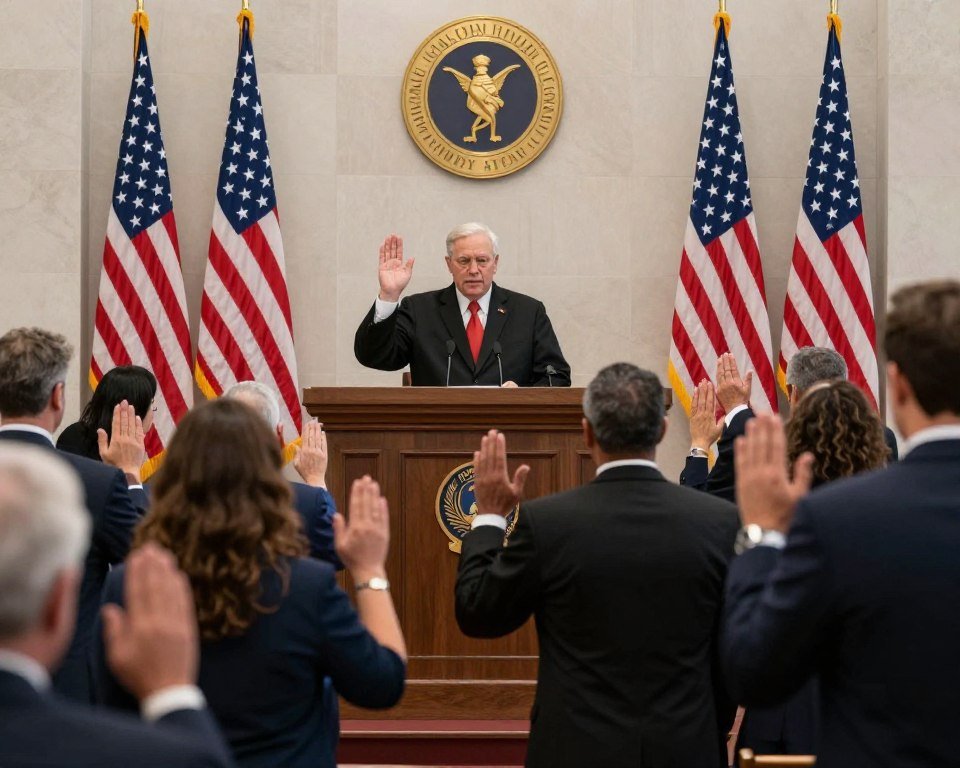
Becoming a U.S. citizen provides numerous benefits including voting rights, eligibility for federal jobs, ability to sponsor more family members, and protection from deportation. However, some countries don’t recognize dual citizenship, so research your country’s policies before applying.
Immigration Enforcement and Compliance in 2026
Understanding enforcement priorities helps foreign nationals maintain legal status and avoid violations that could jeopardize future immigration benefits.
Maintaining Legal Status
Compliance with visa terms and conditions is essential for protecting your immigration privileges:
- Depart before your authorized period expires
- Don’t work without proper authorization
- Maintain the purpose for which your visa was issued
- Report address changes to USCIS within 10 days of moving
- Keep your passport valid at all times
- Avoid criminal activity that could make you deportable
- Comply with all conditions attached to your specific visa category
Consequences of Violations
Immigration violations carry serious consequences:
| Violation Type | Potential Consequences | Bar to Future Entry |
| Overstay under 180 days | Visa cancellation, difficult future applications | No automatic bar |
| Overstay 180-365 days | Removal proceedings, visa ineligibility | 3-year bar |
| Overstay over 365 days | Deportation, severe future restrictions | 10-year bar |
| Unauthorized employment | Status termination, removal, future visa denial | Varies by circumstance |
| Fraud or misrepresentation | Permanent inadmissibility | Permanent bar (waiver possible) |
If you realize you’ve violated your status, consult with an immigration attorney immediately. Sometimes violations can be remedied or waived depending on the specific circumstances and timing.
Resources and Support for Immigrants
Numerous organizations provide assistance to foreign nationals navigating the U.S. immigration system. Knowing where to find reliable help is important.
Government Resources
Official government agencies provide authoritative information and services:
- USCIS Contact Center: Call 1-800-375-5283 for information about pending cases and general immigration questions
- USCIS Online Account: Track cases, file applications, and access immigration records at myaccount.uscis.gov
- National Visa Center: Contact for immigrant visa processing questions at nvc.state.gov
- U.S. Embassy Websites: Find country-specific visa information and appointment scheduling
Legal Assistance Organizations
Many nonprofit organizations offer free or low-cost legal help:
- Department of Justice’s list of free legal service providers by state
- American Immigration Lawyers Association (AILA) referral service
- Local bar associations with immigration law sections
- Law school immigration clinics offering supervised student assistance
- Recognized nonprofit organizations authorized to provide immigration services
Beware of Fraud: Only use authorized immigration service providers. Notarios, immigration consultants, and other non-lawyers often cannot provide legal representation. Verify credentials before paying for immigration services. Report suspected fraud to immigration authorities.
Conclusion: Navigating U.S. Immigration Successfully in 2026
Understanding U.S. immigration policy 2026 requires staying informed about evolving requirements, procedures, and enforcement priorities. The immigration system remains complex, but knowledge and proper preparation significantly improve your success chances.

Key takeaways for prospective immigrants and visa applicants include understanding enhanced screening and vetting procedures now standard for all foreign nationals. National security and public safety considerations affect processing times and approval decisions across all visa categories.
Successful applications require complete documentation, honest answers, and thorough preparation for consular interviews. Avoiding common mistakes like incomplete forms, insufficient financial evidence, or inadequate proof of home country ties protects your application from unnecessary delays or denials.
Policy changes will continue throughout 2026 affecting visa processing, immigrant visa allocation, and entry requirements for nationals from certain countries. Staying updated through official government sources ensures you have accurate information for your specific situation.
Whether you’re seeking temporary admission to the United States for tourism, education, or employment, or pursuing permanent residence through family or employment sponsorship, careful planning and attention to detail make the difference between success and frustration.
For complex cases, individuals with previous violations, or situations requiring legal interpretation of immigration law, professional guidance from qualified immigration attorneys provides valuable expertise. The investment in proper legal counsel often saves time, money, and stress while increasing approval odds.
Remember that immigration processes take time. Starting early, maintaining patience, and following instructions precisely lead to the best outcomes. Your immigration journey represents an important chapter in your life, deserving thorough preparation and informed decision-making.
Final Advice: Check official USCIS, State Department, and Department of Homeland Security websites regularly for the most current information. Immigration policies can change with little notice, so verify requirements immediately before submitting applications or making travel arrangements.