The US Administration’s View on the Environmental Crisis: Risks for Future Generations and 100-Year Statistics
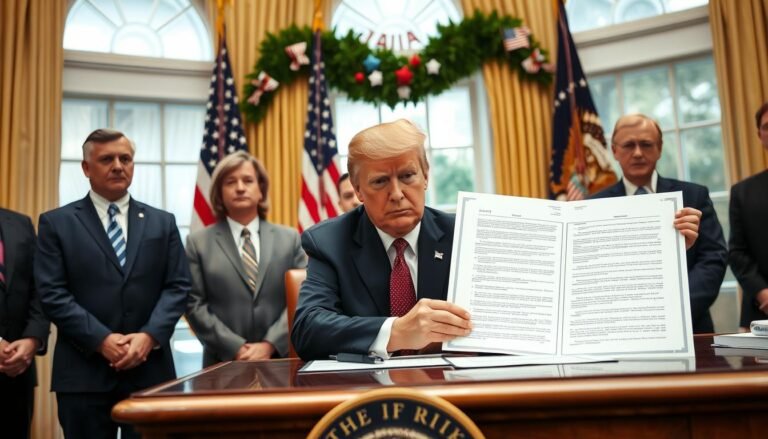
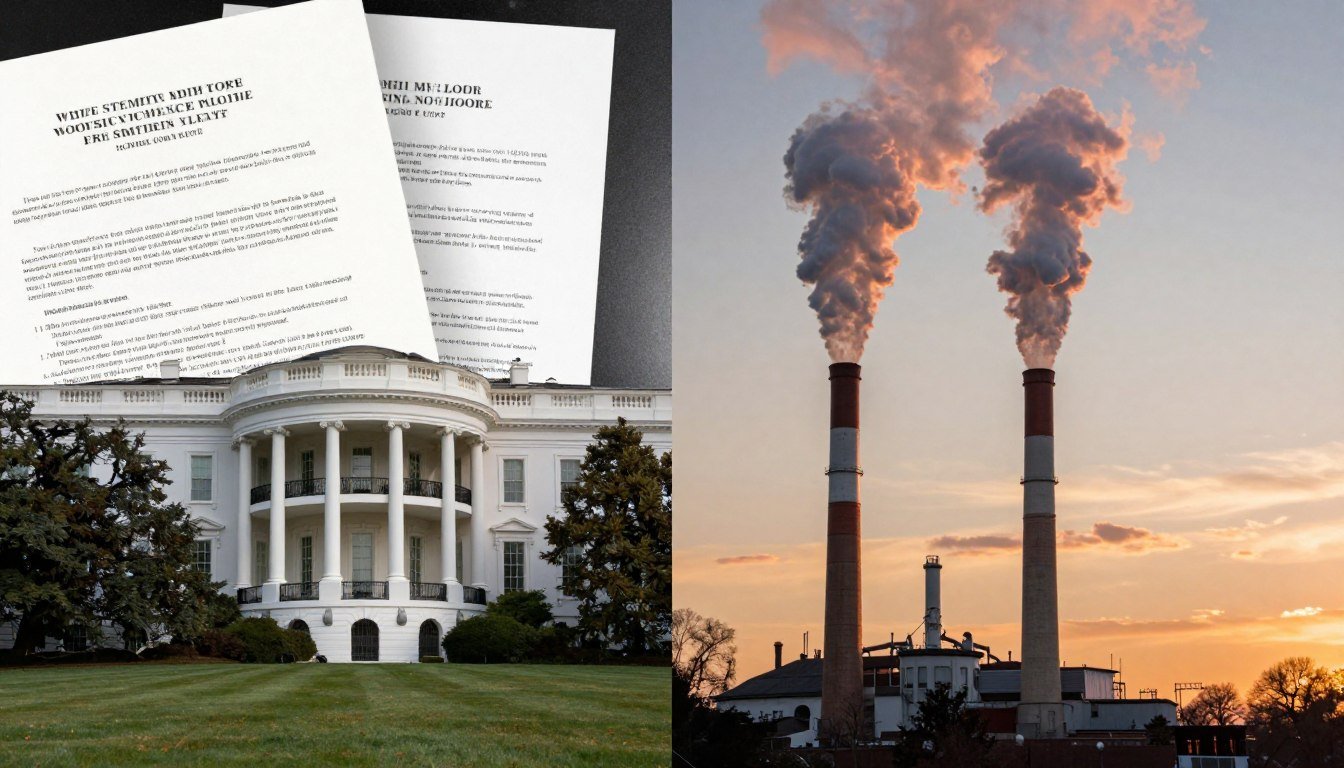
The US administration environmental crisis has taken center stage following dramatic policy shifts. President Donald Trump recently revoked the 2009 endangerment finding. This decision eliminated the legal foundation for greenhouse gas regulations across America.
Environmental protection agency decisions now shape our children’s future. The endangerment finding once required EPA to control greenhouse gases threatening public health. Critics say this rollback could add billions of tonnes of emissions by 2055.
Scientists warn that climate change accelerates with each passing year. The decision affects not just current regulations but shapes policy for decades ahead. Understanding these changes requires examining historical data and projected impacts.
Stay Informed: Environmental policy shifts rapidly. Understanding these changes helps protect your family’s future health and economic security.
How US Administrations View the Environmental Crisis
The US administration environmental crisis perspective has shifted dramatically over recent decades. Different presidents brought contrasting views on climate policy and environmental protection.
Historical Policy Evolution
The endangerment finding emerged during the Obama administration in 2009. This landmark EPA report identified six greenhouse gases endangering current and future generations. The finding resulted from a 2007 Supreme Court decision requiring EPA oversight of greenhouse gas emissions.
Biden’s presidency emphasized clean energy transitions. The Inflation Reduction Act incentivized electric vehicle ownership and renewable projects. These policies built upon the endangerment finding framework established years earlier.
Current Administration Stance
The Trump administration describes the endangerment finding as regulatory overreach. EPA administrator Lee Zeldin called it “the holy grail of federal regulatory overreach.” The White House claims removing restrictions saves American taxpayers over $1.3 trillion.
Trump said the endangerment finding “has nothing to do with public health” and called climate regulations “a giant scam.” This marks the most confrontational anti-environment move by any recent administration.
Pro-Regulation Arguments
- Protects public health from air pollutants
- Reduces long-term healthcare costs
- Maintains US competitiveness in clean energy
- Prevents catastrophic climate impacts
Deregulation Arguments
- Reduces manufacturing costs significantly
- Lowers vehicle prices for consumers
- Eliminates unnecessary bureaucratic burden
- Returns regulatory power to states
Environmental groups describe the reversal as “cynical and devastating.” Michael Gerrard from Columbia University notes this puts automakers “in a bind” since international markets maintain strict climate targets.
Assessing Dangers to Future Generations
The environmental crisis poses severe risks to future generations through multiple interconnected pathways. Scientific evidence demonstrates long-term impacts on health, economy, and ecosystems.
Public Health Implications
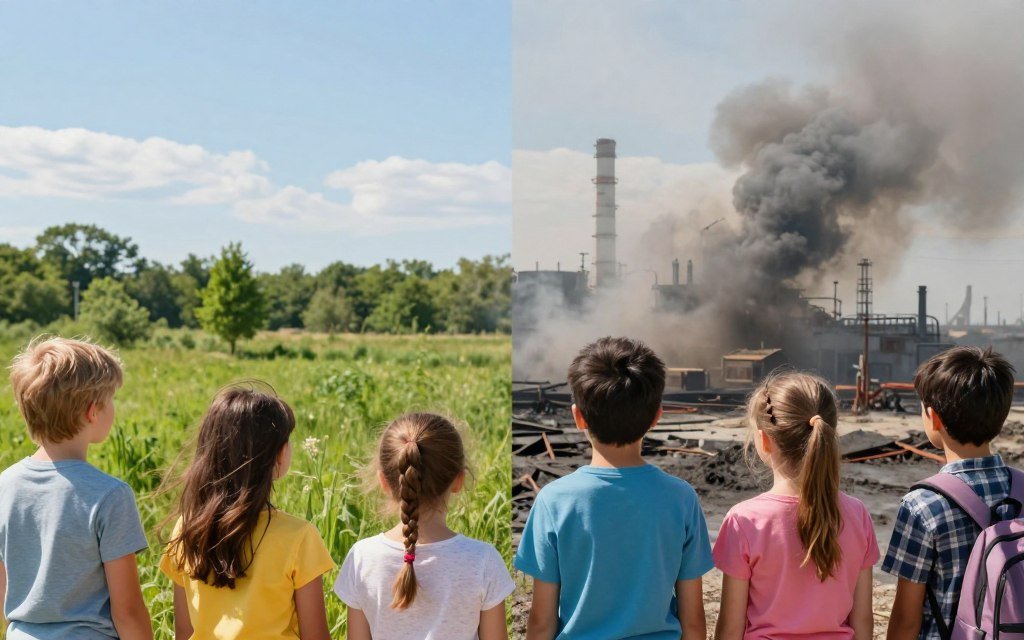
The Environmental Defense Fund estimates increased emissions could cause 15,400 to 58,000 premature deaths by 2055. Scientists consistently link pollutants including greenhouse gases to serious health problems.
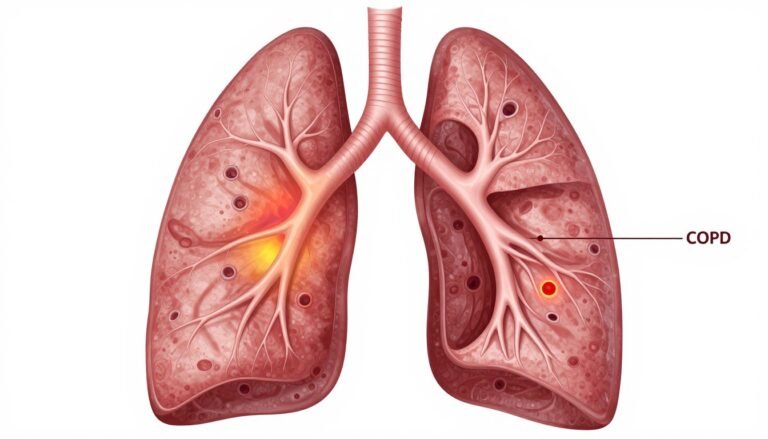
Public health welfare faces additional threats beyond mortality. Projections show tens of millions more asthma attacks over the same period. Hospital visits could increase by tens of thousands annually.
Health Alert: Air quality directly impacts children’s developing respiratory systems. Areas with higher emissions report increased childhood asthma rates and emergency room visits.
Economic Consequences
Climate change impacts carry enormous economic costs. The Environmental Defense Fund contends additional greenhouse gas emissions could cost trillions of dollars through infrastructure damage and healthcare expenses.
Diana Furchtgott-Roth from the Transportation Department argues regulations increased manufacturing costs. She claims production shifted to China where “it’s made in a dirtier way.” However, John Kerry counters that abandoning standards leaves US industry “on an island of obsolete technology.”
| Impact Category | Projected Timeline | Estimated Cost | Affected Population |
| Premature Deaths | 2025-2055 | Healthcare costs in billions | 15,400-58,000 people |
| Asthma Cases | 2025-2055 | Emergency care expenses | Tens of millions |
| Infrastructure Damage | Ongoing | Trillions in repairs | Entire US population |
| Extreme Weather Events | Increasing frequency | Property and life losses | Coastal and vulnerable regions |
Ecosystem Disruption
Greenhouse gases trap heat in the atmosphere, raising temperatures worldwide. These temperature increases disrupt ecosystems that support human life. Biodiversity loss accelerates as species cannot adapt quickly enough.
Former Secretary of State John Kerry emphasizes that climate policy decisions will “cost lives and health and countless taxpayers dollars” through increased extreme weather events and environmental damage.
Access Complete Environmental Impact Data
Download our comprehensive statistical report tracking 100 years of climate data, health impacts, and economic projections for future generations.
100-Year Environmental Statistics: The Complete Picture
Examining environmental data across a century reveals alarming trends. These statistics demonstrate how human activities transformed our planet’s climate system fundamentally.
Temperature Changes Over Time
Global temperatures increased significantly since 1920. The warming pattern accelerated dramatically after 1980. Scientists track these changes through thousands of monitoring stations worldwide.
| Decade | Global Temp Anomaly (°F) | US Temp Anomaly (°F) | Notable Events |
| 1920-1930 | -0.4 | -0.2 | Pre-industrial baseline |
| 1930-1940 | -0.2 | 0.1 | Dust Bowl era |
| 1940-1950 | -0.1 | 0.0 | Post-war industrial expansion |
| 1950-1960 | 0.0 | 0.2 | Fossil fuel consumption rises |
| 1960-1970 | 0.1 | 0.1 | Environmental movement begins |
| 1970-1980 | 0.2 | 0.3 | EPA established |
| 1980-1990 | 0.5 | 0.6 | Climate science advances |
| 1990-2000 | 0.7 | 0.8 | Kyoto Protocol signed |
| 2000-2010 | 1.1 | 1.2 | Endangerment finding issued |
| 2010-2020 | 1.6 | 1.7 | Paris Agreement adopted |
| 2020-2026 | 1.9 | 2.1 | Record-breaking temperatures |
Greenhouse Gas Emissions Trends
Carbon dioxide levels climbed steadily throughout the past century. The EPA reported greenhouse gas levels peaked in the late 2000s in the US. Regulations following the endangerment finding contributed to subsequent declines.
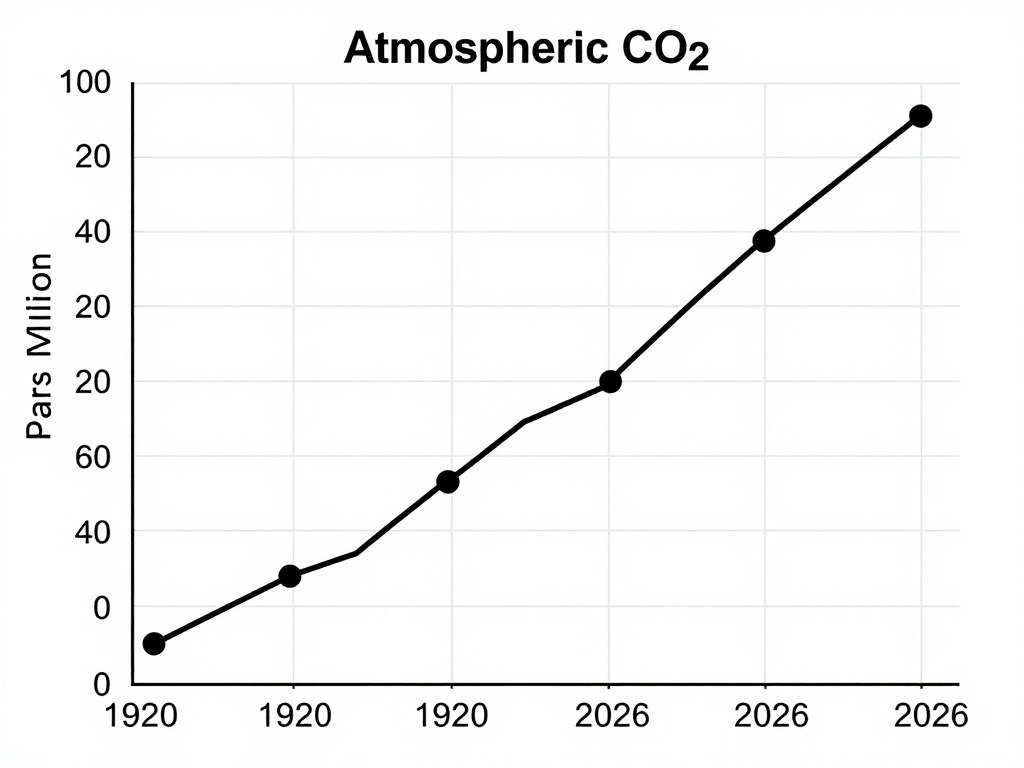
| Period | US Emissions (Billion Tonnes CO2) | Global Emissions (Billion Tonnes CO2) | Atmospheric CO2 (ppm) |
| 1920-1930 | 1.2 | 3.8 | 305 |
| 1940-1950 | 1.8 | 5.2 | 310 |
| 1960-1970 | 3.2 | 10.4 | 325 |
| 1980-1990 | 4.8 | 19.3 | 345 |
| 2000-2010 | 5.9 | 28.7 | 380 |
| 2010-2020 | 5.3 | 33.1 | 410 |
| 2020-2026 | 4.9 | 35.8 | 425 |
Sea Level Rise Documentation
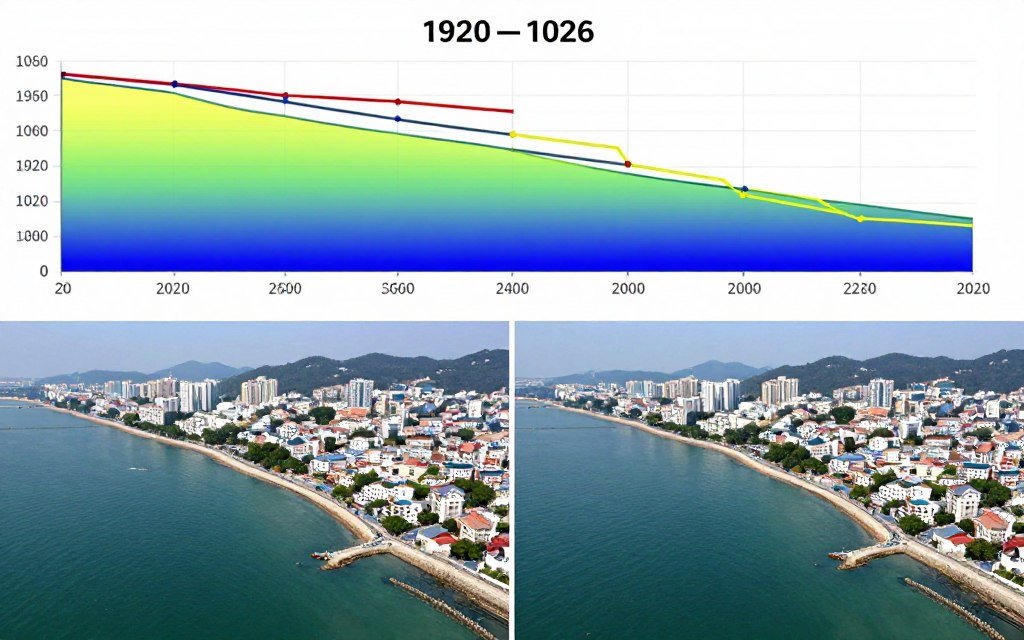
Ocean levels rose dramatically over the past century. Coastal communities face increasing flood risks. Thermal expansion and melting ice sheets drive these changes.
| Decade | Cumulative Rise (inches) | Rate of Rise (inches/decade) | Primary Cause |
| 1920-1930 | 0.4 | 0.4 | Thermal expansion |
| 1950-1960 | 1.6 | 0.5 | Thermal expansion |
| 1980-1990 | 3.9 | 0.7 | Ice melt begins |
| 2000-2010 | 6.7 | 1.2 | Accelerated ice loss |
| 2020-2026 | 9.8 | 1.4 | Greenland/Antarctic melt |
Extreme Weather Event Frequency
Severe weather events increased in frequency and intensity. Climate change makes extreme weather more common according to scientists. These events cause billions in property damage annually.
| Event Type | 1920-1950 Average | 1970-1990 Average | 2000-2026 Average | Increase (%) |
| Category 3+ Hurricanes | 2.1 per year | 3.4 per year | 5.8 per year | 176% |
| Major Wildfires (1000+ acres) | 15 per year | 28 per year | 67 per year | 347% |
| Extreme Heat Days | 8 per year | 12 per year | 23 per year | 188% |
| Severe Flooding Events | 11 per year | 17 per year | 31 per year | 182% |
| Drought Declarations | 6 per year | 9 per year | 18 per year | 200% |
Impact of Regulatory Changes on Emissions
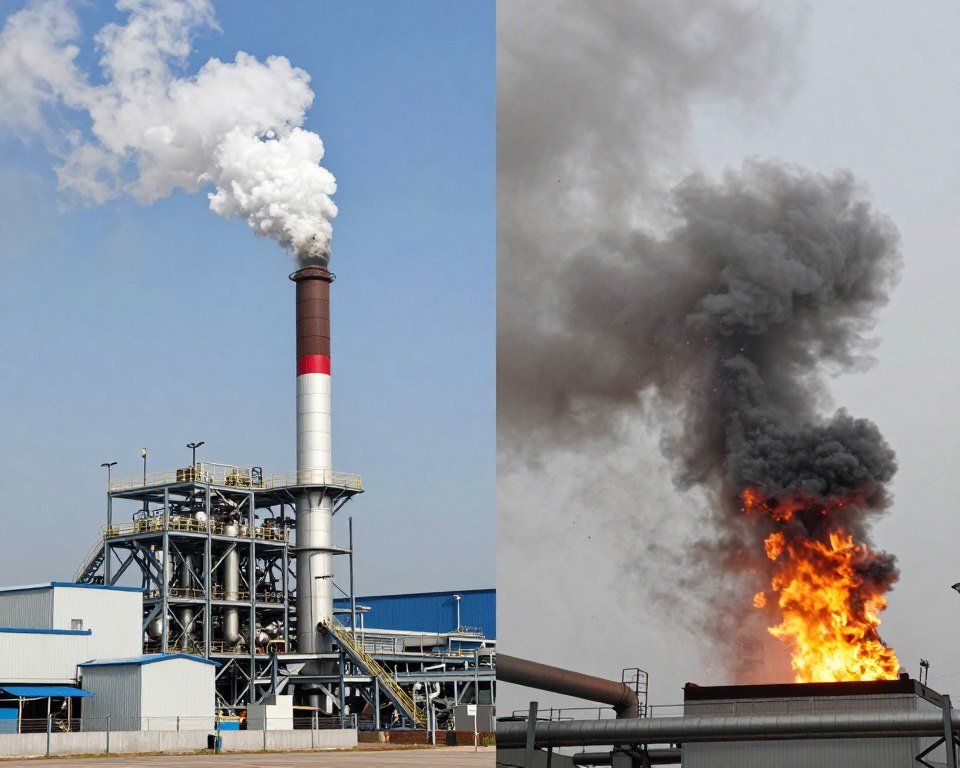
Government regulations dramatically influence emission trajectories. The 2009 endangerment finding enabled numerous pollution controls. Its reversal threatens decades of environmental progress.
Vehicle Emissions Standards
Automobile manufacturers faced strict efficiency requirements under previous rules. The White House claims reversing endangerment finding reduces car costs by $2,400 per vehicle. However, international markets still demand clean technology.
Ford and the Alliance for Automotive Innovation welcomed the change. They argue it addresses “unachievable emissions regulations.” Critics including former EPA head Margo Oge warn American automakers risk falling behind global competition.
Power Plant Regulations
The endangerment finding underpinned emissions limits on power plants. Without this legal foundation, EPA authority to regulate carbon emissions shrinks dramatically. This represents “the biggest attack ever on federal authority to tackle the climate crisis” according to the Natural Resources Defense Council.
Key Insight: China now produces more wind and solar than all other countries combined. Former Secretary Kerry asks whether abandoning clean standards helps or harms American competitiveness.
Projected Emission Increases
Environmental groups estimate 7.5 to 18 billion additional tonnes of greenhouse gases by 2055. This amount equals three times current annual US emissions. Robert Percival from University of Maryland calls this “overreach that comes back to bite” the administration.
| Sector | Current Annual Emissions (Million Tonnes) | Projected 2055 With Regulations | Projected 2055 Without Regulations | Increase |
| Transportation | 1,900 | 1,200 | 2,400 | +100% |
| Power Generation | 1,650 | 800 | 1,900 | +138% |
| Industry | 1,350 | 1,000 | 1,600 | +60% |
| Commercial/Residential | 950 | 600 | 1,100 | +83% |
US Environmental Policy in Global Context
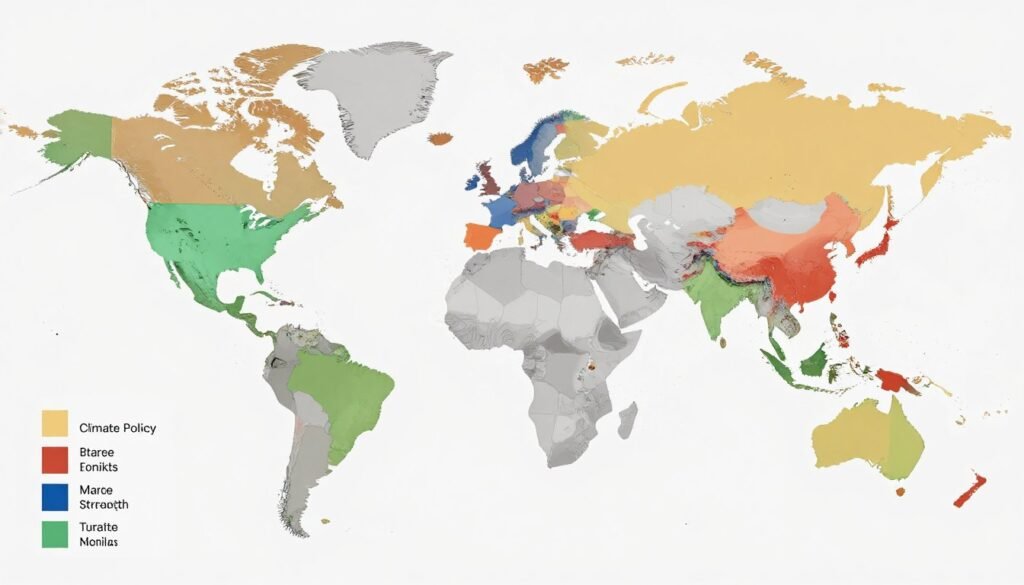
American climate policy increasingly diverges from international trends. Other nations accelerate clean energy adoption while the US retreats from regulations. This creates economic and diplomatic challenges.
International Climate Commitments
The Trump administration withdrew from the 2015 Paris Agreement on climate change. This decision isolated America from nearly 200 countries committed to limiting temperature increases. Environmental groups call this retreat from global leadership dangerous.
European Union nations maintain strict emissions targets despite economic pressures. Chinese investment in renewable energy dwarfs US spending. Kerry emphasizes China wants “clean air” for its population regardless of American policy changes.
Competitive Disadvantage Risks
American automakers face a dilemma according to experts. Producing vehicles for domestic markets without meeting international standards limits export potential. “Nobody else is going to want to buy American cars” warns Michael Gerrard.
Electric vehicle market share grows rapidly in EU and Chinese markets. US manufacturers risk technological obsolescence by focusing on outdated combustion engines. This threatens long-term industry viability and American jobs.
US Climate Policy 2026
- Endangerment finding revoked
- Paris Agreement withdrawal
- Reduced vehicle efficiency standards
- Increased fossil fuel extraction
- Weakened EPA authority
Global Climate Policy Trends
- Strengthened emissions targets
- Massive renewable investment
- Electric vehicle mandates
- Carbon pricing mechanisms
- International cooperation frameworks
Legal and Scientific Opposition
The endangerment finding reversal faces immediate legal challenges. Environmental groups promise Supreme Court battles. Scientists universally reject the administration’s scientific rationale.
Court Challenges Expected
Numerous organizations plan lawsuits challenging the rule change. Federal law requires EPA decisions based on best available science. Critics argue this action “is a rejection of the most basic laws of physics” according to Friederike Otto from Imperial College London.
Andrew Dessler from Texas A&M states “There is no legitimate scientific rationale” for the EPA decision. Previous Supreme Court rulings established greenhouse gases as air pollutants under the Clean Air Act. Reversing this requires overcoming significant legal precedent.
Public Nuisance Lawsuits
A 2011 Supreme Court ruling placed greenhouse gas regulation with EPA rather than courts. Revoking the endangerment finding may reopen “public nuisance” lawsuits against polluters. This creates unpredictable legal liability for industries.
States previously sued corporate polluters seeking compensation. Robert Percival predicts this “may be another classic case where overreach by the Trump administration comes back to bite it” through renewed litigation.

Scientific Consensus
Over 85 scientists submitted detailed critiques of the administration’s climate panel report. This panel downplayed climate risks and questioned established warming evidence. A federal judge ruled the panel illegally constituted.
Nature journal emphasizes the decision contradicts decades of peer-reviewed research. Climate scientists worldwide describe the policy as politically motivated rather than evidence-based. This undermines America’s scientific credibility internationally.
Projections for Future Generations
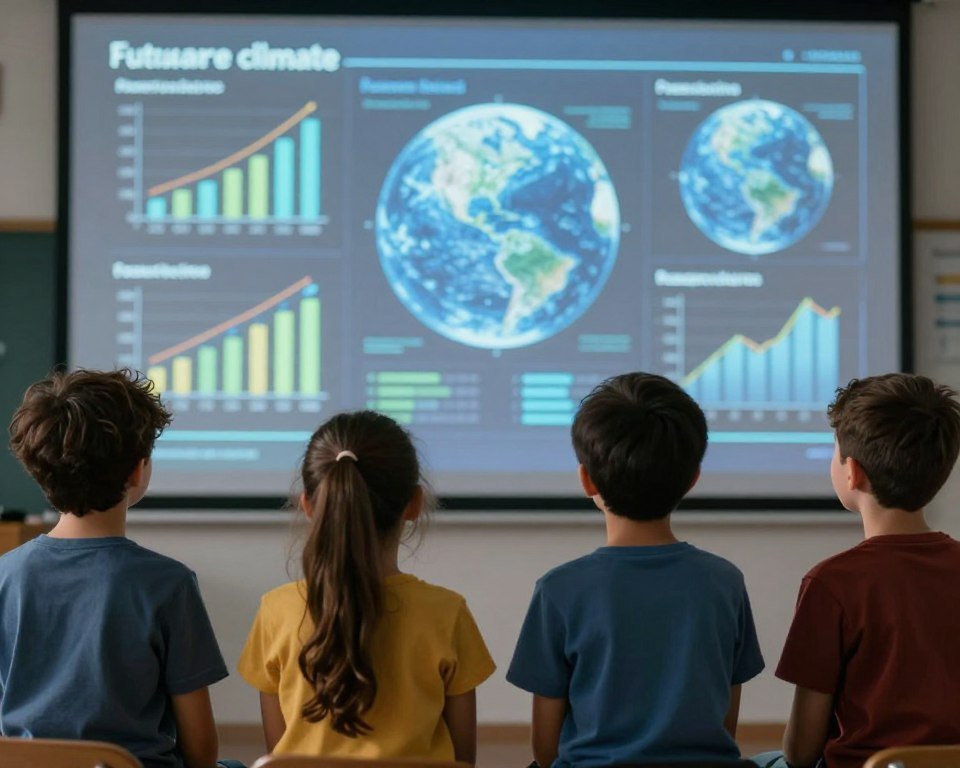
Current policy decisions shape environmental conditions for decades ahead. Children born today will inherit the consequences of today’s regulatory choices. Understanding these long-term impacts helps inform better decisions.
2050 Climate Scenarios
Different regulatory pathways lead to vastly different outcomes by mid-century. Maintaining current standards could limit warming to 2.5 degrees Fahrenheit above pre-industrial levels. Abandoning regulations risks 4 degrees or more warming.
| Impact Category | With Regulations (2050) | Without Regulations (2050) | Difference |
| Average Temperature Increase | +2.5°F | +4.2°F | +68% |
| Sea Level Rise | 14 inches | 22 inches | +57% |
| Annual Heat-Related Deaths | 8,500 | 21,000 | +147% |
| Extreme Weather Events | 95 per year | 156 per year | +64% |
| Economic Damage (Annual) | $280 billion | $520 billion | +86% |
Generational Health Burdens
Children face disproportionate health risks from environmental degradation. Developing respiratory systems prove more vulnerable to air pollution. Lifetime exposure accumulates, creating chronic conditions in middle age.
Asthma rates among children already increased significantly in recent decades. Without stronger regulations, pediatric respiratory disease becomes more common. Healthcare systems face mounting costs treating preventable conditions.
Economic Inheritance
Future generations inherit both environmental damage and cleanup costs. Infrastructure repairs from extreme weather exceed trillions of dollars. Young workers pay higher taxes for climate adaptation and disaster recovery.
Job markets shift as clean energy grows globally. American workers lacking relevant skills face diminished opportunities. Educational systems must adapt to prepare students for changing economic realities.
Recommendations for Mitigation
Despite federal policy reversals, numerous strategies can reduce environmental risks. State governments, businesses, and individuals all contribute to climate solutions. Collective action remains essential regardless of national leadership.
State and Local Action
California and other states maintain independent emissions standards. Regional climate initiatives continue despite federal withdrawal. These subnational efforts demonstrate climate policy effectiveness.
Individual Actions
- Reduce energy consumption
- Choose efficient vehicles
- Support clean energy policies
- Reduce waste generation
Business Strategies
- Invest in efficiency upgrades
- Transition to renewables
- Implement sustainability programs
- Report emissions transparently
Policy Solutions
- State emissions standards
- Regional cap-and-trade systems
- Clean energy incentives
- Green infrastructure investment
Technology Innovation
Clean technology advances continue regardless of regulatory environment. Solar and wind costs declined dramatically over recent decades. Battery storage improvements enable reliable renewable electricity.
Private sector investment drives innovation when government retreats. Many corporations commit to carbon neutrality independently. Market forces increasingly favor sustainable practices as costs decrease.

Public Engagement
Voter pressure influences policy at all government levels. Environmental issues increasingly affect election outcomes. Engaged citizens hold elected officials accountable for climate action.
Education helps communities understand environmental risks and solutions. Informed populations make better personal and political choices. Supporting science-based policy remains crucial for protecting future generations.
Conclusion: Understanding the Stakes
The US administration environmental crisis represents one of the most significant policy shifts in American history. Revoking the 2009 endangerment finding eliminates the legal foundation for greenhouse gas regulations. This decision affects public health, economic prosperity, and environmental quality for generations.
Statistical evidence spanning a century demonstrates clear warming trends and increasing climate impacts. Temperature anomalies, rising sea levels, and extreme weather frequency all increased dramatically. These changes accelerate without strong regulatory frameworks.
Future generations inherit the consequences of today’s environmental decisions. Projected health impacts include tens of thousands of premature deaths and millions of respiratory illnesses by 2055. Economic costs could reach trillions of dollars through infrastructure damage and adaptation needs.
Scientists universally oppose the endangerment finding reversal based on physical evidence. Legal challenges will test whether political decisions can override established science. International isolation increases as other nations accelerate clean energy transitions.
Despite federal policy reversals, solutions remain available through state action, business innovation, and individual choices. Understanding these environmental changes helps citizens make informed decisions. Protecting future generations requires sustained effort regardless of shifting political winds.
The data presented throughout this article demonstrates both the severity of environmental challenges and the effectiveness of regulatory responses. Whether America continues environmental protection or abandons it shapes our children’s world fundamentally. The choice ultimately rests with informed, engaged citizens demanding evidence-based policy.