
Why Infectious Diseases Remain a Major Threat to US Health
Every year, millions of Americans face the invisible enemy of infectious diseases. These microscopic invaders silently spread through communities, causing illness and sometimes death. The threat continues to grow despite medical advances.
Recent outbreaks remind us that no one is completely safe. From seasonal flu to emerging viruses, these diseases challenge our healthcare system. Understanding how they spread helps protect you and your loved ones.
This guide explores the critical aspects of infectious diseases in USA. You will learn prevention strategies, treatment options, and ways to strengthen your body’s defenses against these persistent health threats.
Understanding Infectious Diseases: Definition and Impact
What Makes a Disease Infectious?
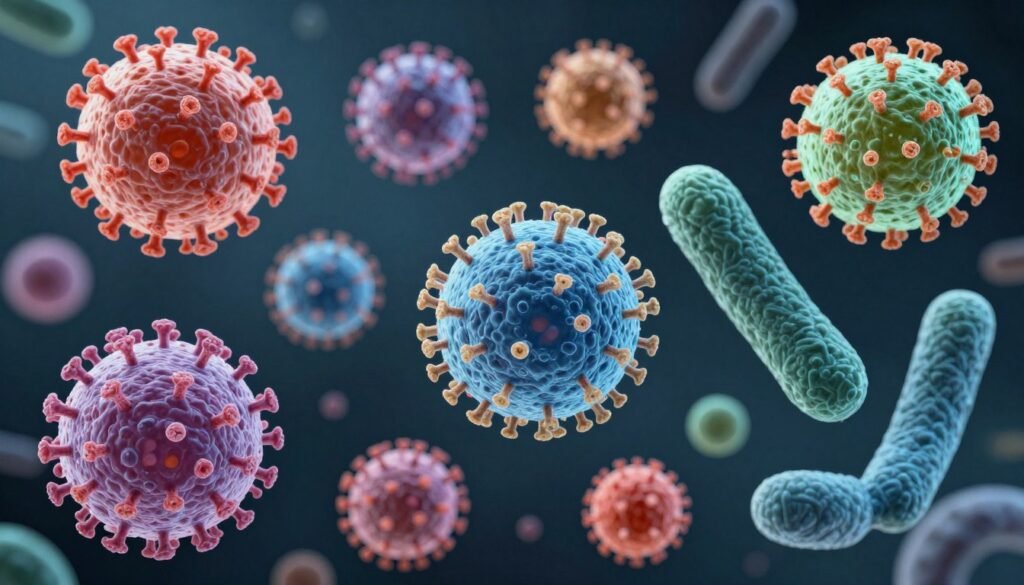
Infectious diseases are illnesses caused by tiny organisms that invade the body. These harmful agents include bacteria, viruses, fungi, and parasites. They multiply inside the body and disrupt normal functions.
The disease spreads when these organisms move from one person to another. Contact with infected individuals can transfer the illness. Some diseases spread through the air when people cough or sneeze.
Viral Infections
Viruses are the smallest infectious agents. They need living cells to reproduce and spread.
- Influenza (flu) affecting respiratory system
- Hepatitis causing liver damage
- Common cold viruses targeting nose and throat
- Norovirus leading to stomach illness
Bacterial Diseases
Bacteria are single-celled organisms. Some types cause serious illness in humans.
- E. coli infections causing diarrhea
- Strep throat affecting the throat area
- Tuberculosis damaging the lungs
- Food poisoning from contaminated sources
Parasitic Infections
Parasites live on or inside the body. They feed off the host organism.
- Malaria transmitted through mosquito bites
- Intestinal worms from contaminated food
- Giardia causing stomach problems
- Toxoplasmosis from animal contact
Fungal Diseases
Fungi can infect various body parts. They thrive in warm, moist areas.
- Athlete’s foot affecting skin between toes
- Ringworm creating circular rashes
- Candida infections in mouth or throat
- Nail fungus damaging toenails or fingernails
How Infectious Diseases Spread
Disease transmission happens through several pathways. Direct contact with an infected person is one common route. Touching contaminated surfaces also spreads infection.
Airborne transmission occurs when people breathe in virus particles. These tiny droplets float in the air after someone coughs. Food and water can carry disease-causing organisms too.
Important: Many infections spread before symptoms appear. This makes prevention challenging but not impossible.
Public Health Impact
Infectious diseases create massive healthcare burdens. Hospitals fill up during outbreak seasons. The economic cost includes lost work time and medical expenses.
Some infections lead to long-term complications. Heart damage, brain inflammation, and liver scarring can result. Death occurs in severe cases, especially among vulnerable groups.
- Annual flu season costs billions in healthcare and lost productivity
- Antibiotic-resistant infections kill thousands yearly
- Emerging viruses create global health emergencies
- Sexually transmitted diseases affect millions of Americans
- Food-borne illness causes widespread outbreaks
Age Groups Most Vulnerable to Infectious Diseases

Infants and Young Children
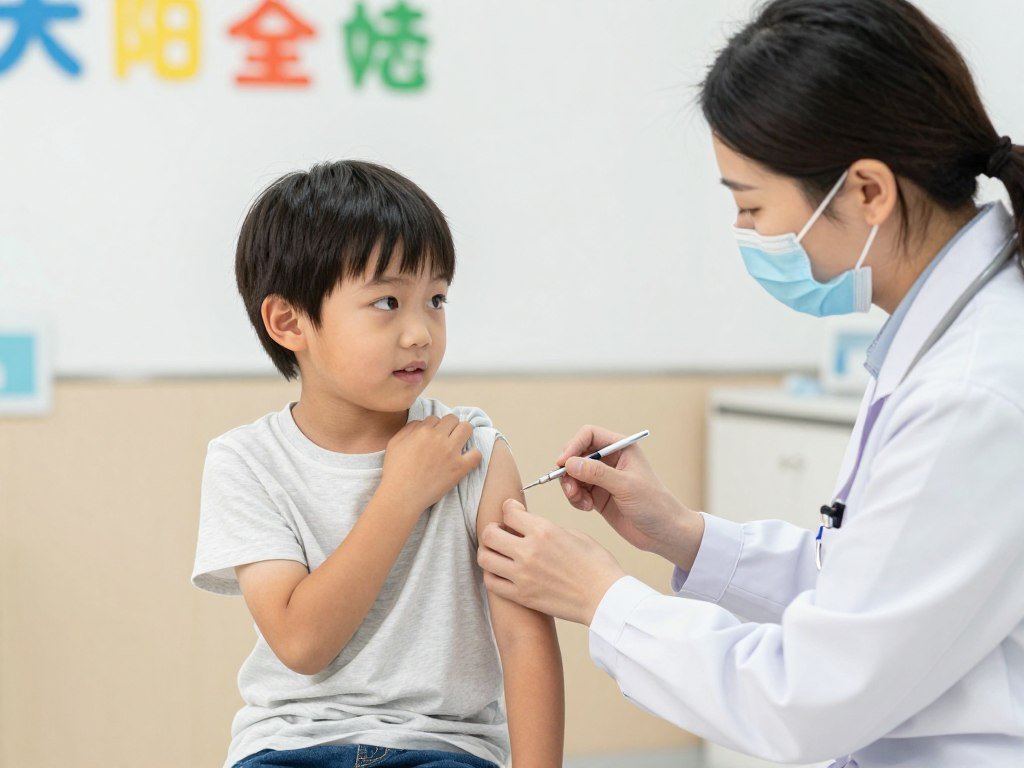
Children under five face the highest infection risk. Their immune systems are still developing and learning. Contact with other children spreads illness quickly in daycare settings.
Common childhood diseases include respiratory infections and stomach bugs. Fever often accompanies these illnesses. Diarrhea and vomiting strain small bodies rapidly.
Why Children Are Vulnerable
- Immature immune system lacks full protection
- Frequent contact with infected peers at school
- Tendency to touch contaminated objects and faces
- Limited hygiene awareness and practices
- Close physical contact during play activities
Elderly Population
People over 65 experience weakened immune responses. The body becomes less efficient at fighting infections. Multiple health conditions increase vulnerability to serious illness.
Pneumonia poses particular danger for older adults. Recovery takes longer at advanced ages. Complications develop more easily in elderly patients.

Pregnant Women
Pregnancy alters immune system function naturally. This change protects the developing baby. However, it also increases infection susceptibility for women.
Certain infections harm unborn children directly. Listeria from contaminated food poses serious risks. Pregnant women need extra precautions with hygiene and food safety.
Immunocompromised Individuals
People with weak immune systems face constant danger. Cancer treatments reduce the body’s defenses. HIV/AIDS patients have limited ability to fight disease.
Organ transplant recipients take immune-suppressing medicine. This prevents organ rejection but increases infection risk. Even minor illnesses can become life-threatening.
At-Risk Groups Need Extra Protection: If you or family members fall into these categories, consult healthcare providers about additional preventive measures.
Why Infectious Diseases Become Overwhelming in the USA
Healthcare System Challenges
Emergency rooms overflow during peak outbreak seasons. Staff shortages limit treatment capacity. Rural areas lack adequate medical facilities nearby.
High healthcare costs prevent early treatment seeking. Many people delay seeing doctors until illness worsens. This delay allows disease to spread to others.
Antibiotic Resistance Crisis
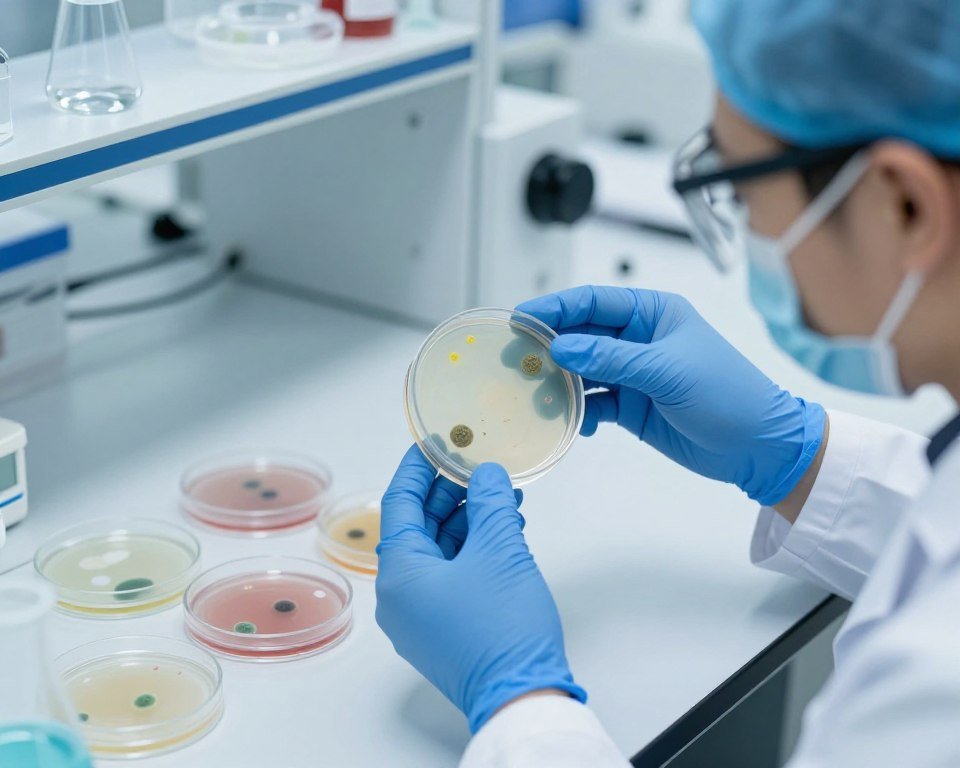
Bacteria evolve to resist common antibiotics. Overuse of these medicines created resistant strains. Doctors now face infections that medicine cannot treat.
Patients sometimes demand antibiotics for viral infections. Antibiotics do not work against viruses at all. Misuse accelerates the resistance problem nationwide.
Global Travel and Movement
International travel brings foreign diseases to America. A virus from another continent arrives in hours. Airport screening cannot catch every infected traveler.
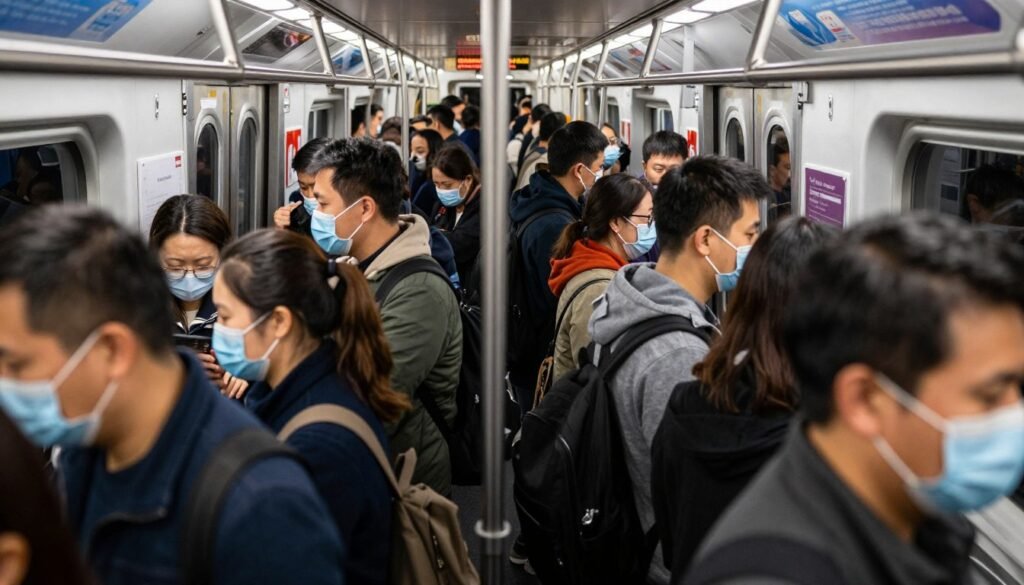
Dense urban populations accelerate transmission rates. Public transportation puts strangers in close contact daily. Disease spreads quickly through interconnected communities.
Vaccine Hesitancy
Misinformation reduces vaccination rates in some areas. Communities with low vaccination create disease reservoirs. Outbreaks occur more easily in unprotected populations.
Preventable diseases return when immunization drops. Measles outbreaks demonstrate this risk clearly. Herd immunity breaks down without sufficient participation.
Environmental and Social Factors
Climate change expands mosquito-borne disease ranges. Warmer temperatures allow disease-carrying insects to survive farther north. New areas face previously unknown infection risks.
Homelessness creates sanitation challenges in cities. Crowded shelters facilitate rapid disease transmission. Limited access to hygiene resources increases vulnerability.
- Inadequate public health funding limits outbreak response
- Food supply chain complexity increases contamination risks
- Nursing home outbreaks spread rapidly among elderly residents
- School attendance policies allow sick children to attend classes
- Workplace pressure discourages employees from staying home when ill
Effective Prevention Strategies Against Infectious Diseases

Personal Hygiene Practices
Washing hands removes most disease-causing germs. Use soap and water for at least twenty seconds. Clean under fingernails and between fingers thoroughly.
Hand sanitizer works when soap is unavailable. Choose products with at least sixty percent alcohol content. Apply enough to cover all hand surfaces completely.
- Regular handwashing after bathroom use
- Avoiding touching face, especially eyes and nose
- Covering coughs and sneezes with elbow
- Daily showering and clean clothing
- Regular dental hygiene to prevent oral infections
Effective Hygiene Habits
- Sharing personal items like towels or razors
- Touching public surfaces then touching face
- Neglecting hand hygiene before eating
- Using dirty utensils or drinking glasses
- Reusing tissues or handkerchiefs
Risky Behaviors to Avoid
Safe Food Handling
Proper cooking kills harmful bacteria in food. Use a thermometer to verify safe temperatures. Different meats require different minimum temperatures.
Separate raw and cooked foods during preparation. Cross-contamination spreads bacteria from raw meat to vegetables. Use different cutting boards for meat and produce.

Environmental Cleanliness
Disinfect frequently touched surfaces daily. Doorknobs, light switches, and countertops harbor germs. Clean phones and keyboards that many people touch.
Proper ventilation reduces airborne virus concentration. Open windows when weather permits circulation. Air filters remove some infectious particles from indoor air.
Social Distancing During Outbreaks
Maintain distance from visibly sick individuals. Respiratory droplets travel about six feet from coughs. Extra space reduces your exposure to airborne pathogens.
Avoid crowded indoor spaces during peak illness seasons. Large gatherings increase transmission opportunities significantly. Virtual meetings reduce unnecessary contact during outbreaks.
Vaccination and Immunization
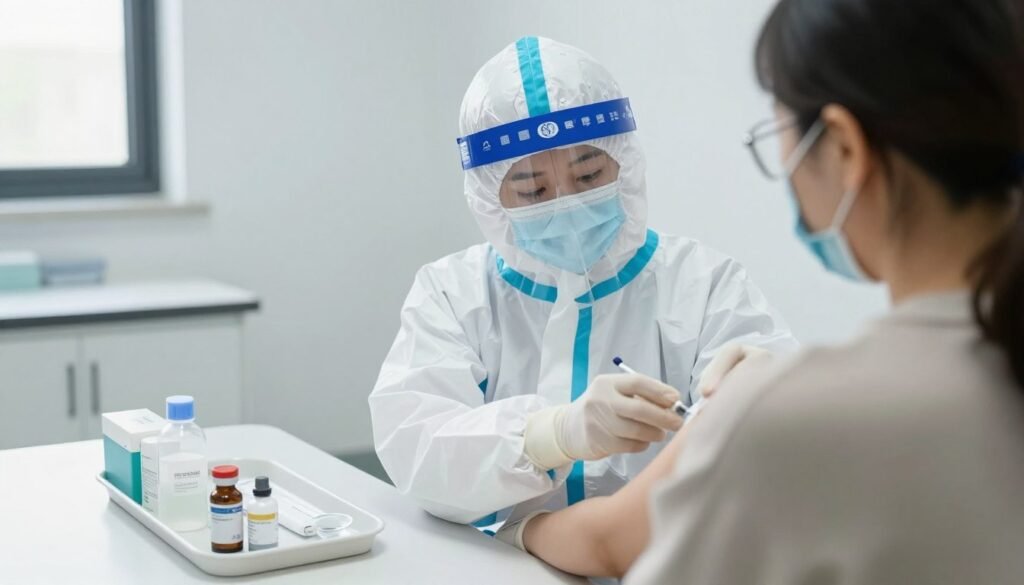
Vaccines train your immune system to recognize threats. Your body develops protection without getting sick. This medicine prevents illness before exposure occurs.
Annual flu shots reduce seasonal infection severity. Even partial protection helps prevent serious complications. Community vaccination protects vulnerable individuals who cannot receive vaccines.
Are Vaccines and Medicines Really Helpful?
The Science Behind Vaccines
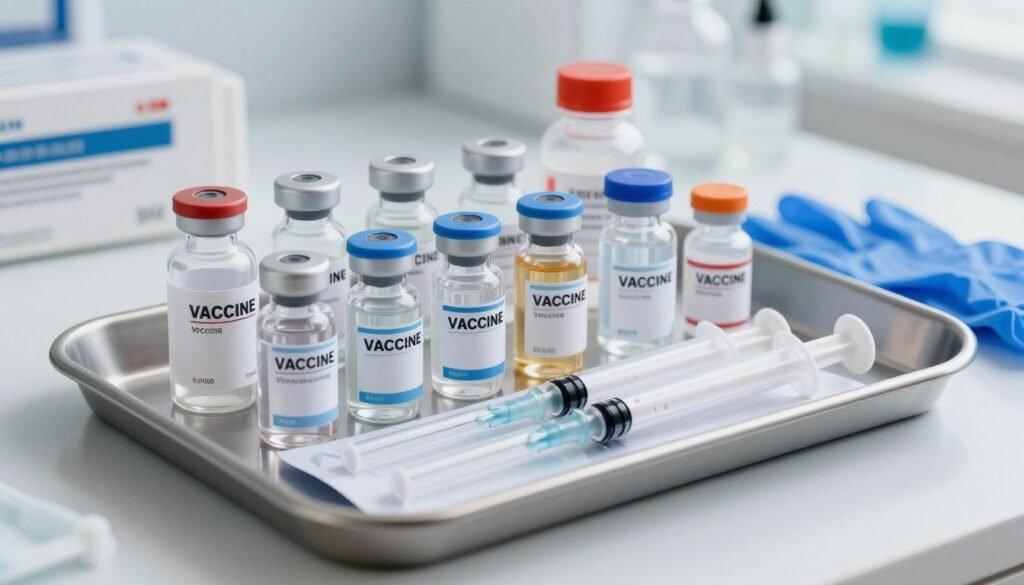
Vaccines contain weakened or inactive disease particles. These components cannot cause actual illness. Instead, they teach your immune system to recognize real threats.
Your body creates antibodies after vaccination. These proteins remember the specific disease forever. When real infection attempts occur, defense activates immediately.
Proven Vaccine Success Stories
Polio once paralyzed thousands of children yearly. Vaccination eliminated this disease from the United States. Now, cases only arrive from countries without widespread immunization.
Measles declined by ninety-nine percent after vaccine introduction. Before vaccination, nearly everyone contracted this virus during childhood. Modern protection prevents most outbreaks completely.
Vaccine Benefits
- Prevent serious illness and death from infectious diseases
- Protect vulnerable individuals through herd immunity
- Eliminate or drastically reduce disease prevalence
- Cost-effective compared to treating actual infections
- Generally safe with minimal side effects
- Allow normal social interaction without fear
Vaccine Limitations
- Some vaccines require multiple doses over time
- Immunity may decrease requiring booster shots
- Rare allergic reactions can occur in sensitive individuals
- Not 100% effective for every vaccinated person
- Cannot protect against all disease strains equally
Antiviral and Antibiotic Medications
Antibiotics kill bacteria causing infections. They work only against bacterial diseases, not viruses. Taking them for viral illness provides no benefit whatsoever.
Antiviral medicines slow virus reproduction inside cells. Early treatment produces the best results. These drugs reduce symptom severity and illness duration.

What Medical Experts Say
“Vaccination remains our most powerful tool against infectious disease. The evidence overwhelming demonstrates their safety and effectiveness across populations.”
Doctors emphasize the importance of completing antibiotic courses fully. Stopping treatment early allows resistant bacteria to survive. These survivors multiply and spread harder-to-treat infections.
Medical professionals recommend annual influenza vaccination for everyone. The flu virus mutates constantly requiring updated vaccines. Each year brings new strains needing fresh protection.
Treatment Effectiveness Factors
- Early intervention improves outcomes significantly for most infections
- Proper diagnosis ensures correct medicine selection
- Patient compliance with full treatment course prevents resistance
- Individual immune system strength affects recovery speed
- Underlying health conditions may complicate treatment response
- Age influences both medication effectiveness and side effects
Infectious Disease Statistics: 100-Year Overview in USA
The past century witnessed dramatic changes in infectious disease patterns. Medical advances reduced mortality rates significantly. However, new challenges continue emerging regularly.
| Time Period | Leading Infectious Disease | Annual Deaths (Approx) | Major Development |
| 1920s | Tuberculosis, Influenza | 100,000+ | 1918 flu pandemic aftermath |
| 1930s | Tuberculosis, Pneumonia | 80,000+ | Sulfa drugs introduced |
| 1940s | Pneumonia, Tuberculosis | 60,000+ | Penicillin widely available |
| 1950s | Polio, Influenza | 40,000+ | Polio vaccine introduced 1955 |
| 1960s | Influenza, Pneumonia | 35,000+ | Measles vaccine available 1963 |
| 1970s | Influenza, Pneumonia | 30,000+ | Smallpox eradication 1977 |
| 1980s | HIV/AIDS emergence | 25,000+ | AIDS epidemic begins |
| 1990s | HIV/AIDS, Influenza | 45,000+ | Antiretroviral therapy developed |
| 2000s | Influenza, Pneumonia | 55,000+ | H1N1 pandemic 2009 |
| 2010s | Influenza, Sepsis | 60,000+ | Antibiotic resistance rises |
| 2020-2024 | COVID-19 | 200,000+ (peak years) | COVID-19 pandemic, mRNA vaccines |
Medical science achieved remarkable victories against infectious diseases. Vaccines eliminated or controlled many deadly illnesses. Antibiotics transformed once-fatal infections into treatable conditions.
Despite progress, new threats continue emerging constantly. Antibiotic resistance creates treatment challenges. Global travel spreads diseases faster than ever before.
Can People Fully Recover or Are Infections Recurring?

Complete Recovery Scenarios
Many bacterial infections resolve completely with proper treatment. Antibiotics eliminate the infection entirely from the body. Once healed, no trace of the bacteria remains.
Most viral infections also clear completely over time. Your immune system defeats the virus naturally. The body returns to normal functioning without lasting effects.
- Common cold typically resolves in seven to ten days
- Strep throat clears completely with antibiotic treatment
- Most flu cases resolve within two weeks without complications
- Stomach infections from food poisoning usually heal fully
- Urinary tract infections eliminate completely with medicine
Chronic and Recurring Infections
Some viruses hide inside cells after initial infection. They remain dormant for months or years. Stress or illness can reactivate these sleeping viruses.
Hepatitis creates chronic liver infections in some people. The virus persists despite immune system efforts. Long-term infection may cause permanent liver damage.
Infections That Come Back
Herpes viruses never leave the body completely. They establish permanent residence in nerve cells. Outbreaks occur periodically throughout life.
Tuberculosis can reactivate years after initial treatment. The bacteria hide in inactive form inside the body. Weak immune conditions trigger disease recurrence.
Why do some infections keep coming back?
Recurring infections happen when the immune system cannot completely eliminate pathogens. Some organisms hide in protected areas the body cannot easily access. Others change their surface proteins to avoid immune recognition. Weak immune systems struggle to maintain control over persistent infections.
Can recurring infections be prevented?
Prevention depends on the specific infection type. Maintaining strong immunity through healthy lifestyle helps reduce recurrence frequency. Some conditions require suppressive medication to keep infections dormant. Regular medical monitoring catches reactivation early before symptoms worsen.
Do antibiotics work for recurring infections?
Antibiotics treat bacterial infections but not viral ones. For recurring bacterial infections, longer treatment courses may be necessary. However, antibiotic overuse creates resistance problems. Doctors must balance treatment benefits against resistance risks carefully.
Long-Term Health Effects
Some infections cause permanent body changes even after recovery. Rheumatic fever from untreated strep damages heart valves. This heart damage persists for life requiring ongoing monitoring.
Severe infections sometimes trigger autoimmune conditions later. The immune system becomes confused after fighting certain pathogens. It may attack healthy tissue mistaking it for infection.
Factors Affecting Recovery
- Age significantly influences healing speed and completeness
- Overall health status before infection affects outcome
- Prompt treatment reduces complication risks substantially
- Nutrition quality supports immune function during recovery
- Rest allows body to focus energy on healing
- Chronic conditions slow recovery processes
Lifestyle Factors That Increase Infectious Disease Risk
Poor Sleep Habits
Inadequate sleep weakens your immune defenses dramatically. The body repairs and strengthens immunity during sleep hours. Chronic sleep deprivation leaves you vulnerable to infection.
Most adults need seven to nine hours nightly. Consistent sleep schedules improve immune function significantly. Quality matters as much as quantity for proper rest.
Tobacco and Alcohol Use
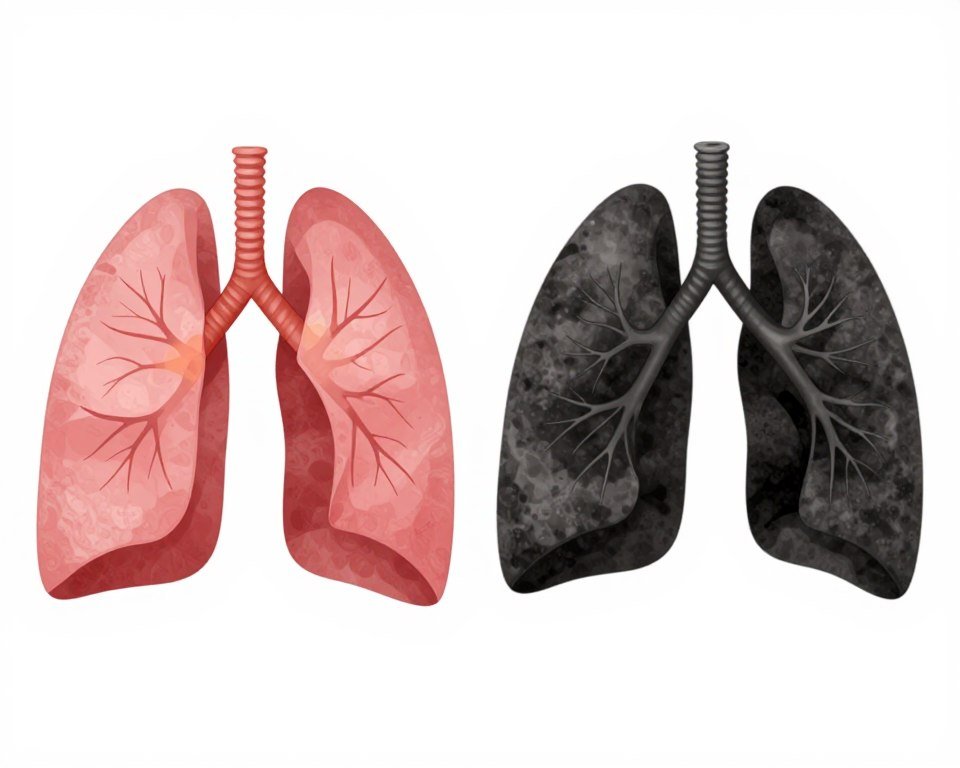
Smoking damages respiratory system defenses against infection. Cigarette smoke paralyzes tiny hairs protecting airways. Bacteria and viruses penetrate damaged tissues more easily.
Excessive alcohol consumption impairs immune cell function. Heavy drinking reduces the body’s ability to fight disease. Even moderate use affects infection resistance temporarily.
Chronic Stress
Long-term stress floods your body with cortisol. This hormone suppresses immune system activity over time. Stressed individuals catch colds and flu more frequently.
Stress also promotes unhealthy coping behaviors. People under pressure often neglect nutrition and exercise. These additional factors compound immune system weakness.
Sedentary Lifestyle
Physical inactivity reduces immune cell circulation. Movement helps immune cells patrol the body effectively. Regular exercise improves infection-fighting capacity significantly.
Sitting for extended periods slows metabolic processes. Blood flow decreases in sedentary individuals. Poor circulation limits immune system responsiveness.
Poor Nutritional Choices
Processed foods lack essential immune-supporting nutrients. High sugar intake temporarily suppresses immune function. Fast food diets create nutritional deficiencies over time.
Inadequate protein consumption reduces antibody production. Your body needs amino acids to build immune proteins. Vitamin deficiencies directly weaken disease resistance.
- Smoking cigarettes or using tobacco products regularly
- Consuming excessive alcohol frequently
- Eating primarily processed and fast foods
- Sleeping less than six hours nightly
- Living with chronic unmanaged stress
- Avoiding physical activity completely
- Skipping meals or following extreme diets
High-Risk Behaviors
- Irregular sleep schedules affecting rest quality
- Occasional alcohol consumption
- Minimal exercise (less than recommended amounts)
- High stress levels without stress management
- Diet lacking variety and fresh foods
- Inadequate water intake throughout the day
- Working long hours without breaks
Moderate Risk Factors
- Seven to nine hours quality sleep nightly
- Regular moderate exercise most days
- Balanced diet rich in fruits and vegetables
- Effective stress management practices
- Avoiding tobacco products completely
- Moderate or no alcohol consumption
- Staying well-hydrated throughout the day
Protective Behaviors
Environmental Exposure
Living in crowded conditions increases infection exposure. Close contact with many people raises transmission risk. Shared living spaces require extra hygiene attention.
Poor air quality irritates respiratory passages. Pollution damages protective mucous membranes. Weakened barriers allow easier pathogen entry into the body.

Habits That Strengthen Your Immune System

Nutrition for Immune Health
Eating colorful fruits and vegetables provides essential vitamins. Different colors indicate different protective nutrients inside. Aim for variety throughout the week.
Vitamin C supports immune cell function directly. Citrus fruits, berries, and peppers contain high amounts. Daily intake helps maintain optimal immune responses.
Immune-Boosting Foods
- Citrus fruits for vitamin C content
- Yogurt with probiotics supporting gut health
- Garlic containing antimicrobial compounds
- Spinach rich in antioxidants and vitamins
- Almonds providing vitamin E protection
- Turmeric with anti-inflammatory properties
- Green tea containing powerful antioxidants
- Shellfish for zinc and selenium

Regular Physical Activity
Moderate exercise improves immune cell circulation throughout the body. Thirty minutes of activity most days provides benefits. Walking, swimming, or cycling all work effectively.
Intense exercise temporarily suppresses immunity during recovery. Balance workout intensity with adequate rest periods. Consistency matters more than occasional extreme efforts.

Quality Sleep Practices
Establish consistent bedtime routines every night. Your body develops stronger sleep patterns with regularity. Wake at the same time daily including weekends.
Create a dark, cool sleeping environment. Remove electronic devices from the bedroom area. Blue light from screens disrupts natural sleep cycles.
Stress Management Techniques
Practice daily meditation or deep breathing exercises. Even five minutes reduces stress hormone levels. Regular practice provides cumulative immune benefits.
Engage in enjoyable hobbies and social activities. Positive emotions support immune function directly. Laughter reduces stress and improves overall wellbeing.

Hydration and Its Importance
Water helps flush toxins from your system efficiently. Proper hydration keeps mucous membranes functioning optimally. These barriers trap pathogens before they cause infection.
Drink eight glasses of water daily minimum. More fluid is needed during exercise or illness. Avoid excessive caffeine which causes dehydration.
Supplementation When Needed
Vitamin D deficiency impairs immune responses significantly. Many Americans lack adequate sun exposure year-round. Supplementation may help maintain proper levels.
Probiotics support gut health where immunity begins. Seventy percent of immune cells reside in digestive areas. Quality probiotic supplements may strengthen overall defenses.
Important Note: Consult healthcare providers before starting new supplements. Some interact with medications or existing conditions. Professional guidance ensures safe appropriate use.
Social Connection and Support
Strong social relationships reduce stress and boost immunity. Isolation weakens immune function over time. Maintain regular contact with friends and family.
Community involvement provides purpose and reduces depression. Mental health directly influences physical immune capacity. Volunteer work and group activities offer multiple benefits.
Taking Control of Your Health Against Infectious Threats

Infectious diseases in USA continue challenging public health systems. Understanding these threats empowers you to take protective action. Knowledge combined with healthy habits reduces your risk significantly.
Prevention remains the most effective strategy against infection. Simple hygiene practices stop most disease transmission. Vaccination provides proven protection against serious illnesses.
Your lifestyle choices directly impact immune system strength. Adequate sleep, proper nutrition, and regular exercise build resilience. Avoiding risky behaviors protects both you and your community.
Recovery patterns vary depending on the specific disease. Many infections resolve completely with appropriate treatment. Some require ongoing management throughout life.
Medical science continues advancing against infectious threats. New vaccines and treatments emerge regularly. Staying informed helps you make the best health decisions.
Remember: Consult healthcare professionals for personalized medical advice. This article provides general information but cannot replace professional medical consultation tailored to your specific situation.
Take action today to protect yourself and loved ones. Small changes in daily habits create significant health improvements. Your proactive approach helps build a healthier community for everyone.