Understanding Anxiety Disorders: A Comprehensive Guide to America’s Growing Mental Health Challenge
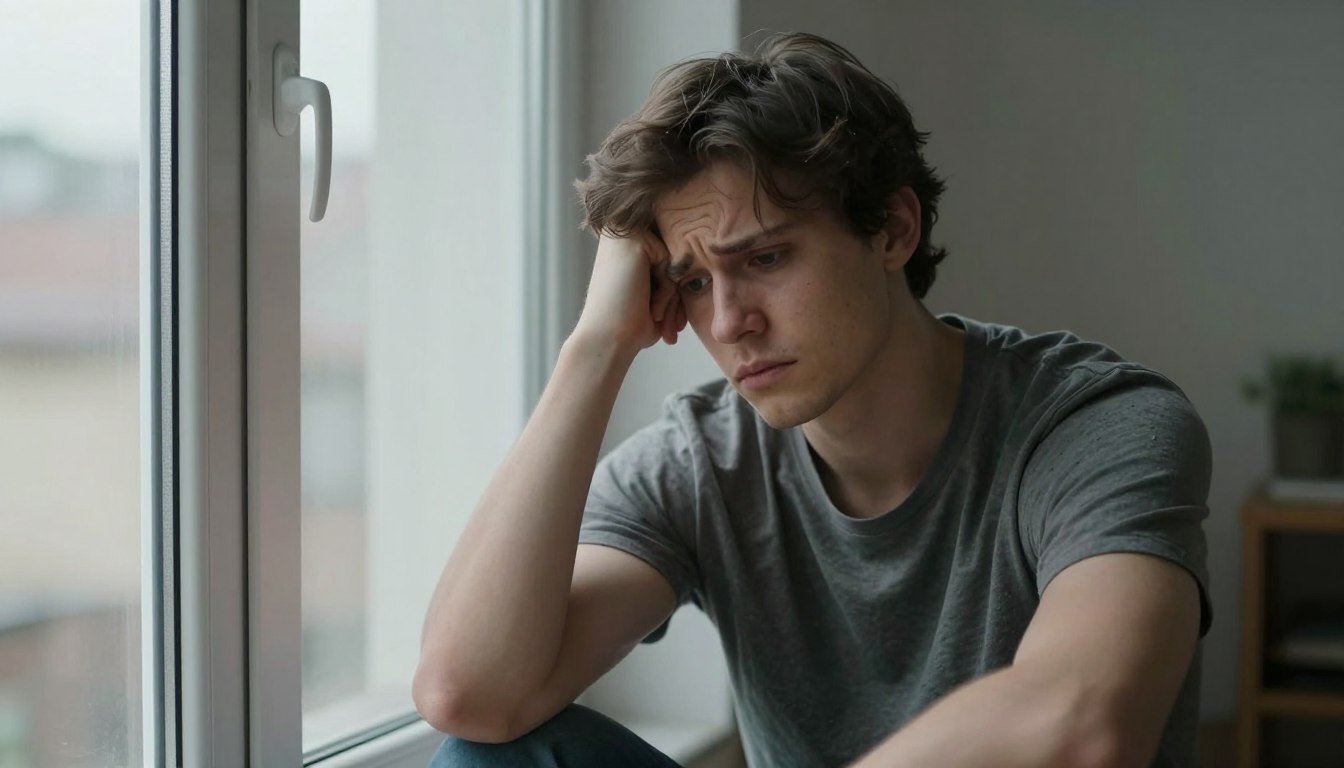
Anxiety has become an unwelcome companion for millions of Americans. What starts as occasional worry can transform into a persistent mental health condition that affects every aspect of daily life. The racing heartbeat before a presentation, the sleepless nights replaying conversations, the constant sense of impending doom—these experiences have become increasingly common in modern American society.
Mental health conditions like anxiety disorders now represent one of the most significant public health challenges facing the United States. Recent data shows that nearly one in five adults experiences some form of anxiety disorder each year. These conditions don’t discriminate by age, background, or circumstance. They can emerge in childhood, intensify during stressful life transitions, or develop later in adulthood.
Understanding anxiety disorders requires looking beyond simple definitions. This comprehensive guide examines why these conditions have become such a major threat to American health, which populations face the greatest risk, and most importantly, what evidence-based solutions exist. From the latest medical research to practical lifestyle strategies, we’ll explore every dimension of anxiety disorders to help you or your loved one navigate this challenging but manageable condition.
Immediate Help is Available
If you’re experiencing a mental health crisis or having thoughts of self-harm, you don’t have to face this alone. Trained crisis counselors are available 24/7 to provide free, confidential support.
Call or text 988 to reach the Suicide & Crisis Lifeline. Help is always available.
What Are Anxiety Disorders? Medical Definitions and Key Types
Anxiety disorders represent a group of mental health conditions characterized by excessive fear, worry, and related behavioral disturbances. Unlike normal anxiety that everyone experiences occasionally, these disorders involve persistent symptoms that interfere with daily functioning. The anxiety becomes disproportionate to the actual situation and doesn’t resolve even when logical reasoning suggests there’s no real threat.

Mental health professionals recognize several distinct types of anxiety disorders. Each has unique characteristics, though they often share overlapping symptoms. Understanding these differences helps health professionals create targeted treatment plans.
Generalized Anxiety Disorder (GAD)
Generalized anxiety disorder involves chronic, excessive worry about various everyday concerns. People with GAD find it extremely difficult to control their worry, even when they recognize it’s out of proportion. This condition affects approximately seven million American adults.
The worry in GAD isn’t focused on one specific issue. Instead, it shifts from health concerns to financial worries to family safety and work responsibilities. This persistent anxiety creates physical tension, restlessness, fatigue, and concentration difficulties. Many describe feeling on edge constantly, as if waiting for something terrible to happen.
Panic Disorder and Panic Attacks
Panic disorder involves recurrent, unexpected panic attacks—sudden periods of intense fear that reach peak intensity within minutes. During these episodes, people experience overwhelming physical symptoms including rapid heartbeat, sweating, trembling, shortness of breath, and feelings of impending doom or loss of control.
What distinguishes panic disorder from occasional panic attacks is the persistent worry about having additional attacks and the behavioral changes people make to avoid them. This anticipatory anxiety can become as disabling as the panic attacks themselves. Nearly six million adults in the United States live with panic disorder.
Social Anxiety Disorder
Social anxiety disorder causes intense fear of social situations where scrutiny or judgment might occur. This goes far beyond normal shyness. People with social anxiety disorder experience severe distress in situations like meeting new people, speaking in public, eating in front of others, or even making phone calls.
The fear centers on potential embarrassment or humiliation. Physical symptoms often include blushing, sweating, trembling voice, and rapid heartbeat. Approximately 15 million American adults struggle with social anxiety disorder, making it one of the most common mental health conditions in the country.
Specific Phobias
Specific phobias involve intense fear of particular objects or situations that pose little actual danger. Common phobias include heights, flying, animals, injections, blood, enclosed spaces, and natural disasters. The fear response is immediate, excessive, and often leads to avoidance behaviors that restrict normal activities.
When confronted with the phobic stimulus, people experience immediate anxiety that may escalate to panic attacks. They typically recognize their fear is unreasonable but feel powerless to control it. Specific phobias affect about 19 million adults in the United States.
Other Anxiety Disorders
Several other conditions fall under the anxiety disorders category. Agoraphobia involves fear of situations where escape might be difficult, such as crowds, public transportation, or open spaces. Separation anxiety disorder, once considered primarily a childhood condition, is now recognized in adults who experience excessive fear about separation from attachment figures.
Additionally, anxiety can be induced by certain medical conditions or substances. Health professionals must rule out these secondary causes when diagnosing anxiety disorders.
Common Symptoms Across All Anxiety Disorders
- Excessive worry or fear that interferes with daily life
- Physical tension in muscles, especially neck and shoulders
- Sleep disturbances including difficulty falling or staying asleep
- Restlessness and feeling constantly on edge
- Fatigue even after adequate rest
- Difficulty concentrating or mind going blank
- Irritability and mood changes
- Avoidance of situations that trigger anxiety
Physical Manifestations
- Rapid heartbeat or palpitations
- Sweating, especially palms and forehead
- Trembling or shaking
- Shortness of breath or feeling smothered
- Chest tightness or pain
- Nausea or digestive problems
- Dizziness or lightheadedness
- Numbness or tingling sensations
The distinction between normal anxiety and an anxiety disorder comes down to severity, duration, and impact on functioning. Everyone worries sometimes, but anxiety disorders involve symptoms that persist for months, cause significant distress, and impair work, relationships, or other important life areas.
Why Anxiety Disorders Represent a Major Threat to US Public Health
Anxiety disorders have emerged as one of the most pressing mental health conditions affecting Americans today. The scale of this challenge extends far beyond individual suffering, creating ripple effects throughout families, workplaces, and the healthcare system. Understanding why these conditions pose such a significant threat requires examining their widespread prevalence, serious health impacts, and substantial economic costs.

The Staggering Prevalence Across America
Anxiety disorders affect approximately 40 million adults in the United States annually—about 19 percent of the adult population. This makes anxiety the most common category of mental health conditions in America. Yet despite their prevalence and effectiveness of treatment, only about 37 percent of those suffering receive professional care.
These numbers represent real people whose lives are significantly disrupted. They include the college student who drops out due to panic attacks, the professional who turns down promotions because of social anxiety, and the parent unable to participate fully in their children’s lives because of overwhelming worry.
The prevalence has shown concerning upward trends over recent decades. Mental health surveys indicate that younger generations report higher rates of anxiety disorders compared to previous generations at similar ages. This suggests that modern American life may be creating conditions that foster anxiety development.
Serious Physical Health Consequences
Anxiety disorders don’t just affect mental well-being—they create significant physical health risks. Chronic anxiety triggers the body’s stress response system repeatedly, releasing cortisol and adrenaline in ways that weren’t designed for sustained activation. This constant state of physiological arousal damages multiple body systems over time.
Cardiovascular health suffers considerably from untreated anxiety. Research shows that anxiety disorders increase the risk of developing hypertension, heart disease, and experiencing cardiac events. The persistent elevation in heart rate and blood pressure creates wear and tear on the cardiovascular system. Studies indicate that people with anxiety disorders face up to a 26 percent increased risk of coronary heart disease.
The immune system also becomes compromised under chronic anxiety. Elevated stress hormones suppress immune function, making people more susceptible to infections and slower to recover from illnesses. People with anxiety disorders report more frequent colds, flu, and other common illnesses compared to those without these mental health conditions.
Digestive problems are extremely common among people with anxiety disorders. The gut-brain connection means that psychological stress directly impacts digestive function. Irritable bowel syndrome, ulcers, and chronic stomach problems occur at much higher rates in people with anxiety conditions. These digestive issues further reduce quality of life and create additional health concerns.
Impact on Overall Mortality and Life Expectancy
Perhaps most concerning, research indicates that severe, untreated anxiety disorders may reduce life expectancy. While the relationship is complex and often involves related factors like substance use or cardiovascular disease, the cumulative toll of chronic anxiety on physical health appears to measurably shorten lives.
The risk of developing additional mental health conditions also increases substantially. People with anxiety disorders show higher rates of depression, with about 60 percent experiencing major depressive episodes at some point. The combination of anxiety and depression creates particularly severe symptoms and greater functional impairment than either condition alone.
Economic Burden on Society
The economic impact of anxiety disorders extends throughout American society. Direct healthcare costs include psychiatric treatment, therapy sessions, medications, emergency room visits during panic attacks, and hospitalization when needed. These expenses total approximately $42 billion annually in the United States.
Indirect costs prove even more substantial. Anxiety disorders reduce workplace productivity through absenteeism and presenteeism—being physically present but functioning below capacity. Workers with anxiety disorders miss more work days and accomplish less when they do attend. Employers face costs from turnover, training replacements, and lost productivity. Total economic burden including both direct and indirect costs likely exceeds $100 billion yearly.
Educational achievement also suffers. Students with anxiety disorders show lower academic performance, higher dropout rates, and reduced likelihood of pursuing higher education. This educational disruption affects lifetime earning potential and career advancement, creating long-term economic consequences for individuals and society.
Strain on Healthcare Systems
Anxiety disorders place considerable demand on healthcare resources. People with these conditions utilize healthcare services at higher rates than the general population. They visit emergency rooms more frequently, often for panic attacks or anxiety-related physical symptoms. Many undergo extensive medical testing to rule out physical causes before receiving proper mental health diagnosis and treatment.
Primary care providers report that mental health conditions, particularly anxiety and depression, constitute a large portion of their patient concerns. However, many don’t feel adequately trained in mental health treatment. This creates a gap where patients need specialized care but face long waitlists for mental health professionals.
The shortage of mental health providers compounds the problem. Many areas of the country, particularly rural regions, lack adequate access to psychiatrists, psychologists, and licensed therapists. This care access gap means many people with anxiety disorders go untreated or undertreated, allowing symptoms to worsen over time.

Social and Relationship Impacts
Beyond individual and economic costs, anxiety disorders damage social fabric and relationships. Family members often feel frustrated, helpless, or resentful when a loved one’s anxiety limits family activities or creates tension at home. Children growing up with parents who have untreated anxiety disorders face higher risks of developing anxiety themselves, creating intergenerational cycles.
Social isolation frequently accompanies anxiety disorders, particularly social anxiety disorder and agoraphobia. As people increasingly avoid situations that trigger anxiety, their social networks shrink. This isolation then worsens anxiety symptoms, creating a destructive cycle. The resulting loneliness contributes to the overall negative health impacts of these mental health conditions.
Relationships suffer when anxiety disorders go untreated. Partners may not understand why their loved one can’t “just relax” or “stop worrying.” This lack of understanding creates conflict and emotional distance. Many relationships deteriorate or end due to the strain of unmanaged anxiety, further increasing stress and isolation for the person with the disorder.
Barriers to Treatment and Recovery
Despite effective treatments being available, multiple barriers prevent people from receiving care. Stigma surrounding mental health conditions remains significant, with many fearing judgment from family, friends, or employers. This stigma causes people to delay seeking help or to hide their struggles entirely.
Financial barriers also limit access. Even with insurance, mental health treatment costs can be substantial. Copays for therapy sessions add up quickly, and some insurance plans provide limited mental health coverage. For the uninsured, costs prove prohibitive. This means that those with fewer financial resources face greater difficulty accessing treatment despite potentially higher stress levels.
The shortage of treatment providers creates long waitlists in many areas. People experiencing severe anxiety symptoms may wait weeks or months for an initial appointment with a mental health professional. During this waiting period, symptoms often worsen, relationships deteriorate, and work performance suffers. Some give up on seeking care altogether after facing these obstacles.
Key Takeaway: Anxiety disorders represent a major public health threat due to their high prevalence, serious physical and mental health consequences, substantial economic costs, and the multiple barriers that prevent people from accessing effective treatment. Addressing this challenge requires both individual action and systemic improvements to mental health care access and affordability.
Which Age Groups Are Most Affected by Anxiety Disorders in America?
Anxiety disorders don’t affect all age groups equally. Research reveals distinct patterns across different life stages, with certain populations facing significantly higher risks. Understanding these age-related trends helps target prevention efforts and ensures appropriate support reaches those most vulnerable to these mental health conditions.
Young Adults: The Most Affected Population
Young adults aged 18 to 29 experience the highest rates of anxiety disorders among all age groups in the United States. Nearly one in four young adults meets criteria for an anxiety disorder in any given year. This elevated risk period coincides with major life transitions—starting college, entering the workforce, establishing independence, and forming significant relationships.
The pressures facing today’s young adults appear particularly intense. Student loan debt averages over $30,000, creating financial stress that previous generations didn’t face at similar ages. Career prospects feel uncertain in rapidly changing job markets. Social media creates constant comparison and fear of missing out. Housing affordability challenges mean many young adults struggle to achieve traditional markers of adulthood.
College students specifically show alarming mental health trends. Recent surveys indicate that more than 60 percent of college students experienced overwhelming anxiety in the past year. College counseling centers report unprecedented demand for mental health services, with many unable to meet the volume of students seeking help. Academic pressures, social adjustment challenges, and concerns about future prospects all contribute to elevated anxiety levels in this population.
Adolescents and Teenagers
Anxiety disorders frequently emerge during adolescence, with symptoms often beginning between ages 11 and 15. Approximately one in three teenagers will experience an anxiety disorder by age 18. This represents a concerning increase compared to rates from previous decades.
The teenage years involve significant brain development, hormonal changes, and social pressures that create vulnerability to anxiety. Academic competition intensifies as college applications approach. Social dynamics become more complex and fraught with potential for exclusion or bullying. Body image concerns peak during these years. Digital connectivity means social pressures follow teens everywhere through their smartphones.
Social anxiety disorder particularly affects teenagers. The intense self-consciousness typical of adolescence can escalate into debilitating social fear for susceptible individuals. School refusal due to anxiety has become increasingly common, with some teens experiencing such severe symptoms they can’t attend classes regularly.
Early intervention during adolescence proves critical because untreated anxiety disorders in teens predict ongoing mental health conditions in adulthood. Teenagers who receive appropriate treatment show much better long-term outcomes than those whose anxiety goes unaddressed.

Children: Growing Concerns About Early Onset
Anxiety disorders also affect younger children at concerning rates. Approximately seven percent of children ages three to 17 have diagnosed anxiety disorders—roughly 4.4 million children across America. Many experts believe actual numbers exceed this estimate because anxiety in young children often goes unrecognized or is dismissed as shyness or behavioral problems.
Separation anxiety represents the most common anxiety disorder in young children. Kids may become extremely distressed when separated from parents, refuse to sleep alone, or have physical complaints like stomachaches that intensify before school. While some separation anxiety is developmentally normal, persistent symptoms that interfere with normal activities signal a disorder requiring intervention.
Specific phobias frequently develop during childhood years. Fear of animals, storms, darkness, or loud noises can escalate from normal childhood fears to intense phobias. When these fears severely restrict activities or cause extreme distress, professional evaluation becomes necessary.
Environmental factors appear to influence childhood anxiety rates. Parental anxiety disorders increase children’s risk substantially—both through genetic factors and learned behavioral patterns. Exposure to trauma, family instability, or significant stress also elevates risk. Conversely, supportive family environments and early intervention programs can prevent anxiety from becoming chronic.
Middle-Aged Adults
Adults ages 30 to 59 show somewhat lower anxiety disorder rates than younger populations, but still represent a substantial affected group. About 15 percent of middle-aged adults experience anxiety disorders. This life stage brings different stressors—career pressures, financial responsibilities including mortgages and children’s education, aging parent care, and relationship challenges.
Generalized anxiety disorder becomes more common in this age group compared to younger adults. The accumulated responsibilities and long-term worry about multiple life domains characterize GAD. Middle-aged adults often juggle competing demands from work, family, and personal health that create chronic stress conditions.
Women in middle age face particular vulnerability during perimenopause and menopause. Hormonal fluctuations during this transition can trigger or worsen anxiety symptoms. Many women report increased anxiety, panic attacks, or intensified worry during these years even without previous anxiety history.
The “sandwich generation”—adults caring simultaneously for aging parents and their own children—experiences especially high stress levels. These competing care responsibilities, often while maintaining demanding careers, create conditions ripe for anxiety disorder development.
Older Adults
Adults over 60 show the lowest prevalence rates for anxiety disorders, with approximately 10 to 15 percent affected. However, anxiety in this population often goes undiagnosed and untreated. Symptoms may be attributed to normal aging or physical health conditions rather than recognized as mental health disorders requiring treatment.
Health concerns naturally increase with age, and anxiety about medical problems, disability, or mortality affects many older adults. When this health-related worry becomes excessive and interferes with daily functioning, it crosses into anxiety disorder territory. Physical symptoms of anxiety can also mimic or overlap with symptoms of heart disease, thyroid problems, or other age-related health conditions, complicating diagnosis.
Older adults face unique anxiety triggers including retirement adjustment, loss of loved ones, reduced independence, cognitive decline concerns, and financial worries about healthcare costs or fixed incomes. Social isolation increases with age as social networks shrink, which can worsen anxiety symptoms.
Treatment barriers affect older adults particularly. This generation often holds stronger stigma against mental health treatment. They may be reluctant to discuss emotional problems with health professionals or to take psychiatric medications. Healthcare providers may also fail to screen adequately for anxiety in older patients, focusing primarily on physical health concerns.
Risk Factors Across All Ages
Certain factors increase anxiety disorder risk regardless of age:
- Family history of anxiety or other mental health conditions
- Experiencing trauma or significant stressful life events
- Certain medical conditions including thyroid disorders
- Substance use including caffeine, alcohol, or drugs
Protective Factors
These elements help reduce anxiety risk at any age:
- Strong social support from family and friends
- Effective stress management and coping skills
- Regular physical activity and healthy lifestyle habits
- Early intervention when symptoms first appear
Gender Differences Across Age Groups
Women consistently show higher anxiety disorder rates than men across all age groups—approximately twice the prevalence. This gender gap appears in adolescence and persists throughout life. Biological factors including hormonal influences, differences in brain chemistry, and stress response patterns may partially explain this disparity.
Sociocultural factors also contribute. Women face different social pressures and role expectations that may increase vulnerability to anxiety. They report higher rates of trauma exposure including sexual assault and domestic violence, which strongly predicts anxiety disorder development. Women also generally show greater willingness to report mental health symptoms and seek treatment, which may make anxiety conditions more visible in this population.
Men, while showing lower overall rates, often present different anxiety symptoms. They may be more likely to express anxiety through irritability, anger, or substance use rather than worry or fear. This can lead to underdiagnosis when healthcare providers don’t recognize these alternative presentations.
How Anxiety Becomes Stressful and Out of Control in the United States
Anxiety doesn’t typically emerge suddenly as a severe disorder. Instead, it usually follows a progressive pattern where manageable worry gradually escalates into overwhelming, uncontrollable fear. Understanding this progression—and the factors specific to American society that accelerate it—helps explain why so many people find themselves trapped in severe anxiety conditions.

The Escalation Cycle
Anxiety becomes uncontrollable through a self-reinforcing cycle. Initially, a person experiences normal stress response to a genuine challenge—perhaps a work deadline or health concern. However, instead of resolving after the stressor passes, the anxiety persists. The person begins worrying about the worry itself, creating a secondary layer of distress.
Avoidance behaviors then develop. To reduce anxiety, people start avoiding situations that trigger fear. A person with social anxiety might decline invitations, someone with panic disorder might avoid leaving home, or those with generalized anxiety might procrastinate on decisions to avoid feeling worried about outcomes.
These avoidance strategies provide temporary relief but ultimately strengthen the anxiety. Each avoided situation confirms the anxious belief that the situation was genuinely threatening. The comfort zone shrinks progressively smaller as more situations get added to the avoidance list. Life becomes increasingly restricted while anxiety grows more powerful.
Physical symptoms also escalate through this cycle. Chronic anxiety keeps the nervous system in constant activation mode. This creates persistent physical tension, sleep disruption, and fatigue. These physical effects then become additional sources of worry, further intensifying the anxiety. People often develop health anxiety on top of their original symptoms as they worry about what these physical sensations mean.
Cultural Factors Specific to American Society
Several aspects of contemporary American culture create conditions where anxiety escalates more readily than in some other societies. The cultural emphasis on individual achievement places enormous pressure on personal success. Americans face constant messaging that they should optimize every aspect of life—career advancement, physical fitness, relationship fulfillment, financial success, and personal growth all simultaneously.
This perfectionism culture leaves little room for normal human limitations or setbacks. Failure feels catastrophic when success is presented as entirely within individual control. The “pull yourself up by your bootstraps” mentality creates shame around struggling, making people less likely to seek help early when anxiety first emerges.
Work culture in America particularly contributes to anxiety escalation. The United States provides less workplace protection and fewer mandated vacation days than most developed nations. Many workers feel unable to take time off for mental health needs without jeopardizing their positions. The expectation of constant availability through email and phones means work stress follows people everywhere, preventing the recovery periods necessary to prevent anxiety from becoming chronic.
Economic Insecurity and Financial Stress
Financial anxiety represents a major trigger for escalating stress in America. Healthcare costs create constant worry, with many families just one serious illness away from financial disaster. Medical debt contributes to over 60 percent of bankruptcies in the United States. Even people with insurance face substantial out-of-pocket costs that create ongoing financial strain.
Housing affordability challenges intensify across most American cities. Rent or mortgage payments consume increasingly large portions of household income. Young adults struggle to achieve homeownership that previous generations considered a standard milestone. This housing insecurity contributes to feelings of instability and vulnerability that feed anxiety.
Student loan debt burdens millions of Americans, with average balances exceeding $30,000 and taking decades to repay. This debt delays other major life milestones and creates chronic financial stress. The pressure to achieve career success becomes more intense when substantial debt payments loom every month.
Job insecurity in rapidly changing industries adds another layer of economic worry. Automation, outsourcing, and corporate restructuring mean that even educated workers in professional positions face uncertain employment prospects. The gig economy creates income instability for growing numbers of workers. These economic uncertainties provide fertile ground for anxiety to take root and grow.
Social Media and Digital Connectivity
The rise of social media and constant digital connectivity represents a historically unprecedented factor in anxiety escalation. Platforms designed to maximize engagement often amplify comparison, envy, and fear of missing out. People constantly see curated highlights of others’ lives while experiencing the full reality of their own struggles. This creates distorted perceptions that everyone else is more successful, happier, and more fulfilled.
The 24-hour news cycle exposes people to constant streams of threatening information. Stories emphasizing crime, disasters, political conflict, and societal problems dominate news feeds. While people have always faced challenges, previous generations weren’t bombarded with global crisis information constantly. This sustained exposure to negative information intensifies worry and creates feelings that the world is more dangerous than statistical reality supports.
Cyberbullying and online harassment create new anxiety triggers, particularly for younger people. Mean comments, social exclusion, and public shaming can occur at any time and reach wide audiences. The permanence of online content means embarrassing incidents or mistakes remain visible indefinitely, creating ongoing sources of worry and dread.
Sleep disruption from screen time also contributes significantly. The blue light from devices interferes with natural sleep cycles. Many people scroll through phones late at night, exposing themselves to stimulating or distressing content right before attempting sleep. Poor sleep quality then reduces resilience to daytime stressors, making anxiety symptoms worse.

Substance Use as Coping Mechanism
Many Americans turn to alcohol or other substances attempting to manage anxiety symptoms. While substances may provide temporary relief, they ultimately worsen anxiety conditions significantly. Alcohol disrupts sleep quality, increases physiological stress responses, and can trigger or intensify panic attacks as effects wear off.
Caffeine consumption also contributes to anxiety escalation. Americans consume high levels of caffeine through coffee, energy drinks, and sodas. Caffeine stimulates the nervous system in ways that mimic and exacerbate anxiety symptoms. People with underlying anxiety disorders often experience significantly worse symptoms from caffeine but may not recognize the connection.
Using substances to cope prevents people from developing healthy anxiety management skills. Rather than learning to tolerate uncomfortable feelings or challenge anxious thoughts, substance use provides escape. When the substance wears off, the anxiety returns unchanged or intensified, encouraging increased substance use. This pattern can lead to dependence or addiction on top of the original anxiety disorder.
Lack of Recovery Time and Constant Stimulation
American lifestyle often lacks adequate downtime for nervous system recovery. Packed schedules with work, family obligations, household management, and social commitments leave minimal time for rest and restoration. Even leisure time becomes scheduled and achievement-oriented—tracking fitness metrics, maintaining social media presence, or pursuing side businesses.
This constant stimulation and lack of genuine rest prevents the parasympathetic nervous system from activating properly. The body needs sustained periods of calm to reset stress response systems. Without this recovery time, stress hormones remain chronically elevated, physical tension persists, and anxiety symptoms intensify.
The cultural message that “busy” equals “important” or “successful” makes people reluctant to prioritize rest. Taking time for recovery activities like meditation, nature exposure, or simply doing nothing feels indulgent or wasteful. This prevents the very activities that would help prevent anxiety from escalating.
Isolation and Weakening Social Connections
Despite digital connectivity, many Americans experience profound loneliness and social isolation. Traditional community structures like neighborhood connections, religious organizations, and social clubs have weakened. People often don’t know their neighbors. Work friendships remain surface-level. Extended family may live far away.
This isolation means people lack the social support that naturally buffers against stress. When anxiety begins escalating, isolated individuals have fewer people to talk to, seek perspective from, or receive practical help. The shame around mental health struggles further prevents people from reaching out with the limited social connections they do have.
Loneliness itself increases anxiety. Humans are social creatures whose nervous systems co-regulate through connection with others. Isolation keeps the nervous system in threat-detection mode, as being alone historically signaled danger. This biological response to isolation directly feeds anxiety symptoms.
Delayed Treatment Seeking
By the time many Americans seek professional help for anxiety, symptoms have already reached severe levels. The escalation period—often lasting months or years—allows anxiety to become deeply entrenched. Neural pathways associated with fear responses strengthen through repetition. Avoidance behaviors become habitual. Life restrictions increase until functioning is significantly impaired.
Multiple factors contribute to this treatment delay. Mental health stigma makes people reluctant to admit they’re struggling. Many hope symptoms will resolve on their own if they just try harder. The cost and availability barriers discussed earlier prevent access even when people recognize they need help. Insurance limitations mean many can’t afford sufficient treatment sessions.
Primary care providers often fail to screen adequately for anxiety disorders or don’t have time during brief appointments to address mental health comprehensively. Patients may not realize that physical symptoms like chest pain, digestive problems, or headaches could stem from anxiety. This leads to cycles of medical testing and specialist referrals before proper diagnosis occurs.
Warning Signs Anxiety Is Escalating Beyond Control
- Panic attacks occurring more frequently or in more situations
- Increasing avoidance that limits normal activities
- Sleep severely disrupted by worry or racing thoughts
- Physical symptoms interfering with daily functioning
- Using alcohol or substances to manage symptoms
- Thoughts of self-harm or feeling life isn’t worth living
- Unable to fulfill work or family responsibilities
- Relationships deteriorating due to anxiety symptoms
If you recognize these signs in yourself or a loved one, reaching out for professional help becomes critical. Anxiety disorders respond well to treatment, but early intervention prevents the condition from becoming more severe and entrenched. The cultural factors and lifestyle patterns that contribute to anxiety escalation can be addressed, but usually require guidance from a mental health professional along with deliberate lifestyle changes.
Effective Strategies for Preventing Anxiety Disorders
While not all anxiety disorders can be prevented—some have strong genetic components—many cases can be avoided or their severity reduced through proactive strategies. Prevention proves most effective when implemented early, before anxiety patterns become established. These evidence-based approaches can reduce risk significantly for individuals and families.
Building Stress Resilience Early
Developing resilience to stress represents the foundation of anxiety prevention. Resilience doesn’t mean avoiding all stress, but rather building capacity to manage challenges effectively without becoming overwhelmed. This skill development ideally begins in childhood but can be strengthened at any age.
Teaching children healthy coping strategies prevents anxiety patterns from forming. Parents can model appropriate responses to stress—acknowledging difficult emotions, problem-solving effectively, and maintaining perspective. Children who see adults managing stress healthily learn these patterns themselves. Conversely, children exposed to anxious, avoidant coping often internalize these maladaptive strategies.
Exposing children gradually to manageable challenges builds confidence and reduces fear of the unknown. Overprotecting children from all discomfort, while well-intentioned, can prevent development of coping skills. Children need opportunities to experience mild stress, work through problems independently, and discover their own capability to handle difficulties.
For adults, building resilience involves similar principles. Gradually expanding comfort zones rather than avoiding uncomfortable situations prevents anxiety from taking hold. Learning to tolerate uncertainty rather than demanding complete control reduces vulnerability to anxiety. Developing a growth mindset that views challenges as opportunities rather than threats changes the fundamental relationship with stress.

Maintaining Strong Social Connections
Social support serves as one of the most powerful protective factors against anxiety disorders. People with strong social networks show significantly lower rates of developing anxiety conditions when facing stress. Quality matters more than quantity—a few deep, supportive relationships provide more protection than numerous superficial connections.
Actively maintaining relationships requires deliberate effort in modern life. Regular contact with family members, close friends, and community groups creates the support structure that buffers against stress. This means scheduling time for relationships despite busy schedules, making the effort to stay in touch, and being present during interactions rather than distracted by devices.
Participating in community activities builds social connections while providing structure and purpose. Religious or spiritual communities, volunteer organizations, recreational sports leagues, or hobby groups all create opportunities for meaningful interaction. These connections provide both practical support during difficult times and the emotional reassurance that comes from belonging.
For people prone to isolation, deliberately joining groups aligned with interests helps overcome social anxiety tendencies. Starting small with low-pressure social situations and gradually expanding comfort zones prevents anxiety about social interaction from becoming entrenched.
Regular Physical Activity
Exercise represents one of the most effective anxiety prevention strategies available. Physical activity reduces stress hormones, stimulates production of mood-regulating chemicals, improves sleep quality, and provides a healthy outlet for physical tension. Regular exercisers show substantially lower rates of developing anxiety disorders compared to sedentary individuals.
The type and intensity of exercise matter less than consistency. Even moderate activity like brisk walking for 30 minutes most days provides significant mental health benefits. The key is finding activities enjoyable enough to maintain long-term rather than forcing unsustainable exercise regimens.
Exercise also provides psychological benefits beyond direct physiological effects. It builds confidence through achieving fitness goals, creates structure in daily routines, offers opportunities for social connection through group activities or classes, and provides time away from stressors for mental processing.
For children, ensuring adequate physical activity—both through organized sports and unstructured play—supports healthy development and reduces anxiety risk. Screen time limits become important to ensure children get sufficient movement. Active play also helps children learn to navigate social dynamics and develop confidence in their physical abilities.
Healthy Sleep Patterns
Adequate, quality sleep proves essential for emotional regulation and stress management. Chronic sleep deprivation increases vulnerability to anxiety disorders substantially. The relationship works bidirectionally—poor sleep increases anxiety risk, while anxiety disrupts sleep. Establishing healthy sleep patterns early prevents this destructive cycle from developing.
Sleep hygiene practices include maintaining consistent sleep and wake times, even on weekends. This regularity helps regulate the body’s circadian rhythms. Creating a relaxing bedtime routine signals the nervous system to shift into rest mode. The bedroom environment should be cool, dark, and quiet. Removing screens from bedrooms eliminates the sleep-disrupting effects of blue light and stimulating content.
Limiting caffeine, especially in afternoon and evening hours, prevents sleep interference. Alcohol, while it may initially aid falling asleep, disrupts sleep quality significantly and should be avoided close to bedtime. Regular exercise improves sleep quality but should be completed several hours before bed as it can be initially stimulating.
For families with children, establishing consistent bedtime routines from early childhood creates lifelong healthy sleep patterns. Sufficient sleep proves especially critical for adolescents, whose biological clocks shift toward later sleep times but who still face early school start times. This sleep deprivation contributes significantly to adolescent mental health problems including anxiety.
Mindfulness and Stress Awareness
Developing mindfulness—the ability to stay present in the moment without judgment—helps prevent anxious thought patterns from developing. Anxiety inherently involves either worrying about the future or ruminating about the past. Mindfulness anchors attention to the present moment where most anxiety-provoking scenarios don’t actually exist.
Mindfulness practice doesn’t require lengthy meditation sessions. Brief practices integrated throughout the day prove effective. Taking several deep breaths while noticing physical sensations, paying full attention to sensory experiences while eating, or spending a few minutes observing thoughts without engaging them all build mindfulness skills.
Becoming aware of early stress signals allows intervention before anxiety escalates. Learning to notice tension in the body, changes in breathing patterns, or shifts in thought patterns creates opportunity to implement coping strategies early. This awareness prevents the gradual stress accumulation that eventually develops into anxiety disorders.
Limiting Exposure to Anxiety Triggers
While complete avoidance creates problems, mindfully limiting unnecessary exposure to anxiety-provoking content and situations prevents sensitization. This particularly applies to media consumption. Limiting news exposure to specific times rather than constantly checking for updates reduces anxiety stimulation. Being selective about social media use and unfollowing accounts that provoke comparison or negative emotions protects mental health.
For children and adolescents, parents play a crucial role in monitoring and limiting media exposure. Age-appropriate content restrictions, screen time limits, and monitoring online interactions help prevent exposure to cyberbullying or distressing content. These protective measures don’t eliminate all risk but reduce unnecessary anxiety triggers during vulnerable developmental periods.
Creating media-free times and spaces allows the nervous system recovery periods. Having technology-free meals, establishing screen-free bedrooms, or designating certain hours as device-free creates the downtime necessary for stress recovery.
Addressing Problems Early
When life stressors arise—relationship conflicts, work problems, financial difficulties, or health concerns—addressing them directly prevents the chronic worry that can evolve into anxiety disorders. Problem-solving approaches that break large issues into manageable steps reduce feeling overwhelmed. Seeking appropriate help whether through counseling, financial advisors, or other professionals demonstrates healthy coping rather than anxious avoidance.
For parents noticing anxiety signs in children—excessive worry, physical complaints before school, avoidance of activities, or sleep problems—early consultation with pediatricians or child psychologists can prevent progression to full anxiety disorders. Brief, targeted interventions prove most effective when implemented early rather than waiting until symptoms become severe.
Healthy Lifestyle Foundations
Basic wellness practices create the foundation that prevents anxiety from taking hold. Nutrition affects mood and stress resilience significantly. Diets high in processed foods, sugar, and caffeine can worsen anxiety symptoms, while whole foods with adequate protein, healthy fats, and complex carbohydrates support stable mood and energy.
Staying hydrated matters more than many realize. Even mild dehydration can increase cortisol levels and intensify feelings of anxiety. Ensuring adequate water intake throughout the day supports optimal nervous system function.
Avoiding or limiting alcohol and drugs prevents the anxiety escalation these substances create. While they may temporarily mask stress, substance use interferes with natural stress regulation systems and often leads to rebound anxiety.
Regular health checkups ensure that physical health conditions that can mimic or contribute to anxiety get identified and treated. Thyroid disorders, heart conditions, blood sugar problems, and vitamin deficiencies can all create anxiety-like symptoms. Addressing these medical issues prevents misattribution of symptoms and unnecessary anxiety about health.
Creating Life Balance
Preventing anxiety requires maintaining balance across life domains. Overwork, even in pursuits people enjoy, depletes resources needed for stress resilience. Setting boundaries around work hours, declining commitments that exceed capacity, and prioritizing recovery time demonstrates healthy self-care.
For families, this means resisting overscheduling children with activities. While enrichment opportunities benefit development, children also need unstructured time for rest, play, and family connection. The pressure to excel in multiple domains simultaneously creates stress that can develop into anxiety disorders.
Financial planning reduces a major source of American anxiety. Creating budgets, building emergency savings, and making informed financial decisions provides sense of control and security. Financial literacy education, starting in adolescence, prepares young people to manage money-related stress more effectively.
These prevention strategies work most effectively when implemented consistently over time. They create the conditions where mental health flourishes rather than merely preventing illness. Starting these practices early—ideally in childhood—provides maximum protection, but implementing them at any age reduces anxiety risk and improves overall wellbeing.
Treatment Effectiveness: What Doctors and Research Say About Therapy and Medication
The question of whether treatment really works for anxiety disorders has a clear answer supported by decades of research: yes, treatment is highly effective. Multiple approaches show strong evidence for reducing symptoms and improving quality of life. The key lies in finding the right treatment or combination of treatments for each individual, as response varies based on anxiety type, symptom severity, and personal factors.

Psychotherapy: Evidence-Based Talk Therapy Approaches
Psychotherapy, particularly cognitive behavioral therapy (CBT), represents the most extensively studied and proven treatment for anxiety disorders. Research consistently demonstrates that CBT produces significant symptom reduction in 60 to 80 percent of people with anxiety disorders. This treatment works by helping people identify and change thought patterns and behaviors that maintain anxiety.
Cognitive behavioral therapy teaches people to recognize anxious thoughts, evaluate their accuracy, and develop more realistic thinking patterns. The behavioral component involves gradually facing feared situations rather than avoiding them, which breaks the anxiety cycle. CBT typically involves 12 to 20 sessions, though some people benefit from shorter or longer treatment periods.
Exposure therapy, a specific form of CBT, proves particularly effective for phobias, panic disorder, and social anxiety disorder. This approach involves systematically confronting feared situations in a controlled, gradual manner until anxiety naturally decreases. While initially uncomfortable, exposure therapy produces lasting results with many people experiencing complete symptom resolution.
Acceptance and commitment therapy (ACT) represents another evidence-based approach. Rather than trying to eliminate anxiety, ACT teaches people to change their relationship with anxious thoughts and feelings. People learn to accept uncomfortable emotions while still taking action toward valued goals. Research shows ACT produces outcomes comparable to CBT for many anxiety disorders.
Mindfulness-based therapies incorporate meditation and present-moment awareness into treatment. Studies demonstrate that mindfulness-based stress reduction and mindfulness-based cognitive therapy both reduce anxiety symptoms effectively. These approaches work particularly well for generalized anxiety disorder where worry about the future dominates.
What Mental Health Professionals Say
Mental health professionals consistently emphasize that therapy provides skills people use throughout life, not just temporary symptom relief. Dr. Martin Seif, a psychologist specializing in anxiety disorders, notes that “therapy teaches people they have more control over their anxiety than they realized. Once you learn these skills, they become tools you can use whenever anxiety arises.”
Clinicians stress the importance of finding a therapist specifically trained in anxiety treatment. Not all therapists have expertise with anxiety disorders, and working with specialists produces better outcomes. Organizations like the Anxiety and Depression Association of America maintain directories of anxiety-specialized providers.
Health professionals also emphasize that therapy requires active participation. Unlike taking medication passively, therapy involves homework assignments, practicing skills between sessions, and confronting uncomfortable situations. People who fully engage with therapy generally experience better and faster results than those who attend sessions but don’t complete assignments.
Medication: Types and Effectiveness
Medications for anxiety disorders fall into several categories, each with different mechanisms, benefits, and drawbacks. Selective serotonin reuptake inhibitors (SSRIs) represent the most commonly prescribed medication class for anxiety disorders. These medications—including sertraline, paroxetine, and escitalopram—increase serotonin levels in the brain, which helps regulate mood and reduce anxiety.
Research shows SSRIs effectively reduce anxiety symptoms in approximately 50 to 60 percent of people who take them. They typically require four to six weeks to reach full effectiveness. Side effects, usually mild, may include initial increased anxiety, digestive upset, sexual dysfunction, or sleep changes. Most people tolerate these medications well, and side effects often diminish over time.
Serotonin-norepinephrine reuptake inhibitors (SNRIs) like venlafaxine and duloxetine work similarly to SSRIs but also affect norepinephrine. They show comparable effectiveness to SSRIs and may work for people who don’t respond to SSRIs alone. SNRIs carry similar side effect profiles to SSRIs.
Benzodiazepines like alprazolam, lorazepam, and clonazepam work quickly to reduce anxiety, often within 30 to 60 minutes. This rapid action makes them useful for panic attacks or acute anxiety episodes. However, benzodiazepines carry significant drawbacks including dependency risk, cognitive effects, and severe withdrawal symptoms. Most psychiatrists now prescribe them only for short-term use or specific situations rather than daily long-term treatment.
Buspirone represents an alternative medication specifically for generalized anxiety disorder. It doesn’t carry dependency risk and causes minimal side effects, though it requires several weeks to become effective. Beta-blockers like propranolol can reduce physical anxiety symptoms like rapid heartbeat and trembling, particularly for performance anxiety situations.
Medical Perspectives on Medication
Psychiatrists emphasize that medication works best when combined with therapy rather than used alone. Dr. Charles Nemeroff, a psychiatry researcher, states that “medication can provide relief from overwhelming symptoms that prevent people from engaging in therapy, but therapy teaches the skills needed for long-term management. The combination produces better outcomes than either alone.”
Medical professionals caution that medication doesn’t cure anxiety disorders but rather manages symptoms. People typically need to continue medication for at least six to twelve months after symptoms improve. Stopping too soon often leads to symptom return. Some people require longer-term maintenance treatment, while others successfully discontinue medication after completing therapy.
Doctors stress the importance of working closely with prescribers, particularly when starting medications. Side effects usually occur early and diminish over time, but communication allows adjustments if problems persist. Finding the right medication sometimes requires trying several options, as individual responses vary significantly.
Comparing Therapy and Medication Outcomes
Research directly comparing therapy and medication generally finds both approaches effective, with slightly different profiles. Therapy typically produces results that last longer after treatment ends. People who complete cognitive behavioral therapy maintain improvement years later at higher rates than those who relied solely on medication. However, therapy requires more time commitment and active effort.
Medication works faster, providing relief within weeks rather than the months that therapy may require. This makes medication valuable when anxiety severely impairs functioning or creates safety concerns. Medication also requires less time commitment than weekly therapy sessions.
Studies consistently show that combining therapy and medication produces the best outcomes for moderate to severe anxiety disorders. The combination approach leads to higher response rates, faster improvement, and lower relapse rates than either treatment alone. For severe anxiety disorders, particularly panic disorder and social anxiety disorder, combination treatment represents the gold standard approach.
Alternative and Complementary Approaches
Some approaches show promise as complementary treatments though they typically aren’t recommended as sole therapies for diagnosed anxiety disorders. Omega-3 fatty acids demonstrate mild anti-anxiety effects in some studies. Regular exercise produces anxiety reduction comparable to medication in some research, though it works best as part of comprehensive treatment rather than sole intervention.
Certain herbal supplements like chamomile, lavender, and passionflower show modest anxiety-reducing effects in research studies. However, health professionals caution that supplements aren’t regulated like medications, quality varies between brands, and they can interact with other medications. Anyone considering supplements should discuss them with healthcare providers.
Acupuncture, massage therapy, and yoga all demonstrate stress reduction benefits. While evidence for treating clinical anxiety disorders remains limited, these practices support overall wellness and can complement evidence-based treatments. Many people find them helpful for managing stress and supporting recovery.
Success Rates and Realistic Expectations
When asked about success rates, mental health professionals emphasize that most people with anxiety disorders improve significantly with appropriate treatment. Research indicates that 70 to 90 percent of people experience substantial symptom reduction when they receive evidence-based treatment and engage fully with it.
However, “success” doesn’t always mean complete symptom elimination. For many people, effective treatment means reducing symptoms to manageable levels rather than eliminating anxiety entirely. People learn to function well despite occasional anxiety, maintain employment and relationships, and enjoy life without constant distress.
Treatment typically requires several months before maximum benefits appear. Expecting immediate, complete relief often leads to disappointment and premature treatment discontinuation. Mental health professionals stress that patience and persistence with treatment produce the best long-term outcomes.
Some people don’t respond to first-line treatments and require more specialized approaches or longer treatment duration. Treatment-resistant anxiety affects approximately 20 to 30 percent of people. These individuals often benefit from consultation with anxiety disorder specialists, trying different medication combinations, or intensive treatment programs.
Barriers to Accessing Effective Treatment
Despite treatment effectiveness, many people with anxiety disorders don’t receive evidence-based care. A shortage of mental health professionals means long waitlists in many areas. Insurance coverage limitations restrict the number of therapy sessions available. The cost of treatment creates barriers even for insured individuals facing high deductibles and copays.
Many people receive treatment from primary care providers who lack specialized training in anxiety disorders. While some benefit from this care, others don’t receive the evidence-based approaches most likely to produce lasting improvement. Increasing access to specialized anxiety treatment remains a significant public health challenge.
Anxiety Disorder Statistics Over 100 Years: Historical Trends and Data
Examining anxiety disorder statistics across a century reveals fascinating trends in how we understand, diagnose, and treat these mental health conditions. While direct comparisons prove challenging due to changing diagnostic criteria and awareness levels, available data illustrates how anxiety disorders have evolved from rarely diagnosed conditions to recognized major public health concerns.
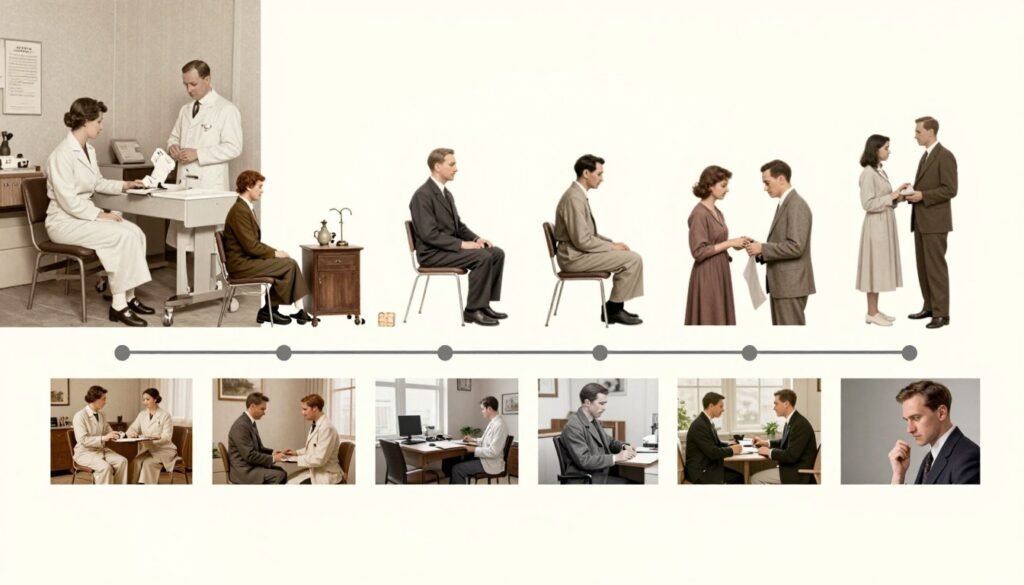
Early 20th century psychiatry recognized anxiety-related conditions but understood them through different frameworks. Terms like “nervous breakdown,” “neurasthenia,” and “shell shock” described what we now recognize as anxiety disorders. Systematic data collection began much later, making early prevalence estimates unreliable.
The introduction of standardized diagnostic systems—first the Diagnostic and Statistical Manual (DSM) in 1952 and its subsequent revisions—enabled more consistent identification and tracking of anxiety disorders. Each DSM revision refined diagnostic criteria, which affects how statistics compare across different time periods.
| Time Period | Estimated Prevalence | Primary Diagnoses | Treatment Seeking Rate | Main Treatment Approaches | Key Historical Context |
| 1920-1939 | Unknown (likely 2-5%) | Neurasthenia, anxiety neurosis | Very low (under 5%) | Rest cures, psychoanalysis for wealthy | Post WWI, Great Depression era, minimal mental health infrastructure |
| 1940-1959 | 3-8% | Anxiety neurosis, phobic reactions | 5-10% | Psychoanalysis, barbiturates, electroshock | WWII combat stress recognition, first DSM published 1952 |
| 1960-1979 | 5-12% | Anxiety neurosis, phobic disorders | 10-15% | Benzodiazepines introduced, behavior therapy emerges | Vietnam War, countercultural movements, community mental health expansion |
| 1980-1989 | 8-15% | Panic disorder, GAD, social phobia (DSM-III categories) | 15-20% | Benzodiazepines, tricyclic antidepressants, cognitive behavioral therapy | DSM-III revolutionizes diagnosis (1980), increased research funding |
| 1990-1999 | 13-18% | Panic disorder, GAD, social anxiety disorder, specific phobias | 20-25% | SSRIs become first-line treatment, CBT standardized | Prozac era begins, direct-to-consumer drug advertising, internet emergence |
| 2000-2009 | 18-22% | Generalized anxiety disorder, panic disorder, social anxiety disorder | 25-30% | SSRIs, SNRIs, evidence-based psychotherapy protocols | Post-9/11 anxiety spike, increased mental health awareness, social media begins |
| 2010-2019 | 19-26% | GAD, social anxiety disorder, panic disorder, specific phobias | 30-35% | Combination therapy, mindfulness-based approaches, teletherapy emergence | Economic recession stress, smartphone ubiquity, mental health stigma reduction |
| 2020-2024 | 25-31% | Generalized anxiety disorder, panic disorder, health anxiety | 35-40% | Teletherapy expansion, SSRIs/SNRIs, digital mental health tools | COVID-19 pandemic, isolation, economic uncertainty, political polarization |
Understanding the Statistical Trends
The apparent increase in anxiety disorder prevalence over the past century reflects multiple factors beyond simply more people experiencing anxiety. Improved diagnostic criteria allow more accurate identification of cases that previously went unrecognized. Greater mental health awareness encourages people to report symptoms rather than suffering silently.
Reduced stigma around mental health conditions means more people seek diagnosis and treatment without fear of social consequences. Previous generations often hid mental health struggles due to shame or fear of discrimination. Today’s greater openness allows more accurate prevalence measurement.
However, genuine increases in anxiety disorders also appear to be occurring, particularly in recent decades. Several societal factors likely contribute to rising actual rates beyond improved detection. Economic instability, social fragmentation, increased pace of life, digital connectivity, and exposure to constant news all create conditions where anxiety flourishes.
Demographics and Changing Patterns
Historical data shows that anxiety disorders have consistently affected women at roughly twice the rate of men throughout the measurement period. This gender gap appears across cultures and time periods, suggesting biological as well as social factors contribute to vulnerability differences.
Age patterns have shifted notably. While anxiety disorders historically peaked in middle adulthood, recent decades show increasing rates among younger adults and adolescents. College counseling centers report unprecedented demand for anxiety treatment. High school students show anxiety levels that would have been considered clinical in previous generations.
Socioeconomic patterns reveal that financial stress consistently predicts higher anxiety rates. During economic downturns—the Great Depression, 2008 recession, and COVID-19 economic disruption—anxiety disorder diagnoses and symptoms increased substantially. Economic security appears protective against anxiety development.
Treatment Evolution
The dramatic improvement in treatment options represents the most positive trend across this hundred-year period. Early 20th century treatments often proved ineffective or even harmful. Lengthy psychoanalysis helped some but remained inaccessible to most people. Sedatives provided temporary relief but led to addiction.
The introduction of benzodiazepines in the 1960s offered more effective symptom relief, though dependency concerns eventually limited their use. The development of cognitive behavioral therapy in the 1960s and its standardization in subsequent decades created the first consistently effective treatment for anxiety disorders.
SSRIs and SNRIs introduced in the 1980s and 1990s provided effective medication options with better safety profiles than previous drugs. These medications, combined with evidence-based therapy, now allow most people with anxiety disorders to achieve substantial improvement.
Recent years have seen treatment access expand through teletherapy platforms, making specialized anxiety treatment available to people in underserved areas. Digital mental health tools offer additional support between therapy sessions. These innovations promise to reduce the treatment gap further in coming years.
Future Projections
Current trends suggest anxiety disorder prevalence may continue increasing without significant public health interventions. Factors driving anxiety—economic insecurity, social isolation, digital overload, climate concerns—show no signs of decreasing. Young people entering adulthood with already high anxiety levels may maintain elevated rates throughout life.
However, several positive trends may counterbalance these risks. Continued stigma reduction should increase treatment seeking. Teletherapy expansion improves access to evidence-based care. Workplace mental health programs are becoming more common. Schools increasingly incorporate mental health education. These prevention and early intervention efforts could reduce the impact of anxiety disorders in future generations.
The data clearly demonstrates that anxiety disorders represent a growing public health challenge requiring comprehensive response. Individual treatment remains essential, but population-level interventions addressing the social and economic factors that contribute to anxiety will likely prove necessary to reverse current trends.
Can Anxiety Disorders Be Cured or Are They Chronic Conditions?
The question of whether anxiety disorders can be “cured” doesn’t have a simple yes or no answer. The reality falls somewhere between complete cure and lifelong chronic illness, varying significantly between individuals and depending on multiple factors. Understanding this nuanced picture helps set realistic expectations and encourages appropriate treatment engagement.

Defining “Cure” Versus “Recovery” Versus “Management”
Mental health professionals increasingly avoid the term “cure” when discussing anxiety disorders. The concept implies that symptoms disappear completely and never return, which doesn’t accurately reflect most people’s experiences with these conditions. Instead, clinicians discuss recovery—a state where symptoms no longer significantly impair functioning and quality of life improves substantially.
Recovery from anxiety disorders doesn’t necessarily mean zero anxiety ever occurs. Everyone experiences some anxiety as a normal human emotion. Recovery means that anxiety responses become proportionate to actual threats, don’t dominate thinking, and don’t prevent participation in desired activities. People in recovery have tools to manage anxiety when it arises rather than feeling controlled by it.
For some individuals, anxiety disorders function more like chronic conditions requiring ongoing management. Similar to diabetes or high blood pressure, these people need continued intervention—whether therapy, medication, or lifestyle practices—to maintain symptom control. This doesn’t mean treatment failed; it means their particular condition requires sustained management for optimal functioning.
Factors Influencing Long-Term Outcomes
Several factors predict whether someone will achieve full recovery, require ongoing management, or fall somewhere between these outcomes. The type of anxiety disorder matters significantly. Specific phobias often resolve completely with relatively brief treatment. Research shows that targeted exposure therapy for specific phobias produces lasting results, with many people experiencing complete symptom elimination.
Panic disorder similarly shows high recovery rates with appropriate treatment. Studies indicate that 70 to 80 percent of people with panic disorder become panic-free with cognitive behavioral therapy or medication. Many eventually discontinue treatment while maintaining improvement. However, stress or significant life changes can trigger symptom recurrence years later in some cases.
Social anxiety disorder shows more variable outcomes. While most people improve significantly with treatment, achieving comfort in all social situations may remain challenging. Many people continue experiencing mild symptoms even after successful treatment but function well despite occasional discomfort.
Generalized anxiety disorder often follows a more chronic course requiring longer-term management. The tendency toward excessive worry may persist even when specific worries change. However, people with GAD typically learn to manage worry more effectively through treatment, reducing its impact substantially even if the tendency doesn’t disappear entirely.
Age of Onset and Duration
Anxiety disorders that begin in childhood or adolescence and persist into adulthood often prove more challenging to treat completely. The longer anxiety patterns exist, the more deeply ingrained they become in neural pathways and behavioral habits. However, even long-standing anxiety disorders respond to treatment, though recovery may require more extensive intervention.
Conversely, anxiety disorders that develop in response to specific stressors—job loss, health crisis, relationship problems—often resolve more completely once the triggering situation improves and the person receives appropriate treatment. These reactive anxiety conditions may not recur unless similar severe stress emerges again.
Treatment Engagement and Quality
The quality and completeness of treatment significantly impacts long-term outcomes. People who receive evidence-based treatment from specialized providers show better long-term results than those receiving generic counseling or medication alone without therapy. Completing full treatment courses rather than stopping when symptoms first improve predicts lower relapse rates.
Active engagement with treatment—completing homework assignments, practicing skills consistently, facing feared situations gradually—produces better lasting results than passive participation. People who develop strong coping skills during treatment maintain improvement more successfully than those who rely solely on external supports like medication.
Biological and Genetic Factors
Genetic vulnerability influences anxiety disorder chronicity. People with strong family histories of anxiety or other mental health conditions may have biological predispositions that make complete symptom resolution less likely. However, even with genetic vulnerability, most people achieve substantial improvement with appropriate treatment. Genetics may increase relapse risk but doesn’t prevent recovery.
Brain imaging studies show that effective treatment—both therapy and medication—creates measurable changes in brain activity patterns associated with anxiety. These neurological changes support the possibility of lasting improvement. However, some individuals’ brains may remain more reactive to stress even after successful treatment.
The Relapse Question
Many people who recover from anxiety disorders remain symptom-free indefinitely. However, relapse—the return of significant symptoms after a period of improvement—does occur in some cases. Research suggests that 30 to 50 percent of people who discontinue treatment experience some symptom return, though often less severe than original episodes.
Certain situations increase relapse risk. Major life stressors—job loss, relationship breakup, health problems, or loss of loved ones—can trigger anxiety resurgence even years after recovery. People who discontinue treatment prematurely before fully developing coping skills face higher relapse rates. Those with additional mental health conditions like depression alongside anxiety also show increased relapse likelihood.
However, relapse doesn’t equal treatment failure. People who’ve previously responded to treatment typically improve again more quickly when symptoms return. They already possess knowledge of what works for them and can implement strategies more effectively. Many view occasional symptom flare-ups as manageable rather than catastrophic.
Maintenance Strategies
Whether someone achieves complete recovery or manages ongoing symptoms, certain practices support sustained improvement. Continuing some level of therapeutic work—whether monthly sessions, support groups, or self-directed skill practice—helps maintain gains. Many people find that occasional “booster” therapy sessions prevent symptoms from intensifying.
For those requiring medication, the question of how long to continue treatment lacks a universal answer. Some people successfully taper off medication after one to two years of stability. Others find that ongoing medication prevents relapse effectively. Working closely with prescribers to make individualized decisions about medication duration proves important.
Maintaining healthy lifestyle practices—regular exercise, adequate sleep, stress management, social connection—supports long-term mental health regardless of whether someone considers themselves “cured” or managing a chronic condition. These practices serve both as relapse prevention and general wellness promotion.
The Importance of Perspective
Mental health professionals emphasize that debating whether anxiety disorders are “curable” matters less than focusing on achieving maximum functioning and life satisfaction. Many people who technically meet diagnostic criteria for mild residual symptoms live fully satisfying lives without feeling limited by anxiety. The goal is life improvement, not necessarily complete symptom elimination.
Viewing anxiety disorder recovery as developing skills and resilience rather than eliminating a disease proves more helpful for most people. This perspective emphasizes personal agency and growth rather than passive receipt of cure. It acknowledges that managing anxiety effectively represents success even if occasional symptoms persist.
Some people find value in accepting anxiety as part of their experience rather than something to eliminate entirely. Acceptance doesn’t mean giving up on treatment but rather changing the relationship with anxiety. This mindfulness-based approach helps people live well despite occasional discomfort rather than constantly fighting against anxiety.
Real-World Recovery Stories
Clinical experience shows the full range of outcomes. Some people complete treatment, remain symptom-free for decades, and consider themselves fully recovered. Others manage ongoing mild symptoms successfully while living full, productive lives. Some experience periods of wellness alternating with symptom flare-ups requiring renewed treatment attention.
What these diverse outcomes share is that effective treatment significantly improves quality of life regardless of whether complete “cure” occurs. People return to work, repair relationships, pursue goals, and experience joy they couldn’t access when anxiety dominated their lives. This functional recovery represents meaningful success regardless of whether diagnostic criteria are still technically met.
Key Takeaway: Rather than asking “Can anxiety be cured?” the more useful question becomes “Can I live a full, satisfying life despite anxiety?” The answer to this question is clearly yes. With appropriate treatment, the vast majority of people with anxiety disorders achieve substantial, lasting improvement that allows them to function well and pursue meaningful goals.
Lifestyle Triggers That Lead to Anxiety Disorders
While genetics and brain chemistry contribute to anxiety disorder development, lifestyle factors play crucial roles in determining who develops these conditions and how severe symptoms become. Modern American lifestyles contain numerous elements that trigger or worsen anxiety. Understanding these triggers empowers people to make informed choices that protect mental health.
Chronic Sleep Deprivation
Sleep deprivation ranks among the most significant lifestyle triggers for anxiety disorders. Americans increasingly sacrifice sleep to meet work, family, and social demands. The Centers for Disease Control reports that one in three adults doesn’t get enough sleep regularly. This chronic sleep loss fundamentally disrupts the brain’s emotional regulation systems.
Even modest sleep reduction—getting six hours instead of eight—accumulates into substantial sleep debt over time. The amygdala, the brain’s fear center, shows increased reactivity when sleep-deprived. Simultaneously, connections between the amygdala and prefrontal cortex (which normally regulates emotional responses) weaken with insufficient sleep. This creates a brain primed for anxiety.
Sleep deprivation also increases stress hormone production. Cortisol levels remain elevated when sleep doesn’t provide adequate recovery time. These elevated stress hormones then interfere with sleep quality further, creating a vicious cycle where poor sleep causes anxiety, which then prevents restorative sleep.
Shift work particularly disrupts sleep and increases anxiety risk. Night shift workers show significantly higher rates of anxiety disorders compared to day workers. The disruption of natural circadian rhythms creates physiological stress even when people get adequate sleep hours. Rotating shifts prove especially problematic as the body never fully adjusts.
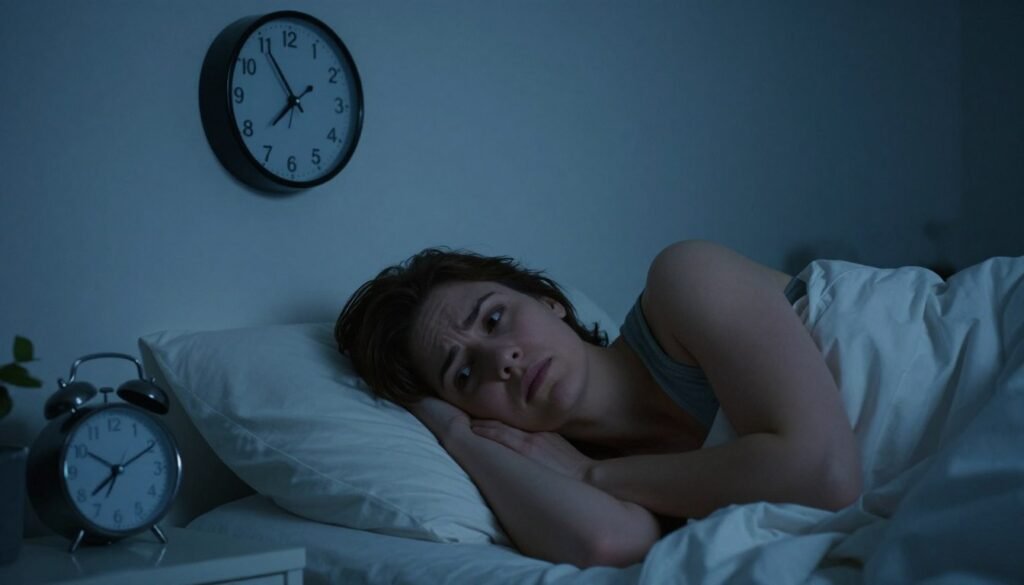
Excessive Caffeine Consumption
Americans consume more caffeine per capita than most other countries. While moderate caffeine intake affects most people benignly, excessive consumption directly triggers anxiety symptoms. Caffeine stimulates the nervous system in ways nearly identical to the fight-or-flight response—increased heart rate, elevated alertness, and physical activation.
People vary significantly in caffeine sensitivity. Some metabolize caffeine slowly, meaning it affects their systems much longer. A coffee consumed at noon might still influence sleep that night for slow metabolizers. People with anxiety disorders often show heightened sensitivity to caffeine’s effects but may not recognize the connection between their consumption and symptoms.
Energy drinks pose particular concerns due to their extremely high caffeine content combined with sugar and other stimulants. A single energy drink can contain as much caffeine as four cups of coffee. Young adults frequently consume multiple energy drinks daily, creating sustained physiological arousal that mimics and intensifies anxiety.
Caffeine withdrawal also triggers anxiety symptoms. People who consume high amounts regularly may experience rebound anxiety, headaches, and irritability when they reduce intake. This can make people mistakenly believe they need caffeine to function normally when actually they’re experiencing withdrawal from dependency.
Sedentary Lifestyle and Physical Inactivity
Modern American life involves unprecedented amounts of sitting. Office workers, students, and people in many occupations sit most of their waking hours. This physical inactivity contributes to anxiety development through multiple mechanisms. Exercise naturally metabolizes stress hormones like cortisol and adrenaline. Without adequate physical activity, these chemicals accumulate in the system.
Physical activity also stimulates production of endorphins and other mood-regulating neurotransmitters. Sedentary individuals miss out on these natural anti-anxiety chemicals. The physical tension that accompanies anxiety—tight muscles, shallow breathing, physical restlessness—has nowhere to discharge without movement, creating uncomfortable sensations that feed anxiety further.
Screen time contributes to sedentary behavior while adding its own anxiety-promoting elements. Americans average over seven hours daily on screens between work, entertainment, and social media. This combination of inactivity plus digital stimulation creates particularly problematic conditions for mental health.
Poor Nutritional Habits
Standard American diet patterns—high in processed foods, sugar, and unhealthy fats while low in nutrients—negatively impact mental health. Blood sugar instability from high-sugar diets creates physical sensations similar to anxiety. The crash following sugar spikes produces shakiness, rapid heartbeat, and irritability that can trigger panic in susceptible individuals.
Deficiencies in key nutrients affect mood regulation directly. Magnesium deficiency, common in American diets, associates with increased anxiety. B vitamins, particularly B12 and folate, play crucial roles in neurotransmitter production. Omega-3 fatty acid deficiency correlates with higher anxiety rates. While supplementation doesn’t cure anxiety disorders, nutritional deficiencies can worsen symptoms substantially.
Gut health also influences mental health through the gut-brain axis. Highly processed diets low in fiber disrupt beneficial gut bacteria. Research increasingly shows connections between gut microbiome composition and anxiety levels. Diets that support gut health—high in fiber, fermented foods, and diverse plants—may help reduce anxiety vulnerability.
Irregular eating patterns create additional problems. Skipping meals causes blood sugar drops that trigger physical stress responses. Many people skip breakfast, work through lunch, then overeat at night. This pattern disrupts circadian rhythms, affects sleep, and creates metabolic stress that contributes to anxiety.
Alcohol and Substance Use
Many people use alcohol to cope with stress and anxiety, but this coping strategy backfires significantly. While alcohol initially provides relaxation, it disrupts sleep architecture, particularly REM sleep crucial for emotional processing. The day following drinking often brings rebound anxiety as the nervous system rebounds from alcohol’s depressant effects.
Regular alcohol use changes brain chemistry in ways that increase baseline anxiety. The brain adapts to alcohol’s presence by becoming more excitable to compensate. When alcohol isn’t present, this increased excitability manifests as anxiety. People then drink to relieve this anxiety, creating a dependence cycle.
Cannabis, despite its reputation for relaxation, shows mixed effects on anxiety. While some people report reduced anxiety, regular use associates with increased anxiety disorders in research studies. THC can trigger panic attacks in susceptible individuals. Additionally, using any substance to avoid uncomfortable emotions prevents development of natural coping skills.
Prescription medication misuse also contributes to anxiety. Taking benzodiazepines more frequently than prescribed creates tolerance and dependency. The rebound anxiety between doses grows worse over time. Stimulant medications like those for ADHD can worsen anxiety in some people if not properly monitored.
Work-Related Stress and Overwork
American work culture glorifies overwork while providing minimal job security. Many people work 50 or more hours weekly while feeling their positions remain precarious. The combination of high demands and low control over work conditions creates particularly high-stress situations. Chronic workplace stress represents one of the strongest predictors of anxiety disorder development.
The expectation of constant availability through technology means work stress never fully ends. Emails, messages, and work concerns follow people into evenings, weekends, and vacations. This prevents the recovery periods necessary for stress resilience. The nervous system remains in a constant state of semi-activation.
Workplace culture that discourages taking time off contributes further. Many Americans don’t use available vacation days due to fear of seeming less committed or falling behind. When they do take time off, they continue checking work communications. This prevents the genuine rest necessary for mental health maintenance.
Job insecurity creates particular anxiety. The fear of unemployment, loss of health insurance, and financial crisis keeps many people in a state of chronic worry. Even highly skilled professionals face uncertain career prospects in rapidly changing industries. This baseline insecurity creates vulnerability to anxiety disorders.
Digital and Technology Triggers
- Constant social media comparison and fear of missing out
- 24-hour news cycle exposure to threatening information
- Notifications creating constant interruption and demands
- Blue light from screens disrupting sleep patterns
- Reduced face-to-face social interaction
- Cyberbullying and online harassment exposure
Social and Relationship Triggers
- Social isolation and loneliness
- Unstable or conflict-filled relationships
- Lack of meaningful social connections
- Family dysfunction or childhood trauma
- Caregiver burden without adequate support
- Major life transitions without social buffer
Financial Stress and Economic Insecurity
Financial worries represent one of the most common sources of chronic stress in America. Even middle-class families often live paycheck to paycheck with minimal emergency savings. Unexpected expenses—medical bills, car repairs, or home maintenance—create immediate crises. This constant financial precariousness keeps stress levels elevated continuously.
Student loan debt burdens millions of Americans, with payments consuming large portions of income for years or decades. Housing costs increasingly consume 30 to 50 percent of household income in many cities. Healthcare costs create anxiety even for insured families facing high deductibles. The combination of these financial pressures creates chronic worry that can evolve into generalized anxiety disorder.
Environmental and Societal Stressors
Broader societal factors also contribute to anxiety development. Political polarization and social division create a sense of living in unstable times. Climate change concerns affect many people, particularly younger adults worried about their futures. News of violence, disasters, and crises reaches people constantly through digital connectivity.
Discrimination and marginalization create additional stress for people in minority groups. The chronic stress of experiencing or fearing bias, microaggressions, or discrimination takes cumulative toll on mental health. Research shows higher anxiety rates among people facing systematic discrimination.
Community breakdown and loss of social cohesion mean many people lack the social support that historically buffered against stress. People don’t know neighbors, don’t participate in community organizations, and lack the sense of belonging that provides resilience. This isolation amplifies other stress sources.

Understanding these lifestyle triggers allows targeted intervention. While not all factors lie within individual control, recognizing which lifestyle elements contribute to anxiety enables informed choices. Small changes in sleep habits, caffeine consumption, physical activity, or screen time can significantly reduce anxiety vulnerability. Larger changes addressing work-life balance, financial planning, or social connection require more effort but provide substantial mental health protection.
Evidence-Based Habits That Reduce Anxiety
While understanding anxiety triggers proves valuable, knowing which habits actively reduce anxiety empowers people to take concrete action. Research identifies numerous lifestyle practices that decrease anxiety symptoms, prevent disorder development, and support recovery. These evidence-based strategies work synergistically—combining multiple approaches produces greater benefits than any single intervention alone.
Regular Physical Exercise
Physical activity ranks among the most powerful non-pharmaceutical interventions for anxiety. Research consistently demonstrates that regular exercise reduces anxiety symptoms comparable to medication effects for mild to moderate anxiety. Exercise works through multiple mechanisms simultaneously to combat anxiety.
Aerobic exercise—activities that elevate heart rate for sustained periods—produces particularly strong anti-anxiety effects. Walking, running, cycling, swimming, or dancing for 30 minutes most days significantly reduces anxiety symptoms. Even a single exercise session provides immediate mood improvement that lasts several hours. Regular practice creates lasting changes in brain chemistry and stress response systems.
Exercise metabolizes stress hormones like cortisol and adrenaline that accumulate during anxious periods. Physical activity provides the outlet these chemicals evolved for—the fight-or-flight response anticipated physical action. Modern anxiety rarely involves actual physical threats, leaving these chemicals circulating without purpose. Exercise discharges this physiological activation naturally.
Movement also stimulates production of endorphins, serotonin, and brain-derived neurotrophic factor (BDNF). These chemicals improve mood, reduce pain perception, and support healthy brain function. Regular exercisers show increased volume in brain regions associated with emotion regulation. These neurological changes support lasting anxiety reduction.
The type of exercise matters less than consistency. Choose activities you genuinely enjoy rather than forcing yourself into unpleasant routines. Social exercise—group fitness classes, team sports, or walking with friends—provides additional benefits through social connection. Outdoor exercise adds nature exposure benefits discussed below.

Consistent Sleep Schedule and Sleep Hygiene
Prioritizing sleep quality provides one of the highest-impact anxiety reduction strategies available. Good sleep hygiene involves multiple practices that support consistent, restorative sleep. The foundation involves maintaining regular sleep and wake times, even on weekends. This consistency strengthens circadian rhythms and improves sleep quality over time.
Creating an optimal sleep environment means keeping bedrooms cool (65-68°F proves ideal for most people), completely dark, and quiet. Blackout curtains, eye masks, earplugs, or white noise machines address environmental disruptions. Reserving the bedroom primarily for sleep rather than work, eating, or entertainment strengthens the mental association between bed and rest.
Pre-sleep routines signal the nervous system to shift toward rest mode. Dimming lights an hour before bed allows melatonin production to begin naturally. Avoiding screens during this period prevents blue light from suppressing melatonin. Reading, gentle stretching, meditation, or listening to calming music creates a buffer between daily stress and sleep.
Limiting substances that interfere with sleep proves crucial. Caffeine has a half-life of five to six hours, meaning afternoon coffee still affects nighttime sleep. Alcohol, despite causing drowsiness, severely disrupts sleep architecture and causes middle-of-night wakings. Large meals close to bedtime interfere with sleep onset and quality.
For people with persistent sleep problems despite good sleep hygiene, cognitive behavioral therapy for insomnia (CBT-I) provides highly effective treatment. This specialized therapy addresses the thoughts and behaviors that perpetuate insomnia and proves more effective long-term than sleep medications.
Mindfulness Meditation Practice
Mindfulness meditation shows strong research support for reducing anxiety. Regular practice—even just 10 to 15 minutes daily—produces measurable improvements in anxiety symptoms. Mindfulness works by training attention to remain in the present moment rather than worrying about future scenarios or ruminating about past events.
Meditation practice doesn’t require eliminating thoughts or achieving a blank mind, contrary to common misconceptions. Instead, mindfulness involves noticing thoughts and feelings without judgment, then gently redirecting attention to a present-moment anchor like breath, body sensations, or sounds. This practice weakens the tendency to get caught in anxious thought loops.
Multiple forms of meditation show benefits for anxiety. Focused attention meditation involves sustaining attention on a single object like breath or a mantra. Open monitoring meditation involves observing whatever arises in consciousness without engaging with it. Loving-kindness meditation cultivates compassionate feelings toward self and others. All reduce anxiety through slightly different mechanisms.
Apps like Headspace, Calm, or Insight Timer provide accessible guided meditation for beginners. Many people find guided meditations easier than attempting practice alone initially. Mindfulness-Based Stress Reduction (MBSR) programs, offered through many hospitals and counseling centers, provide structured eight-week courses teaching meditation and mindfulness skills specifically for stress and anxiety.
Informal mindfulness—bringing present-moment awareness to routine activities—supplements formal meditation. Eating mindfully, walking with attention to sensations, or fully listening during conversations all strengthen mindfulness capacity. These brief practices throughout the day help maintain the mental state that reduces anxiety.
Deep Breathing and Relaxation Techniques
Controlled breathing techniques provide immediate anxiety relief and long-term benefits with regular practice. Slow, deep breathing activates the parasympathetic nervous system—the “rest and digest” system that opposes the fight-or-flight response. This creates physiological relaxation that directly counters anxiety.
Diaphragmatic breathing (breathing deeply into the belly rather than shallowly into the chest) proves particularly effective. Place one hand on your chest and one on your belly. Breathe so the belly hand moves while the chest hand stays relatively still. This engages the diaphragm and triggers relaxation responses.
Box breathing—inhaling for four counts, holding for four counts, exhaling for four counts, holding for four counts, then repeating—provides a structured technique many people find calming. The 4-7-8 technique (inhale for 4, hold for 7, exhale for 8) creates even more powerful relaxation by extending the exhale, which stimulates vagus nerve activity.
Progressive muscle relaxation involves systematically tensing and releasing muscle groups throughout the body. This technique reduces the physical tension that accompanies anxiety while teaching body awareness. Many people carry chronic muscle tension without realizing it until they practice deliberate relaxation.
These techniques work best when practiced regularly during calm moments, building skill before using them during acute anxiety. However, they also provide tools for managing panic attacks or anxiety spikes when they occur. Learning to slow breathing during anxiety prevents the hyperventilation that intensifies panic symptoms.

Nutritional Strategies for Mental Health
While no single food cures anxiety, overall dietary patterns significantly influence mental health. The Mediterranean diet—rich in vegetables, fruits, whole grains, legumes, nuts, fish, and olive oil—shows strong associations with reduced anxiety in research studies. This eating pattern provides nutrients crucial for brain health while avoiding inflammatory processed foods.
Omega-3 fatty acids from fatty fish (salmon, mackerel, sardines), walnuts, and flaxseeds support brain function and show mild anti-anxiety effects. Aim for fatty fish twice weekly or consider supplements if dietary intake proves insufficient. The EPA and DHA forms of omega-3s provide the most mental health benefits.
Complex carbohydrates support serotonin production and provide steady energy without blood sugar spikes. Whole grains, legumes, and vegetables offer these benefits without the crash that follows refined carbohydrates. Protein at each meal helps maintain stable blood sugar and provides amino acids necessary for neurotransmitter production.
Magnesium-rich foods including leafy greens, nuts, seeds, and whole grains support nervous system function. Many Americans don’t consume adequate magnesium. While supplementation may help some people, increasing dietary sources provides additional nutrients alongside magnesium.
Fermented foods like yogurt, kefir, sauerkraut, and kimchi support gut health. The gut microbiome influences brain function through the gut-brain axis. While research continues exploring these connections, supporting gut health appears beneficial for mental wellbeing.
Limiting substances that worsen anxiety proves equally important. Reducing caffeine, particularly for people sensitive to its effects, often produces noticeable anxiety reduction. Limiting alcohol prevents the rebound anxiety that follows drinking. Minimizing processed foods, added sugars, and artificial additives supports overall mental health.
Social Connection and Support
Strong social relationships buffer against stress and reduce anxiety significantly. Humans evolved as social creatures whose nervous systems co-regulate through connection with others. Isolation amplifies anxiety while connection provides powerful protection. Prioritizing relationships requires deliberate effort in modern life but pays substantial mental health dividends.
Quality matters more than quantity in social relationships. A few close, supportive friendships provide more benefit than numerous superficial acquaintances. Relationships where you can be authentic, express vulnerability, and receive support prove most valuable for mental health.
Regular social contact—in person when possible—helps maintain connections. Texting and social media provide some connection but don’t fully replace face-to-face interaction. The nonverbal elements of in-person communication trigger bonding hormones and provide richer social experience.
Joining groups aligned with your interests creates opportunities for connection. Book clubs, fitness classes, volunteer organizations, religious or spiritual communities, or hobby groups all facilitate meeting like-minded people. Structured activities provide natural conversation topics and shared experiences that help relationships develop.
Support groups specifically for anxiety or mental health concerns offer both social connection and anxiety-specific support. Organizations like NAMI and the Anxiety and Depression Association offer support groups where people share experiences and coping strategies. Many people find tremendous relief discovering they’re not alone in their struggles.
Time in Nature
Nature exposure provides measurable anxiety reduction. Research shows that even brief time outdoors—as little as 20 minutes—lowers stress hormones and improves mood. Regular nature exposure produces lasting mental health benefits. Natural settings provide the sensory experience and pace that allow nervous systems to reset.
Forest bathing (shinrin-yoku), a Japanese practice of mindful time in forests, shows particularly strong benefits. Walking slowly through natural areas while engaging all senses reduces anxiety, lowers blood pressure, and improves immune function. Parks, trails, or any green spaces provide these benefits—access to pristine wilderness isn’t necessary.
Outdoor exercise combines two powerful interventions. Walking, hiking, cycling, or practicing yoga outside maximizes benefits. Even exercising near windows with nature views provides more mental health benefit than windowless indoor exercise.
For people without easy nature access, bringing nature indoors helps somewhat. Houseplants, nature sounds, nature photography, or even windows with views of trees provide modest benefits. However, these substitute options work best as supplements to actual outdoor time when possible.
Structured Daily Routines
Consistent daily routines reduce anxiety by creating predictability and reducing decisions. While some people view routine as boring, for anxiety-prone individuals, structure provides comfort and reduces the feeling of chaos. Regular wake times, meal times, work periods, and bedtimes create framework that supports mental health.
Morning routines prove particularly valuable. Starting the day with calm, intentional activities rather than immediately checking phones or rushing sets a more peaceful tone. Morning routines might include meditation, exercise, healthy breakfast, or planning the day ahead. The specific activities matter less than having a consistent sequence.
Evening routines prepare for quality sleep while providing transition from day to night. Consistent wind-down periods signal the body to shift toward rest. These routines create psychological safety through predictability while supporting the biological rhythms that regulate mood.
Curating social media feeds to reduce anxiety triggers helps when complete avoidance isn’t desired. Unfollowing accounts that provoke comparison, envy, or distress improves the experience. Following accounts that inspire, educate, or bring joy creates more positive digital environments. Using social media intentionally with time limits prevents mindless scrolling.
Email and notification management reduces constant interruption. Turning off non-essential notifications, checking email at specific times rather than constantly, and using “do not disturb” modes creates space for focus and calm. The sense that you must respond instantly to every message creates sustained low-level stress.
Engaging in Enjoyable Activities
Pursuing hobbies and activities you genuinely enjoy—not for achievement or productivity but simply for pleasure—supports mental health. Many people with anxiety become so focused on responsibilities that they eliminate activities that bring joy. Regular engagement with pleasurable activities provides positive emotions that balance stress and worry.
Creative pursuits like art, music, writing, or crafting engage the mind differently than analytical work, providing mental rest from worry. Flow states—complete absorption in activities—provide breaks from anxious rumination. These activities don’t need to produce tangible results to be valuable.
Laughter and humor reduce anxiety through multiple mechanisms. Watching comedy, spending time with funny people, or engaging in playful activities provides immediate mood boost. Laughter creates physiological relaxation and psychological perspective that counters anxiety’s seriousness.
Professional Support When Needed
While these habits significantly reduce anxiety, they don’t replace professional treatment for diagnosed anxiety disorders. Therapy, medication when indicated, and professional guidance provide tools and support beyond what self-help strategies alone offer. Viewing these habits as complementary to professional treatment rather than substitutes produces the best outcomes.
However, these practices powerfully support professional treatment, speed recovery, and prevent relapse. They also benefit people experiencing normal anxiety who don’t meet criteria for anxiety disorders. Implementing multiple strategies creates synergistic effects where combined benefits exceed individual interventions alone.
The key to success lies in selecting a few practices that feel manageable and building them into regular routines. Attempting to implement every strategy simultaneously often proves overwhelming. Start with one or two approaches, establish consistency, then gradually add others. Small, sustainable changes accumulate into significant mental health improvement over time.
Taking Action Against Anxiety: Your Path Forward
Anxiety disorders represent one of the most significant mental health challenges facing Americans today. The statistics paint a concerning picture—40 million adults affected annually, with rates increasing particularly among young people. The economic costs exceed $100 billion yearly. The personal costs—disrupted relationships, lost opportunities, diminished quality of life—prove impossible to quantify fully.

Yet the situation is far from hopeless. Anxiety disorders, despite their prevalence and severity, respond exceptionally well to treatment. Evidence-based therapies produce significant improvement in the majority of people who engage with them fully. Medications provide effective symptom relief when needed. The combination of therapy and medication offers even stronger outcomes than either approach alone.
Beyond professional treatment, the lifestyle factors explored throughout this article provide powerful tools for preventing anxiety, supporting recovery, and maintaining long-term mental health. Regular exercise, adequate sleep, mindfulness practice, social connection, nutritional awareness, and stress management techniques all reduce anxiety substantially. These practices work synergistically—implementing several together produces greater benefits than any single strategy alone.
Understanding the societal factors that contribute to anxiety’s prevalence helps contextualize individual struggles. The pressures of modern American life—economic insecurity, work stress, digital overload, social fragmentation—create conditions where anxiety flourishes. Recognizing these external contributors reduces self-blame and highlights that anxiety disorders reflect, in part, environmental challenges rather than personal weakness.
The age-related patterns reveal that young adults face particular vulnerability, with rates highest among those aged 18 to 29. This underscores the importance of early intervention during these critical years when life patterns become established. However, anxiety disorders affect people across the entire lifespan, and effective help is available regardless of age.
The question of whether anxiety can be “cured” matters less than recognizing that substantial, lasting improvement is achievable for the vast majority of people who seek help. Some people achieve complete symptom resolution while others manage ongoing mild symptoms successfully. Both outcomes represent meaningful success when functioning improves and quality of life is restored.
Historical trends show both challenges and progress. Rates have increased, particularly in recent decades, reflecting the accumulation of stress-producing societal factors. However, treatment options have improved dramatically. The shame and stigma that once prevented people from seeking help have decreased significantly. Access to care has expanded through teletherapy platforms and increased mental health awareness.
If you’re struggling with anxiety, the most important step is reaching out for professional evaluation and care. Mental health professionals can accurately diagnose your condition, rule out physical health issues that may contribute to symptoms, and create personalized treatment plans. Early intervention prevents symptoms from worsening and becoming more entrenched. What feels overwhelming and unmanageable now can become controllable with appropriate support.
For loved ones of people with anxiety disorders, education and compassion prove essential. Understanding that anxiety disorders are legitimate medical conditions—not choices or weaknesses—helps you provide more effective support. Encouraging treatment, offering practical assistance, and maintaining patience during the recovery process all contribute meaningfully to positive outcomes.
The journey from severe anxiety to recovery isn’t always linear. Setbacks occur. Some days feel harder than others. Progress comes gradually rather than dramatically for most people. However, the direction of change trends consistently positive with appropriate treatment and sustained effort. Most people who persist with treatment eventually achieve substantial improvement.
The lifestyle habits that reduce anxiety benefit everyone, not just those with diagnosed disorders. Prioritizing sleep, maintaining physical activity, managing stress, and nurturing relationships promote overall wellness and prevent mental health problems from developing. These practices represent investments in long-term health that pay dividends throughout life.
American society must address the systemic factors contributing to rising anxiety rates. Workplace policies that respect work-life balance, healthcare systems that provide accessible mental health care, educational environments that support student wellbeing, and social structures that foster community connection all represent necessary changes. Individual treatment remains crucial, but population-level interventions addressing root causes could prevent many cases from developing.
The statistics over the past century demonstrate humanity’s growing understanding of anxiety disorders. What was once mysterious and untreatable is now well-understood and highly treatable. Continued research advances our knowledge and improves interventions. The future holds promise for even more effective treatments and prevention strategies.
Your anxiety doesn’t define you. It’s a condition you experience, not your identity. Recovery means reclaiming the life you want to live—pursuing goals, maintaining relationships, and experiencing joy alongside the full range of human emotions including appropriate, manageable anxiety. Millions of people have walked this path before you. With appropriate support, evidence-based treatment, and sustained effort, you can join them in recovery.
Don’t let another day pass feeling controlled by anxiety. The help you need exists. Healthcare providers, therapists, support groups, and resources stand ready to assist you. Taking that first step—making a phone call, scheduling an appointment, or joining a support group—represents courage and self-compassion. It acknowledges that you deserve support and that better days lie ahead.