What does it mean for the people of USA after midterm elction?
Understanding what the U.S. midterm election means for people begins with recognizing how shifts in legislative power alter federal priorities, budget authorizations, and regulatory oversight. Midterm elections take place every two years, falling squarely halfway through a president four-year term, and determine the full membership of the House of Representatives alongside one-third of the Senate. The resulting balance of power directly shapes statutory changes, tax provisions, and executive appointments that influence everyday living conditions across the nation.
The practical consequences of any midterm cycle depend on whether voters produce unified party control or a divided government where opposite parties govern Congress and the White House. While campaign platforms often propose sweeping changes, actual policy shifts emerge through deliberate committee negotiations, statutory compromise, and administrative implementation. Everyday household expenses, workplace standards, and community resources reflect these institutional dynamics over the months and years following election night.
- Congressional majorities determine which legislative bills advance to floor votes and which proposals stall in committee.
- Economic outcomes depend on the interaction between congressional appropriations, statutory tax codes, and independent Federal Reserve monetary actions.
- State-level races on the same ballot establish immediate local policies concerning school funding, utility oversight, and property taxes.
Political and Legislative Impact
A midterm election establishes the operating majorities in both chambers of the United States Congress, determining which party controls committee gavels, schedules hearings, and sets the legislative agenda. When voters choose 435 members of the House of Representatives and select senators who serve six-year terms, they define the operational boundaries of the president four-year term. The resulting legislative climate dictates whether presidential initiatives expand into enacted law or encounter rigorous congressional oversight and investigative scrutiny.
In the Senate, where members serve six-year staggered terms, majority control carries the exclusive constitutional power to confirm federal judges, cabinet secretaries, and independent regulatory commissioners. A Senate majority aligned with the president accelerates confirmations across federal district courts, appellate benches, and regulatory boards such as the National Labor Relations Board. Conversely, an opposition-controlled Senate can slow administrative nominations, demand policy concessions, or leave key judicial vacancies open until the subsequent general election.
| Chamber Dimension | Unified Control | Divided Control | Impact on the Public |
| House Leadership | Majority Agenda | Opposition Gavels | Determines which social and tax measures reach floor votes. |
| Senate Docket | Rapid Confirmations | Vetted Nominees | Shapes judicial rulings on civil, commercial, and labor rights. |
| Statutory Enactment | Party Priorities | Bipartisan Deals | Limits extreme statutory swings while favoring targeted compromises. |
| Oversight Role | Cooperative Reviews | Intensive Inquiries | Increases scrutiny on federal agency rulemaking and spending programs. |
House committees exercise significant leverage over discretionary budget caps, subpoena issuance, and public hearings. When power flips, new committee chairs redirect federal inquiries toward administrative procedures, foreign policy choices, and agency rule development. These procedural shifts alter the national conversation, signaling to private businesses and municipal leaders where federal enforcement priorities will center over the concluding two years of the administration.

Congressional committee gavels and hearing schedules shift immediately when chamber majorities change hands.
Economic Impact on Households and Businesses
The economic ramifications of a midterm election reflect a mix of direct statutory appropriations and broader market expectations regarding fiscal discipline, taxation, and federal borrowing limits. Congress holds the constitutional power of the purse, meaning that all government spending, tax modifications, and debt authorizations must originate in the legislative branch. While broad macroeconomic shifts take time to develop, legislative outcomes send immediate signals to financial markets, corporate planners, and consumers.
Direct economic effects occur when majorities alter tax brackets, adjust corporate deductions, or modify funding levels for federal assistance programs. When legislative chambers face divided governance, comprehensive tax overhauls become rare, yielding instead to short-term extensions of existing tax relief provisions or targeted credits for specific industries. The Congressional Budget Office models these legislative proposals, evaluating how shifts in revenue collection or mandatory spending alter the trajectory of the federal deficit and overall gross domestic product.
Statutory tax adjustments and discretionary appropriations require congressional enactment, whereas interest rate policies remain under the independent purview of the Federal Reserve.
Indirect economic effects manifest through consumer sentiment and business investment decisions responding to political predictability or policy gridlock. Financial markets frequently react favorably to divided government, as split control reduces the likelihood of sudden regulatory disruptions or substantial corporate tax increases. At the same time, recurring disputes over statutory debt ceilings or temporary spending bills can introduce market volatility, potentially influencing municipal borrowing costs, mortgage benchmarks, and small business loan terms.

Macroeconomic trends respond to the interaction between congressional spending votes and independent central bank policy.
Environmental Policy and Energy Priorities
Midterm election results fundamentally redirect national conversations surrounding climate initiatives, conservation programs, and domestic energy production. While landmark statutes like the Clean Air Act remain foundational law, congressional majorities control agency oversight budgets, approve conservation grants, and influence statutory tax credits for energy systems. Shifts in power determine whether legislative hearings spotlight renewable development goals or scrutinize administrative mandates on conventional fuels.
The Environmental Protection Agency operates under statutory authorities defined by Congress, but its administrative pace and enforcement focus are sensitive to congressional pressure. Lawmakers can deploy the Congressional Review Act during early legislative sessions to challenge recently completed agency rules, or attach riders to annual appropriations bills that restrict funds for specific regulatory actions. Conversely, supportive majorities defend administrative rulemaking concerning industrial emissions, drinking water standards, and vehicle fuel efficiency standards.
- Support for domestic oil, natural gas, and pipeline infrastructure permits
- Oversight focused on the operational costs of industrial compliance mandates
- Advocacy for leasing programs across designated federal and offshore parcels
Traditional Energy Focus
- Defense of clean electricity credits and manufacturing production incentives
- Support for stricter limits on industrial effluent and greenhouse gas outputs
- Expanded investments in regional power grid modernization and public lands preservation
Clean Energy Focus
Energy affordability for everyday consumers connects directly to the balance struck between traditional resource production and clean-energy infrastructure deployment. Federal policies governing pipeline approvals, electric transmission corridors, and offshore leasing determine the long-term supply dynamics of domestic electricity and heating fuels. Congressional committees routinely review how these federal leasing decisions interact with state utility commissions to impact residential electric bills and municipal grid resilience.
Everyday Affordability and the Cost of Living
Everyday affordability remains a central concern for voters, but the ability of any newly elected Congress to alter prices in grocery aisles or rental offices involves practical limits. Inflationary pressures stem from international supply chains, global commodity costs, labor pool shifts, and monetary policy decisions that operate beyond immediate statutory control. Nonetheless, congressional majorities hold tools that can mitigate specific pocketbook pressures through targeted program funding, subsidy formulas, and consumer protection mandates.
Federal housing initiatives provide an illustrative example of the division between federal authority and local market realities. Congress can authorize low-income housing tax credits, appropriate capital for federal rental assistance vouchers, and fund community development block grants. However, the zoning rules, building codes, and land-use restrictions that primarily govern regional housing supply remain under municipal and county jurisdiction, limiting the direct impact of federal legislation on private market rental costs.
Healthcare and Medicine
Congress sets statutory parameters for Medicare drug price negotiations, community clinic grants, and premium tax credits for insurance exchanges.
Childcare and Education
Federal appropriations determine funding ceilings for Head Start classrooms, Title I school grants, and Pell Grant maximums for college students.
Utilities and Transit
Lawmakers authorize weatherization assistance for low-income homes and allocate formula funds for regional surface transit improvements.
Prescription drug pricing and medical care costs represent areas where federal policy produces tangible outcomes for household balance sheets. Majorities can modify out-of-pocket spending caps for senior prescription coverage, alter patent litigation standards for generic medications, or adjust federal cost-sharing formulas for rural medical centers. These adjustments directly affect how much participating families and retirees pay out of pocket for essential therapies and specialist consultations.

Federal policy influences household affordability through targeted benefit structures, healthcare credits, and tax provisions.
Effects on Households and Communities
Different demographic groups experience the downstream consequences of midterm elections according to their specific reliance on federal programs, tax structures, and economic regulations. Policy changes that appear modest in statutory text can generate meaningful changes in community budgets, local clinic operations, and regional employment opportunities. Examining these impacts across distinct segments illustrates the widespread reach of legislative adjustments.
Working families and wage earners notice shifts when congressional majorities debate the federal minimum wage, paid leave incentives, and child tax credit expansion. A Congress inclined toward workforce investment may emphasize registered apprenticeship grants, vocational education subsidies, and collective bargaining protections under the Department of Labor. Conversely, a business-focused majority typically prioritizes flexible regulatory requirements for employers, alternative workforce certifications, and lower compliance burdens for independent contractors.

Retirees and Older Adults
Legislative majorities oversee Social Security cost-of-living frameworks, Medicare benefit scopes, and eldercare assistance funding, directly influencing retirement security.

Rural and Farming Towns
Periodic renewals of the omnibus Farm Bill determine crop insurance parameters, rural broadband expansion grants, and critical access hospital support.

Small-Business Owners
Small employers monitor Small Business Administration loan terms, Section 179 equipment expensing thresholds, and federal reporting mandates that affect operating margins.
Veterans and military families observe legislative outcomes through annual defense authorization bills and Veterans Affairs spending accounts. Congressional committees decide funding levels for veteran healthcare networks, mental health outreach programs, and educational benefits under the GI Bill. When funding priorities diverge between chambers, delayed appropriations can complicate administrative staffing at local medical centers and slow processing times for disability claims.
State and Local Consequences of the Ballot
Midterm elections encompass far more than congressional races, featuring pivotal contests for state governorships, state legislative chambers, attorneys general, and local ballot propositions. Because the United States operates as a federalist republic, state governments hold constitutional authority over public education, criminal justice statutes, professional licensing, and election administration. Decisions made at the state level often influence daily living routines more rapidly than federal debates in Washington.
Governors and state legislators decide how federal block grants are deployed, whether to participate in optional federal program expansions, and how to structure state tax systems. In areas such as reproductive healthcare access, gun safety regulations, and environmental permitting, state statutes establish the primary operating rules within state borders. When federal legislation stalls due to divided government in Congress, state capitols frequently become the primary arenas for substantive policy changes.
State ballot initiatives allow citizens to vote directly on statutory questions, including minimum wage increases, cannabis regulation, and independent redistricting commissions.
Local elections held alongside midterms determine the leadership of county commissions, municipal councils, school districts, and municipal police oversight bodies. These elected officials set local property tax assessments, allocate school district operating budgets, and approve local residential zoning designations. A shift in municipal leadership directly affects the frequency of neighborhood transit service, the maintenance of municipal parks, and the resources available to emergency response departments.
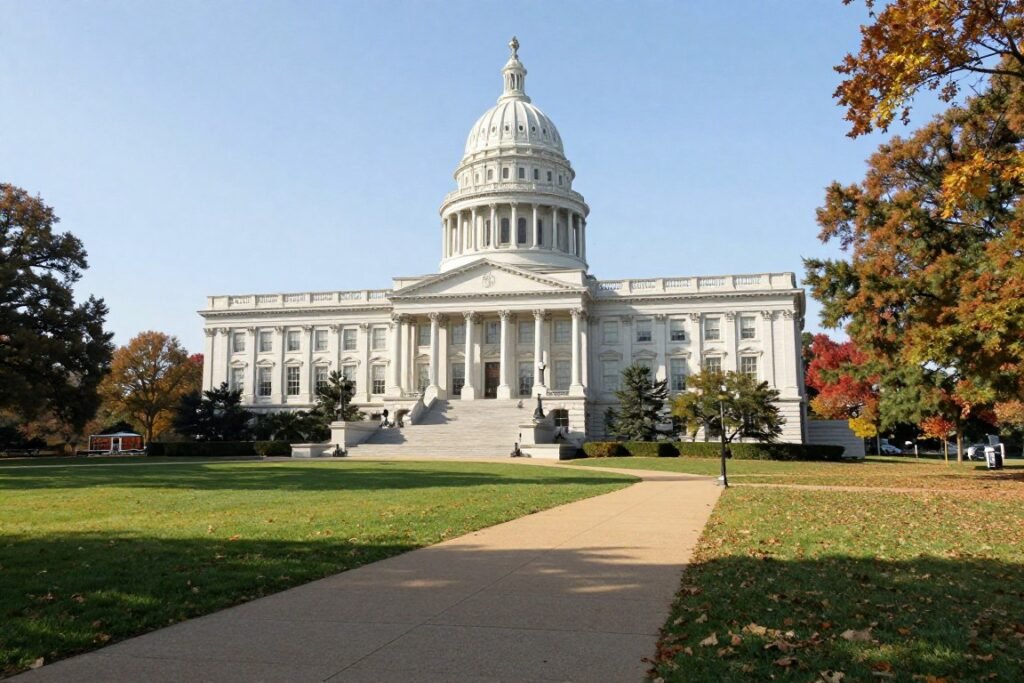
State capitols determine school curriculum standards, local tax codes, and the administration of joint federal assistance programs.
What Happens Next: The Post-Election Timeline
The conclusion of midterm election voting initiates a structured calendar of administrative, parliamentary, and constitutional steps that transition the government into the upcoming legislative term. Certified election results take several days or weeks to finalize as county boards verify provisional ballots and complete mandatory canvassing procedures. Understanding this timeline helps clarify when newly elected officials assume legal authority and begin substantive floor work.
- Local election boards finalize vote counts and transmit official canvasses to state secretaries of state for legal certification.
- The outgoing Congress returns for a post-election lame-duck session to resolve expiring fiscal year funding measures and emergency authorizations.
- Newly elected representatives and senators assemble in the capital for party leadership elections and initial committee assignment conferences.
- The newly constituted Congress officially convenes in early January, when members take the oath of office and adopt chamber operating rules.
- Chamber committees organize their hearing agendas, issue initial budget resolutions, and begin formal reviews of pending presidential nominations.
During the early months of a new session, legislative activity centers on establishing committee rosters and negotiating statutory spending caps. If the election produces a change in chamber control, incoming majority staff review existing agency rules, prepare oversight subpoenas, and draft priority bills reflecting campaign commitments. Major statutory negotiations usually intensify as deadlines for statutory debt authorizations or agency funding expirations approach.
Key Indicators for Americans to Follow
Tracking the practical fallout of a midterm election requires watching specific institutional decisions rather than partisan rhetoric. The operational direction of the federal government reveals itself through formal committee leadership assignments, regulatory filings, and fiscal negotiation stances. By monitoring key process milestones, citizens can assess how institutional power shifts will touch their own communities and financial planning.
Campaign slogans rarely mirror enacted legislation word for word; statutory outcomes reflect committee markups, parliamentary rules, and compromise amendments.
Primary indicators to observe include the leadership appointments for the House Rules Committee, the House Ways and Means Committee, and the Senate Finance Committee. These bodies control tax legislation, social insurance statutes, and floor amendment rules. Additionally, readers can review notices published in the Federal Register, where executive agencies outline proposed regulatory adjustments in response to changing congressional spending levels or court rulings.
Judicial rulings and agency guidance memos provide further clarity on how existing statutes operate in practice. When Congress experiences divided majorities, executive orders and administrative rulemaking carry substantial weight in shaping labor rules, environmental thresholds, and consumer lending regulations. Following legal challenges to these administrative rules in federal courts clarifies whether executive policy initiatives remain enforceable across all jurisdictions.
Frequently Asked Questions
How quickly do prices change after a midterm election?
Prices in stores and rental markets do not shift overnight following an election outcome. Consumer costs reflect private market dynamics, international trade conditions, and central bank interest rate decisions alongside long-term legislative policies.
Why are all House seats contested while only some Senate seats are on the ballot?
The United States Constitution mandates that all 435 members of the House of Representatives face election every two years to maintain direct responsiveness to voters. In contrast, senators serve six-year staggered terms, meaning approximately one-third of the Senate stands for election during any single midterm cycle.
What does divided government mean for federal legislation?
Divided government occurs when one political party holds the presidency while the opposing party controls one or both chambers of Congress. Under these conditions, passing major legislation requires bipartisan negotiation, which typically narrows statutory changes to areas with mutual agreement.
Can a midterm election alter existing Supreme Court rulings?
A midterm election cannot directly overturn constitutional decisions rendered by the Supreme Court. However, Senate majorities hold the power to confirm future federal judicial nominees, and Congress can draft new statutory language to address issues identified in judicial rulings.
Do state election outcomes impact households more than federal results?
State outcomes frequently affect household routines more directly because state officials oversee public school policies, property tax rates, and criminal justice rules. While federal laws establish national baselines, state legislatures decide how local community services and regional programs operate daily.
Realities of the Post-Midterm Landscape
A midterm election reshapes American governance by distributing legislative authority across competing branches and setting the statutory framework for the subsequent two years. Whether the outcome results in unified legislative authority or institutional divided government, policy changes develop gradually through committee votes, fiscal compromises, and regulatory procedures. Staying engaged with state and local governance remains just as vital as following national congressional developments for understanding how public policy touches household routines.