
Asthma: Understanding America’s Growing Respiratory Health Crisis
Asthma stands as one of the most pressing chronic health challenges facing Americans today. This respiratory disease affects millions of people across the United States, cutting across all age groups, economic backgrounds, and geographic regions. What makes asthma particularly concerning is its unpredictable nature and the profound impact it has on daily life.
Every day, countless Americans struggle to perform simple activities that most people take for granted. Walking up stairs, playing with children, or even sleeping through the night becomes challenging when your airways decide to tighten without warning. The condition doesn’t just affect physical health. It impacts work productivity, school attendance, and overall quality of life.
Understanding asthma is the first step toward managing it effectively. This comprehensive guide explores everything you need to know about this chronic disease. From recognizing early symptoms to implementing prevention strategies, we’ll examine how asthma affects different populations and what modern medicine offers for treatment and management.
Why Asthma Represents a Major Threat to Public Health in the United States
The scope of asthma in America extends far beyond individual patient experiences. This chronic disease has become a significant public health crisis that demands attention from medical professionals, policymakers, and communities nationwide. The numbers tell a sobering story about how this condition affects our nation.
More than 25 million Americans currently live with asthma. That’s roughly one in thirteen people dealing with this chronic respiratory condition every single day. The economic burden is staggering, with annual costs exceeding $80 billion when you factor in medical expenses, lost work days, and decreased productivity.
Healthcare System Impact
Asthma places tremendous strain on healthcare infrastructure across the country. Emergency departments see millions of asthma-related visits annually, many of which could be prevented with proper management and care. Hospital admissions for severe asthma attacks consume significant medical resources that could address other health needs.
The disease creates a cycle of healthcare utilization that includes regular doctor visits, specialist consultations, emergency interventions, and ongoing medication management. For many healthcare systems, especially in underserved areas, meeting the demand for asthma care stretches already limited resources thin.
Socioeconomic Consequences
The financial impact of asthma extends well beyond direct medical costs. Families face substantial out-of-pocket expenses for inhalers, medications, and medical appointments. Many patients struggle to afford the treatments they need, leading to poor disease control and more severe complications.
Work absenteeism related to asthma costs businesses billions annually. Parents miss work to care for children experiencing asthma attacks. Adults with severe asthma may find their career options limited by their condition. The ripple effects touch employers, insurance companies, and the broader economy.
Disparities in Asthma Burden
Asthma doesn’t affect all Americans equally. Significant disparities exist based on race, ethnicity, income level, and geographic location. Understanding these inequalities is crucial for addressing the full scope of the asthma crisis in our country.
African American children are twice as likely to have asthma compared to white children. They also experience higher rates of emergency department visits and hospitalizations. Puerto Rican Americans show the highest asthma prevalence among all ethnic groups in the United States.
Low-income communities face disproportionate asthma burdens. Residents of these areas often live near pollution sources, in older housing with mold and pest problems, and have limited access to quality healthcare. These environmental and social factors create perfect conditions for asthma to develop and worsen.
Environmental and Climate Factors
The United States faces unique environmental challenges that exacerbate asthma nationwide. Air quality issues in major metropolitan areas contribute to increased asthma prevalence and severity. Industrial pollution, vehicle emissions, and other airborne irritants create ongoing exposure risks for millions of Americans.
Climate change has emerged as a growing concern for asthma management. Longer pollen seasons mean extended periods of allergen exposure for people with allergic asthma. Extreme weather events, including wildfires producing massive smoke plumes, create acute respiratory hazards across entire regions.
Urban heat islands in cities intensify air pollution problems during summer months. The combination of heat, humidity, and poor air quality creates particularly dangerous conditions for individuals with asthma. These environmental factors make asthma management increasingly challenging across many parts of the country.
What Is Asthma? A Clear Medical Definition
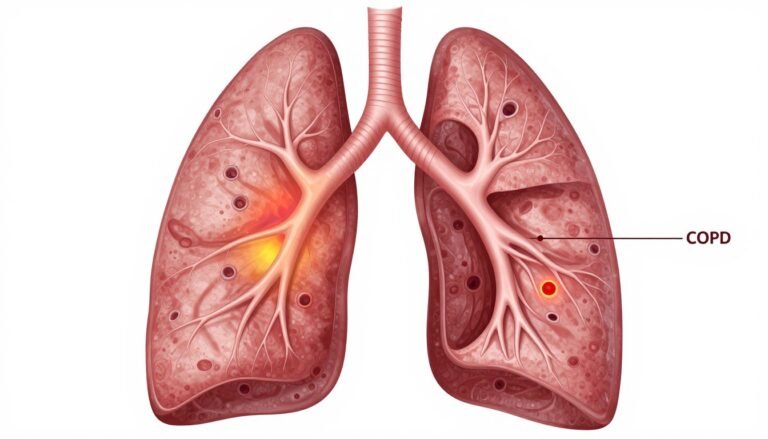
Asthma is a chronic inflammatory disease of the airways that causes recurring episodes of breathing difficulty. The condition affects the bronchial tubes that carry air in and out of your lungs. When you have asthma, these airways become hypersensitive to certain triggers and react by narrowing, swelling, and producing excess mucus.
The hallmark of asthma is airway inflammation. Even when you feel fine and breathe normally, low-level inflammation persists in your airways. This underlying inflammation makes your airways reactive and prone to sudden constriction. Think of it like having sunburned skin inside your lungs that remains sensitive and ready to react.
The Three-Part Airway Problem
Understanding asthma requires knowing what happens inside your airways during an asthma episode. Three distinct problems occur simultaneously, each contributing to breathing difficulties. These three mechanisms work together to create the symptoms people experience during an asthma attack.
- Airway inflammation causes the lining of breathing passages to become red, swollen, and irritated, much like a sprained ankle swells after injury
- Bronchoconstriction occurs when muscles surrounding the airways tighten and squeeze, narrowing the tubes through which air flows
- Mucus production increases dramatically, with thick, sticky secretions further blocking already narrowed airways
- Airway remodeling can develop over time with chronic inflammation, causing permanent structural changes to breathing passages
Types of Asthma
Medical professionals recognize several distinct types of asthma, each with specific triggers and characteristics. Identifying your asthma type helps doctors develop the most effective treatment plan for your individual situation. The main categories include allergic asthma, non-allergic asthma, occupational asthma, and exercise-induced asthma.
Allergic asthma represents the most common form of the disease. Specific allergens like pollen, dust mites, pet dander, or mold trigger symptoms in people with this type. The immune system overreacts to these normally harmless substances, causing airway inflammation and constriction. Many people with allergic asthma also have other allergic conditions like hay fever or eczema.
Non-allergic asthma develops without a clear allergic trigger. Instead, factors like stress, cold air, respiratory infections, exercise, or irritants in the air provoke symptoms. This type often appears later in life compared to allergic asthma. It may be more difficult to identify specific triggers since they vary widely.
Occupational Asthma
This form develops due to workplace exposures. Certain jobs expose workers to substances that can cause or trigger asthma. Bakers inhaling flour dust, healthcare workers exposed to latex, and factory workers breathing chemical fumes all face increased risk. Symptoms typically improve on days off and worsen when returning to work.
Exercise-Induced Bronchoconstriction
Physical activity triggers airway narrowing in many people with asthma. Rapid breathing during exercise causes airways to lose heat and moisture, leading to constriction. Cold, dry air makes this worse. Symptoms usually appear during or shortly after vigorous activity. Proper warm-up and medication can prevent these episodes.
Asthma Severity Classification
Doctors classify asthma severity to guide treatment decisions. The severity level reflects how often symptoms occur, how much they limit activities, and how well lung function tests perform. These classifications include intermittent asthma, mild persistent asthma, moderate persistent asthma, and severe persistent asthma.
Intermittent asthma means symptoms occur less than twice weekly, with nighttime symptoms happening no more than twice monthly. People with intermittent asthma function normally between episodes. They need quick-relief medication only occasionally and don’t require daily controller medications.
Persistent asthma ranges from mild to severe based on symptom frequency and impact. Mild persistent asthma involves symptoms more than twice weekly but not daily. Moderate persistent asthma means daily symptoms that somewhat limit activities. Severe persistent asthma causes symptoms throughout the day, severely restricts normal activities, and frequently requires emergency care.
Which Age Groups Face the Highest Asthma Risk in America
Asthma affects Americans across the entire lifespan, but certain age groups face higher risks and unique challenges. Understanding how asthma impacts different ages helps families, patients, and healthcare providers anticipate needs and implement appropriate management strategies. The disease manifests differently in children compared to adults, requiring age-specific approaches to care.

Childhood Asthma: The Most Vulnerable Population
Children represent the age group most heavily affected by asthma in the United States. Approximately 6 million children under eighteen currently live with asthma, making it the most common chronic disease of childhood. The condition significantly impacts school attendance, physical activities, sleep quality, and overall child development.
Asthma symptoms often first appear before age five. Many children experience wheezing and breathing difficulties during their preschool years. The developing respiratory system in young children makes them particularly susceptible to airway inflammation. Viral respiratory infections, which occur frequently in early childhood, can trigger asthma symptoms or even contribute to asthma development.
School-age children with asthma face specific challenges that affect their education and social development. Symptoms may interfere with participation in physical education classes and sports activities. Nighttime asthma symptoms disrupt sleep, leading to daytime fatigue and difficulty concentrating in class. Many children miss significant school days due to asthma attacks or poorly controlled symptoms.
- Boys develop asthma more frequently than girls during childhood, though this pattern reverses in adulthood
- Children with family history of asthma or allergies face substantially higher risk of developing the condition
- Early life exposure to tobacco smoke dramatically increases childhood asthma risk and severity
- Premature birth and low birth weight correlate with increased asthma likelihood in childhood
- Children living in urban environments show higher asthma rates compared to rural counterparts
Adolescent Asthma Challenges
Teenagers with asthma navigate a particularly difficult period for disease management. Adolescence brings physical changes, increasing independence, and sometimes rebellious attitudes toward health recommendations. These factors can lead to poor asthma control even in teens who previously managed their condition well.
Hormonal changes during puberty affect asthma patterns. Girls often experience worsening symptoms after menarche, with some noticing monthly fluctuations related to their menstrual cycle. Boys may see improvement in symptoms during teenage years, though asthma rarely disappears completely.
Social pressures create barriers to proper asthma management in adolescents. Many teens feel embarrassed about using inhalers in front of peers. They may skip medications to avoid appearing different or to participate in activities their parents restrict. Risk-taking behaviors, including smoking or vaping, become more common despite having asthma.
Adult-Onset Asthma
While many people develop asthma in childhood, a significant number experience their first symptoms as adults. Adult-onset asthma often presents differently than childhood asthma and may be more challenging to control. Understanding this phenomenon helps adults recognize symptoms and seek appropriate medical care.
Women face higher risk for adult-onset asthma compared to men. Hormonal factors appear to play a role, with some women developing asthma during pregnancy or around menopause. Occupational exposures trigger asthma development in many working adults, particularly those in healthcare, manufacturing, and agriculture.
Adult asthma tends to be more persistent than childhood asthma. While many children outgrow their symptoms, adults rarely experience complete remission. Adult-onset asthma also shows less seasonal variation and fewer connections to allergic triggers compared to childhood disease. Instead, respiratory infections, stress, and environmental irritants more commonly provoke symptoms.
| Age Group | Prevalence Rate | Primary Triggers | Key Challenges |
| Infants (0-2 years) | 4.5% | Viral infections, environmental tobacco smoke | Diagnosis difficulty, limited treatment options |
| Preschool (3-5 years) | 8.8% | Allergens, respiratory infections | Medication delivery, symptom recognition |
| School-age (6-11 years) | 9.4% | Exercise, allergens, air pollution | School management, activity limitations |
| Adolescents (12-17 years) | 8.9% | Stress, allergens, poor adherence | Treatment compliance, risk behaviors |
| Young Adults (18-34 years) | 7.2% | Occupational exposures, stress | Healthcare access, insurance coverage |
| Middle-aged (35-64 years) | 8.6% | Obesity, occupational factors, stress | Multiple health conditions, medication interactions |
| Seniors (65+ years) | 7.8% | Respiratory infections, medications | Comorbidities, cognitive decline, polypharmacy |
Older Adults and Asthma
Senior citizens with asthma face unique challenges that younger patients don’t encounter. The combination of asthma with other age-related health conditions complicates both diagnosis and treatment. Older adults may attribute asthma symptoms to normal aging or other conditions, delaying proper diagnosis and care.
Age-related changes in lung function make asthma more serious in seniors. Decreased lung elasticity, weakened respiratory muscles, and reduced immune function all contribute to more severe symptoms and slower recovery from asthma attacks. Other chronic conditions like heart disease, arthritis, or cognitive decline interfere with asthma management.
Medication management becomes more complex for older adults with asthma. Many take multiple prescriptions for various conditions, increasing the risk of drug interactions. Physical limitations, including arthritis or reduced grip strength, can make using inhalers difficult. Memory problems may lead to missed doses or incorrect medication use.
How Asthma Becomes Overwhelming and Difficult to Control in the USA
Managing asthma successfully requires consistent effort, access to healthcare, medication adherence, and trigger avoidance. However, numerous factors unique to the American context make achieving good asthma control extremely challenging for millions of people. These barriers create a cycle where poor control leads to more severe symptoms, which further complicates management.

Healthcare Access and Affordability Barriers
The United States healthcare system creates significant obstacles for people trying to manage asthma effectively. Unlike countries with universal healthcare, Americans face financial barriers that directly impact their ability to receive necessary care and medications. These economic challenges affect treatment adherence and ultimately disease control.
Insurance coverage gaps leave many Americans without adequate access to asthma care. Even people with insurance often face high deductibles, copayments, and coinsurance that make regular doctor visits financially burdensome. Prescription medication costs represent a particularly heavy burden, with many asthma inhalers costing hundreds of dollars per month.
Geographic disparities in healthcare access create additional challenges. Rural areas often lack specialists trained in asthma management. People living in these regions may need to travel long distances to see an appropriate doctor, making regular follow-up care impractical. Urban areas may have more providers, but appointment wait times can stretch for months.
- Nearly 30 million Americans lack health insurance, making consistent asthma care financially impossible for many
- High-deductible health plans force patients to pay thousands out-of-pocket before insurance coverage begins
- Medication costs lead many patients to skip doses, use expired inhalers, or abandon treatment entirely
- Emergency department visits for asthma often result from inability to afford preventive care and maintenance medications
- Specialist shortages mean long wait times for pulmonology and allergy appointments in many regions
Medication Adherence Challenges
Taking asthma medications correctly and consistently represents one of the biggest challenges patients face. Despite having prescriptions for effective controller medications, many people struggle with adherence. This poor medication compliance directly contributes to uncontrolled asthma and preventable complications.
The cost of asthma medications stands as the primary barrier to adherence. Patients face impossible choices between filling prescriptions and paying for food, housing, or other necessities. Many people ration their inhalers, using them less frequently than prescribed to make them last longer. Others simply abandon treatment when they can’t afford refills.
Complex medication regimens confuse patients and reduce adherence. Many people with asthma need multiple inhalers serving different purposes. Understanding which inhaler to use when, and the proper technique for each device, overwhelms many patients. Forgetting doses, especially of preventive medications that don’t provide immediate relief, occurs frequently.
The lack of immediate symptom relief from controller medications contributes to poor adherence. People feel fine, so they question whether they really need daily medication. This misconception leads to stopping preventive treatments, which then results in worsening inflammation and eventual symptom breakthrough. By the time symptoms return, significant airway damage may have occurred.
Environmental and Lifestyle Stressors
Modern American life exposes people with asthma to numerous triggers and stressors that make control difficult. The combination of environmental pollution, housing quality issues, work demands, and lifestyle factors creates a perfect storm for poor asthma management. These exposures often prove difficult or impossible to avoid.
Air pollution in many American cities reaches levels that trigger asthma symptoms daily. Vehicle emissions, industrial pollution, and ground-level ozone all irritate airways and worsen inflammation. People with asthma living in urban areas face constant exposure to these triggers simply by breathing outdoor air or commuting to work.
Housing quality significantly impacts asthma control, particularly for low-income Americans. Substandard housing with mold, pest infestations, poor ventilation, and aging heating systems exposes residents to major asthma triggers. Landlords often fail to address these problems, leaving tenants with no choice but to continue living in unhealthy conditions.
Work-Related Stress Factors
Job demands create multiple barriers to good asthma management. Many American workers lack paid sick leave, forcing them to work even during asthma flares. Fear of job loss prevents people from taking time off for medical appointments or recovery after severe attacks.
Work schedules that include night shifts or rotating shifts disrupt medication routines and sleep patterns. Fatigue from inadequate sleep worsens asthma symptoms. Workplace exposure to cleaning chemicals, fragrances, dust, or other irritants triggers symptoms that workers must endure to keep their jobs.
Lifestyle and Time Constraints
The fast-paced American lifestyle leaves little time for proper asthma self-management. Busy schedules make it difficult to prepare healthy meals, exercise regularly, get adequate sleep, and practice stress reduction. These lifestyle factors all influence asthma control.
Time poverty particularly affects working parents managing their own asthma or caring for children with the condition. Juggling work, childcare, household responsibilities, and healthcare appointments becomes overwhelming. Asthma management often takes a back seat to more immediate demands.
Knowledge Gaps and Health Literacy
Many Americans with asthma lack a complete understanding of their condition and how to manage it effectively. These knowledge gaps contribute significantly to poor disease control. Without proper education, people make decisions that seem logical but actually worsen their asthma.
Misunderstanding the difference between controller and rescue medications leads to serious management problems. Many people rely exclusively on quick-relief inhalers while never filling prescriptions for preventive medications. They don’t realize that this approach allows ongoing inflammation to damage their airways permanently.
Limited health literacy affects people’s ability to follow treatment plans correctly. Understanding when to take which medication, how to use different inhaler devices properly, and when to seek emergency care requires a certain level of health knowledge. Many patients struggle with these concepts, leading to treatment failures.
Misinformation about asthma spreads easily through social media and word of mouth. Some people believe they can cure asthma through diet changes or supplements alone, leading them to abandon proven medical treatments. Others fear medication side effects based on anecdotal stories, not scientific evidence. These misconceptions prevent people from receiving effective care.
Evidence-Based Strategies for Preventing Asthma and Reducing Risk
While not all asthma can be prevented, substantial evidence shows that certain measures reduce the risk of developing the disease and minimize symptom severity in those already diagnosed. Prevention strategies work at different levels, from individual lifestyle choices to public health interventions. Understanding these approaches empowers people to take meaningful action to protect respiratory health.

Primary Prevention: Reducing Asthma Development Risk
Primary prevention focuses on stopping asthma from developing in the first place. These strategies are particularly important for pregnant women, new parents, and people with family history of asthma or allergies. While genetic factors play a role in asthma susceptibility, environmental modifications can significantly reduce risk even in genetically predisposed individuals.
Avoiding tobacco smoke represents the single most important step in asthma prevention. Pregnant women who smoke increase their baby’s risk of developing asthma significantly. Secondhand smoke exposure during infancy and childhood strongly correlates with asthma development. Creating smoke-free environments for children provides powerful protection against respiratory disease.
Breastfeeding offers protective benefits against asthma development in infancy and early childhood. Breast milk provides antibodies and immune factors that help develop a healthy immune system. Studies show that exclusive breastfeeding for at least four months reduces asthma risk. The protective effect appears strongest in children with family history of allergic disease.
- Maintain smoke-free homes and cars to eliminate tobacco exposure for children and adults
- Breastfeed exclusively for the first four to six months when possible to support immune development
- Reduce air pollution exposure during pregnancy and early childhood to protect developing lungs
- Avoid unnecessary antibiotic use in infancy, as early-life antibiotics may increase asthma risk
- Ensure adequate vitamin D levels through sensible sun exposure and diet during pregnancy and childhood
- Address maternal stress and mental health during pregnancy, as these factors may influence child asthma risk
Secondary Prevention: Early Detection and Intervention
Secondary prevention aims to identify asthma early and intervene before severe disease develops. Early recognition of symptoms allows for prompt treatment that prevents airway damage and complications. This approach is particularly important for children showing early signs of respiratory problems.
Regular healthcare visits for children enable doctors to monitor respiratory health and identify concerning patterns. Frequent wheezing episodes, persistent cough, or breathing difficulties during colds may signal developing asthma. Early evaluation allows for appropriate testing and treatment before symptoms become severe.
Allergy testing for children with recurrent respiratory symptoms helps identify triggers early. Knowing specific allergens enables families to implement targeted avoidance strategies. Early allergen avoidance may prevent progression from allergic rhinitis to full asthma in some children.
Tertiary Prevention: Managing Existing Asthma to Prevent Complications
For people already diagnosed with asthma, tertiary prevention focuses on preventing severe attacks, avoiding emergency department visits, and minimizing long-term lung damage. These strategies improve quality of life and reduce healthcare costs while protecting respiratory function.
Developing and following a written asthma action plan represents the cornerstone of tertiary prevention. This personalized document outlines daily management strategies, how to recognize worsening symptoms, and what actions to take during an asthma attack. Studies consistently show that people with written action plans have better outcomes.
Taking controller medications exactly as prescribed prevents the inflammation that leads to severe attacks. Many people stop these medications when feeling well, but ongoing inflammation continues silently. Consistent use of preventive inhalers maintains baseline control and reduces attack frequency dramatically.
Regular Medical Monitoring
Routine follow-up with healthcare providers allows for ongoing assessment of asthma control and medication adjustment. Lung function testing tracks changes over time and identifies problems before symptoms worsen. Annual influenza vaccination reduces the risk of respiratory infections that trigger severe asthma attacks.
Trigger Identification and Avoidance
Systematically identifying personal asthma triggers enables targeted avoidance strategies. Keeping a symptom diary helps recognize patterns and connections between exposures and breathing difficulties. Once triggers are known, environmental modifications and behavioral changes can minimize exposure effectively.
Environmental Control Measures
Reducing exposure to asthma triggers in home and work environments represents a crucial prevention strategy. While complete trigger avoidance may be impossible, practical steps can significantly decrease exposure levels. These modifications benefit both people trying to prevent asthma and those managing existing disease.
Indoor air quality improvements provide substantial benefits for respiratory health. Using high-efficiency particulate air filters in heating and cooling systems removes allergens and irritants from circulating air. Maintaining indoor humidity between thirty and fifty percent prevents mold growth while avoiding overly dry air that irritates airways.
Allergen reduction strategies target common indoor triggers. Encasing mattresses and pillows in allergen-proof covers blocks dust mite exposure during sleep. Washing bedding weekly in hot water kills dust mites. Removing carpeting from bedrooms eliminates a major reservoir for allergens and irritants.
- Install and maintain HEPA air purifiers in bedrooms and main living areas to filter airborne allergens
- Control indoor humidity with dehumidifiers to prevent mold growth in damp areas
- Remove clutter and stuffed animals from bedrooms to reduce dust mite habitat
- Keep pets out of bedrooms if animal dander triggers asthma symptoms
- Use fragrance-free cleaning products to avoid chemical irritants that trigger airways
- Ventilate bathrooms and kitchens properly to remove moisture and cooking fumes
- Address water leaks and dampness immediately to prevent mold development
Inhaler Treatment for Asthma: Effectiveness and Medical Expert Opinions
Inhalers represent the cornerstone of asthma treatment and have revolutionized disease management since their introduction. These devices deliver medication directly to the airways where it’s needed most, providing faster relief with fewer side effects compared to oral medications. Understanding how inhalers work and what doctors say about their effectiveness helps patients appreciate their critical role in asthma care.
How Inhalers Work and Why They’re Effective
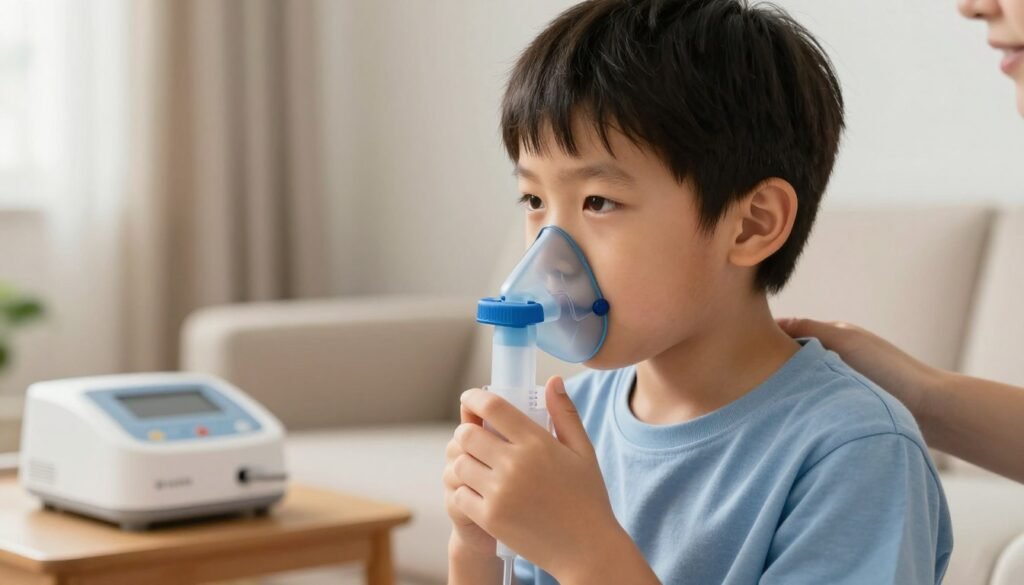
Inhalers deliver medication as a fine mist or powder that travels deep into the lungs when you breathe in. This direct delivery method allows medication to reach inflamed airways within seconds. The targeted approach means lower doses achieve better results compared to pills that must circulate through the entire body before reaching the lungs.
Two main categories of asthma inhalers serve different purposes in disease management. Quick-relief inhalers, also called rescue inhalers, contain bronchodilators that rapidly relax tightened airway muscles. Controller inhalers contain anti-inflammatory medications that reduce ongoing airway inflammation when used daily. Most people with persistent asthma need both types.
The effectiveness of inhaler treatment depends heavily on proper technique. Studies show that up to seventy percent of patients use their inhalers incorrectly, which dramatically reduces medication delivery to the lungs. Common mistakes include not shaking the inhaler, breathing in too quickly, not holding breath after inhaling, and failing to coordinate actuation with inhalation.
Quick-Relief Inhalers
These rescue medications provide rapid symptom relief during asthma attacks or before exercise. The most common type contains albuterol, a short-acting beta-agonist that works within minutes. The medication relaxes smooth muscles surrounding airways, opening breathing passages quickly.
Quick-relief inhalers should not be needed more than twice weekly for well-controlled asthma. Frequent use indicates poor control and the need for better preventive treatment. Relying solely on rescue inhalers without controller medication allows inflammation to worsen over time.
Controller Inhalers
Daily controller medications prevent symptoms and attacks by reducing chronic airway inflammation. Inhaled corticosteroids represent the most effective controller therapy available. These medications work differently than oral steroids and carry minimal side effects at recommended doses.
Controller inhalers require consistent daily use even when feeling well. Benefits build gradually over weeks, not immediately. Missing doses allows inflammation to return, undermining treatment effectiveness. Many people struggle with this concept since they can’t feel the medication working.
What Pulmonologists and Allergists Say About Inhaler Treatment
Medical experts specializing in asthma care unanimously agree that inhaled medications represent the gold standard for asthma treatment. Decades of research demonstrate their effectiveness in controlling symptoms, preventing attacks, and maintaining lung function. Doctors emphasize that proper inhaler use can keep most people with asthma living normal, active lives.
Dr. Michael Thompson, a pulmonologist at a major academic medical center, explains the transformative impact of modern inhaler therapy. His clinical experience demonstrates that patients who use controller inhalers consistently rarely need emergency care. The key challenge is convincing patients to take preventive medication daily when they feel fine.
Allergists stress the importance of addressing the inflammatory component of asthma rather than just treating symptoms. Dr. Sarah Chen, an allergy specialist, notes that many patients rely too heavily on rescue inhalers while underusing anti-inflammatory controllers. This approach provides temporary relief but allows progressive airway damage that becomes irreversible.
“Inhaled corticosteroids have revolutionized asthma care. When patients use them correctly and consistently, we see dramatic reductions in emergency visits, hospitalizations, and asthma deaths. The challenge isn’t the medication effectiveness—it’s ensuring patients understand why daily use matters even when they feel well.”
Types of Inhaler Devices and Choosing the Right One
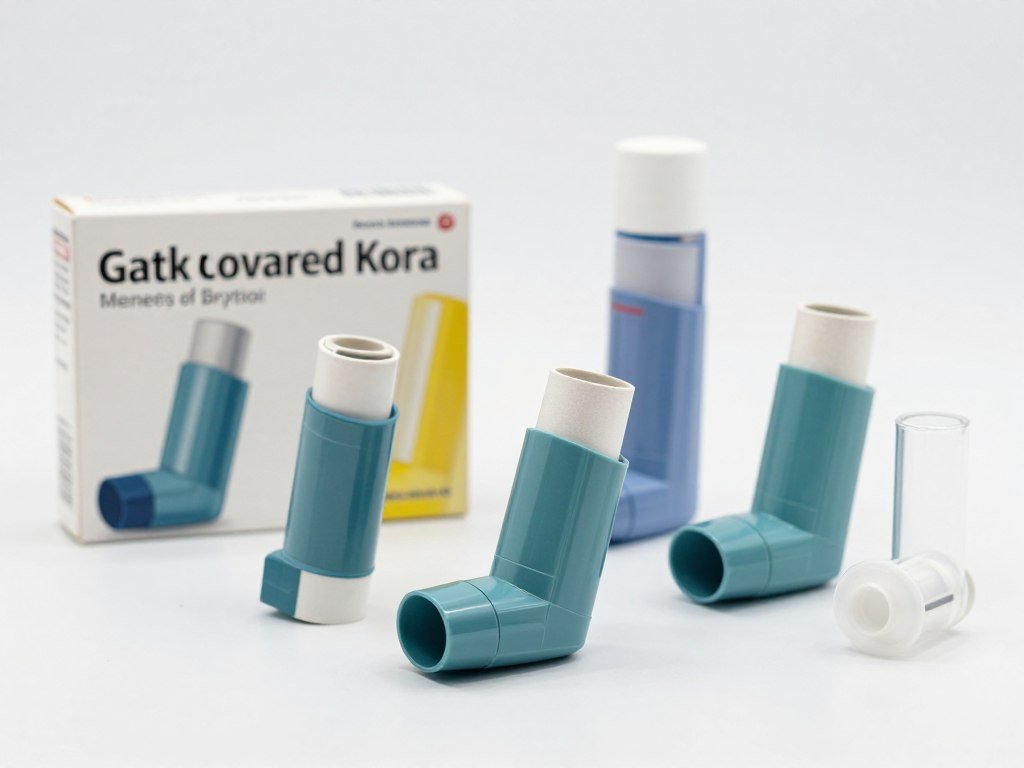
Multiple inhaler device types are available, each with advantages and disadvantages. The best device for any individual depends on age, coordination ability, breathing strength, and personal preference. Doctors can help patients select devices they can use correctly, as proper technique matters more than device type.
Metered-dose inhalers are the most common type, using propellant to deliver a measured medication dose. These require good coordination to press the canister while breathing in simultaneously. Adding a spacer device improves medication delivery and makes coordination easier, especially for children and older adults.
Dry powder inhalers don’t require coordination of pressing and breathing since the patient’s inhalation activates medication release. These devices require fairly strong inhalation to work effectively. They don’t work well for young children or people with severe airflow limitation who can’t generate enough inspiratory force.
Soft mist inhalers represent newer technology that creates a slow-moving mist of medication. The slow speed allows more time for coordination and increases the amount of medication reaching the lungs. These devices benefit people who struggle with traditional metered-dose inhalers but can be more expensive.

Combination Inhalers and Advanced Therapies
Modern asthma treatment often utilizes combination inhalers that contain both a controller medication and a long-acting bronchodilator in a single device. These combinations improve convenience and adherence while providing superior symptom control compared to either medication alone. Many doctors now prescribe combination therapy as first-line treatment for persistent asthma.
For people with severe asthma that doesn’t respond adequately to standard inhaler therapy, newer biologic medications offer additional options. These injectable medications target specific inflammatory pathways in severe allergic or eosinophilic asthma. While expensive, biologics dramatically improve quality of life for patients with difficult-to-control disease.
Common Concerns and Misconceptions About Inhalers
Many patients worry about side effects from inhaled medications, particularly corticosteroids. Doctors emphasize that inhaled steroids at recommended doses carry minimal systemic side effects. The medication acts locally in the airways with very little entering the bloodstream. The benefits of controlled asthma far outweigh the minor risks of properly used inhaled corticosteroids.
Some people fear becoming dependent on inhalers or building tolerance to the medication. Medical experts explain that asthma itself is the chronic condition, not dependence on medication. Inhalers treat the disease but don’t cure it. If medication effectiveness decreases, the problem is usually worsening inflammation, not tolerance, and requires treatment adjustment.
Cost concerns prevent many Americans from filling inhaler prescriptions regularly. Doctors acknowledge this serious barrier and work with patients to find affordable options. Generic alternatives, patient assistance programs, and insurance coverage advocacy all help address cost issues. Some doctors provide samples to help patients during financial difficulties.
Asthma in America: A Century of Statistical Trends and Changes
Examining asthma statistics over the past hundred years reveals dramatic changes in disease prevalence, mortality, and management outcomes. These trends reflect evolving environmental factors, advances in medical treatment, changes in diagnostic criteria, and shifts in public health approaches. Understanding this historical context helps us appreciate both the progress made and the challenges that remain.
The Evolution of Asthma Prevalence in the United States
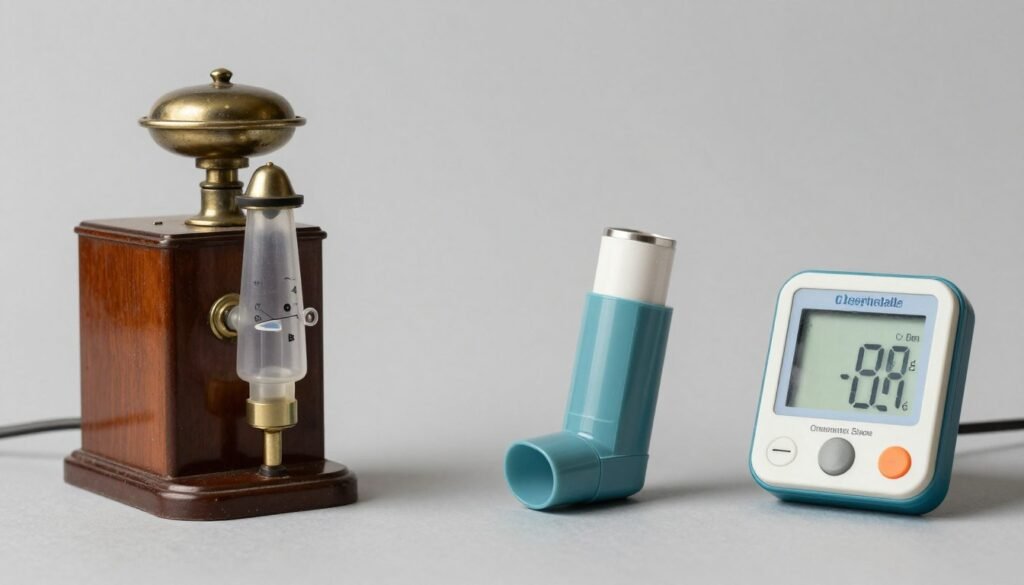
Asthma prevalence has changed dramatically over the past century. Early data from the 1920s and 1930s suggested relatively low rates of diagnosed asthma, though historical records are limited and diagnostic criteria differed significantly from modern standards. The mid-twentieth century saw gradually increasing recognition and diagnosis of the condition.
A striking increase in asthma prevalence occurred from the 1980s through the early 2000s. During this period, diagnosed asthma rates more than doubled. Scientists continue debating the reasons for this surge. Contributing factors likely include improved diagnostic recognition, changing environmental exposures, the hygiene hypothesis, and genuine increases in disease development.
Recent decades show stabilization or slight decreases in prevalence after the peak in the early 2000s. Current estimates indicate approximately eight percent of the US population has asthma. This represents more than 25 million Americans living with the chronic condition. Prevalence remains higher in certain demographic groups, particularly children and minority populations.
| Decade | Prevalence Rate | Estimated Cases (millions) | Death Rate (per 100,000) | Key Developments |
| 1920s | ~1-2% | 1.1 – 2.2 | Data limited | Limited treatment options; adrenaline introduced |
| 1930s | ~1-2% | 1.3 – 2.5 | Data limited | Early bronchodilator development begins |
| 1940s | ~2% | 2.8 | 1.5 | World War II impacts research; limited progress |
| 1950s | ~2-3% | 3.8 – 4.5 | 1.8 | Oral corticosteroids introduced; first pressurized inhalers |
| 1960s | ~3% | 5.7 | 2.1 | Beta-agonist inhalers developed; recognition of inflammation role |
| 1970s | ~3-4% | 6.8 – 8.4 | 2.8 | Inhaled corticosteroids introduced; mortality epidemic begins |
| 1980s | ~4-5% | 9.7 – 11.5 | 4.2 | Prevalence increase accelerates; peak flow monitoring introduced |
| 1990s | ~5-6% | 13.7 – 16.2 | 5.5 | National asthma guidelines published; leukotriene modifiers approved |
| 2000s | ~7-8% | 20.5 – 23.3 | 3.8 | Combination inhalers widely used; mortality begins declining |
| 2010s | ~8% | 24.6 – 25.7 | 3.2 | Biologic therapies for severe asthma; improved outcomes |
| 2020s | ~7.8% | 25.5 | 2.9 | COVID-19 pandemic impacts; digital health tools expand |
Mortality Trends: Progress and Persistent Disparities
Asthma mortality rates tell a complex story of medical progress alongside persistent health inequities. Death rates from asthma remained relatively stable through the mid-twentieth century. A concerning mortality epidemic emerged in the 1970s and peaked in the mid-1990s. Death rates have declined substantially since that peak, though disparities remain troubling.
The mortality epidemic of the 1970s through 1990s coincided with increased use of certain high-dose short-acting beta-agonists. Research suggested that overreliance on rescue medications without adequate anti-inflammatory treatment contributed to deaths. This recognition led to fundamental changes in asthma management approaches emphasizing controller therapy.
Modern asthma mortality has declined to historically low levels thanks to better medications, improved understanding of disease mechanisms, and widespread adoption of treatment guidelines. However, approximately 3,500 Americans still die from asthma annually. Most of these deaths are considered preventable with proper care and treatment adherence.
Racial and ethnic disparities in asthma mortality persist despite overall improvements. African Americans experience asthma death rates nearly three times higher than white Americans. Puerto Ricans also face disproportionately high mortality. These disparities reflect complex interactions of genetic factors, environmental exposures, healthcare access barriers, and socioeconomic challenges.
Healthcare Utilization and Economic Impact Over Time
The economic burden of asthma has grown substantially over the decades, even as mortality has declined. Direct medical costs including medications, doctor visits, emergency care, and hospitalizations now exceed $50 billion annually. Indirect costs from lost work and school days add another $30 billion to the total economic impact.
Emergency department utilization for asthma has fluctuated over time. The 1980s and 1990s saw dramatic increases in asthma-related emergency visits. More recent data shows some improvement in preventable emergency care, though millions of visits still occur annually. Better access to controller medications and action plan adoption have contributed to reductions in emergency utilization.
Hospital admission rates for asthma have generally declined over recent decades, particularly for children. This positive trend reflects improved outpatient management and more effective preventive treatments. However, significant regional and demographic variations persist. Low-income communities and minority populations continue experiencing higher hospitalization rates.
Is Asthma Curable or Chronic? Understanding Long-Term Prognosis
One of the most common questions people ask after an asthma diagnosis concerns whether the condition can be cured. Understanding the chronic nature of asthma, the possibility of symptom remission, and long-term prognosis helps patients set realistic expectations and commit to ongoing management strategies. The answer involves nuance that goes beyond simple yes or no.

Asthma as a Chronic Condition
Asthma is classified as a chronic disease, meaning it persists over long periods and typically requires ongoing management. Unlike acute illnesses that resolve completely with treatment, asthma represents a long-term condition affecting the respiratory system. The airways of people with asthma remain fundamentally different from those without the disease, even during symptom-free periods.
The chronic inflammatory process in asthma continues at low levels even when symptoms are absent. This persistent inflammation keeps airways hyperresponsive and ready to react to triggers. Microscopic examination of airways shows ongoing inflammatory cell presence and structural changes even in people with well-controlled asthma who feel perfectly fine.
Currently, no cure exists for asthma in the traditional sense of completely eliminating the disease. Medical science has not identified a treatment that permanently reverses the airway hyperresponsiveness and inflammatory tendency that define asthma. This reality means that people diagnosed with asthma typically require lifelong monitoring and management.
Remission and “Growing Out” of Asthma
While asthma cannot be cured, some people experience complete remission of symptoms for extended periods or even permanently. This phenomenon occurs most commonly with childhood asthma. Many children who wheezed during their early years stop having symptoms as they grow older, leading to the common belief that they “outgrew” their asthma.
Research shows that approximately half of children with asthma become symptom-free by adulthood. However, the underlying airway hyperresponsiveness often persists even when symptoms disappear. Lung function tests may still show subtle abnormalities. Many people whose asthma went into remission during adolescence or early adulthood experience symptom return later in life.
Several factors influence whether childhood asthma remits. Mild asthma that appeared after age two is more likely to remit compared to severe asthma beginning in infancy. Absence of allergies and normal lung function during childhood predict better chances of remission. Boys more commonly experience remission than girls, though this gender difference reverses in adulthood.
- Symptom-free periods don’t necessarily mean asthma is cured; airway hyperresponsiveness often remains
- Approximately 50% of children with asthma have minimal or no symptoms by early adulthood
- Asthma symptoms may return decades after remission, particularly during respiratory infections or with new allergen exposures
- People in remission may still benefit from having a rescue inhaler available for emergencies
- Regular follow-up even during remission helps detect early signs of returning symptoms
Disease Progression and Airway Remodeling
Without proper treatment, asthma can progress over time, leading to permanent structural changes in the airways. This process, called airway remodeling, involves thickening of airway walls, increased smooth muscle mass, and development of scar tissue. These changes can become irreversible, making asthma more difficult to control and less responsive to treatment.
Airway remodeling develops gradually through years of ongoing inflammation. Each asthma attack causes acute inflammation that typically resolves with treatment. However, if inflammation persists chronically due to inadequate controller therapy, structural changes accumulate. Eventually, airways develop permanent narrowing that doesn’t fully respond to bronchodilators.
Preventing airway remodeling provides one of the strongest arguments for consistent use of controller medications. Anti-inflammatory therapy, particularly inhaled corticosteroids, not only controls symptoms but also prevents progressive airway damage. Starting effective treatment early in disease course and maintaining it consistently offers the best protection against irreversible changes.
Achieving and Maintaining Good Control
While asthma cannot be cured, it can be controlled effectively in the vast majority of people. Good asthma control means living without daily symptoms, sleeping through the night without breathing problems, participating fully in activities, needing rescue medication rarely, and maintaining normal lung function. These goals are achievable for most patients with proper treatment.
The concept of asthma control focuses on minimizing current impairment and reducing future risk. Current impairment includes symptoms, activity limitation, and medication use. Future risk involves preventing asthma attacks, progressive loss of lung function, and medication side effects. Achieving both aspects of control requires comprehensive management approaches.
Well-controlled asthma allows people to live full, active lives without significant limitations. Athletes compete at elite levels despite having asthma. People pursue any career they choose. Parents keep up with active children. The key is finding the right treatment regimen and using it consistently as prescribed.
What Good Asthma Control Looks Like
People with well-controlled asthma experience daytime symptoms no more than twice weekly, have no nighttime awakenings due to asthma, can participate in normal activities without limitations, use rescue inhalers no more than twice weekly, maintain normal lung function on testing, and have no asthma attacks requiring oral corticosteroids or emergency care.
Long-Term Prognosis with Proper Management
The long-term outlook for people with asthma has improved dramatically with modern treatments. Most individuals with asthma who receive appropriate care maintain normal lung function throughout life. They avoid the progressive decline that characterized poorly controlled asthma in earlier eras. Life expectancy for well-managed asthma approaches that of people without the condition.
Early diagnosis and treatment initiation improve long-term outcomes. Children who receive appropriate controller therapy early show better lung function as adults compared to those whose treatment was delayed. Starting effective anti-inflammatory treatment promptly after diagnosis helps prevent the airway remodeling that leads to persistent airflow limitation.
Regular medical monitoring allows for treatment adjustment as needs change over time. Asthma severity can fluctuate, requiring medication increases during certain periods and potential step-downs when control is excellent. Partnership with knowledgeable healthcare providers ensures treatment remains optimal throughout the disease course.
Environmental and Food Triggers That Cause Asthma Symptoms
Asthma triggers are substances or conditions that irritate airways and provoke symptoms in people with the disease. Identifying personal triggers represents a crucial step in asthma management, as avoiding or minimizing exposure can dramatically reduce symptom frequency and severity. Triggers vary significantly between individuals, making personalized identification essential for effective control.
Environmental Triggers in Indoor Spaces
Indoor environments contain numerous potential asthma triggers that people encounter daily. Homes, schools, and workplaces harbor allergens and irritants that can provoke symptoms. Understanding these indoor triggers and implementing control measures significantly improves asthma management for many people.
Dust mites rank among the most common indoor allergens triggering asthma. These microscopic creatures live in bedding, upholstered furniture, and carpeting, feeding on dead skin cells. Their waste products become airborne and trigger allergic reactions in sensitive individuals. Dust mite exposure occurs year-round, making it a particularly problematic trigger for many people with asthma.
Pet dander from cats and dogs triggers asthma symptoms in millions of Americans. The proteins in animal saliva, urine, and skin flakes cause allergic reactions. These tiny particles become airborne and settle on surfaces throughout homes. Even homes without current pets may contain detectable levels of pet allergens from previous residents or visitors.
Mold growth in damp areas of buildings releases spores that trigger asthma when inhaled. Bathrooms, basements, kitchens, and areas with water damage commonly harbor mold. Some mold species produce particularly potent allergens. Indoor humidity above fifty percent creates ideal conditions for mold proliferation.
- Dust mites thrive in warm, humid environments and accumulate heavily in mattresses, pillows, and bedding
- Cockroach allergens in droppings and body parts trigger severe asthma symptoms, particularly in urban settings
- Indoor mold grows in areas with moisture problems, releasing allergenic spores into the air
- Pet allergens from cats, dogs, and rodents provoke symptoms even in animals that don’t shed visibly
- Household cleaners, air fresheners, and scented products release chemical irritants affecting sensitive airways
Outdoor Environmental Triggers
Outdoor air contains various substances that trigger asthma symptoms when inhaled. Seasonal variations in outdoor triggers mean that some people with asthma experience worse symptoms during specific times of year. Understanding outdoor trigger patterns helps people plan activities and adjust medications accordingly.
Pollen from trees, grasses, and weeds causes seasonal allergic asthma symptoms. Different plants release pollen at specific times of year, creating predictable seasonal patterns. Tree pollen predominates in spring, grass pollen in late spring and summer, and weed pollen in late summer and fall. Wind carries pollen grains long distances, affecting people far from the source.
Air pollution irritates airways and worsens asthma symptoms significantly. Ground-level ozone forms when sunlight reacts with vehicle emissions and industrial pollutants. Particulate matter from combustion sources penetrates deep into lungs. Both pollutants trigger inflammation in airways, making asthma harder to control. Air quality tends to be worst during summer months and in urban areas.
Weather conditions influence asthma symptoms through multiple mechanisms. Cold air causes airway constriction in many people with asthma. Sudden temperature changes and high humidity create challenges. Thunderstorms can trigger severe asthma attacks through a phenomenon called thunderstorm asthma, where storms break pollen grains into tiny particles that penetrate deep into airways.
Seasonal Pollen Triggers
Spring tree pollen from oak, birch, maple, and other species affects many people with allergic asthma. Summer grass pollen becomes the dominant allergen in many regions. Fall weed pollen, particularly ragweed, triggers symptoms until the first frost. Pollen counts peak on warm, dry, windy days.
Air Quality and Pollution
Vehicle exhaust releases nitrogen oxides and particulate matter that irritate airways. Industrial emissions contribute various pollutants depending on local industries. Wildfire smoke contains fine particles that penetrate deep into lungs. Even exposure miles from fire sources can trigger severe asthma symptoms.
Tobacco Smoke and Other Combustion Products
Tobacco smoke represents one of the most harmful asthma triggers. Both active smoking and secondhand smoke exposure worsen asthma control, increase attack frequency, reduce medication effectiveness, and accelerate lung function decline. The thousands of chemicals in tobacco smoke irritate airways and intensify inflammation.
Secondhand smoke exposure poses serious risks for people with asthma, particularly children. Even brief exposure can trigger immediate symptoms. Children living with smokers experience more severe asthma, frequent attacks, and increased hospitalizations. Thirdhand smoke residue that settles on surfaces and clothing also affects sensitive individuals.
Wood smoke from fireplaces and wood-burning stoves releases particulate matter and other irritants. While many people enjoy the ambiance of wood fires, people with asthma often experience worsening symptoms from smoke exposure. Outdoor burning and wildfires create widespread air quality problems affecting entire regions.

Food Triggers and Dietary Considerations
While food allergies less commonly trigger asthma compared to environmental factors, certain foods provoke symptoms in some individuals. Food-related asthma typically occurs in people with both food allergies and asthma. Understanding the connection between food and respiratory symptoms helps affected individuals avoid problematic foods.
Sulfites used as preservatives in certain foods and beverages trigger asthma symptoms in sensitive individuals. These chemicals appear commonly in dried fruits, wine, beer, processed potatoes, and shrimp. Sulfite sensitivity affects approximately five to ten percent of people with asthma. Reading ingredient labels carefully helps avoid sulfite exposure.
True food allergies occasionally manifest primarily as asthma symptoms rather than typical allergic reactions. Common food allergens like peanuts, tree nuts, shellfish, eggs, and milk can cause respiratory symptoms in sensitive individuals. Severe food allergies may trigger life-threatening anaphylaxis that includes severe bronchoconstriction.
Some people report worsening asthma symptoms after consuming specific foods, even without confirmed allergies. Dairy products, although not proven to increase mucus production as commonly believed, trigger symptoms in some individuals. Maintaining a food and symptom diary helps identify potential food triggers that may affect asthma control.
Chemical Irritants and Strong Odors
Various chemical irritants in everyday environments trigger asthma symptoms without causing allergic reactions. These substances irritate airway linings directly, causing inflammation and bronchoconstriction. People with asthma often develop sensitivity to odors and chemicals that don’t bother others.
Cleaning products release volatile organic compounds and other irritants that affect sensitive airways. Products containing bleach, ammonia, or strong fragrances pose particular problems. Even “natural” or “green” cleaning products may trigger symptoms in very sensitive individuals. Adequate ventilation during cleaning helps reduce exposure.
Personal care products including perfumes, colognes, scented lotions, and hair sprays emit chemicals that irritate airways. Workplace policies increasingly restrict heavy fragrance use to accommodate people with chemical sensitivities. Choosing fragrance-free personal products reduces both personal exposure and impact on others.
Paint fumes, varnish, and other renovation materials release irritating chemicals for days or weeks after application. People with asthma should avoid freshly painted or renovated spaces until fumes dissipate. Using low-VOC products reduces but doesn’t eliminate irritant exposure during home improvement projects.
Daily Habits and Lifestyle Changes That Improve Asthma Control
Managing asthma successfully extends far beyond taking medications correctly. Daily habits and lifestyle choices significantly influence disease control and quality of life. Implementing evidence-based self-management practices empowers people with asthma to minimize symptoms, reduce attack risk, and maintain normal activities. Small consistent changes often produce substantial improvements.

Medication Adherence and Proper Inhaler Technique
Taking controller medications consistently as prescribed represents the most important habit for good asthma control. Many people stop taking preventive medications when feeling well, not realizing that ongoing inflammation continues even without symptoms. Maintaining daily medication routines prevents the inflammation that leads to symptoms and attacks.
Developing a medication routine that fits your lifestyle improves adherence significantly. Taking inhalers at the same time daily, such as with morning and evening tooth brushing, creates automatic habits. Using smartphone reminders or pill organizers helps people remember doses. Keeping inhalers visible rather than hidden away serves as a visual reminder.
Proper inhaler technique ensures medication reaches your airways effectively. Studies show that most people use inhalers incorrectly, wasting medication and achieving poor control. Having your doctor or pharmacist watch your technique and provide feedback ensures proper use. Different inhaler types require different techniques, so learning the correct method for each device matters.
- Take controller medications every day as prescribed, even when feeling completely well
- Keep rescue inhalers accessible at home, work, school, and in vehicles for emergency use
- Check inhaler technique regularly with healthcare providers to ensure effective medication delivery
- Refill prescriptions before running out to avoid gaps in treatment
- Track medication use to identify patterns and ensure you’re not overusing rescue inhalers
Environmental Control Measures at Home
Creating an asthma-friendly home environment reduces trigger exposure and improves control substantially. While complete trigger elimination may be impossible, reducing exposure levels makes a meaningful difference for most people. Environmental modifications work alongside medications to achieve optimal control.
Bedroom modifications provide particular benefits since people spend many hours sleeping in this space. Encasing mattresses, box springs, and pillows in allergen-proof covers blocks dust mite exposure. Washing bedding weekly in hot water kills dust mites. Removing carpeting, heavy curtains, and upholstered furniture from bedrooms reduces dust accumulation and allergen reservoirs.
Controlling indoor humidity between thirty and fifty percent prevents mold growth and reduces dust mite populations. Using dehumidifiers in damp areas like basements addresses moisture problems. Fixing water leaks promptly prevents mold development. Ensuring proper ventilation in bathrooms and kitchens removes excess moisture.
Air filtration systems improve indoor air quality by removing allergens and irritants. High-efficiency particulate air filters in heating and cooling systems capture small particles. Portable HEPA air purifiers in bedrooms provide additional filtration where you spend the most time. Changing filters regularly maintains effectiveness.
Pet Management Strategies
For people with pet allergies who own animals, strict measures reduce exposure. Keeping pets out of bedrooms creates allergen-free sleeping spaces. Bathing pets weekly reduces dander levels. Using HEPA air purifiers helps remove airborne pet allergens. Washing hands after petting animals prevents allergen transfer to face.
Reducing Chemical Irritants
Choosing fragrance-free household products reduces irritant exposure. Using unscented laundry detergent and avoiding fabric softeners eliminates common triggers. Ventilating well during cleaning and avoiding aerosol products helps. Storing chemicals in sealed containers outside living spaces reduces passive exposure.
Physical Activity and Exercise Habits
Regular physical activity benefits people with asthma in multiple ways. Exercise improves cardiovascular fitness, strengthens respiratory muscles, reduces stress, and may decrease airway inflammation. Many people with asthma avoid exercise due to fear of triggering symptoms, but proper management allows safe participation in physical activities.
Warming up gradually before exercise helps prevent exercise-induced bronchoconstriction. Starting with low-intensity activity for ten to fifteen minutes allows airways to adjust before more vigorous exertion. Using a quick-relief inhaler ten to fifteen minutes before exercise prevents symptoms in most people prone to exercise-induced symptoms.
Choosing appropriate activities and environments reduces exercise-related asthma symptoms. Swimming in indoor pools provides humid air that’s less likely to trigger symptoms. Walking, biking, and other activities allowing variable intensity let you adjust exertion as needed. Exercising indoors when outdoor air quality is poor protects airways from pollution exposure.
Building fitness gradually over time improves exercise tolerance and reduces symptom likelihood. Starting with short sessions and slowly increasing duration and intensity allows your body to adapt. Working with trainers or coaches who understand asthma helps you exercise safely while building fitness effectively.
Stress Management and Mental Health
Stress and strong emotions trigger asthma symptoms in many people through multiple mechanisms. Stress hormones affect immune function and inflammation. Rapid breathing during anxiety can trigger bronchoconstriction. Stress also reduces medication adherence and other self-care behaviors. Managing stress effectively improves both asthma control and overall wellbeing.
Regular relaxation practices help reduce overall stress levels and may decrease asthma symptoms. Deep breathing exercises, progressive muscle relaxation, meditation, and yoga all show benefits for people with asthma. These techniques can be practiced anywhere without special equipment. Even brief daily practice provides cumulative benefits.
Addressing anxiety and depression improves asthma outcomes significantly. Mental health conditions are more common in people with asthma compared to the general population. Depression and anxiety worsen asthma control through multiple pathways. Treating mental health conditions with counseling or medication often improves respiratory symptoms as well.
Building social support networks provides emotional resources for managing chronic disease stress. Connecting with other people who have asthma through support groups, online communities, or asthma education programs reduces isolation. Family and friends who understand your condition can provide practical help and emotional support during difficult times.

Sleep Hygiene and Nighttime Symptom Management
Quality sleep supports immune function, reduces inflammation, and improves overall health. Nighttime asthma symptoms disrupt sleep for many people, creating a cycle where poor sleep worsens asthma control. Implementing good sleep hygiene and managing nighttime triggers improves both sleep quality and disease control.
Elevating the head of the bed reduces nighttime reflux that can trigger asthma symptoms. Using extra pillows or raising the head of the bed frame by four to six inches keeps stomach acid from flowing into the esophagus and airways during sleep. This simple modification helps people who experience nighttime symptoms related to gastroesophageal reflux.
Creating an allergen-free bedroom environment proves particularly important since you spend many consecutive hours in this space. Using allergen-proof bedding covers, removing dust collectors, and running air purifiers creates a clean sleeping environment. Keeping pets out of the bedroom despite daytime exposure still provides nighttime allergen reduction.
Maintaining consistent sleep schedules helps regulate circadian rhythms that influence inflammation and immune function. Going to bed and waking up at similar times daily, even on weekends, supports healthy sleep patterns. Avoiding stimulants like caffeine in the afternoon and evening prevents sleep disruption.
Monitoring Symptoms and Using an Asthma Action Plan
Self-monitoring helps detect worsening asthma before severe symptoms develop. Paying attention to subtle changes in breathing, increased rescue inhaler use, or nighttime awakenings alerts you to take action early. Early intervention prevents minor worsening from progressing to serious attacks requiring emergency care.
Using a peak flow meter provides objective measurement of lung function that detects changes before you notice symptoms. Measuring peak flow daily, especially in the morning, establishes your personal best value. Decreases of twenty percent or more from personal best indicate worsening control requiring treatment adjustment.
Following a written asthma action plan empowers you to make treatment decisions based on symptoms and peak flow measurements. This personalized plan, developed with your doctor, specifies exactly what to do when control worsens. Action plans divide management into green, yellow, and red zones similar to traffic lights, with specific instructions for each zone.
Nutrition and Weight Management
Maintaining healthy body weight improves asthma control through multiple mechanisms. Obesity worsens asthma symptoms, reduces medication effectiveness, and increases inflammation throughout the body. Even modest weight loss improves lung function and reduces symptom frequency in overweight people with asthma.
Eating a balanced diet rich in fruits and vegetables provides antioxidants that may reduce airway inflammation. Foods high in omega-3 fatty acids, including fatty fish, walnuts, and flaxseeds, have anti-inflammatory properties. While no specific diet cures asthma, overall healthy eating patterns support better disease control.
Staying well-hydrated helps keep airway secretions thin and easier to clear. Drinking adequate water throughout the day supports overall respiratory health. Avoiding excessive caffeine and alcohol, which can interfere with sleep and interact with medications, supports better asthma management.
Vaccinations and Infection Prevention
Respiratory infections commonly trigger severe asthma attacks requiring emergency care or hospitalization. Preventing infections through vaccination and hygiene practices reduces this risk significantly. People with asthma should receive all recommended vaccinations to protect against preventable respiratory illnesses.
Annual influenza vaccination is strongly recommended for all people with asthma. Influenza infection can trigger severe asthma attacks and lead to dangerous complications. Getting vaccinated each fall before flu season provides the best protection. People with egg allergy can safely receive flu vaccines with appropriate precautions.
Pneumococcal vaccination protects against bacterial pneumonia, a serious complication that people with asthma face increased risk of developing. COVID-19 vaccination reduces severe illness risk from coronavirus infection, which can severely affect people with underlying respiratory conditions. Staying current with all recommended vaccines provides important protection.
Good hand hygiene prevents many respiratory infections that trigger asthma symptoms. Washing hands frequently with soap and water, especially before eating and after being in public places, reduces infection transmission. Avoiding close contact with sick individuals when possible limits exposure to respiratory viruses.
Taking Control of Your Asthma Journey
Asthma represents a significant health challenge affecting millions of Americans, but understanding and proper management transform this chronic condition into a controllable aspect of life rather than a limiting factor. The journey from diagnosis to effective control requires education, commitment, and partnership with knowledgeable healthcare providers.

The comprehensive information covered in this guide demonstrates that asthma, while chronic, responds well to evidence-based treatment approaches. From understanding what triggers your symptoms to implementing daily management habits, each element contributes to better control and improved quality of life. Modern medications, when used correctly and consistently, enable most people with asthma to live without significant limitations.
Prevention strategies at both individual and population levels continue evolving as we learn more about asthma development and progression. While genetic factors influence susceptibility, environmental modifications and lifestyle choices significantly impact disease expression and severity. Taking proactive steps to reduce trigger exposure and maintain overall health creates a foundation for successful asthma management.
The statistics spanning a century of asthma in America reveal both progress and ongoing challenges. Medical advances have dramatically reduced mortality and improved treatment options. However, disparities in asthma burden persist, affecting low-income communities and minority populations disproportionately. Addressing these inequities requires continued public health focus and improved healthcare access.
Remember that asthma affects each person uniquely. What triggers symptoms in one person may not bother another. Treatment that works well for someone else may need adjustment for your situation. This individuality makes personalized care essential. Working closely with your healthcare team to identify your specific triggers, optimal medications, and effective management strategies leads to the best outcomes.
Living well with asthma means staying informed, monitoring your condition attentively, following your treatment plan consistently, and adjusting management as needs change. The habits and strategies discussed throughout this guide provide a roadmap for taking control of your asthma rather than letting it control you. Small daily actions compound over time into significantly better disease control and quality of life.
If you’re struggling with asthma symptoms, experiencing frequent attacks, or finding that current treatment isn’t working well, don’t accept poor control as inevitable. Reach out to asthma specialists who can provide expert evaluation and advanced treatment options. Many people who thought they had difficult-to-control asthma find significant improvement with specialist care and treatment optimization.
The path to well-controlled asthma begins with a single step. Whether that means downloading an action plan template, scheduling a specialist appointment, implementing environmental controls, or simply committing to take your controller medication daily, taking action today moves you toward better health tomorrow. Your respiratory health deserves the same attention and care you give to other aspects of your wellbeing.