
Maternal Health Complications: A Growing Threat to Women’s Health in America
Every day across the United States, mothers face unexpected challenges during pregnancy and childbirth. What should be a joyful time can quickly become frightening when health complications emerge. The maternal mortality rate in America has been climbing steadily, making pregnancy complications a critical public health concern that demands immediate attention.
Maternal health complications affect thousands of women annually. These conditions range from manageable concerns to life-threatening emergencies. Understanding these risks can save lives and improve outcomes for both mothers and babies.
This comprehensive guide explores the landscape of maternal health in the United States. You will learn about the most common complications, who faces the highest risks, and what steps can protect maternal health throughout pregnancy and beyond.
Understanding Maternal Health Risks and Complications
Maternal health complications are medical conditions that occur during pregnancy, childbirth, or the postpartum period. These complications can affect the mother’s health, the baby’s development, or both. Some conditions existed before pregnancy, while others develop specifically because of pregnancy.
Health conditions during pregnancy fall into several categories. Chronic health conditions like diabetes or heart disease may worsen during pregnancy. Pregnancy-specific complications such as gestational diabetes or preeclampsia arise only during pregnancy. Both types require careful monitoring by health care providers.
Common Types of Pregnancy Complications
High blood pressure affects many pregnant women in the United States. This condition includes chronic hypertension that existed before pregnancy and gestational hypertension that develops after 20 weeks pregnancy. When high blood pressure combines with protein in the urine, it becomes preeclampsia, a serious condition requiring immediate care.
Gestational diabetes develops when the body cannot produce enough insulin during pregnancy. This condition affects how cells use blood sugar and can lead to complications for both mother and baby. Most women with gestational diabetes deliver healthy babies, but the condition requires management throughout pregnancy.
Physical Health Complications
- High blood pressure disorders including preeclampsia
- Gestational diabetes and blood sugar problems
- Infections including sexually transmitted infections
- Heart conditions and cardiovascular disease
- Excessive bleeding during delivery or postpartum
- Blood clots and circulation problems
Mental Health Concerns
- Prenatal depression during pregnancy
- Postpartum depression after delivery
- Anxiety disorders affecting pregnant women
- Stress-related complications
- Previous trauma complications
- Substance use disorders
How Health Conditions Affect Pregnancy Outcomes
Chronic health conditions can significantly impact pregnancy. Women with diabetes before pregnancy face different challenges than those who develop gestational diabetes. Pre-existing heart disease increases the risk of complications during delivery. These conditions require specialized care from health care providers throughout pregnancy.
Pregnancy complications can lead to serious outcomes if left untreated. Preeclampsia can cause organ damage and requires immediate medical intervention. Untreated gestational diabetes increases the risk of a large baby, which can complicate delivery. Early detection through prenatal care allows providers to manage these conditions effectively.
Important Note: Many pregnancy complications can be managed successfully with proper medical care. Regular prenatal visits allow your care provider to monitor your health and catch problems early when treatment is most effective.
Age Groups Most Affected by Maternal Health Complications

Age plays a significant role in maternal health complications. Certain age groups face higher risks during pregnancy and childbirth. Understanding these patterns helps women and their care providers prepare for potential challenges.
Teenage Pregnancy Risks
Pregnant women under age 20 face unique challenges. Teen mothers experience higher rates of high blood pressure during pregnancy. Their bodies may not be fully developed for pregnancy and childbirth. Additionally, teens often delay seeking prenatal care, which increases the risk of complications.
Young mothers also face social and economic barriers. These factors can limit access to quality health care. Teen pregnancy often leads to inadequate nutrition and higher stress levels. Both conditions contribute to poor outcomes for mother and infant.
Advanced Maternal Age Complications
Women over 35 years face increased risks during pregnancy. This group experiences higher rates of chronic health conditions like high blood pressure and diabetes. The risk of gestational diabetes rises significantly with maternal age. Women over 40 face even greater challenges during pregnancy and delivery.
Advanced age increases the likelihood of multiple pregnancies through fertility treatments. Carrying twins or triplets raises the risk of pregnancy complications. Older mothers also experience longer recovery times after delivery and higher rates of postpartum depression.
Women aged 35-44 are three times more likely to die from pregnancy-related causes compared to women in their twenties. However, with excellent prenatal care, most women in this age group have healthy pregnancies and deliveries.
The Twenty-Something Advantage
Women between 25 and 34 years generally face the lowest risk of pregnancy complications. This age range represents optimal physical health for pregnancy. However, complications can still occur in this group. No age guarantees a problem-free pregnancy.
Even in this lower-risk group, certain factors increase complication rates. Pre-existing health conditions, previous pregnancy losses, or family history of complications require careful monitoring. All pregnant women need regular prenatal care regardless of age.
Why Maternal Health Has Become a Crisis in the United States

The United States faces a maternal health crisis unlike any other developed nation. American women are more likely to die from pregnancy-related causes than women in most other wealthy countries. This troubling trend has worsened over the past two decades.
Maternal mortality rates have doubled since 1987 in the United States. Currently, about 700 women die each year from pregnancy complications. Thousands more experience serious complications that threaten their health and wellbeing. These numbers reveal a broken system that fails to protect mothers.
Healthcare Access Barriers
Many women struggle to access quality prenatal care. Insurance coverage gaps leave pregnant women without necessary health care. Some areas lack sufficient health care providers specializing in maternal health. Rural communities face especially severe shortages of obstetric care.
The cost of care prevents many women from seeking help. Even women with insurance face high deductibles and out-of-pocket expenses. These financial barriers delay care and worsen outcomes. Preventable complications become emergencies when women cannot afford early intervention.
Racial and Economic Disparities
Black women in America face a maternal health crisis within the larger crisis. They are three to four times more likely to die from pregnancy complications compared to white women. This disparity exists regardless of education level or income. Systemic racism in healthcare contributes significantly to these outcomes.
Economic inequality amplifies maternal health risks. Women living in poverty experience higher rates of chronic health conditions. They often work in jobs without paid leave or health benefits. Stress from economic insecurity directly impacts pregnancy outcomes and overall health throughout pregnancy.

System Failures and Gaps in Care
The healthcare system often fails to identify warning signs of complications. Many maternal deaths occur during the postpartum period when women have less contact with health care providers. The critical weeks after delivery receive insufficient attention and resources.
Communication breakdowns between care providers create dangerous gaps. Women may see multiple providers during pregnancy and delivery. Important information sometimes fails to transfer between these providers. Coordination failures can have fatal consequences for mothers and babies.
Lack of Postpartum Support
Support for new mothers essentially disappears after delivery. Most women have only one postpartum checkup at six weeks. Many complications develop before this visit. Depression, infection, and high blood pressure can all emerge in the days and weeks following birth.
The United States provides minimal paid family leave compared to other nations. New mothers must return to work quickly after delivery. This pressure prevents proper recovery and increases stress. Physical and mental health suffer when mothers cannot rest and heal.
How to Prevent Maternal Health Complications

Prevention is the most powerful tool for reducing maternal health complications. Many serious conditions can be avoided or minimized through proactive steps. Taking charge of your health before and during pregnancy significantly improves outcomes.
Preconception Planning
Health optimization should begin before pregnancy. Women planning to conceive should schedule a preconception visit with their care provider. This appointment identifies existing health conditions that need management. Your provider can adjust medications and recommend lifestyle changes.
Managing chronic health conditions before pregnancy reduces complications. Women with diabetes should achieve good blood sugar control before conceiving. Those with high blood pressure need their condition stabilized. These steps create the healthiest environment for pregnancy.
Early and Consistent Prenatal Care
Regular prenatal care is essential for preventing and managing complications. Early pregnancy visits establish baseline health measurements. Your care provider monitors your blood pressure, weight, and other vital signs throughout pregnancy. These routine checks catch problems before they become serious.
Prenatal visits include important screening tests. Blood tests detect conditions like gestational diabetes and infections. Ultrasounds monitor baby’s growth and development. These screenings enable early intervention when complications arise.
Prenatal Care Schedule
- First visit as soon as pregnancy confirmed
- Monthly visits through 28 weeks pregnancy
- Biweekly visits from 28-36 weeks
- Weekly visits from 36 weeks until delivery
- More frequent visits if complications develop
Key Prenatal Screenings
- Blood pressure monitoring at every visit
- Glucose screening for gestational diabetes
- Blood tests for anemia and infections
- Urine tests for protein and infection
- Ultrasounds to monitor growth
- Group B strep testing late in pregnancy
Lifestyle Modifications
Healthy habits during pregnancy protect both mother and baby. Proper nutrition supports fetal development and maintains maternal health. Adequate sleep reduces stress and allows the body to heal. Regular physical activity approved by your provider strengthens the body for pregnancy and delivery.
Avoiding harmful substances is critical during pregnancy. Smoking increases the risk of pregnancy complications significantly. Alcohol consumption can cause serious birth defects. Even some over-the-counter medications pose risks. Always consult your care provider before taking any medication or supplement.
Warning Sign Recognition
Knowing warning signs of complications can save your life. Certain symptoms require immediate medical attention. Never hesitate to contact your care provider if something feels wrong. Trust your instincts about your body and your baby.
Seek Immediate Medical Care For:
- Severe headache that won’t go away
- Vision changes including blurriness or seeing spots
- Sudden swelling of face, hands, or feet
- Severe abdominal pain or cramping
- Decreased baby movement after 28 weeks
- Vaginal bleeding or fluid leakage
- Fever over 100.4°F
- Persistent vomiting or inability to keep food down
The Role and Effectiveness of Medical Care

Medical care is absolutely essential for preventing and managing maternal health complications. Quality healthcare dramatically reduces the risk of death and serious complications. Access to skilled health care providers makes the difference between life and death for many women.
What Healthcare Professionals Say
Doctors emphasize that most maternal deaths are preventable with proper care. Dr. Angela Davis, an obstetrician with 20 years of experience, states that early intervention saves lives. She notes that women who receive consistent prenatal care have significantly better outcomes than those without regular checkups.
“The vast majority of pregnancy complications can be managed successfully when caught early. Regular prenatal visits aren’t optional—they’re essential for detecting problems before they become life-threatening.”
Healthcare providers stress the importance of patient education. Women need to understand their risk factors and recognize warning signs. Knowledge empowers patients to advocate for themselves and seek help when needed. This partnership between patient and provider produces the best outcomes.
Evidence-Based Interventions
Modern medical care offers proven interventions for pregnancy complications. Medications can control high blood pressure and prevent seizures from preeclampsia. Insulin therapy manages gestational diabetes effectively. These treatments, when properly administered, dramatically reduce complications.
Advanced monitoring technologies allow providers to detect problems earlier. Continuous blood pressure monitoring identifies dangerous trends. Fetal heart rate monitoring during labor catches signs of distress. These tools enable quick responses to emerging problems.
Comprehensive Care Models
The best outcomes come from coordinated, team-based care. Obstetricians, midwives, nurses, and specialists work together to support pregnant women. This comprehensive approach addresses physical health, mental health, and social factors that affect pregnancy outcomes.
Some healthcare systems have implemented specialized maternal care programs. These programs provide intensive support for high-risk pregnancies. Women with chronic health conditions or previous complications receive enhanced monitoring and education. Studies show these programs significantly reduce maternal mortality and complications.
Maternal Health Statistics: A Century of Data
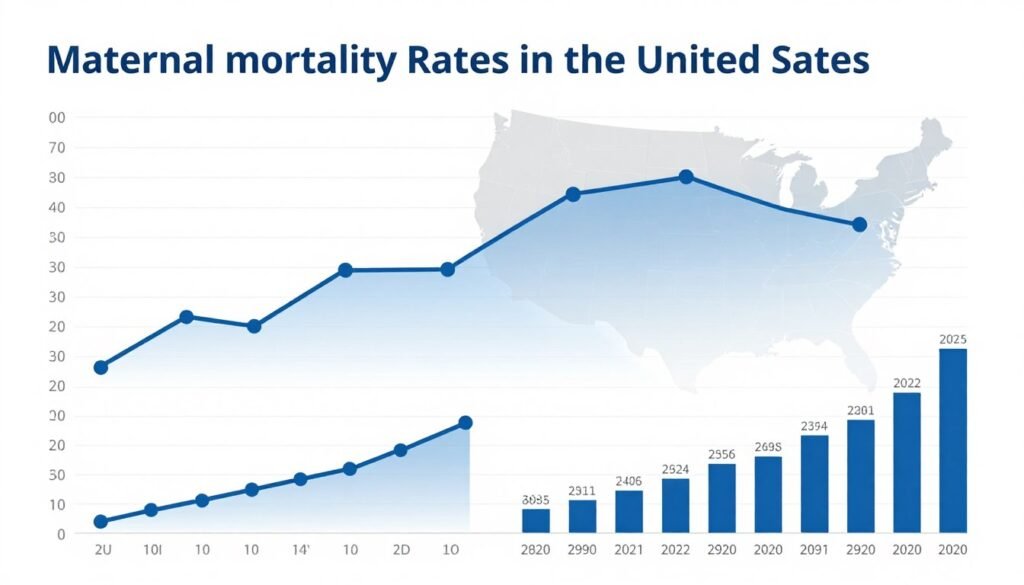
Examining maternal health trends over the past century reveals both progress and concerning setbacks. While medical advances have dramatically improved outcomes overall, recent decades show troubling increases in certain complications. Understanding these patterns helps identify areas needing urgent attention.
| Decade | Maternal Mortality Rate (per 100,000 live births) | Major Contributing Factors | Medical Advances/Challenges |
| 1920s | 600-800 | Infection, hemorrhage, limited medical access | Minimal prenatal care, home births predominant |
| 1930s | 582-670 | Infection, toxemia, lack of antibiotics | Early hospital births beginning to increase |
| 1940s | 207-376 | Hemorrhage, infection, hypertension | Antibiotics introduced, blood banking advances |
| 1950s | 73-83 | Cardiovascular conditions, hypertension | Hospital births standard, improved surgical techniques |
| 1960s | 32-37 | Hemorrhage, hypertensive disorders | Enhanced prenatal care, better blood pressure management |
| 1970s | 21-22 | Cardiovascular disease, hypertension | Widespread prenatal care, family planning access |
| 1980s | 7-10 | Hemorrhage, hypertension, cardiac issues | Advanced monitoring, improved C-section safety |
| 1990s | 7-12 | Hemorrhage, cardiovascular conditions | Rates begin climbing, chronic disease increases |
| 2000s | 13-17 | Cardiovascular disease, infection, hemorrhage | Rising obesity rates, older maternal age |
| 2010s | 17-24 | Cardiovascular disease, cardiomyopathy, hypertension | Maternal deaths increasing, healthcare access gaps |
| 2020-Present | 23-33 | Cardiovascular disease, mental health conditions, infection | COVID-19 impact, worsening racial disparities, healthcare access challenges |
The data reveals a dramatic decline in maternal mortality from the 1920s through the 1980s. Medical advances including antibiotics, blood banking, and improved surgical techniques contributed to this progress. Universal hospital births and widespread prenatal care further reduced complications and deaths.
However, the trend reversed starting in the 1990s. Maternal mortality rates have climbed steadily for three decades. This increase reflects multiple factors including rising rates of chronic health conditions, older maternal age, and healthcare access barriers. The United States now has the worst maternal mortality rate among developed nations.
Current State of Maternal Health
Today’s maternal health statistics paint a troubling picture. Approximately 700 American women die annually from pregnancy complications. For every woman who dies, 100 more experience severe complications that nearly cause death. These “near-miss” events leave lasting physical and psychological impacts.
Complications during pregnancy have increased significantly over recent decades. Rates of gestational diabetes have doubled since 1990. High blood pressure disorders affect nearly one in ten pregnant women. These trends reflect broader public health challenges including obesity and diabetes epidemics.
Are Complications Preventable or Chronic Conditions?

Understanding which complications can be prevented versus those requiring ongoing management is crucial for maternal health. This distinction helps women and providers develop appropriate care strategies. Some conditions can be avoided entirely, while others need careful monitoring and treatment throughout pregnancy.
Completely Preventable Complications
Many maternal health complications are entirely preventable with proper care. Certain sexually transmitted infections can be avoided through safe practices and screening. Adequate prenatal care prevents complications from undiagnosed conditions. Proper nutrition prevents some cases of anemia and growth restriction.
Lifestyle-related complications offer the greatest prevention opportunities. Smoking cessation eliminates many risks including placental problems and preterm birth. Avoiding alcohol prevents fetal alcohol syndrome. Maintaining healthy weight before pregnancy reduces numerous complication risks.
- Folic acid deficiency and neural tube defects
- Some infections through vaccination
- Alcohol-related complications
- Smoking-related problems
- Some nutritional deficiencies
- Certain medication-related issues
Preventable Through Behavior
- Pre-existing diabetes complications
- Chronic hypertension effects
- Thyroid condition impacts
- Autoimmune disease management
- Heart condition monitoring
- Mental health conditions
Manageable With Care
- Severe preeclampsia treatment
- Placental complications management
- Multiple pregnancy monitoring
- Cervical insufficiency procedures
- Rh incompatibility prevention
- Gestational diabetes treatment
Require Medical Intervention
Manageable Chronic Conditions
Chronic health conditions require ongoing management during pregnancy. Women with pre-existing diabetes need careful blood sugar control throughout pregnancy. Those with heart disease require specialized monitoring and modified delivery plans. These conditions cannot be prevented but can be successfully managed.
The key to managing chronic conditions during pregnancy is preconception optimization. Working with your care provider before becoming pregnant allows time to adjust medications and stabilize conditions. This preparation significantly reduces the risk of complications during pregnancy.
Pregnancy-Induced Conditions
Some complications develop specifically because of pregnancy. Gestational diabetes occurs only during pregnancy and typically resolves after delivery. However, it signals increased risk for type 2 diabetes later in life. Women who develop gestational diabetes need lifelong monitoring and prevention efforts.
Preeclampsia cannot be completely prevented but risk can be reduced. Low-dose aspirin started early in pregnancy decreases risk for some women. Careful blood pressure monitoring allows early detection and intervention. While we cannot eliminate preeclampsia, we can minimize its impact through vigilant care.
The Reality of Risk
Even with perfect prenatal care and healthy lifestyle choices, some complications remain unpredictable. Certain conditions have genetic components beyond our control. Random events during pregnancy can cause problems despite every precaution. This reality does not diminish the importance of prevention efforts.
The majority of maternal health complications fall somewhere between completely preventable and entirely unpreventable. Most conditions can be influenced through combination of healthy behaviors, medical care, and appropriate interventions. This middle ground offers hope for improving maternal health outcomes.
Health and Nutrition Factors Leading to Complications

Nutrition and overall health status profoundly impact pregnancy outcomes. The body’s nutritional stores and health conditions before pregnancy influence how well it handles the demands of growing a baby. Understanding these factors empowers women to optimize their health for pregnancy.
Pre-Pregnancy Weight and Obesity
Maternal weight significantly affects pregnancy complications. Women who are overweight or obese before pregnancy face increased risks. High blood pressure, gestational diabetes, and blood clots occur more frequently in this group. Excess weight also increases the likelihood of cesarean delivery and postpartum complications.
Obesity affects the body’s ability to regulate blood sugar and blood pressure during pregnancy. Fat tissue produces hormones and inflammatory substances that interfere with normal pregnancy processes. These biological changes increase stress on the heart and other organs throughout pregnancy.
Nutritional Deficiencies
Specific nutrient deficiencies directly cause pregnancy complications. Inadequate folic acid increases the risk of neural tube defects in the developing baby. Iron deficiency leads to anemia, causing fatigue and increasing the risk of preterm birth. Calcium deficiency may contribute to high blood pressure during pregnancy.
Many American women enter pregnancy with suboptimal nutritional status. Processed food diets lack essential vitamins and minerals. Even women who are overweight can be malnourished in key nutrients. This paradox of being overfed yet undernourished sets the stage for complications.
Critical Nutrients for Maternal Health
- Folic Acid: Prevents neural tube defects, supports cell growth
- Iron: Prevents anemia, supports increased blood volume
- Calcium: Builds baby’s bones, may reduce hypertension risk
- Vitamin D: Supports immune function, bone health
- Omega-3 Fatty Acids: Supports brain development, may reduce preterm birth
- Protein: Essential for tissue growth and repair
- Iodine: Supports thyroid function and baby’s brain development

Chronic Disease Impact
Pre-existing chronic conditions dramatically increase pregnancy complication risks. Diabetes before pregnancy requires intensive management to prevent birth defects and complications. High blood pressure increases the risk of preeclampsia and placental problems. Heart disease can worsen during pregnancy due to increased cardiac demands.
Autoimmune conditions like lupus affect pregnancy in complex ways. These diseases can flare during pregnancy or postpartum. They increase risks for preterm birth, growth restriction, and maternal complications. Women with autoimmune conditions need specialized care from high-risk pregnancy providers.
Mental Health and Stress
Mental health significantly impacts physical pregnancy outcomes. Depression and anxiety increase the risk of preterm birth and low birth weight. Chronic stress elevates cortisol levels, which can affect fetal development. The mind-body connection in pregnancy is powerful and should not be overlooked.
Stress from social factors compounds health risks. Financial insecurity, food insecurity, and housing instability all affect maternal health. These social determinants of health often matter more than individual behaviors. Addressing them requires systemic solutions alongside individual interventions.
Environmental Exposures
Environmental factors influence maternal health in ways we are just beginning to understand. Exposure to air pollution increases preterm birth risk. Contaminated water can affect fetal development. Even household chemicals may play a role in pregnancy complications.
Occupational exposures present risks for some pregnant women. Those working with chemicals, radiation, or biological hazards face additional concerns. Night shift work disrupts circadian rhythms and has been linked to pregnancy complications. Workplace accommodations during pregnancy protect maternal and fetal health.
Habits and Lifestyle Changes to Improve Maternal Health

Adopting healthy habits before and during pregnancy dramatically reduces complication risks. Small, consistent changes in daily routines create powerful impacts on maternal and infant health. These modifications require commitment but offer tremendous rewards.
Nutrition Optimization
Eating a balanced, nutrient-rich diet forms the foundation of maternal health. Focus on whole foods including fruits, vegetables, whole grains, lean proteins, and healthy fats. These foods provide essential nutrients without excess calories. Proper nutrition supports the increased demands pregnancy places on the body.
Prenatal vitamins supplement dietary intake but cannot replace healthy eating. Take a prenatal vitamin containing at least 400 micrograms of folic acid daily. Start this supplement before conception if possible. Continue throughout pregnancy and while breastfeeding.
Foods to Emphasize
- Leafy green vegetables
- Colorful fruits and vegetables
- Whole grains like oats and quinoa
- Lean proteins including fish, poultry
- Legumes and beans
- Low-fat dairy products
- Nuts and seeds in moderation
Foods to Limit
- Processed and packaged foods
- Sugar-sweetened beverages
- High-mercury fish
- Raw or undercooked meats
- Unpasteurized dairy products
- Excessive caffeine
- Foods high in added sugars
Hydration Goals
- Drink 8-12 glasses of water daily
- Increase intake in hot weather
- Monitor urine color for hydration
- Limit sugary drinks
- Herbal teas in moderation
- Avoid alcohol completely
- Reduce caffeine intake
Physical Activity Benefits
Regular exercise during pregnancy benefits both mother and baby. Physical activity helps control weight gain, reduces the risk of gestational diabetes, and improves mood. Exercise also prepares the body for the physical demands of labor and delivery.
Most pregnant women can safely engage in moderate exercise. Walking, swimming, and prenatal yoga are excellent choices. Aim for at least 150 minutes of moderate activity weekly. Always consult your care provider before starting or continuing an exercise program during pregnancy.
Sleep and Rest Priorities
Adequate sleep is essential for maternal health but often challenging during pregnancy. Aim for 7-9 hours nightly. Physical discomfort and frequent urination disrupt sleep, especially in later pregnancy. Creating good sleep habits early helps maintain rest throughout pregnancy.
Sleep position matters during pregnancy. After the first trimester, sleep on your left side to optimize blood flow to the baby. Use pillows to support your belly and between your knees. Elevate your upper body if heartburn interferes with sleep.
Stress Management Techniques
Managing stress protects both mental and physical health during pregnancy. Chronic stress increases complication risks and affects fetal development. Finding effective stress reduction techniques benefits immediate wellbeing and long-term health.
Mindfulness practices help reduce pregnancy-related stress and anxiety. Meditation, deep breathing exercises, and prenatal yoga all show benefits. Even five minutes daily of focused breathing can lower stress hormones. These techniques also prepare you for managing labor pain.
Daily Stress-Reduction Practices
- Practice 10 minutes of deep breathing or meditation
- Take a short walk in nature
- Connect with supportive friends or family
- Journal about your feelings and experiences
- Engage in activities you enjoy
- Limit exposure to stressful news and social media
- Ask for help when you need it
Substance Avoidance
Eliminating harmful substances is non-negotiable for healthy pregnancy. Stop smoking before conception or as soon as you learn you are pregnant. Smoking increases risks of preterm birth, low birth weight, and sudden infant death. Even secondhand smoke poses dangers.
Alcohol consumption during pregnancy can cause permanent damage to the developing baby. No amount of alcohol is safe during pregnancy. Fetal alcohol syndrome and related disorders are completely preventable by avoiding alcohol. If you struggle with substance use, seek help immediately from your care provider.
Social Support Networks
Strong social connections improve maternal health outcomes. Support from partners, family, and friends reduces stress and improves mental health. Women with robust support systems have better pregnancy outcomes and lower rates of postpartum depression.
Consider joining pregnancy support groups or prenatal classes. Connecting with other expectant mothers provides validation and practical advice. These relationships often continue after birth, providing crucial support during the postpartum period.

Healthcare Partnership
Your relationship with your care provider is your most important tool for healthy pregnancy. Choose a provider you trust and feel comfortable communicating with openly. Ask questions and voice concerns without hesitation. Your provider can only help if they understand your complete situation.
Attend all scheduled prenatal appointments even when feeling well. These visits catch problems before you notice symptoms. Follow your provider’s recommendations for additional testing or monitoring if complications develop. Compliance with medical advice dramatically improves outcomes.
Taking Action for Better Maternal Health Outcomes

Maternal health complications represent a serious and growing crisis in the United States. However, knowledge and action can protect your health and your baby’s wellbeing. Understanding risk factors, recognizing warning signs, and partnering with quality health care providers gives you the best chance for a healthy pregnancy and delivery.
The path to better maternal health outcomes requires commitment at multiple levels. Individual women must prioritize their health before and during pregnancy. Healthcare systems need to provide accessible, comprehensive, and culturally competent care. Society must address the systemic inequities that drive maternal health disparities.
Your pregnancy journey is unique, but you don’t have to navigate it alone. Prenatal care, healthy lifestyle choices, and strong support systems work together to protect maternal health. Every step you take toward better health creates ripple effects that benefit you, your baby, and your entire family.
The statistics and challenges outlined in this article may seem overwhelming. Yet remember that knowledge is power. Understanding maternal health complications allows you to make informed decisions and advocate for the care you deserve. Most women who receive appropriate care have healthy pregnancies and deliver healthy babies.
Start today by scheduling a preconception or prenatal visit with a healthcare provider. Make one small change in your daily habits that supports better health. Connect with other expectant mothers who can provide support and encouragement. These simple actions begin your journey toward the healthiest possible pregnancy.