
Childhood Health Issues: Understanding America’s Growing Health Crisis
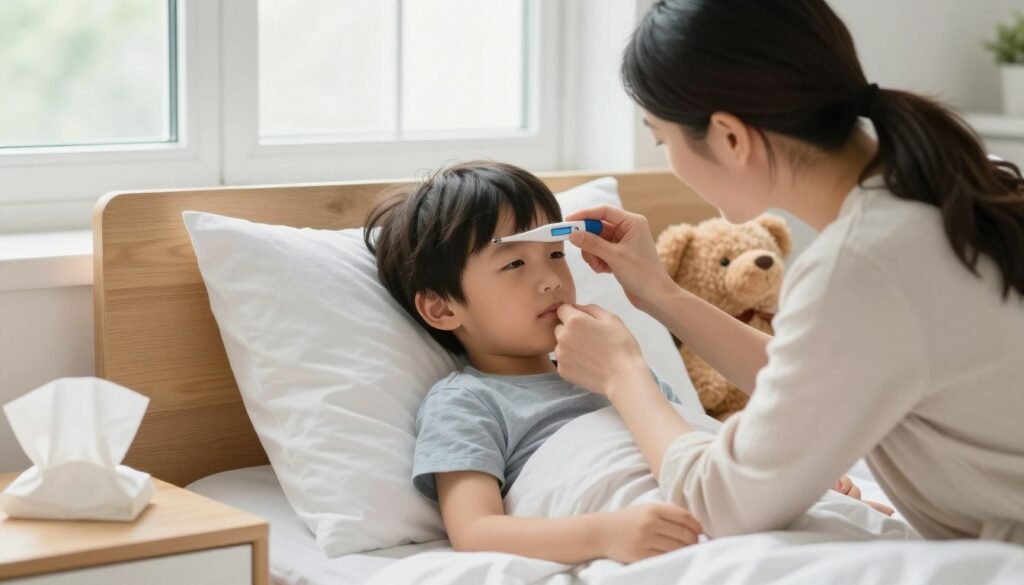
Every parent feels their heart skip when their child develops a fever. That moment of worry happens millions of times across America daily. Childhood health issues have become more than individual family concerns. They now represent a significant threat to our nation’s overall health system.
The landscape of children’s health has shifted dramatically over the past century. What once seemed manageable has evolved into complex challenges. Parents today face stress levels previous generations never experienced. Understanding these issues becomes the first step toward protecting our children.
Why Childhood Health Issues Are a Major Threat for US Health
Childhood health issues create ripple effects throughout American society. These problems don’t stay confined to pediatric offices. They impact families, schools, workplaces, and the entire healthcare system.
Economic Impact on Healthcare Systems
The financial burden of childhood illnesses reaches staggering heights. Hospital visits for common childhood illnesses cost billions annually. Emergency room visits for preventable conditions strain medical resources. Insurance premiums rise as pediatric care demands increase.

Parents miss work to care for sick children. This creates productivity losses across industries. Businesses face increased healthcare costs. The cycle continues as stressed parents struggle to balance work and child care needs.
Long-Term Public Health Consequences
Health problems in childhood often predict adult health outcomes. Children with chronic conditions may face lifelong challenges. Obesity, asthma, and allergies frequently persist into adulthood. These conditions require ongoing medical management.
Mental health concerns starting in childhood can affect development. Anxiety and depression impact learning and social skills. Early intervention makes a difference. Yet many children don’t receive timely help.
Direct Health System Strain
- Overcrowded pediatric emergency rooms
- Limited specialist availability
- Extended wait times for appointments
- Shortage of pediatric healthcare providers
Societal Impact Factors
- Increased school absenteeism rates
- Parental work disruptions
- Higher insurance premiums for families
- Community health resource depletion
Common Childhood Health Problems Affecting American Families
Understanding common childhood illnesses helps parents recognize symptoms early. Knowledge about these conditions reduces anxiety. It also helps determine when professional care becomes necessary.
Respiratory Infections and Breathing Problems
Respiratory infections top the list of common childhood illnesses. The common cold affects children multiple times yearly. Symptoms include runny nose, cough, and sometimes fever. Most colds resolve without medical intervention.
Difficulty breathing requires immediate attention. Asthma affects millions of American children. Environmental triggers like allergens cause breathing problems. Parents must recognize warning signs of respiratory distress.
Digestive System Issues
Stomach problems frequently affect children. Vomiting and diarrhea often signal viral infections. Dehydration becomes a serious concern quickly. Young children need careful monitoring during illness.
Food allergies create additional challenges for families. Allergic reactions range from mild rash to severe symptoms. Parents must learn to identify allergens. Schools require detailed allergy action plans.
Respiratory Conditions
- Common cold infections
- Asthma and difficulty breathing
- Throat infections
- Seasonal allergies
- Cough-related illnesses
Skin and External Issues
- Rash and skin infections
- Head lice infestations
- Eye infections
- Contact dermatitis
- Allergic reactions
Digestive Problems
- Stomach viruses
- Food allergies
- Vomiting episodes
- Dehydration risks
- Chronic digestive issues
Infectious Diseases and Preventable Illnesses
Despite vaccination programs, infectious diseases remain concerns. Childhood illnesses spread rapidly in school settings. Close contact between children facilitates transmission. Hand hygiene becomes critical for prevention.
Head lice infestations frustrate parents and schools alike. These parasites spread through direct contact. They don’t indicate poor hygiene. Treatment requires diligent application of medications and prevention strategies.
Age Groups Most Affected by Childhood Health Issues
Different age groups face unique health challenges. Understanding these patterns helps parents anticipate potential problems. It also guides preventive care strategies.
Infants and Toddlers (0-3 Years)
Infants experience rapid immune system development. Their bodies learn to fight infections. This means frequent illnesses during the first years. Colds, ear infections, and stomach bugs occur regularly.
Young children put objects in their mouths. This behavior increases infection risk. Daycare attendance exposes toddlers to numerous illnesses. Parents should expect six to eight colds annually.
Preschool and Early Elementary (4-7 Years)
School entry marks increased illness exposure. Children interact closely during play and learning. Respiratory infections spread quickly through classrooms. Proper hand hygiene at school remains challenging.
This age group develops social skills. Close physical contact during play transmits infections. Head lice become more common. Schools must implement prevention protocols.

Middle Childhood (8-12 Years)
Older children face different health challenges. Chronic conditions like asthma require management. Sports injuries become more frequent. Mental health concerns may emerge.
This age group shows increased awareness of body changes. Allergies might become more apparent. Children can better communicate symptoms. This helps doctors make accurate diagnoses.
- Respiratory syncytial virus (RSV)
- Ear infections
- Diaper rash and skin conditions
- Feeding difficulties
- Fever management challenges
Infants (0-12 Months)
- Frequent colds (6-8 per year)
- Hand-foot-mouth disease
- Stomach viruses
- Minor injuries from falls
- Daycare-related illnesses
Toddlers (1-3 Years)
- Strep throat infections
- Head lice infestations
- Sports-related injuries
- Allergies and asthma
- Eye strain from screen time
School Age (4-12 Years)
How Childhood Health Problems Become Stressful and Out of Control in the USA
American families face unique pressures managing childhood health issues. Multiple factors contribute to overwhelming stress levels. Understanding these challenges helps identify solutions.

Healthcare Access Barriers
Many families struggle to access timely care. Pediatrician shortages affect rural and urban areas. Appointment wait times stretch for weeks. Emergency rooms become the only option for urgent concerns.
Insurance coverage creates additional complications. High deductibles delay necessary treatment. Families skip preventive care due to costs. This leads to more serious problems later.
Work-Life Balance Challenges
Parents face impossible choices during illness episodes. Taking time off work jeopardizes job security. Childcare facilities refuse sick children. Limited sick leave forces difficult decisions.
Single parents bear extraordinary burdens. Without backup support, managing childhood illnesses becomes overwhelming. Financial stress compounds health concerns. The cycle perpetuates without adequate social support systems.
Systemic Challenges
- Limited pediatrician availability in underserved areas
- High healthcare costs and insurance gaps
- Insufficient mental health services for children
- Lack of coordinated care systems
Family-Level Stressors
- Inflexible workplace policies
- Limited family support networks
- Financial strain from medical expenses
- Information overload and conflicting advice
- School absence penalties and academic concerns
- Chronic sleep deprivation for caregivers
Information Overload and Misinformation
Parents encounter conflicting health advice online. Distinguishing reliable sources from misinformation proves difficult. Social media amplifies fears. This creates anxiety even for minor symptoms.
Dr. Sarah Mitchell, pediatrician with 20 years experience, notes that parental stress often exceeds the actual severity of illness. “Parents receive so much conflicting information,” she explains. “This makes it hard to trust their instincts about when to seek care.”
How to Prevent Childhood Health Issues
Prevention strategies significantly reduce childhood illness frequency. Simple habits make substantial differences. Families can implement these measures starting today.

Hygiene Practices That Work
Proper handwashing prevents many infections. Children should wash hands before meals and after bathroom use. Soap and water work better than hand sanitizer alone. Make sure children scrub for at least 20 seconds.
Teaching cough and sneeze etiquette reduces illness spread. Children should cover their nose and mouth with elbow, not hands. Tissues should be discarded immediately. These habits protect others from respiratory infections.
Nutrition and Immune System Support
Proper nutrition strengthens immune function. Children need balanced meals with fruits and vegetables. Adequate protein supports growth and immunity. Limiting processed foods and sugar helps overall health.
Hydration matters more than many parents realize. Children should drink water throughout the day. Dehydration weakens the body’s defenses. Encourage regular fluid intake, especially during illness.
Daily Hygiene Habits
- Frequent handwashing with soap
- Avoid touching face, especially eyes and nose
- Regular bathing and clean clothes
- Nail trimming to prevent dirt accumulation
- Toothbrushing twice daily
Environmental Controls
- Regular cleaning of high-touch surfaces
- Proper ventilation in living spaces
- Allergen reduction measures
- Avoiding secondhand smoke exposure
- Safe food storage and preparation
Lifestyle Foundations
- Adequate sleep for age group
- Regular physical activity
- Stress management techniques
- Limited screen time
- Consistent daily routines
Vaccination and Preventive Care
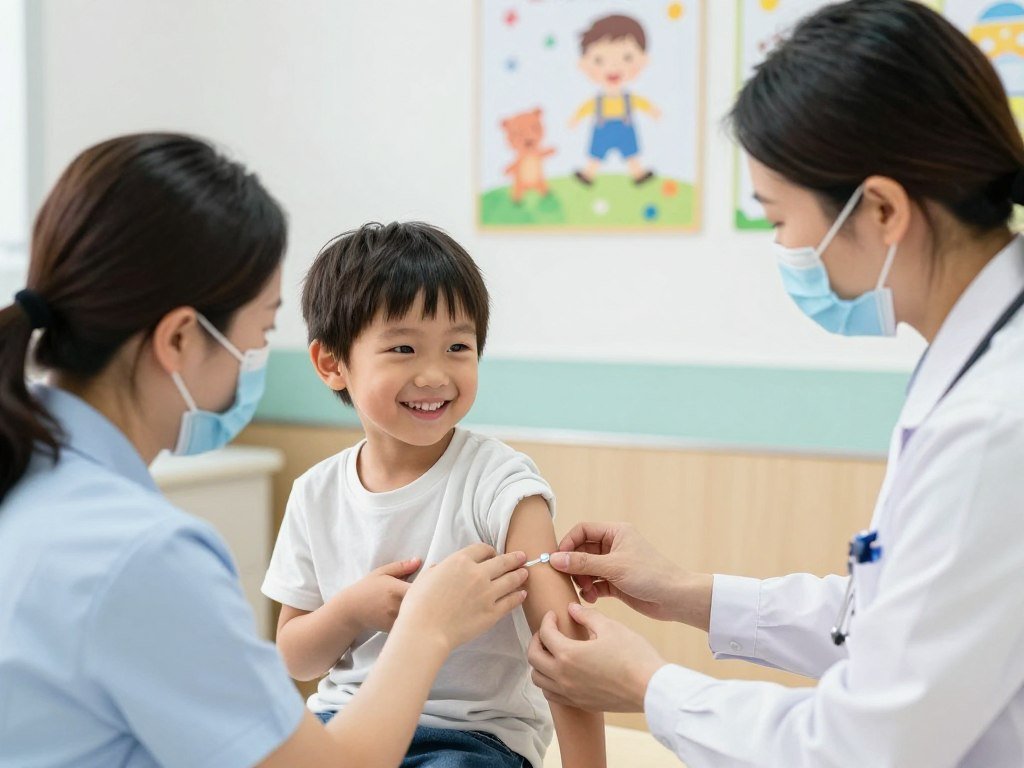
Vaccines prevent serious childhood illnesses. Following recommended immunization schedules protects children and communities. Herd immunity helps those who cannot receive vaccines.
Regular wellness visits catch problems early. Doctors monitor growth and development. They identify concerns before they become serious. Annual checkups should be non-negotiable priorities.

Is Early Treatment Really Helpful for Childhood Health Conditions?
Early intervention dramatically improves outcomes for childhood health issues. Recognizing symptoms promptly allows faster treatment. This prevents complications and reduces illness duration.
Benefits of Prompt Medical Attention
Early treatment prevents minor illnesses from becoming serious. Bacterial infections respond better to early antibiotics. Untreated infections can lead to complications requiring hospitalization.
Chronic conditions benefit most from early detection. Asthma management works best when started early. Children learn to recognize triggers and use medications properly. This reduces emergency room visits significantly.

When to Seek Immediate Care
Parents should recognize warning signs requiring immediate attention. Difficulty breathing always warrants emergency care. High fever in infants under three months needs urgent evaluation. Persistent vomiting leading to dehydration requires medical intervention.
Something serious might hide behind common symptoms. Trust parental instincts when symptoms seem concerning. Doctors would rather examine a child unnecessarily than miss something critical.
Emergency Warning Signs
- Difficulty breathing or rapid breathing
- Blue lips or skin color changes
- Unresponsive or extremely lethargic child
- Severe dehydration symptoms
- High fever with stiff neck or severe headache
- Seizures or loss of consciousness
What Doctors Are Saying About Childhood Health Issues
Medical professionals observe troubling trends in childhood health. Their insights help parents understand the broader picture. Expert recommendations guide effective responses.

Expert Observations on Current Trends
Dr. James Rodriguez, Chief of Pediatrics at a major children’s hospital, emphasizes prevention. “We see too many cases that could have been prevented,” he states. “Basic hygiene and nutrition make huge differences in child health outcomes.”
Pediatricians note increasing anxiety among parents. Dr. Emily Chen, practicing pediatrician, observes that this stress affects children. “When parents are anxious, children pick up on that energy,” she explains. “It can actually worsen symptoms.”
“The most effective intervention we have is education. When parents understand normal childhood illness patterns, they feel more confident. This confidence helps kids recover faster and prevents unnecessary emergency visits.”
— Dr. Michael Thompson, Pediatric Infectious Disease Specialist
Recommendations from Healthcare Professionals
Doctors universally recommend establishing a medical home. This means consistent care with the same pediatrician. Continuity allows doctors to understand each child’s unique health patterns.
Specialists stress the importance of asking questions. Parents should never hesitate to call with concerns. Most pediatric offices offer nurse advice lines. These resources help parents make informed decisions about care.
Childhood Health Statistics Over 100 Years
Historical data reveals dramatic changes in childhood health patterns. Medical advances transformed survival rates. Yet new challenges emerged alongside progress.
| Decade | Infant Mortality Rate (per 1,000) | Leading Childhood Health Threat | Major Medical Advancement |
| 1920s | 76.7 | Infectious diseases, pneumonia | First antibiotics developed |
| 1930s | 60.4 | Diphtheria, measles | Improved sanitation standards |
| 1940s | 47.0 | Polio, scarlet fever | Penicillin widespread use |
| 1950s | 29.2 | Polio, respiratory infections | Polio vaccine introduced |
| 1960s | 26.0 | Measles, rubella | Measles vaccine developed |
| 1970s | 20.0 | Accidents, respiratory illness | Expanded vaccination programs |
| 1980s | 12.6 | Accidents, congenital anomalies | Improved neonatal intensive care |
| 1990s | 9.2 | Accidents, cancer | New vaccines (chickenpox, Hib) |
| 2000s | 6.9 | Obesity, asthma, allergies | Pneumococcal vaccine |
| 2010s | 5.8 | Obesity, mental health, chronic illness | HPV vaccine, flu prevention |
| 2020s | 5.4 | Mental health, obesity, screen-related issues | COVID-19 vaccines, telehealth expansion |
The data shows remarkable progress in reducing infant mortality. Deaths from infectious diseases dropped dramatically. Vaccines eliminated many once-common childhood illnesses.
However, new health challenges emerged. Chronic conditions replaced acute infections as primary concerns. Obesity rates climbed steadily. Mental health issues increased significantly in recent decades.
Are These Conditions Temporary or Chronic?
Childhood health issues fall into distinct categories. Understanding the difference helps parents respond appropriately. It also shapes long-term health planning.

Temporary Acute Illnesses
Most common childhood illnesses are temporary. Colds typically last seven to ten days. Stomach viruses resolve within a few days. The child’s body fights off the infection naturally.
These acute illnesses rarely cause lasting problems. The immune system strengthens through exposure. Children develop resistance to familiar viruses. This explains why illness frequency decreases with age.
Chronic Health Conditions
Some childhood health issues require ongoing management. Asthma persists throughout childhood and sometimes into adulthood. Allergies may worsen or improve unpredictably. Chronic conditions need consistent medical supervision.
Type 1 diabetes demands lifelong care. Children learn insulin management skills. Families adjust routines around blood sugar monitoring. Support systems become essential for success.
Typically Temporary Conditions
- Common cold and flu
- Stomach viruses and food poisoning
- Minor skin rash and infections
- Ear infections
- Throat infections like strep
- Head lice infestations
- Minor injuries and bruises
Often Chronic or Recurring
- Asthma and breathing problems
- Severe food allergies
- Type 1 diabetes
- Eczema and skin conditions
- Attention disorders (ADHD)
- Chronic ear infections
- Inflammatory bowel conditions
The Gray Area: Recurring Issues
Some conditions fall between temporary and chronic. Recurring ear infections plague certain children. They might outgrow the problem eventually. Meanwhile, treatment prevents hearing damage.
Seasonal allergies return annually. Symptoms may change in severity over time. Children might develop new allergies or outgrow existing ones. Monitoring helps adjust treatment plans.
Food and Lifestyle Factors Leading to Childhood Health Issues
Modern lifestyle patterns significantly impact child health. Dietary choices affect everything from immunity to behavior. Understanding these connections empowers better decisions.

Dietary Contributors to Poor Health
Processed food consumption has increased dramatically. These foods contain excessive sugar, salt, and unhealthy fats. Regular consumption contributes to obesity and related health problems.
Many children don’t eat enough fruits and vegetables. Nutrient deficiencies weaken immune function. Poor nutrition affects growth and development. It also impacts concentration and school performance.
Sedentary Lifestyle Impact
Screen time has replaced physical activity for many children. Hours spent on devices reduce movement opportunities. This contributes to obesity and poor cardiovascular health.
Lack of outdoor play affects multiple health aspects. Sunshine exposure helps vitamin D production. Fresh air and exercise strengthen bodies. Social interaction during play supports emotional development.
Dietary Risk Factors
- High sugar intake from sodas and snacks
- Processed foods with additives
- Insufficient fruit and vegetable consumption
- Excessive fast food meals
- Limited whole grain intake
- Low water consumption
Lifestyle Risk Factors
- Excessive screen time (TV, phones, tablets)
- Insufficient physical activity
- Irregular sleep schedules
- Limited outdoor play
- High stress from overscheduling
- Lack of family meal times
Environmental Factors
- Indoor air pollutants
- Chemical exposure from cleaning products
- Secondhand smoke exposure
- Poor water quality
- Mold and allergens in homes
- Limited access to safe play spaces
Sleep Deprivation Effects
Children today sleep less than previous generations. Electronic devices disrupt natural sleep patterns. Insufficient rest weakens immune function and increases illness susceptibility.
Sleep affects behavior and learning significantly. Tired children struggle with emotional regulation. They have difficulty concentrating in school. Establishing consistent bedtimes improves multiple health outcomes.
Habits That Can Improve Children’s Health
Small changes create significant health improvements. These habits help kids stay healthier and recover faster from illnesses. Families can start implementing them immediately.

Building Strong Daily Routines
Consistent schedules support child health in multiple ways. Regular meal times regulate metabolism and digestion. Bedtime routines ensure adequate sleep. Predictable patterns reduce stress for children and parents.
Morning routines should include healthy breakfast. This provides energy for learning and play. Make sure children eat protein along with carbohydrates. This combination sustains energy levels longer.
Physical Activity Guidelines
Children need at least 60 minutes of activity daily. This doesn’t require organized sports. Active play counts toward this goal. Walking to school, playground time, and family bike rides all contribute.
Variety in physical activity prevents boredom. Try different activities to find what children enjoy. Dancing, swimming, climbing, and running all build fitness. Fun activities ensure long-term participation.
Teaching Self-Care Skills
Children should learn to recognize their own body signals. Understanding thirst, hunger, and fatigue helps them self-regulate. These skills promote lifelong health awareness.
Older children can learn basic first aid. Knowing how to clean minor cuts prevents infections. Understanding when to ask for help develops good judgment. These skills build confidence and independence.

Taking Action for Your Child’s Health
Childhood health issues present real challenges for American families. However, knowledge and preparation make tremendous differences. Understanding common illnesses reduces parental anxiety.
Prevention remains the most powerful tool available. Simple hygiene practices prevent many infections. Proper nutrition and adequate sleep strengthen immunity. Regular physical activity builds healthy bodies.
Early intervention improves outcomes for all childhood health conditions. Trust your parental instincts when something seems wrong. Healthcare providers want to help kids stay healthy. Building a relationship with a trusted pediatrician provides peace of mind.
The statistics show progress alongside new challenges. While infectious disease deaths have plummeted, chronic conditions increased. Modern families must address both acute illnesses and long-term health management.
No parent navigates childhood health issues perfectly. Mistakes and uncertainties are normal. What matters most is consistent effort toward healthy habits. Small improvements accumulate into significant health benefits over time.