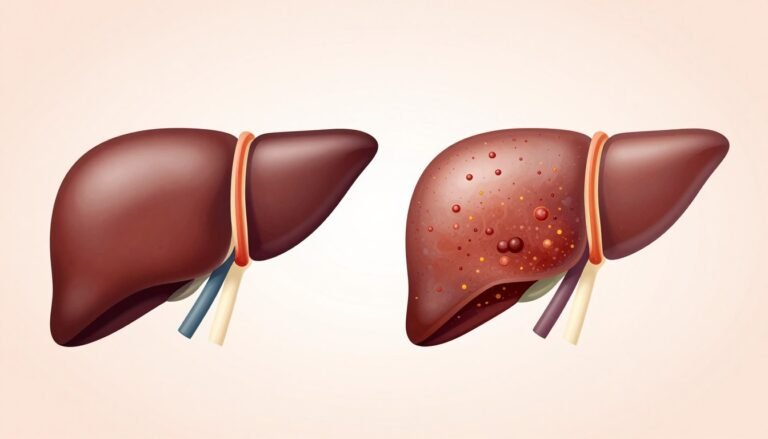
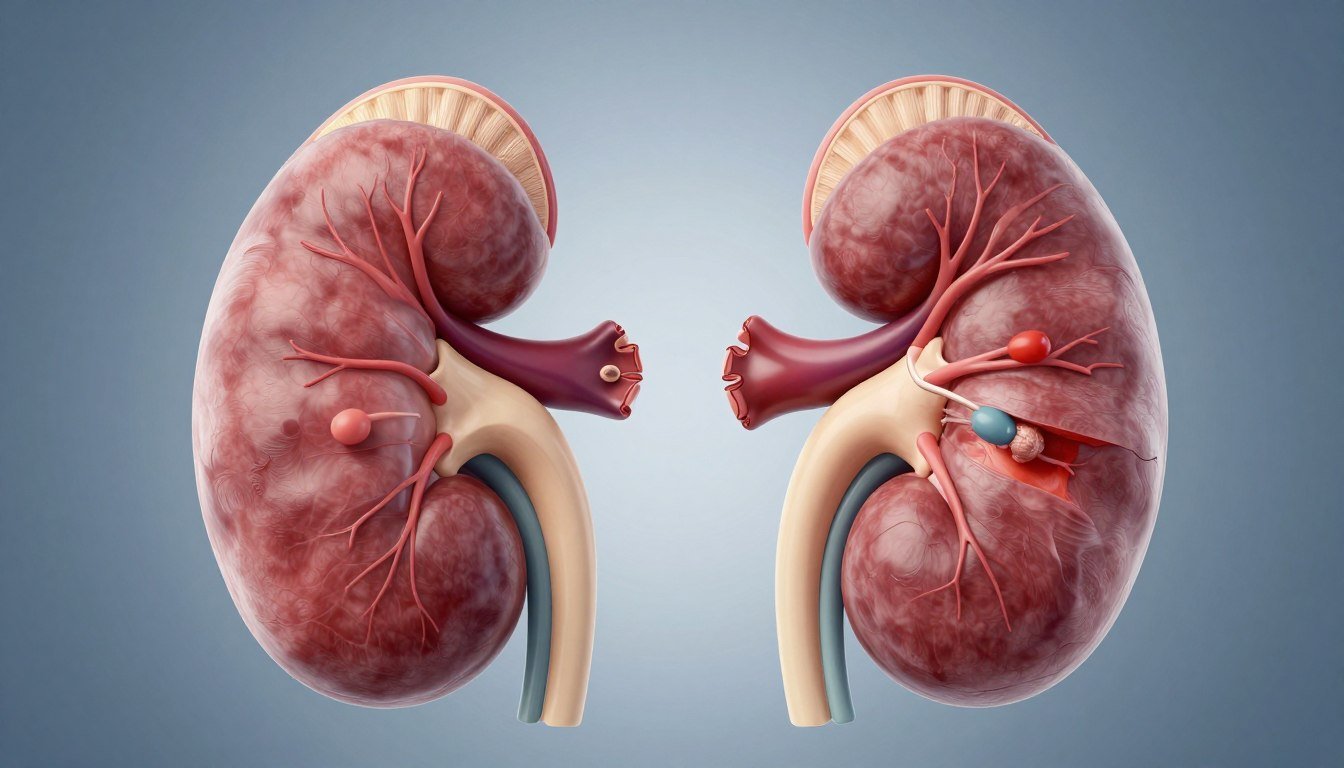
Kidney Disease: A Silent Crisis Threatening American Health
More than 37 million Americans live with kidney disease today. Most don’t even know it. This silent epidemic costs our healthcare system over $130 billion annually. Your kidneys filter 200 quarts of blood daily, yet these vital organs often fail quietly until damage becomes severe.
The numbers tell a frightening story. One in three American adults faces high risk for kidney disease. Death rates from kidney failure have climbed steadily over the past century. Unlike a sudden heart attack, kidney damage creeps forward slowly, often showing no symptoms until 75% of function disappears.
You can protect your kidneys. Prevention works better than any treatment. Understanding risk factors, making smarter food choices, and catching problems early can save your life. This guide reveals what doctors know about kidney disease, how to prevent it, and whether current treatments truly help.
Why Kidney Disease Poses a Major Threat to US Health
Kidney disease has become a national health crisis for several interconnected reasons. The American lifestyle, medical system gaps, and demographic shifts create a perfect storm for kidney damage.
The Diabetes and High Blood Pressure Connection
Diabetes and high blood pressure cause two-thirds of all chronic kidney disease cases. More than 34 million Americans have diabetes. Another 116 million adults live with high blood pressure. Both conditions damage the tiny blood vessels in your kidneys over time.
High blood sugar levels from diabetes harm kidney filters called nephrons. Blood pressure forces blood through kidney vessels with excessive force, causing scarring. The national institute diabetes digestive and kidney diseases reports these two conditions as the leading causes of kidney failure nationwide.
Rising Obesity Epidemic
Obesity affects 42% of American adults. Excess weight increases your risk kidney disease dramatically. Fat tissue produces hormones that raise blood pressure and blood sugar. These changes strain your kidneys constantly.
Obesity also causes your kidneys to work harder to filter waste from a larger body mass. This overwork damages kidney tissues over years. Research shows obese individuals face four times higher risk of developing chronic kidney disease compared to people at healthy weights.
Aging Population and Healthcare Access
Americans over 65 represent the fastest-growing age group. Kidney function naturally declines with age. Nearly 38% of adults over 65 have chronic kidney disease. Many seniors also manage multiple health conditions that compound kidney damage.
Healthcare access gaps leave millions without regular screening. Early-stage kidney disease has no symptoms. Without routine blood tests and urine tests, damage progresses undetected. Low-income communities and rural areas face the worst screening rates.
Understanding Chronic Kidney Disease: Definition and Stages
Chronic kidney disease means your kidneys have sustained damage that lasts longer than three months. This damage reduces their ability to filter blood and remove wastes effectively. The condition progresses through five distinct stages based on kidney function.
How Kidneys Function
Your two kidneys contain about one million tiny filters each called nephrons. These nephrons clean your blood by removing excess water, wastes, and toxins. They also balance minerals like sodium and potassium in your bloodstream.
Healthy kidneys filter about 150 quarts of blood daily. They produce urine to carry waste products out of your body. Kidneys also make hormones that control blood pressure, produce red blood cells, and keep bones strong.
The Five Stages of Kidney Disease
Doctors measure kidney function using glomerular filtration rate or GFR. This number shows how well your kidneys filter blood. Normal GFR ranges from 90 to 120 mL/min. Lower numbers indicate worse kidney function.
Stage 1: GFR above 90 with signs of kidney damage. You have normal or high kidney function but tests show protein in urine or structural abnormalities.
Stage 2: GFR between 60-89 with kidney damage. Mild loss of function occurs but most people show no symptoms yet.
Stage 3: GFR between 30-59. Moderate kidney function loss. Fatigue, swelling, and changes in urination may appear. This stage splits into 3a (45-59 GFR) and 3b (30-44 GFR).
Stage 4: GFR between 15-29. Severe kidney damage. Symptoms become noticeable including nausea, difficulty concentrating, and fluid retention.
Stage 5: GFR below 15. Kidney failure. Your kidneys can barely function. You need dialysis kidney transplant to survive.
Types of Kidney Diseases
Several conditions cause kidney damage. Diabetic kidney disease develops from prolonged high blood sugar damaging kidney blood vessels. This represents the most common type in America today.
Polycystic kidney disease is an inherited condition where fluid-filled cysts grow in kidneys. These cysts gradually replace healthy tissue and reduce kidney function over time.
Glomerulonephritis involves inflammation of kidney filters. Infections, autoimmune diseases, or unknown causes trigger this inflammation. High blood pressure kidney disease results from years of uncontrolled blood pressure damaging kidney vessels.
Age Groups Most Affected by Kidney Disease
Kidney disease strikes different age groups in distinct patterns. Understanding these patterns helps identify who faces greatest risk and needs regular screening.
Young Adults and Middle Age (18-44 Years)
About 6% of adults aged 18-44 have chronic kidney disease. Many inherited kidney diseases like polycystic kidney appear during these years. Type 1 and type 2 diabetes diagnosed in youth also begin causing kidney damage.
This age group often goes undiagnosed. Young adults skip routine health screenings. They feel healthy despite developing kidney problems. Early detection during these years prevents progression to kidney failure later.
Working Age Adults (45-64 Years)
Kidney disease prevalence jumps to 12% among adults aged 45-64. Years of high blood pressure and diabetes accumulate damage during this period. Obesity rates peak in this age range, adding additional stress on kidneys.
Working-age adults often ignore symptoms due to busy schedules. Fatigue gets blamed on work stress. Swelling seems like minor discomfort. By the time symptoms become severe, significant kidney damage has occurred.
Older Adults (65+ Years)
Adults over 65 show the highest rates of chronic kidney disease at 38%. Normal aging reduces kidney function even without disease. Seniors with diabetes, high blood pressure, or heart disease face compounded risks.
The national kidney foundation emphasizes that kidney disease in older adults often progresses faster. Multiple medications for other conditions can stress kidneys further. Seniors also face higher mortality rates from kidney failure compared to younger patients.
Children and Adolescents
While less common, kidney disease affects approximately 1 in 1,000 children. Birth defects cause most childhood kidney problems. Conditions like posterior urethral valves or kidney reflux damage young kidneys.
Some children inherit kidney diseases from family members. Others develop kidney damage from repeated urinary tract infections. Early diagnosis and treatment in childhood can prevent kidney failure in adulthood.
How Kidney Disease Became Stressful and Out of Control in the USA
The kidney disease crisis has spiraled beyond manageable levels for multiple systemic reasons. Healthcare infrastructure, lifestyle patterns, and economic factors combine to create an overwhelming public health emergency.
Overwhelming Healthcare System
Over 786,000 Americans currently live with kidney failure. About 70% require dialysis kidney treatment three times weekly. Each dialysis session lasts four hours. This demand overwhelms dialysis centers nationwide.
The national institute diabetes digestive and kidney diseases reports waiting lists for kidney transplant exceed 90,000 people. Only about 25,000 kidney transplants happen yearly. Patients wait an average of five years while their condition worsens.
Rising Treatment Costs
Medicare spends over $51 billion annually on kidney disease treatment. A single year of dialysis costs approximately $91,000 per patient. Kidney transplant surgery costs between $400,000 and $800,000.
Many patients cannot afford these costs even with insurance. They skip dialysis sessions to save money. They choose between medications and groceries. Financial stress accelerates health decline and reduces survival rates.
Preventable Disease Going Unpreventable
About 90% of people with early chronic kidney disease don’t know they have it. Simple blood tests can detect kidney problems early. Yet millions of Americans lack access to routine screening.
Even when diagnosed early, many patients cannot afford preventive care. Blood pressure medications, diabetes management, and dietary counseling all cost money. Without these interventions, preventable kidney damage progresses to kidney failure.
Critical Fact: The diabetes digestive kidney diseases research shows that 9 in 10 adults with chronic kidney disease don’t know they have it until significant damage occurs. Regular screening could prevent most cases from progressing to kidney failure.
Lifestyle and Environmental Factors
The American diet high in processed foods, salt, and sugar damages kidneys systematically. Fast food culture makes healthy eating difficult and expensive. Food deserts in poor neighborhoods limit access to fresh produce and lean proteins.
Environmental toxins also play a role. Some communities face contaminated drinking water. Agricultural workers encounter pesticide exposure. These toxins accumulate in the body and stress kidney filtering systems over years.
Workforce Shortage
America faces a severe shortage of nephrologists – doctors specializing in kidney disease. Rural areas often have no kidney specialists within 100 miles. This shortage delays diagnosis and limits treatment options for millions.
Dialysis centers struggle to hire qualified nurses and technicians. High turnover rates reduce care quality. Patients receive less personalized attention, leading to complications and hospital readmissions.
Proven Strategies to Prevent Kidney Disease
Prevention works far better than treatment for kidney disease. Most kidney damage can be avoided through lifestyle changes and medical management of risk factors. These strategies protect your kidneys effectively.
Control Blood Pressure and Blood Sugar
Keeping blood pressure below 120/80 mmHg protects kidneys from damage. High blood pressure strains kidney blood vessels constantly. Use medications as prescribed and monitor readings daily at home.
Maintain blood sugar levels within target ranges if you have diabetes. Aim for A1C levels below 7%. High blood sugar damages kidney filters permanently. Regular testing and medication adjustments prevent this damage.
Maintain Healthy Weight
Losing just 5-10% of body weight significantly reduces kidney disease risk. Excess weight increases diabetes risk and raises blood pressure. Both conditions directly damage kidneys over time.
Combine regular physical activity with portion control. Aim for 150 minutes of moderate exercise weekly. Walking, swimming, or cycling all benefit kidney health while helping weight management.
Stay Hydrated Properly
Drink enough water to keep urine pale yellow. Proper hydration helps kidneys flush out toxins and wastes efficiently. Most adults need 8-10 glasses daily, but individual needs vary.
Avoid excessive caffeine and alcohol. Both substances dehydrate your body and force kidneys to work harder. If you have kidney disease, ask your doctor about specific fluid intake recommendations.
Avoid Harmful Medications
Non-steroidal anti-inflammatory drugs (NSAIDs) like ibuprofen damage kidneys with regular use. Choose acetaminophen instead for pain relief. Always read medication labels and follow dosage instructions.
Tell your doctor about all medications and supplements you take. Some combinations harm kidneys. Certain herbal supplements can cause kidney damage despite being “natural.” Professional guidance prevents medication-related kidney problems.
Get Regular Screening
Annual blood tests measuring creatinine and blood urea nitrogen detect kidney problems early. Urine tests checking for protein reveal kidney damage before symptoms appear. People with diabetes, high blood pressure, or family history need testing at least yearly.
The national kidney foundation recommends screening starting at age 60 for everyone. Earlier screening makes sense if you have risk factors. Early detection allows interventions that slow or stop disease progression.
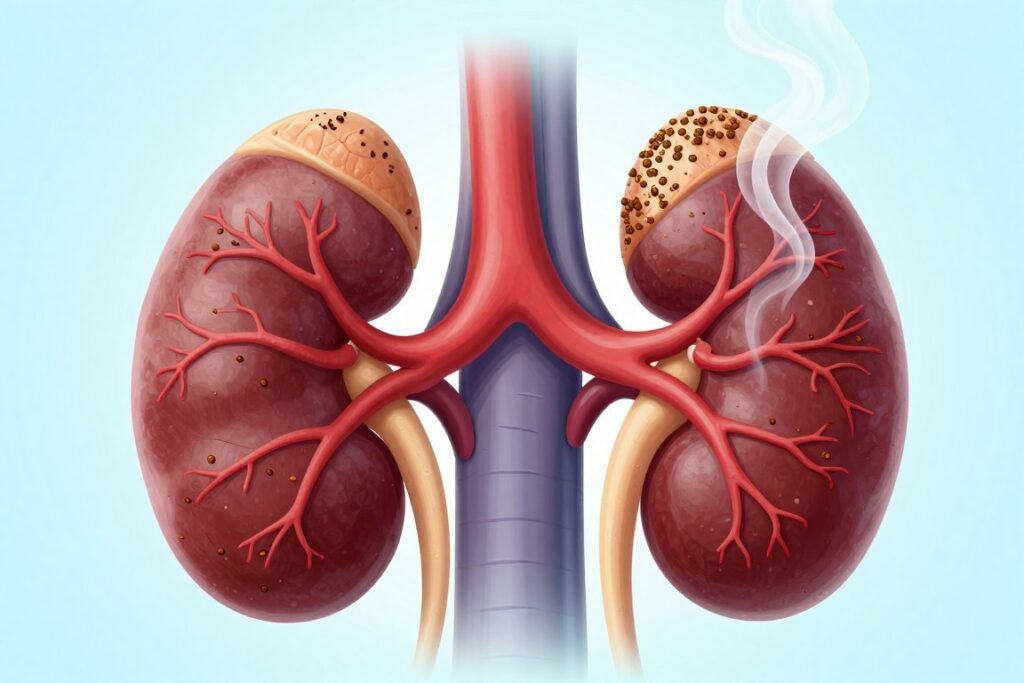
Smoking damages blood vessels throughout your body, including those in your kidneys. It raises blood pressure and accelerates kidney disease progression. Smokers with diabetes face especially high kidney disease risk.
Quitting smoking at any age benefits your kidneys. Within months, blood vessel function improves. Long-term, former smokers show significantly slower kidney disease progression compared to continuing smokers.
Limit Alcohol Consumption
Heavy drinking strains kidneys and raises blood pressure. Limit alcohol to one drink daily for women and two for men. Binge drinking causes acute kidney damage that can become chronic over time.
Alcohol also interferes with medications for diabetes and blood pressure. This interference reduces treatment effectiveness and allows kidney damage to progress. Moderation protects kidney health long-term.
Treatment and Dialysis: Are They Really Helpful?

Treatment effectiveness for kidney disease depends heavily on disease stage and how early intervention begins. While no cure exists for chronic kidney disease, treatments can slow progression and manage symptoms effectively when started early.
Early Stage Treatment Effectiveness
In stages 1-3 chronic kidney disease, medications and lifestyle changes significantly slow progression. Blood pressure medications protect remaining kidney function. ACE inhibitors and ARBs specifically protect kidneys beyond just lowering blood pressure.
Studies show that controlling blood sugar, blood pressure, and cholesterol in early stages can stop kidney disease from advancing for years. Some patients maintain stable kidney function for decades with proper management.
Dialysis: Life-Saving But Imperfect
Dialysis kidney treatment becomes necessary when kidneys fail completely. Two types exist: hemodialysis and peritoneal dialysis. Hemodialysis filters blood through an external machine. Peritoneal dialysis uses your abdomen lining to filter wastes.
Dialysis keeps kidney failure patients alive but doesn’t cure the disease. It removes wastes and excess fluid that damaged kidneys cannot eliminate. Without dialysis, toxins accumulate and cause death within weeks.
Quality of Life on Dialysis
Hemodialysis requires three sessions weekly, each lasting 3-5 hours. This schedule disrupts work, family life, and travel. Many patients experience fatigue, muscle cramps, and nausea after treatments.
Peritoneal dialysis offers more flexibility. Patients perform it at home daily or overnight. However, it requires strict sterile technique to prevent infections. Infection rates remain a serious concern with this method.

Despite challenges, dialysis extends life significantly. Five-year survival rates for dialysis patients average around 35-40%. Younger, healthier patients often do better. Older patients with multiple health problems face shorter survival times.
Kidney Transplant: The Best Option
Dialysis kidney transplant provides the best outcomes for kidney failure patients. A transplanted kidney functions better than dialysis at removing wastes and balancing body chemistry. Transplant patients enjoy better quality of life and longer survival.
Ten-year survival rates after kidney transplant reach 60-70% for living donor recipients. This far exceeds dialysis outcomes. Transplant patients can work, travel, and live relatively normal lives with proper medication adherence.
Medication Management
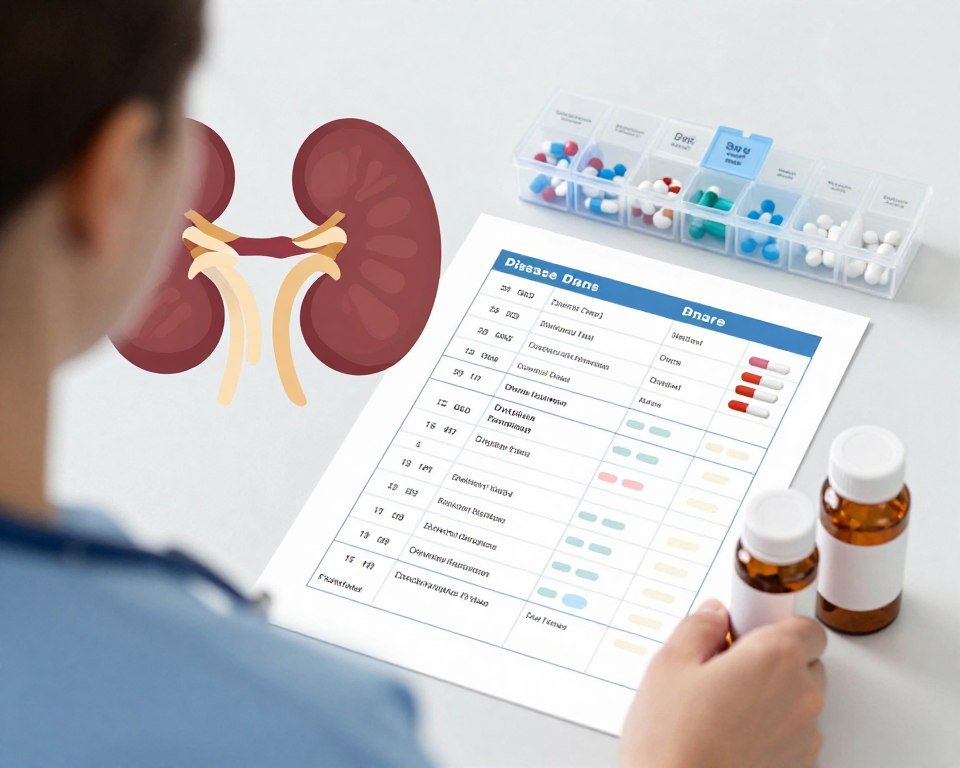
Various medications help manage kidney disease complications. Phosphate binders prevent bone disease. Erythropoietin treats anemia common in kidney patients. Blood pressure medications remain crucial at all disease stages.
Medication regimens can include 10-15 different pills daily. Compliance becomes challenging. Side effects occur frequently. However, taking medications as prescribed significantly improves outcomes and slows disease progression.
Treatment Reality: While treatments cannot cure chronic kidney disease, they dramatically improve outcomes when started early. The difference between treatment at stage 2 versus stage 4 often determines whether you’ll need dialysis within 5 years or 20 years.
Emerging Treatments
Research continues into new kidney disease treatments. SGLT2 inhibitors, originally diabetes medications, show promise protecting kidneys. Stem cell therapies are under investigation for regenerating kidney tissue.
The national institute diabetes digestive and kidney diseases funds numerous clinical trials. Artificial kidney devices may eventually replace dialysis. Gene therapy might cure inherited kidney diseases. These advances offer hope for future patients.
What Doctors Are Saying About Kidney Disease

Medical professionals across specialties express growing concern about the kidney disease epidemic. Their insights reveal both challenges and opportunities in addressing this health crisis.
Prevention Must Come First
“We can treat kidney disease, but we cannot cure it once significant damage occurs. Prevention through blood pressure control and diabetes management would eliminate 70% of cases we see. The problem is reaching people before symptoms appear.”
Nephrologists emphasize that early detection changes everything. A patient diagnosed at stage 2 chronic kidney disease can often maintain stable function for decades. Diagnosis at stage 4 means dialysis likely within 2-3 years.
Lifestyle Changes Work

“I’ve seen patients reverse early kidney damage through weight loss, exercise, and dietary changes. When people take it seriously and make real changes, kidney function can actually improve. The body has remarkable healing capacity if we support it properly.”
Primary care doctors stress the importance of annual kidney screening for high-risk patients. Simple blood tests and urine tests cost little but detect problems years before symptoms appear. This early warning allows interventions that prevent kidney failure.
Treatment Has Improved
Advances in dialysis technology have improved patient outcomes significantly over the past 20 years. Modern dialysis machines remove wastes more efficiently with fewer side effects. Home dialysis options give patients more control and flexibility.
“Dialysis is not the death sentence it once was. Many of my patients work full-time, travel, and maintain active lives. The key is starting dialysis at the right time – not too early, not too late. When we optimize the timing and type of dialysis, outcomes improve dramatically.”
Health Disparities Remain Critical
Medical experts highlight disturbing racial and economic disparities in kidney disease. African Americans develop kidney failure at three times the rate of white Americans. Hispanic populations show twice the rate of kidney failure.
“The zip code you live in predicts your kidney disease risk better than your genetic code. Limited access to healthy food, safe exercise spaces, and preventive healthcare creates kidney disease hot spots in underserved communities. We must address these social determinants of health.”
Future Looks Promising
Researchers express optimism about emerging treatments. New medications show promise slowing disease progression. Artificial intelligence helps predict which patients will progress rapidly, allowing earlier intervention.
The national institute diabetes digestive and kidney diseases supports research into bioartificial kidneys. These devices could eventually eliminate the need for dialysis. Gene editing technologies may cure inherited kidney diseases within the next decade.
Kidney Disease Statistics: 100-Year Perspective
Tracking kidney disease over the past century reveals dramatic changes in prevalence, treatment, and outcomes. This historical perspective shows both progress and persistent challenges.
| Decade | Prevalence Rate (per 100,000) | Primary Causes | Treatment Available | 5-Year Survival Rate |
| 1920s | 45 | Infections, toxins | Supportive care only | Less than 5% |
| 1930s | 52 | Infections, industrial exposure | Supportive care, dietary restrictions | Less than 5% |
| 1940s | 58 | Infections, emerging diabetes | Antibiotics introduced, supportive care | Less than 10% |
| 1950s | 67 | Diabetes, infections | First dialysis machines (experimental) | 10-15% |
| 1960s | 89 | Diabetes, high blood pressure | Dialysis becoming available, first transplants | 20-25% |
| 1970s | 134 | Diabetes, hypertension | Medicare covers dialysis, transplant programs expand | 30-35% |
| 1980s | 198 | Diabetes, hypertension, obesity rising | Improved dialysis, better immunosuppression | 35-40% |
| 1990s | 267 | Diabetes epidemic begins, hypertension, obesity | Home dialysis options, living donor transplants | 40-45% |
| 2000s | 356 | Diabetes, hypertension, obesity epidemic | Advanced dialysis technology, expanded transplant programs | 45-50% |
| 2010s | 467 | Diabetes, hypertension, obesity, aging population | Improved medications, peritoneal dialysis advances | 50-55% |
| 2020s | 521 | Diabetes, hypertension, obesity, COVID-19 complications | SGLT2 inhibitors, AI-guided treatment, bioartificial kidney research | 55-60% |
The statistics reveal troubling trends. Kidney disease prevalence has increased more than tenfold over the past century. The diabetes epidemic starting in the 1980s correlates directly with skyrocketing kidney disease rates.
Treatment advances have improved survival rates significantly. A patient diagnosed with kidney failure in the 1950s faced near-certain death within months. Today, that same patient can live 10-15 years or longer with dialysis and potentially decades with a successful kidney transplant.
However, prevalence increases have outpaced treatment improvements. More people develop kidney disease each year than medical systems can adequately treat. This gap drives the current healthcare crisis and demands stronger prevention efforts.
Is Kidney Disease Curable or Chronic?
Understanding whether kidney disease can be cured depends on the type of kidney damage and how early treatment begins. The answer varies significantly based on these factors.
Acute Versus Chronic Kidney Disease
Acute kidney injury happens suddenly from infections, toxins, or severe dehydration. This type often resolves completely with prompt treatment. Kidneys can regenerate and return to normal function after acute injury.
Chronic kidney disease develops over months or years from ongoing damage. This progressive condition cannot be cured. Once kidney tissue scars, it does not regenerate. Treatment focuses on slowing progression and managing complications.
Early Stage Potential
Some patients with early chronic kidney disease can stabilize or slightly improve kidney function through aggressive lifestyle changes. Weight loss, blood pressure control, and diabetes management sometimes reverse mild kidney damage.
Studies show that patients who lose significant weight through bariatric surgery occasionally see kidney function improvement. However, this represents stabilization rather than true cure. The underlying disease remains present but controlled.
Advanced Stage Reality
Once chronic kidney disease reaches stage 3 or higher, progression becomes inevitable without dialysis kidney transplant. The scarring and damage cannot be undone. Treatment can slow decline but not reverse it.
Stage 5 kidney disease requires either dialysis or kidney transplant for survival. Even kidney transplant doesn’t cure the disease completely. The transplanted kidney can develop disease over time. Recipients need lifelong medications and monitoring.
Specific Disease Outcomes
Polycystic kidney disease, an inherited condition, has no cure. Cysts continue growing throughout life. Eventually most patients need dialysis or transplant. Research into slowing cyst growth shows promise but hasn’t produced a cure yet.
Diabetic kidney disease can be slowed significantly through excellent blood sugar control. Some patients maintain stable kidney function for decades. However, the underlying diabetes and kidney vulnerability remain. Complete cure isn’t possible with current treatments.
Certain types of glomerulonephritis respond to immunosuppressive medications. Some patients achieve complete remission where kidney function returns to normal. However, disease can recur years later. These patients need ongoing monitoring even after apparent recovery.
The Transplant Question
Kidney transplant provides the best quality of life for kidney failure patients. A successfully transplanted kidney functions like a healthy kidney. However, this doesn’t represent a cure.
Transplant recipients take anti-rejection medications lifelong. These drugs carry risks including infections, cancer, and ironically, kidney damage. The transplanted kidney typically lasts 10-20 years before failing. Many patients eventually need second or third transplants.
Critical Understanding: Chronic kidney disease cannot be cured with current medical technology. However, early detection and aggressive management can prevent progression to kidney failure in many cases. The earlier treatment begins, the better the long-term outcome.
Food Choices That Lead to Kidney Disease
Your diet profoundly impacts kidney health. Certain foods and eating patterns directly contribute to kidney damage over time. Understanding these risks helps you make better choices.
Excessive Sodium Intake
Americans consume an average of 3,400 mg of sodium daily. Your kidneys should process only 2,300 mg or less. Excess sodium raises blood pressure, forcing kidneys to work harder filtering blood.
Processed foods contain most dietary sodium. A single frozen dinner can pack 1,500 mg. Restaurant meals often exceed 2,000 mg in one sitting. Canned soups, deli meats, and cheese contribute massive sodium loads that damage kidneys gradually.
High Sugar and Refined Carbohydrates
Sugary beverages, desserts, and refined grains spike blood sugar levels repeatedly throughout the day. These spikes damage kidney blood vessels over years. High blood sugar also promotes diabetes development, the leading cause of kidney disease.
One regular soda contains 39 grams of sugar. Drinking just one daily increases diabetes risk by 25%. Energy drinks, sweetened coffee beverages, and fruit juices contribute similar damage. These liquid calories bypass satiety signals and promote weight gain.
Excessive Protein Consumption
While protein is essential, excessive amounts strain kidneys. High-protein diets force kidneys to work harder eliminating nitrogen waste products from protein metabolism. People with existing kidney damage should limit protein intake.
The average American eats 1.5-2 times the recommended protein amount. Red meat, processed meats, and large portions contribute to this excess. A 16-ounce steak contains over 100 grams of protein – more than double most people’s daily needs.
Processed and Red Meats
Processed meats like bacon, sausages, and deli meats contain high sodium, preservatives, and advanced glycation end products (AGEs). These compounds promote inflammation and kidney damage. Studies link regular processed meat consumption to increased kidney disease risk.
Red meat consumption correlates with kidney disease progression. People eating red meat daily show faster kidney function decline compared to those eating it occasionally. The national institute diabetes digestive and kidney diseases recommends limiting red meat to 2-3 servings weekly.
Excessive Phosphorus
Many processed foods contain phosphate additives that damage kidneys. Soft drinks, processed cheeses, and packaged baked goods pack excessive phosphorus. Healthy kidneys regulate phosphorus levels, but damaged kidneys cannot.
High phosphorus levels cause calcium to leach from bones. This leads to bone disease and vascular calcification. Reading ingredient labels for phosphate additives helps avoid this hidden kidney threat.
Artificial Sweeteners and Diet Sodas
Diet sodas seem healthier than regular versions, but research links them to kidney function decline. Two or more diet sodas daily doubled kidney disease risk in one major study. Artificial sweeteners may alter gut bacteria and metabolism in ways that harm kidneys.
Aspartame, saccharin, and sucralose all raise concerns. While occasional use seems safe, regular consumption of multiple diet beverages daily may contribute to kidney problems over years.
Alcohol Excess
Moderate alcohol consumption appears safe for healthy kidneys. However, heavy drinking damages kidneys directly. Alcohol causes dehydration, raises blood pressure, and interferes with kidney hormone regulation.
Binge drinking episodes cause acute kidney injury in some people. Chronic heavy drinking leads to chronic kidney disease over time. Limiting alcohol to one drink daily for women and two for men protects kidney health.
Diet Habits That Protect Your Kidneys

Eating the right foods significantly reduces kidney disease risk and slows progression in those already diagnosed. These dietary patterns protect kidney function effectively.
Embrace Plant-Based Eating
Diets rich in vegetables, fruits, whole grains, and legumes protect kidneys better than meat-heavy diets. Plant foods contain antioxidants that reduce inflammation and oxidative stress damaging kidney tissues.
You don’t need to become completely vegetarian. Simply increasing plant food portions while decreasing meat portions provides benefits. Aim for vegetables and fruits to fill half your plate at each meal.
Choose Healthy Proteins
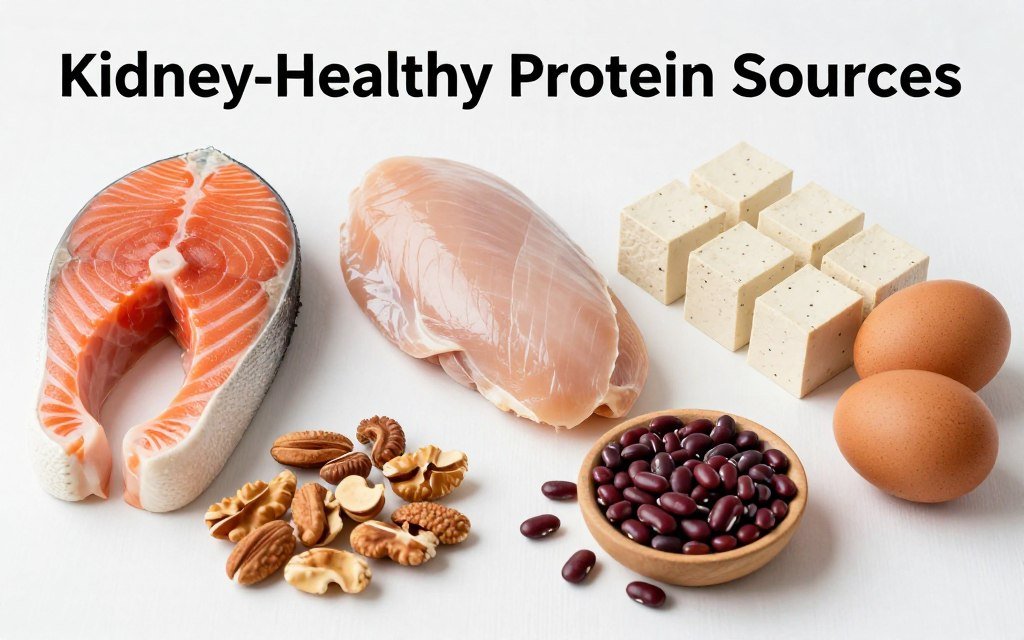
Fish, especially fatty fish like salmon and sardines, provides protein with anti-inflammatory omega-3 fatty acids. These healthy fats protect kidney function. Aim for 2-3 fish servings weekly.
Chicken and turkey offer lean protein without the risks of red meat. Eggs in moderation fit kidney-healthy diets. Plant proteins from beans, lentils, tofu, and tempeh provide excellent alternatives to meat while delivering fiber and nutrients.
Reduce Sodium Strategically
Cook at home using fresh ingredients to control sodium intake. Fresh vegetables, fruits, whole grains, and unseasoned meats contain minimal sodium naturally. You add salt to taste, controlling amounts precisely.
Season foods with herbs, spices, lemon juice, and vinegar instead of salt. Garlic, basil, oregano, cumin, and black pepper add flavor without sodium. Your taste buds adapt within 2-3 weeks, making lower-sodium foods taste normal.
Prioritize Whole Grains
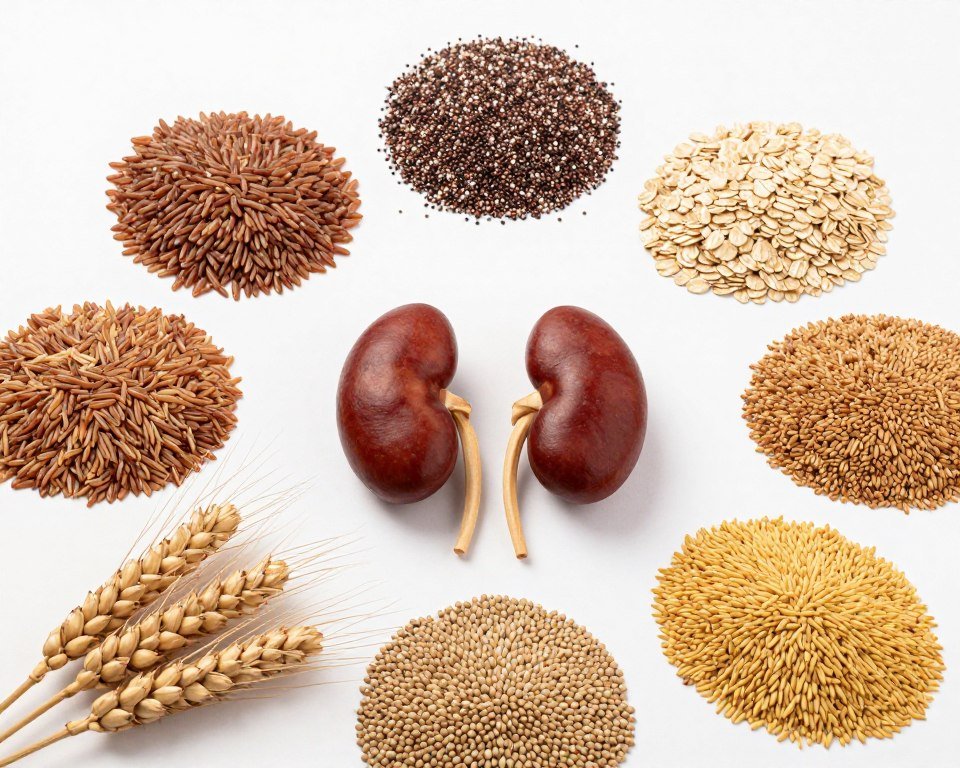
Whole grains like brown rice, quinoa, oats, and whole wheat provide fiber, B vitamins, and minerals. They cause slower blood sugar rises compared to refined grains. This steadier blood sugar protects kidney blood vessels.
Replace white bread, white rice, and regular pasta with whole grain versions. Start your day with oatmeal instead of sugary cereals. Choose quinoa or brown rice as meal bases instead of white rice.
Load Up on Berries and Antioxidant-Rich Foods
Berries contain powerful antioxidants called anthocyanins that protect kidney cells from damage. Blueberries, strawberries, raspberries, and cranberries all provide kidney-protective benefits.
Other antioxidant-rich foods include dark leafy greens, red bell peppers, purple cabbage, and dark chocolate. These foods reduce inflammation and oxidative stress that contribute to kidney damage over time.
Stay Properly Hydrated

Water remains the best beverage for kidney health. It helps kidneys flush toxins and prevents kidney stone formation. Most people need 8-10 glasses daily, though individual needs vary based on activity level and climate.
Limit or avoid sugary drinks, excessive caffeine, and alcohol. Unsweetened herbal teas provide variety without sugar or caffeine. Water-rich foods like cucumbers, watermelon, and lettuce contribute to daily fluid intake.
Follow the DASH Diet Principles
The Dietary Approaches to Stop Hypertension (DASH) diet protects both blood pressure and kidneys. It emphasizes vegetables, fruits, whole grains, lean proteins, and low-fat dairy while limiting sodium, red meat, and sweets.
DASH diet followers show significantly lower kidney disease risk. The diet naturally provides potassium, magnesium, and calcium that support healthy blood pressure. Lower blood pressure directly protects kidney function.
Foods to Eat Freely
These kidney-protective foods should form the foundation of your daily diet:
- Leafy greens (spinach, kale, arugula)
- Berries (blueberries, strawberries, raspberries)
- Fatty fish (salmon, mackerel, sardines)
- Whole grains (brown rice, quinoa, oats)
- Garlic and onions
- Olive oil
- Cauliflower and broccoli
- Apples and pears
Foods to Limit
Reduce these foods to protect kidney function and slow disease progression:
- Red meat and processed meats
- High-sodium processed foods
- Sugary beverages and desserts
- White bread and refined grains
- Full-fat dairy products
- Foods with phosphate additives
- Excessive alcohol
- Fried and fast foods
Meal Planning Tips
Simple strategies make kidney-healthy eating sustainable long-term:
- Plan meals weekly around vegetables
- Prep ingredients on weekends
- Cook extra servings for leftovers
- Keep healthy snacks readily available
- Read nutrition labels carefully
- Measure portions until habits form
- Try one new healthy recipe weekly
- Involve family in meal preparation
Dining Out Strategies
Maintain kidney-healthy eating when restaurants tempt with unhealthy options:
- Request sauces and dressings on the side
- Choose grilled, baked, or steamed preparations
- Ask for extra vegetables instead of fries
- Split entrees or take half home
- Skip the bread basket
- Order water or unsweetened tea
- Research menu nutrition online beforehand
- Don’t arrive overly hungry
Supplements and Kidney Health

Many supplements can harm kidneys despite health claims. High-dose vitamin C creates oxalate that forms kidney stones. Certain herbal supplements cause direct kidney damage.
Always consult your doctor before starting supplements if you have kidney disease or risk factors. Some vitamins need dosage adjustments for kidney patients. What helps healthy people might harm those with compromised kidney function.
Special Considerations for Existing Kidney Disease
People already diagnosed with chronic kidney disease need additional dietary modifications. Potassium and phosphorus restrictions become necessary at advanced stages. A renal dietitian can create personalized meal plans.
The national kidney foundation provides detailed dietary guidelines for each disease stage. Stage 1-2 patients follow general healthy eating. Stage 3-5 patients need specific nutrient restrictions that only trained professionals should prescribe.
Taking Control of Your Kidney Health
Kidney disease threatens millions of Americans, but you hold significant power to protect yourself. While chronic kidney disease cannot be cured, it can often be prevented or slowed dramatically through informed choices and proactive healthcare.
The statistics reveal an alarming trend over the past century. Kidney disease prevalence continues rising as diabetes, high blood pressure, and obesity reach epidemic levels. However, this same data shows that early detection and treatment dramatically improve outcomes.
Your daily food choices matter more than you might imagine. Reducing sodium, limiting processed foods, choosing plant-based meals, and staying hydrated all protect kidney function. These simple changes prevent the majority of kidney disease cases when maintained consistently over years.
Don’t wait for symptoms to appear. Kidney disease damages silently for years before you feel sick. Annual screening through simple blood tests and urine tests catches problems early when interventions work best. Talk to your doctor about kidney screening if you have diabetes, high blood pressure, family history, or other risk factors.
Treatment effectiveness depends heavily on timing. Patients diagnosed at stage 1 or 2 chronic kidney disease often maintain stable function for decades. Those reaching stage 4 or 5 face dialysis or transplant within a few years. Early action makes this critical difference.
The national institute diabetes digestive and kidney diseases continues funding research into better treatments and potential cures. Tomorrow’s therapies may transform kidney disease from a progressive condition into a manageable one. Today, prevention and early detection remain your most powerful tools.
Take action now. Schedule that overdue checkup. Make one healthy dietary change this week. Learn your numbers for blood pressure, blood sugar, and kidney function. Small steps today prevent devastating consequences tomorrow. Your kidneys work tirelessly to keep you healthy – return the favor by protecting them.